• Sassafras Bee Farm
  • About
  • Contact

Beekeeping365

~ The more I studied beekeeping, the less I knew, until, finally, I knew nothing. But, even though I knew nothing, I still had plenty to unlearn. Charles Martin Simon

Beekeeping365

Daily Archives: September 1, 2026

SC Midlands Beekeeping Calendar for September

01 Tuesday Sep 2026

Posted by Beekeeping365 in beekeeping, beekeeping calendar, calendar, management, South Carolina

≈ Leave a comment

Tags

beekeeping, beekeeping calendar, management

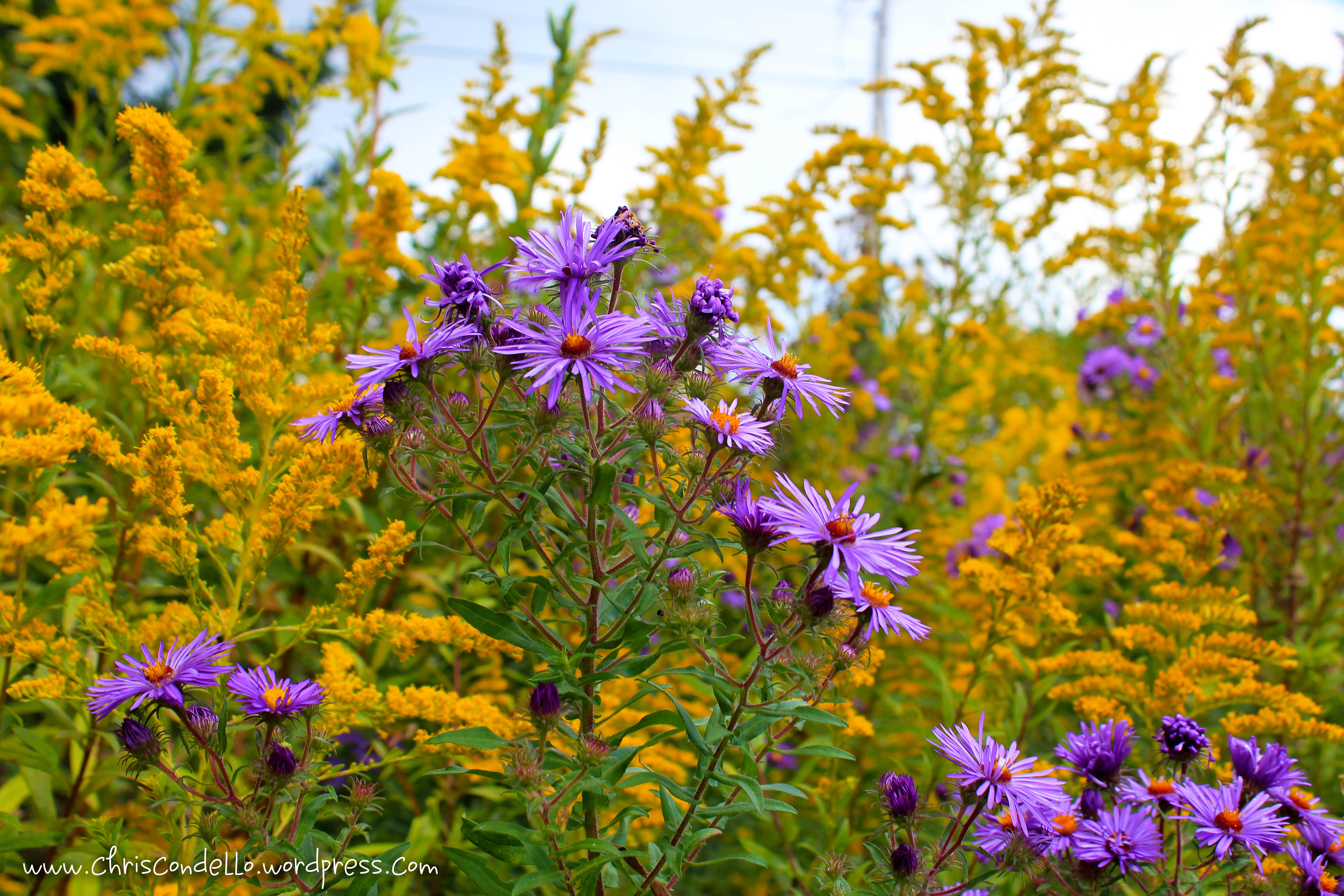
astergoldenrod

Photo credit: https://chriscondello.wordpress.com

As always, All beekeeping is local. Here’s my offering for the beekeeping calendar for the South Carolina Midlands for the month of September: Plan on checks twice this month but do not work unless necessary to prevent triggering robbing.

September weather usually continues to be hot in the Midlands. Don’t expect extended cool weather until mid-October. In the meantime, slightly reduced temperatures may open up some alternative Varroa treatment options.

The main management issue this month is a continuation of last month’s focus on pest management. Pests are growing in numbers while bee populations are typically falling in response to a reduction in available nectar. Varroa, Small Hive Beetles, Yellow Jackets, and other pests can overwhelm a hive leading to decline. A weakened hive then becomes vulnerable to robbing and wax moths. The beekeeper must get ahead of the pests, as responding after a problem is observed may be too late.

1) Continue to monitor and control pests – Varroa, Small Hive Beetles, and Yellow Jackets. If you have not yet treated for Varroa now is the time to assess and act accordingly.

2) This year’s hive beetle population seems to be greater than last year’s. I suspect this is due to last year’s warm winter, increased rainfall this spring and summer, and overall supportive weather. Place traps or Swiffer pads in hives before you notice a problem. Check traps weekly and replenish or replace as needed.

3) Yellow Jacket traps with lure can be placed around the apiary. There are several low cost or no cost do-it-yourself trap plans online. If you see yellow jackets attempting to breach security at the hive entrance observe how your bees handle the situation. A strong hive will eject the intruder in short order. Keep hives strong by adjusting hive internal volume to bee population. Poor Man’s Yellow Jacket trap.

4) Depending on your location, some of these plants may have already bloomed. Rose of Sharon, Magnolia, Crepe myrtle, Sunflower, White Boneset, and Sweet Autumn Clematis. Cotton and Soybean is blooming east of the Midlands. Goldenrod and Asters begin to make their appearance this month. We sometimes get a short fall nectar flow. If we get a fall nectar flow you’ll notice a renewed vigor on the landing board and lots of pollen entering the hive. The smelly sock odor of goldenrod will be noted when you open the hive and sometimes when walking through the apiary.

5) Typically, no local Midlands queens are available in September. If you need a queen you’ll probably have to order one from out of state or buy one from a vendor that has ordered from out of state.

6) It’s crunch time to combine weak hives with strong hives. There is a saying, “Take your losses in the Fall.” Experienced beekeepers combine their weak hives with stronger hives knowing they can split next spring and nothing is lost. (Assess and make sure the weak hive is not weak due to disease before combining.) Better to strengthen a strong hive than allow the weak hive to perish. Use the newspaper method between boxes with slits to allow the bees to become accustomed to each other. Remove the weaker queen prior to combining. Note: Again, assess and make sure the weak hive is not weak due to disease before combining.

7) Use entrance reducers as appropriate. Many colonies have been bringing their populations down over the course of dearth period. Adjust their entrances accordingly. Addition of an upper entrance such as a notched inner cover is advisable prior to entering colder weather to allow for ventilation (cover with screen if robbing pressure is a concern).

8) Increase feeding this month to stimulate the brood rearing of nurse bees which will raise your winter bees. You may use a 1:1 mix during this time but nothing thinner. Coupled with autumn pollen flow this can give a boost to improving the quality of your winter bees. Some beekeepers begin the use of 2:1 this month. The decision is yours based on your assessment of your hives, their stores, and whether you think we’ll get cooler weather sooner rather than later.

9) Begin to tip colonies forward from the rear to assess their weight. Notice the number of frames of honey stores inside so that you can compare what you are feeling with what is actually inside. You will need this assessment skill during winter when you shouldn’t open the hives.

10) If not yet done, make efforts to bring all hives with extra supers down to overwintering configuration. For ten frame hives that usually means one deep and one medium OR three mediums. If you left an extra super on to feed during dearth, now is the time to remove it and any queen excluder used. If you have eight frame hives do the math to accomplish the same internal volume.

11) The occasional late swarm caught this time of year can be housed briefly in a box and fed. They will pull out some nice comb but anticipate combining them after a short while with an established colony.

12) Prepare your honey and wax entries for the South Carolina State Fair. Helpful hints can be found here.

13) Attend your local association’s monthly meeting. Volunteer to educate the public on the importance of honey bees by signing up to work a shift at the upcoming SC State Fair booth.

14) It’s September and time to start preparing for autumn! Enjoy the following resources as you prepare your colonies:
Fall Management by Rusty Burlew at Honey Bee Suite

Autumn Management In The Southeast U.S. by David MacFawn

Feel free to share this on:

  • Share on Facebook (Opens in new window) Facebook
  • Share on X (Opens in new window) X
  • Share on Pinterest (Opens in new window) Pinterest
  • Email a link to a friend (Opens in new window) Email
  • Share on LinkedIn (Opens in new window) LinkedIn
  • Share on Reddit (Opens in new window) Reddit
  • Share on Tumblr (Opens in new window) Tumblr
  • Print (Opens in new window) Print
  • Share on Telegram (Opens in new window) Telegram
  • Share on WhatsApp (Opens in new window) WhatsApp
Like Loading...
Follow Beekeeping365 on WordPress.com

Enter your email address to follow this blog and receive notifications of new posts by email.

Calendar

September 2026
S M T W T F S
 12345
6789101112
13141516171819
20212223242526
27282930  
« Aug    

Posts by Month:

  • September 2026 (1)
  • August 2026 (6)
  • July 2026 (1)
  • May 2026 (2)
  • January 2026 (3)
  • July 2025 (1)
  • April 2024 (1)
  • September 2022 (1)
  • July 2022 (1)
  • March 2022 (13)
  • February 2022 (17)
  • January 2022 (4)
  • December 2021 (4)
  • November 2021 (7)
  • October 2021 (1)
  • September 2021 (3)
  • August 2021 (11)
  • July 2021 (18)
  • June 2021 (5)
  • May 2021 (2)
  • April 2021 (9)
  • March 2021 (2)
  • February 2021 (5)
  • January 2021 (16)
  • December 2020 (15)
  • November 2020 (15)
  • October 2020 (11)
  • July 2020 (1)
  • February 2020 (1)
  • March 2019 (2)
  • February 2019 (4)
  • January 2019 (1)
  • December 2018 (10)
  • November 2018 (8)
  • October 2018 (15)
  • September 2018 (25)
  • August 2018 (3)
  • July 2018 (11)
  • June 2018 (27)
  • May 2018 (33)
  • April 2018 (20)
  • March 2018 (20)
  • February 2018 (12)
  • January 2018 (22)
  • December 2017 (18)
  • November 2017 (17)
  • October 2017 (25)
  • September 2017 (27)
  • August 2017 (21)
  • July 2017 (29)
  • June 2017 (28)
  • May 2017 (19)
  • April 2017 (17)
  • March 2017 (19)
  • February 2017 (12)
  • January 2017 (13)
  • December 2016 (5)

Posts by Categories:

  • absconding (1)
  • africanized honey bees (1)
  • apitherapy (1)
  • bee health (6)
  • bee law (2)
  • bee lining (2)
  • bee removals (2)
  • beekeeper (5)
  • beekeeper education (16)
  • beekeeping (615)
    • South Carolina (3)
  • beekeeping author (10)
  • beekeeping books (14)
  • beekeeping calendar (5)
  • beekeeping chores (8)
  • beekeeping equipment (26)
  • beekeeping history (49)
  • beekeeping management (37)
  • beekeeping pest management (8)
  • beekeeping seasons (23)
  • beekeeping vocabulary (16)
  • beeswax (13)
  • biography (4)
  • biology (14)
  • birthday (40)
  • birthdays (34)
  • book review (16)
  • breakfast (1)
  • calendar (5)
  • CCD (1)
  • chores (6)
  • comb (7)
  • comb honey (10)
  • commercial beekeeping (2)
  • cutouts (2)
  • dearth (3)
  • defensiveness (2)
  • diseases (9)
  • drawn comb (6)
  • ecology (4)
  • education (28)
  • equipment (25)
  • extracting (1)
  • fall nectar flow (1)
  • famous beekeepers (27)
  • feeding bees (7)
  • first blog entry (1)
  • folklore (1)
  • food (7)
  • forage (4)
  • hacks (3)
  • hive inspections (8)
  • hive placement (2)
  • hive products (6)
  • honey (90)
  • honey as food (22)
  • honey bee anatomy (3)
  • honey bee behavior (25)
  • honey bee biology (43)
  • honey bee genetics (4)
  • honey bee nutrition (1)
  • honey bee photos (6)
  • Honey Bee Research (1)
  • honey bee vocabulary (12)
  • honey bees (14)
  • honey judging (4)
  • honey recipe (65)
  • humor (13)
  • inspections (10)
  • journal (1)
  • log book (1)
  • making increase (3)
  • management (83)
  • mentoring (2)
  • mites (3)
  • national pollinator week (2)
  • nectar flow (6)
  • nomenclature (1)
  • opinion (8)
  • out yards (1)
  • outyards (1)
  • package bees (1)
  • pears (1)
  • pests (17)
  • plants for bees (3)
  • polish (1)
  • pollen (4)
  • pollination (11)
  • pollinators (7)
  • product review (1)
  • production (1)
  • products (3)
  • propolis (2)
  • queens (17)
  • raw honey (6)
  • recipe (88)
  • removals (1)
  • safety (3)
  • sales (2)
  • season (1)
  • seasons (21)
  • sideliner (1)
  • small hive beetles (1)
  • spring buildup (4)
  • state fair (2)
  • sustainable (7)
  • swarms (27)
  • ursurpation (1)
  • usurpation (1)
  • varroa (21)
  • varroa destructor (12)
  • varroa mites (24)
  • Winter (5)
  • winter solstice (2)
  • woodenware (3)
  • yellow jackets (2)

Sassafras Bee Farm on Facebook

Sassafras Bee Farm on Facebook

Sassafras Bee Farm

Sassafras Bee Farm

Recent Posts

  • SC Midlands Beekeeping Calendar for September
  • Why Continuous Learning is Key in Beekeeping
  • Meeting Reality vs What Seems Deserved
  • Everything Starts with a Tasty Meal: The Science Behind a Beekeeper’s Best Pest-Management Insight
  • The Skip in Their Step: Rethinking Oxalic Acid Use

Beekeeping365 on Facebook

Beekeeping365 on Facebook

Top Posts & Pages

  • The Skip in Their Step: Rethinking Oxalic Acid Use
    The Skip in Their Step: Rethinking Oxalic Acid Use
  • Why Continuous Learning is Key in Beekeeping
    Why Continuous Learning is Key in Beekeeping
  • Types of bees by Fat Daddy’s Apiary
    Types of bees by Fat Daddy’s Apiary

Blog Stats

  • 141,534 hits

Website Built with WordPress.com.

  • Subscribe Subscribed
    • Beekeeping365
    • Join 423 other subscribers
    • Already have a WordPress.com account? Log in now.
    • Beekeeping365
    • Subscribe Subscribed
    • Sign up
    • Log in
    • Report this content
    • View site in Reader
    • Manage subscriptions
    • Collapse this bar
Loading Comments...
%d