• Sassafras Bee Farm
  • About
  • Contact

Beekeeping365

~ The more I studied beekeeping, the less I knew, until, finally, I knew nothing. But, even though I knew nothing, I still had plenty to unlearn. Charles Martin Simon

Beekeeping365

Category Archives: Winter

The Queen Your Worst Winter Leaves You

18 Friday Sep 2026

Posted by Beekeeping365 in beekeeping, beekeeping management, beekeeping pest management, beekeeping seasons, mites, Winter

≈ Leave a comment

It’s September. The colony has never looked stronger, there is no visible danger anywhere in the yard, and this is exactly the point at which winter is either being prepared for or it isn’t.

By September the part of the year that actually decides winter survival has narrowed down to a couple of windows most beekeepers don’t notice closing in. The clearest is the mite treatment. The bees a colony rears in September and October aren’t built like the bees it reared in June — they’re the diutinus generation, fed differently as larvae, carrying the fat reserves and vitellogenin that let a bee live four or five months on cluster instead of the ordinary six weeks a summer forager gets. Whether that generation comes out of the cell healthy or compromised is decided while it’s still capped brood, which means a mite treatment timed to catch it in September works, and the same treatment applied in November is a beekeeper doing the right thing on the wrong date. There’s no makeup exam. The winter bee is reared soundly or she isn’t, and the difference won’t be visible from outside the box until one week in February when it’s far too late to matter.

The other window is stores, and the South Carolina Midlands version of this is a little different from the version in the beekeeping books written for colder places. The winters here are short and mild enough that colonies rarely starve for lack of total honey the way a colony in the upper Midwest can. What often kills a well-provisioned Midlands hive in January is isolation — a cold snap that locks the cluster in place for four or five days straight, on a frame it has already stripped, while two frames over sits capped honey the bees never got cold enough, for long enough, to be forced to cross to. Beekeepers here lose colonies with the pantry two inches from the corpse pile, both of them found under the same lid. The fix isn’t more honey. It’s how that honey gets arranged in the box in the fall, and whether it’s positioned before the first hard cold arrives or noticed after.

None of that is dramatic work. It’s a syringe of oxalic acid timed to a brood cycle, a frame moved six inches to the left, a hive vented with a small notch to allow moisture to escape. It happens in weather so mild you’d have to remind yourself there’s a reason to be out there at all. And then winter arrives and does the only thing winter was ever going to do, which is reveal, without negotiation, whatever got decided in September. There’s nothing left to diagnose or manage in the moment by February. The beekeeper who prepared is, in February, watching an undercover buildup of spring bees. The beekeeper who failed to prepare finds out what nature actually thought of their plan.

Some years that revelation can be devastating. You open six hives in the first mild week of March and five of them are dead — a fist of bees, heads down in empty cells, no visible disease, nothing wrong except that the September work wasn’t enough, or wasn’t done, or was done late for a mite load that had already gotten ahead of the treatment. That’s the shock the whole enterprise runs on, the possibility everyone who keeps bees for more than a couple of winters eventually meets: the apiary you built over three seasons reduced to one box by a cold snap in January.

But look at what the sixth hive is. It isn’t luck exactly, though it can feel that way standing over the wreckage of the other five. That colony’s queen, in that exact yard, with that exact mite load and that exact arrangement of stores, is the one whose genetics and whose beekeeper’s fall work actually held. She’s not just a surviving queen. She’s a data point nobody else in the yard produced, and by May you can graft off her — raise two dozen queen cells from larvae she laid, distribute them into splits made from nothing but comb and bees, and rebuild the apiary from one box back up to six or eight, every one of them carrying the exact combination of thrift and resistance that got her through the winter that killed her neighbors. The catastrophe doesn’t just survive total failure. It gets used as the selection event, you’d otherwise have to pay a breeder to run for you. Whatever culled the rest of the yard is also what tells you, with more certainty than any book written on bees ever could, which queen was actually worth keeping.

Many of the actual variables were ever under your control. You don’t control whether the winter runs hard or mild, whether a neighboring beekeeper’s untreated colony gets robbed out in October and hands your yard a mite load you never generated yourself, whether a warm stretch in January fools a cluster into breaking early right before a real cold front arrives to punish it for trusting the weather. What you do control is the September work — the treatment applied before the winter bees are compromised, the honey moved into reach before the cluster is committed to a single frame, the small venting notch you made in the inner cover. And you control going forward after a hardship.  The decision to requeen from your own survivor colonies turning an unplanned event into an opportunity to improve your stock. 

Moving forward is making our best decision in the here and now. 
Feel free to share this on:

  • Share on Facebook (Opens in new window) Facebook
  • Share on X (Opens in new window) X
  • Share on Pinterest (Opens in new window) Pinterest
  • Email a link to a friend (Opens in new window) Email
  • Share on LinkedIn (Opens in new window) LinkedIn
  • Share on Reddit (Opens in new window) Reddit
  • Share on Tumblr (Opens in new window) Tumblr
  • Print (Opens in new window) Print
  • Share on Telegram (Opens in new window) Telegram
  • Share on WhatsApp (Opens in new window) WhatsApp
Like Loading...

Current Beekeeping Activities by sassafrasbefarm

21 Thursday Jan 2021

Posted by Beekeeping365 in beekeeping, beekeeping chores, Winter, woodenware

≈ 5 Comments

Tags

beekeeping, beekeeping chores, chores, equipment, fall management, winter management

IMG_20171023_191707_204

Feeding the bees pollen substitute

Some things don’t change much year to year in beekeeping. At least not the chores. There is some comfort in the routine. This year is much like last. Building boxes, cleaning frames, painting and maintenance. And building bees for the spring. ~sassafrasbeefarm

This time of year can be busy for the beekeeper. Now, it’s all about preparation. My experience, since beginning this beekeeping journey, is that there is never enough time during the nectar flow. In fact, time becomes precious even before the nectar flow with the need to rotate hive bodies or employ other swarm reducing measures, placement of swarm traps, movement of hives to out yards, making splits, and lots of last minute surprises.

So, here are few pictures of what I occupy myself with now, during this so called off season:

IMAG2386

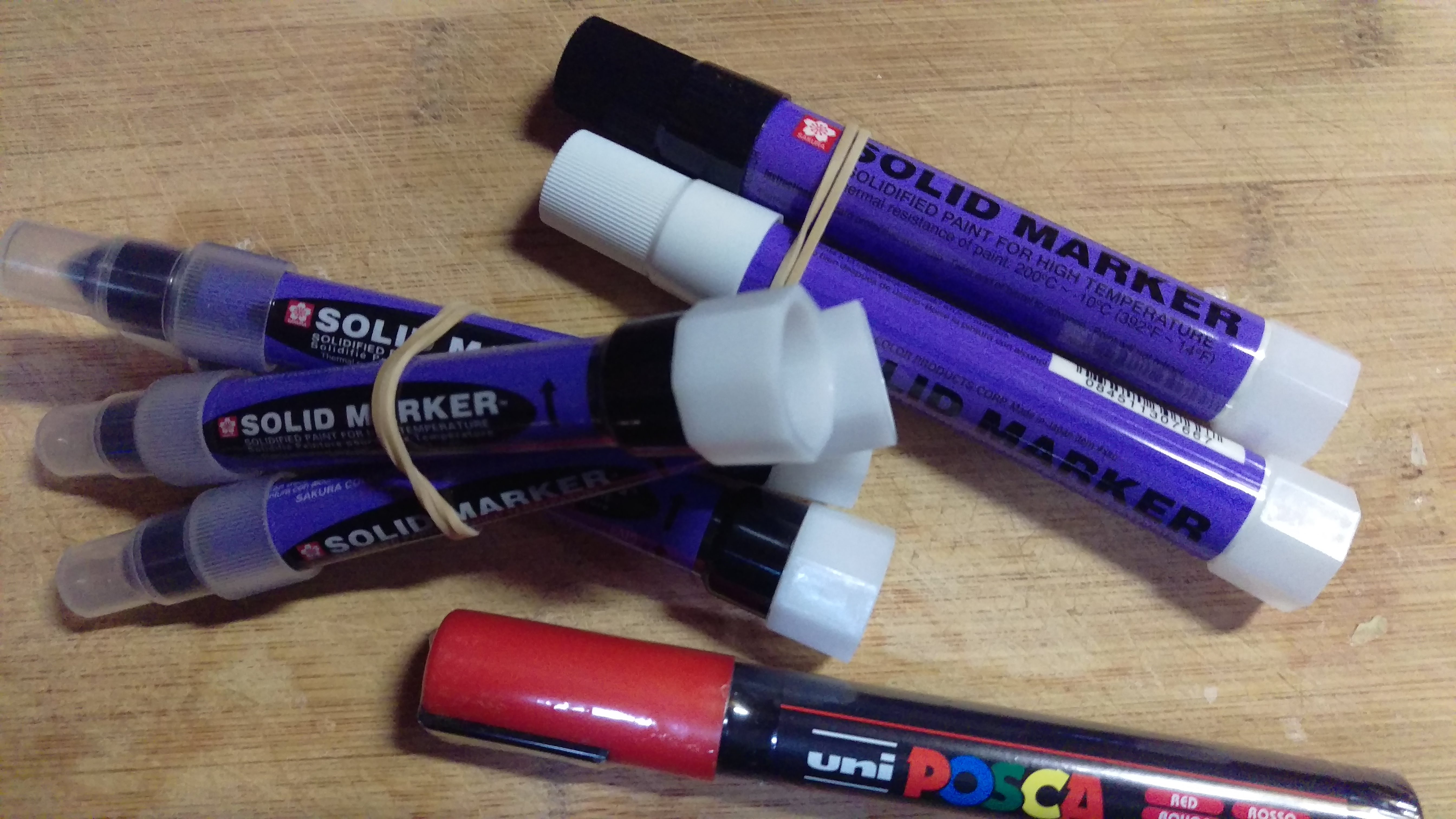
Order queen pen and my favorite markers to write on the hives.

IMAG2384

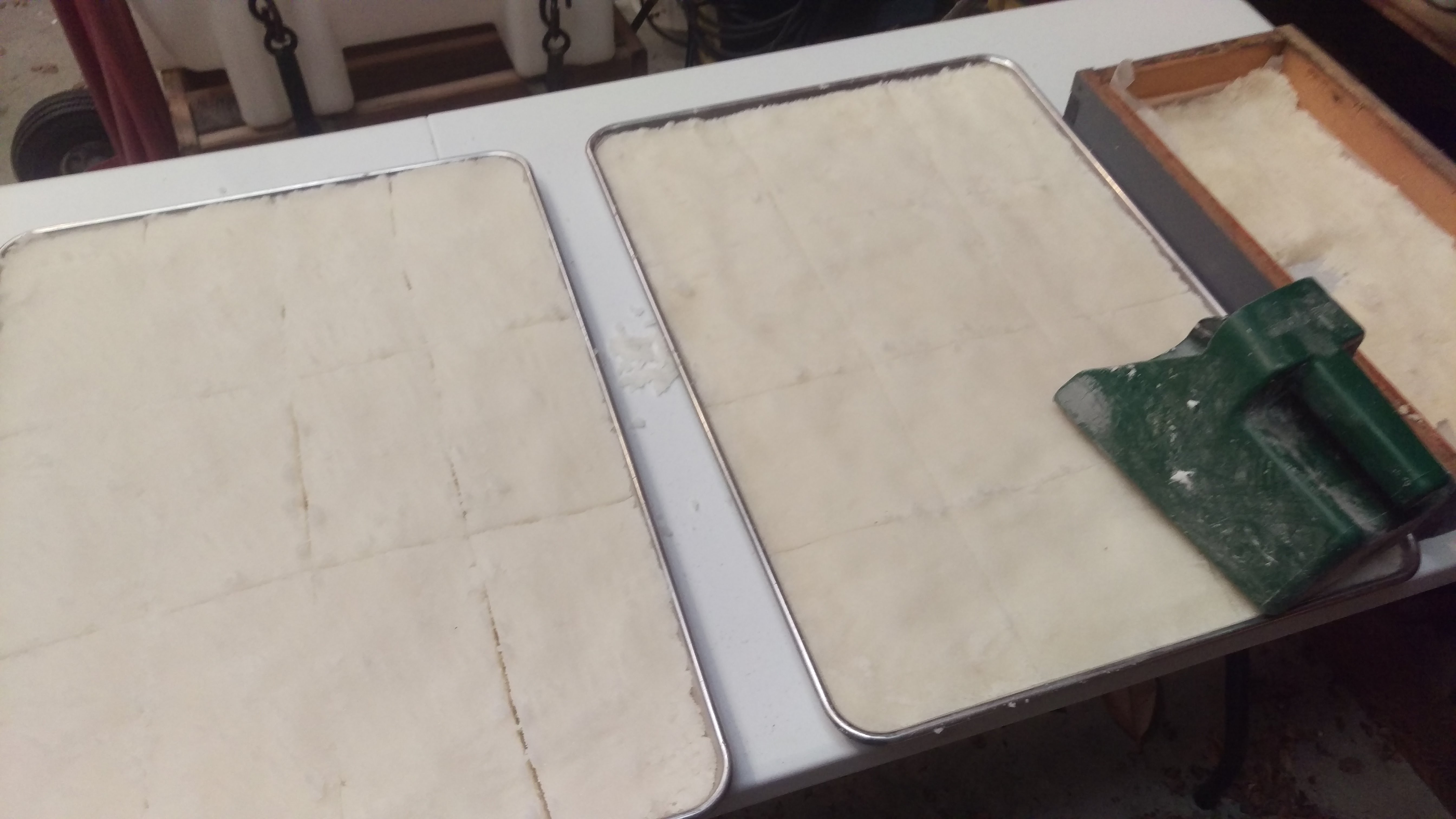
Making sugar cakes for the tops of the hives.

IMAG2383

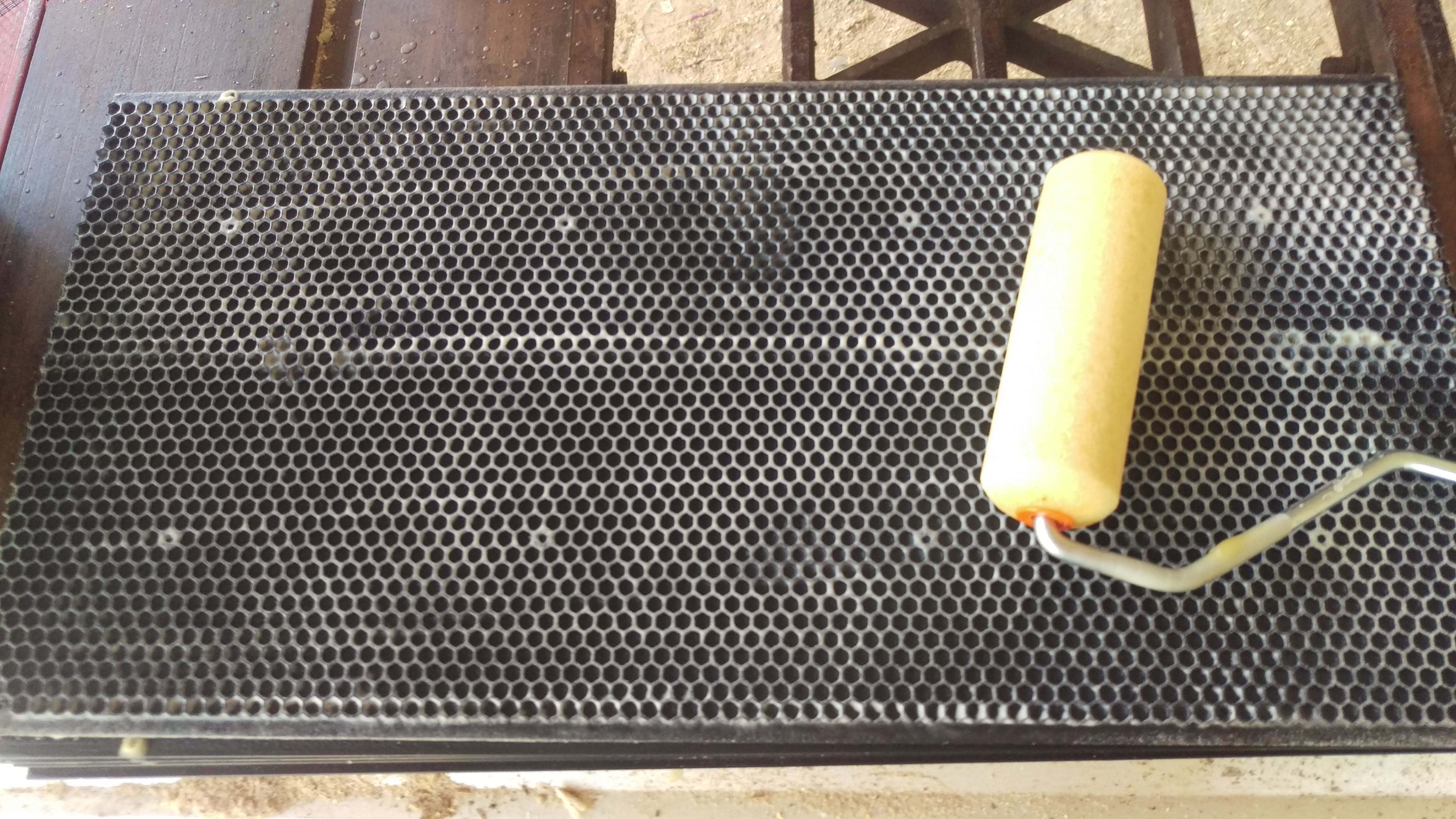
Adding extra wax to plastic frames.

IMAG2377

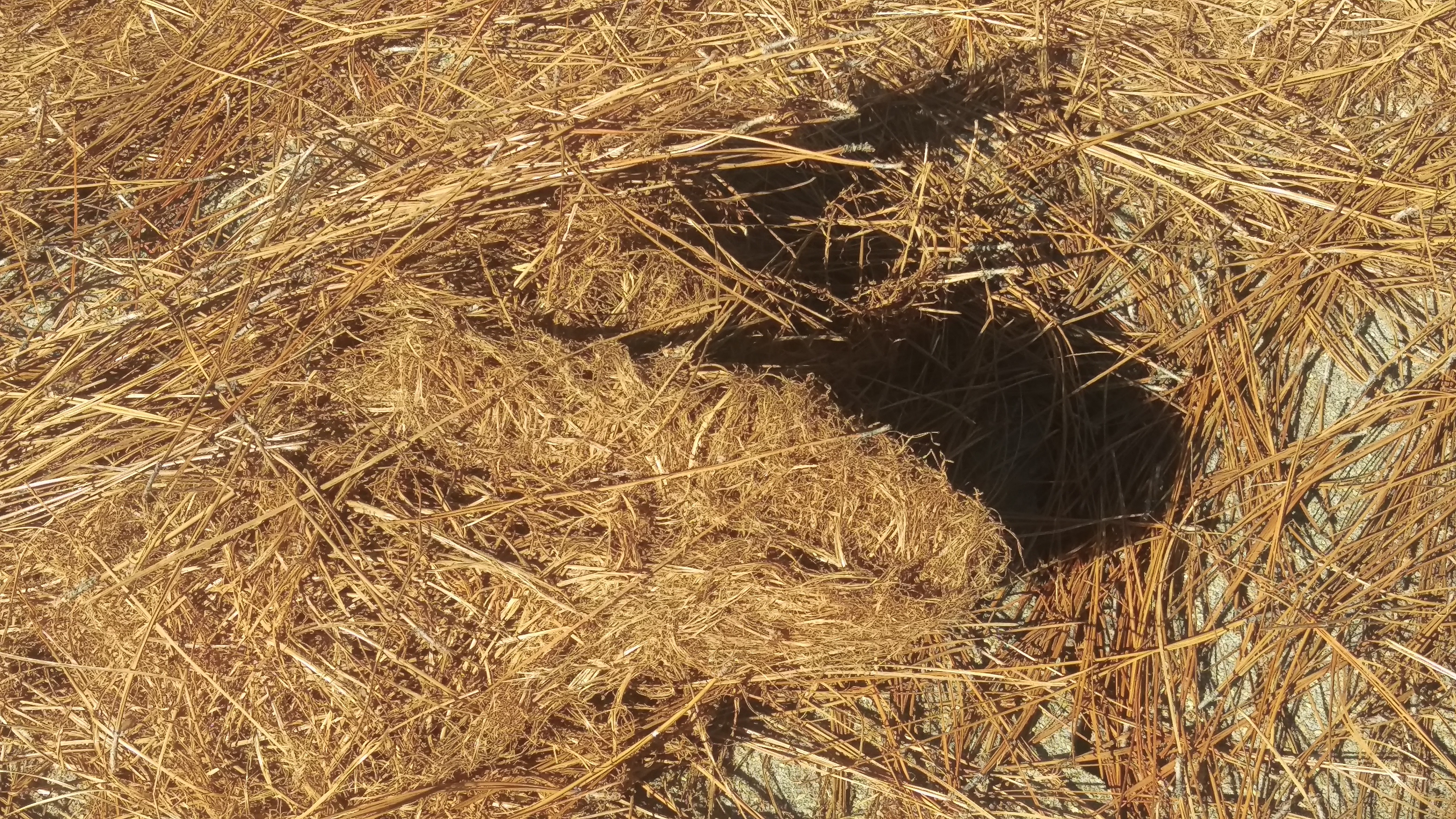
Collecting and bagging pine straw for my smoker.


IMAG2359-20171122-103007169

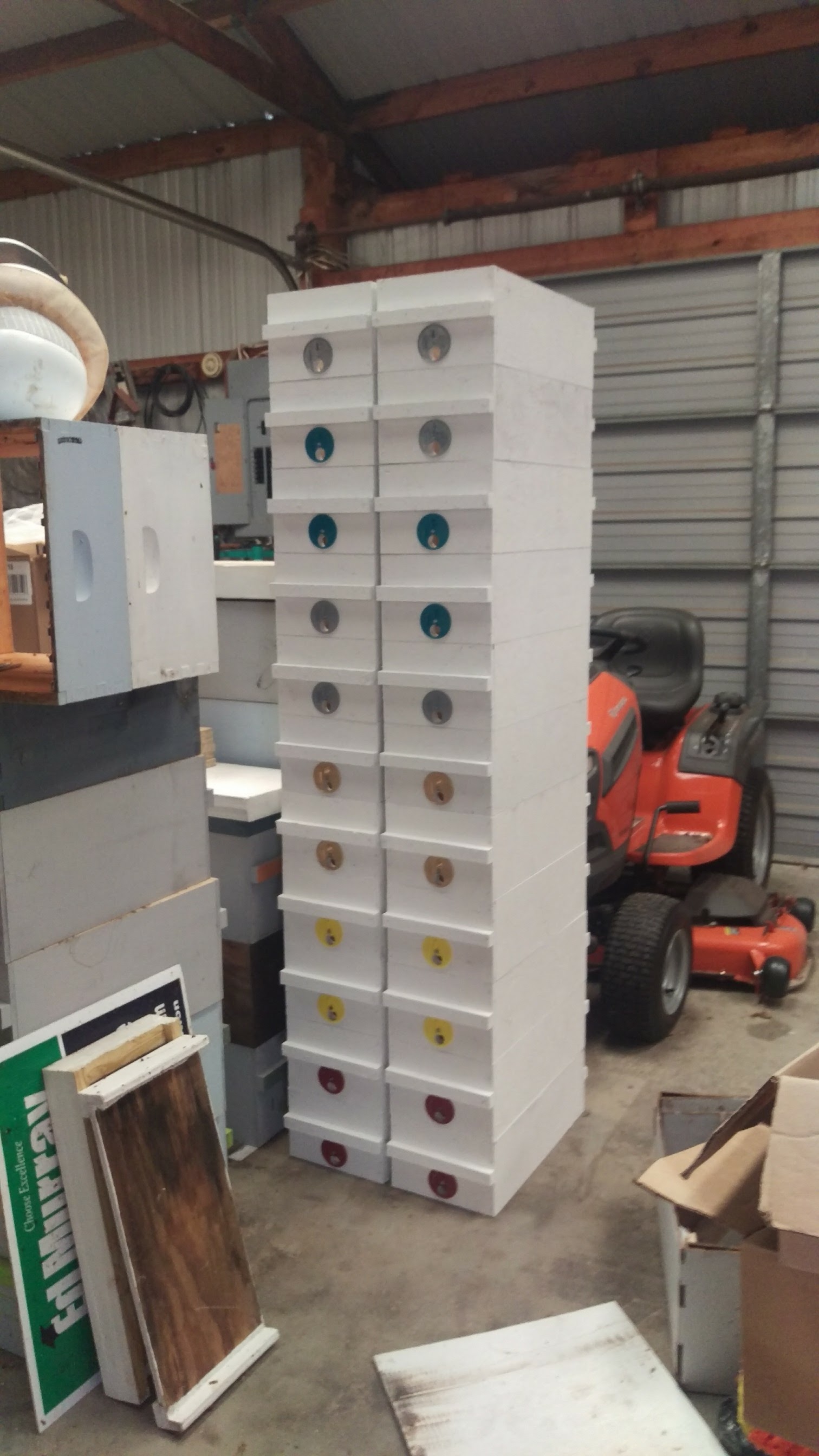
Building boxes, bottom boards, and tops.

IMAG2364

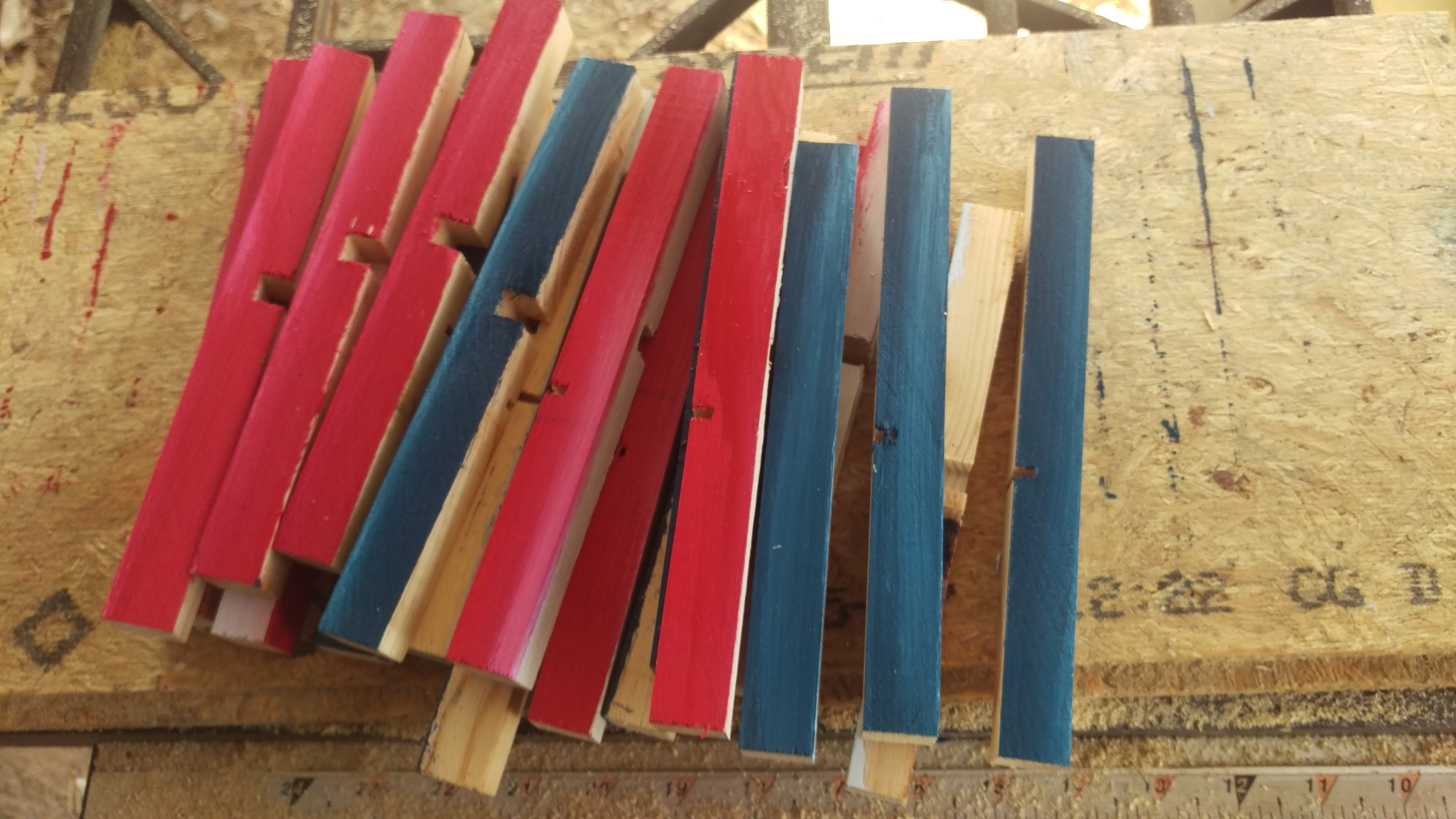
Adding some color to the entrance reducers.

IMAG2356

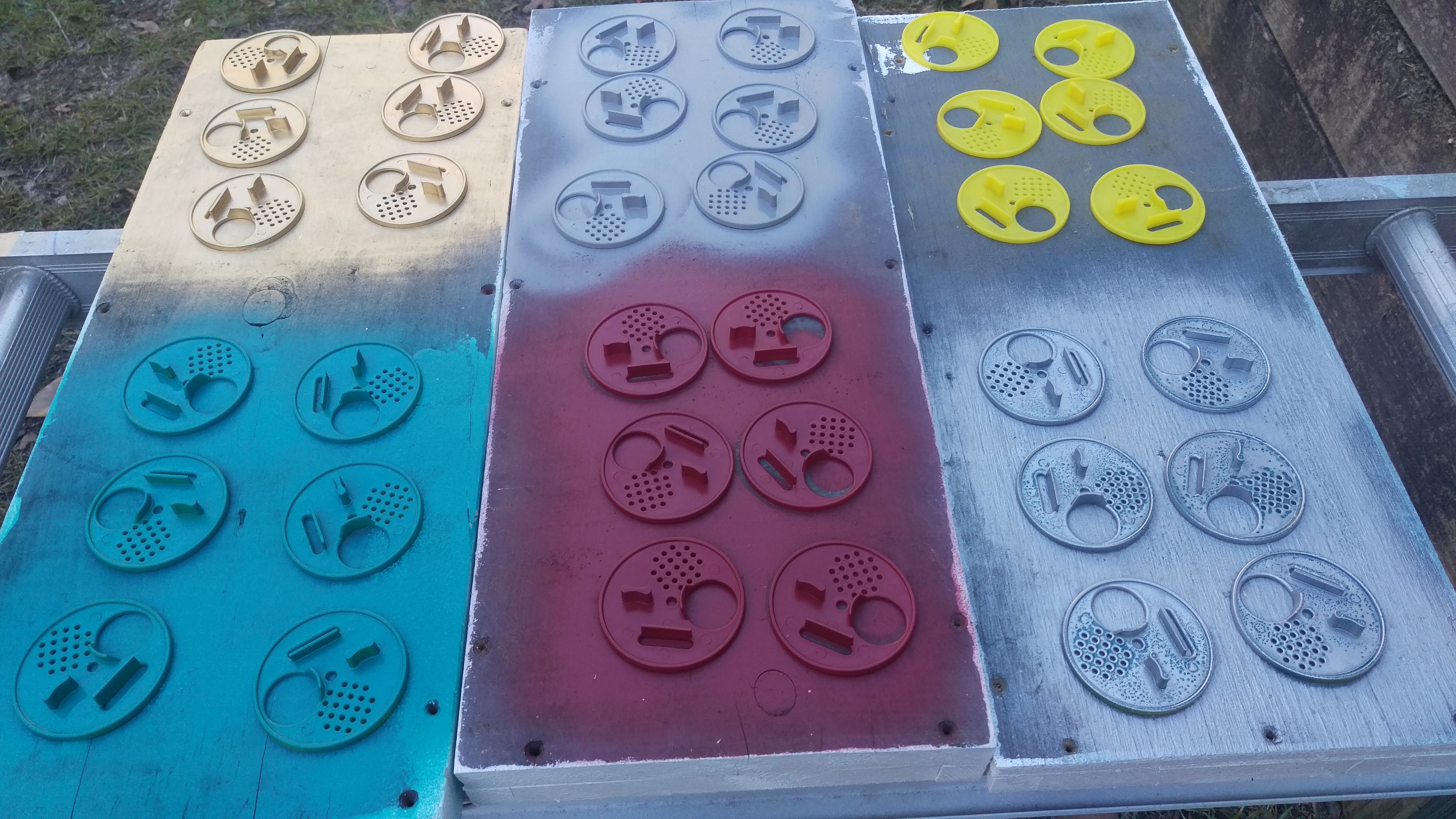
Painting entrances to the queen mating nucs

IMAG2354

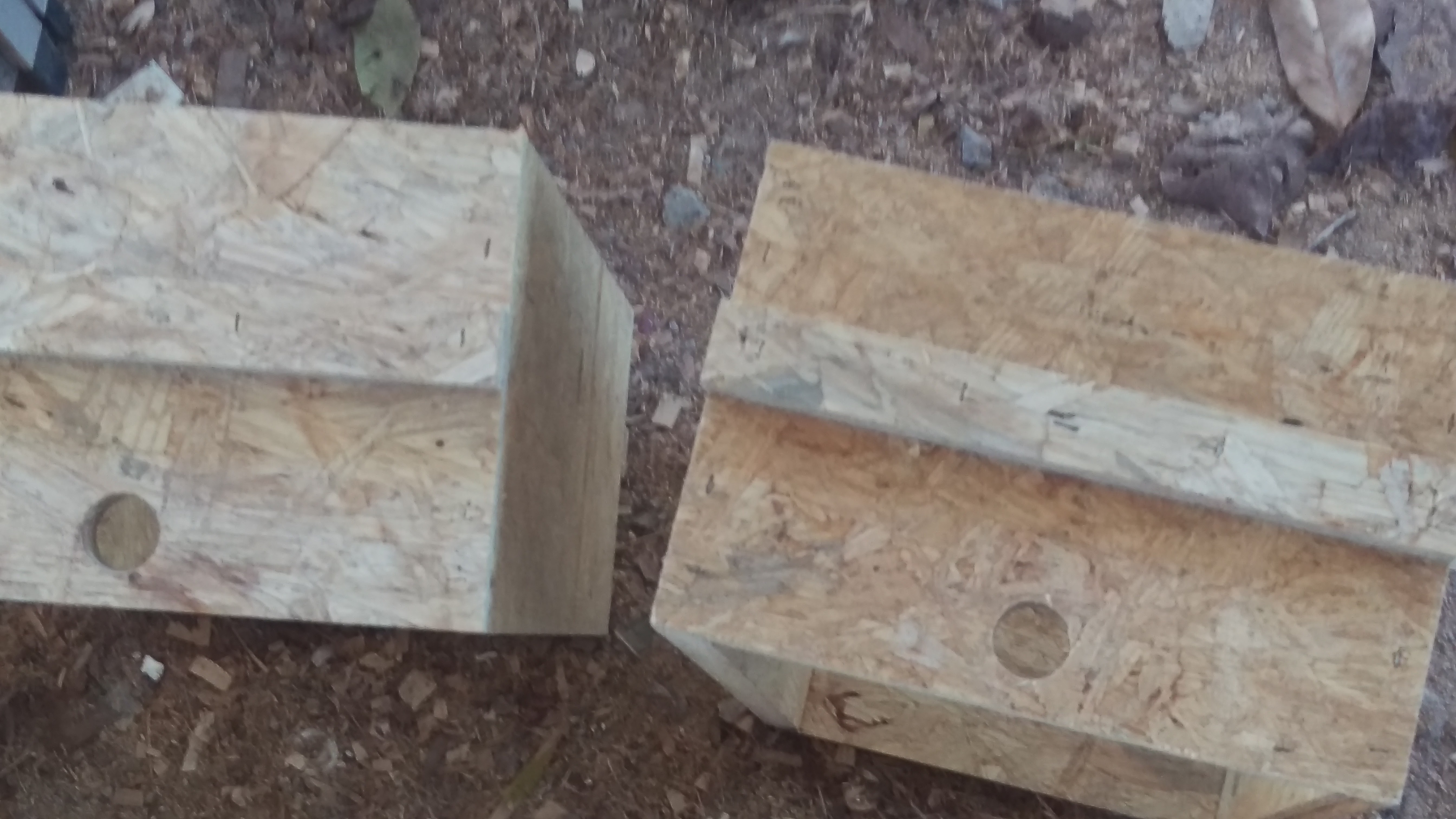
This is Advantech – a new material that resists weathering.

IMAG2353

Painting everything. Three coats!

IMAG2340

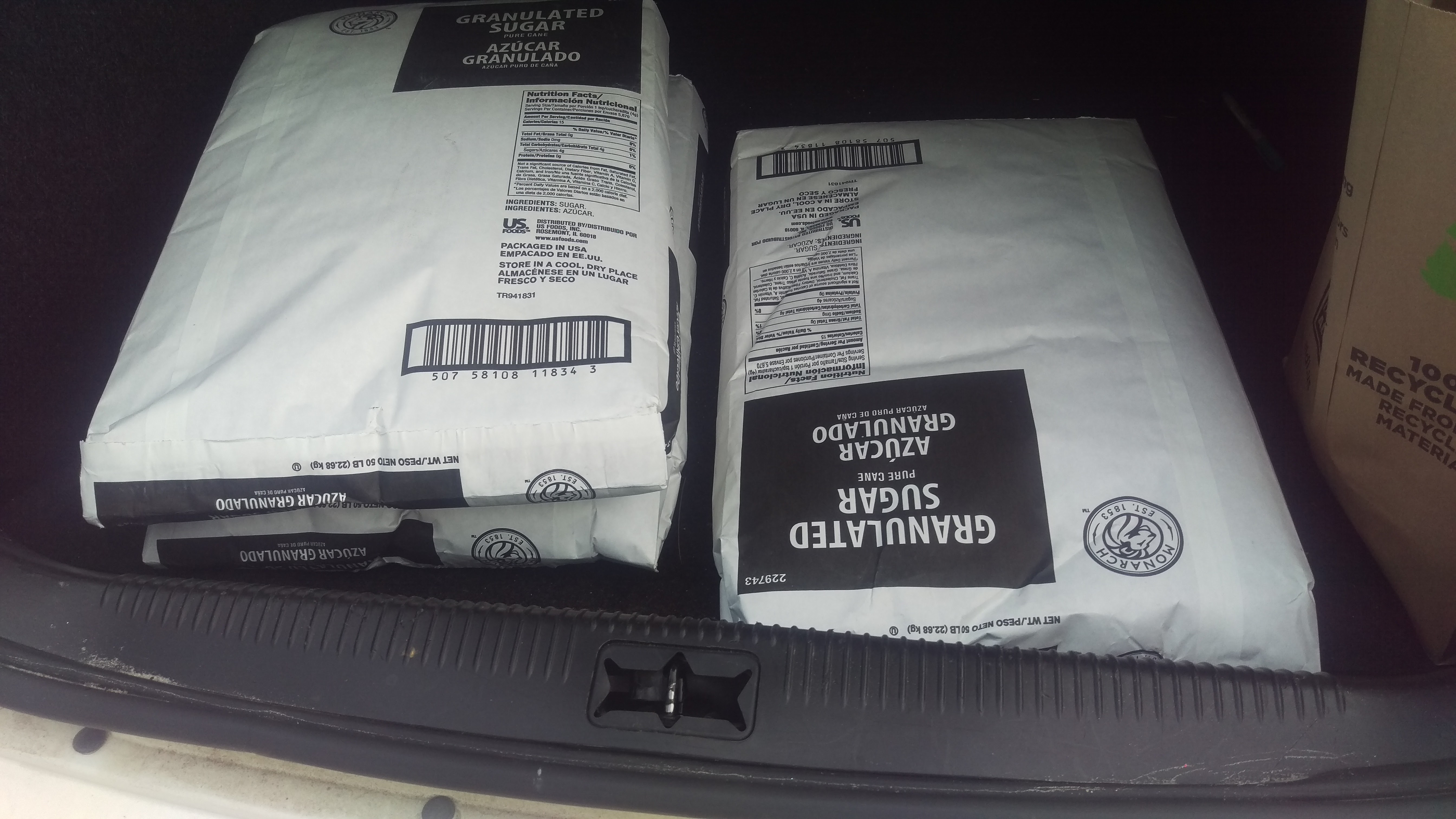
Joy! I found three 50 pound sacks of sugar I had forgotten!


Feel free to share this on:

  • Share on Facebook (Opens in new window) Facebook
  • Share on X (Opens in new window) X
  • Share on Pinterest (Opens in new window) Pinterest
  • Email a link to a friend (Opens in new window) Email
  • Share on LinkedIn (Opens in new window) LinkedIn
  • Share on Reddit (Opens in new window) Reddit
  • Share on Tumblr (Opens in new window) Tumblr
  • Print (Opens in new window) Print
  • Share on Telegram (Opens in new window) Telegram
  • Share on WhatsApp (Opens in new window) WhatsApp
Like Loading...

Quote

Over Wintering Nucs- A Better Way by Michael Palmer

03 Tuesday Jul 2018

Posted by Beekeeping365 in beekeeping, beekeeping management, management, Winter

≈ 2 Comments

Tags

beekeeping, nucleus hives, winter beekeeing, winter management

I used to buy bees, lots and lots of bees; singles from South Carolina, nuclei from Florida and frames of brood from New York. I used to buy queens, lots and lots of queens; queens from Georgia, queens from Texas and queens from California. Every year it was the same. Pick up the pieces of my apiary in the Spring, send a big check to southern queen breeders, split up my best colonies, and hope I made enough of a honey crop to pay the bills. Some years I did, some years I did not.

Read full article here: Over Wintering Nucs- A Better Way — BEEKeeping: Your First Three Years

Feel free to share this on:

  • Share on Facebook (Opens in new window) Facebook
  • Share on X (Opens in new window) X
  • Share on Pinterest (Opens in new window) Pinterest
  • Email a link to a friend (Opens in new window) Email
  • Share on LinkedIn (Opens in new window) LinkedIn
  • Share on Reddit (Opens in new window) Reddit
  • Share on Tumblr (Opens in new window) Tumblr
  • Print (Opens in new window) Print
  • Share on Telegram (Opens in new window) Telegram
  • Share on WhatsApp (Opens in new window) WhatsApp
Like Loading...

Deafening Silence by Misty Meadows Homestead

12 Monday Feb 2018

Posted by Beekeeping365 in beekeeping, Winter

≈ Leave a comment

Tags

assessment, beekeeping, colony assessment, colony loss, deadouts, hive assessment, winter bee losses

So your bees died over winter. This blog post by Misty Meadows Homestead shows how we can grow as beekeepers using our deductive skills to learn and improve. Thanks for sharing your loss with us so that we too learn.

When you love someone, you are never really prepared to lose them. When my beekeeping, gardener Grandfather passed, he had end-stage renal failure and we had 5 years to prepare – it wasn’t enough. Last winter, when my 14-year old cat passed, she had been telling us for weeks that her time was coming to an end – it wasn’t enough.

No matter how prepared we ‘think’ we are, when it happens, we realize we didn’t have enough time to prepare ourselves.

Wednesday we had a little bit of warm weather – about 55º and decided it was a good time to inspect our 4 hives.  We stood in the bee yard, observing the colonies for quite some time.

continued via link below:

Read the entire blog post at: Homestead Buzz – Deafening Silence — Misty Meadows Homestead & more!

Feel free to share this on:

  • Share on Facebook (Opens in new window) Facebook
  • Share on X (Opens in new window) X
  • Share on Pinterest (Opens in new window) Pinterest
  • Email a link to a friend (Opens in new window) Email
  • Share on LinkedIn (Opens in new window) LinkedIn
  • Share on Reddit (Opens in new window) Reddit
  • Share on Tumblr (Opens in new window) Tumblr
  • Print (Opens in new window) Print
  • Share on Telegram (Opens in new window) Telegram
  • Share on WhatsApp (Opens in new window) WhatsApp
Like Loading...

Clustering, Torpor, and Trehalose

19 Friday Jan 2018

Posted by Beekeeping365 in beekeeping, Winter

≈ Leave a comment

Tags

beekeeping, torpor, winter in the bee yard

There is no good reason to open your hive during periods of extreme cold. None. Even if you suspect they have died, for whatever reason, opening the hive can typically wait.

Honey bees will form a protective spherical cluster and shiver, the outermost bees rotating with the inner bees, to warm themselves. The bees shiver to generate heat and the outer bees form an insulative layer. Being cold blooded, all bees exhibit some degree of slowing down when they are unable to warm themselves sufficiently. As the temperature continues to drop a protective physiological mechanism called torpor begins: a semi-hibernation, reaction to the cold, that reduces their metabolism and allows them to conserve energy and survive by significantly slowing down their physiological processes. Dependent on cluster size this may affect a larger percentage of the bees surrounding the core of the cluster. The role of the beekeeper is to allow the colony to conserve what heat is available by not opening the hive. In a case where it is known the colony is running out of food wait until the hive and bees have warmed enough to move about and only then briefly open the hive enough to insert frames of honey or other food. During extended periods of cold weather it may take a few days for the bees to warm up and begin to move about freely.

Honey bees’ ability to survive winter temperatures is related to both the formation of a winter cluster as well as physiological mechanisms. Another physiological mechanism involves a sugar within honey bee hemolymph called trehalose. Monosaccharides in honey bee diets are fructose and glucose but the most common circulating sugar in hemolymph is trehalose which is a disaccharide consisting of two glucose molecules. Trehalose acts as a protection to cells by preventing the crystallization of cell membranes and enables the bees to come very close to freezing yet recover without ill effects after warming.

Feel free to share this on:

  • Share on Facebook (Opens in new window) Facebook
  • Share on X (Opens in new window) X
  • Share on Pinterest (Opens in new window) Pinterest
  • Email a link to a friend (Opens in new window) Email
  • Share on LinkedIn (Opens in new window) LinkedIn
  • Share on Reddit (Opens in new window) Reddit
  • Share on Tumblr (Opens in new window) Tumblr
  • Print (Opens in new window) Print
  • Share on Telegram (Opens in new window) Telegram
  • Share on WhatsApp (Opens in new window) WhatsApp
Like Loading...

Popcorn Bees

18 Thursday Jan 2018

Posted by Beekeeping365 in beekeeping, Winter

≈ 2 Comments

Tags

humor, pollen substitute, popcorn bees

26230679_10212642139303252_1167337616488476259_n

Yesterday some of my colonies were flying – some seem more cold tolerant than others and fly when the temps get to the upper 40s. Anyway, there was a fair number of bees hitting the dry pollen substitute from about noon to 4pm. I went out to do some work just before dark and while out decided to replenish the pollen feeders. I found a couple dozen bees inside that had missed the last opportunity to return to their hives and were in a state of torpor inside the feeders. Wanting to refill the feeders I dumped them and the leftover pollen substitute onto a baking pan before refilling the feeders. My thinking was I’d place them somewhere protected until it warmed up today. Most of the bees looked like popcorn after I dumped them – covered with pollen sub.

So after I refilled the feeders and placed them back on their poles I went to retrieve the baking pans to separate the pollen sub from the bees. They were gone. Everything was gone.

Then I spotted the culprit slinking off. My dog Buster had eaten the pollen sub and the bees. I wonder if he found them tasty? He’s still here his morning and seems no worse for it.

Feel free to share this on:

  • Share on Facebook (Opens in new window) Facebook
  • Share on X (Opens in new window) X
  • Share on Pinterest (Opens in new window) Pinterest
  • Email a link to a friend (Opens in new window) Email
  • Share on LinkedIn (Opens in new window) LinkedIn
  • Share on Reddit (Opens in new window) Reddit
  • Share on Tumblr (Opens in new window) Tumblr
  • Print (Opens in new window) Print
  • Share on Telegram (Opens in new window) Telegram
  • Share on WhatsApp (Opens in new window) WhatsApp
Like Loading...
Follow Beekeeping365 on WordPress.com

Enter your email address to follow this blog and receive notifications of new posts by email.

Calendar

October 2026
S M T W T F S
 123
45678910
11121314151617
18192021222324
25262728293031
« Sep    

Posts by Month:

  • October 2026 (15)
  • September 2026 (32)
  • August 2026 (6)
  • July 2026 (1)
  • May 2026 (2)
  • January 2026 (3)
  • July 2025 (1)
  • April 2024 (1)
  • July 2022 (1)
  • March 2022 (13)
  • February 2022 (17)
  • January 2022 (4)
  • December 2021 (4)
  • November 2021 (4)
  • August 2021 (11)
  • July 2021 (18)
  • June 2021 (5)
  • May 2021 (2)
  • April 2021 (9)
  • March 2021 (2)
  • February 2021 (5)
  • January 2021 (16)
  • December 2020 (15)
  • November 2020 (5)
  • October 2020 (2)
  • July 2020 (1)
  • February 2020 (1)
  • March 2019 (2)
  • February 2019 (4)
  • January 2019 (1)
  • December 2018 (10)
  • November 2018 (8)
  • October 2018 (13)
  • September 2018 (18)
  • August 2018 (3)
  • July 2018 (11)
  • June 2018 (27)
  • May 2018 (33)
  • April 2018 (20)
  • March 2018 (20)
  • February 2018 (12)
  • January 2018 (22)
  • December 2017 (18)
  • November 2017 (15)
  • October 2017 (19)
  • September 2017 (17)
  • August 2017 (21)
  • July 2017 (29)
  • June 2017 (28)
  • May 2017 (19)
  • April 2017 (17)
  • March 2017 (19)
  • February 2017 (12)
  • January 2017 (13)
  • December 2016 (5)

Posts by Categories:

  • absconding (1)
  • africanized honey bees (1)
  • apitherapy (1)
  • bee health (7)
  • bee law (2)
  • bee lining (2)
  • bee removals (2)
  • beekeeper (5)
  • beekeeper education (17)
  • beekeeping (604)
    • South Carolina (3)
  • beekeeping author (10)
  • beekeeping books (12)
  • beekeeping calendar (6)
  • beekeeping chores (9)
  • beekeeping equipment (23)
  • beekeeping history (48)
  • beekeeping management (35)
  • beekeeping pest management (8)
  • beekeeping seasons (26)
  • beekeeping vocabulary (15)
  • beeswax (11)
  • biography (5)
  • biology (12)
  • birthday (37)
  • birthdays (31)
  • book review (16)
  • breakfast (1)
  • calendar (6)
  • CCD (1)
  • chores (6)
  • comb (6)
  • comb honey (10)
  • commercial beekeeping (1)
  • cutouts (2)
  • dearth (4)
  • defensiveness (1)
  • diseases (9)
  • drawn comb (5)
  • ecology (4)
  • education (30)
  • equipment (21)
  • extracting (1)
  • fall nectar flow (1)
  • famous beekeepers (25)
  • feeding bees (8)
  • first blog entry (1)
  • folklore (1)
  • food (7)
  • forage (4)
  • hacks (3)
  • hive inspections (6)
  • hive placement (2)
  • hive products (6)
  • honey (85)
  • honey as food (22)
  • honey bee anatomy (3)
  • honey bee behavior (23)
  • honey bee biology (42)
  • honey bee genetics (4)
  • honey bee losses (1)
  • honey bee nutrition (1)
  • honey bee photos (6)
  • Honey Bee Research (1)
  • honey bee vocabulary (11)
  • honey bees (14)
  • honey judging (3)
  • honey recipe (65)
  • humor (13)
  • inspections (9)
  • journal (1)
  • log book (1)
  • making increase (3)
  • management (82)
  • mentoring (2)
  • mites (4)
  • national pollinator week (2)
  • nectar flow (6)
  • nomenclature (1)
  • opinion (5)
  • out yards (1)
  • outyards (2)
  • package bees (2)
  • pears (1)
  • pests (17)
  • plants for bees (3)
  • polish (1)
  • pollen (4)
  • pollination (11)
  • pollinators (7)
  • product review (1)
  • production (1)
  • products (3)
  • propolis (2)
  • queens (17)
  • raw honey (6)
  • recipe (88)
  • removals (1)
  • safety (3)
  • sales (2)
  • season (1)
  • seasons (21)
  • sideliner (1)
  • small hive beetles (1)
  • spring buildup (4)
  • state fair (2)
  • sustainable (8)
  • swarms (27)
  • ursurpation (1)
  • usurpation (1)
  • varroa (20)
  • varroa destructor (11)
  • varroa mites (23)
  • Winter (6)
  • winter solstice (2)
  • woodenware (3)
  • yellow jackets (2)

Sassafras Bee Farm on Facebook

Sassafras Bee Farm on Facebook

Sassafras Bee Farm

Sassafras Bee Farm

Recent Posts

  • It Always Starts with Assessment
  • Happy Birthday Jay J. Smith
  • Miracles by Walt Whitman
  • What Do You Know?
  • Fall Nectar Flow

Beekeeping365 on Facebook

Beekeeping365 on Facebook

Top Posts & Pages

  • Swarms
    Swarms
  • To the (bee) Veils! by sassafrasbeefarm
    To the (bee) Veils! by sassafrasbeefarm
  • The Russian Scion
    The Russian Scion

Blog Stats

  • 145,440 hits

Website Built with WordPress.com.

  • Subscribe Subscribed
    Beekeeping365
    Join 417 other subscribers

    Have a WordPress.com account? Log in now.

  • Beekeeping365
    View site in Reader
    Manage subscriptionsSign upLog in
    Report this content
    Collapse this bar
Loading Comments...
%d