• Sassafras Bee Farm
  • About
  • Contact

Beekeeping365

~ The more I studied beekeeping, the less I knew, until, finally, I knew nothing. But, even though I knew nothing, I still had plenty to unlearn. Charles Martin Simon

Beekeeping365

Category Archives: beekeeping chores

Midlands Beekeeping Calendar for October

01 Thursday Oct 2026

Posted by Beekeeping365 in calendar, beekeeping calendar, management, beekeeping seasons, beekeeping, beekeeping chores

≈ Leave a comment

Tags

beekeeping, beekeeping calendar, beekeeping chores, management, seasonal management

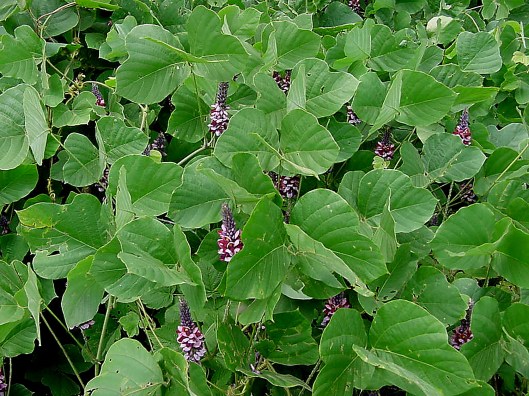
kudzu

Kudzu blooms, Purdue Extension photo/Chris Parker

As always, All beekeeping is local. Here’s my offering for the beekeeping calendar for the South Carolina Midlands for the month of October:

Plan on checks once or twice this month but otherwise do not work unless necessary to prevent the triggering of robbing behavior. Try to not be too disruptive in order to allow them to get their house (brood box) in order for winter.

If you have not yet treated for varroa it’s important that this is done before your winter bees are exposed to the smorgasbord of viruses that varroa transmits when it feeds. Also, it’s not sufficient to just treat. You also need to have some idea that the treatment was effective in reducing the numbers of varroa in the colony.

Expect the break in the weather to occur during mid-October. Local legend has it that the State Fair brings autumn to the Midlands. Looking forward, our average date for first frost is the last week in October and the first freeze the first week of November. That said, the bees still have plenty of flying days ahead before winter.

Notice goldenrod and asters along the roadways. Kudzu will also provide forage if available in your area.

October:

1) Remove fall flow honey if appropriate. In my few years of beekeeping I have never had enough of a fall nectar flow to take honey. However, I have had colonies that were so large at the end of the spring flow that I was unable to reduce their cavity size to winter configuration until October. When this happens I am usually pleasantly surprised to be able to take some surplus frames from the bees, still leaving them enough for winter. Remember if you treated for Varroa using a product that affects the honey you will not be able to eat this honey but the bees will be happy to get it back in late winter / early spring.

2) October is your chance to make sure you “right size” your hives for the coming winter months. If you have not reduced your hives to winter configuration, early October is one of the last times which will still allow the bees time to propolize any cracks before winter and get their food stores properly situated. Typically, for the Midlands, a standard configured ten-frame Langstroth hive of bees will need 30- 35 lbs of honey to overwinter. This, along with living quarters, equates to at ten-frame deep (brood box) and a ten-frame shallow or medium above the brood box (sometimes called the feed chamber). To “right size” your hives remove hive bodies (supers) above the feed chamber. i.e. any empty, partial, or full supers. Extract and store these (protected from wax moths until temperatures drop and we have a hard freeze). Or, in the case of supers with stores, you may share these resources with colonies that do not have adequate stores (equalizing).10203677770399632
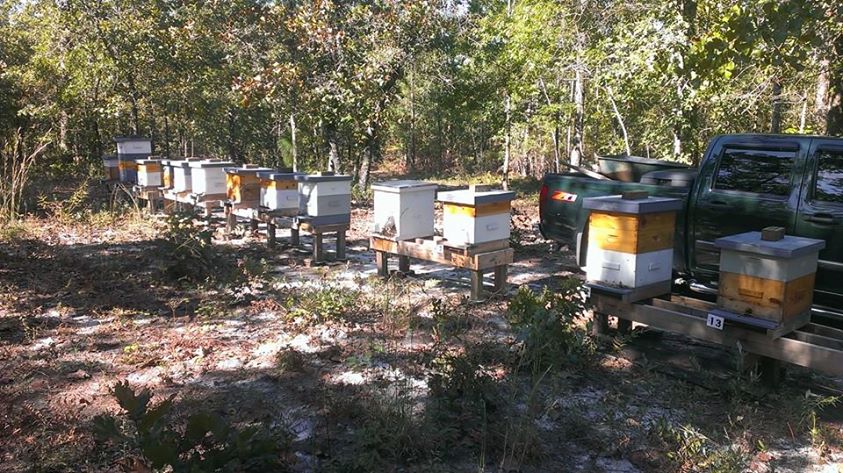
2) Process supers and store for winter. After any extracting your options for cleaning the sticky frames are to either place the supers back on the hive or place them out in the yard for clean-up. If placed out in the yard expect some comb tearing as the bees rob the supers of leftover honey. I am lucky that I do not have neighbors close and can separate the sticky supers from the bee yard by 100 yards or more. If you don’t have these options don’t leave sticky supers out where they can create a nuisance for your neighbors and cause a feeding frenzy spreading to your weaker hives. Instead consider simply placing them back on the hive and your bees will do the work of cleaning the supers and placing the leftover honey in the hive bodies below. Remove the cleaned supers in a few days returning your hives to winter configuration.

3) Protect your drawn comb. After it gets cold wax moths will no longer pose a threat. Until we get cold weather (end of November) you will need to protect any drawn comb you have removed from the hive. Methods vary from placing the frames in the freezer, placing outside open to light and air, using Paramoth (paradichlorbenzene) or use of BT (bacillus thuringiensis aizawai).  BT is available from bee vendors. Clemson article on wax moth IPM.

4) Reduce entrances if not yet done. The appropriate amount of reduction is what your bees can guard. I like to see 20-30 bees on my landing board guarding the entrance. If you have this or more, and your entrance is well defended, and you may not have to reduce the entrance from its current setting. A three to four inch entrance is typical for this time of year. Addition of an upper entrance such as a notched inner cover is advisable prior to entering colder weather to allow for ventilation and allow moisture to escape.

5) It’s time to change to 2:1 syrup feeding to add stores and weight. Feed bees as necessary. As you recall, we started stimulating brood production in late August with a full 1:1 sugar syrup mix. Your bees, by now, should have some weight on them and you should be seeing an increase in orientation flights. When you see foragers bringing in goldenrod and other fall pollens they are raising your winter bees. Your colonies should have some open nectar for brood rearing available from the feeding you have already provided. If they have plenty of open nectar but are still not heavy with stores it’s time to increase to 2:1 syrup to put some weight on the colony.

6) Any colonies that are lagging behind in weight should be fed aggressively at this time. Assuming you have reduced them down to overwintering configuration, now is the time to make sure they are increasing their stores in preparation for winter. Use 2:1 sugar syrup via your normal feeding method. Whenever they run out of syrup, refill. If using a jar feeder enlarge the feeder holes just a bit to allow them good access to the thicker syrup. The 2:1 syrup, fed rapidly, creates a situation where the bees cannot consume it as fast as they empty the feeder thereby creating a situation where they must store the thick syrup. Also remember, soon it will be more difficult for the bees to remove excess moisture (after the temperatures cool) so use 2:1 early to enable them to ripen the syrup and store. If you have colonies with more frames of stores than needed, consider sharing the bounty with less fortunate colonies.

7) Continue to tip colonies forward from the rear to assess their weight. Notice the number of frames of honey stores inside so that you can compare what you are feeling with what is actually inside. You will need this assessment skill during the cold of winter on days when you shouldn’t open the hives.

8) Pollen: Usually we get a nice pollen flow in the Midlands during the month of October. New beekeepers will notice, perhaps for the first time, the yellow and orange blooms along the roadways. That “smelly sock” odor you may notice in your hives this time of year is attributed to goldenrod. Kudzu blooms in late summer and will continue into early autumn producing a beautiful purple pollen. The bees will use autumn pollen to both raise winter bees and to stockpile for use during next year’s spring buildup.

9) Remove any queen excluders on hives. A queen excluder during the winter will prevent the queen from moving up with the winter cluster as the bees consume honey and move upward clustering and staying warm.

10) I’ve never had problems with mice in my bee yard but if you have a local mouse population consider placing a mouse guard on this month. An inexpensive method is to reduce the current opening’s size, top to bottom, to 3/8 inch.

11) Attend your local monthly meeting. Volunteer to educate the public on the importance of honey bees by signing up to work a shift at the upcoming South Carolina State Fair booth. There you can network with other local beekeepers, share stories, and have some fun finding the queen and educating the public about our favorite insect!

12) Attend the South Carolina State Fair. Visit the South Carolina Beekeepers Association’s booth. Marvel at the beautiful honey display! Point out your prize ribbon to friends and family.
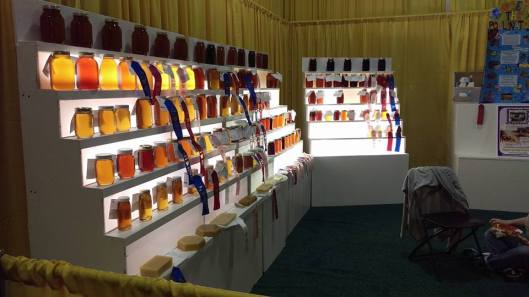
Honey Display

The above are general guidelines for the average bee colony in the Midlands of South Carolina. We all have hives that may be outperforming the average. We also have colonies that underperform the average. Use your judgement in making changes suggested here. Beekeeping is an art as well as a science. Only you know the many, many particulars associated with your physical hives as well as the general health and population of your colonies.

Feel free to share this on:

  • Share on Facebook (Opens in new window) Facebook
  • Share on X (Opens in new window) X
  • Share on Pinterest (Opens in new window) Pinterest
  • Email a link to a friend (Opens in new window) Email
  • Share on LinkedIn (Opens in new window) LinkedIn
  • Share on Reddit (Opens in new window) Reddit
  • Share on Tumblr (Opens in new window) Tumblr
  • Print (Opens in new window) Print
  • Share on Telegram (Opens in new window) Telegram
  • Share on WhatsApp (Opens in new window) WhatsApp
Like Loading...

Some Spring Beekeeping Preparations

16 Wednesday Feb 2022

Posted by Beekeeping365 in beekeeping, beekeeping chores, chores

≈ 2 Comments

Tags

hive stands, Provap110, shaker box, swarm bait hives, Varroa mite assessment

IMAG2502.jpg
IMAG2495.jpg
IMAG2485.jpg
IMAG2481.jpg
IMAG2498.jpg
IMAG2478.jpg

Here are some recent pictures. I’ve been negligent posting here while making last minute preparations for the nectar flow.

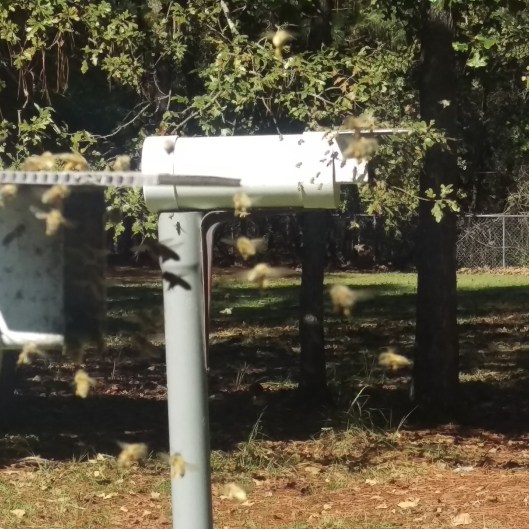
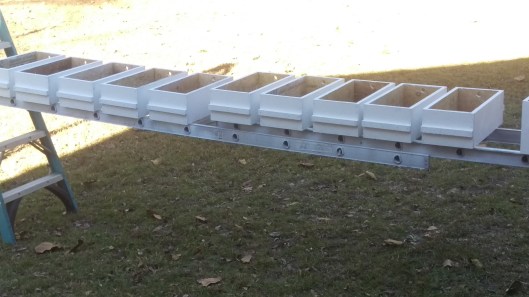
Pictured above are new hive stands built for queen mating boxes, a varroa mite alcohol wash jar, Varroa Mite Assessment Vehicle with treatment gear, a shaker box for separating queen from nurse bees, an Oxalic acid treatment vaporizer, and a swarm bait hive I hung a few days ago. Not pictured is a nice swarm capture bucket I have mounted on a 23 foot painter’s extension pole.

It’s been busy, but through the years I have learned that one either prepares before the nectar flow begins or one stays behind the entire spring. Nature does not wait for the procrastinator.

Feel free to share this on:

  • Share on Facebook (Opens in new window) Facebook
  • Share on X (Opens in new window) X
  • Share on Pinterest (Opens in new window) Pinterest
  • Email a link to a friend (Opens in new window) Email
  • Share on LinkedIn (Opens in new window) LinkedIn
  • Share on Reddit (Opens in new window) Reddit
  • Share on Tumblr (Opens in new window) Tumblr
  • Print (Opens in new window) Print
  • Share on Telegram (Opens in new window) Telegram
  • Share on WhatsApp (Opens in new window) WhatsApp
Like Loading...

Waxing frame foundation – one of many winter tasks

23 Saturday Jan 2021

Posted by Beekeeping365 in beekeeping, beekeeping chores, chores

≈ 5 Comments

Tags

beekeeping, beekeeping chores, maintenance, waxing foundation, winter beekeeing

IMAG2453

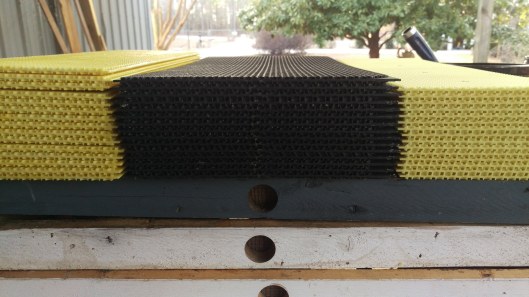
Every year I hope to have extra wax for candles and such. However I end up using all of it adding extra wax to the foundation for the benefit of the bees. The extra wax entices the bees to build their comb as well as encourages them to build it uniformly within the confines of the frame.

On the right are 15 sheets of unwaxed plastic foundation. In the middle, 15 sheets factory waxed. On the left , 15 home waxed using a minimal amount of wax but covering all cells. But regardless of the amount of wax, the aroma difference of the home waxed far exceeds the factory wax. So fragrant the bees were landing on me to investigate while I coated the foundation today.

Feel free to share this on:

  • Share on Facebook (Opens in new window) Facebook
  • Share on X (Opens in new window) X
  • Share on Pinterest (Opens in new window) Pinterest
  • Email a link to a friend (Opens in new window) Email
  • Share on LinkedIn (Opens in new window) LinkedIn
  • Share on Reddit (Opens in new window) Reddit
  • Share on Tumblr (Opens in new window) Tumblr
  • Print (Opens in new window) Print
  • Share on Telegram (Opens in new window) Telegram
  • Share on WhatsApp (Opens in new window) WhatsApp
Like Loading...

Current Beekeeping Activities by sassafrasbefarm

21 Thursday Jan 2021

Posted by Beekeeping365 in beekeeping, beekeeping chores, Winter, woodenware

≈ 5 Comments

Tags

beekeeping, beekeeping chores, chores, equipment, fall management, winter management

IMG_20171023_191707_204

Feeding the bees pollen substitute

Some things don’t change much year to year in beekeeping. At least not the chores. There is some comfort in the routine. This year is much like last. Building boxes, cleaning frames, painting and maintenance. And building bees for the spring. ~sassafrasbeefarm

This time of year can be busy for the beekeeper. Now, it’s all about preparation. My experience, since beginning this beekeeping journey, is that there is never enough time during the nectar flow. In fact, time becomes precious even before the nectar flow with the need to rotate hive bodies or employ other swarm reducing measures, placement of swarm traps, movement of hives to out yards, making splits, and lots of last minute surprises.

So, here are few pictures of what I occupy myself with now, during this so called off season:

IMAG2386

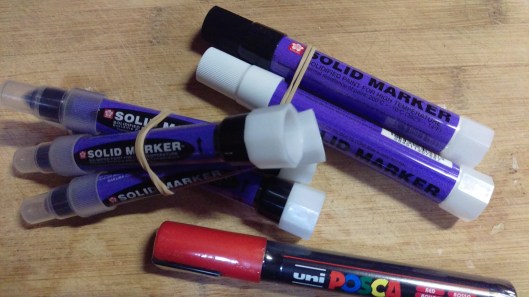
Order queen pen and my favorite markers to write on the hives.

IMAG2384

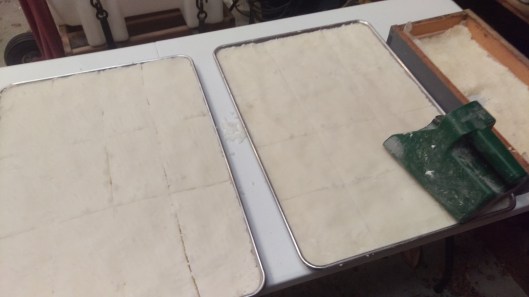
Making sugar cakes for the tops of the hives.

IMAG2383

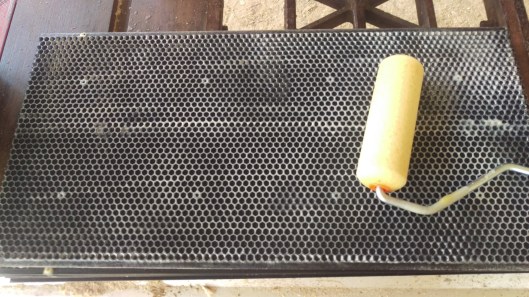
Adding extra wax to plastic frames.

IMAG2377

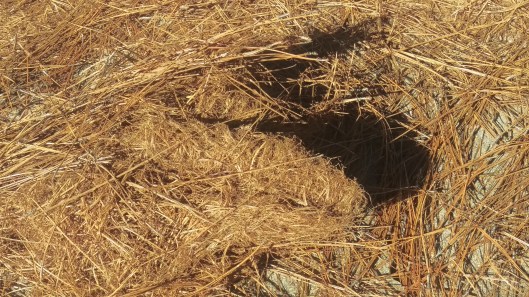
Collecting and bagging pine straw for my smoker.


IMAG2359-20171122-103007169

Building boxes, bottom boards, and tops.

IMAG2364

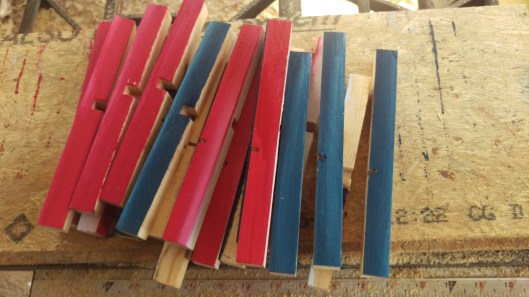
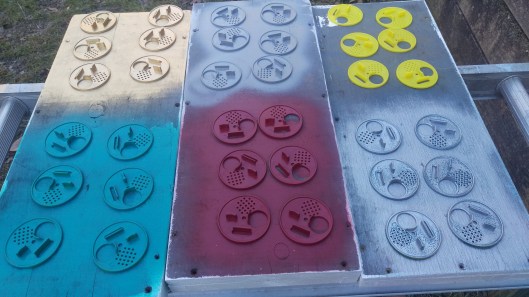
Adding some color to the entrance reducers.

IMAG2356

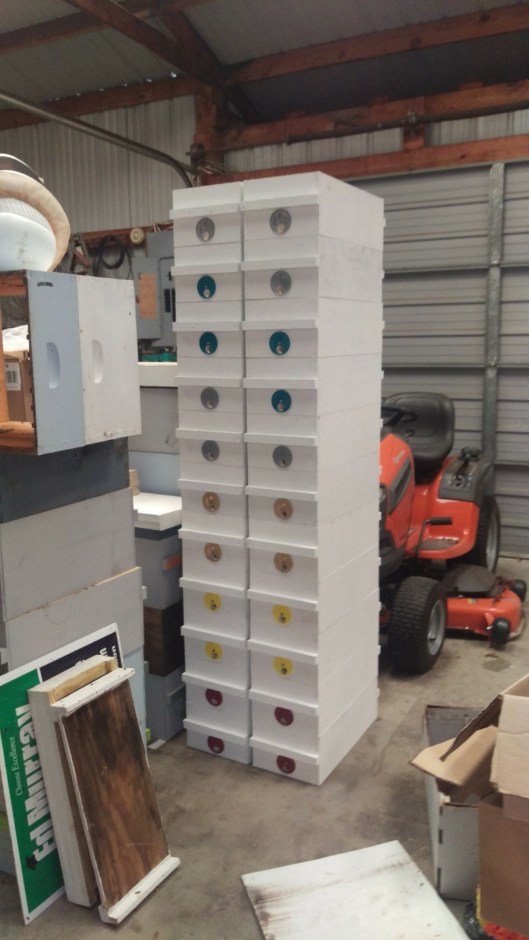
Painting entrances to the queen mating nucs

IMAG2354

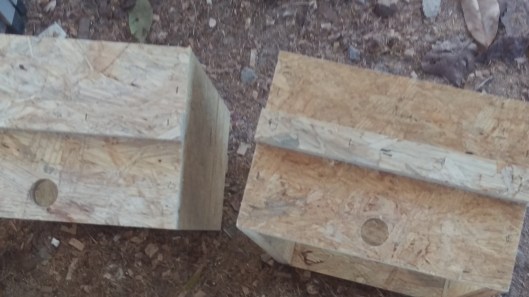
This is Advantech – a new material that resists weathering.

IMAG2353

Painting everything. Three coats!

IMAG2340

Joy! I found three 50 pound sacks of sugar I had forgotten!


Feel free to share this on:

  • Share on Facebook (Opens in new window) Facebook
  • Share on X (Opens in new window) X
  • Share on Pinterest (Opens in new window) Pinterest
  • Email a link to a friend (Opens in new window) Email
  • Share on LinkedIn (Opens in new window) LinkedIn
  • Share on Reddit (Opens in new window) Reddit
  • Share on Tumblr (Opens in new window) Tumblr
  • Print (Opens in new window) Print
  • Share on Telegram (Opens in new window) Telegram
  • Share on WhatsApp (Opens in new window) WhatsApp
Like Loading...

Current Beekeeping Activities by sassafrasbefarm

01 Tuesday Dec 2020

Posted by Beekeeping365 in beekeeping, beekeeping chores

≈ Leave a comment

Tags

beekeeping, beekeeping chores, chores, equipment, fall management

IMG_20171023_191707_204

Feeding the bees pollen substitute

This time of year can be as busy for the beekeeper as the spring nectar flow period. But now it’s all about preparation. My experience, since beginning this beekeeping journey, is that there is never enough time during the nectar flow. In fact, time becomes precious even before the nectar flow with the need to rotate hive bodies or employ other swarm reducing measures, placement of swarm traps, movement of hives to out yards, making splits, and lots of last minute surprises.

So, here are few pictures of what I occupy myself with during this so called off season:

IMAG2386

Order queen pen and my favorite markers to write on the hives.

IMAG2384

Making sugar cakes for the tops of the hives.

IMAG2383

Adding extra wax to plastic frames.

IMAG2377

Collecting and bagging pine straw for my smoker.


IMAG2359-20171122-103007169

Building boxes, bottom boards, and tops.

IMAG2364

Adding some color to the entrance reducers.

IMAG2356

Painting entrances to the queen mating nucs

IMAG2354

This is Advantech – a new material that resists weathering.

IMAG2353

Painting everything. Three coats!

IMAG2340

Joy! I found three 50 pound sacks of sugar I had forgotten!


Feel free to share this on:

  • Share on Facebook (Opens in new window) Facebook
  • Share on X (Opens in new window) X
  • Share on Pinterest (Opens in new window) Pinterest
  • Email a link to a friend (Opens in new window) Email
  • Share on LinkedIn (Opens in new window) LinkedIn
  • Share on Reddit (Opens in new window) Reddit
  • Share on Tumblr (Opens in new window) Tumblr
  • Print (Opens in new window) Print
  • Share on Telegram (Opens in new window) Telegram
  • Share on WhatsApp (Opens in new window) WhatsApp
Like Loading...

Quote

Physical Barriers, Aging, and Beekeeping by Morris Ostrofsky

26 Tuesday Jun 2018

Posted by Beekeeping365 in beekeeping, beekeeping chores

≈ Leave a comment

Tags

beekeepers, physical barriers to beekeeping

They say death and taxes are unavoidable. There is a third item that can be added to this list; physical changes whether due to aging or disability.

This article is written for any beekeeper who is encountering physical barriers that affect their ability to continue keeping bees. These barriers can come in the form of mobility issues, arthritis, diminishing strength, back problems, eyesight or other unexpected challenges.

Beekeepers are resourceful and find creative solutions to continue keeping bees. Aging or other obstacles can be addressed on multiple fronts: lifestyle, equipment and management changes. Some of the solutions can be put into practice now and some will take planning and time to implement. The objective of this article is to provide practical information to help beekeepers adapt to changing physical conditions thus allowing them to continue doing what they love.

Read full article here: Barriers — BEEKeeping: Your First Three Years

Feel free to share this on:

  • Share on Facebook (Opens in new window) Facebook
  • Share on X (Opens in new window) X
  • Share on Pinterest (Opens in new window) Pinterest
  • Email a link to a friend (Opens in new window) Email
  • Share on LinkedIn (Opens in new window) LinkedIn
  • Share on Reddit (Opens in new window) Reddit
  • Share on Tumblr (Opens in new window) Tumblr
  • Print (Opens in new window) Print
  • Share on Telegram (Opens in new window) Telegram
  • Share on WhatsApp (Opens in new window) WhatsApp
Like Loading...

Moving Bees by Jennifer Berry

05 Monday Mar 2018

Posted by Beekeeping365 in beekeeping, beekeeping chores, beekeeping management

≈ 2 Comments

Tags

beekeeping chores, moving bee hives

There are many reasons we find ourselves “having to” or “wanting to” move bees. The “have to’s” might occur when a neighbor complains they are bothering the children or the hive is not in the right location. The “want to’s” might be moving bees to fulfill pollination contracts or to take advantage of different nectar flows. Whatever the reason, moving bees, whether a few feet  in the backyard or across several thousand miles, is no easy task. Not only is it hard work (hives are heavy), it’s also a bit intimidating to think about picking up a box with hundreds, no thousands of insects that when disturbed or agitated, will become stinging agents of pain. Since this can be a tricky job, let’s talk about how we can move hives without harming the bees or more importantly, ourselves. But Wait!! Stop the Presses!!!! Placing hives in the right spot, the first time, will save a lot of headaches, backaches and work down the road. So, before we ever move in the first hive of bees, let’s consider the following things.

Read full article here: Moving Bees — BEEKeeping: Your First Three Years

Feel free to share this on:

  • Share on Facebook (Opens in new window) Facebook
  • Share on X (Opens in new window) X
  • Share on Pinterest (Opens in new window) Pinterest
  • Email a link to a friend (Opens in new window) Email
  • Share on LinkedIn (Opens in new window) LinkedIn
  • Share on Reddit (Opens in new window) Reddit
  • Share on Tumblr (Opens in new window) Tumblr
  • Print (Opens in new window) Print
  • Share on Telegram (Opens in new window) Telegram
  • Share on WhatsApp (Opens in new window) WhatsApp
Like Loading...

“Bee… or bee not, there is no try.” by Bees with eeb

11 Thursday Jan 2018

Posted by Beekeeping365 in beekeeping, beekeeping chores

≈ Leave a comment

Tags

beekeeping, beekeeping chores, goals, success

My WordPress friend Erik recently posted the blog post below, which I believe fully explains and illustrates much of what beekeeping entails. Set goals, make plans, assess your progress, and above all, “Bee… or bee not, there is no try.”

If one is to take up the avocation of beekeeping one should devote the effort required to succeed, and by doing so, expect success. There are a few shortcuts which may make you more efficient but many which will cause failure. Above all, do all of what needs doing and in a manner which leads you to expect success.

It has been bitterly cold the last two weeks (at least by Virginia standards), often below 10 F (-12 C) overnight, and that is without the wind. As a young beekeeper, I worry that my hives will not handle the cold well. One or two may already have died out, for all I know. Unfortunately it is still January so we must wait. Nothing to do but publish my beekeeping goals for 2018.

Setting goals can be tricky, especially short term ones. You want something achievable, yet interesting. New, but building on past success. Perhaps a stretch goal as well to challenge yourself.

Read the full article by visiting Bees with eeb here:  Bee… or bee not, there is no try — Bees with eeb

Feel free to share this on:

  • Share on Facebook (Opens in new window) Facebook
  • Share on X (Opens in new window) X
  • Share on Pinterest (Opens in new window) Pinterest
  • Email a link to a friend (Opens in new window) Email
  • Share on LinkedIn (Opens in new window) LinkedIn
  • Share on Reddit (Opens in new window) Reddit
  • Share on Tumblr (Opens in new window) Tumblr
  • Print (Opens in new window) Print
  • Share on Telegram (Opens in new window) Telegram
  • Share on WhatsApp (Opens in new window) WhatsApp
Like Loading...

Tips for a hassle-free honey extraction by The Beehive Jive

09 Monday Oct 2017

Posted by Beekeeping365 in beekeeping, beekeeping chores, extracting, hive products, honey

≈ Leave a comment

Tags

beekeeping, extracted honey, honey, honey extraction

It’s the time of year that we all love . . . Whether honey is a motivation for your beekeeping or not, it’s always exciting to see those shining jars full of beautiful honey from YOUR bees. Talk about job satisfaction! And yet a new beekeeper said to me the other day that they are…

Read more here: Tips for a hassle-free honey extraction — The Beehive Jive

Feel free to share this on:

  • Share on Facebook (Opens in new window) Facebook
  • Share on X (Opens in new window) X
  • Share on Pinterest (Opens in new window) Pinterest
  • Email a link to a friend (Opens in new window) Email
  • Share on LinkedIn (Opens in new window) LinkedIn
  • Share on Reddit (Opens in new window) Reddit
  • Share on Tumblr (Opens in new window) Tumblr
  • Print (Opens in new window) Print
  • Share on Telegram (Opens in new window) Telegram
  • Share on WhatsApp (Opens in new window) WhatsApp
Like Loading...
Follow Beekeeping365 on WordPress.com

Enter your email address to follow this blog and receive notifications of new posts by email.

Calendar

October 2026
S M T W T F S
 123
45678910
11121314151617
18192021222324
25262728293031
« Sep    

Posts by Month:

  • October 2026 (15)
  • September 2026 (32)
  • August 2026 (6)
  • July 2026 (1)
  • May 2026 (2)
  • January 2026 (3)
  • July 2025 (1)
  • April 2024 (1)
  • July 2022 (1)
  • March 2022 (13)
  • February 2022 (17)
  • January 2022 (4)
  • December 2021 (4)
  • November 2021 (4)
  • August 2021 (11)
  • July 2021 (18)
  • June 2021 (5)
  • May 2021 (2)
  • April 2021 (9)
  • March 2021 (2)
  • February 2021 (5)
  • January 2021 (16)
  • December 2020 (15)
  • November 2020 (5)
  • October 2020 (2)
  • July 2020 (1)
  • February 2020 (1)
  • March 2019 (2)
  • February 2019 (4)
  • January 2019 (1)
  • December 2018 (10)
  • November 2018 (8)
  • October 2018 (13)
  • September 2018 (18)
  • August 2018 (3)
  • July 2018 (11)
  • June 2018 (27)
  • May 2018 (33)
  • April 2018 (20)
  • March 2018 (20)
  • February 2018 (12)
  • January 2018 (22)
  • December 2017 (18)
  • November 2017 (15)
  • October 2017 (19)
  • September 2017 (17)
  • August 2017 (21)
  • July 2017 (29)
  • June 2017 (28)
  • May 2017 (19)
  • April 2017 (17)
  • March 2017 (19)
  • February 2017 (12)
  • January 2017 (13)
  • December 2016 (5)

Posts by Categories:

  • absconding (1)
  • africanized honey bees (1)
  • apitherapy (1)
  • bee health (7)
  • bee law (2)
  • bee lining (2)
  • bee removals (2)
  • beekeeper (5)
  • beekeeper education (17)
  • beekeeping (604)
    • South Carolina (3)
  • beekeeping author (10)
  • beekeeping books (12)
  • beekeeping calendar (6)
  • beekeeping chores (9)
  • beekeeping equipment (23)
  • beekeeping history (48)
  • beekeeping management (35)
  • beekeeping pest management (8)
  • beekeeping seasons (26)
  • beekeeping vocabulary (15)
  • beeswax (11)
  • biography (5)
  • biology (12)
  • birthday (37)
  • birthdays (31)
  • book review (16)
  • breakfast (1)
  • calendar (6)
  • CCD (1)
  • chores (6)
  • comb (6)
  • comb honey (10)
  • commercial beekeeping (1)
  • cutouts (2)
  • dearth (4)
  • defensiveness (1)
  • diseases (9)
  • drawn comb (5)
  • ecology (4)
  • education (30)
  • equipment (21)
  • extracting (1)
  • fall nectar flow (1)
  • famous beekeepers (25)
  • feeding bees (8)
  • first blog entry (1)
  • folklore (1)
  • food (7)
  • forage (4)
  • hacks (3)
  • hive inspections (6)
  • hive placement (2)
  • hive products (6)
  • honey (85)
  • honey as food (22)
  • honey bee anatomy (3)
  • honey bee behavior (23)
  • honey bee biology (42)
  • honey bee genetics (4)
  • honey bee losses (1)
  • honey bee nutrition (1)
  • honey bee photos (6)
  • Honey Bee Research (1)
  • honey bee vocabulary (11)
  • honey bees (14)
  • honey judging (3)
  • honey recipe (65)
  • humor (13)
  • inspections (9)
  • journal (1)
  • log book (1)
  • making increase (3)
  • management (82)
  • mentoring (2)
  • mites (4)
  • national pollinator week (2)
  • nectar flow (6)
  • nomenclature (1)
  • opinion (5)
  • out yards (1)
  • outyards (2)
  • package bees (2)
  • pears (1)
  • pests (17)
  • plants for bees (3)
  • polish (1)
  • pollen (4)
  • pollination (11)
  • pollinators (7)
  • product review (1)
  • production (1)
  • products (3)
  • propolis (2)
  • queens (17)
  • raw honey (6)
  • recipe (88)
  • removals (1)
  • safety (3)
  • sales (2)
  • season (1)
  • seasons (21)
  • sideliner (1)
  • small hive beetles (1)
  • spring buildup (4)
  • state fair (2)
  • sustainable (8)
  • swarms (27)
  • ursurpation (1)
  • usurpation (1)
  • varroa (20)
  • varroa destructor (11)
  • varroa mites (23)
  • Winter (6)
  • winter solstice (2)
  • woodenware (3)
  • yellow jackets (2)

Sassafras Bee Farm on Facebook

Sassafras Bee Farm on Facebook

Sassafras Bee Farm

Sassafras Bee Farm

Recent Posts

  • It Always Starts with Assessment
  • Happy Birthday Jay J. Smith
  • Miracles by Walt Whitman
  • What Do You Know?
  • Fall Nectar Flow

Beekeeping365 on Facebook

Beekeeping365 on Facebook

Top Posts & Pages

  • Swarms
    Swarms
  • To the (bee) Veils! by sassafrasbeefarm
    To the (bee) Veils! by sassafrasbeefarm
  • The Russian Scion
    The Russian Scion

Blog Stats

  • 145,440 hits

Website Built with WordPress.com.

  • Subscribe Subscribed
    Beekeeping365
    Join 417 other subscribers

    Have a WordPress.com account? Log in now.

  • Beekeeping365
    View site in Reader
    Manage subscriptionsSign upLog in
    Report this content
    Collapse this bar
Loading Comments...
%d