• Sassafras Bee Farm
  • About
  • Contact

Beekeeping365

~ The more I studied beekeeping, the less I knew, until, finally, I knew nothing. But, even though I knew nothing, I still had plenty to unlearn. Charles Martin Simon

Beekeeping365

Category Archives: beekeeping seasons

Autumn Absconding and Other Odd Events

08 Thursday Oct 2026

Posted by Beekeeping365 in absconding, beekeeping, beekeeping seasons, CCD, seasons, ursurpation, varroa

≈ 4 Comments

Tags

absconding, beekeeping, CCD, dearth, fall management, hunger swarm, seasons, swarms, ursurpation
small swarm

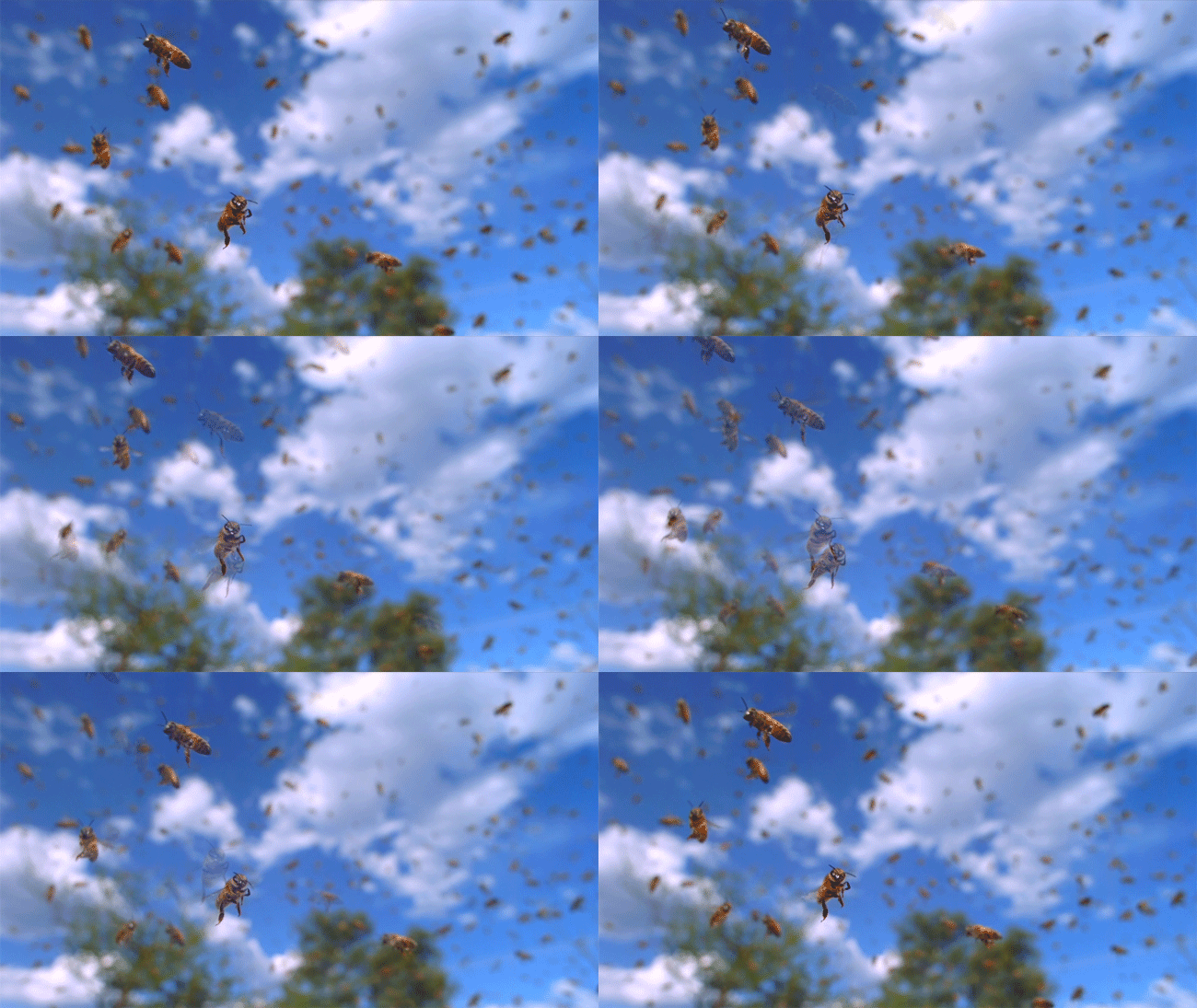
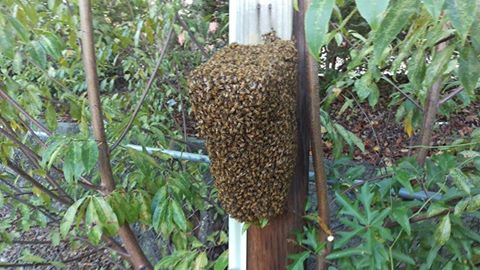
(above) Small October cluster on bluebird box. Collected after the flood of 2015 – reproductive swarm or abscond?

Late summer and autumn swarming does occur but is an exception and probably occurs only in unique situations. Biology says when the parent hive is ripe for reproduction and all conditions are met the goal is to swarm. Queens that fail to reduce laying during dearth, well fed colonies, with the addition of a brief nectar and pollen flow may indeed swarm during this time of year. Inspect overachieving hives and disrupt the colony by adding empty drawn comb, sharing excess  brood with weaker hives, or  taking off excess honey stores. This makes the parent hive less than ready and disrupts their plans. Only after all conditions are met will they swarm and if nature or the beekeeper gives them work to do at home they will typically stay. In general, however, this time of year it’s hard for them to feel that conditions are optimal for swarming.

What we saw last year was an apparent increase in abscondings or colony failures where all of the bees left the hive and did not return. Abscondings are typically related to poor conditions in the hive or environment. i.e. starvation, drought, mites, SHB, yellow jackets, critters. Historically these were termed “hunger swarms” but may occur with or without food being present. I like to think of the conditions that precipitate abscondings as stress related. Think of it this way, if your house was overrun with fleas you might stay a while but eventually you’d gather your family up and say, “I’m not sure where we’re going but we’re not staying here.” Same for food; if you lost your income, no job prospects, and had no cash flow for food eventually you’d say, “I don’t know if I can get a job in Timbuktu but I know there are no jobs here so we’re moving.”

How are reproductive swarms and abscondings different?

Swarms are generally reproductive in nature and motivated by the organism’s innate drive to reproduce as a result of positive and plentiful stimuli. This is why they usually occur slightly before and at the start of the main nectar flow when resources are at their highest. This gives the swarm the greatest chance of survival. Late season swarms are probably generated by the occasional but less likely situation where the hive is simply full of stores, lacks room for expansion, yet is being stimulated with brief fall pollen and nectar flows. It’s a bad time for them to swarm and in all probability will not have a positive outcome for the issuing swarm.

Abscondings are different in that most of the bees in the hive will leave. It’s like one day they decide they’ve had enough of the poor conditions (stressors) and decide to leave. Unlike a swarm, it is precipitated by negative stressors. The beekeeper comes to the bee yard and finds the hive almost empty. The bees inside are usually bees that were left behind due to being out foraging at the time of the absconding or they are newly emerged bees. If there is little capped brood you can assume they have been stressed for some time – scant brood decreases the attractiveness of the bees to the colony.

After last year’s events most beekeepers remarked that they never saw a cluster hanging in a tree nor any new colonies in swarm traps. One possibility is usurpation. Usurpation is when one colony forces its way into another hive and takes over. Apis mellifera scutellata is rather noted for its tendency to usurp calmer races of honey bees. One author promotes the idea that usurpation is more common than we think. The event goes unnoticed as there is no clustered swarm and the landing is not in a tree limb or swarm trap but another hive in the bee yard where they take over operations. Actually, as a survival mechanism, this is quite clever whereby a colony over run with stressors during a time of poor nectar production can unite with another weaker colony and increase its chances of survival.

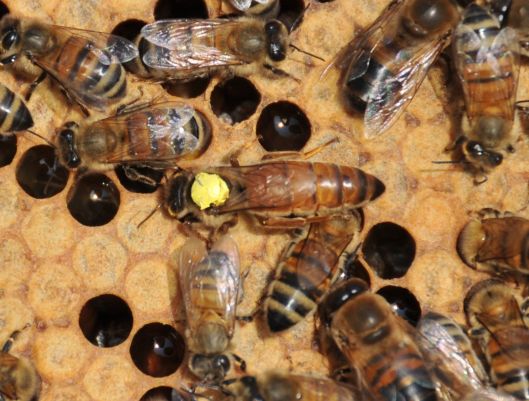
What about the queen? That may be the $64,000 question. Colony Collapse Disorder symptoms where the queen and a few bees are all that’s left behind continues to mystify many researchers. I’m not going to say I have the answer that the researchers have yet to answer. It is a mystery. But I will say that it’s no mystery that the queen isn’t the only card in the game when it comes to honey bee behavior. Most beekeepers, after a few years in the hives, understand other powers at play within the colony like lack of brood pheromone, population balance, and the host of chemical pheromone balances that signal wellbeing or decline. Leaving without a queen is typically viewed as colony suicide, but as we have already covered above, usurpation might provide an answer to why one colony might leave a failing queen behind.

Another answer proposed to account for the events experienced last year is that the bees died while foraging or failed to return home. While this may be possible, it does not account for the lack of thousands of nurse bees that should have never left the confines of the hive.

In closing, I’m not offering any single cause to what you hopefully will not see this autumn in your bee yard. Last year, here in the Midlands as well as elsewhere, we witnessed multiple accounts of bees absconding. Almost no one saw a cluster hanging in a tree, captured a swarm, or otherwise accounted for the missing bees. We know many of these events were recounted by the beekeeper as having occurred within the course of a week. Forty thousand bees one weekend; two hundred the next weekend. Stressors last year included exceptionally high heat during dearth period, approximately half of normal rainfall, and of course the ever present Varroa mite.

We did an impromptu survey to see if a particular cause could be identified. However, no single cause was identified. In some instances it appeared to be related to mites, in other instances, poor forage or lack of feeding, the much higher than normal temperatures experienced, and/or a rainfall approximately half of typical for our area. Conversely, our survey data showed that those that offered their bees more supportive measures had fewer or no abscondings. Respondents with no abscondings had higher reporting for feeding during the dearth period, treatment for Varroa, availability of water, and overall higher supportive management of their colonies. This would seem to indicate that while no specific stressor could be implicated, a lowering of the stress level by increased supportive management reduced colony abscondings.
Feel free to share this on:

  • Share on Facebook (Opens in new window) Facebook
  • Share on X (Opens in new window) X
  • Share on Pinterest (Opens in new window) Pinterest
  • Email a link to a friend (Opens in new window) Email
  • Share on LinkedIn (Opens in new window) LinkedIn
  • Share on Reddit (Opens in new window) Reddit
  • Share on Tumblr (Opens in new window) Tumblr
  • Print (Opens in new window) Print
  • Share on Telegram (Opens in new window) Telegram
  • Share on WhatsApp (Opens in new window) WhatsApp
Like Loading...

Midlands Beekeeping Calendar for October

01 Thursday Oct 2026

Posted by Beekeeping365 in calendar, beekeeping calendar, management, beekeeping seasons, beekeeping, beekeeping chores

≈ Leave a comment

Tags

beekeeping, beekeeping calendar, beekeeping chores, management, seasonal management

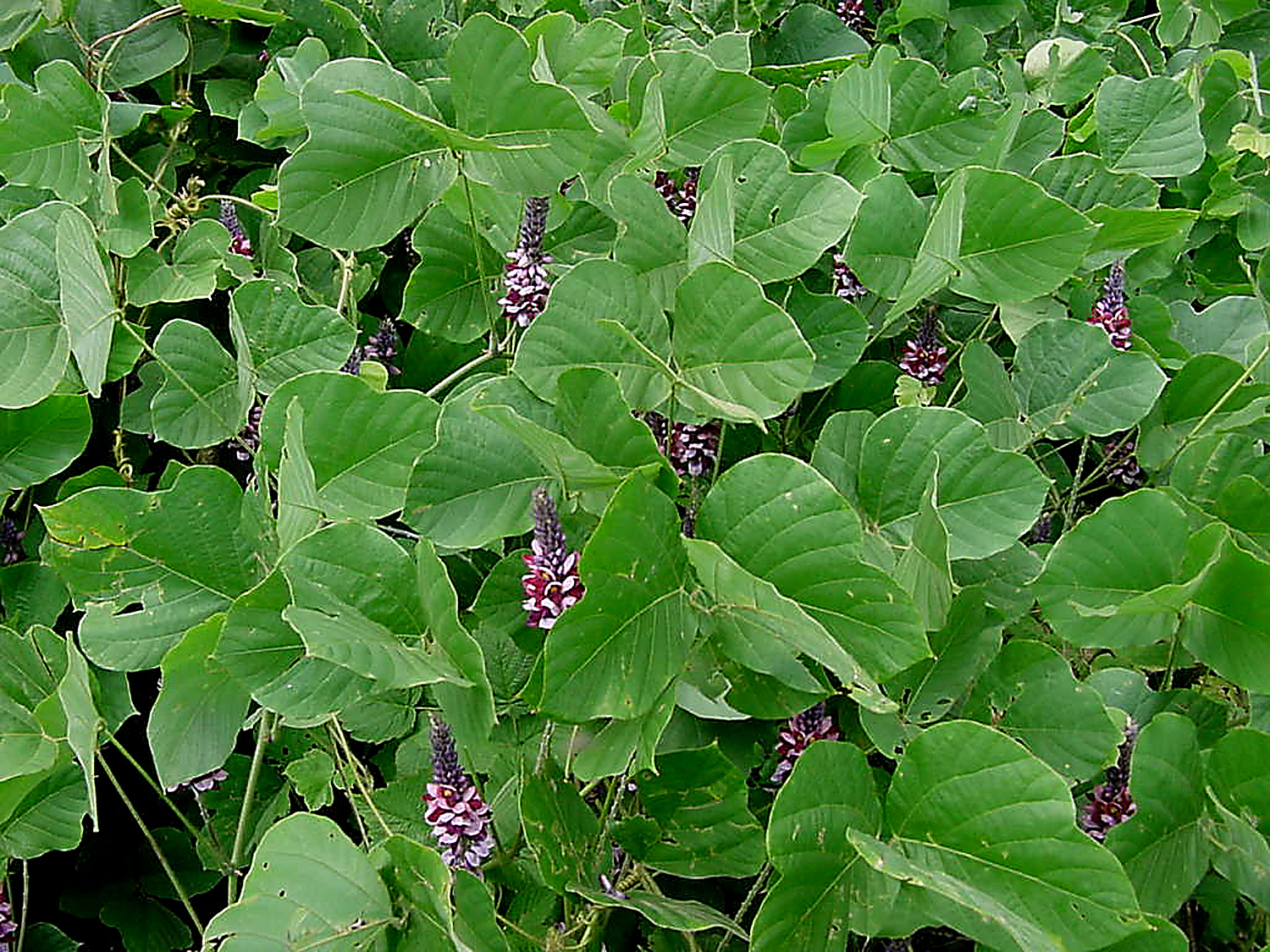
kudzu

Kudzu blooms, Purdue Extension photo/Chris Parker

As always, All beekeeping is local. Here’s my offering for the beekeeping calendar for the South Carolina Midlands for the month of October:

Plan on checks once or twice this month but otherwise do not work unless necessary to prevent the triggering of robbing behavior. Try to not be too disruptive in order to allow them to get their house (brood box) in order for winter.

If you have not yet treated for varroa it’s important that this is done before your winter bees are exposed to the smorgasbord of viruses that varroa transmits when it feeds. Also, it’s not sufficient to just treat. You also need to have some idea that the treatment was effective in reducing the numbers of varroa in the colony.

Expect the break in the weather to occur during mid-October. Local legend has it that the State Fair brings autumn to the Midlands. Looking forward, our average date for first frost is the last week in October and the first freeze the first week of November. That said, the bees still have plenty of flying days ahead before winter.

Notice goldenrod and asters along the roadways. Kudzu will also provide forage if available in your area.

October:

1) Remove fall flow honey if appropriate. In my few years of beekeeping I have never had enough of a fall nectar flow to take honey. However, I have had colonies that were so large at the end of the spring flow that I was unable to reduce their cavity size to winter configuration until October. When this happens I am usually pleasantly surprised to be able to take some surplus frames from the bees, still leaving them enough for winter. Remember if you treated for Varroa using a product that affects the honey you will not be able to eat this honey but the bees will be happy to get it back in late winter / early spring.

2) October is your chance to make sure you “right size” your hives for the coming winter months. If you have not reduced your hives to winter configuration, early October is one of the last times which will still allow the bees time to propolize any cracks before winter and get their food stores properly situated. Typically, for the Midlands, a standard configured ten-frame Langstroth hive of bees will need 30- 35 lbs of honey to overwinter. This, along with living quarters, equates to at ten-frame deep (brood box) and a ten-frame shallow or medium above the brood box (sometimes called the feed chamber). To “right size” your hives remove hive bodies (supers) above the feed chamber. i.e. any empty, partial, or full supers. Extract and store these (protected from wax moths until temperatures drop and we have a hard freeze). Or, in the case of supers with stores, you may share these resources with colonies that do not have adequate stores (equalizing).10203677770399632

2) Process supers and store for winter. After any extracting your options for cleaning the sticky frames are to either place the supers back on the hive or place them out in the yard for clean-up. If placed out in the yard expect some comb tearing as the bees rob the supers of leftover honey. I am lucky that I do not have neighbors close and can separate the sticky supers from the bee yard by 100 yards or more. If you don’t have these options don’t leave sticky supers out where they can create a nuisance for your neighbors and cause a feeding frenzy spreading to your weaker hives. Instead consider simply placing them back on the hive and your bees will do the work of cleaning the supers and placing the leftover honey in the hive bodies below. Remove the cleaned supers in a few days returning your hives to winter configuration.

3) Protect your drawn comb. After it gets cold wax moths will no longer pose a threat. Until we get cold weather (end of November) you will need to protect any drawn comb you have removed from the hive. Methods vary from placing the frames in the freezer, placing outside open to light and air, using Paramoth (paradichlorbenzene) or use of BT (bacillus thuringiensis aizawai).  BT is available from bee vendors. Clemson article on wax moth IPM.

4) Reduce entrances if not yet done. The appropriate amount of reduction is what your bees can guard. I like to see 20-30 bees on my landing board guarding the entrance. If you have this or more, and your entrance is well defended, and you may not have to reduce the entrance from its current setting. A three to four inch entrance is typical for this time of year. Addition of an upper entrance such as a notched inner cover is advisable prior to entering colder weather to allow for ventilation and allow moisture to escape.

5) It’s time to change to 2:1 syrup feeding to add stores and weight. Feed bees as necessary. As you recall, we started stimulating brood production in late August with a full 1:1 sugar syrup mix. Your bees, by now, should have some weight on them and you should be seeing an increase in orientation flights. When you see foragers bringing in goldenrod and other fall pollens they are raising your winter bees. Your colonies should have some open nectar for brood rearing available from the feeding you have already provided. If they have plenty of open nectar but are still not heavy with stores it’s time to increase to 2:1 syrup to put some weight on the colony.

6) Any colonies that are lagging behind in weight should be fed aggressively at this time. Assuming you have reduced them down to overwintering configuration, now is the time to make sure they are increasing their stores in preparation for winter. Use 2:1 sugar syrup via your normal feeding method. Whenever they run out of syrup, refill. If using a jar feeder enlarge the feeder holes just a bit to allow them good access to the thicker syrup. The 2:1 syrup, fed rapidly, creates a situation where the bees cannot consume it as fast as they empty the feeder thereby creating a situation where they must store the thick syrup. Also remember, soon it will be more difficult for the bees to remove excess moisture (after the temperatures cool) so use 2:1 early to enable them to ripen the syrup and store. If you have colonies with more frames of stores than needed, consider sharing the bounty with less fortunate colonies.

7) Continue to tip colonies forward from the rear to assess their weight. Notice the number of frames of honey stores inside so that you can compare what you are feeling with what is actually inside. You will need this assessment skill during the cold of winter on days when you shouldn’t open the hives.

8) Pollen: Usually we get a nice pollen flow in the Midlands during the month of October. New beekeepers will notice, perhaps for the first time, the yellow and orange blooms along the roadways. That “smelly sock” odor you may notice in your hives this time of year is attributed to goldenrod. Kudzu blooms in late summer and will continue into early autumn producing a beautiful purple pollen. The bees will use autumn pollen to both raise winter bees and to stockpile for use during next year’s spring buildup.

9) Remove any queen excluders on hives. A queen excluder during the winter will prevent the queen from moving up with the winter cluster as the bees consume honey and move upward clustering and staying warm.

10) I’ve never had problems with mice in my bee yard but if you have a local mouse population consider placing a mouse guard on this month. An inexpensive method is to reduce the current opening’s size, top to bottom, to 3/8 inch.

11) Attend your local monthly meeting. Volunteer to educate the public on the importance of honey bees by signing up to work a shift at the upcoming South Carolina State Fair booth. There you can network with other local beekeepers, share stories, and have some fun finding the queen and educating the public about our favorite insect!

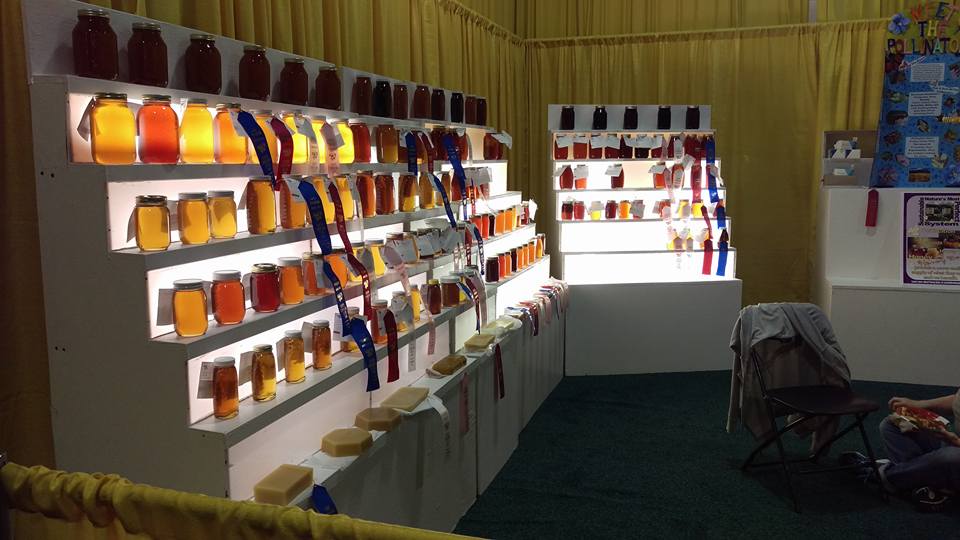
12) Attend the South Carolina State Fair. Visit the South Carolina Beekeepers Association’s booth. Marvel at the beautiful honey display! Point out your prize ribbon to friends and family.

Honey Display

The above are general guidelines for the average bee colony in the Midlands of South Carolina. We all have hives that may be outperforming the average. We also have colonies that underperform the average. Use your judgement in making changes suggested here. Beekeeping is an art as well as a science. Only you know the many, many particulars associated with your physical hives as well as the general health and population of your colonies.

Feel free to share this on:

  • Share on Facebook (Opens in new window) Facebook
  • Share on X (Opens in new window) X
  • Share on Pinterest (Opens in new window) Pinterest
  • Email a link to a friend (Opens in new window) Email
  • Share on LinkedIn (Opens in new window) LinkedIn
  • Share on Reddit (Opens in new window) Reddit
  • Share on Tumblr (Opens in new window) Tumblr
  • Print (Opens in new window) Print
  • Share on Telegram (Opens in new window) Telegram
  • Share on WhatsApp (Opens in new window) WhatsApp
Like Loading...

The Queen Your Worst Winter Leaves You

18 Friday Sep 2026

Posted by Beekeeping365 in beekeeping, beekeeping management, beekeeping pest management, beekeeping seasons, mites, Winter

≈ Leave a comment

It’s September. The colony has never looked stronger, there is no visible danger anywhere in the yard, and this is exactly the point at which winter is either being prepared for or it isn’t.

By September the part of the year that actually decides winter survival has narrowed down to a couple of windows most beekeepers don’t notice closing in. The clearest is the mite treatment. The bees a colony rears in September and October aren’t built like the bees it reared in June — they’re the diutinus generation, fed differently as larvae, carrying the fat reserves and vitellogenin that let a bee live four or five months on cluster instead of the ordinary six weeks a summer forager gets. Whether that generation comes out of the cell healthy or compromised is decided while it’s still capped brood, which means a mite treatment timed to catch it in September works, and the same treatment applied in November is a beekeeper doing the right thing on the wrong date. There’s no makeup exam. The winter bee is reared soundly or she isn’t, and the difference won’t be visible from outside the box until one week in February when it’s far too late to matter.

The other window is stores, and the South Carolina Midlands version of this is a little different from the version in the beekeeping books written for colder places. The winters here are short and mild enough that colonies rarely starve for lack of total honey the way a colony in the upper Midwest can. What often kills a well-provisioned Midlands hive in January is isolation — a cold snap that locks the cluster in place for four or five days straight, on a frame it has already stripped, while two frames over sits capped honey the bees never got cold enough, for long enough, to be forced to cross to. Beekeepers here lose colonies with the pantry two inches from the corpse pile, both of them found under the same lid. The fix isn’t more honey. It’s how that honey gets arranged in the box in the fall, and whether it’s positioned before the first hard cold arrives or noticed after.

None of that is dramatic work. It’s a syringe of oxalic acid timed to a brood cycle, a frame moved six inches to the left, a hive vented with a small notch to allow moisture to escape. It happens in weather so mild you’d have to remind yourself there’s a reason to be out there at all. And then winter arrives and does the only thing winter was ever going to do, which is reveal, without negotiation, whatever got decided in September. There’s nothing left to diagnose or manage in the moment by February. The beekeeper who prepared is, in February, watching an undercover buildup of spring bees. The beekeeper who failed to prepare finds out what nature actually thought of their plan.

Some years that revelation can be devastating. You open six hives in the first mild week of March and five of them are dead — a fist of bees, heads down in empty cells, no visible disease, nothing wrong except that the September work wasn’t enough, or wasn’t done, or was done late for a mite load that had already gotten ahead of the treatment. That’s the shock the whole enterprise runs on, the possibility everyone who keeps bees for more than a couple of winters eventually meets: the apiary you built over three seasons reduced to one box by a cold snap in January.

But look at what the sixth hive is. It isn’t luck exactly, though it can feel that way standing over the wreckage of the other five. That colony’s queen, in that exact yard, with that exact mite load and that exact arrangement of stores, is the one whose genetics and whose beekeeper’s fall work actually held. She’s not just a surviving queen. She’s a data point nobody else in the yard produced, and by May you can graft off her — raise two dozen queen cells from larvae she laid, distribute them into splits made from nothing but comb and bees, and rebuild the apiary from one box back up to six or eight, every one of them carrying the exact combination of thrift and resistance that got her through the winter that killed her neighbors. The catastrophe doesn’t just survive total failure. It gets used as the selection event, you’d otherwise have to pay a breeder to run for you. Whatever culled the rest of the yard is also what tells you, with more certainty than any book written on bees ever could, which queen was actually worth keeping.

Many of the actual variables were ever under your control. You don’t control whether the winter runs hard or mild, whether a neighboring beekeeper’s untreated colony gets robbed out in October and hands your yard a mite load you never generated yourself, whether a warm stretch in January fools a cluster into breaking early right before a real cold front arrives to punish it for trusting the weather. What you do control is the September work — the treatment applied before the winter bees are compromised, the honey moved into reach before the cluster is committed to a single frame, the small venting notch you made in the inner cover. And you control going forward after a hardship.  The decision to requeen from your own survivor colonies turning an unplanned event into an opportunity to improve your stock. 

Moving forward is making our best decision in the here and now. 

Feel free to share this on:

  • Share on Facebook (Opens in new window) Facebook
  • Share on X (Opens in new window) X
  • Share on Pinterest (Opens in new window) Pinterest
  • Email a link to a friend (Opens in new window) Email
  • Share on LinkedIn (Opens in new window) LinkedIn
  • Share on Reddit (Opens in new window) Reddit
  • Share on Tumblr (Opens in new window) Tumblr
  • Print (Opens in new window) Print
  • Share on Telegram (Opens in new window) Telegram
  • Share on WhatsApp (Opens in new window) WhatsApp
Like Loading...

What the Hive Remembers and What You Don’t

04 Friday Sep 2026

Posted by Beekeeping365 in beekeeping seasons, biography, outyards, South Carolina

≈ Leave a comment

Tags

beekeeping

No bee that swarmed in June is alive by the time you write up the year in October. A worker bee in summer lasts five or six weeks; even the queen, who can live for years, wasn’t there for the swarm herself in any way you could call witnessing — she was carried along inside the cluster, a follower rather than observer. By the time you’re telling the story of that swarm at your bee club, every single participant except you has died of old age. The parent colony that “remembers” the swarm, if anything does, is not made up of any bees who were there.

And yet the colony does, in its own way, keep a record. Walk up to an established colony and you can read its recent history off the comb itself: the ivory new wax they built out in a good flow, the darker brood comb worked over years, the clean, glassy cells where they laid up stores against a winter that already happened. A forager who dies today has already passed her waggle-dance directions to the next generation of foragers before she goes. None of it lives in any single bee’s memory, because no bee has a memory that outlasts the season — the memory lives in the structure, in wax and pheromone and behavior encoded so thoroughly into the colony’s habits that the colony can lose every bee that was present for an event and keep behaving as though it remembers. A superorganism doesn’t reminisce. It just keeps doing what worked, materially, in comb, whether or not anyone in it recalls why.

You, on the other hand, remember the way people do — which is to say, badly, and only with effort. Everything true of human memory in general is true of a beekeeper’s memory of the bee yard in particular. The swarm you caught off the fence post gets, with each retelling, a little larger, a little higher up, a little more dramatic in the catching — the same mechanism by which the fish gets bigger, and the mountain gets steeper in every story anyone tells twice. You’re not lying. You’re doing what memory does by default, which is treat every recollection as a working draft rather than a locked file, rewritten slightly each time it’s pulled back out. A memory of a hive inspection is really a memory of the last time you told someone about the hive inspection — a copy of a copy — and if you never tell it, never write it, never pull it back out at all, it doesn’t sit in a drawer waiting. It fades, the way whole chapters of a life fade once there’s no one left to tell them to.

This is, it turns out, exactly the problem beekeeping used to solve for itself without anyone framing it that way. Before extension offices and YouTube and the online forums, what a person knew about bees came from an old-timer down the road who’d learned it from someone before them, told and retold at the hive itself — swarm season stories, wintering stories, the year the mites took half the county’s hives, all reinforced by repetition the way any oral tradition is reinforced, right down to reviewing each day’s words and deeds morning and evening before committing to memory rather than to paper. A bee yard, if you let it, works like a memory palace in the most literal sense — walk a familiar place in a fixed order, hanging each thing you need to remember on a particular snapshot or landmark along the way, and that is uncannily close to what a beekeeper already does without training for it, walking from hive to hive down the row, each box calling up what happened there last time you stood in front of it. The mentor who walks the row with a newer beekeeper, telling the story of hive four’s failed requeening as they pass it, is making memory a social, repeated, walked-through act rather than a private, one-time filing.

That kind of transmission is exactly what’s gotten thinner as beekeeping, like most things, has scattered into people who don’t share a bee yard with anyone who knew them starting out. A hive journal on an app can hold the facts a person used to only get by standing at the boxes with someone older who’d tell it to them again next spring, and it can hold them accurately, in a way retelling does not. But a journal can’t do the other job the old method did almost by accident, which is keep the knowledge exercised. A fact that only exists in a file, never pulled back out and walked through, is not so different from a memory nobody tells anymore — technically preserved, functionally dissolving, waiting in a dusty corner for a query nobody’s likely to run.

Which leaves the harder question sitting underneath all the record-keeping: if you took away everything you remember — the swarm, the bad mite year, the queen you watched get balled and killed by her own bees for reasons you never fully worked out — would you still be the same beekeeper? The colony wouldn’t blink at losing its history this way; it isn’t carrying one in the sense you are, and it replaces every witness to its own past on a five-week cycle without missing a step. You don’t get that deal. Whatever you are as a beekeeper is bound up, more than you’d like to admit under examination, in a set of reconstructed, embellished, quietly fading recollections of boxes that are mostly gone now, repainted, requeened, or dead-out and cleaned up years ago. The hive keeps its continuity in wax, which doesn’t lie but also doesn’t care. You keep yours in story, which cares a great deal and gets it wrong more often than the confidence in your own telling would ever let you suspect.

Feel free to share this on:

  • Share on Facebook (Opens in new window) Facebook
  • Share on X (Opens in new window) X
  • Share on Pinterest (Opens in new window) Pinterest
  • Email a link to a friend (Opens in new window) Email
  • Share on LinkedIn (Opens in new window) LinkedIn
  • Share on Reddit (Opens in new window) Reddit
  • Share on Tumblr (Opens in new window) Tumblr
  • Print (Opens in new window) Print
  • Share on Telegram (Opens in new window) Telegram
  • Share on WhatsApp (Opens in new window) WhatsApp
Like Loading...

Balance in the Hive

28 Monday Feb 2022

Posted by Beekeeping365 in beekeeping, beekeeping seasons, honey bee behavior, honey bee biology, management, seasons

≈ Leave a comment

Tags

beekeeping, honey bee behavior, honey bee biology, management, seasons

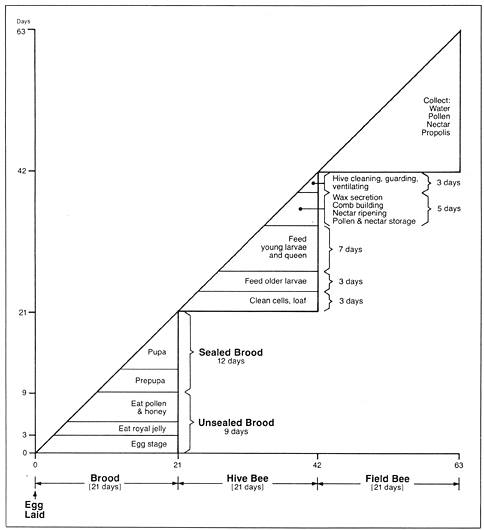
It’s spring colony splitting time and one thing we should keep in mind as we delve into the congested and complex  hive is having the correct balance of bees of various ages within the hive or split. An upset in the balance of bees’ ages upsets the proper functioning of the colony. Ex.: who’s going to clean the cells and feed the young larva if the colony goes queenless for an extended period and all of the bees have passed that stage in their adult development? Reversible? I wonder to what degree, and about the quality of work that can be expected from a bee that has passed it’s normal period for the work expected.

I’ve read below and elsewhere that there is some flexibility in the bees’ ability to move forward or backward in their age defined activities. However, the quality of the work suffers based on the bees’ physiologically ability to perform a particular task.

When making splits during the spring buildup there isn’t any difficulty finding brood of various ages so as to provide a split with a diverse population. Done well, a split hardly misses a beat and continues to grow and build effortlessly, while poorly configured splits struggle to get going and sometimes fail.

sipa

A simple diagram showing the life history of the honey bee worker.
The schedule of worker bee activities is both flexible and reversible, depending more upon physiological age than on chronological age, and is altered according to the needs of the colony. Diagram Source: Sipa Honey Bees

Feel free to share this on:

  • Share on Facebook (Opens in new window) Facebook
  • Share on X (Opens in new window) X
  • Share on Pinterest (Opens in new window) Pinterest
  • Email a link to a friend (Opens in new window) Email
  • Share on LinkedIn (Opens in new window) LinkedIn
  • Share on Reddit (Opens in new window) Reddit
  • Share on Tumblr (Opens in new window) Tumblr
  • Print (Opens in new window) Print
  • Share on Telegram (Opens in new window) Telegram
  • Share on WhatsApp (Opens in new window) WhatsApp
Like Loading...

Red Maple, Harbinger of Nectar Flow

13 Sunday Feb 2022

Posted by Beekeeping365 in beekeeping, beekeeping seasons, seasons

≈ Leave a comment

Tags

beekeeping, Red Maple, seasons

2015-04-13_10_38_10_female_red_maple_flowers_on_madison_avenue_in_ewing_new_jersey
2015-04-12_16_31_55_male_red_maple_flowers_on_bayberry_road_in_ewing_new_jersey

Red maple has started in various areas of the Midlands in South Carolina. Notice the difference in the male and female flowers.

Feel free to share this on:

  • Share on Facebook (Opens in new window) Facebook
  • Share on X (Opens in new window) X
  • Share on Pinterest (Opens in new window) Pinterest
  • Email a link to a friend (Opens in new window) Email
  • Share on LinkedIn (Opens in new window) LinkedIn
  • Share on Reddit (Opens in new window) Reddit
  • Share on Tumblr (Opens in new window) Tumblr
  • Print (Opens in new window) Print
  • Share on Telegram (Opens in new window) Telegram
  • Share on WhatsApp (Opens in new window) WhatsApp
Like Loading...

A swarm of bees in July is not worth a fly.

04 Sunday Jul 2021

Posted by Beekeeping365 in beekeeping, beekeeping seasons, seasons, swarms

≈ 3 Comments

Tags

beekeeping, seasons, swarms

giphy

A swarm of bees in May is worth a load of hay;
A swarm of bees in June is worth a silver spoon;
A swarm of bees in July is not worth a fly.

Proverbial bee-keepers’ saying, mid 17th century; meaning that the later in the year it is, the less time there will be for bees to collect nectar and pollen from flowers in bloom in preparation for winter..

From:  swarm in May is worth a load of hay; a swarm in June is worth a silver spoon; but a swarm in July is not worth a fly, a  in  The Oxford Dictionary of Phrase and Fable

Feel free to share this on:

  • Share on Facebook (Opens in new window) Facebook
  • Share on X (Opens in new window) X
  • Share on Pinterest (Opens in new window) Pinterest
  • Email a link to a friend (Opens in new window) Email
  • Share on LinkedIn (Opens in new window) LinkedIn
  • Share on Reddit (Opens in new window) Reddit
  • Share on Tumblr (Opens in new window) Tumblr
  • Print (Opens in new window) Print
  • Share on Telegram (Opens in new window) Telegram
  • Share on WhatsApp (Opens in new window) WhatsApp
Like Loading...

Sustainable Beekeeping thru Nucleus Colonies

01 Monday Mar 2021

Posted by Beekeeping365 in beekeeping, beekeeping management, beekeeping seasons, education, management, seasons

≈ Leave a comment

Tags

beekeeping, education, nucleus hives, seasons, spring management

Something for the second-year beekeeper or anyone who has overwintered hives. If you are still relatively new to beekeeping, perhaps having successfully overwintered a colony or colonies, the concept of two and a half hives is a good next step. Having and managing a nucleus hive is a great learning opportunity as well as a valuable resource should one of your production colonies develops problems. And it’s just fun. Nucleus hives are a pleasure to work and help you develop your assessment and inspection techniques. And finally, it’s your next step to never buying bees again!
 
Some time ago I listened to a local beekeeper give a lecture about flexibility in beekeeping. One of the points of his lecture was going with the natural rhythm of the bees and nature. Experienced beekeepers, having kept bees over many seasons, know these things. Spring is the time of increase, a time of plenty, growth, and expansion. It is a time of natural increase. Summer follows here in the South Carolina Midlands with dearth and a time for the bees to tighten the belt on resources. Fall and Winter are times when the bees depend on stored resources. This is also when the stress on the hive is greatest due to the climate, pest pressures, viruses, and lack of food stores all of which sometimes leads to colony failure.
 
Going with the flux described above means making increase when the bees want to make increase. The beekeeper goes with the flow and capitalizes on the ease with which nature and the bees expand during times of plenty. The idea being to capitalize during times of plenty so you too, the beekeeper, have resources during the harder times of seasons ahead.
 
Dr. Dewey Caron of Oregon State, “Two and a Half Hives”
 
Dr. Larry Connor, “Two and a Half Hives”
 
Joe Lewis on “Sustainable Beekeeping thru Nucleus Colonies”
 

Feel free to share this on:

  • Share on Facebook (Opens in new window) Facebook
  • Share on X (Opens in new window) X
  • Share on Pinterest (Opens in new window) Pinterest
  • Email a link to a friend (Opens in new window) Email
  • Share on LinkedIn (Opens in new window) LinkedIn
  • Share on Reddit (Opens in new window) Reddit
  • Share on Tumblr (Opens in new window) Tumblr
  • Print (Opens in new window) Print
  • Share on Telegram (Opens in new window) Telegram
  • Share on WhatsApp (Opens in new window) WhatsApp
Like Loading...

Worried about your bees? Have a listen!

11 Monday Jan 2021

Posted by Beekeeping365 in beekeeping, beekeeping seasons

≈ Leave a comment

Tags

listening to the bees, stethoscope

IMAG2456

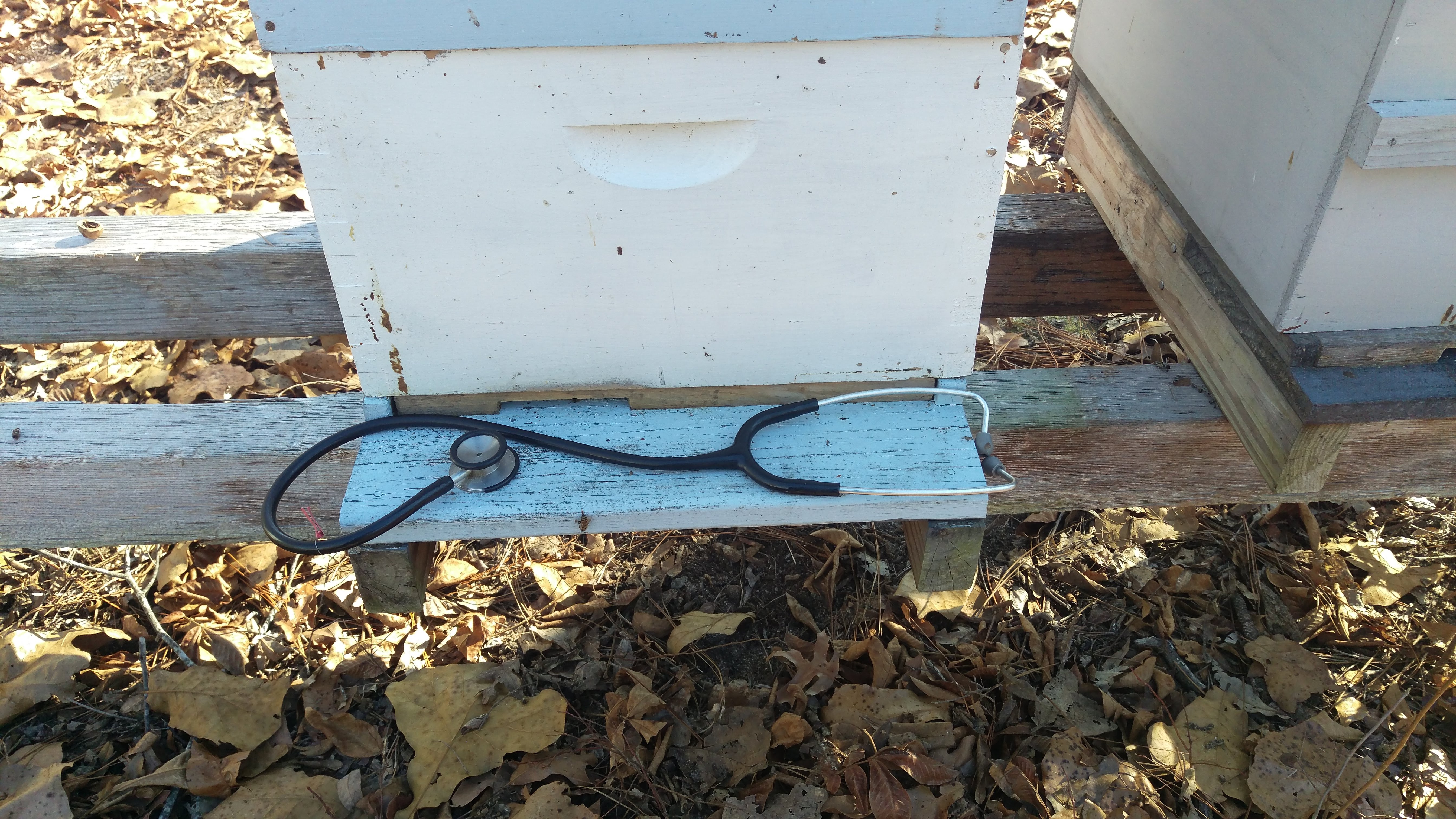
Worried? Go listen!

As winter progresses the bees will typically move to the top box, work your way around the box. You should hear a sound that resembles static – not quite the rumble one would expect. If you don’t hear anything don’t go wild banging but use your free hand to deliver a gentle rap to the side of the hive which usually increases their buzz for a couple seconds.

Feel free to share this on:

  • Share on Facebook (Opens in new window) Facebook
  • Share on X (Opens in new window) X
  • Share on Pinterest (Opens in new window) Pinterest
  • Email a link to a friend (Opens in new window) Email
  • Share on LinkedIn (Opens in new window) LinkedIn
  • Share on Reddit (Opens in new window) Reddit
  • Share on Tumblr (Opens in new window) Tumblr
  • Print (Opens in new window) Print
  • Share on Telegram (Opens in new window) Telegram
  • Share on WhatsApp (Opens in new window) WhatsApp
Like Loading...

Is a Warm Winter Good for the Bees?

06 Wednesday Jan 2021

Posted by Beekeeping365 in beekeeping, beekeeping seasons, honey bee biology, management, seasons

≈ 1 Comment

Tags

beekeeping, honey bee biology, management, seasons

12592690_10206761945022070_2944841313752569793_n

An article by the Northeast New Jersey Beekeepers Association

Bees overwinter best when they are held at a temperature that keeps the cluster quiet and eating very little honey. That’s why sometimes we say we are putting the bees to bed for the winter. Though bees do not hibernate like bears, they cluster, produce heat, eat and wait for warmer days. There is an ideal temperature between 30-40 degrees F that keeps the bees quiet and eating the least amount of food. The warmer the weather the more the bees eat. AND oddly enough, the colder the weather (below 30 degrees F) the more the bees eat to generate heat. Does an unseasonably warm winter mean trouble for bees? (Click here to continue article)

Feel free to share this on:

  • Share on Facebook (Opens in new window) Facebook
  • Share on X (Opens in new window) X
  • Share on Pinterest (Opens in new window) Pinterest
  • Email a link to a friend (Opens in new window) Email
  • Share on LinkedIn (Opens in new window) LinkedIn
  • Share on Reddit (Opens in new window) Reddit
  • Share on Tumblr (Opens in new window) Tumblr
  • Print (Opens in new window) Print
  • Share on Telegram (Opens in new window) Telegram
  • Share on WhatsApp (Opens in new window) WhatsApp
Like Loading...

It’s Time to Plan for Spring

31 Thursday Dec 2020

Posted by Beekeeping365 in beekeeping, beekeeping seasons

≈ 2 Comments

Tags

beekeeping seasons, goals in beekeeping, preparing for spring, seasonal management, seasons

red-maple-6836_1280

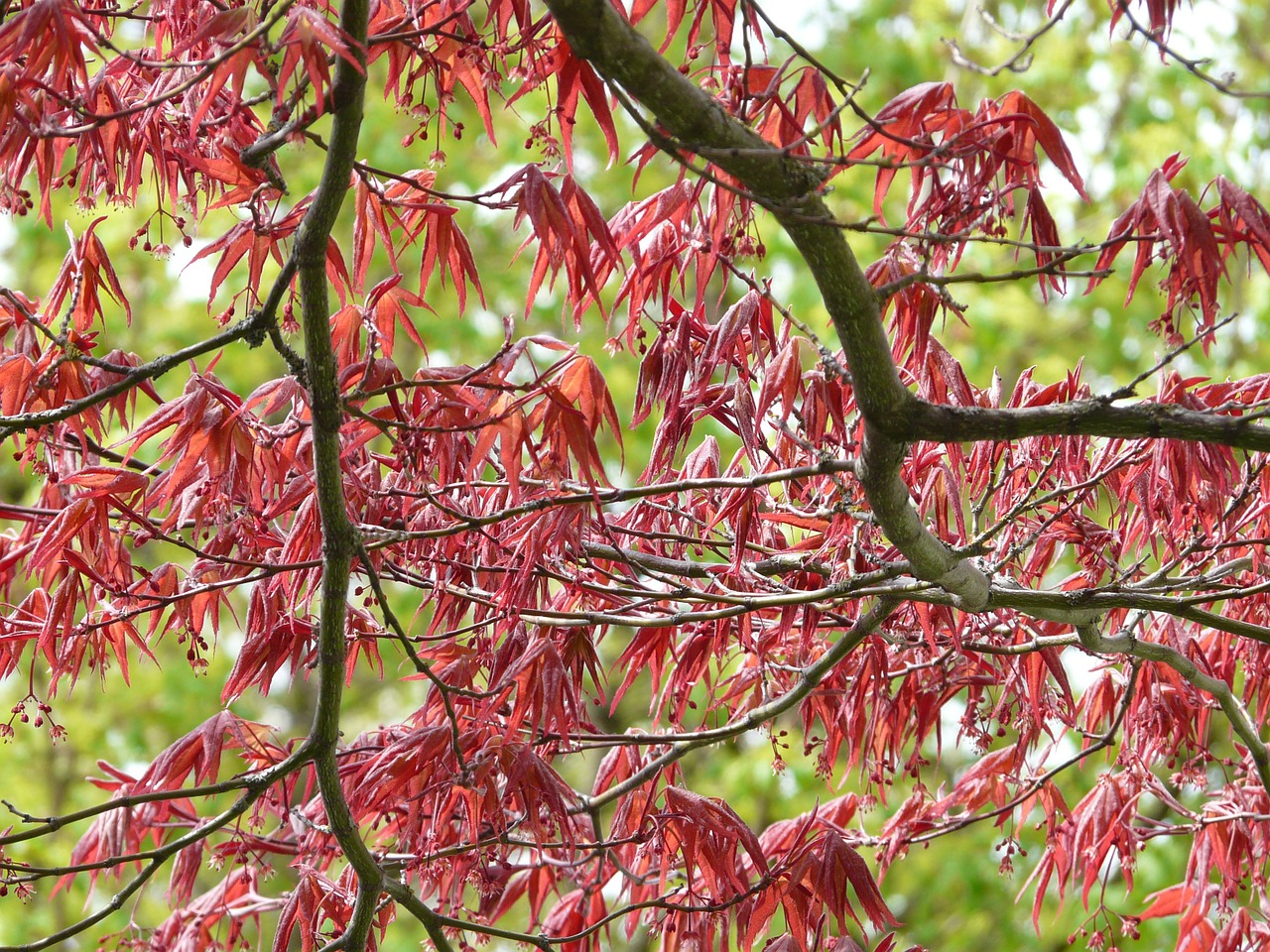
Red Maple – Harbinger of Spring

Sooner or later, if one stays in beekeeping, it becomes apparent that success is directly related to being proactive in one’s management of the bees rather than reactive. After all, this is exactly what the bees are doing. The bees never wait until the last minute to put up stores for winter. Nor do the bees wait until the day before the spring nectar flow to gather a full house of foraging bees to harvest nature’s bounty. Rather, the bees work months ahead to make sure they have everything needed to succeed. You too should follow their lead in preparing now for spring beekeeping if you want to have the best chance of success.

For short term goals I would direct you to the beekeeper’s calendar for your area which will guide you as to the tasks at hand for the immediate future. This article will discuss longer term goals.

Let’s consider some likely beekeeping for colonies here in the Midlands which you can work on during the coming months:

– Establish your goals for 2026
– Inventory your current assets
– Assess your needs (equipment mostly but may include outyards, personnel,etc.
– What knowledge will you need to be successful?
– Lay out your time management plan.

Assessment:

What can you do now to ensure your spring will be the best spring ever? Let’s start with considering your goals. Often, I have heard questions asked at monthly meetings that get the response, “Well, it depends.” Answering the question usually goes into what the beekeeper’s goals are. Are they making bees or honey? Do they want to grow their apiary or just manage a few hives for pollination? Are they hoping to produce enough honey to sell or do they want to make queens or nucleus hives for sale? What our management practices are depends directly on our goals. If you are planning a trip to California for almond pollination, you’ll start feeding pollen substitute in early January, but if you do that with colonies you are leaving here in the Midlands you may end up with your bees in trees before it’s warm enough to manage splits. So, before we begin, take some time to decide now what your beekeeping goals will be for 2026 – everything else hinges on this decision.

This time of year, with the reduction in time spent managing your colonies, is ideal to inventory your assets. Get out and inspect your supers, scrape frames, and make sure you have enough equipment to handle your spring goals. Write down your current inventory on paper or start a planning notebook. Later, as you begin to see the plan come into place, you be able to compare your list of current assets against your list of needed assets to accomplish your goal.

Planning:

After you inventory your assets, write down your shopping list of equipment for ordering later. In addition to woodenware you may need lumber for hive stands, or other less obvious equipment like a new tire for your trailer. Making a list now will help you stay within budget. What’s important now is to develop the plan and determine what is needed. Wait until the plan firms up before ordering equipment as plans may change based on current assets, or other unexpected events which can come up during this planning stage.

Also included in the planning stage is thoroughly thinking through your plan. If it involves establishing out yards, have you located and secured permission for land use? If not then you may want to use any of several methods including the ‘stop and knock’ method, Google maps, or an ad in the local or state Market Bulletin.

Education may also be needed in the planning stage. If your goal is making increase you may want to order books or attend a local course on making splits and nucleus hives. Queen rearing may become something that you’ll have to consider. And if you are not ready for queen rearing, then making plans for purchasing queens to place in those splits if you hope to have them ready in time for spring sales. Purchasing queens would then become an item on your budget which may cause some changes to the original plans. Be flexible.

The idea here is considering all the implications of your plan. Hammer out the timeline now so that you can adjust early in the process. Once spring comes, you’ll be busy managing your bees, so time spent planning during these cold days is time well spent.

Implementation:

Once you’ve completed the assessment and planning portion of your spring preparations it’s time for implementation. Time to finally start the project. By now you have purchased the needed equipment, read up on aspects of your goals, and laid out a timeline for your tasks which includes consideration of the bees’ and nature’s timeline. Let’s get started!

Over winter, it’s time for equipment maintenance and to build boxes, frames, and other woodenware if needed. Also, you may need to visit potential out yards to determine suitability. If you are planning on renting colonies for pollination a pollination contract with dates and other particulars needs to be written and established with the farmer. Will you need more bees or queens? If so, make sure you get your orders in on time to reserve your bees. Also, make it a point to attend as many educational bee meetings as possible. You never known when someone will offer up that nugget of knowledge you’ve needed to hear that will save you a mistake in the future. The final part of implementation will be the actual harvest of the product, the sales of the honey or bees, or the pollination of the crops. Or perhaps the establishment of an out yard which will serve you in the future. As you work through implementation enjoy the process. It’s great fun to see a project come together step by step.

In closing, now is the time to make those plans for success next spring. Start daydreaming now, develop a viable plan, and implement your plan to ensure success next year no matter what your goals may be.

Feel free to share this on:

  • Share on Facebook (Opens in new window) Facebook
  • Share on X (Opens in new window) X
  • Share on Pinterest (Opens in new window) Pinterest
  • Email a link to a friend (Opens in new window) Email
  • Share on LinkedIn (Opens in new window) LinkedIn
  • Share on Reddit (Opens in new window) Reddit
  • Share on Tumblr (Opens in new window) Tumblr
  • Print (Opens in new window) Print
  • Share on Telegram (Opens in new window) Telegram
  • Share on WhatsApp (Opens in new window) WhatsApp
Like Loading...

Tucked in, What Now?

13 Sunday Dec 2020

Posted by Beekeeping365 in beekeeping, beekeeping equipment, beekeeping seasons, honey bees, management, seasons, sustainable

≈ 2 Comments

Tags

beekeeping, honey bees, management, seasons

1451179685560

The cold weather is here, You’ve done what you can to tuck them in for the coming season. So, what are you going to do with all your time now?

1) Continue to lift the back of your hives to check for weight. Now is why you learned this method of assessing stores.

2) Perform maintainance on honey supers pulled off hives – painting or otherwise.

3) Assemble new equipment for next year – boxes, frames, stands, etc.

4) Order packages, nucs, or queens.

5) Plan for changes you’re going to impliment next season.

6) Call, visit, or write farmers or landowners where you’d like to place hives for out yards next spring.

7) Attend local and state beekeeper meetings.

8) Scout trees for placement and prepare swarms traps. Construct swarm capture bucket.

9) Build a nuc now to keep in your car or truck for community swarm captures next spring. Register with on-line swarm call lists.

10) Order or ask Santa for a copy of that beekeeping book you’ve been wanting to read. Read some every day.

Feel free to share this on:

  • Share on Facebook (Opens in new window) Facebook
  • Share on X (Opens in new window) X
  • Share on Pinterest (Opens in new window) Pinterest
  • Email a link to a friend (Opens in new window) Email
  • Share on LinkedIn (Opens in new window) LinkedIn
  • Share on Reddit (Opens in new window) Reddit
  • Share on Tumblr (Opens in new window) Tumblr
  • Print (Opens in new window) Print
  • Share on Telegram (Opens in new window) Telegram
  • Share on WhatsApp (Opens in new window) WhatsApp
Like Loading...

Overwintering Nuclei Colonies by Larry Connor

07 Monday Dec 2020

Posted by Beekeeping365 in beekeeping, beekeeping seasons, seasons

≈ 2 Comments

Tags

beekeeping, beekeeping equipment, Larry Connor, nucleus hives, overwintering

Some northern beekeepers have success overwintering nuclei-sized colonies. This may be based on a particular stock or genetic trait, and should be tested carefully. More beekeepers are able to overwinter a single, deep hive body by packing the hive out with honey or sugar syrup in the Fall. In addition to food reserves, make sure such colonies are protected from the harsh winds of Winter.

Read the complete article here: Overwintering Nuclei Colonies — BEEKeeping: Your First Three Years

Feel free to share this on:

  • Share on Facebook (Opens in new window) Facebook
  • Share on X (Opens in new window) X
  • Share on Pinterest (Opens in new window) Pinterest
  • Email a link to a friend (Opens in new window) Email
  • Share on LinkedIn (Opens in new window) LinkedIn
  • Share on Reddit (Opens in new window) Reddit
  • Share on Tumblr (Opens in new window) Tumblr
  • Print (Opens in new window) Print
  • Share on Telegram (Opens in new window) Telegram
  • Share on WhatsApp (Opens in new window) WhatsApp
Like Loading...

Honey Bees and the Winter Solstice by Scott Sailors

21 Friday Dec 2018

Posted by Beekeeping365 in beekeeping, beekeeping seasons, seasons, winter solstice

≈ 1 Comment

Tags

beekeeping seasons, winter solstice

olympians

In the Northern Hemisphere today is the longest and darkest of the year. In the Southern Hemisphere it is high summer. 

Winter Solstice – A Day for Beekeeper Celebration. Tomorrow we enter the season of growth!

Late dawn. Early sunset. Short day. Long night. In the Northern Hemisphere, the Winter Solstice marks the longest night and shortest day of the year. (On the same date the Southern Hemisphere has its longest day and shortest night.) But tomorrow the days will begin lengthening.

Winter Solstice means something different to beekeepers. It’s typically associated with the beginning of winter for humans. But for the bees it’s the beginning of spring. For beekeepers in the Northern Hemisphere today marks the beginning of growth. ~sassafrasbeefarm

The annual cycle for a honey bee colony is much easier to understand when you look at bees from the standpoint of their over-riding goal: survival of the species.

Throughout the year, honey bees respond to external cues provided by nature – they don’t keep a wall calendar inside their hive – and once you understand how honey bees reproduce, their two-season life cycle begins to make sense.

A year for a honey bee colony can be divided into two halves.  One half is characterized by expansion, and the other by contraction.  The half that is characterized by expansion begins soon after the winter solstice.  Some research seems to indicate that honey bees respond directly to changes in the amount of daylight, while other research says that they don’t.  But regardless of how it works, we know that brood rearing increases soon after the winter solstice, and decreases soon after the summer solstice.

Shortly after the winter solstice, many things happen inside the colony to increase brood production.  For example, the workers begin to raise the temperature of the brood nest.  These warmer temperatures stimulate the queen to lay eggs—just a few at first, but more and more as time goes on.  Of course, keeping the colony warmer requires more honey stores just when those stores begin to be depleted.  So the colony has to manage a very delicate balance of population-to-stores.

Why the expansion?  Why now?  The answer is simple: reproduction.  The colony is preparing to capitalize on the window of opportunity to reproduce that will come in the early spring.  How does a colony reproduce?  By casting a swarm.

Read the full article here: Honey Bees and the Winter Solstice — Host a Honey Bee Hive

Feel free to share this on:

  • Share on Facebook (Opens in new window) Facebook
  • Share on X (Opens in new window) X
  • Share on Pinterest (Opens in new window) Pinterest
  • Email a link to a friend (Opens in new window) Email
  • Share on LinkedIn (Opens in new window) LinkedIn
  • Share on Reddit (Opens in new window) Reddit
  • Share on Tumblr (Opens in new window) Tumblr
  • Print (Opens in new window) Print
  • Share on Telegram (Opens in new window) Telegram
  • Share on WhatsApp (Opens in new window) WhatsApp
Like Loading...

Bees and Water by Braman’s Wanderings

18 Tuesday Sep 2018

Posted by Beekeeping365 in beekeeping, beekeeping seasons, honey bee photos, honey bees

≈ Leave a comment

Tags

honey bees, providing water, water

We often see pictures of bees collecting nectar from flowers and blossoms, but they also need to collect water. The bees use water to cool their hives, help feed their young and also to keep honey at the right hydration level.

Read full article with more photos at:  Bees and Water — Braman’s Wanderings

Feel free to share this on:

  • Share on Facebook (Opens in new window) Facebook
  • Share on X (Opens in new window) X
  • Share on Pinterest (Opens in new window) Pinterest
  • Email a link to a friend (Opens in new window) Email
  • Share on LinkedIn (Opens in new window) LinkedIn
  • Share on Reddit (Opens in new window) Reddit
  • Share on Tumblr (Opens in new window) Tumblr
  • Print (Opens in new window) Print
  • Share on Telegram (Opens in new window) Telegram
  • Share on WhatsApp (Opens in new window) WhatsApp
Like Loading...

Quote

Your beekeeping year is about to change by Honey Bee Suite

21 Thursday Jun 2018

Posted by Beekeeping365 in beekeeping, beekeeping seasons, seasons

≈ Leave a comment

Tags

beekeeping seasons, summer solstice

Here we are at the Summer Solstice. Here’s some good advice from Rusty…
~sasafrasbeefarm

Your beekeeping year is about to change:

The beekeeping year can be divided into two halves. One half is characterized by expansion, and the other by contraction. Tomorrow we begin the next phase. Whether you live in the northern hemisphere or the southern, the solstices mark the boundaries, the points at which things begin to change.

The most important concept in beekeeping:

If I were to write a book on beekeeping, this is where it would begin. Relatively unimportant issues like how to feed, where to put a hive, or how to inspect would be relegated to the appendix. The how-to part of beekeeping is unimportant compared to the why of it. Once you understand how bee colonies respond to their environment—what they do and why—the how-to stuff becomes easy. You can figure it out without instructions because you understand the purpose.

The honey bee lifestyle is much easier to understand when you look at bees as a part of the natural world, not the man-made one. Honey bees respond to cues provided by nature, and once you understand their place in the ecosystem, their life cycle begins to make sense.

Read full article here: Your beekeeping year is about to change — Honey Bee Suite

Feel free to share this on:

  • Share on Facebook (Opens in new window) Facebook
  • Share on X (Opens in new window) X
  • Share on Pinterest (Opens in new window) Pinterest
  • Email a link to a friend (Opens in new window) Email
  • Share on LinkedIn (Opens in new window) LinkedIn
  • Share on Reddit (Opens in new window) Reddit
  • Share on Tumblr (Opens in new window) Tumblr
  • Print (Opens in new window) Print
  • Share on Telegram (Opens in new window) Telegram
  • Share on WhatsApp (Opens in new window) WhatsApp
Like Loading...

Quote

Summer Solstice by Wildflower Meadows

21 Thursday Jun 2018

Posted by Beekeeping365 in beekeeping, beekeeping management, beekeeping seasons, seasons

≈ Leave a comment

Tags

beekeeping, beekeeping seasons, seasons, summer solstice

19278748661_7b8ab9ba60_b

For beekeepers and the bees, the summer solstice marks the end of the period of increase and the beginning of the journey to the winter equinox. The next six months will be a period of reduction and preparation for winter.
~sassafrasbeefarm

As the sun reaches its most northerly position relative to the earth, the bees also reach their maximum strength.  The summer solstice, which occurs on June 21st, brings the longest day of the year in the northern hemisphere.  It also marks a delineation between the two broad seasons in the year of a beehive:  the season of expansion and the season of contraction.

Read the full article here: Summer Solstice — Wildflower Meadows

Feel free to share this on:

  • Share on Facebook (Opens in new window) Facebook
  • Share on X (Opens in new window) X
  • Share on Pinterest (Opens in new window) Pinterest
  • Email a link to a friend (Opens in new window) Email
  • Share on LinkedIn (Opens in new window) LinkedIn
  • Share on Reddit (Opens in new window) Reddit
  • Share on Tumblr (Opens in new window) Tumblr
  • Print (Opens in new window) Print
  • Share on Telegram (Opens in new window) Telegram
  • Share on WhatsApp (Opens in new window) WhatsApp
Like Loading...

Beekeeping Calendar and Seasons – Springtime

26 Thursday Apr 2018

Posted by Beekeeping365 in beekeeping, beekeeping calendar, beekeeping seasons, calendar, seasons

≈ Leave a comment

Tags

beekeeping, seasons

What to do through the spring season in beekeeping – check out our list of simple, spring beekeeper activities.

via Beekeeping Calendar and Seasons – Springtime — Prime Bees – College Station Bee & Honey Farm

Feel free to share this on:

  • Share on Facebook (Opens in new window) Facebook
  • Share on X (Opens in new window) X
  • Share on Pinterest (Opens in new window) Pinterest
  • Email a link to a friend (Opens in new window) Email
  • Share on LinkedIn (Opens in new window) LinkedIn
  • Share on Reddit (Opens in new window) Reddit
  • Share on Tumblr (Opens in new window) Tumblr
  • Print (Opens in new window) Print
  • Share on Telegram (Opens in new window) Telegram
  • Share on WhatsApp (Opens in new window) WhatsApp
Like Loading...

Image

Winter in the Nuc Yard

31 Wednesday Jan 2018

Tags

beekeeping, seasons

12592690_10206761945022070_2944841313752569793_n

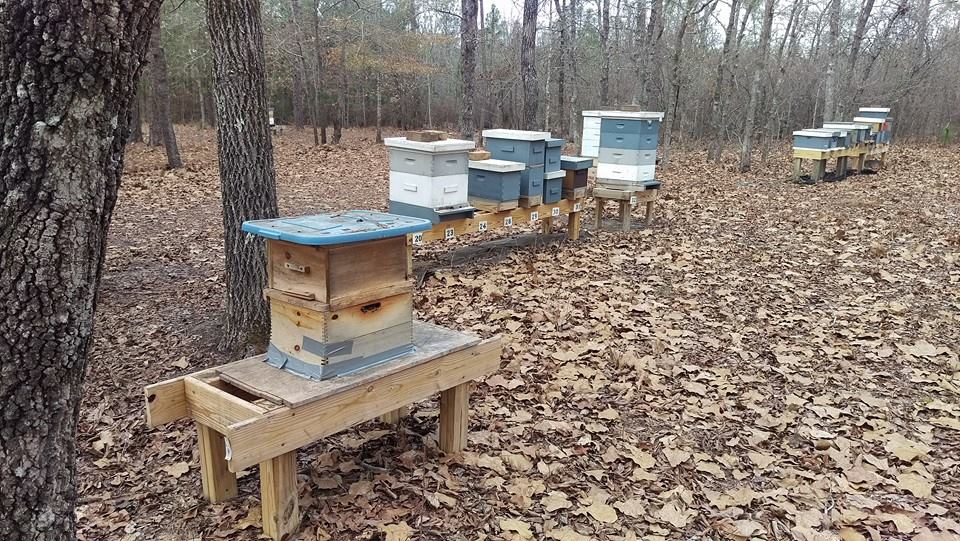
Saying goodbye to January.


Feel free to share this on:

  • Share on Facebook (Opens in new window) Facebook
  • Share on X (Opens in new window) X
  • Share on Pinterest (Opens in new window) Pinterest
  • Email a link to a friend (Opens in new window) Email
  • Share on LinkedIn (Opens in new window) LinkedIn
  • Share on Reddit (Opens in new window) Reddit
  • Share on Tumblr (Opens in new window) Tumblr
  • Print (Opens in new window) Print
  • Share on Telegram (Opens in new window) Telegram
  • Share on WhatsApp (Opens in new window) WhatsApp
Like Loading...

Posted by Beekeeping365 | Filed under beekeeping, beekeeping calendar, beekeeping seasons, calendar, seasons

≈ 5 Comments

Winter Solstice and Honey Bees by settlingforbees

21 Thursday Dec 2017

Posted by Beekeeping365 in beekeeping, beekeeping seasons, honey bee behavior, management, seasons, winter solstice

≈ 1 Comment

Tags

beekeeping, honey bee behavior, management, seasons, solstice

The winter solstice signals more than the first official day of winter.  In the natural world, animals use the changes in available daylight to signal their actions.   Eventually, longer daylight hours will signal song birds to sing more to attract mates and begin laying eggs and dormant plants to emerge and begin anew.  Remarkably, the winter solstice signals honey bees to begin spring preparations now.

Read the full article here: Winter Solstice and Honey Bees — settlingforbees

Feel free to share this on:

  • Share on Facebook (Opens in new window) Facebook
  • Share on X (Opens in new window) X
  • Share on Pinterest (Opens in new window) Pinterest
  • Email a link to a friend (Opens in new window) Email
  • Share on LinkedIn (Opens in new window) LinkedIn
  • Share on Reddit (Opens in new window) Reddit
  • Share on Tumblr (Opens in new window) Tumblr
  • Print (Opens in new window) Print
  • Share on Telegram (Opens in new window) Telegram
  • Share on WhatsApp (Opens in new window) WhatsApp
Like Loading...

Winter for the beekeeper: It’s time to think about spring, summer by Blount County Beekeepers Association

02 Thursday Nov 2017

Posted by Beekeeping365 in beekeeping, beekeeping seasons, management, products, seasons

≈ Leave a comment

Tags

beekeeping, management, seasons

From Blount County Beekeepers Association:

With winter approaching (in some places it’s already here), the beekeeper has two jobs:

  • Make sure the bees in your hives have plenty of food.Spring is the season the beekeeper should be planning for now.
  • Think about about what’s going to happen in your apiary in the spring and summer.

Neither of these jobs involves a lot of work at this point, but they shouldn’t be neglected. The main characteristic of good beekeepers is that they think ahead — one or two seasons ahead.

Now is the time think about your bees, the equipment you have and the general environment that will confront the bees when they start flying in the spring.

Will you need to order packages of bees or nucs to rebuild your apiary in the spring? That, of course, depends on how many of your hives make it through the winter. We don’t know what will happen in that regard at the moment, unless you have already experienced losses.

What we do know is that in Tennessee the winter losses for beekeepers have been about 30 percent during the past few winters. The smart thing then is to plan for that kind of loss and hope it doesn’t happen. Now is the time to get in touch with the folks who supply you with bees and see what their availability will be. Most of those people are starting a list now, and your name should be on it.

We’ll have more to say later about equipment and environment.

Right now, you should plan for some losses and think about how you will replenish your apiary.

Source: Winter for the beekeeper: It’s time to think about spring, summer

Feel free to share this on:

  • Share on Facebook (Opens in new window) Facebook
  • Share on X (Opens in new window) X
  • Share on Pinterest (Opens in new window) Pinterest
  • Email a link to a friend (Opens in new window) Email
  • Share on LinkedIn (Opens in new window) LinkedIn
  • Share on Reddit (Opens in new window) Reddit
  • Share on Tumblr (Opens in new window) Tumblr
  • Print (Opens in new window) Print
  • Share on Telegram (Opens in new window) Telegram
  • Share on WhatsApp (Opens in new window) WhatsApp
Like Loading...

Preparing for Winter by Lazer Creek Apiary

26 Thursday Oct 2017

Posted by Beekeeping365 in beekeeping, beekeeping management, beekeeping seasons, management

≈ Leave a comment

Tags

beekeeping, fall management, management, seasons, winter management

It’s only 62 degrees this morning, but bees in the English hive are already out foraging.  It’s no wonder that these bees are well set up for the cold weather that is just around the corner;  of all our hives, they have the most honey stored.    This is our go-to hive for requeening because the colony has always been friendly, the queens have always been great producers, the bees are hygienic,  and the bees are the first out the door to forage.

At the other end of the spectrum, we have a hive that has no stored resources despite all the goldenrod that surrounds the apiary.   Our records show that they haven’t stored any resources since we brought them back from the sunflower patch — and they had nothing then.    If I’d been able to find the queen yesterday, I’d have combined them with another weak but productive hive.  Those guys have increased their numbers by a full frame of bees and they have nectar and bee bread stored.   I can’t risk combining them without eliminating the lazy-genetics queen, so they have two weeks to pick up their game!   We put a candy board on the hive yesterday (and reduced the entrance down to a single bee width), so maybe that will help them.   Maybe it will make them more dependent on us.

Read full article here: Preparing for Winter — Lazer Creek Apiary Blog

Feel free to share this on:

  • Share on Facebook (Opens in new window) Facebook
  • Share on X (Opens in new window) X
  • Share on Pinterest (Opens in new window) Pinterest
  • Email a link to a friend (Opens in new window) Email
  • Share on LinkedIn (Opens in new window) LinkedIn
  • Share on Reddit (Opens in new window) Reddit
  • Share on Tumblr (Opens in new window) Tumblr
  • Print (Opens in new window) Print
  • Share on Telegram (Opens in new window) Telegram
  • Share on WhatsApp (Opens in new window) WhatsApp
Like Loading...

Summer Starvation Warning by Paul at Oxfordshire Natural Beekeeping

27 Tuesday Jun 2017

Posted by Beekeeping365 in beekeeping, beekeeping seasons, feeding bees, management, seasons

≈ Leave a comment

Tags

beekeeping, feeding bees, management, seasons

Good information contained here no matter where in this world you are living.

Paul's avatarOxfordshire Natural Beekeeping Group

The National Bee Unit has just issued a starvation alert for parts of the UK. Here in Oxfordshire, we’ve had a great start to the year, the bees have boomed, hives were heavy with stores early in the year and swarms began about a month early. There are many flowers visible to the eye. So why do we need to worry?

The short answer is lack of rainfall. For some weeks we’ve had relentless sun and heat, which is lovely up to a point, but plants need water to make nectar. Without rain, that blossom is empty. Conversely, in some years we have excessive rain extending throughout peak forage periods, which can hinder nectar production in key plants.

And even if a hive has honey stored, bees can’t eat pure honey. They need to dilute it to make it digestible, so they need a water source not just for cooling…

View original post 743 more words

Feel free to share this on:

  • Share on Facebook (Opens in new window) Facebook
  • Share on X (Opens in new window) X
  • Share on Pinterest (Opens in new window) Pinterest
  • Email a link to a friend (Opens in new window) Email
  • Share on LinkedIn (Opens in new window) LinkedIn
  • Share on Reddit (Opens in new window) Reddit
  • Share on Tumblr (Opens in new window) Tumblr
  • Print (Opens in new window) Print
  • Share on Telegram (Opens in new window) Telegram
  • Share on WhatsApp (Opens in new window) WhatsApp
Like Loading...

Happy Summer Solstice! — by ferrebeekeeper

21 Wednesday Jun 2017

Posted by Beekeeping365 in beekeeping, beekeeping seasons, seasons

≈ Leave a comment

Tags

beekeeping, seasons

In the northern hemisphere, today is the longest day of the year–the summer solstice! Go out and worship the sun and enjoy summer. To help guide you in your revels, here is a fantasy picture of wild druidic rituals among the megaliths of Stonehenge. I love summer, so this truly is a sacred holiday for […]

via Happy Summer Solstice! — ferrebeekeeper

Feel free to share this on:

  • Share on Facebook (Opens in new window) Facebook
  • Share on X (Opens in new window) X
  • Share on Pinterest (Opens in new window) Pinterest
  • Email a link to a friend (Opens in new window) Email
  • Share on LinkedIn (Opens in new window) LinkedIn
  • Share on Reddit (Opens in new window) Reddit
  • Share on Tumblr (Opens in new window) Tumblr
  • Print (Opens in new window) Print
  • Share on Telegram (Opens in new window) Telegram
  • Share on WhatsApp (Opens in new window) WhatsApp
Like Loading...

Great hives from little nucs grow

26 Wednesday Apr 2017

Posted by Beekeeping365 in beekeeping, beekeeping calendar, beekeeping seasons, calendar, management, seasons

≈ Leave a comment

Tags

beekeeping, management, seasons

We have had a few weeks of spring lately, with the air full of pollen and the bees going crazy. Rain and cool weather returned this weekend, so I am not able to work outside. I am instead sitting inside and writing this early spring update. A year will come when I feel that my […]

via Great hives from little nucs grow — Bees with eeb

Feel free to share this on:

  • Share on Facebook (Opens in new window) Facebook
  • Share on X (Opens in new window) X
  • Share on Pinterest (Opens in new window) Pinterest
  • Email a link to a friend (Opens in new window) Email
  • Share on LinkedIn (Opens in new window) LinkedIn
  • Share on Reddit (Opens in new window) Reddit
  • Share on Tumblr (Opens in new window) Tumblr
  • Print (Opens in new window) Print
  • Share on Telegram (Opens in new window) Telegram
  • Share on WhatsApp (Opens in new window) WhatsApp
Like Loading...

To Bee Or Not To Bee?

26 Thursday Jan 2017

Posted by Beekeeping365 in beekeeping, beekeeping seasons, seasons

≈ Leave a comment

Tags

beekeeping, seasons

Source:  To Bee Or Not To Bee? — Big Dreams for a Tiny Garden

img_0602-2

Alright, so the title is a little cheesy. But the question does remain. Where would we be without bees?

The gardens of my childhood were filled with bees. Hot summer afternoons in gardens buzzing with their industry. Lying on our backs in the clover, we marvelled at their meandering flight paths, little back legs bundled with yellow pollen. Our raids on the strawberry patch were more deliciously dangerous for the possibility of being stung. When the inevitable happened we endured the pain of having the sting carefully scraped from throbbing limb with a knife. A paste of bicarbonate of soda and water slathered on the wound followed, to soothe the sting. After which we suffered a parental lecture about the poor bee losing its life as a consequence of our carelessness, since they die shortly after delivering that venomous barb.

And honey sandwiches! Who could forget the real honey of our childhoods?

Ahh, those idyllic bee-ful days of my childhood!

A dear friend started me on this path down memory lane recently when she suggested I look at the important role bees play in plant fertilisation.

So, where are they now? What’s going on? Even Spring in my tiny garden doesn’t deliver on the childhood promise of swarms of bees, nor butterflies for that matter, but that’s for another post. Why does it matter?

Bees and fertilization 

It matters because bees are prolific pollinators, playing a huge role in the fertilisation of flowers, vegetables and other food crops.  I’m sure I’m not telling you something you don’t already know.

But did you know that European honey bees (Apis mellifera) [introduced to Australia around 1822] are incredibly productive? A single colony can easily contain 10,000-60,000 working bees. Each female worker lives for roughly a month and is so effective at pollination that she may forage more than 500 flowers in a round trip. A single bee may range as far as 10km in the search for pollen and nectar. No wonder they say ‘as busy as a bee!’

Furthermore, the familiar European honey bee is not the only kid on the fertilisation block. More recently, attention is being drawn to our native Australian bees. I discovered to my amazement that in Australia we have over 1,600 species of native bee with endearing names like the Teddy Bear and Blue Banded bee, some of which I’ve seen around our local park Callistemons or Bottlebrush (below). They’re an important pollinator for our unique flora.

IMG_0487 (1)

Increasingly our native bees, like the stingless varieties (genera Tetragonula – previously called Trigona – and Austroplebeia), are also proving to be valuable pollinators of crops such as macadamias, mangos, watermelons and lychees . Their impressive effectiveness as pollinators has even seen them employed by pollination services for commercial growers of these crops. Some native bees have the added advantage of being ‘buzz pollinators’ whereby the vibration of their wings facilitates fertilisation, a feat almost impossible for honey bees.

What’s the reason for the global bee decline?

It appears there’s not one single factor. Dr Les Davies, Chief Regulatory Scientist from APVMA, suggests ‘mutiple interacting pressures which may include habitat loss and disappearance of floral resources, honeybee nutrition, climate change, bee pests and pathogens [like Colony Collapse Disorder (CCD) which has wiped out millions of bees in North America], miticides and other chemicals intentionally used in hives and bee husbandry practices, as well as agricultural pesticides,’ are possible factors in the decline of bees. He makes a strong case for being informed about what we spray on our gardens [if this is a path we choose], advocating ‘a need to ensure that a range of regulatory, industry stewardship and educational measures are in place,’ to reduce the risks from pesticides.

My role as a gardener

We all have a stake in maintaining our bio system. When it comes to  ‘bee-ing’ a successful gardener, a bit of research has turned up  a number of ways I can contribute. It makes sense to plant any garden with bees in mind. A mix of flowers among the vegies will ensure bees are attracted to the garden and will do their bit to ensure bountiful fruit and vegetable crops.

I will be even more mindful of using chemicals in the garden after reading up on bees. While I’ve always preferred natural pest control, heeding Dr Davies’ advice of being more informed about the sprays, fungicides and other chemical products for garden use seems crucial. Especially given I consume the crops I grow, along with a variety of other insects and useful micro organisms who dine on my garden.

“If the bee disappeared off the face of the earth, man would only have four years left to live.”
― Maurice Maeterlinck, The Life of the Bee

References

Healthy Gardens
Read more at http://www.yates.com.au/healthy-gardens-need-healthy-bees/#r6Wma0Yg8TwPdexW.99

The travesty of imported honey  http://www.tastyhoney.com/blog/honey/australian-honey-imports-from-china-hit-new-record-high/

How to attract bees  http://www.yates.com.au/healthy-gardens-need-healthy-bees/#lwW0XsGMCMLsLbz9.97

Honeybee Research http://www.rirdc.gov.au/research-programs/animal-industries/honeybee

Medicinal Benefits of Honey  http://www.abc.net.au/science/articles/2013/02/14/3689565.htm

Bee Biology Research 

http://www.smithsonianmag.com/science-nature/the-secret-life-of-bees-99559587/?no-ist

via To Bee Or Not To Bee? — Big Dreams for a Tiny Garden

Feel free to share this on:

  • Share on Facebook (Opens in new window) Facebook
  • Share on X (Opens in new window) X
  • Share on Pinterest (Opens in new window) Pinterest
  • Email a link to a friend (Opens in new window) Email
  • Share on LinkedIn (Opens in new window) LinkedIn
  • Share on Reddit (Opens in new window) Reddit
  • Share on Tumblr (Opens in new window) Tumblr
  • Print (Opens in new window) Print
  • Share on Telegram (Opens in new window) Telegram
  • Share on WhatsApp (Opens in new window) WhatsApp
Like Loading...
Follow Beekeeping365 on WordPress.com

Enter your email address to follow this blog and receive notifications of new posts by email.

Calendar

October 2026
S M T W T F S
 123
45678910
11121314151617
18192021222324
25262728293031
« Sep    

Posts by Month:

  • October 2026 (15)
  • September 2026 (32)
  • August 2026 (6)
  • July 2026 (1)
  • May 2026 (2)
  • January 2026 (3)
  • July 2025 (1)
  • April 2024 (1)
  • July 2022 (1)
  • March 2022 (13)
  • February 2022 (17)
  • January 2022 (4)
  • December 2021 (4)
  • November 2021 (4)
  • August 2021 (11)
  • July 2021 (18)
  • June 2021 (5)
  • May 2021 (2)
  • April 2021 (9)
  • March 2021 (2)
  • February 2021 (5)
  • January 2021 (16)
  • December 2020 (15)
  • November 2020 (5)
  • October 2020 (2)
  • July 2020 (1)
  • February 2020 (1)
  • March 2019 (2)
  • February 2019 (4)
  • January 2019 (1)
  • December 2018 (10)
  • November 2018 (8)
  • October 2018 (13)
  • September 2018 (18)
  • August 2018 (3)
  • July 2018 (11)
  • June 2018 (27)
  • May 2018 (33)
  • April 2018 (20)
  • March 2018 (20)
  • February 2018 (12)
  • January 2018 (22)
  • December 2017 (18)
  • November 2017 (15)
  • October 2017 (19)
  • September 2017 (17)
  • August 2017 (21)
  • July 2017 (29)
  • June 2017 (28)
  • May 2017 (19)
  • April 2017 (17)
  • March 2017 (19)
  • February 2017 (12)
  • January 2017 (13)
  • December 2016 (5)

Posts by Categories:

  • absconding (1)
  • africanized honey bees (1)
  • apitherapy (1)
  • bee health (7)
  • bee law (2)
  • bee lining (2)
  • bee removals (2)
  • beekeeper (5)
  • beekeeper education (17)
  • beekeeping (604)
    • South Carolina (3)
  • beekeeping author (10)
  • beekeeping books (12)
  • beekeeping calendar (6)
  • beekeeping chores (9)
  • beekeeping equipment (23)
  • beekeeping history (48)
  • beekeeping management (35)
  • beekeeping pest management (8)
  • beekeeping seasons (26)
  • beekeeping vocabulary (15)
  • beeswax (11)
  • biography (5)
  • biology (12)
  • birthday (37)
  • birthdays (31)
  • book review (16)
  • breakfast (1)
  • calendar (6)
  • CCD (1)
  • chores (6)
  • comb (6)
  • comb honey (10)
  • commercial beekeeping (1)
  • cutouts (2)
  • dearth (4)
  • defensiveness (1)
  • diseases (9)
  • drawn comb (5)
  • ecology (4)
  • education (30)
  • equipment (21)
  • extracting (1)
  • fall nectar flow (1)
  • famous beekeepers (25)
  • feeding bees (8)
  • first blog entry (1)
  • folklore (1)
  • food (7)
  • forage (4)
  • hacks (3)
  • hive inspections (6)
  • hive placement (2)
  • hive products (6)
  • honey (85)
  • honey as food (22)
  • honey bee anatomy (3)
  • honey bee behavior (23)
  • honey bee biology (42)
  • honey bee genetics (4)
  • honey bee losses (1)
  • honey bee nutrition (1)
  • honey bee photos (6)
  • Honey Bee Research (1)
  • honey bee vocabulary (11)
  • honey bees (14)
  • honey judging (3)
  • honey recipe (65)
  • humor (13)
  • inspections (9)
  • journal (1)
  • log book (1)
  • making increase (3)
  • management (82)
  • mentoring (2)
  • mites (4)
  • national pollinator week (2)
  • nectar flow (6)
  • nomenclature (1)
  • opinion (5)
  • out yards (1)
  • outyards (2)
  • package bees (2)
  • pears (1)
  • pests (17)
  • plants for bees (3)
  • polish (1)
  • pollen (4)
  • pollination (11)
  • pollinators (7)
  • product review (1)
  • production (1)
  • products (3)
  • propolis (2)
  • queens (17)
  • raw honey (6)
  • recipe (88)
  • removals (1)
  • safety (3)
  • sales (2)
  • season (1)
  • seasons (21)
  • sideliner (1)
  • small hive beetles (1)
  • spring buildup (4)
  • state fair (2)
  • sustainable (8)
  • swarms (27)
  • ursurpation (1)
  • usurpation (1)
  • varroa (20)
  • varroa destructor (11)
  • varroa mites (23)
  • Winter (6)
  • winter solstice (2)
  • woodenware (3)
  • yellow jackets (2)

Sassafras Bee Farm on Facebook

Sassafras Bee Farm on Facebook

Sassafras Bee Farm

Sassafras Bee Farm

Recent Posts

  • It Always Starts with Assessment
  • Happy Birthday Jay J. Smith
  • Miracles by Walt Whitman
  • What Do You Know?
  • Fall Nectar Flow

Beekeeping365 on Facebook

Beekeeping365 on Facebook

Top Posts & Pages

  • Swarms
    Swarms
  • To the (bee) Veils! by sassafrasbeefarm
    To the (bee) Veils! by sassafrasbeefarm
  • The Russian Scion
    The Russian Scion

Blog Stats

  • 145,440 hits

Website Built with WordPress.com.

  • Subscribe Subscribed
    Beekeeping365
    Join 417 other subscribers

    Have a WordPress.com account? Log in now.

  • Beekeeping365
    View site in Reader
    Manage subscriptionsSign upLog in
    Report this content
    Collapse this bar
Loading Comments...
%d