• Sassafras Bee Farm
  • About
  • Contact

Beekeeping365

~ The more I studied beekeeping, the less I knew, until, finally, I knew nothing. But, even though I knew nothing, I still had plenty to unlearn. Charles Martin Simon

Beekeeping365

Category Archives: bee health

Environmentalist Scare Stories – Never Mind! by peoples trust toronto

02 Tuesday Oct 2018

Posted by Beekeeping365 in bee health, bee law, beekeeping, beekeeping pest management

≈ 1 Comment

Tags

bee decline, gardening and pesticides, neonicotinoids

“Baby boomers” will remember Gilder Radner’s Saturday Night Live character from the ‘70s – Emily Litella, who would launch into hilarious rants against perceived problems, only to discover that she had completely misconstrued what she was fuming about.

“What’s all this fuss about endangered feces?” she asked in one. “How can you possibly run out of such a thing?” Then, after Jane Curtain interrupted to tell her “It’s endangered species,” she meekly responded with what became the iconic denouement of the era: “Ohhhh. Never mind.”

The Sierra Club and “invertebrate-protecting” Xerces Society recently had their own Emily Litella moment, over an issue they both have been hyperventilating about for years: endangered bees. For over half a decade, both organizations have been raising alarms about the imminent extinction of honeybees and, more recently, wild bees – allegedly due to the widespread use of neonicotinoid pesticides.

These are advanced-technology crop protection compounds, originally developed and registered as “reduced-risk” pesticides. Applied mostly as seed treatments, neonicotinoids get taken up into the tissue of crop plants, where they control pests that feed on and destroy the crops, while minimizing insecticide exposure to animals, humans and beneficial species like bees.

But not according to the Sierra Club! It campaigned incessantly for years on the claim that neonicotinoids would drive honeybees into extinction. For instance, in March 2015 the Sierra Club of Canada launched a nationwide “Protect the Pollinators Tour,” as part of its #SaveTheBees project.

“Ironically, the justification for this chemical madness is the same desire to produce enough food to feed everyone,” it said. “The chemical industry wants us to believe we have no choice; it’s their way or the highway. But the science tells us otherwise – that farmers don’t need these chemicals at all! The science also tells us we’re not just killing bees and pollinators, but other insects too. And we’re also killing birds and aquatic life. The scientists tell us we could be creating a Second Silent Spring. It’s madness.”

Read the entire article here:  Environmentalist Scare Stories – Never Mind! — peoples trust toronto

Feel free to share this on:

  • Share on Facebook (Opens in new window) Facebook
  • Share on X (Opens in new window) X
  • Share on Pinterest (Opens in new window) Pinterest
  • Email a link to a friend (Opens in new window) Email
  • Share on LinkedIn (Opens in new window) LinkedIn
  • Share on Reddit (Opens in new window) Reddit
  • Share on Tumblr (Opens in new window) Tumblr
  • Print (Opens in new window) Print
  • Share on Telegram (Opens in new window) Telegram
  • Share on WhatsApp (Opens in new window) WhatsApp
Like Loading...

Honey bee nutrition

31 Friday Aug 2018

Posted by Beekeeping365 in bee health, beekeeping, beekeeping management, feeding bees, pollen

≈ Leave a comment

Tags

feeding bees, honey bee nutrition, pollen, pollen substitute

Importance of Nutrition in a Bee Colony

As with all living creatures, good nutrition is essential for a healthy bee colony. Many beekeepers focus mainly on the amount of liquid stores (honey/nectar reserves). However, pollen is just as important, yet it’s often overlooked.

  • Low liquid stores can lead to starvation in both summer and winter.
  • Low pollen availability can have longer-lasting effects, because larvae need proper nutrition to develop well. Poorly nourished larvae can grow into weak, underperforming, or unhealthy adult bees—sometimes for weeks or months.

“Reading” a Colony” During Inspections

A key part of beekeeping is learning to “read” what the colony is telling you.

During each inspection, make it a habit to look into a few cells containing freshly hatched larvae—about 4–5 days after egg laying. What you see can reveal whether the colony has enough nutrition coming in:

  • If the colony has plenty of incoming food, larvae will be surrounded by a large puddle of brood food.
  • If incoming food is limited, the cell bottoms may appear almost dry.

If this kind of observation were taught more widely, new beekeepers would learn faster and with more confidence.


What Pollen Color Can Tell You

Pollen quality varies depending on the plant source. In general, colonies do best when they receive a wide variety of pollen types, because diversity supports healthier nutrition.

When inspecting, take note of the color of the pollen:

  • More variation in color = more variety of forage sources.
  • Sometimes, even within the same apiary on the same day:
    • some colonies may show mostly one pollen color (suggesting the bees are “locked on” to one source),
    • while others show a mix of colors (suggesting access to multiple sources).

Poor Nutrition Isn’t Always About Forage

Low nutrition doesn’t always mean the colony lacks pollen and nectar in the landscape. Sometimes the real issue is internal:

  • the ratio of nurse bees to larvae may be too low
    • for example, during spring buildup
  • a nucleus (nuc) formed with an imbalance of bees may struggle to produce enough brood food

What Happens When Nutrition Is Poor

Colonies that don’t get adequate nutrition become more vulnerable to disease, including:

  • chalk brood
  • European Foul Brood (EFB)

These problems are often more common in spring, when the colony may not have enough nurse bees available to properly feed larvae.


Recommended Resources

1) “Fat Bees Skinny Bees”

  • A downloadable publication and practical guide on bee nutrition
  • Written by Doug Somerville for Australia’s Rural Industries Research and Development Corporation (RIRDC)

2) “Honey Bee Nutrition and Supplementary Feeding”

  • A downloadable Australian leaflet
  • Written by Doug Somerville, published by the New South Wales Department of Agriculture
  • The introduction states it provides an overview of:
    • honey bee nutritional requirements
    • the role of different carbohydrate and protein supplements
  • For Australia (with the right context), it’s described as clear and very useful

There’s plenty more available on the internet. The key is to:

  • read broadly,
  • then apply the information to your local conditions.

Feel free to share this on:

  • Share on Facebook (Opens in new window) Facebook
  • Share on X (Opens in new window) X
  • Share on Pinterest (Opens in new window) Pinterest
  • Email a link to a friend (Opens in new window) Email
  • Share on LinkedIn (Opens in new window) LinkedIn
  • Share on Reddit (Opens in new window) Reddit
  • Share on Tumblr (Opens in new window) Tumblr
  • Print (Opens in new window) Print
  • Share on Telegram (Opens in new window) Telegram
  • Share on WhatsApp (Opens in new window) WhatsApp
Like Loading...

Gallery

Alcohol wash to get a mite count in a beehive by Southeastern Indiana Beekeepers Association

22 Sunday Jul 2018

Posted by Beekeeping365 in bee health, beekeeping, chores, inspections, management, mites, varroa, varroa destructor, varroa mites

≈ 1 Comment

Tags

alcohol wash, assessment, bee health, beekeeping, chores, management, varroa destructor, varroa mites

This gallery contains 5 photos.

This is an excellent article on assessing mite counts in your beehives. Thanks to J.Morgan, Karen Ferguson and SIBA for …

Continue reading →

Deformed Wing Virus by Prime Bees – College Station Bee & Honey Farm

07 Monday May 2018

Posted by Beekeeping365 in bee health, beekeeping, diseases, varroa destructor, varroa mites

≈ Leave a comment

Tags

deformed wing virus, disease management, diseases, varroa mites, viri

All too often when people hear that I am a beekeeper they ask me, “What’s killing the bees?” Of course there is no one reason but viri spread by Varroa mites is one reason I bring up along with a couple other reasons. Here is a good summary by Prime Bees of what’s happening with the mites and the viri they spread. – Sassafras Bee Farm

Deformed wing virus (DWV) is a highly viral disease transmitted by Varroa destructor. The disease is commonly found in colonies infested with mites. Deformed Wing Virus is regarded as deadly due to its ability to spread fast in any colony. It causes massive wing deformation in bees making it difficult for them to live normally. DWV which is regarded as a low-grade infectious disease is commonly triggered by mite infestations. It has a reputation for being massively destructive leading to the decimation of well-established colonies globally. The deformed wing virus is common in late summer and early fall. A high concentration of mites can be overwhelming for any bee colony.

DWV occurs when varroa mites which are external parasites feed on the hemolymph of both developing and mature bees after attacking them. Consequently; it reduces their lifespan drastically while spreading the deadly disease to the rest of the colony members. The Varroa mite can trigger the virus transmission from one infected bee to the entire colony within a very short span of time. Their vectored viruses are notorious at affecting honeybees immune systems hence leaving them exposed to risks of DWV. This wing deformity is a sign of a high viral load on the bees, and ultimately, bees need their wings to survive. Those with deformed wings cannot forage. 

Read full article here: Deformed Wing Virus — Prime Bees – College Station Bee & Honey Farm

Feel free to share this on:

  • Share on Facebook (Opens in new window) Facebook
  • Share on X (Opens in new window) X
  • Share on Pinterest (Opens in new window) Pinterest
  • Email a link to a friend (Opens in new window) Email
  • Share on LinkedIn (Opens in new window) LinkedIn
  • Share on Reddit (Opens in new window) Reddit
  • Share on Tumblr (Opens in new window) Tumblr
  • Print (Opens in new window) Print
  • Share on Telegram (Opens in new window) Telegram
  • Share on WhatsApp (Opens in new window) WhatsApp
Like Loading...

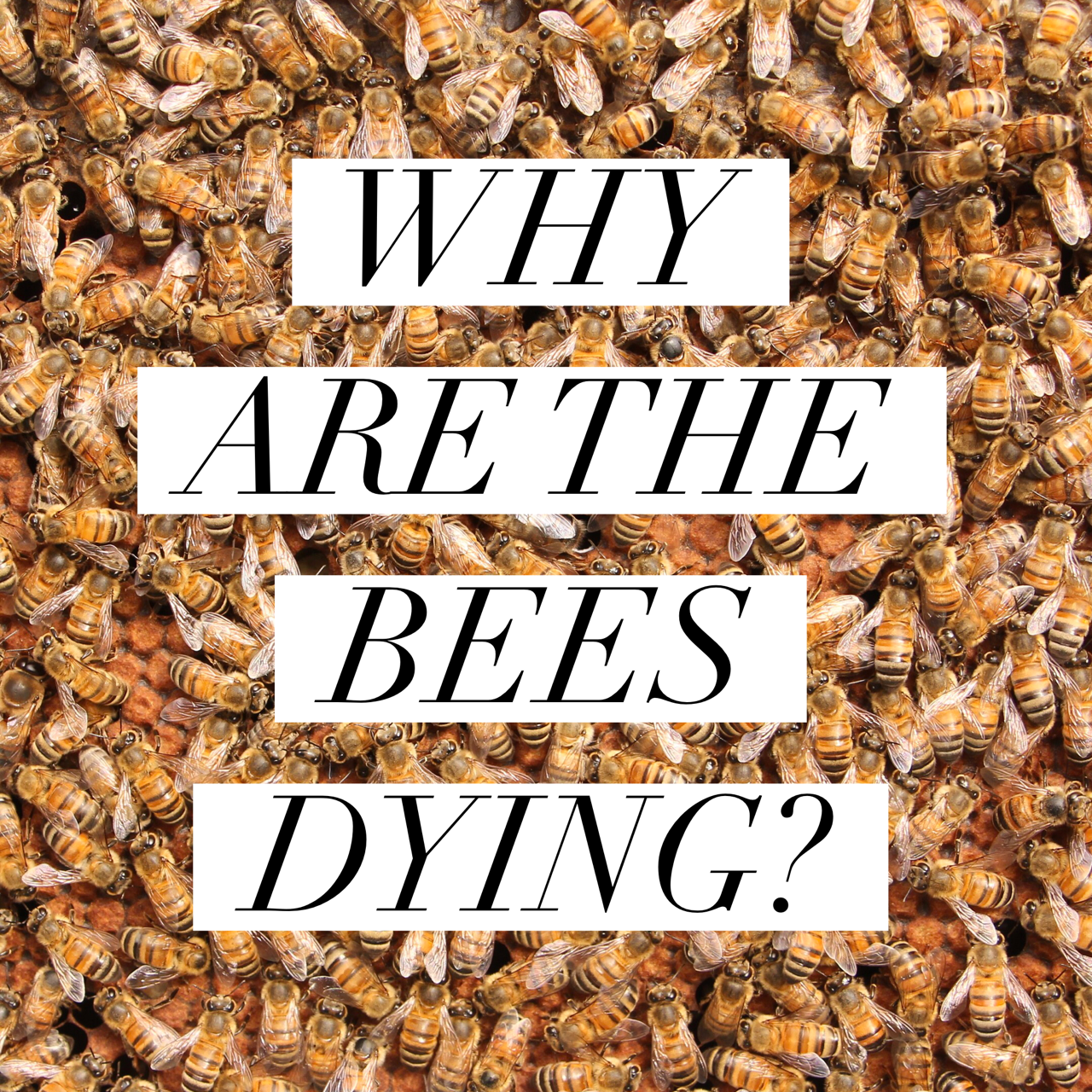
Why are the Bees Dying? – by Hilary

18 Tuesday Jul 2017

Posted by Beekeeping365 in bee health, beekeeping, education

≈ Leave a comment

Tags

bee health, beekeeping, education

These days, a beekeeper can’t walk down the street without being asked about the bees’ mysterious demise, but answering this question has become so complex and controversial, few are willing to try. Just visit the comment section on any article about this topic; you’ll find opinions running rampant and links to studies hurled back and forth…

Read more of this very interesting article here:  WHY ARE THE BEES DYING? — Beekeeping Like A Girl

Feel free to share this on:

  • Share on Facebook (Opens in new window) Facebook
  • Share on X (Opens in new window) X
  • Share on Pinterest (Opens in new window) Pinterest
  • Email a link to a friend (Opens in new window) Email
  • Share on LinkedIn (Opens in new window) LinkedIn
  • Share on Reddit (Opens in new window) Reddit
  • Share on Tumblr (Opens in new window) Tumblr
  • Print (Opens in new window) Print
  • Share on Telegram (Opens in new window) Telegram
  • Share on WhatsApp (Opens in new window) WhatsApp
Like Loading...

Monoculture and The Honey Bee

21 Wednesday Jun 2017

Posted by Beekeeping365 in bee health, beekeeping

≈ Leave a comment

Tags

bee health, beekeeping

Protecting pollinators through more sustainable farming practices.

Read more here: Monoculture and The Honey Bee — Prime Bees – College Station Bee

Feel free to share this on:

  • Share on Facebook (Opens in new window) Facebook
  • Share on X (Opens in new window) X
  • Share on Pinterest (Opens in new window) Pinterest
  • Email a link to a friend (Opens in new window) Email
  • Share on LinkedIn (Opens in new window) LinkedIn
  • Share on Reddit (Opens in new window) Reddit
  • Share on Tumblr (Opens in new window) Tumblr
  • Print (Opens in new window) Print
  • Share on Telegram (Opens in new window) Telegram
  • Share on WhatsApp (Opens in new window) WhatsApp
Like Loading...
Follow Beekeeping365 on WordPress.com

Enter your email address to follow this blog and receive notifications of new posts by email.

Calendar

August 2026
S M T W T F S
 1
2345678
9101112131415
16171819202122
23242526272829
3031  
« Jul    

Posts by Month:

  • August 2026 (4)
  • July 2026 (1)
  • May 2026 (2)
  • January 2026 (3)
  • July 2025 (1)
  • April 2024 (1)
  • September 2022 (1)
  • July 2022 (1)
  • March 2022 (13)
  • February 2022 (17)
  • January 2022 (4)
  • December 2021 (4)
  • November 2021 (7)
  • October 2021 (1)
  • September 2021 (3)
  • August 2021 (11)
  • July 2021 (18)
  • June 2021 (5)
  • May 2021 (2)
  • April 2021 (9)
  • March 2021 (2)
  • February 2021 (5)
  • January 2021 (16)
  • December 2020 (15)
  • November 2020 (15)
  • October 2020 (11)
  • July 2020 (1)
  • February 2020 (1)
  • March 2019 (2)
  • February 2019 (4)
  • January 2019 (1)
  • December 2018 (10)
  • November 2018 (8)
  • October 2018 (15)
  • September 2018 (25)
  • August 2018 (3)
  • July 2018 (11)
  • June 2018 (27)
  • May 2018 (33)
  • April 2018 (20)
  • March 2018 (20)
  • February 2018 (12)
  • January 2018 (22)
  • December 2017 (18)
  • November 2017 (17)
  • October 2017 (25)
  • September 2017 (27)
  • August 2017 (21)
  • July 2017 (29)
  • June 2017 (28)
  • May 2017 (19)
  • April 2017 (17)
  • March 2017 (19)
  • February 2017 (12)
  • January 2017 (13)
  • December 2016 (5)

Posts by Categories:

  • absconding (1)
  • africanized honey bees (1)
  • apitherapy (1)
  • bee health (6)
  • bee law (2)
  • bee lining (2)
  • bee removals (2)
  • beekeeper (5)
  • beekeeper education (16)
  • beekeeping (612)
    • South Carolina (2)
  • beekeeping author (10)
  • beekeeping books (14)
  • beekeeping calendar (4)
  • beekeeping chores (8)
  • beekeeping equipment (26)
  • beekeeping history (49)
  • beekeeping management (37)
  • beekeeping pest management (8)
  • beekeeping seasons (23)
  • beekeeping vocabulary (16)
  • beeswax (13)
  • biography (4)
  • biology (14)
  • birthday (40)
  • birthdays (34)
  • book review (16)
  • breakfast (1)
  • calendar (4)
  • CCD (1)
  • chores (6)
  • comb (7)
  • comb honey (10)
  • commercial beekeeping (2)
  • cutouts (2)
  • dearth (3)
  • defensiveness (2)
  • diseases (9)
  • drawn comb (6)
  • ecology (4)
  • education (28)
  • equipment (25)
  • extracting (1)
  • fall nectar flow (1)
  • famous beekeepers (27)
  • feeding bees (7)
  • first blog entry (1)
  • folklore (1)
  • food (7)
  • forage (4)
  • hacks (3)
  • hive inspections (8)
  • hive placement (2)
  • hive products (6)
  • honey (90)
  • honey as food (22)
  • honey bee anatomy (3)
  • honey bee behavior (25)
  • honey bee biology (43)
  • honey bee genetics (4)
  • honey bee nutrition (1)
  • honey bee photos (6)
  • Honey Bee Research (1)
  • honey bee vocabulary (12)
  • honey bees (14)
  • honey judging (4)
  • honey recipe (65)
  • humor (13)
  • inspections (10)
  • journal (1)
  • log book (1)
  • making increase (3)
  • management (82)
  • mentoring (2)
  • mites (3)
  • national pollinator week (2)
  • nectar flow (6)
  • nomenclature (1)
  • opinion (8)
  • out yards (1)
  • outyards (1)
  • package bees (1)
  • pears (1)
  • pests (17)
  • plants for bees (3)
  • polish (1)
  • pollen (4)
  • pollination (11)
  • pollinators (7)
  • product review (1)
  • production (1)
  • products (3)
  • propolis (2)
  • queens (17)
  • raw honey (6)
  • recipe (88)
  • removals (1)
  • safety (3)
  • sales (2)
  • season (1)
  • seasons (21)
  • sideliner (1)
  • small hive beetles (1)
  • spring buildup (4)
  • state fair (2)
  • sustainable (7)
  • swarms (27)
  • ursurpation (1)
  • usurpation (1)
  • varroa (21)
  • varroa destructor (12)
  • varroa mites (24)
  • Winter (5)
  • winter solstice (2)
  • woodenware (3)
  • yellow jackets (2)

Sassafras Bee Farm on Facebook

Sassafras Bee Farm on Facebook

Sassafras Bee Farm

Sassafras Bee Farm

Recent Posts

  • Meeting Reality vs What Seems Deserved
  • Everything Starts with a Tasty Meal: The Science Behind a Beekeeper’s Best Pest-Management Insight
  • Pest Control
  • State Fair Wax Preparation
  • Sherlock Holmes and Beekeeping: A Unique Connection

Beekeeping365 on Facebook

Beekeeping365 on Facebook

Top Posts & Pages

  • Types of bees by Fat Daddy’s Apiary
    Types of bees by Fat Daddy’s Apiary
  • Meeting Reality vs What Seems Deserved
    Meeting Reality vs What Seems Deserved
  • Old-fashioned Honey Wafer Recipe by A Hundred Years Ago
    Old-fashioned Honey Wafer Recipe by A Hundred Years Ago

Blog Stats

  • 141,302 hits

Website Built with WordPress.com.

  • Subscribe Subscribed
    • Beekeeping365
    • Join 426 other subscribers
    • Already have a WordPress.com account? Log in now.
    • Beekeeping365
    • Subscribe Subscribed
    • Sign up
    • Log in
    • Report this content
    • View site in Reader
    • Manage subscriptions
    • Collapse this bar
%d