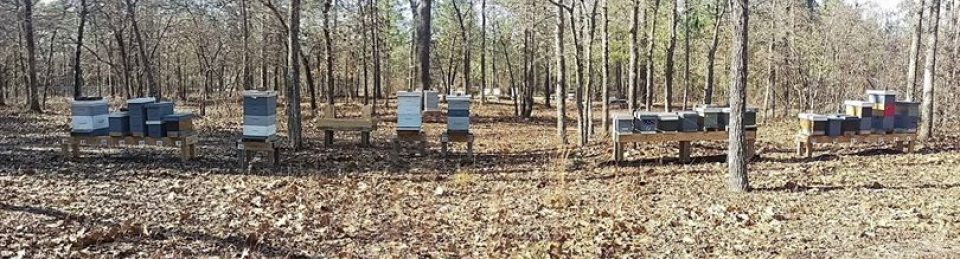

As with all beekeeping, we have to ask ourselves what our goals are. Do we want to keep bees just to have bees? Do we want to keep them in as “natural” a way as possible? Do we want to make bees for sale as nucleus hives? Or do we want to manage our bees for honey production?
If you want to manage your bees as naturally as possible, then follow their lead. Thomas Seeley and others have determined that honey bees will choose a dry cavity of approximately 40 liters with an entrance of roughly 2 square inches. The bees select that size because it gives them what they need to meet their ultimate goals: reproduction and survival. They build up fast, fill the cavity, and swarm, which has real advantages for them from a pest, disease, and reproduction standpoint. If you want to keep bees more naturally, all you need is a gum log or an empty 40-liter box with a hole bored in the side. No frames, no foundation, no fancy hive accessories.
But most of us don’t keep bees naturally. The moment we step away from that gum, skep, or single 40-liter box, we are managing bees to accomplish our goals, not theirs. I’m not interested in raising bees in cavities they would choose. I’m interested in managing bees in cavities I choose, based on the goals I want to reach. That isn’t so bad. My bees benefit from disease management, protection from starvation, and pest control, all things they wouldn’t have if left on their own.
For me, that means different box configurations for making queens, a different configuration for overwintering, and plenty of boxes for honey production. It also means a lot of management every step of the way: adding ventilation and boxes, making early splits, treating, practicing integrated pest management, conducting regular assessments, and intervening, all so I can support the colony while the bees focus their efforts on plundering the local nectar resources.
Upper entrances are added when needed. They provide ventilation, reduce brood nest congestion, and improve traffic efficiency. They also disrupt the swarming process. They let nectar cure faster with less effort, which increases the bees’ efficiency, lowers their caloric expenditure, and saves precious wing wear for their future as foragers. But managing upper entrances means taking them off again once they are no longer needed, which is after the nectar flow and before the major pest onslaught of small hive beetles and yellow jackets. For the most part, it’s a two-month-a-year manipulation. It is work for me, and it increases the efficiency of the hive so the colony can grow far beyond what nature intended. But it requires management.
Beekeeping is science-based management. It is not for the lazy or the procrastinator. Most people want their beekeeping to land somewhere between a gum standing in the backyard and what I strive for. Most don’t want large hives. They want a little honey and a well-pollinated garden, and that’s great. For them, there are plenty of hive types to choose from, such as Langstroth, top bar hive (TBH), Warré, and Long Langstroth, and they can have good outcomes while enjoying their bees. It’s all good, as long as you know your goals and follow your ideals and the science.Ramblings on Establishing Personal Goals, Management, and Upper Entrances
As with all beekeeping we have to ask ourselves what our goals are. Do we want to keep bees just to have bees? Do we want to keep them in as “natural” a way as possible? Do we want to make bees for sale as nucleus hives? Or do we want to manage our bees for honey production?
If one wants to manage their bees in as natural a manner as possible then do so following their lead. Thomas Seeley and others have determined that honey bees will choose a dry cavity approximately 40 liters in size with an entrance of approximately 2 square inches. The bees select that size because it gives them what they need to meet their ultimate goals – reproduction and survival. They build up fast, fill it, and swarm which has definite advantages for them from pest, disease, and reproduction standpoints. If we want to keep bees more naturally we simply need a gum log or empty 40 liter box with a hole bored in the side – no frames, no foundation, nor fancy hive accessories.
But most of us don’t keep bees naturally. The moment we step away from that gum, skep, or single 40 liter box we are managing them in a manner to accomplish our goals not their goals. I’m not interested in raising bees in cavities like they select. I’m interested in managing bees in cavities I select based on the goals I wish to attain. But that’s not so bad. My bees benefit from disease management, protection from starvation, and pest control which they would not have if left on their own.
For me that’s different management and different box configurations for making queens, a different box configuration for overwintering, and lots of boxes for honey production, etc. And it’s also lots of management every step of the way. Adding ventilation, boxes, making early splits, treatments, IPM, regular assessments, and interventions just so I can support them while they focus their efforts on plundering the local nectar resources.
Regarding upper entrances, they are added when needed for ventilation, reduce brood nest congestion, and increase traffic efficiency. They also create a disruption in the swarming process. They allow nectar to be cured quicker with less effort increasing the bees’ efficiency, decreasing their caloric expenditure, and saving precious wing wear and tear for their future as foragers. But managing upper entrances also means getting them back off when they are no longer needed which is after the nectar flow and prior to the major pest onslaught such as hive beetles and yellow jackets. For the most part it is a two month a year manipulation. It is work for me which increases the efficiency of the hive such that they can grow far beyond what nature intended. But it requires management.
Beekeeping is science based management. It is not for the lazy nor for procrastinators. Most people want their beekeeping to be something in between a gum standing in the backyard and what I strive for. Most probably don’t want large hives – they want a little honey and a well pollinated garden. That’s great. For them they can choose any number of hive types such as Langstroth, TBH, Warre, Long Lang, etc. and have good outcomes while enjoying their bees. It’s all good if you know your goals and follow your ideals and science.