
Tags
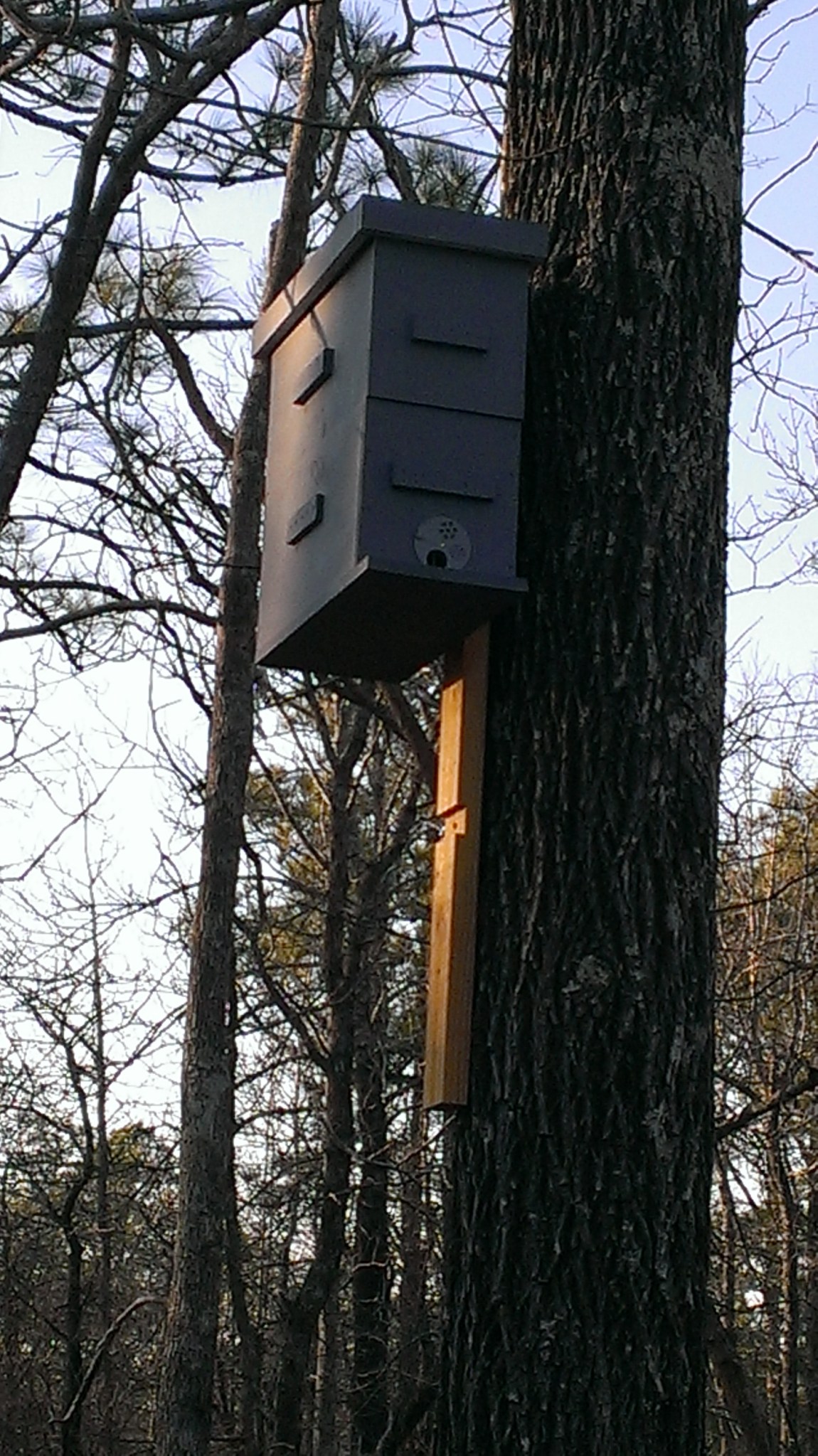
Swarm Trap (Bait Hive) in tree
March is full of action in the bee yard from growing populations in our hives to first swarms. Weather in the Midlands can still hold surprises – unexpected weather can chill brood and cause early splits to fail.
What’s next in our annual cycle of keeping bees? Last month we saw an increase in bee population, drone cells appearing in many colonies, an uptick in food consumption, and Elm and Red Maple stimulating buildup. This month we shift into high gear as deciduous tree leaf out occurs followed by bloom out. In other words, Spring arrives for the bees and beekeeper. The bees will try every way possible to accomplish their goal of reproduction while we try to contain them (or capture them) and encourage them to hoard as much nectar as possible. Hold on, the ride is beginning!
1) Towards the end of February, and the first of March, if not already done, place swarm traps (bait hives) with pheromone attractant or lemongrass oil attractant to catch swarms. Traps ideally should be 10 – 12 feet above ground but can be lower for convenience and safety. Your trap doesn’t necessarily have to be perfect; it just has to be better than anything else out there. Focus on correct entrance size ~2 sq. inches, place along a tree line or protected area, internal volume ~ 38 – 40 liters (10 frame deep), use some old comb inside, and a drop of lemongrass at the entrance (periodically refreshed).
2) On growing overwintered hives, place first super or two at beginning of this month. Stop syrup feeding if they are making white wax indicating a flow is in progress. Plan on checks every 5 – 7 days to head off swarm preparations. (brief checks every 5 days if possible). If possible, walk your bee yards daily observing for bees languishing on landing board – a sign of impending swarming.
3) Ahead of the nectar flow, inspect colonies for a laying queen with a good pattern, Check for disease, or failure to buildup prior to the coming nectar flow. Check for white wax which indicates a nectar flow – if no flow is indicated ensure they have enough stores to provide for their ever-increasing population.
4) Consider spring splits this month if weather is warm, drones are present, and you wish to increase your colonies. Inasmuch as it takes lots of bees to make excess honey, splits will impact a colonies ability to produce surplus honey. The frequently heard saying is, “You can make bees or honey, but rarely both.” On the other hand, if your hive swarms often there is no excess honey at harvest. It’s a management dilemma for the beekeeper.
5) Swap (rotate) brood boxes if not previously done or a second time if needed. This provides the queen with the empty comb from the overwintered lower box. Also, this management disruption delays swarming. Video Here
6) Checkerboarding frames above brood nest with empty drawn comb alternating with full frames of honey also provides disruption as well as food availability in case of a period of unexpected colder weather.
7) ‘Open up’ the brood chamber (temperature and weather permitting) with drawn comb while keeping in mind not to disrupt the integrity of the brood nest. (Note: ‘Opening up’ refers to adding empty drawn comb for the queen to use. Do not use frames of foundation as this only serves to wall off part of the brood nest or isolate the queen.)
8) Look for poor queen performance and mark colony for queen replacement for when queens become available. Wishful thinking and second chances don’t work when you have a poor queen.
9) Notice Flowering Tulip Magnolia, Bradford Pear, Pine pollen, Yellow Jasmine, (poisonous), oak pollen, and azaleas starting. Note lots of pollen coming in as brood expands.
10) If you ordered package bees make final preparations for their arrival – equipment, site preparation. Mark your calendar for package delivery day and prepare for the excitement.
11) Club nucleus hive orders typically close this month. Place order if needed. Local vendors will still have package bees and nucleus hives available to order if needed.
12) Start or renew your association membership. Attend local meetings.
13) While you still have time, read a couple articles on swarm control here and here. Many more are available: Google search “Swarm Prevention and Control.”
Spring Management: March 1-15th (Temperatures above 60 degrees):
- Rotate brood boxes if two exist or add 2nd if only one exists. If you add a brood box, place it above existing brood box. Use drawn comb if available.
- Check the brood comb and replace frames that have excessive drone cells, are old, or have other problems.
- Check for queen cells. Repeat every 5 – 7 days for about 6 weeks. If you find a capped queen cell (swarm cell), verify hive is queen-right and consider making increase by moving old queen to new hive to simulate a swarm. If you have multiple swarm cells consider making splits by moving frames with cells leaving at least one queen cell in the parent colony.
All month:
- Inspect queen/brood status, if weak, mark colony for re-queening when new queens are available.
- If running 2 brood boxes, rotate boxes to maintain space for queen to lay as well as for swarm prevention technique.
- Last week of month, most colonies by now should have two empty supers of drawn comb or 1 super if using frames of foundation on strong colonies (assuming no major beetle problems).
- Medium strength colonies should receive 1 empty super if using drawn comb to allow them room to both guard and grow.
- Replace 2-3 frames of old drawn comb in each hive body with frames of new foundation.
- Remember to remove all medications from colony according to product label directions prior to adding honey supers.
14) I would be negligent if I did not mention that between now and the nectar flow the chances of your colony starving are the greatest they have been all year. Why? Because your bees have ramped up brood rearing to a level that requires a great deal of nutrition. They are consuming their pantry at a rate that is unsustainable until the nectar flow begins. Ideally, they won’t run out before the nectar flow starts, but it is up to you to monitor their remaining stores to prevent them from starving. You’ve gotten them this far. Don’t let them starve just days before nature’s bounty presents itself.
15) Email your Association’s Secretary, asking what you can do to help. Volunteer to lend a hand in your organization. Many hands make light work. If you’d like to see your organization grow, offer to help and maintain your current level of member services. Your help is needed.
The above are general guidelines for the average bee colony in the Midlands of South Carolina. We all have hives that may be outperforming the average. We also have colonies that underperform the average. Use your judgement in making changes suggested here. Beekeeping is an art as well as a science. Only you know the many, many particulars associated with your physical hives as well as the general health and population of your colonies.

