• Sassafras Bee Farm
  • About
  • Contact

Beekeeping365

~ The more I studied beekeeping, the less I knew, until, finally, I knew nothing. But, even though I knew nothing, I still had plenty to unlearn. Charles Martin Simon

Beekeeping365

Tag Archives: fall management

Fall Nectar Flow

10 Saturday Oct 2026

Posted by Beekeeping365 in fall nectar flow, nectar flow, beekeeping

≈ Leave a comment

Tags

beekeeping, fall management, honey bees, management, nectar flow, seasons

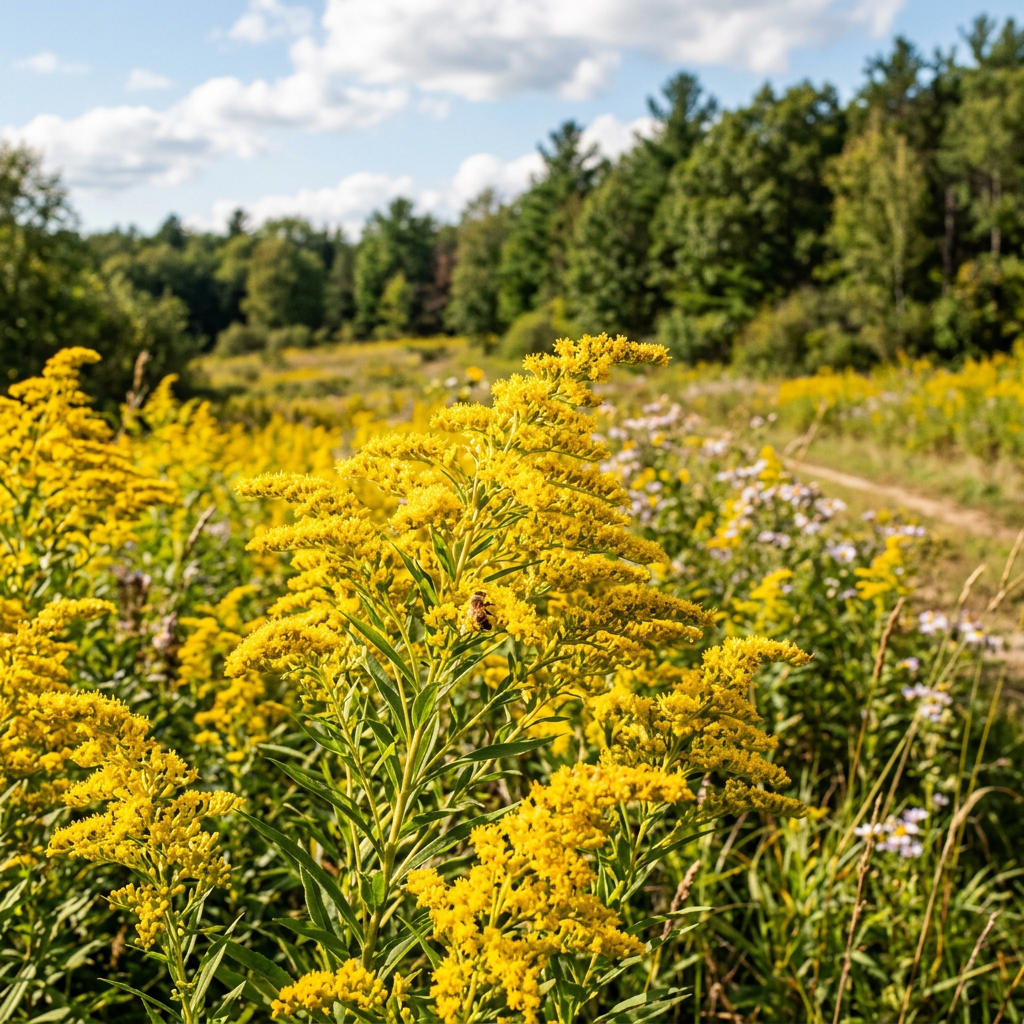
Goldenrod flowers blooming in a meadow beside a woodland trail
Goldenrod blooms brighten a sunny meadow beside a quiet woodland path.
14467201_10208635144370883_6909928576204668928_n
14467311_10208635147410959_6847432434066128896_n

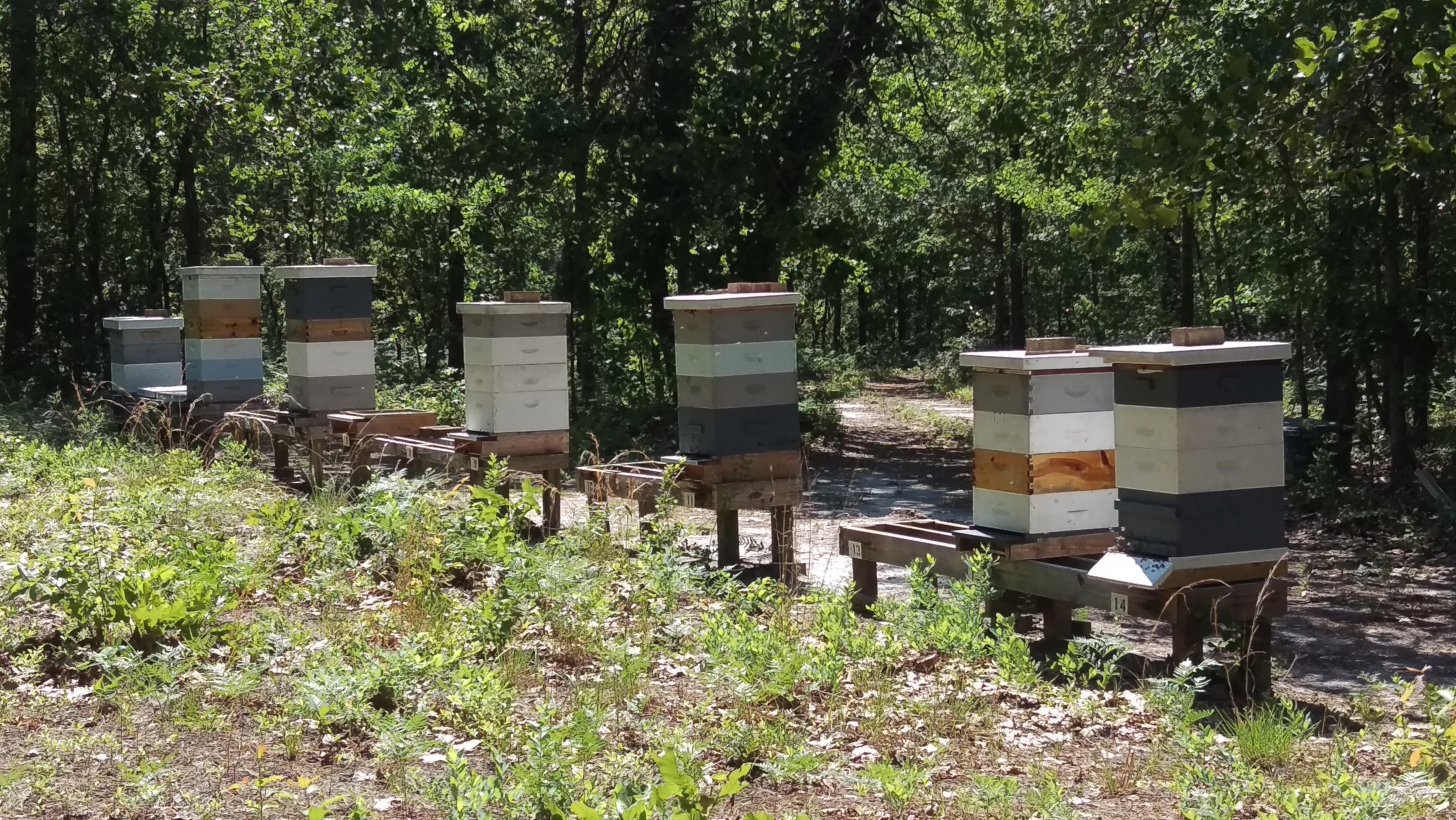
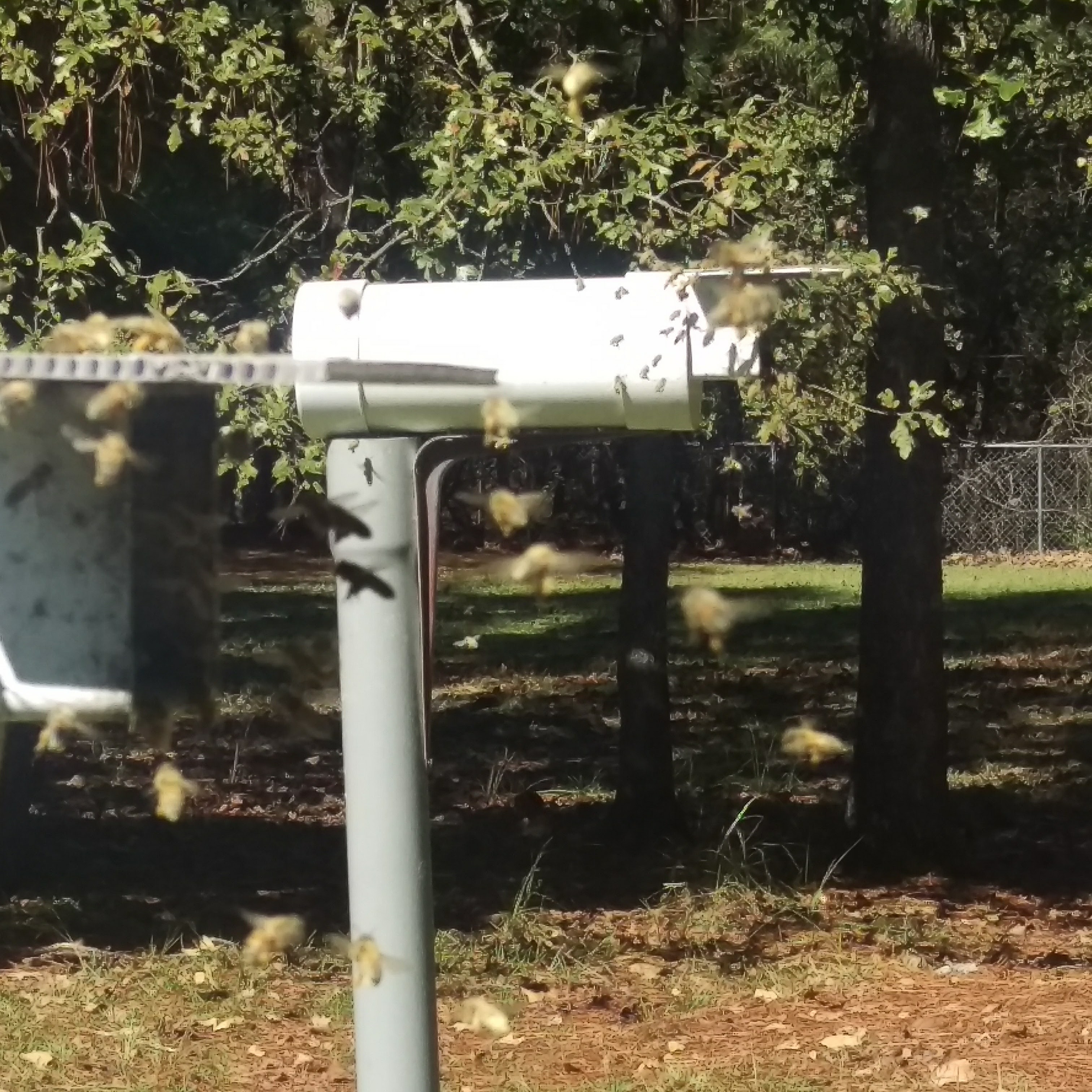
The Fall flow is officially on in my corner of Southeastern Lexington County, South Carolina. Weight gain, white wax, and increased activity indicate a nectar flow. I went out to feed some of the lighter hives and noticed some white wax as well as some weight gain on hives since 10 days ago. As the day warmed the bees were definitely flying with intent with some congestion on the landing boards. Even with the lack of rainfall, fall flow is on over here in the barren sand hills of Southeastern Lexington County. If it’s on here in this sandbox it’s likely you may find it’s on elsewhere in the Midlands. Bees flying with intent, launching themselves off the landing board immediately after exiting the hive entrance, increased incoming traffic as well landing and hurrying inside, other bees show excited behavior on the landing board, overall appearance of heightened purposeful activity, some white wax noted inside, the smell of goldenrod and sight of yellow pollen coming in.

It was a happy day indeed to be able to save some of that syrup until another day. I found a renewed interest in the pollen feeder which baffles me a little but may be a result of some increased brood rearing… I don’t know. All these things are a pleasant change from the doldrums of dearth. Pray for some rain to sustain the flow. Order up – winter bees please.

Feel free to share this on:

  • Share on Facebook (Opens in new window) Facebook
  • Share on X (Opens in new window) X
  • Share on Pinterest (Opens in new window) Pinterest
  • Email a link to a friend (Opens in new window) Email
  • Share on LinkedIn (Opens in new window) LinkedIn
  • Share on Reddit (Opens in new window) Reddit
  • Share on Tumblr (Opens in new window) Tumblr
  • Print (Opens in new window) Print
  • Share on Telegram (Opens in new window) Telegram
  • Share on WhatsApp (Opens in new window) WhatsApp
Like Loading...

Autumn Absconding and Other Odd Events

08 Thursday Oct 2026

Posted by Beekeeping365 in absconding, beekeeping, beekeeping seasons, CCD, seasons, ursurpation, varroa

≈ 4 Comments

Tags

absconding, beekeeping, CCD, dearth, fall management, hunger swarm, seasons, swarms, ursurpation

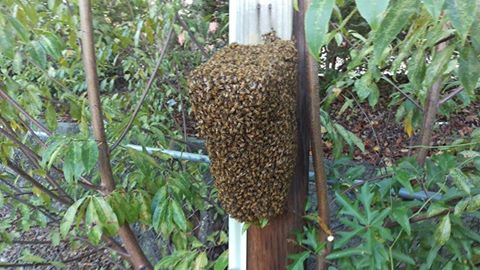
small swarm

(above) Small October cluster on bluebird box. Collected after the flood of 2015 – reproductive swarm or abscond?

Late summer and autumn swarming does occur but is an exception and probably occurs only in unique situations. Biology says when the parent hive is ripe for reproduction and all conditions are met the goal is to swarm. Queens that fail to reduce laying during dearth, well fed colonies, with the addition of a brief nectar and pollen flow may indeed swarm during this time of year. Inspect overachieving hives and disrupt the colony by adding empty drawn comb, sharing excess  brood with weaker hives, or  taking off excess honey stores. This makes the parent hive less than ready and disrupts their plans. Only after all conditions are met will they swarm and if nature or the beekeeper gives them work to do at home they will typically stay. In general, however, this time of year it’s hard for them to feel that conditions are optimal for swarming.

What we saw last year was an apparent increase in abscondings or colony failures where all of the bees left the hive and did not return. Abscondings are typically related to poor conditions in the hive or environment. i.e. starvation, drought, mites, SHB, yellow jackets, critters. Historically these were termed “hunger swarms” but may occur with or without food being present. I like to think of the conditions that precipitate abscondings as stress related. Think of it this way, if your house was overrun with fleas you might stay a while but eventually you’d gather your family up and say, “I’m not sure where we’re going but we’re not staying here.” Same for food; if you lost your income, no job prospects, and had no cash flow for food eventually you’d say, “I don’t know if I can get a job in Timbuktu but I know there are no jobs here so we’re moving.”

How are reproductive swarms and abscondings different?

Swarms are generally reproductive in nature and motivated by the organism’s innate drive to reproduce as a result of positive and plentiful stimuli. This is why they usually occur slightly before and at the start of the main nectar flow when resources are at their highest. This gives the swarm the greatest chance of survival. Late season swarms are probably generated by the occasional but less likely situation where the hive is simply full of stores, lacks room for expansion, yet is being stimulated with brief fall pollen and nectar flows. It’s a bad time for them to swarm and in all probability will not have a positive outcome for the issuing swarm.

Abscondings are different in that most of the bees in the hive will leave. It’s like one day they decide they’ve had enough of the poor conditions (stressors) and decide to leave. Unlike a swarm, it is precipitated by negative stressors. The beekeeper comes to the bee yard and finds the hive almost empty. The bees inside are usually bees that were left behind due to being out foraging at the time of the absconding or they are newly emerged bees. If there is little capped brood you can assume they have been stressed for some time – scant brood decreases the attractiveness of the bees to the colony.

After last year’s events most beekeepers remarked that they never saw a cluster hanging in a tree nor any new colonies in swarm traps. One possibility is usurpation. Usurpation is when one colony forces its way into another hive and takes over. Apis mellifera scutellata is rather noted for its tendency to usurp calmer races of honey bees. One author promotes the idea that usurpation is more common than we think. The event goes unnoticed as there is no clustered swarm and the landing is not in a tree limb or swarm trap but another hive in the bee yard where they take over operations. Actually, as a survival mechanism, this is quite clever whereby a colony over run with stressors during a time of poor nectar production can unite with another weaker colony and increase its chances of survival.

What about the queen? That may be the $64,000 question. Colony Collapse Disorder symptoms where the queen and a few bees are all that’s left behind continues to mystify many researchers. I’m not going to say I have the answer that the researchers have yet to answer. It is a mystery. But I will say that it’s no mystery that the queen isn’t the only card in the game when it comes to honey bee behavior. Most beekeepers, after a few years in the hives, understand other powers at play within the colony like lack of brood pheromone, population balance, and the host of chemical pheromone balances that signal wellbeing or decline. Leaving without a queen is typically viewed as colony suicide, but as we have already covered above, usurpation might provide an answer to why one colony might leave a failing queen behind.

Another answer proposed to account for the events experienced last year is that the bees died while foraging or failed to return home. While this may be possible, it does not account for the lack of thousands of nurse bees that should have never left the confines of the hive.

In closing, I’m not offering any single cause to what you hopefully will not see this autumn in your bee yard. Last year, here in the Midlands as well as elsewhere, we witnessed multiple accounts of bees absconding. Almost no one saw a cluster hanging in a tree, captured a swarm, or otherwise accounted for the missing bees. We know many of these events were recounted by the beekeeper as having occurred within the course of a week. Forty thousand bees one weekend; two hundred the next weekend. Stressors last year included exceptionally high heat during dearth period, approximately half of normal rainfall, and of course the ever present Varroa mite.

We did an impromptu survey to see if a particular cause could be identified. However, no single cause was identified. In some instances it appeared to be related to mites, in other instances, poor forage or lack of feeding, the much higher than normal temperatures experienced, and/or a rainfall approximately half of typical for our area. Conversely, our survey data showed that those that offered their bees more supportive measures had fewer or no abscondings. Respondents with no abscondings had higher reporting for feeding during the dearth period, treatment for Varroa, availability of water, and overall higher supportive management of their colonies. This would seem to indicate that while no specific stressor could be implicated, a lowering of the stress level by increased supportive management reduced colony abscondings.

Feel free to share this on:
  • Share on Facebook (Opens in new window) Facebook
  • Share on X (Opens in new window) X
  • Share on Pinterest (Opens in new window) Pinterest
  • Email a link to a friend (Opens in new window) Email
  • Share on LinkedIn (Opens in new window) LinkedIn
  • Share on Reddit (Opens in new window) Reddit
  • Share on Tumblr (Opens in new window) Tumblr
  • Print (Opens in new window) Print
  • Share on Telegram (Opens in new window) Telegram
  • Share on WhatsApp (Opens in new window) WhatsApp
Like Loading...

Why did my bees die?

31 Thursday Mar 2022

Posted by Beekeeping365 in beekeeping, beekeeping management, beekeeping pest management, management

≈ 5 Comments

Tags

beekeeping chores, beekeeping diagnostics, fall management, spring management, varroa mites, what killed my bees?

2016-05-08 15.37.47.jpg

Why did my bees die?

This is a question often asked and sometimes difficult to answer. The beekeeper looking at a dead colony is left with clues that can sometimes indicate the cause of death. More often though the beekeeper looks at the “crime scene” and makes an incorrect assumption. We’ve all heard it, “Wax moths killed my bees.” or “They got robbed.” or Small hive beetles killed them.” Most often though these are the results of problems that were missed or not addressed earlier.

I like murder mysteries. And, like in murder mysteries, what kills the bees isn’t always the most obvious suspects. It’s not the one the mystery writer wants you to initially think it is. After all what fun would that be? Instead the beekeeper must use some logic in backtracking the history of the colony to solve the mystery. Many times the downward spiral started some time back and we missed it before it lead up to wax moths, robbing, small hive beetles, or other maladies.

This past winter I had a 9% overwinter loss coming into the spring buildup. All in all, in today’s world of beekeeping that’s pretty good. Early in this season’s buildup, in February, I rotated boxes as a swarm prevention technique. I noted that a particular row of hives were not building up as fast as my other hives. As I rotated the hive bodies I inspected and found that they were all queen-right though so I just chalked the slow buildup up to “one of those unexplained things.”

That row of thirteen colonies coming into spring lost six colonies AFTER that first box rotation of spring. All of my other colonies continued to grow and expand.  Granted the ones lost were not the strongest but they had queens (I saw them). How were these different than the ones that were thriving? Time to put on my detective hat. They were unique in that they are all on same row, were not taken down in size last fall (I just ran out of energy), and had older queens. So what killed them? I don’t know but I suspect the stress of the box rotation on an already stressed colony. How were they already stressed? Why did they not build up like the other areas in my bee yard? Thinking about the differences: this group  had older queens, larger hives usually have/maintain higher mite counts,  and were in  an isolated  row in the bee yard.  I don’t know exactly which stressor was the largest but I suspect some or all of the above come into play.

Now my overall losses were at 27% instead of the 9% prior to this event and most likely because I failed to reduce size, monitor this row for Varroa better, and not re-queen in the fall. Which exactly? Beekeepers always want to know which one is the culprit. I don’t know. Maybe it was multiple stressors and not just one. But I do have some excellent suspects! Regardless of which stressor killed these colonies I failed to do that which a good steward should have done for these bees. Ultimately it’s on me.

…

So, after writing the above I was further pondering the possibilities while making up some sugar syrup, and I was thinking about the stressors and it came to me what killed those colonies. Distilling it down to a single element – laziness. I should have taken those hives down to 2 boxes post nectar flow last summer. I should have monitored Varroa better in that row instead of assuming it would be the same as the newer hives in other areas. And I should have re-queened as would have happened easily if I had made splits last year when I should have taken them down in size. My laziness killed those colonies. So there, I came up with a single cause, identified the culprit, and solved the mystery!

It won’t happen again. Maybe something else but not this.


Feel free to share this on:
  • Share on Facebook (Opens in new window) Facebook
  • Share on X (Opens in new window) X
  • Share on Pinterest (Opens in new window) Pinterest
  • Email a link to a friend (Opens in new window) Email
  • Share on LinkedIn (Opens in new window) LinkedIn
  • Share on Reddit (Opens in new window) Reddit
  • Share on Tumblr (Opens in new window) Tumblr
  • Print (Opens in new window) Print
  • Share on Telegram (Opens in new window) Telegram
  • Share on WhatsApp (Opens in new window) WhatsApp
Like Loading...

Current Beekeeping Activities by sassafrasbefarm

21 Thursday Jan 2021

Posted by Beekeeping365 in beekeeping, beekeeping chores, Winter, woodenware

≈ 5 Comments

Tags

beekeeping, beekeeping chores, chores, equipment, fall management, winter management

IMG_20171023_191707_204

Feeding the bees pollen substitute

Some things don’t change much year to year in beekeeping. At least not the chores. There is some comfort in the routine. This year is much like last. Building boxes, cleaning frames, painting and maintenance. And building bees for the spring. ~sassafrasbeefarm

This time of year can be busy for the beekeeper. Now, it’s all about preparation. My experience, since beginning this beekeeping journey, is that there is never enough time during the nectar flow. In fact, time becomes precious even before the nectar flow with the need to rotate hive bodies or employ other swarm reducing measures, placement of swarm traps, movement of hives to out yards, making splits, and lots of last minute surprises.

So, here are few pictures of what I occupy myself with now, during this so called off season:

IMAG2386

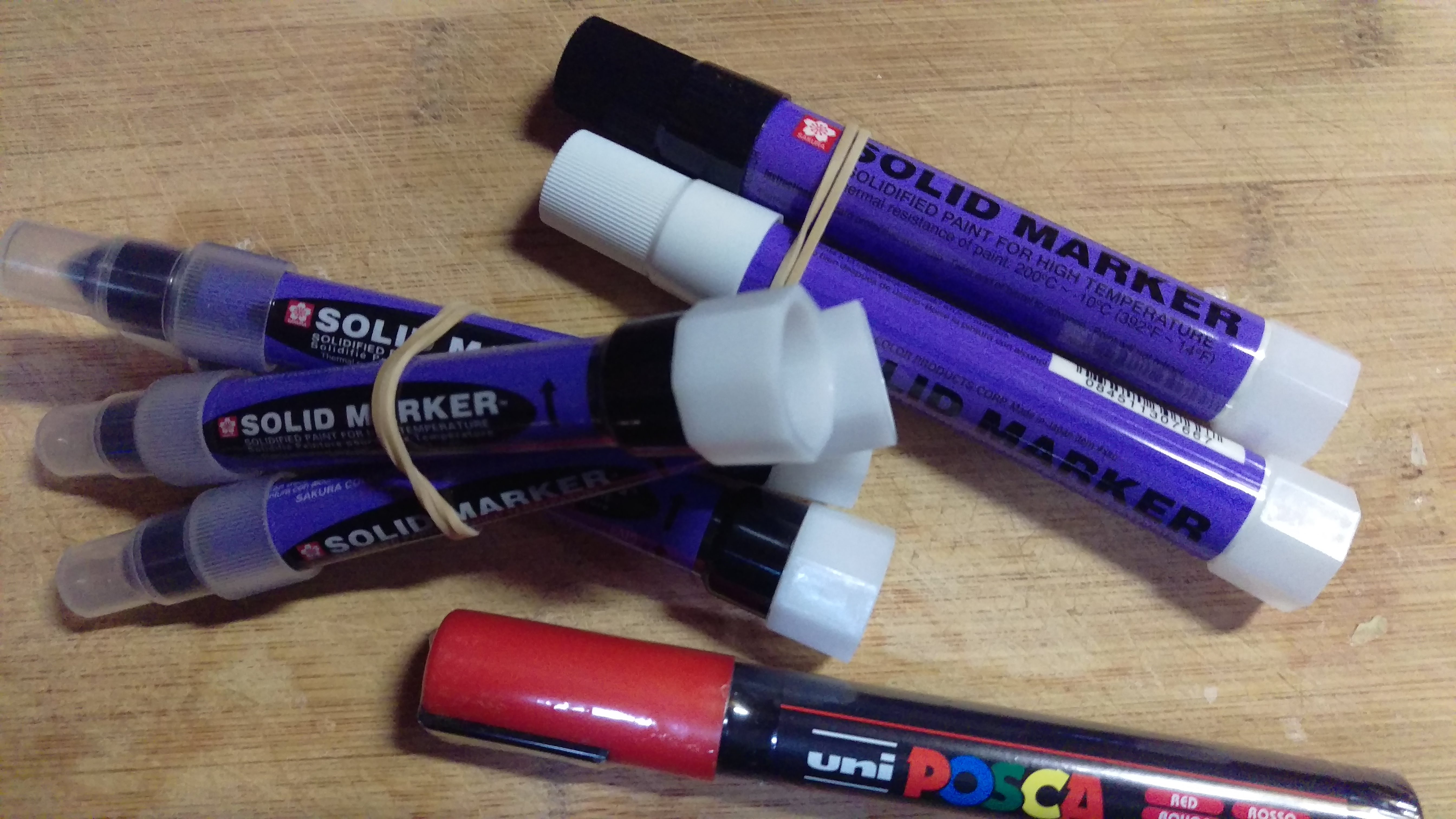
Order queen pen and my favorite markers to write on the hives.

IMAG2384

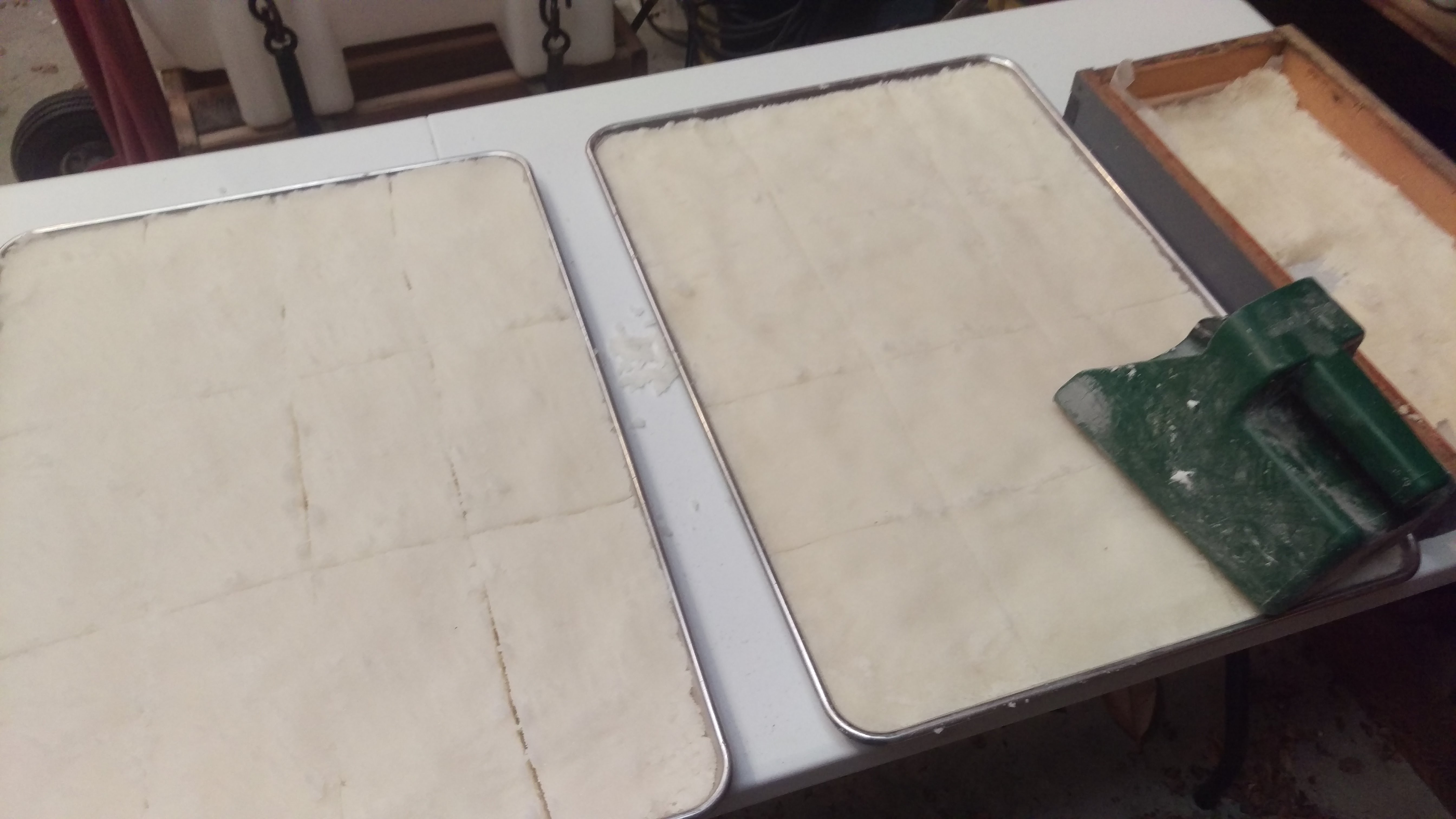
Making sugar cakes for the tops of the hives.

IMAG2383

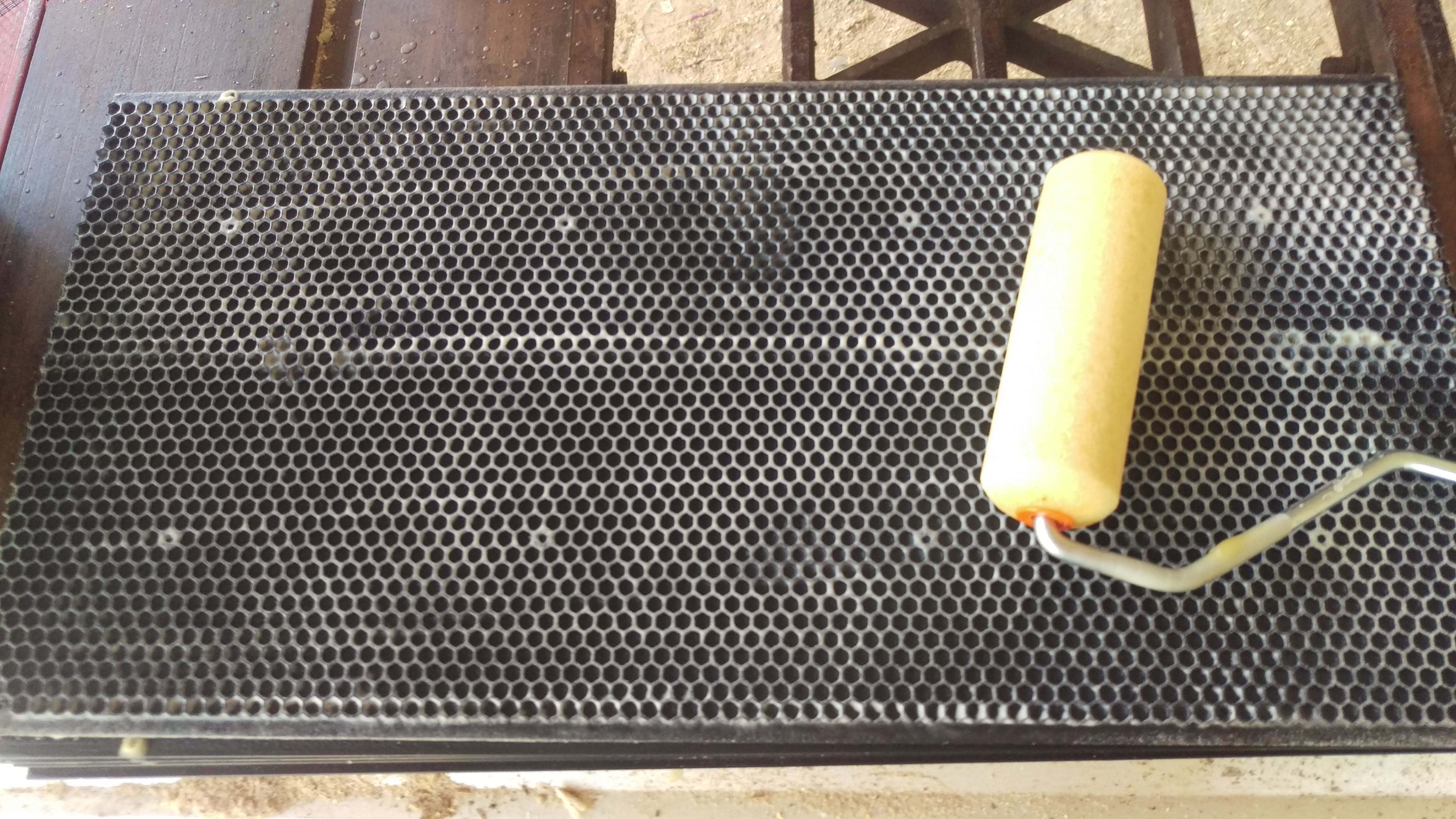
Adding extra wax to plastic frames.

IMAG2377

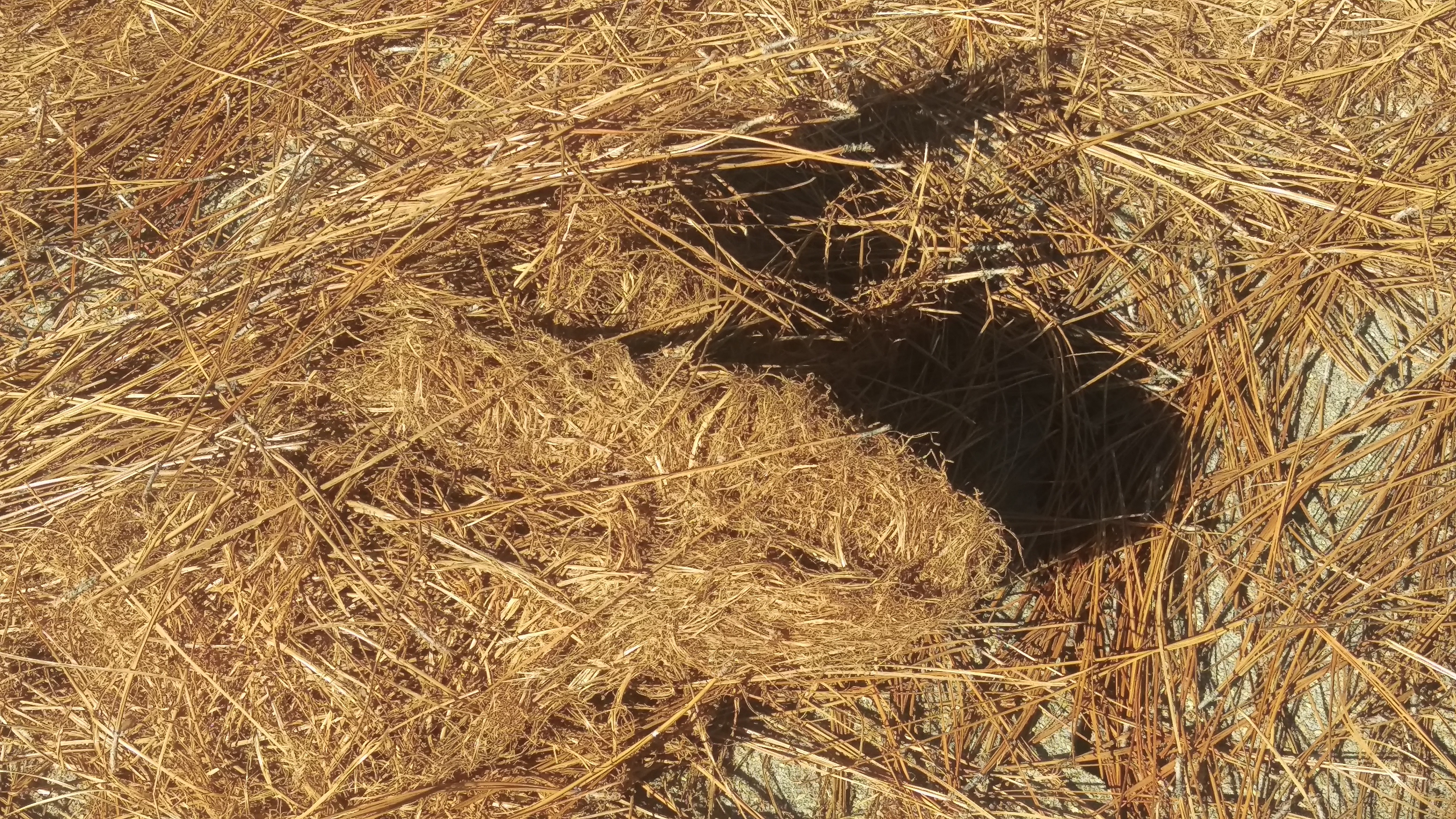
Collecting and bagging pine straw for my smoker.


IMAG2359-20171122-103007169

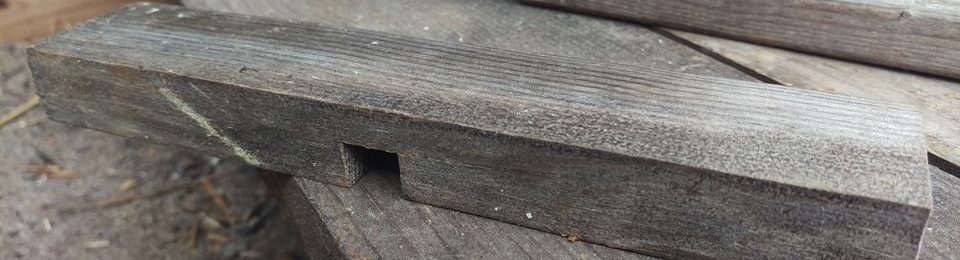
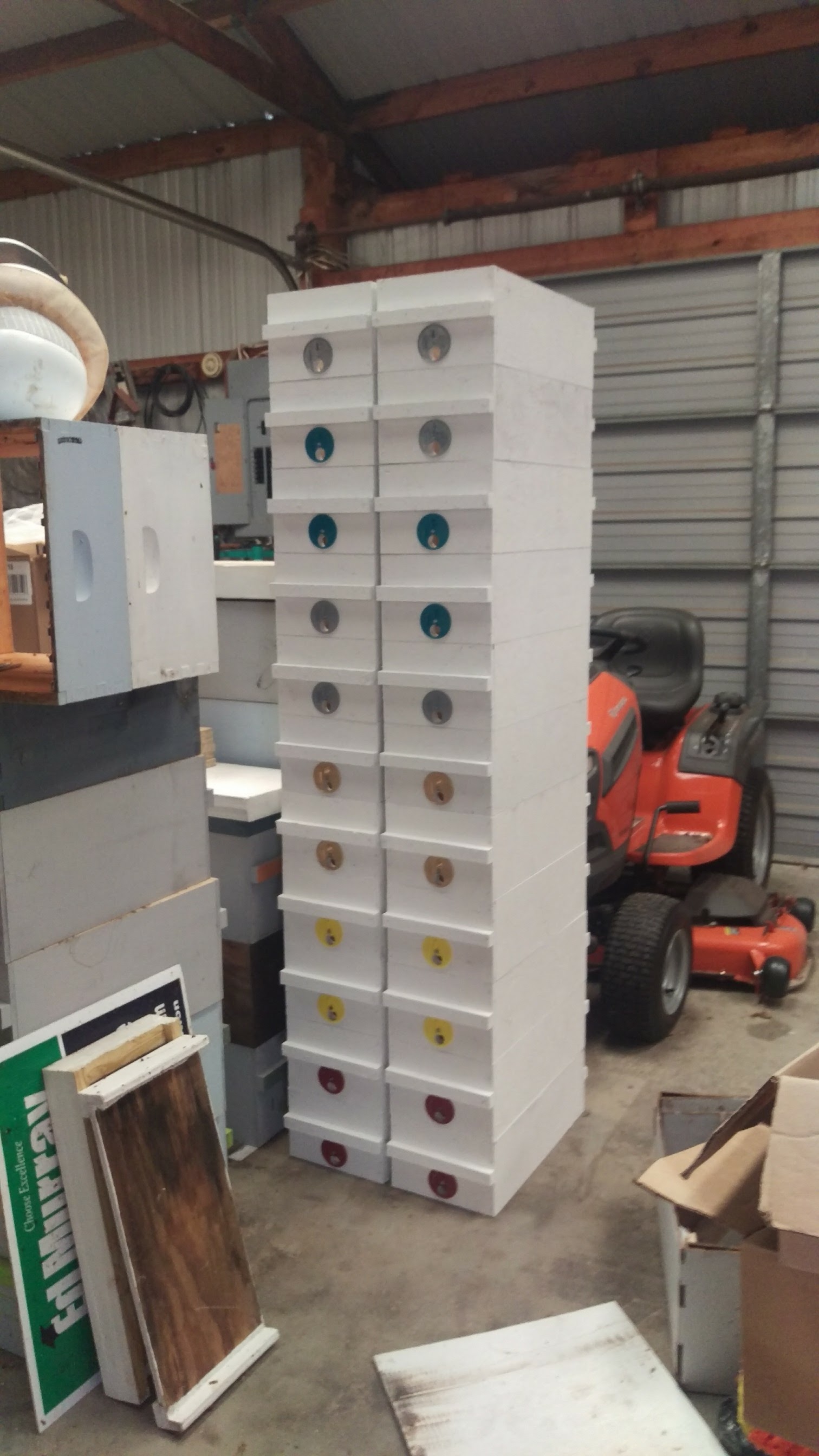
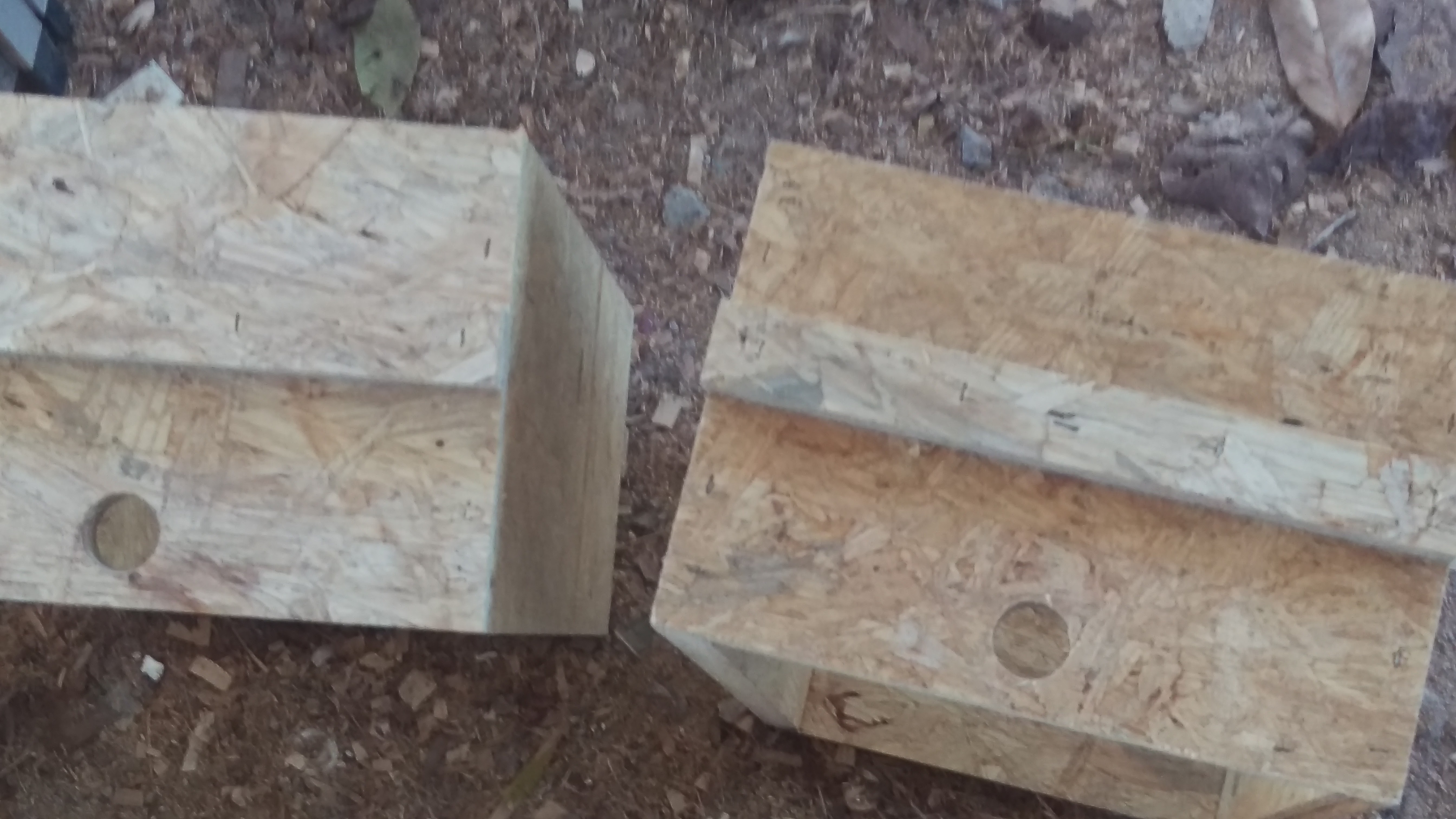
Building boxes, bottom boards, and tops.

IMAG2364

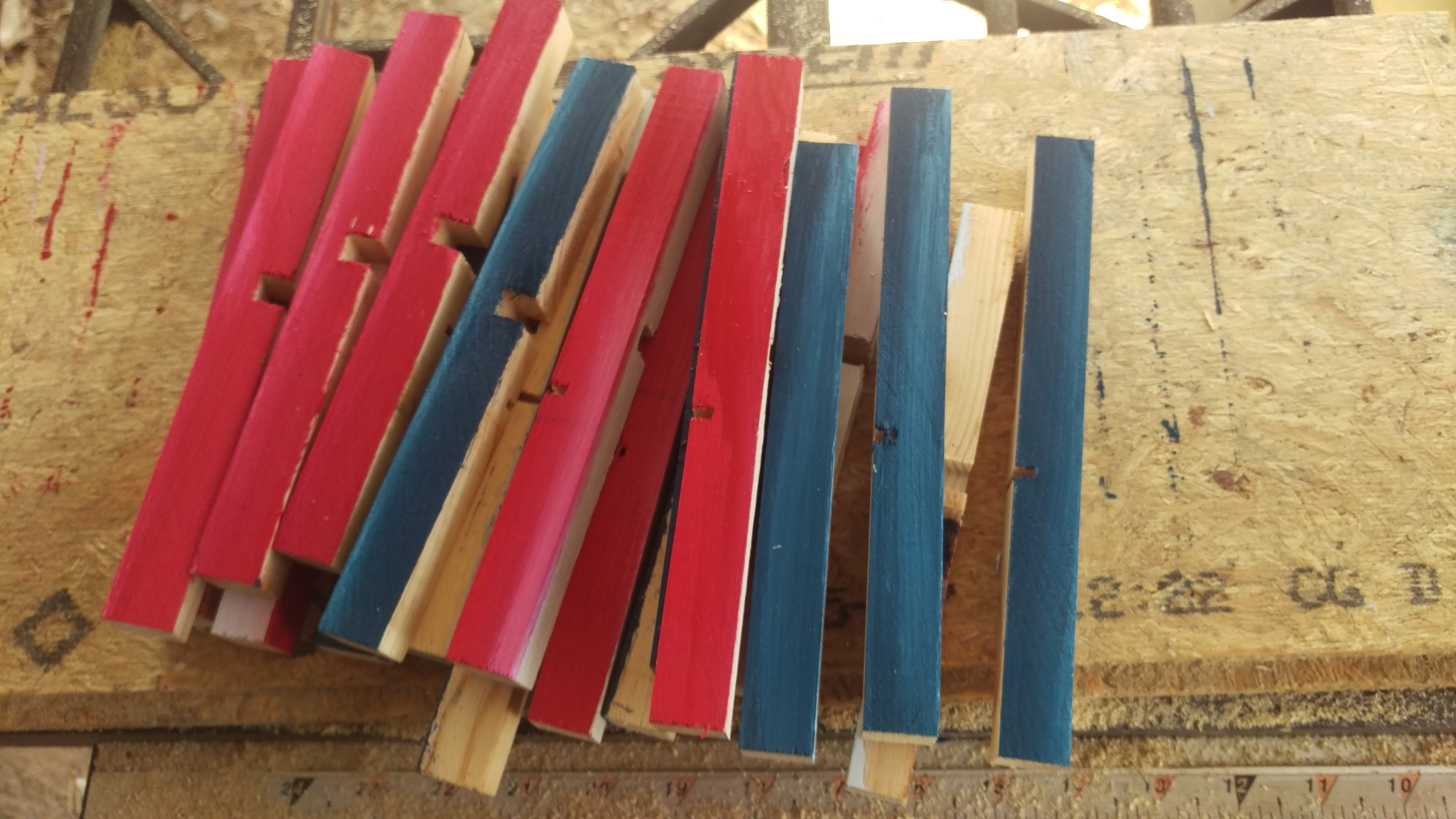
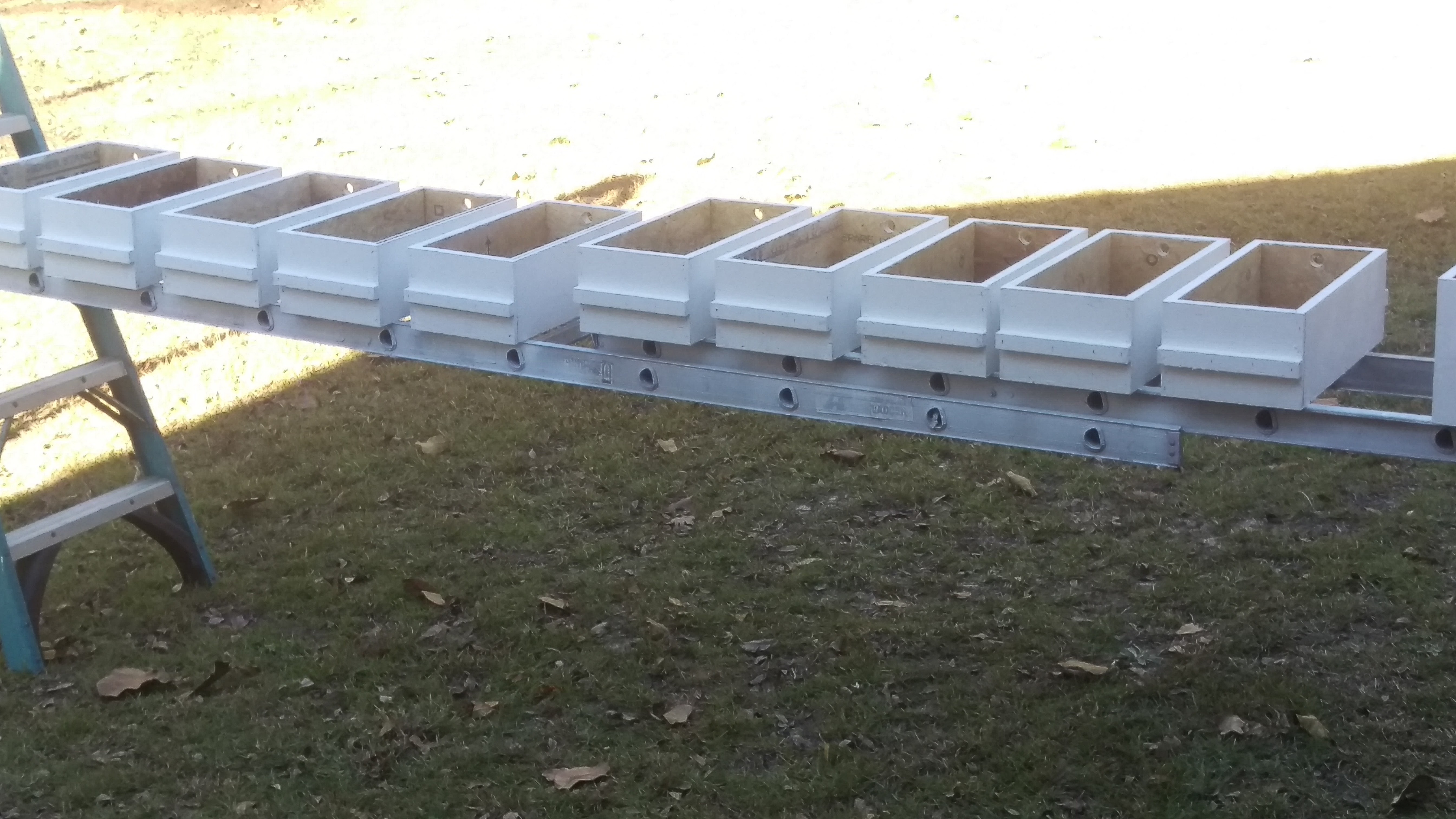
Adding some color to the entrance reducers.

IMAG2356

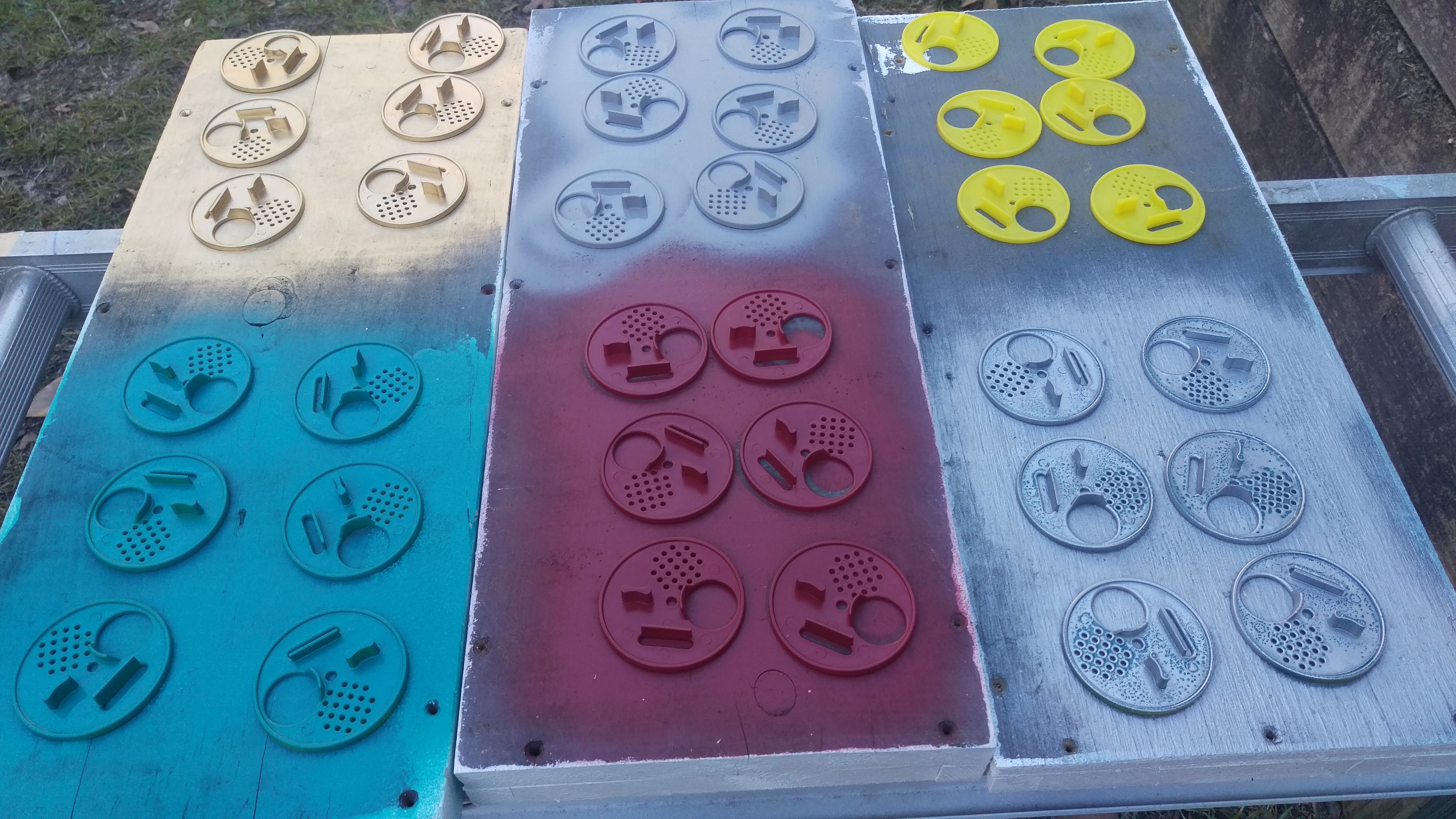
Painting entrances to the queen mating nucs

IMAG2354

This is Advantech – a new material that resists weathering.

IMAG2353

Painting everything. Three coats!

IMAG2340

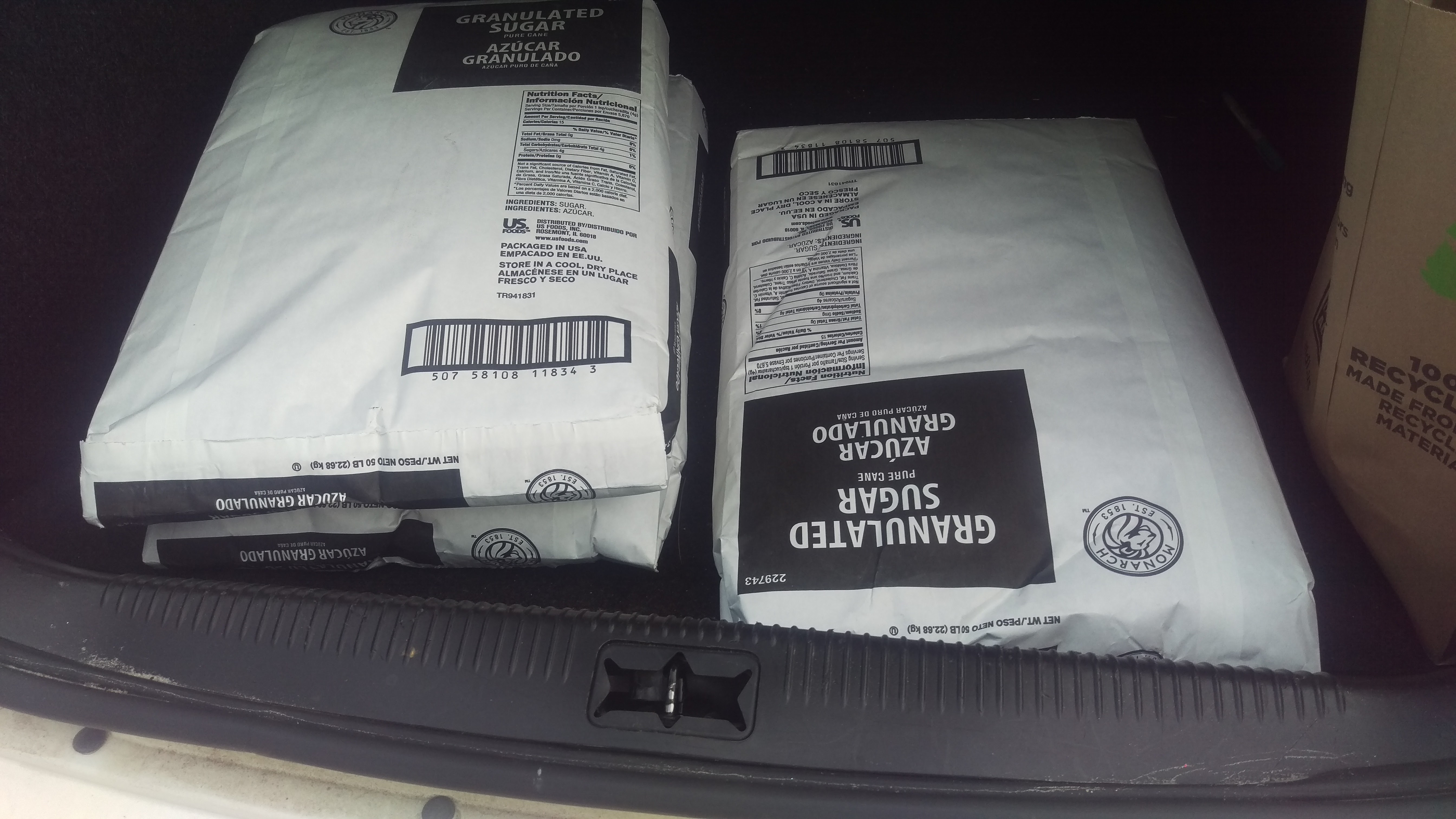
Joy! I found three 50 pound sacks of sugar I had forgotten!


Feel free to share this on:
  • Share on Facebook (Opens in new window) Facebook
  • Share on X (Opens in new window) X
  • Share on Pinterest (Opens in new window) Pinterest
  • Email a link to a friend (Opens in new window) Email
  • Share on LinkedIn (Opens in new window) LinkedIn
  • Share on Reddit (Opens in new window) Reddit
  • Share on Tumblr (Opens in new window) Tumblr
  • Print (Opens in new window) Print
  • Share on Telegram (Opens in new window) Telegram
  • Share on WhatsApp (Opens in new window) WhatsApp
Like Loading...

Current Beekeeping Activities by sassafrasbefarm

01 Tuesday Dec 2020

Posted by Beekeeping365 in beekeeping, beekeeping chores

≈ Leave a comment

Tags

beekeeping, beekeeping chores, chores, equipment, fall management

IMG_20171023_191707_204

Feeding the bees pollen substitute

This time of year can be as busy for the beekeeper as the spring nectar flow period. But now it’s all about preparation. My experience, since beginning this beekeeping journey, is that there is never enough time during the nectar flow. In fact, time becomes precious even before the nectar flow with the need to rotate hive bodies or employ other swarm reducing measures, placement of swarm traps, movement of hives to out yards, making splits, and lots of last minute surprises.

So, here are few pictures of what I occupy myself with during this so called off season:

IMAG2386

Order queen pen and my favorite markers to write on the hives.

IMAG2384

Making sugar cakes for the tops of the hives.

IMAG2383

Adding extra wax to plastic frames.

IMAG2377

Collecting and bagging pine straw for my smoker.


IMAG2359-20171122-103007169

Building boxes, bottom boards, and tops.

IMAG2364

Adding some color to the entrance reducers.

IMAG2356

Painting entrances to the queen mating nucs

IMAG2354

This is Advantech – a new material that resists weathering.

IMAG2353

Painting everything. Three coats!

IMAG2340

Joy! I found three 50 pound sacks of sugar I had forgotten!


Feel free to share this on:
  • Share on Facebook (Opens in new window) Facebook
  • Share on X (Opens in new window) X
  • Share on Pinterest (Opens in new window) Pinterest
  • Email a link to a friend (Opens in new window) Email
  • Share on LinkedIn (Opens in new window) LinkedIn
  • Share on Reddit (Opens in new window) Reddit
  • Share on Tumblr (Opens in new window) Tumblr
  • Print (Opens in new window) Print
  • Share on Telegram (Opens in new window) Telegram
  • Share on WhatsApp (Opens in new window) WhatsApp
Like Loading...

Landi Simone – Reading the Frames

20 Tuesday Feb 2018

Posted by Beekeeping365 in beekeeping, beekeeping management

≈ 3 Comments

Tags

beekeeping, comb management, fall management, management, spring management, winter management

Landi Simone – Reading the Frames

I found this interesting. She says many things that I say to new beekeepers – listen to and watch your bees. They’ll tell you when they’re not happy! The frame pictures are excellent and well worth a look at from a healthy honey bee perspective.

It’s quite long at 44 minutes, but worth a watch!

Source: Landi Simone – Reading the Frames

Feel free to share this on:
  • Share on Facebook (Opens in new window) Facebook
  • Share on X (Opens in new window) X
  • Share on Pinterest (Opens in new window) Pinterest
  • Email a link to a friend (Opens in new window) Email
  • Share on LinkedIn (Opens in new window) LinkedIn
  • Share on Reddit (Opens in new window) Reddit
  • Share on Tumblr (Opens in new window) Tumblr
  • Print (Opens in new window) Print
  • Share on Telegram (Opens in new window) Telegram
  • Share on WhatsApp (Opens in new window) WhatsApp
Like Loading...

Kick ’em when they’re down by The Apiarist

30 Thursday Nov 2017

Posted by Beekeeping365 in beekeeping, varroa, varroa destructor, varroa mites

≈ 4 Comments

Tags

beekeeping, fall management, management, varroa, varroa destructor, varroa mites

Presentation1-2-768x478

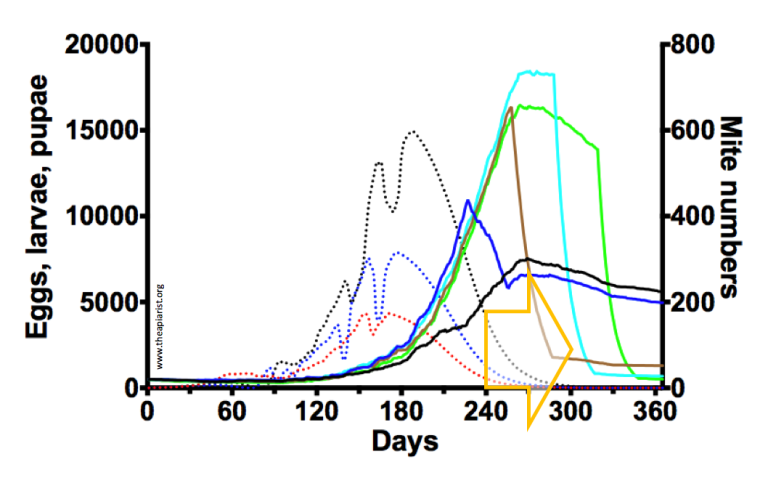
Below is an excellent article by David the Apiarist on understanding the varroa mite population cycle as relates to management of Varroa mites. Understanding the pest is key to maximizing the impact of the treatement. I’ve chosen to crosspost it on this date to benefit my readers in the Midlands of South Carolina as we enter the period of time when the presence of brood is at it’s yearly low. References to the Eagles and Don Henley are entertaining as well.

Why bother treating colonies in midwinter to reduce Varroa infestation? After all, you probably treated them with Apiguard or Apivar (or possibly even Apistan) in late summer or early autumn.

Is there any need to treat again in midwinter?

Yes. To cut a long story short, there are basically two reasons why a midwinter mite treatment almost always makes sense:

  1. Mites will be present. In addition, they’ll be present at a level higher than the minimum level achievable, particularly if you last treated your colonies in late summer, rather than early autumn.
  2. The majority of mites will be phoretic, rather than hiding away in sealed brood. They’re therefore easy to target.

I’ll deal with these in reverse order …

Read the full article at: Kick ’em when they’re down — The Apiarist

Feel free to share this on:
  • Share on Facebook (Opens in new window) Facebook
  • Share on X (Opens in new window) X
  • Share on Pinterest (Opens in new window) Pinterest
  • Email a link to a friend (Opens in new window) Email
  • Share on LinkedIn (Opens in new window) LinkedIn
  • Share on Reddit (Opens in new window) Reddit
  • Share on Tumblr (Opens in new window) Tumblr
  • Print (Opens in new window) Print
  • Share on Telegram (Opens in new window) Telegram
  • Share on WhatsApp (Opens in new window) WhatsApp
Like Loading...

Getting Bees Ready for Winter by Chautauqua Apiary

13 Monday Nov 2017

Posted by Beekeeping365 in beekeeping, beekeeping management

≈ Leave a comment

Tags

apiculture, beekeeping, fall management, management

The bees are looking good going into winter, been feeding right along as I’m raising bees and growing my apiary. So I still have a lot of brood and the drones are just getting pushed out. So I still have a late oxalic acid vaporizing treatment for mite control to get done on a good day. I have my mice guards on(I like 4″openings), inner covers flipped(hole taped), rigid insulation over the inner covers(outer cover on top), and providing wind breaks at my windy yards. I don’t do any wrapping but I might try bubble insulation on some of my single deeps and nucs to see if it makes a difference.

Read full article here: Getting Bees Ready for Winter — Chautauqua Apiary

Feel free to share this on:
  • Share on Facebook (Opens in new window) Facebook
  • Share on X (Opens in new window) X
  • Share on Pinterest (Opens in new window) Pinterest
  • Email a link to a friend (Opens in new window) Email
  • Share on LinkedIn (Opens in new window) LinkedIn
  • Share on Reddit (Opens in new window) Reddit
  • Share on Tumblr (Opens in new window) Tumblr
  • Print (Opens in new window) Print
  • Share on Telegram (Opens in new window) Telegram
  • Share on WhatsApp (Opens in new window) WhatsApp
Like Loading...

Preparing for Winter by Lazer Creek Apiary

26 Thursday Oct 2017

Posted by Beekeeping365 in beekeeping, beekeeping management, beekeeping seasons, management

≈ Leave a comment

Tags

beekeeping, fall management, management, seasons, winter management

It’s only 62 degrees this morning, but bees in the English hive are already out foraging.  It’s no wonder that these bees are well set up for the cold weather that is just around the corner;  of all our hives, they have the most honey stored.    This is our go-to hive for requeening because the colony has always been friendly, the queens have always been great producers, the bees are hygienic,  and the bees are the first out the door to forage.

At the other end of the spectrum, we have a hive that has no stored resources despite all the goldenrod that surrounds the apiary.   Our records show that they haven’t stored any resources since we brought them back from the sunflower patch — and they had nothing then.    If I’d been able to find the queen yesterday, I’d have combined them with another weak but productive hive.  Those guys have increased their numbers by a full frame of bees and they have nectar and bee bread stored.   I can’t risk combining them without eliminating the lazy-genetics queen, so they have two weeks to pick up their game!   We put a candy board on the hive yesterday (and reduced the entrance down to a single bee width), so maybe that will help them.   Maybe it will make them more dependent on us.

Read full article here: Preparing for Winter — Lazer Creek Apiary Blog

Feel free to share this on:
  • Share on Facebook (Opens in new window) Facebook
  • Share on X (Opens in new window) X
  • Share on Pinterest (Opens in new window) Pinterest
  • Email a link to a friend (Opens in new window) Email
  • Share on LinkedIn (Opens in new window) LinkedIn
  • Share on Reddit (Opens in new window) Reddit
  • Share on Tumblr (Opens in new window) Tumblr
  • Print (Opens in new window) Print
  • Share on Telegram (Opens in new window) Telegram
  • Share on WhatsApp (Opens in new window) WhatsApp
Like Loading...

Double or Nothing? by Bad Beekeeping Blog

10 Tuesday Oct 2017

Posted by Beekeeping365 in beekeeping, beekeeping management

≈ Leave a comment

Tags

beekeeping, fall management, management


A gentleman at our bee meeting posed a challenging question a couple of weeks ago: “What should I do with a weak hive? I think it might be queenless.” Well, it depends, of course.

I’m continuing with the series of questions which I overheard at a bee meeting not long ago. Today, it’s about weak/queenless hives. As in all bee questions, we are given just a bit of information. It’s not the beekeepers’ fault – they might not know what clues to look for and what information to bring to the club when they present their questions. (Actually, if they knew what information is needed to answer the question, they’d probably already know what to do.)

Read full article at: Double or Nothing? — Bad Beekeeping Blog

Feel free to share this on:
  • Share on Facebook (Opens in new window) Facebook
  • Share on X (Opens in new window) X
  • Share on Pinterest (Opens in new window) Pinterest
  • Email a link to a friend (Opens in new window) Email
  • Share on LinkedIn (Opens in new window) LinkedIn
  • Share on Reddit (Opens in new window) Reddit
  • Share on Tumblr (Opens in new window) Tumblr
  • Print (Opens in new window) Print
  • Share on Telegram (Opens in new window) Telegram
  • Share on WhatsApp (Opens in new window) WhatsApp
Like Loading...
Follow Beekeeping365 on WordPress.com

Enter your email address to follow this blog and receive notifications of new posts by email.

Calendar

October 2026
S M T W T F S
 123
45678910
11121314151617
18192021222324
25262728293031
« Sep    

Posts by Month:

  • October 2026 (15)
  • September 2026 (32)
  • August 2026 (6)
  • July 2026 (1)
  • May 2026 (2)
  • January 2026 (3)
  • July 2025 (1)
  • April 2024 (1)
  • July 2022 (1)
  • March 2022 (13)
  • February 2022 (17)
  • January 2022 (4)
  • December 2021 (4)
  • November 2021 (4)
  • August 2021 (11)
  • July 2021 (18)
  • June 2021 (5)
  • May 2021 (2)
  • April 2021 (9)
  • March 2021 (2)
  • February 2021 (5)
  • January 2021 (16)
  • December 2020 (15)
  • November 2020 (5)
  • October 2020 (2)
  • July 2020 (1)
  • February 2020 (1)
  • March 2019 (2)
  • February 2019 (4)
  • January 2019 (1)
  • December 2018 (10)
  • November 2018 (8)
  • October 2018 (13)
  • September 2018 (18)
  • August 2018 (3)
  • July 2018 (11)
  • June 2018 (27)
  • May 2018 (33)
  • April 2018 (20)
  • March 2018 (20)
  • February 2018 (12)
  • January 2018 (22)
  • December 2017 (18)
  • November 2017 (15)
  • October 2017 (19)
  • September 2017 (17)
  • August 2017 (21)
  • July 2017 (29)
  • June 2017 (28)
  • May 2017 (19)
  • April 2017 (17)
  • March 2017 (19)
  • February 2017 (12)
  • January 2017 (13)
  • December 2016 (5)

Posts by Categories:

  • absconding (1)
  • africanized honey bees (1)
  • apitherapy (1)
  • bee health (7)
  • bee law (2)
  • bee lining (2)
  • bee removals (2)
  • beekeeper (5)
  • beekeeper education (17)
  • beekeeping (604)
    • South Carolina (3)
  • beekeeping author (10)
  • beekeeping books (12)
  • beekeeping calendar (6)
  • beekeeping chores (9)
  • beekeeping equipment (23)
  • beekeeping history (48)
  • beekeeping management (35)
  • beekeeping pest management (8)
  • beekeeping seasons (26)
  • beekeeping vocabulary (15)
  • beeswax (11)
  • biography (5)
  • biology (12)
  • birthday (37)
  • birthdays (31)
  • book review (16)
  • breakfast (1)
  • calendar (6)
  • CCD (1)
  • chores (6)
  • comb (6)
  • comb honey (10)
  • commercial beekeeping (1)
  • cutouts (2)
  • dearth (4)
  • defensiveness (1)
  • diseases (9)
  • drawn comb (5)
  • ecology (4)
  • education (30)
  • equipment (21)
  • extracting (1)
  • fall nectar flow (1)
  • famous beekeepers (25)
  • feeding bees (8)
  • first blog entry (1)
  • folklore (1)
  • food (7)
  • forage (4)
  • hacks (3)
  • hive inspections (6)
  • hive placement (2)
  • hive products (6)
  • honey (85)
  • honey as food (22)
  • honey bee anatomy (3)
  • honey bee behavior (23)
  • honey bee biology (42)
  • honey bee genetics (4)
  • honey bee losses (1)
  • honey bee nutrition (1)
  • honey bee photos (6)
  • Honey Bee Research (1)
  • honey bee vocabulary (11)
  • honey bees (14)
  • honey judging (3)
  • honey recipe (65)
  • humor (13)
  • inspections (9)
  • journal (1)
  • log book (1)
  • making increase (3)
  • management (82)
  • mentoring (2)
  • mites (4)
  • national pollinator week (2)
  • nectar flow (6)
  • nomenclature (1)
  • opinion (5)
  • out yards (1)
  • outyards (2)
  • package bees (2)
  • pears (1)
  • pests (17)
  • plants for bees (3)
  • polish (1)
  • pollen (4)
  • pollination (11)
  • pollinators (7)
  • product review (1)
  • production (1)
  • products (3)
  • propolis (2)
  • queens (17)
  • raw honey (6)
  • recipe (88)
  • removals (1)
  • safety (3)
  • sales (2)
  • season (1)
  • seasons (21)
  • sideliner (1)
  • small hive beetles (1)
  • spring buildup (4)
  • state fair (2)
  • sustainable (8)
  • swarms (27)
  • ursurpation (1)
  • usurpation (1)
  • varroa (20)
  • varroa destructor (11)
  • varroa mites (23)
  • Winter (6)
  • winter solstice (2)
  • woodenware (3)
  • yellow jackets (2)

Sassafras Bee Farm on Facebook

Sassafras Bee Farm on Facebook

Posts I Like

  • What happens to beekeepers if… on Bad Beekeeping Blog
  • Honey Bee Hormones and Metamor… on The Beelistener
  • The “reverse outline”: a usefu… on Scientist Sees Squirrel

Sassafras Bee Farm

Sassafras Bee Farm

Recent Posts

  • It Always Starts with Assessment
  • Happy Birthday Jay J. Smith
  • Miracles by Walt Whitman
  • What Do You Know?
  • Fall Nectar Flow

Beekeeping365 on Facebook

Beekeeping365 on Facebook

Top Posts & Pages

  • Swarms
    Swarms
  • To the (bee) Veils! by sassafrasbeefarm
    To the (bee) Veils! by sassafrasbeefarm
  • The Russian Scion
    The Russian Scion

Blog Stats

  • 145,440 hits

Website Built with WordPress.com.

  • Subscribe Subscribed
    Beekeeping365
    Join 417 other subscribers

    Have a WordPress.com account? Log in now.

  • Beekeeping365
    View site in Reader
    Manage subscriptionsSign upLog in
    Report this content
    Collapse this bar
Loading Comments...
%d