• Sassafras Bee Farm
  • About
  • Contact

Beekeeping365

~ The more I studied beekeeping, the less I knew, until, finally, I knew nothing. But, even though I knew nothing, I still had plenty to unlearn. Charles Martin Simon

Beekeeping365

Tag Archives: equipment

Current Beekeeping Activities by sassafrasbefarm

21 Thursday Jan 2021

Posted by Beekeeping365 in beekeeping, beekeeping chores, Winter, woodenware

≈ 5 Comments

Tags

beekeeping, beekeeping chores, chores, equipment, fall management, winter management

IMG_20171023_191707_204

Feeding the bees pollen substitute

Some things don’t change much year to year in beekeeping. At least not the chores. There is some comfort in the routine. This year is much like last. Building boxes, cleaning frames, painting and maintenance. And building bees for the spring. ~sassafrasbeefarm

This time of year can be busy for the beekeeper. Now, it’s all about preparation. My experience, since beginning this beekeeping journey, is that there is never enough time during the nectar flow. In fact, time becomes precious even before the nectar flow with the need to rotate hive bodies or employ other swarm reducing measures, placement of swarm traps, movement of hives to out yards, making splits, and lots of last minute surprises.

So, here are few pictures of what I occupy myself with now, during this so called off season:
IMAG2386

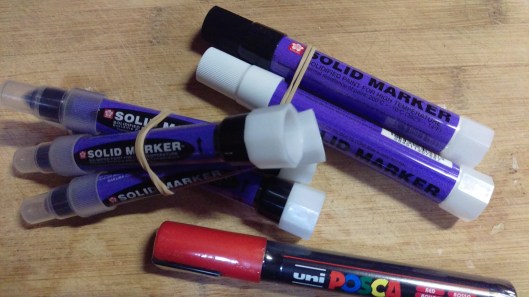
Order queen pen and my favorite markers to write on the hives.
IMAG2384

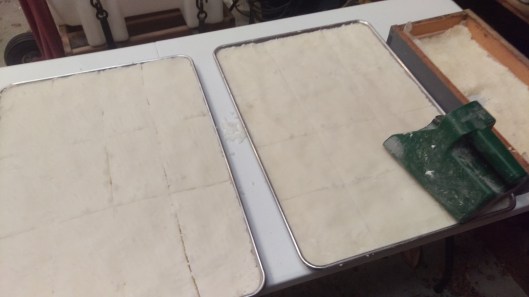
Making sugar cakes for the tops of the hives.
IMAG2383

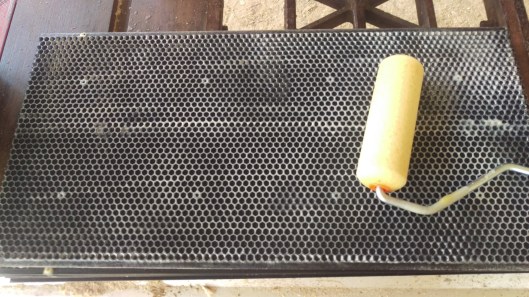
Adding extra wax to plastic frames.

IMAG2377

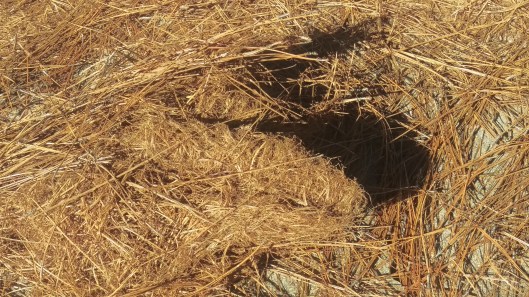
Collecting and bagging pine straw for my smoker.
 

IMAG2359-20171122-103007169

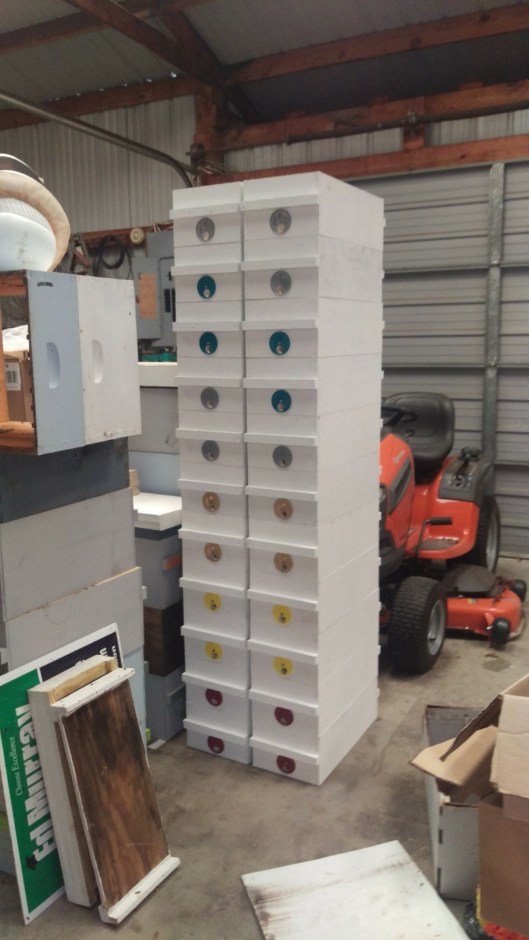
Building boxes, bottom boards, and tops.
IMAG2364

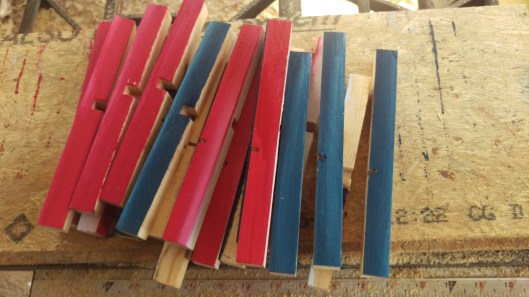
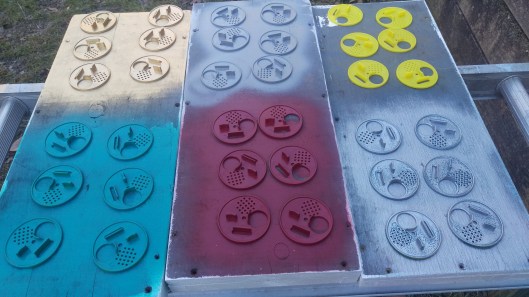
Adding some color to the entrance reducers.
IMAG2356

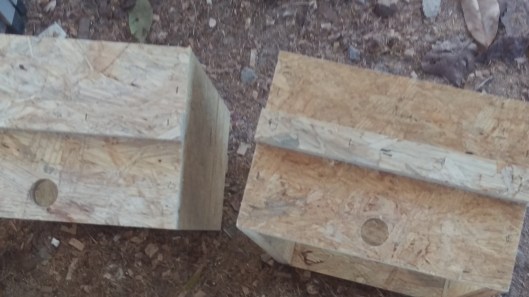
Painting entrances to the queen mating nucs
IMAG2354

This is Advantech – a new material that resists weathering.
IMAG2353

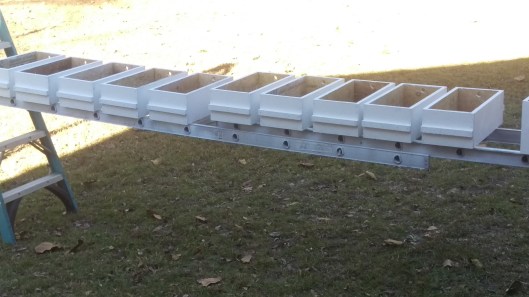
Painting everything. Three coats!

IMAG2340

Joy! I found three 50 pound sacks of sugar I had forgotten!
 

Feel free to share this on:

  • Share on Facebook (Opens in new window) Facebook
  • Share on X (Opens in new window) X
  • Share on Pinterest (Opens in new window) Pinterest
  • Email a link to a friend (Opens in new window) Email
  • Share on LinkedIn (Opens in new window) LinkedIn
  • Share on Reddit (Opens in new window) Reddit
  • Share on Tumblr (Opens in new window) Tumblr
  • Print (Opens in new window) Print
  • Share on Telegram (Opens in new window) Telegram
  • Share on WhatsApp (Opens in new window) WhatsApp
Like Loading...

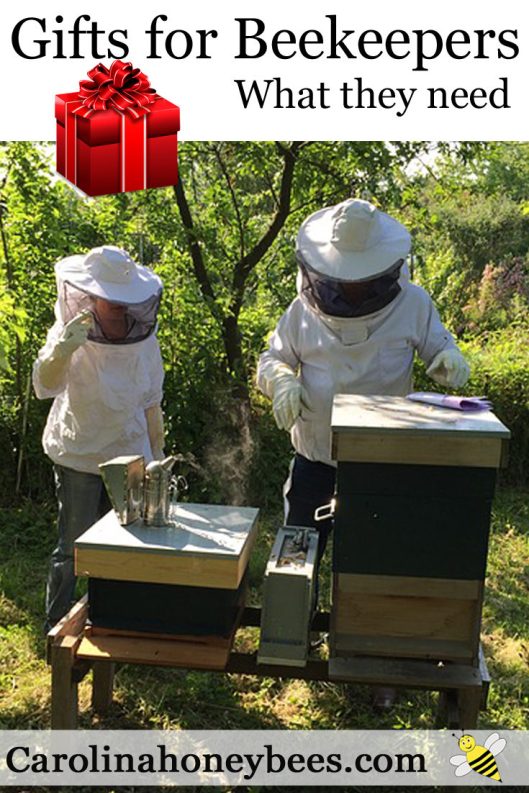
Gifts for Beekeepers

08 Tuesday Dec 2020

Posted by Beekeeping365 in beekeeping

≈ Leave a comment

Tags

beekeeping, beekeeping equipment, equipment, gifts for beekeepers

giftsforbeekeepers-683x10242x

http://carolinahoneybees.com/gifts-for-beekeepers/

Feel free to share this on:

  • Share on Facebook (Opens in new window) Facebook
  • Share on X (Opens in new window) X
  • Share on Pinterest (Opens in new window) Pinterest
  • Email a link to a friend (Opens in new window) Email
  • Share on LinkedIn (Opens in new window) LinkedIn
  • Share on Reddit (Opens in new window) Reddit
  • Share on Tumblr (Opens in new window) Tumblr
  • Print (Opens in new window) Print
  • Share on Telegram (Opens in new window) Telegram
  • Share on WhatsApp (Opens in new window) WhatsApp
Like Loading...

Current Beekeeping Activities by sassafrasbefarm

01 Tuesday Dec 2020

Posted by Beekeeping365 in beekeeping, beekeeping chores

≈ Leave a comment

Tags

beekeeping, beekeeping chores, chores, equipment, fall management

IMG_20171023_191707_204

Feeding the bees pollen substitute

This time of year can be as busy for the beekeeper as the spring nectar flow period. But now it’s all about preparation. My experience, since beginning this beekeeping journey, is that there is never enough time during the nectar flow. In fact, time becomes precious even before the nectar flow with the need to rotate hive bodies or employ other swarm reducing measures, placement of swarm traps, movement of hives to out yards, making splits, and lots of last minute surprises.

So, here are few pictures of what I occupy myself with during this so called off season:

IMAG2386

Order queen pen and my favorite markers to write on the hives.

IMAG2384

Making sugar cakes for the tops of the hives.

IMAG2383

Adding extra wax to plastic frames.

IMAG2377

Collecting and bagging pine straw for my smoker.


IMAG2359-20171122-103007169

Building boxes, bottom boards, and tops.

IMAG2364

Adding some color to the entrance reducers.

IMAG2356

Painting entrances to the queen mating nucs

IMAG2354

This is Advantech – a new material that resists weathering.

IMAG2353

Painting everything. Three coats!

IMAG2340

Joy! I found three 50 pound sacks of sugar I had forgotten!
 

Feel free to share this on:

  • Share on Facebook (Opens in new window) Facebook
  • Share on X (Opens in new window) X
  • Share on Pinterest (Opens in new window) Pinterest
  • Email a link to a friend (Opens in new window) Email
  • Share on LinkedIn (Opens in new window) LinkedIn
  • Share on Reddit (Opens in new window) Reddit
  • Share on Tumblr (Opens in new window) Tumblr
  • Print (Opens in new window) Print
  • Share on Telegram (Opens in new window) Telegram
  • Share on WhatsApp (Opens in new window) WhatsApp
Like Loading...

Building Inexpensive Nucleus Hive Boxes and Queen Mating Nucs

11 Wednesday Nov 2020

Posted by Beekeeping365 in beekeeping, beekeeping equipment, equipment

≈ 4 Comments

Tags

beekeeping, DIY, equipment, frugal beekeeping

medium nuc layout

My plan for this coming year is to do some queen rearing. In preparation I will need mating nucs. I pondered using deep 5 frame nucs, which I have a quantity of already, but for various reasons I have decided to use medium height 5 frame nuc boxes. This plan accommodates nuc hive sales as well as queen rearing. Additionally, the medium boxes are significantly cheaper to build as described below.

Nuc boxes External dimensions:

Deep Boxes: 19 7/8″ Length X 9 5/8″ Width X 9 5/8″ Height (Comment: Different bee supply companies makes these different widths. Some as small as 9″ width. Mann Lake makes them a generous 9 5/8″ which I assume is in order to handle their frame feeder. I use this dimension as I have found that whether with or without the frame feeder it avoids crowding of the frames yet doesn’t seem to cause burr comb against the sides. This may not be true if one used frames from a different manufacturer.

Medium Boxes: 19 7/8″ Length X 9 5/8″ Width X 6 5/8″ Height

The above dimensions, both deep and medium, are different than the actual cutting of the box components due to the corner joints. I use a rabbet joint cut 3/8″ deep on the front and back pieces. Because the front and back then contribute to the side length the board on the side is cut 3/4″” smaller than the external 19 7/8″ (side length is cut is 19 1/8″).

Making Medium Boxes: My initial estimate is that I can make 11 of these boxes from a single sheet of 23/32″ sheathing plywood. at about $23-$24 per sheet of 23/32″ sheathing that comes to about $2.25 per box. Tops and bottoms will add to this cost. Total waste is approximately 9%.

Making Deep Boxes: My estimate is that I can make 6 boxes from a single sheet of 23/32″ sheathing plywood. This results in a price per box of $4. Tops and bottoms will add to this cost. The large reduction in the number of boxes that can be made vs medium boxes is a result of waste which results due to the larger dimensions. Total waste per 4′ x 8′ sheet when deep boxes are constructed from plywood is approximately 28%.

I’m using a computer program called CutList Plus which maximizes layout on the plywood. It’s a fun program and I’d encourage you to give it a spin. http://cutlistplus.com/

Before someone lectures me on use of plywood and it’s longevity, warping, and delamination characteristics please don’t. I have used this particular sheathing and found that with three proper coats of protection it holds up without delamination or warping quite well.

Feel free to share this on:

  • Share on Facebook (Opens in new window) Facebook
  • Share on X (Opens in new window) X
  • Share on Pinterest (Opens in new window) Pinterest
  • Email a link to a friend (Opens in new window) Email
  • Share on LinkedIn (Opens in new window) LinkedIn
  • Share on Reddit (Opens in new window) Reddit
  • Share on Tumblr (Opens in new window) Tumblr
  • Print (Opens in new window) Print
  • Share on Telegram (Opens in new window) Telegram
  • Share on WhatsApp (Opens in new window) WhatsApp
Like Loading...

Bee Hive Stand for Cheap!

09 Monday Nov 2020

Posted by Beekeeping365 in beekeeping, beekeeping equipment, equipment

≈ 2 Comments

Tags

DIY, equipment, woodenware

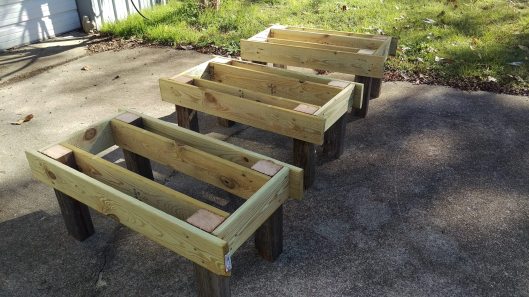
14718765_10208849655053516_6492334303744331809_nMake this permanent/portable hive stand for cheap or free.

For under ten dollars you can build a sturdy hive stand that can be used in either a permanent or portable situation. Since it uses relatively short pieces of lumber, sometimes you can find scraps and make one free. I have made several of these and use them as portable stands moving them around as I perform hive inspections. Along the way… they sometimes get used in a more permanent way when the unexpected happens and a stand is needed for a captured swarm or an unexpected, but necessary, spring split.

Materials:
5/4″ x 6″ x 12′ treated deck lumber (#2 lowest grade)- qty. 1
2″ x 4″ x 8′ treated lumber – qty. 1
2 1/2″ nails or ~ 2″ screws – about 36

You’re going to make several 18″ cuts so if you have a table or radial arm saw set it for 18 inches first. If you don’t have either then that’s okay too – any saw will work.

Cut the 2”X4″ into 4 leg pieces each measuring 18″ (you’ll have a piece left)

Using the 5/4″ x 6″ lumber cut an additional two 18″ pieces.

Reset your saw to 24″ and cut the remaining 5/4″ lumber into 4 pieces. (you will have a short piece remaining).

The 2″x4″s are your legs. Make a sandwich by nailing two of the 24″ pieces to sandwich two 18″ legs. A carpenter’s square helps keep things perpendicular but not absolutely necessary. (don’t overcomplicate it; do one side, turn it over and repeat.)

Make another sandwich using the remaining 24″ pieces and 18″ leg pieces.

On a flat concrete surface, stand and connect the two sandwiched pieces using the remaining 5/4″ x 6″ x 18″ pieces by nailing them them to the sides joining the sandwiches. Your stand should now be complete and level.


Feel free to share this on:

  • Share on Facebook (Opens in new window) Facebook
  • Share on X (Opens in new window) X
  • Share on Pinterest (Opens in new window) Pinterest
  • Email a link to a friend (Opens in new window) Email
  • Share on LinkedIn (Opens in new window) LinkedIn
  • Share on Reddit (Opens in new window) Reddit
  • Share on Tumblr (Opens in new window) Tumblr
  • Print (Opens in new window) Print
  • Share on Telegram (Opens in new window) Telegram
  • Share on WhatsApp (Opens in new window) WhatsApp
Like Loading...

Hive Stands

18 Tuesday Dec 2018

Posted by Beekeeping365 in beekeeping, equipment, woodenware

≈ Leave a comment

Tags

beekeeping, beekeeping chores, DIY, equipment, hive stands, woodenware

12343142_10206388598608643_1677749316_o

This time of year beekeepers perform maintenance and build more toys. Here’s a link detailing how to build a nice, portable, sturdy hive stand for under ten dollars: Bee Hive Stand for Cheap!

Feel free to share this on:

  • Share on Facebook (Opens in new window) Facebook
  • Share on X (Opens in new window) X
  • Share on Pinterest (Opens in new window) Pinterest
  • Email a link to a friend (Opens in new window) Email
  • Share on LinkedIn (Opens in new window) LinkedIn
  • Share on Reddit (Opens in new window) Reddit
  • Share on Tumblr (Opens in new window) Tumblr
  • Print (Opens in new window) Print
  • Share on Telegram (Opens in new window) Telegram
  • Share on WhatsApp (Opens in new window) WhatsApp
Like Loading...

How should we train the newbees? by Rusty

10 Friday Nov 2017

Posted by Beekeeping365 in beekeeper education, beekeeping, beekeeping equipment, book review, equipment

≈ Leave a comment

Tags

beekeepers, book review, equipment, varroa mites

Tis the season. My inbox is flush with “amazing” deals. Unfortunately, many of the hard-sell marketers are heading straight for the wallet of the soon-to-be new beekeeper. I’ve watched wannabees, still unable to tell a honey bee from a cockroach, buying specialty hives, extractors, and vaporizers so they will be ready when their bees arrive.

The marketers are slick, many offering “free” courses with anywhere from a dozen to 150 lessons to help get you started. Of course, this is nothing new. I first complained about the “lesson plan” back in 2010 when I saw poorly structured tutorials, each designed to sell you one more thing.

How much stuff do you really need?

Okay, I’m not a minimalist. I find that tinkering with hive design, equipment, gadgets, and technology is enormously fun and educational. On the other hand, you can be a first-rate beekeeper without breaking the bank. No one should be guilted into buying something he can’t afford or doesn’t need. Your need for equipment will evolve as your hobby expands, but purchasing should not be rushed or haphazard.

And all those lessons? How discouraging! A hundred lessons on any subject would make me run. Instead, I recommend that beginners read two good books: one that covers basic beekeeping practices and one dedicated to honey bee biology. My recommendation for the basics is either Simple, Smart Beekeeping by Kirsten and Michael Traynor or The Beekeeper’s Handbook by Diana Sammataro and Alphonse Avitabile. If you are a visual learner, the full-color photos in the Traynor book could not be better. For honey bee biology, nothing comes close to Honey-Maker by Rosanna Mattingly. I refer to it constantly.

Read full article here: How should we train the newbees? — Honey Bee Suite

Feel free to share this on:

  • Share on Facebook (Opens in new window) Facebook
  • Share on X (Opens in new window) X
  • Share on Pinterest (Opens in new window) Pinterest
  • Email a link to a friend (Opens in new window) Email
  • Share on LinkedIn (Opens in new window) LinkedIn
  • Share on Reddit (Opens in new window) Reddit
  • Share on Tumblr (Opens in new window) Tumblr
  • Print (Opens in new window) Print
  • Share on Telegram (Opens in new window) Telegram
  • Share on WhatsApp (Opens in new window) WhatsApp
Like Loading...

Beekeeping Vocabulary – “S” is for…

15 Sunday Oct 2017

Posted by Beekeeping365 in beekeeping, equipment

≈ Leave a comment

Tags

bee smoker, beekeeping, equipment, honey bees

Beekeeping_smoker

Photo by Robert Engelhardt, CC BY-SA 3.0

Today’s beekeeping vocabulary word is, “Smoker.”

From Wikipedia:

A bee smoker (usually called simply a smoker) is a device used in beekeeping to calm honey bees. It is designed to generate smoke from the smouldering of various fuels, hence the name.

The fact that smoke calms bees has been known since ancient times; however, the scientific explanation was unknown until the 20th century and is still not fully understood. Smoke masks alarm pheromones[1] which include various chemicals, e.g., isopentyl acetate[2] that are released by guard bees or bees that are injured during a beekeeper’s inspection. The smoke creates an opportunity for the beekeeper to open the beehive and work while the colony’s defensive response is interrupted. In addition, smoke initiates a feeding response in anticipation of possible hive abandonment due to fire.[3][4][5] When a bee consumes honey the bee’s abdomen distends, making it difficult to make the necessary flexes to sting.[citation needed] (The latter has always been the primary explanation of the smoker’s effect, since this behavior of bees is easily observable.)

Smoke is of limited use with a swarm, partly because swarms have no honey stores to feed on. It is usually not needed, either, since swarms tend to be less defensive as they have no home to defend, and a fresh swarm will have fed well at the hive it left behind.

Source and to read more: Wikipedia

Feel free to share this on:

  • Share on Facebook (Opens in new window) Facebook
  • Share on X (Opens in new window) X
  • Share on Pinterest (Opens in new window) Pinterest
  • Email a link to a friend (Opens in new window) Email
  • Share on LinkedIn (Opens in new window) LinkedIn
  • Share on Reddit (Opens in new window) Reddit
  • Share on Tumblr (Opens in new window) Tumblr
  • Print (Opens in new window) Print
  • Share on Telegram (Opens in new window) Telegram
  • Share on WhatsApp (Opens in new window) WhatsApp
Like Loading...
Follow Beekeeping365 on WordPress.com

Enter your email address to follow this blog and receive notifications of new posts by email.

Calendar

August 2026
S M T W T F S
 1
2345678
9101112131415
16171819202122
23242526272829
3031  
« Jul    

Posts by Month:

  • August 2026 (4)
  • July 2026 (1)
  • May 2026 (2)
  • January 2026 (3)
  • July 2025 (1)
  • April 2024 (1)
  • September 2022 (1)
  • July 2022 (1)
  • March 2022 (13)
  • February 2022 (17)
  • January 2022 (4)
  • December 2021 (4)
  • November 2021 (7)
  • October 2021 (1)
  • September 2021 (3)
  • August 2021 (11)
  • July 2021 (18)
  • June 2021 (5)
  • May 2021 (2)
  • April 2021 (9)
  • March 2021 (2)
  • February 2021 (5)
  • January 2021 (16)
  • December 2020 (15)
  • November 2020 (15)
  • October 2020 (11)
  • July 2020 (1)
  • February 2020 (1)
  • March 2019 (2)
  • February 2019 (4)
  • January 2019 (1)
  • December 2018 (10)
  • November 2018 (8)
  • October 2018 (15)
  • September 2018 (25)
  • August 2018 (3)
  • July 2018 (11)
  • June 2018 (27)
  • May 2018 (33)
  • April 2018 (20)
  • March 2018 (20)
  • February 2018 (12)
  • January 2018 (22)
  • December 2017 (18)
  • November 2017 (17)
  • October 2017 (25)
  • September 2017 (27)
  • August 2017 (21)
  • July 2017 (29)
  • June 2017 (28)
  • May 2017 (19)
  • April 2017 (17)
  • March 2017 (19)
  • February 2017 (12)
  • January 2017 (13)
  • December 2016 (5)

Posts by Categories:

  • absconding (1)
  • africanized honey bees (1)
  • apitherapy (1)
  • bee health (6)
  • bee law (2)
  • bee lining (2)
  • bee removals (2)
  • beekeeper (5)
  • beekeeper education (16)
  • beekeeping (612)
    • South Carolina (2)
  • beekeeping author (10)
  • beekeeping books (14)
  • beekeeping calendar (4)
  • beekeeping chores (8)
  • beekeeping equipment (26)
  • beekeeping history (49)
  • beekeeping management (37)
  • beekeeping pest management (8)
  • beekeeping seasons (23)
  • beekeeping vocabulary (16)
  • beeswax (13)
  • biography (4)
  • biology (14)
  • birthday (40)
  • birthdays (34)
  • book review (16)
  • breakfast (1)
  • calendar (4)
  • CCD (1)
  • chores (6)
  • comb (7)
  • comb honey (10)
  • commercial beekeeping (2)
  • cutouts (2)
  • dearth (3)
  • defensiveness (2)
  • diseases (9)
  • drawn comb (6)
  • ecology (4)
  • education (28)
  • equipment (25)
  • extracting (1)
  • fall nectar flow (1)
  • famous beekeepers (27)
  • feeding bees (7)
  • first blog entry (1)
  • folklore (1)
  • food (7)
  • forage (4)
  • hacks (3)
  • hive inspections (8)
  • hive placement (2)
  • hive products (6)
  • honey (90)
  • honey as food (22)
  • honey bee anatomy (3)
  • honey bee behavior (25)
  • honey bee biology (43)
  • honey bee genetics (4)
  • honey bee nutrition (1)
  • honey bee photos (6)
  • Honey Bee Research (1)
  • honey bee vocabulary (12)
  • honey bees (14)
  • honey judging (4)
  • honey recipe (65)
  • humor (13)
  • inspections (10)
  • journal (1)
  • log book (1)
  • making increase (3)
  • management (82)
  • mentoring (2)
  • mites (3)
  • national pollinator week (2)
  • nectar flow (6)
  • nomenclature (1)
  • opinion (8)
  • out yards (1)
  • outyards (1)
  • package bees (1)
  • pears (1)
  • pests (17)
  • plants for bees (3)
  • polish (1)
  • pollen (4)
  • pollination (11)
  • pollinators (7)
  • product review (1)
  • production (1)
  • products (3)
  • propolis (2)
  • queens (17)
  • raw honey (6)
  • recipe (88)
  • removals (1)
  • safety (3)
  • sales (2)
  • season (1)
  • seasons (21)
  • sideliner (1)
  • small hive beetles (1)
  • spring buildup (4)
  • state fair (2)
  • sustainable (7)
  • swarms (27)
  • ursurpation (1)
  • usurpation (1)
  • varroa (21)
  • varroa destructor (12)
  • varroa mites (24)
  • Winter (5)
  • winter solstice (2)
  • woodenware (3)
  • yellow jackets (2)

Sassafras Bee Farm on Facebook

Sassafras Bee Farm on Facebook

Sassafras Bee Farm

Sassafras Bee Farm

Recent Posts

  • Meeting Reality vs What Seems Deserved
  • Everything Starts with a Tasty Meal: The Science Behind a Beekeeper’s Best Pest-Management Insight
  • Pest Control
  • State Fair Wax Preparation
  • Sherlock Holmes and Beekeeping: A Unique Connection

Beekeeping365 on Facebook

Beekeeping365 on Facebook

Top Posts & Pages

  • Types of bees by Fat Daddy’s Apiary
    Types of bees by Fat Daddy’s Apiary
  • Meeting Reality vs What Seems Deserved
    Meeting Reality vs What Seems Deserved
  • Old-fashioned Honey Wafer Recipe by A Hundred Years Ago
    Old-fashioned Honey Wafer Recipe by A Hundred Years Ago

Blog Stats

  • 141,312 hits

Website Built with WordPress.com.

  • Subscribe Subscribed
    • Beekeeping365
    • Join 426 other subscribers
    • Already have a WordPress.com account? Log in now.
    • Beekeeping365
    • Subscribe Subscribed
    • Sign up
    • Log in
    • Report this content
    • View site in Reader
    • Manage subscriptions
    • Collapse this bar
Loading Comments...
%d