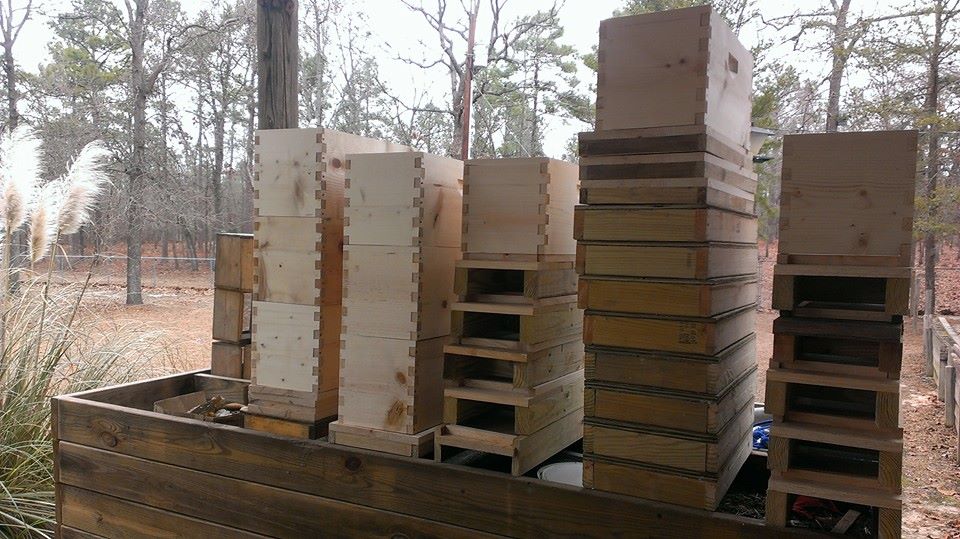
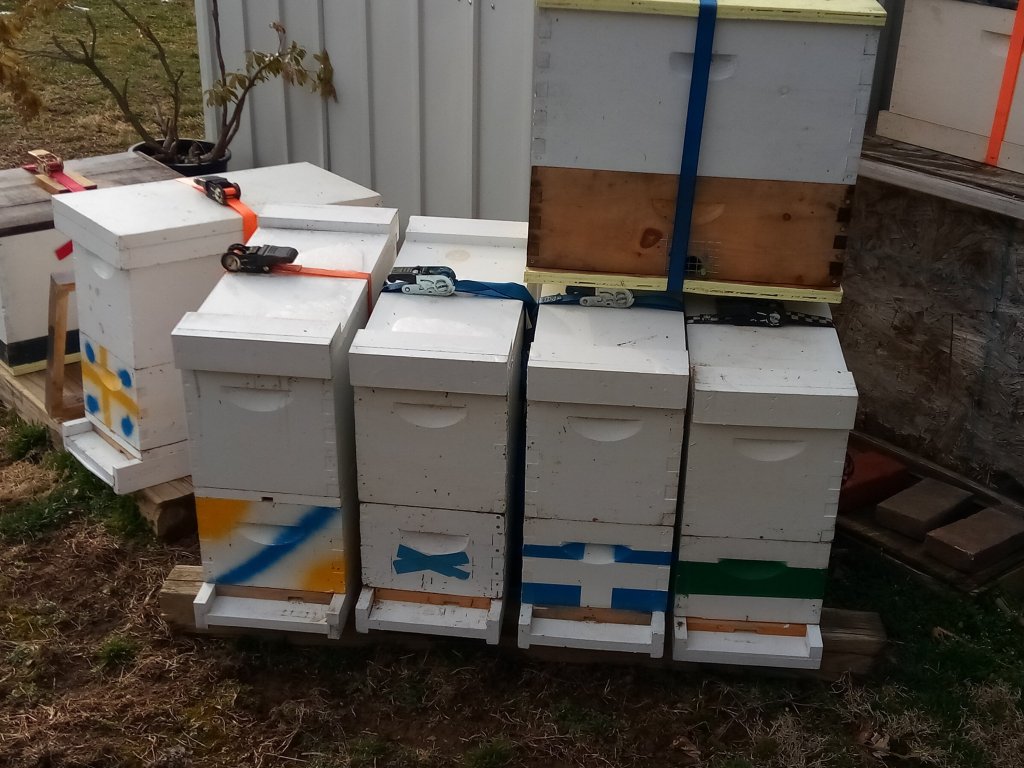
Been on a nuc and swarm trap building binge. Now for some paint.
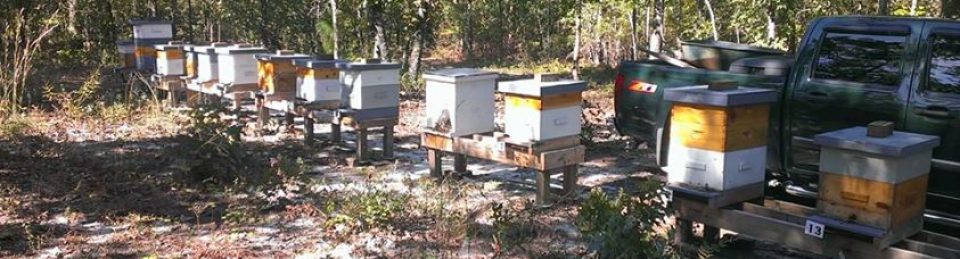
04 Sunday Jan 2026
Posted in swarms
Been on a nuc and swarm trap building binge. Now for some paint.
25 Monday Jan 2021
Posted in beekeeping, beekeeping equipment, equipment, South Carolina, swarms


With a mild winter, swarms can come early to the South Carolina Midlands- around February 15th. That sounds like a long time from now but it will get here sooner than you think and swarms are unforgiving with beekeeper tardiness. Building and getting ready for swarm trapping is something that you should consider doing during these off months of winter. Remember, once swarm season starts you’ll probably be caught up in preparing your own hives for the primary nectar flow and have a limited amount of time to prepare traps. However, for those who are prepared there will be free bees. Here are a few sites I recommend:
http://letmbee.com/do-it-yo…/trapping-quick-reference-guide/
http://www.horizontalhive.com/h…/swarm-trap-free-plans.shtml
http://www.biobees.com/forum/viewtopic.php?t=17189
And multiple videos by outofabluesky:
https://youtu.be/06zYkH7faeA
I promote swarm traps as another part of good beekeeping. Swarm management starts within your own hives and can go a long way to reducing the number of swarms that issue from your apiary. Intensive management can come close to eliminating swarms. However, life happens and you will experience the occasional swarm. Some thoughts on the matter:
1) The swarms you catch in a trap will typically perform better than the ones you knock out of a tree.
2) You’ll lose a portion of the swarms that issue for various reasons like too high in a tree, etc. It’s really nice when that swarm you had to leave in the tree shows up in your trap the next day.
3) Coupled with good swarm management in the hive, and capture of those swarms easy to gather, adding traps is good stewardship. Dr. Lawrence Connor in his book, Increase Essentials, says only 1 in 6 swarms survive their first winter. By capturing them you’re increasing their chances of survival.
4) Swarm captures makes better neighbors. Some neighbors will be as fascinated as you are at the miracle of swarming; others won’t. Capturing your own swarms may prevent you some heartache.
And finally, here’s an excellent, free, eight page article on the biology on swarming and nest selection with excellent advice on swarm trapping: Bait Hives for Honey Bees by Thomas D. Seeley, Roger Morse, and Richard Nowogrodzki
Swarm trapping can be fun. For beekeepers it satisfies the same urge fishing does for fishermen. A lot of care goes into choosing and selecting the equipment and bait in hopes of finding the right combination which will most closely match the criteria the bees are looking for in a new home. Have some fun this year preparing your bait hives and catching a big swarm. You’ll not only get more bees, you’ll have a story to tell. And take a few pictures and send them in to us to share.
13 Wednesday Jan 2021
Posted in beekeeping, swarms
Swarm trapping can be fun. For beekeepers it satisfies the same urge fishing does for fishermen. A lot of care goes into choosing and selecting the equipment and bait in hopes of finding the right combination which will most closely match the criteria the bees are looking for in a new home.
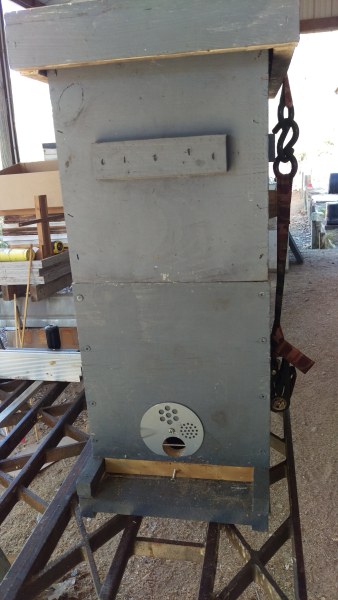
After several years of swarm trapping I think I have my preferred trap design down pat. A double 5 frame nuc, with one old propolised frame and four empty frames with starter strips in the upper box. The bottom box is empty and the bottom board has a small screened drainage hole is attached. A 1 1/4″ entrance hole with bird excluder (nail) and a with closure disk for quickly closing the entrance for moving. The main entrance is blocked (a screw used as handle if it needs to be removed). Finally, a ratchet strap holds it all together. It’s not heavy and easy to transport. I’ll place this now and bait it with my secret recipe scent attractant. Placement of traps are 75 to 200 yards away from the main bee yard and along tree lines. Height is best at 12 – 15 ft. but I’m not keen on lugging ladders through the woods so I keep them at manageable heights. Scout bees will give the swarm trap a thorough inspection with points given for correct cavity size, correct entrance size, odor, dryness, height, and location. The more of these you satisfy the more points you earn and the greater the likelihood they will choose the trap.
09 Saturday Jan 2021
Posted in beekeeping, swarms
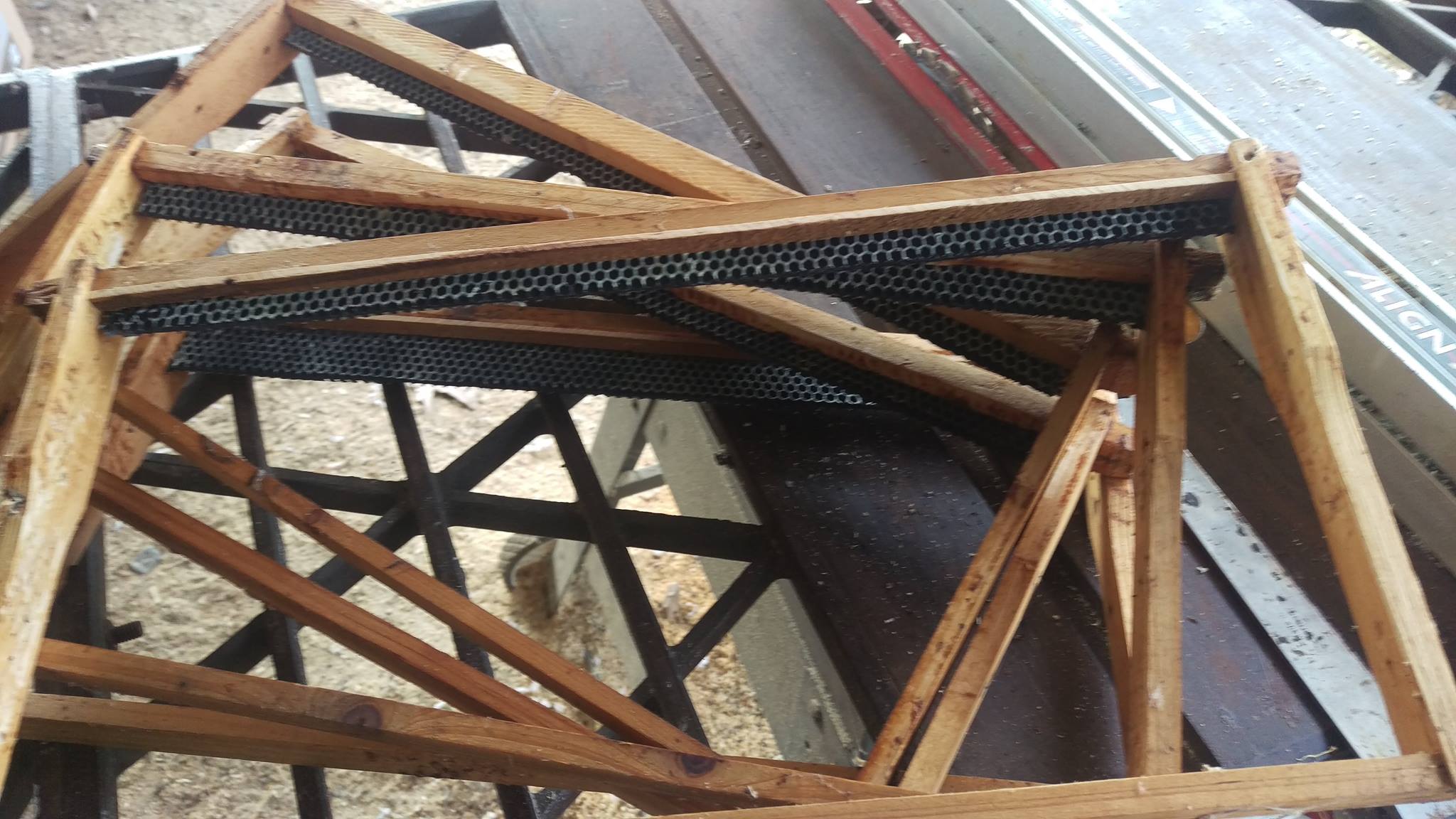
Time to build your swarm traps. Re use the worst of your used or recycled frames covered in the smell of a hive. Strips of foundation, wax or plastic painted with last years wax for increased odor. If you have a frame of partially drawn comb place it in the center of the trap. They will be attracted to the scent and availability of the drawn comb. A few drops of lemongrass oil on a Q-tip placed in… a partially closed baggie placed on top of the frames helps. Entrance should be 1.5 square inches and box size should be about the size of a deep Langstroth (38 – 40 liters). Don’t break a leg trying to position the swarm trap high in a tree. Be safe, place it as high as is comfortable – if it is a well built trap and meets their needs they will choose it.
06 Friday Apr 2018
Posted in beekeeping, swarms
Tags
We conclude Swarm Week here at Beekeeping365 with an encouragement to set some bait hives in your area. Follow the well published guidelines regarding cavity volume, height, entrance size, and add the odors of drawn comb and another attractant such as lemongrass oil. It’s fun – like fishing – except for honey bees!
Bruce isn’t playing around this year. He’s upped his game and is going to catch some big swarms! This is what it takes to capture swarms – a dedication to constructing bait hives along the lines of what is known the bees will accept and occupy. Questions? Click on over to Bruce’s blog and post some questions or comments. sassafrasbeefarm
By Bruce Loves Bees:
I’m not playing around this year. Last year, I was so busy chasing swarm calls, and working, that I got way behind on putting my swarm traps up. I managed to get about 20 traps up, but I got them up late, and only caught 6 swarms in my traps. I also used alot of single 5-frame nuc boxes as traps. All of my swarm calls were for swarms over 5 lbs, so none of these would have went into a nuc. A few of them were over 10 lbs and didn’t even fit into a single 10-frame deep. This year, my swarm traps are a minimum of one nuc and one medium.
cont.
Read full blog post here: Swarm Trap Time by Bruce Loves Bees

