• Sassafras Bee Farm
  • About
  • Contact

Beekeeping365

~ The more I studied beekeeping, the less I knew, until, finally, I knew nothing. But, even though I knew nothing, I still had plenty to unlearn. Charles Martin Simon

Beekeeping365

Tag Archives: opinion

Flexibility in Beekeeping by sassafrasbeefarm

09 Friday Jul 2021

Posted by Beekeeping365 in beekeeping, beekeeping management, management, opinion

≈ 2 Comments

Tags

beekeeping, beekeeping management, flexibility in beekeeping, opinion, summer management

10377454_10203062170410017_333057800093327913_n

Our local club past President, Danny Cannon, delivered one of the best lectures I’ve ever sat through at a MSBA meeting several years ago. It was titled Flexibility in Beekeeping, Being Flexible in Beekeeping, or some such similar title. It literally changed my beekeeping.

That lecture keeps ringing through my brain lately and for good reason. One of the ideas in the lecture was the understanding that we must move backwards and side to side as easily as we move forward in our management. For instance, recently I’ve been playing musical chairs with supers, frames, and bees. Let me explain.

In the Spring it’s all about adding, expanding, and growth. Things seem to get bigger. A lot of “addition” taking place – boxes, hive stands, and new hives. The thinking is, If I can stay ahead of them with “more” they won’t swarm. Add, add, add. Grow, grow, grow. Feed, feed, feed. Gotta add more boxes! Look and act – usually with more, more, more. Find a swarm and be prepared and flexible enough to have an extra stand, bottom board, and box – capture, and add to the apiary. And that’s how most of the management goes in the Spring.

And then comes the post flow Summer, Fall, and early Winter management. But can I break my addiction to adding? Can I be flexible enough to read the bees and act according to the situation? The queen will slow her production down as nectar wanes and more so when the days start getting shorter. Can I tap the brakes, slow down, make changes? I sense that I’m reluctant to pull that super off that I worked so hard to build them up to needing. Or maybe they’ve swarmed and the hive is half empty now, yet I want to leave those boxes on in hopes they will build back up – and they very well might if I’m flexible in my management!

Maybe a queen starts to fail and it becomes noticeable at the hive entrance that activity has slowed. But it’s hot and I’d rather not suit up and look inside; say it isn’t so because I’d really rather not have to track down a replacement queen.

Or I have two hives that are in steep decline, should I combine them with stronger hives? After all, I have a vision of how many hives I need to complete the mental picture I have of my hives sitting on their designated hive stands in my well designed apiary. I want X number of hives not X – 1 hives.

And so, I return to the topic of flexibility. Can I be flexible enough to respond appropriately during these months post nectar flow? Oh, it’s difficult. But if I don’t employ the discipline of flexibility in removing sparsely or unpopulated boxes, combining weak hives, or replacing a failing queen what penalty is paid? Unlike the threat of swarms in the spring, the lack of my flexibility now is paid for with increased pests, hive failures, and loss of valued comb. Hives no longer able to cover comb with bees allow Small Hive Beetles to go unchecked and run amuck in nectar. Worse still is the bane of Wax Moths that move in on weakened or poorly populated hives and destroy your most precious resource – your hard earned comb. Weak and declining hives, if disease free, may need to be combined with strong hives and I have to accept that empty spot on the hive stand and tell myself that maybe a split may be possible later in the year or at least next spring.

It’s all flexibility. I’ll read the bees as best I can, make adjustments, go with the flow every time I visit the apiary or open a hive. I must accept that it’s a roller coaster with ups and downs, round and rounds, bright lights and dark tunnels. When I get off the ride I don’t want to say I enjoyed the ups but not the downs or the round and rounds. No, really I enjoyed the ride itself. Be flexible.

Feel free to share this on:

  • Share on Facebook (Opens in new window) Facebook
  • Share on X (Opens in new window) X
  • Share on Pinterest (Opens in new window) Pinterest
  • Email a link to a friend (Opens in new window) Email
  • Share on LinkedIn (Opens in new window) LinkedIn
  • Share on Reddit (Opens in new window) Reddit
  • Share on Tumblr (Opens in new window) Tumblr
  • Print (Opens in new window) Print
  • Share on Telegram (Opens in new window) Telegram
  • Share on WhatsApp (Opens in new window) WhatsApp
Like Loading...

The Number 6 Method of determining honey bee queenlessness

17 Sunday Jan 2021

Posted by Beekeeping365 in beekeeping, humor, opinion

≈ 1 Comment

Tags

beekeeping, humor, opinion

2007_swifts_creek_lawnmower_races01

Always eager to improve methods of hive assessment, I have now developed the non-invasive queenlessness test method, hereafter known as The Number 6 Method.

Step one: Suit up well. No, really well as in “rubber bands around your pant’s cuffs” well. An extra cap under your veil is also advised.

Step Two: Clear the yard of bystanders.

Step Three: Crank up your riding mower and proceed to cut a swath directly down the front of your hives at normal cutting speed. If the mower hits a stob or cuts off during this procedure be prepared to abandon ship.

Step Four: Do not stop but as you loop away from the hives take a brief glance at the front of the hives. If a hive appears to be swarming out the front entrance console yourself that they aren’t swarming.

Step Five: If this was the hive you suspected of being queenless, the final assessment should present itself almost instantly in the form of a cloud of 50 -100 bees now chasing you and your lawnmower.

Step Six: Feel good about not unduly disturbing the bees with invasive inspections to determine queenlessness. You deserve a pat on the back as you shift into Number 6 on the lawnmower’ s speed control. With any luck they won’t follow you more than 100 yards. Be amazed at how honey bees can stick to your veil like Velcro.

Step Seven: Properly performed, this test should be conducted at the end of your beekeeping day. Returning to the bee yard sooner that 12 hours is not advised.

Embarrassing as it is, the above is based on a true story.

Feel free to share this on:

  • Share on Facebook (Opens in new window) Facebook
  • Share on X (Opens in new window) X
  • Share on Pinterest (Opens in new window) Pinterest
  • Email a link to a friend (Opens in new window) Email
  • Share on LinkedIn (Opens in new window) LinkedIn
  • Share on Reddit (Opens in new window) Reddit
  • Share on Tumblr (Opens in new window) Tumblr
  • Print (Opens in new window) Print
  • Share on Telegram (Opens in new window) Telegram
  • Share on WhatsApp (Opens in new window) WhatsApp
Like Loading...

Could Beekeeping Save the US Political System? by Married with Bees

29 Sunday Jul 2018

Posted by Beekeeping365 in beekeeping

≈ Leave a comment

Tags

beekeepers, human nature, opinion, political

Beekeepers have some amazing qualities. Wouldn’t it be great if we could get our politicians to be more like beekeepers?

Read full article here:  Could Beekeeping Save the US Political System? — Married with Bees

Feel free to share this on:

  • Share on Facebook (Opens in new window) Facebook
  • Share on X (Opens in new window) X
  • Share on Pinterest (Opens in new window) Pinterest
  • Email a link to a friend (Opens in new window) Email
  • Share on LinkedIn (Opens in new window) LinkedIn
  • Share on Reddit (Opens in new window) Reddit
  • Share on Tumblr (Opens in new window) Tumblr
  • Print (Opens in new window) Print
  • Share on Telegram (Opens in new window) Telegram
  • Share on WhatsApp (Opens in new window) WhatsApp
Like Loading...

Breeding a better bee: Three social immunity traits, one massive experiment by Alison McAfee | Honey Bee Hub

08 Friday Jun 2018

Posted by Beekeeping365 in beekeeping, diseases

≈ Leave a comment

Tags

art, beekeeping pests, breeding better bees, diseases, honey bee diseases, honey bee genetics, opinion

Living in a honey bee hive is like living in a house with 40,000  siblings. It’s a pathogen’s dream. Left unchecked, contagious diseases can bring a colony to its knees, but honey bees – as well as other social insects – have evolved a way to fight back. Over millions of years, they have developed a collection of behaviors called ‘social immunity traits’ that help combat disease and parasite outbreaks.

Read the full article here: Breeding a better bee: Three social immunity traits, one massive experiment — Alison McAfee | Honey Bee Hub

Feel free to share this on:

  • Share on Facebook (Opens in new window) Facebook
  • Share on X (Opens in new window) X
  • Share on Pinterest (Opens in new window) Pinterest
  • Email a link to a friend (Opens in new window) Email
  • Share on LinkedIn (Opens in new window) LinkedIn
  • Share on Reddit (Opens in new window) Reddit
  • Share on Tumblr (Opens in new window) Tumblr
  • Print (Opens in new window) Print
  • Share on Telegram (Opens in new window) Telegram
  • Share on WhatsApp (Opens in new window) WhatsApp
Like Loading...

Swarms versus Bee Removals

03 Tuesday Apr 2018

Posted by Beekeeping365 in beekeeping, opinion, swarms

≈ Leave a comment

Tags

beekeeping, cutouts, honey bee removals, honey bee swarms, honey bees, opinion, swarms

10577106_10203179222616249_5872484860184597112_n

This week will most likely herald in the beginning of the spring nectar flow here in the Midlands of South Carolina. A few beekeepers will be caught off guard during the coming weeks, needing equipment, adding hive bodies, and tending to other management issues. Along with these urgent matters there will also be the unexpected swarm issue from hives. So far this year we have focused on preventing swarms and preparations which can be made prior to the swarm season to give the beekeeper the upper hand. We’ll now dedicate a week on how best to deal with swarms once they issue.

Occasionally, bees or wasps will make their home in the  walls  or a tree on your property. While getting them out may be tricky, it is worth finding out if it is possible.  Read more about why you should have them removed instead of exterminating them below.

Typically beekeepers do not do removals  from structures  or trees, but some do. Removals from homes are most often a fee for service situation.  Removals necessitate a specific skill set not taught in beekeeping.

Last year, while responding to honey bee swarm calls, on more than one occasion I arrived only to find that the owner had already sprayed insecticide on the bees. This is almost always a bad idea for several reasons.

17192_1627874757430601_1392422056088297712_nFirst, if it’s a swarm, local beekeepers will typically gladly lend a hand to help you remove the bees and often at little or no charge. You get the bees removed, save yourself and your family exposure to insecticide, and get to feel good about saving one of our environment’s most valued pollinators. If the bees have established a colony within your home things get more complex. Always consult the advice of a bee removal service before spraying insecticides.

Last year, I responded to a swarm call that turned out to be an established colony in a home. The lady of the house was standing outside the home spraying the colony entrance with insecticide. She had already depleted one can and was working on her second. While it may have been as easy as removing a small piece of soffet to extract the bees, I no longer was going to risk bringing back chemically laden bees to my home bee yard. But there is more to it that that. Aside from all her children standing around getting a good dose of the overspray from the can, she was killing the flying bees which feed and support the hive. This meant that thousands of larvae would die shortly thereafter and leave her with a rotting odor inside her home in the days that followed.

Another call I received in late summer had me arrive to find an inpatient landlord spraying inside an attic. He told me that he determined that the bees clustered on the outside were actually entering the house and had established a hive in the attic. He thanked me for coming, but said he didn’t have time to wait as he hoped to have the house rented later that day. Before leaving I told him that unless he wanted a damaged ceiling, drywall and furnishings, he should consider having the hive removed because without the bees fanning the wax comb, the comb would melt releasing perhaps gallons of honey, and he’d be receiving complains from his new tenants. (not to mention the smell of decaying bees and larva and attracting ants, roaches, and other pests for months to come).

In closing, consider that spraying the bees is a poor effort to quickly eliminate a complex problem, and will often lead to more expensive problems in the days that follow. The time spent consulting a local beekeeper or bee removal service first is time well invested.

We hope this external  link assists you in your search to find someone locally in the USA:
http://www.bees-on-the-net.com

For more information on bees in structures visit Clemson Extension’s webpage: Honey Bee Colony Removal From Structures.

Feel free to share this on:

  • Share on Facebook (Opens in new window) Facebook
  • Share on X (Opens in new window) X
  • Share on Pinterest (Opens in new window) Pinterest
  • Email a link to a friend (Opens in new window) Email
  • Share on LinkedIn (Opens in new window) LinkedIn
  • Share on Reddit (Opens in new window) Reddit
  • Share on Tumblr (Opens in new window) Tumblr
  • Print (Opens in new window) Print
  • Share on Telegram (Opens in new window) Telegram
  • Share on WhatsApp (Opens in new window) WhatsApp
Like Loading...

Banana Sandwich — Peanut Butter * Raw Honey * Apothecary

24 Saturday Mar 2018

Posted by Beekeeping365 in beekeeping, honey recipe, recipe

≈ Leave a comment

Tags

art, banana honey sandwich, honey, opinion, recipe, snack recipe

A great tasting, super easy, healthy after school snack!

This Banana Sandwich was and still is a favorite!

*  banana sliced lengthwise

* reid’s gourmet peanut butter

* reid’s gourmet raw honey

* cinnamon

* raw cacao nibs or grated chocolate

spread nut butter on 1 banana slice and drizzle with honey
sprinkle cinnamon
sprinkle chocolate

place other half of banana on top, wrap in plastic wrap and freeze

Read the full article here:  Banana Sandwich — Peanut Butter * Raw Honey * Apothecary

Feel free to share this on:

  • Share on Facebook (Opens in new window) Facebook
  • Share on X (Opens in new window) X
  • Share on Pinterest (Opens in new window) Pinterest
  • Email a link to a friend (Opens in new window) Email
  • Share on LinkedIn (Opens in new window) LinkedIn
  • Share on Reddit (Opens in new window) Reddit
  • Share on Tumblr (Opens in new window) Tumblr
  • Print (Opens in new window) Print
  • Share on Telegram (Opens in new window) Telegram
  • Share on WhatsApp (Opens in new window) WhatsApp
Like Loading...

Advice for New-Bees by Newbees

08 Friday Dec 2017

Posted by Beekeeping365 in beekeeper education, beekeeping

≈ Leave a comment

Tags

beekeeping, new beekeepers, opinion

westernwilson's avatarNewBees: Beginning Beekeeping

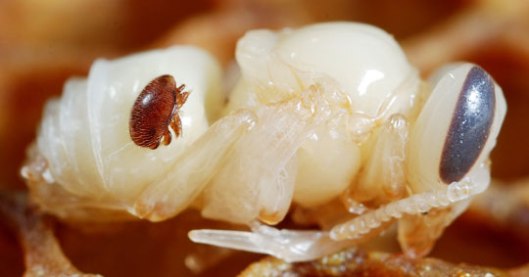
ere varroa_mites Varroa: your new nightmare…

I have been keeping bees now for seven years. In spite of taking courses, reading every book I could, keeping my eyes and ears open, and earning my Master Beekeeper designation, I have made every mistake I could.

Sometimes twice.

And I know more are out there waiting for me to make. Such is beekeeping!

We all have to do things in our own way and in our own time, but for what it is worth, here is what I wish I had known in my first year…

  1. It is easy to keep bees, but difficult to keep them well. For the first year or two, you will open that hive, probably with pounding heart and sweaty palms…and not have a clue what you are seeing. That is normal! Just ask a more experienced beekeeper to come look at your hive(s) with you and…

View original post 311 more words

Feel free to share this on:

  • Share on Facebook (Opens in new window) Facebook
  • Share on X (Opens in new window) X
  • Share on Pinterest (Opens in new window) Pinterest
  • Email a link to a friend (Opens in new window) Email
  • Share on LinkedIn (Opens in new window) LinkedIn
  • Share on Reddit (Opens in new window) Reddit
  • Share on Tumblr (Opens in new window) Tumblr
  • Print (Opens in new window) Print
  • Share on Telegram (Opens in new window) Telegram
  • Share on WhatsApp (Opens in new window) WhatsApp
Like Loading...

Honey and ginger remedy by Honey Hunter

25 Saturday Nov 2017

Posted by Beekeeping365 in beekeeping, honey recipe, recipe

≈ 1 Comment

Tags

cough, flu, ginger, home remedy, honey, honey recipe, opinion, recipe

If you are feeling under the weather then look no further than honey and ginger. This combo is an autumnal flu fighter and life enhancer. Other ingredients that I take in abundance this time of the year are garlic and turmeric. However, my love of honey remains enduring. Honey is a favourite, winter, spring, summer or…

Read full article here: Honey and ginger remedy — Honey Hunter

Feel free to share this on:

  • Share on Facebook (Opens in new window) Facebook
  • Share on X (Opens in new window) X
  • Share on Pinterest (Opens in new window) Pinterest
  • Email a link to a friend (Opens in new window) Email
  • Share on LinkedIn (Opens in new window) LinkedIn
  • Share on Reddit (Opens in new window) Reddit
  • Share on Tumblr (Opens in new window) Tumblr
  • Print (Opens in new window) Print
  • Share on Telegram (Opens in new window) Telegram
  • Share on WhatsApp (Opens in new window) WhatsApp
Like Loading...

AU BEES publishes paper on bee forage quality & pesticide contamination by Insect Pollination & Apiculture

03 Tuesday Oct 2017

Posted by Beekeeping365 in beekeeping, biology, honey bee biology

≈ Leave a comment

Tags

feeding bees, forage, honey bee biology, opinion

@AuburnAg‘s Bee Lab and biologists from @acadiauniversity recently published a paper in the journal Ecology & Evolution about the quality of food encountered by bees in agro-ecosystems.

Unsurprisingly, diet quality and pesticide exposure heavily depends on crop type!

Check out the full Open Access article here!

via AU BEES publishes paper on bee forage quality & pesticide contamination — Insect Pollination & Apiculture

Feel free to share this on:

  • Share on Facebook (Opens in new window) Facebook
  • Share on X (Opens in new window) X
  • Share on Pinterest (Opens in new window) Pinterest
  • Email a link to a friend (Opens in new window) Email
  • Share on LinkedIn (Opens in new window) LinkedIn
  • Share on Reddit (Opens in new window) Reddit
  • Share on Tumblr (Opens in new window) Tumblr
  • Print (Opens in new window) Print
  • Share on Telegram (Opens in new window) Telegram
  • Share on WhatsApp (Opens in new window) WhatsApp
Like Loading...

Some hives just do well.

16 Wednesday Aug 2017

Posted by Beekeeping365 in beekeeping, opinion

≈ Leave a comment

Tags

beekeeping, opinion

14184414_10208357532950771_7360031469166360857_n

I’m not feeding them! Can’t get those boxes off. Maybe by Fall…

Feel free to share this on:

  • Share on Facebook (Opens in new window) Facebook
  • Share on X (Opens in new window) X
  • Share on Pinterest (Opens in new window) Pinterest
  • Email a link to a friend (Opens in new window) Email
  • Share on LinkedIn (Opens in new window) LinkedIn
  • Share on Reddit (Opens in new window) Reddit
  • Share on Tumblr (Opens in new window) Tumblr
  • Print (Opens in new window) Print
  • Share on Telegram (Opens in new window) Telegram
  • Share on WhatsApp (Opens in new window) WhatsApp
Like Loading...

Is Beekeeping an Art or Science?

10 Tuesday Jan 2017

Posted by Beekeeping365 in beekeeping, education, opinion

≈ 2 Comments

Tags

beekeeping, education, opinion

Departing from the nuts and bolts of beekeeping, today’s post asks the reader to insert his or her own thoughts on the matter of beekeeping as an art, science, or both.

I came across this article while brainstorming some approaches to teaching newcomers to the world or beekeeping. I’ll leave my thoughts out of the matter for now and simply say the student may need to be cognizant to the approach taken in their instruction.

https://www.scotthyoung.com/blog/2016/04/19/art-v-science/

Feel free to share this on:

  • Share on Facebook (Opens in new window) Facebook
  • Share on X (Opens in new window) X
  • Share on Pinterest (Opens in new window) Pinterest
  • Email a link to a friend (Opens in new window) Email
  • Share on LinkedIn (Opens in new window) LinkedIn
  • Share on Reddit (Opens in new window) Reddit
  • Share on Tumblr (Opens in new window) Tumblr
  • Print (Opens in new window) Print
  • Share on Telegram (Opens in new window) Telegram
  • Share on WhatsApp (Opens in new window) WhatsApp
Like Loading...
Follow Beekeeping365 on WordPress.com

Enter your email address to follow this blog and receive notifications of new posts by email.

Calendar

October 2026
S M T W T F S
 123
45678910
11121314151617
18192021222324
25262728293031
« Sep    

Posts by Month:

  • October 2026 (15)
  • September 2026 (32)
  • August 2026 (6)
  • July 2026 (1)
  • May 2026 (2)
  • January 2026 (3)
  • July 2025 (1)
  • April 2024 (1)
  • July 2022 (1)
  • March 2022 (13)
  • February 2022 (17)
  • January 2022 (4)
  • December 2021 (4)
  • November 2021 (4)
  • August 2021 (11)
  • July 2021 (18)
  • June 2021 (5)
  • May 2021 (2)
  • April 2021 (9)
  • March 2021 (2)
  • February 2021 (5)
  • January 2021 (16)
  • December 2020 (15)
  • November 2020 (5)
  • October 2020 (2)
  • July 2020 (1)
  • February 2020 (1)
  • March 2019 (2)
  • February 2019 (4)
  • January 2019 (1)
  • December 2018 (10)
  • November 2018 (8)
  • October 2018 (13)
  • September 2018 (18)
  • August 2018 (3)
  • July 2018 (11)
  • June 2018 (27)
  • May 2018 (33)
  • April 2018 (20)
  • March 2018 (20)
  • February 2018 (12)
  • January 2018 (22)
  • December 2017 (18)
  • November 2017 (15)
  • October 2017 (19)
  • September 2017 (17)
  • August 2017 (21)
  • July 2017 (29)
  • June 2017 (28)
  • May 2017 (19)
  • April 2017 (17)
  • March 2017 (19)
  • February 2017 (12)
  • January 2017 (13)
  • December 2016 (5)

Posts by Categories:

  • absconding (1)
  • africanized honey bees (1)
  • apitherapy (1)
  • bee health (7)
  • bee law (2)
  • bee lining (2)
  • bee removals (2)
  • beekeeper (5)
  • beekeeper education (17)
  • beekeeping (604)
    • South Carolina (3)
  • beekeeping author (10)
  • beekeeping books (12)
  • beekeeping calendar (6)
  • beekeeping chores (9)
  • beekeeping equipment (23)
  • beekeeping history (48)
  • beekeeping management (35)
  • beekeeping pest management (8)
  • beekeeping seasons (26)
  • beekeeping vocabulary (15)
  • beeswax (11)
  • biography (5)
  • biology (12)
  • birthday (37)
  • birthdays (31)
  • book review (16)
  • breakfast (1)
  • calendar (6)
  • CCD (1)
  • chores (6)
  • comb (6)
  • comb honey (10)
  • commercial beekeeping (1)
  • cutouts (2)
  • dearth (4)
  • defensiveness (1)
  • diseases (9)
  • drawn comb (5)
  • ecology (4)
  • education (30)
  • equipment (21)
  • extracting (1)
  • fall nectar flow (1)
  • famous beekeepers (25)
  • feeding bees (8)
  • first blog entry (1)
  • folklore (1)
  • food (7)
  • forage (4)
  • hacks (3)
  • hive inspections (6)
  • hive placement (2)
  • hive products (6)
  • honey (85)
  • honey as food (22)
  • honey bee anatomy (3)
  • honey bee behavior (23)
  • honey bee biology (42)
  • honey bee genetics (4)
  • honey bee losses (1)
  • honey bee nutrition (1)
  • honey bee photos (6)
  • Honey Bee Research (1)
  • honey bee vocabulary (11)
  • honey bees (14)
  • honey judging (3)
  • honey recipe (65)
  • humor (13)
  • inspections (9)
  • journal (1)
  • log book (1)
  • making increase (3)
  • management (82)
  • mentoring (2)
  • mites (4)
  • national pollinator week (2)
  • nectar flow (6)
  • nomenclature (1)
  • opinion (5)
  • out yards (1)
  • outyards (2)
  • package bees (2)
  • pears (1)
  • pests (17)
  • plants for bees (3)
  • polish (1)
  • pollen (4)
  • pollination (11)
  • pollinators (7)
  • product review (1)
  • production (1)
  • products (3)
  • propolis (2)
  • queens (17)
  • raw honey (6)
  • recipe (88)
  • removals (1)
  • safety (3)
  • sales (2)
  • season (1)
  • seasons (21)
  • sideliner (1)
  • small hive beetles (1)
  • spring buildup (4)
  • state fair (2)
  • sustainable (8)
  • swarms (27)
  • ursurpation (1)
  • usurpation (1)
  • varroa (20)
  • varroa destructor (11)
  • varroa mites (23)
  • Winter (6)
  • winter solstice (2)
  • woodenware (3)
  • yellow jackets (2)

Sassafras Bee Farm on Facebook

Sassafras Bee Farm on Facebook

Posts I Like

  • What happens to beekeepers if… on Bad Beekeeping Blog
  • Honey Bee Hormones and Metamor… on The Beelistener
  • The “reverse outline”: a usefu… on Scientist Sees Squirrel

Sassafras Bee Farm

Sassafras Bee Farm

Recent Posts

  • It Always Starts with Assessment
  • Happy Birthday Jay J. Smith
  • Miracles by Walt Whitman
  • What Do You Know?
  • Fall Nectar Flow

Beekeeping365 on Facebook

Beekeeping365 on Facebook

Top Posts & Pages

  • Swarms
    Swarms
  • Waxing frame foundation - one of many winter tasks
    Waxing frame foundation - one of many winter tasks
  • The Importance of Swarm Control
    The Importance of Swarm Control

Blog Stats

  • 145,455 hits

Website Built with WordPress.com.

  • Subscribe Subscribed
    Beekeeping365
    Join 417 other subscribers

    Have a WordPress.com account? Log in now.

  • Beekeeping365
    View site in Reader
    Manage subscriptionsSign upLog in
    Report this content
    Collapse this bar
Loading Comments...
%d