• Sassafras Bee Farm
  • About
  • Contact

Beekeeping365

~ The more I studied beekeeping, the less I knew, until, finally, I knew nothing. But, even though I knew nothing, I still had plenty to unlearn. Charles Martin Simon

Beekeeping365

Category Archives: beekeeping

Honeybee Nectar Flow-Black Locust Trees

15 Monday May 2017

Posted by Beekeeping365 in beekeeping, nectar flow

≈ Leave a comment

Tags

beekeeping

Beekeepers, like farmers, still look outside in the natural world to gauge how to manage their honey crop. Black Locust blooming is a beekeeper sign to super up their hive for excess honey to harvest.

via Honeybee NectarFlow-Black Locust Trees — The Garden Diaries

Feel free to share this on:

  • Share on Facebook (Opens in new window) Facebook
  • Share on X (Opens in new window) X
  • Share on Pinterest (Opens in new window) Pinterest
  • Email a link to a friend (Opens in new window) Email
  • Share on LinkedIn (Opens in new window) LinkedIn
  • Share on Reddit (Opens in new window) Reddit
  • Share on Tumblr (Opens in new window) Tumblr
  • Print (Opens in new window) Print
  • Share on Telegram (Opens in new window) Telegram
  • Share on WhatsApp (Opens in new window) WhatsApp
Like Loading...

How the Varroa Mite Co-Opts Honey Bee Behaviors to Its Own Advantage

14 Sunday May 2017

Posted by Beekeeping365 in beekeeping, management, mites, pests, varroa mites

≈ 2 Comments

Tags

beekeeping, management, pests, varroa mites

As the managed honey bee industry continues to grapple with significant annual colony losses, the Varroa destructor mite is emerging as the leading culprit. And, it turns out, the very nature of modern beekeeping may be giving the parasite the exact conditions it needs to spread nearly beyond control. In an article published yesterday in […]

via How the Varroa Mite Co-Opts Honey Bee Behaviors to Its Own Advantage — Entomology Today

Feel free to share this on:

  • Share on Facebook (Opens in new window) Facebook
  • Share on X (Opens in new window) X
  • Share on Pinterest (Opens in new window) Pinterest
  • Email a link to a friend (Opens in new window) Email
  • Share on LinkedIn (Opens in new window) LinkedIn
  • Share on Reddit (Opens in new window) Reddit
  • Share on Tumblr (Opens in new window) Tumblr
  • Print (Opens in new window) Print
  • Share on Telegram (Opens in new window) Telegram
  • Share on WhatsApp (Opens in new window) WhatsApp
Like Loading...

Delia’s Spring Tonic

13 Saturday May 2017

Posted by Beekeeping365 in beekeeping, honey, recipe

≈ Leave a comment

Tags

beekeeping, honey, recipe

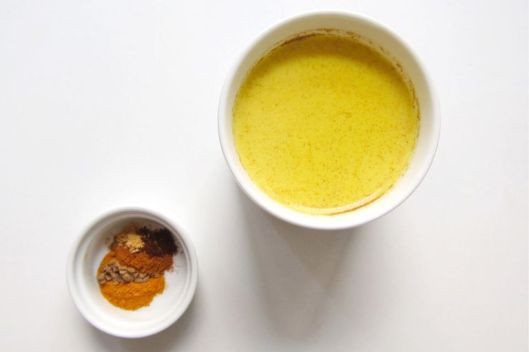
As I’ve been editing the third edition of The Body Rejuvenation Cleanse manual spring showed up here in north west New Jersey. I’ve been inspired by Traditional Chinese Medicine to honor spring as Liver/GallBladder time, which is ideal for detoxifying and strengthening the internal organ system. Doing The Body Rejuvenation Cleanse is a great way […]

via Spring Tonics — The Stone House Diaries

Feel free to share this on:

  • Share on Facebook (Opens in new window) Facebook
  • Share on X (Opens in new window) X
  • Share on Pinterest (Opens in new window) Pinterest
  • Email a link to a friend (Opens in new window) Email
  • Share on LinkedIn (Opens in new window) LinkedIn
  • Share on Reddit (Opens in new window) Reddit
  • Share on Tumblr (Opens in new window) Tumblr
  • Print (Opens in new window) Print
  • Share on Telegram (Opens in new window) Telegram
  • Share on WhatsApp (Opens in new window) WhatsApp
Like Loading...

Honey Bee Queens – NC Born & Bred

12 Friday May 2017

Posted by Beekeeping365 in beekeeping

≈ Leave a comment

Tags

beekeeping

I skipped town this weekend. There was a lot going on around the farm. We are smack in thimble of spring planting, the heavy spring nectar flow, house construction deadlines…. But I carelessly left town in pursuit of the elusive queen. Her royal highness of the hive, mama to all, queen big booty. Despite the 40,000-60,000 […]

continued here: NC Born & Bred — buck naked farm

Feel free to share this on:

  • Share on Facebook (Opens in new window) Facebook
  • Share on X (Opens in new window) X
  • Share on Pinterest (Opens in new window) Pinterest
  • Email a link to a friend (Opens in new window) Email
  • Share on LinkedIn (Opens in new window) LinkedIn
  • Share on Reddit (Opens in new window) Reddit
  • Share on Tumblr (Opens in new window) Tumblr
  • Print (Opens in new window) Print
  • Share on Telegram (Opens in new window) Telegram
  • Share on WhatsApp (Opens in new window) WhatsApp
Like Loading...

Caught in the Middle with Bees

10 Wednesday May 2017

Posted by Beekeeping365 in beekeeping

≈ 1 Comment

Tags

beekeeping

16195827_10209670861303159_2479865035683493353_n
16106028_10209670861343160_9132458070850574939_n

Starting out, the first two or three years, it seems easier, safer, and more financially prudent to simply buy queens from the association prior to making spring splits. If you have 2 or 3 hives that need splitting it’s not too costly and ensures a greater degree of success to buy the queens and make splits installing the purchased queens. It almost always results in a good outcome.

Then, if your bee fever grows, you start to have more colonies and at some point the check for those queens adds up to serious cash. Cash better saved for other beekeeping toys. Additionally, aren’t we suppose to be selecting breeding stock and rearing queens that survive our climate and the mites? Plus, allow me to drop that cool word, it’s “sustainable.”

I’ve been resistant to rearing my own queens for the past couple years although I know I should have been. I’m not quite sure if I’m just lazy, busy with other bee projects, afraid, or just not interested in queen rearing. But, at last, it’s time.

I’m not sure if my eyes are good enough anymore for grafting. I thought about buying some of those jeweler’s or watchmaker’s glasses. But then I’d also be buying more dedicated queen rearing equipment as well. Cell punching helps and I’m waiting for a friend to offer a class (hint) which may convince me to adopt his preferred method. Anyway, pretty much all the grafting methods neccessitate multiple boxes, transfers, more bee stuff and can be a bit pricey. Simplier (non grafting) equipment like the Nicot or Jenter systems are still a bit pricey.

On the other extreme is the walkaway split, making sure the queenless split has larvae of appropriate age and allowing the bees to make an emergency queen. Additional methods of cell crushing can be added to improve the outcome but making multiple walkaway splits is a bit scary too. I’m a little OCD and looking for a little more control and perhaps even better outcome.

So, remembering the low tech methods of our forefathers, and with a mind to keeping costs at a minimum, I decided on using one of the throwbacks like the Miller or Hopkins methods. A mentor once suggested the Hopkins method to me and it sounds easy enough and promises to raise more queens than I’ll need. Basically it involves taking a frame of appropriately aged larvae and placing it horizontally over a densely populated queenless split. It’s low risk as well, if all goes poorly, such as a sudden change in the weather, the worst that can happen is I re-unite that split with their parent colony. So that’s what I’ve decided to attempt this year. Another adventure in beekeeping! Here’s a picture of the 2″ shim I’ll be using to place the frame over the colony. Also a link to click on if you’re interested in reading more about the Hopkins method of queen rearing. http://beesource.com/point-of-view/jerry-hayes/the-hopkins-method-of-queen-rearing

Feel free to share this on:

  • Share on Facebook (Opens in new window) Facebook
  • Share on X (Opens in new window) X
  • Share on Pinterest (Opens in new window) Pinterest
  • Email a link to a friend (Opens in new window) Email
  • Share on LinkedIn (Opens in new window) LinkedIn
  • Share on Reddit (Opens in new window) Reddit
  • Share on Tumblr (Opens in new window) Tumblr
  • Print (Opens in new window) Print
  • Share on Telegram (Opens in new window) Telegram
  • Share on WhatsApp (Opens in new window) WhatsApp
Like Loading...

Hive tools by The Apiarist

08 Monday May 2017

Posted by Beekeeping365 in beekeeping, beekeeping equipment, equipment

≈ Leave a comment

Tags

beekeeping

170408-43-1-800x508

The Scottish philosopher wasn’t talking about beekeepers, but he might as well have been. The quotation goes on something like “Without tools he is nothing, with tools he is all”. Which pretty neatly sums up the beekeeper who has lost his hive tool in the long grass.

Conducting a full inspection without a hive tool is a a thankless task. You can’t crack the crownboard off (unless it’s a sheet of heavy-duty plastic), propolis acquires the adhesive properties of SuperGlue and your fingers become clumsy, fat, bee-squashing sausages as you try and prise the frames apart.

Read the full article at: Hive tools — The Apiarist

Feel free to share this on:

  • Share on Facebook (Opens in new window) Facebook
  • Share on X (Opens in new window) X
  • Share on Pinterest (Opens in new window) Pinterest
  • Email a link to a friend (Opens in new window) Email
  • Share on LinkedIn (Opens in new window) LinkedIn
  • Share on Reddit (Opens in new window) Reddit
  • Share on Tumblr (Opens in new window) Tumblr
  • Print (Opens in new window) Print
  • Share on Telegram (Opens in new window) Telegram
  • Share on WhatsApp (Opens in new window) WhatsApp
Like Loading...

In the Spring a Not-So-Young Woman’s Fancy Lightly Turns to Thoughts of Bees

07 Sunday May 2017

Posted by Beekeeping365 in beekeeping, beekeeping history, honey bee behavior, honey bee biology, season, seasons, swarms

≈ 1 Comment

Tags

beekeeping, beekeeping history, honey bee behavior, honey bee biology, seasons, swarms

A Facebook friend’s post this week told how a large honeybee swarm had taken up residence in an empty hive on his property. All on its own! He’d left the hive out all winter, “seasoning it with lemon grass every month,” (rubbing lemon grass into the wood), and the day before saw a scout bee […]

Continued here: In the Spring a Not-So-Young Woman’s Fancy Lightly Turns to Thoughts of Bees — florasforum

Feel free to share this on:

  • Share on Facebook (Opens in new window) Facebook
  • Share on X (Opens in new window) X
  • Share on Pinterest (Opens in new window) Pinterest
  • Email a link to a friend (Opens in new window) Email
  • Share on LinkedIn (Opens in new window) LinkedIn
  • Share on Reddit (Opens in new window) Reddit
  • Share on Tumblr (Opens in new window) Tumblr
  • Print (Opens in new window) Print
  • Share on Telegram (Opens in new window) Telegram
  • Share on WhatsApp (Opens in new window) WhatsApp
Like Loading...

Quinoa Apple Porridge

06 Saturday May 2017

Posted by Beekeeping365 in beekeeping, honey, recipe

≈ Leave a comment

Tags

beekeeping, honey, recipe

ingredients: 50g quinoa, ca. 150ml alpro coconut drink (click here for details), apple, some honey and cinnamon directions: – rinse quinoa well with hot water in a fine-mesh strainer because the seeds are very tiny – bring quinoa and coconut drink to a boil and let it simmer for about 15 minutes – cut the […]

via Quinoa Apple Porridge — kattygee

Feel free to share this on:

  • Share on Facebook (Opens in new window) Facebook
  • Share on X (Opens in new window) X
  • Share on Pinterest (Opens in new window) Pinterest
  • Email a link to a friend (Opens in new window) Email
  • Share on LinkedIn (Opens in new window) LinkedIn
  • Share on Reddit (Opens in new window) Reddit
  • Share on Tumblr (Opens in new window) Tumblr
  • Print (Opens in new window) Print
  • Share on Telegram (Opens in new window) Telegram
  • Share on WhatsApp (Opens in new window) WhatsApp
Like Loading...

Hive Inspection Logs

04 Thursday May 2017

Posted by Beekeeping365 in beekeeping, hive inspections, inspections, management

≈ Leave a comment

Tags

beekeeping, management

Hive inspection is not only fun, but necessary! Once you reach a certain number of hives, it is almost impossible to remember what hive was in what shape. I have seen people use colored tags on hives to indicate the need to add supers or to feed. I have seen people scribble in notepads. I […]

via Hive Inspection Logs —

Feel free to share this on:

  • Share on Facebook (Opens in new window) Facebook
  • Share on X (Opens in new window) X
  • Share on Pinterest (Opens in new window) Pinterest
  • Email a link to a friend (Opens in new window) Email
  • Share on LinkedIn (Opens in new window) LinkedIn
  • Share on Reddit (Opens in new window) Reddit
  • Share on Tumblr (Opens in new window) Tumblr
  • Print (Opens in new window) Print
  • Share on Telegram (Opens in new window) Telegram
  • Share on WhatsApp (Opens in new window) WhatsApp
Like Loading...

Wax moths – an unlikely environmental hero.

03 Wednesday May 2017

Posted by Beekeeping365 in beekeeping, pests

≈ Leave a comment

Tags

beekeeping, pests

Wax moths have been one of my biggest challenges as a beekeeper, they’ve caught me out a fair few times. In my first season I listened to some advice that moths weren’t attracted to honey supers because they didn’t have the scent of broad in. That cost me stack of supers. Last year I…

via Wax moths – an unlikely environmental hero. — The Beehive Jive

Feel free to share this on:

  • Share on Facebook (Opens in new window) Facebook
  • Share on X (Opens in new window) X
  • Share on Pinterest (Opens in new window) Pinterest
  • Email a link to a friend (Opens in new window) Email
  • Share on LinkedIn (Opens in new window) LinkedIn
  • Share on Reddit (Opens in new window) Reddit
  • Share on Tumblr (Opens in new window) Tumblr
  • Print (Opens in new window) Print
  • Share on Telegram (Opens in new window) Telegram
  • Share on WhatsApp (Opens in new window) WhatsApp
Like Loading...

Honey Yeast Rolls with Brown Sugar Cinnamon Butter

29 Saturday Apr 2017

Posted by Beekeeping365 in beekeeping, honey, recipe

≈ Leave a comment

Tags

beekeeping, honey, recipe

I’ve written elsewhere expressing my opinion of the public school system’s move away from home made yeast rolls and real butter. Seems the newer system of healthier meals has had the unintended consequences of kids throwing away most of their school lunches. My opinion is simple – feed the kids. No fees, no hassles, just eat real food. And, in my school days of long ago that comes down to yeast rolls and butter.

We had a big group over for Easter yesterday, so of course I cooked a lot. I’m still getting the hang of coming up with my own bread recipes, and I didn’t want to risk an experiment with a big crowd. So, I used this recipe for honey yeast rolls from Southern Living. These rolls […]

via Honey Yeast Rolls with Brown Sugar Cinnamon Butter — Sarah’s Bites

Feel free to share this on:

  • Share on Facebook (Opens in new window) Facebook
  • Share on X (Opens in new window) X
  • Share on Pinterest (Opens in new window) Pinterest
  • Email a link to a friend (Opens in new window) Email
  • Share on LinkedIn (Opens in new window) LinkedIn
  • Share on Reddit (Opens in new window) Reddit
  • Share on Tumblr (Opens in new window) Tumblr
  • Print (Opens in new window) Print
  • Share on Telegram (Opens in new window) Telegram
  • Share on WhatsApp (Opens in new window) WhatsApp
Like Loading...

I Was Tricked Into Becoming a Beekeeper

28 Friday Apr 2017

Posted by Beekeeping365 in beekeeping

≈ Leave a comment

Tags

beekeeping

The truth is – although I’ve always loved bees, I never really thought I’d become a beekeeper. Here’s how that changed pretty quickly.

via I Was Tricked Into Becoming a Beekeeper — Prime Bees – College Station Bee & Honey Farm

Feel free to share this on:

  • Share on Facebook (Opens in new window) Facebook
  • Share on X (Opens in new window) X
  • Share on Pinterest (Opens in new window) Pinterest
  • Email a link to a friend (Opens in new window) Email
  • Share on LinkedIn (Opens in new window) LinkedIn
  • Share on Reddit (Opens in new window) Reddit
  • Share on Tumblr (Opens in new window) Tumblr
  • Print (Opens in new window) Print
  • Share on Telegram (Opens in new window) Telegram
  • Share on WhatsApp (Opens in new window) WhatsApp
Like Loading...

World’s Sweetest Honey

27 Thursday Apr 2017

Posted by Beekeeping365 in beekeeping

≈ Leave a comment

Tags

beekeeping

The April 2017 issue of the world’s best bee magazine (American Bee Journal) published a piece written by your favourite bee-blogger (me). My article is called America’s Sweetest Honey. In it, I describe why honey from different flowers tastes different. Ultimately, I show that some honey is sweeter than other varieties. With that in mind, […]

via World’s Sweetest Honey — Bad Beekeeping Blog

Feel free to share this on:

  • Share on Facebook (Opens in new window) Facebook
  • Share on X (Opens in new window) X
  • Share on Pinterest (Opens in new window) Pinterest
  • Email a link to a friend (Opens in new window) Email
  • Share on LinkedIn (Opens in new window) LinkedIn
  • Share on Reddit (Opens in new window) Reddit
  • Share on Tumblr (Opens in new window) Tumblr
  • Print (Opens in new window) Print
  • Share on Telegram (Opens in new window) Telegram
  • Share on WhatsApp (Opens in new window) WhatsApp
Like Loading...

Great hives from little nucs grow

26 Wednesday Apr 2017

Posted by Beekeeping365 in beekeeping, beekeeping calendar, beekeeping seasons, calendar, management, seasons

≈ Leave a comment

Tags

beekeeping, management, seasons

We have had a few weeks of spring lately, with the air full of pollen and the bees going crazy. Rain and cool weather returned this weekend, so I am not able to work outside. I am instead sitting inside and writing this early spring update. A year will come when I feel that my […]

via Great hives from little nucs grow — Bees with eeb

Feel free to share this on:

  • Share on Facebook (Opens in new window) Facebook
  • Share on X (Opens in new window) X
  • Share on Pinterest (Opens in new window) Pinterest
  • Email a link to a friend (Opens in new window) Email
  • Share on LinkedIn (Opens in new window) LinkedIn
  • Share on Reddit (Opens in new window) Reddit
  • Share on Tumblr (Opens in new window) Tumblr
  • Print (Opens in new window) Print
  • Share on Telegram (Opens in new window) Telegram
  • Share on WhatsApp (Opens in new window) WhatsApp
Like Loading...

Colony Swarms

23 Sunday Apr 2017

Posted by Beekeeping365 in beekeeping

≈ Leave a comment

Tags

beekeeping

“The Swarm” was a 1978 movie with an all-star cast about a swarm of killer bees out to destroy humanity. This classic B-movie is the epitome of most peoples understanding of honey bee behavior and swarming. I have heard countless tales of people scared silly over a swarm of bees, when actually a swarm is […]

via Colony Swarms —

Feel free to share this on:

  • Share on Facebook (Opens in new window) Facebook
  • Share on X (Opens in new window) X
  • Share on Pinterest (Opens in new window) Pinterest
  • Email a link to a friend (Opens in new window) Email
  • Share on LinkedIn (Opens in new window) LinkedIn
  • Share on Reddit (Opens in new window) Reddit
  • Share on Tumblr (Opens in new window) Tumblr
  • Print (Opens in new window) Print
  • Share on Telegram (Opens in new window) Telegram
  • Share on WhatsApp (Opens in new window) WhatsApp
Like Loading...

Spring-inspired Quinoa Salad

22 Saturday Apr 2017

Posted by Beekeeping365 in beekeeping, honey, recipe

≈ 1 Comment

Tags

beekeeping, honey, recipe

Spring is here! the beautiful flowers and trees blooming, the smells and aromas, the birds singing in the morning….And what I love the most about spring is the abundance of new market produce, when I think of this part of the year my mind goes straight to fresh peas, asparagus, broadbeans, small potatoes, strawberries, herbs, […]

via Spring-inspired Quinoa Salad — Amber Bewick

Feel free to share this on:

  • Share on Facebook (Opens in new window) Facebook
  • Share on X (Opens in new window) X
  • Share on Pinterest (Opens in new window) Pinterest
  • Email a link to a friend (Opens in new window) Email
  • Share on LinkedIn (Opens in new window) LinkedIn
  • Share on Reddit (Opens in new window) Reddit
  • Share on Tumblr (Opens in new window) Tumblr
  • Print (Opens in new window) Print
  • Share on Telegram (Opens in new window) Telegram
  • Share on WhatsApp (Opens in new window) WhatsApp
Like Loading...

Watering Your Bees

21 Friday Apr 2017

Posted by Beekeeping365 in beekeeping, management

≈ Leave a comment

Tags

beekeeping, management

Bees need water! It’s not so much of an issue now in the spring, but in the heat of summer you don’t want them visiting your neighbors’ swimming pools and bird baths. Not everyone is fond of them!

It’s instinctual for us to want to provide clean, fresh water for our pets and livestock, but bees don’t like it that way. For whatever reason, they seem to prefer stagnant water full of debris that has been sitting around for as long as possible. Perhaps that makes it easier to smell?

We do know why they appreciate debris, it’s so they can get a drink without drowning. A perfect solution to your thirsty bee problem is a bowl full of pebbles, moss and leaves, woodchips, or a combination of the above. It’s a good idea to get it in place now so the bees can learn where it is by the time they really need it. If you leave it in a place where rainwater can replenish it, all the better.

Source: Watering Your Bees — Abernathy’s Rabbitry

Feel free to share this on:

  • Share on Facebook (Opens in new window) Facebook
  • Share on X (Opens in new window) X
  • Share on Pinterest (Opens in new window) Pinterest
  • Email a link to a friend (Opens in new window) Email
  • Share on LinkedIn (Opens in new window) LinkedIn
  • Share on Reddit (Opens in new window) Reddit
  • Share on Tumblr (Opens in new window) Tumblr
  • Print (Opens in new window) Print
  • Share on Telegram (Opens in new window) Telegram
  • Share on WhatsApp (Opens in new window) WhatsApp
Like Loading...

Mite-Resistant Russian Honey Bees Might Not Prevent Varroa Infestations

19 Wednesday Apr 2017

Posted by Beekeeping365 in beekeeping, honey bee biology, varroa, varroa mites

≈ 1 Comment

Tags

beekeeping, honey bee biology, varroa mites

By Meredith Swett Walker Imagine a parasite about the size of a grapefruit, and it’s latched onto your back where you just can’t reach it. Now imagine that parasite is sucking your blood and that its cronies are reproducing rapidly in your home and attacking your family. This horrifying scenario is essentially what the mite […]

via Mite-Resistant Russian Honey Bees Might Not Prevent Varroa Infestations — Entomology Today

Feel free to share this on:

  • Share on Facebook (Opens in new window) Facebook
  • Share on X (Opens in new window) X
  • Share on Pinterest (Opens in new window) Pinterest
  • Email a link to a friend (Opens in new window) Email
  • Share on LinkedIn (Opens in new window) LinkedIn
  • Share on Reddit (Opens in new window) Reddit
  • Share on Tumblr (Opens in new window) Tumblr
  • Print (Opens in new window) Print
  • Share on Telegram (Opens in new window) Telegram
  • Share on WhatsApp (Opens in new window) WhatsApp
Like Loading...

Honey Garlic Butter Salmon In Foil

15 Saturday Apr 2017

Posted by Beekeeping365 in beekeeping, honey, recipe

≈ Leave a comment

Tags

beekeeping, honey, recipe

Haughton Honey‏ @HaughtonHoney Mar 27 Honey Garlic Butter Salmon In Foil – ready in under 20 minutes and so simple to make! http://ow.ly/Tptl309D24A #honey #salmon

via Honey Garlic Butter Salmon In Foil — Foodaware

Feel free to share this on:

  • Share on Facebook (Opens in new window) Facebook
  • Share on X (Opens in new window) X
  • Share on Pinterest (Opens in new window) Pinterest
  • Email a link to a friend (Opens in new window) Email
  • Share on LinkedIn (Opens in new window) LinkedIn
  • Share on Reddit (Opens in new window) Reddit
  • Share on Tumblr (Opens in new window) Tumblr
  • Print (Opens in new window) Print
  • Share on Telegram (Opens in new window) Telegram
  • Share on WhatsApp (Opens in new window) WhatsApp
Like Loading...

A Neuroscientist’s Approach to Entomology

10 Monday Apr 2017

Posted by Beekeeping365 in beekeeping, education, honey bee biology

≈ Leave a comment

Tags

beekeeping, education, honey bee biology

By Constance Lin Varroa mites, pathogens, or climate change? What exactly causes the honey bee Colony Collapse Disorder (CCD)? Honey bees (Apis mellifera) offer us critical pollination services. In the United Kingdom, for instance, data from the British Beekeepers Association estimates that approximately one-third of the nation’s food supply is dependent on pollination, and more […]

via A Neuroscientist’s Approach to Entomology — Entomology Today

Feel free to share this on:

  • Share on Facebook (Opens in new window) Facebook
  • Share on X (Opens in new window) X
  • Share on Pinterest (Opens in new window) Pinterest
  • Email a link to a friend (Opens in new window) Email
  • Share on LinkedIn (Opens in new window) LinkedIn
  • Share on Reddit (Opens in new window) Reddit
  • Share on Tumblr (Opens in new window) Tumblr
  • Print (Opens in new window) Print
  • Share on Telegram (Opens in new window) Telegram
  • Share on WhatsApp (Opens in new window) WhatsApp
Like Loading...

Upper Entrances Revisited

09 Sunday Apr 2017

Posted by Beekeeping365 in beekeeping, beekeeping equipment, equipment

≈ Leave a comment

Tags

beekeeping

Here are a few more pictures with dimensions for building the upper entrances previously blogged here. Based on the George Imirie idea that an upper entrance would increase honey production, this is a slight improvement in design with a reduction of spacing between boxes to 3/8″. The bees take to them readily after a short period of discovery. Other benefits may include increased ventilation, less brood box congestion, less travel stain, and increased hive efficiency at removing nectar moisture. Enjoy!

13346706_10207692915495750_2725941012441185888_n
17458085_10210263468757975_9078542243212581731_n
17626382_10210263469597996_154388946525573733_n
17629767_10210263471598046_4373555415412464320_n
17630037_10210263470518019_7472918445709897056_n
17458069_10210263470838027_5211419856588459311_n
17626109_10210263470198011_769635262191779770_n

Feel free to share this on:

  • Share on Facebook (Opens in new window) Facebook
  • Share on X (Opens in new window) X
  • Share on Pinterest (Opens in new window) Pinterest
  • Email a link to a friend (Opens in new window) Email
  • Share on LinkedIn (Opens in new window) LinkedIn
  • Share on Reddit (Opens in new window) Reddit
  • Share on Tumblr (Opens in new window) Tumblr
  • Print (Opens in new window) Print
  • Share on Telegram (Opens in new window) Telegram
  • Share on WhatsApp (Opens in new window) WhatsApp
Like Loading...

Pliny The Elder’s Fire Roasted Pork

08 Saturday Apr 2017

Posted by Beekeeping365 in beekeeping, honey, recipe

≈ Leave a comment

Tags

beekeeping, honey, recipe

Source: Pliny The Elder’s Fire Roasted Pork

Pliny The Elder’s Fire Roasted Pork

By Eric Johnson February 15, 2017 Recipe

Processed with VSCOcam with 4 preset

Pliny the Elder was a Roman admiral, a historian, a naturalist and a lover of good food. While visiting in India, he learned a secret of beekeeping; one he believed would elevate him to live in history. In 78 AD, the vineyards across the land produced grapes that were to make the best wine in all of Rome.

He combined wine, his secret honey and precious herbs from a field where a thousand Spartans were slain. By doing this, he created a marinade so powerful, so delicious that the mere scent of it wetted a hunger of Herculean proportions to anyone who passed by. Now, all Pliny needed was a heat great enough to sear the meat, heat as powerful as the marinade itself. Believing that no common cooking fire was capable he set sail for Rome. The forges of the greatest army in history would serve his needs.

As soon as his skiff was moored he sacrificed a swine to Vulcan on the docks, and submerged it into his marinade. Covered in blood, he went to the nearest bath house to pass the time for twenty-four hours and prepare for the glorious feast.

Touched by Bacchus, Pliny woke in a puddle of olive oil. His head pounded and his feet puckered. Kind hearted Attilius the gladiator helped him to the forges.

Fabricius, the sword maker, was happy to help when he was told of Pliny’s desire, he was hungry too. He cracked his whip, driving his slaves into action and the bellows bloomed. When the hairs of Pliny’s chin curled from heat, he deemed the fire ready and motioned the slaves to cook. A pleasurable aroma rose as the honey and wine caramelized, but something wasn’t right.

Fabricius, sensing Pliny’s worry, whipped the slaves to work the fires hotter, and hotter. Pliny nodded, becoming at ease, and soon the swine was ready. He sliced deep into the flesh separating the tender and sank his teeth in. The slaves feasted proclaiming it as the best they had ever eaten, but it was not to his satisfaction.

When word came of smoke from the great mountain was on the horizon. Vulcan had answered his prayers. Pliny knew what to do. Sailing south to Pompeii the fire was sure to be hot enough.

Historians think of Pliny the Elder as the organizer of the evacuation of Pompeii, but in truth, he didn’t want anyone to know of his latest culinary discovery until he had tested his theory of heat. All naturalists are in tune with nature, and Pliny knew the best hot spot was to roast his pork in the depths of Vesuvius. Lava was the missing element from his culinary perfection.

During the eruption and the lava was covering Pompeii, Pliny had a chance to use the best coals around.

Marinade
2 cups honey
1 onion
1 bottle red wine- half for the cook and half for the loin.
1 bunch of fresh oregano
Trim the pork loin and set the aside. Smash the fresh oregano with the flat of your knife and combine the onion, wine, and honey with the oregano. Mix it well. Marinade the pork overnight. Cook on a hot fire to sear and partially char.

R.E.C.I.P.E.S
Pliny the Elder died August 79 AD during the eruption of Mt. Vesuvius while perfecting his recipe. His secret lost forever until now.

5 lbs. tenderloin.

If you enjoyed this story and recipe check out my cookbook. Because there are no other cookbooks like it. amzn.to/2lc4liC

Source: Pliny The Elder’s Fire Roasted Pork

Feel free to share this on:

  • Share on Facebook (Opens in new window) Facebook
  • Share on X (Opens in new window) X
  • Share on Pinterest (Opens in new window) Pinterest
  • Email a link to a friend (Opens in new window) Email
  • Share on LinkedIn (Opens in new window) LinkedIn
  • Share on Reddit (Opens in new window) Reddit
  • Share on Tumblr (Opens in new window) Tumblr
  • Print (Opens in new window) Print
  • Share on Telegram (Opens in new window) Telegram
  • Share on WhatsApp (Opens in new window) WhatsApp
Like Loading...

Swarm Traps – baiting and staging

07 Friday Apr 2017

Posted by Beekeeping365 in beekeeping, management, swarms

≈ 1 Comment

Tags

beekeeping, management, swarms

Hanging Traps All but 6 traps have been baited and staged, out of the way. You might be wondering, “why so early?” Bees won’t be swarming yet in Indiana. To that I’d say you are right, but there are TWO good reasons to get traps baited and staged a little early. Much of what you read…

via Swarm Traps – baiting and staging — LetMBee Blog

Feel free to share this on:

  • Share on Facebook (Opens in new window) Facebook
  • Share on X (Opens in new window) X
  • Share on Pinterest (Opens in new window) Pinterest
  • Email a link to a friend (Opens in new window) Email
  • Share on LinkedIn (Opens in new window) LinkedIn
  • Share on Reddit (Opens in new window) Reddit
  • Share on Tumblr (Opens in new window) Tumblr
  • Print (Opens in new window) Print
  • Share on Telegram (Opens in new window) Telegram
  • Share on WhatsApp (Opens in new window) WhatsApp
Like Loading...

Observing Honey Bee Behavior

06 Thursday Apr 2017

Posted by Beekeeping365 in beekeeping

≈ Leave a comment

Tags

beekeeping

I found, during my first year of beekeeping, that simply observing the bees was the most pleasurable of all my interactions with them. I did the inspections and observed them inside the hive as well, but simply spending time watching their behavior from a chair placed a short distance away allowed me to connect the inside with the outside. It’s not a replacement for hive inspections but adds yet another assessment method to your toolbox.

Source: At the Hive Entrance: Look, Listen, Learn

By Susan Chernak McElroy

Watching my bees enter their new hive. Oooh! There's the queen!

Most everything I need to know about my bees, I learn by sitting in front of my hives. Armed with an old stethoscope and a magnifying glass, I can be found on most summer afternoons sitting at the hive entry boards, spell-bound. In fact, I have chairs or stools stationed all around my bee yard. Sometimes, I bring a large jug of ice-tea and a book or magazine to read while the bees buzz in soft amber clouds around me.

I don’t consider this idle time, although it may look like it to the casual observer. I have read that if you are not getting into your hives at least every two weeks to do inspections, you are a poor beekeeper, or worse: a bee “haver.” However, my hours of observation time are my primary method of hive inspection, and I find the most of the information I need without the need for suiting up, lighting smokers, or disrupting the hard work of the hive.

My bee mentor, Jacqueline Freeman (www.spiritbee.com) calls this “Putting in your thousand hours—” not a thousand hours inside the hive, but observing the hive from the outside as you sit beside your bees patiently, over many months. In the beginning of my beekeeping seasons, I was a patient observer mostly because I was keeping three Warre’ hives. There were no viewing windows on the hives, and once a Warre’ begins building up, removing single combs is major surgical event for the bees, so I had to restrict my inspections to whatever I could see on the landing board. It was an education that has served me and my bees well. With viewing windows on my hives now, I feel like I am in bee observation heaven.

So, what can you learn from sitting at the hive?

Do I Have a Queen?

This is something everyone who catches a swarm of bees will be wondering over their first month or two with the bees. I’ve seen queens entering a new hive often this year since I switched over to walking the bees into the hive rather than dumping them in. As my eyes adjust to the movement of thousands of humming, fanning bees marching up a covered plank into their new home, I’ve been blessed to see the tell-tale long abdomen of royalty, hurrying up the ramp with her escorts clustered around—and sometimes on top of—her.

Which bee is not like the others? A queen and her court dash into a barrel hive.

If you are not lucky enough to see a queen on the ramp, looking for her inside the hive is a major disruption of the new colony, and can quickly convince them all to leave and find a home where foul-smelling giants with fat fingers do not go bumbling through the fragile new white combs. Bees do not welcome your inspections, which to them are invasions. Trust me on this. They will let you know with stings and head bumps when you have overextended your welcome. For some hives, just opening up the lid is overextending your welcome on some days.

So how can you know that you have a mated, working queen? With some practiced observation, you can see all you need to know at the hive entrance, or from your viewing window. This is what bees with healthy, mated queens do:

  • They bring in pollen as soon as they get a few wax combs built, usually within three to five days.
  • Wax building is strong and steady.
  • They move in a steady, purposeful way both from and to the hive.
  • There is busy activity on the landing board with bees guarding, cleaning, collecting nectar and pollen from returning bees, and carrying out hive detritus.
  • The sound of the hive is a smooth and steady hum. If you tap on the side, there will be a very short burst of louder humming that will immediately drop off to a normal hum state.
    Hive numbers will drop, then slowly begin to rise.
  • Anywhere from a month to two months, you will begin seeing lovely clouds of bees spiraling slowly in front of the hive as new foragers set their inner GPS tracking chips in preparation for heading out into the field.
  • From the viewing window, you will learn to identify the look of new, sealed brood comb

In contrast, this is what you may see and hear if your hive is queenless:

  • Little pollen coming into the hive.
  • Bees milling about aimlessly on the entry board.
  • If you rap briefly on the hive, the bees will answer with a droning tone that slowly tapers off.
  • Not many bees come and go, and those that do don’t move with purpose. Purpose is something you identify only by watching hives over time.

This year, I started six new colonies from swarms. All but one were blessed with strong, successful queens. One was not. I merged that hive with another queen-right hive. All of these decisions I made were based only on what I could see from the entry boards and the viewing windows.

What’s Going On In There?

Are your bees building up well, or just hanging on? Are they attracting robbers? Are they weak in some way? Are they getting ready to swarm? Most of these answers are literally right in front of your nose. A strong hive shows increasing numbers of bees coming and going. Sometimes the landing boards in mid-summer look like a subway platform at rush hour.

These bearding girls swarmed later in the week.

Do you notice your hive bearding, that is, hanging in a dense clump from the front of the hive like a…well…beard? Your hive may be telling you that they are evaporating a lot of nectar in the hive and all superfluous bees need to hang outside for the time being. Or they might be preparing to swarm, depending on the time of the year. Sometimes in very hot weather, the bees will chill out on the landing board in a big beard.

If I see lots of fanning bees on the entry board, along with the bearders, I know honey is being processed. If I see rushing bees knocking hard into the bees in the beard, or jumping on their shoulders and shaking them, I know a swarm is about to take flight and soon!

Honey fanners: Their tails are pointed down.

Do you wonder if your bees have mites? If they are bearding, just look at them through a magnifying glass. It is simple to see mites that way. Actually, you don’t  even need the magnifying glass. I can see mites on bees as they are coming or going from the hive. Sometimes, I’ll grab the mitey bee, pull the mite off, and let her go. It’s a small triumph, I agree, but it’s satisfying, nonetheless.

Do your bees “washboard,” moving forward and back in rows, using their feet to “wipe” the hive? No one knows what this really means, but I’ve also seen bees do this inside the hive from the viewing windows, and it is thought to be an indicator of a strong hive.

One of my hives attempting to eradicate mites by tossing out mite-weakened drones and drone pupae. I found hundreds of these on the floor by the hive over a period of a week last spring.

Do you have hygienic bees? This is all the rage right now: Bees who clean mites from themselves, each other, and remove mite-infested larvae. You may see your bees vigorously nibbling between the body creases of returning foragers, or see bees pulling out “purple eyed” pupae—immature bees that have white bodies and purple eyes—and tossing them off the landing board.

Do you see bees balling up and fighting on the landing board, or hear high-pitched, agitated buzzing with bees scurrying up the sides and face of your hive? This is a clear sign of robbing—stranger bees swooping in to steal honey from your bees.

Nasonov fanners: Tails pointed up/out, and tiny white gland evident at their tail end.

Do you see many nasonov fanning bees on the landing board—bees with their tails hiked high in the air exposing the small, whitefish nasonov gland at the end of their abdomen? If you have a hive with a virgin queen, the bees will often send out a cadre of nasonov fanners to guide their young queen home from her mating flights.

If you are at the hive at the right moment, you may even get to see the ancient, yearly ritual of bees expelling their drones for the season—a melancholy time for me. It means my bee year is coming to a close. And it is hard to watch those fuzzy, clumsy drones get pushed out of the hive by the hundreds.

One of my favorite sights on the landing boards of my hives is the honey-kiss—two bees exchanging nectar, proboscises extending, antennae touching gently and excitedly.

Three Warre' hives...and a short green stool.

So, do I ever go into my hives? Certainly, but not as often as you might think necessary. To be honest, I only enter my hives a few times a year. And I find that to be plenty. Each time you enter a hive, you run the risk of injuring the queen. You upset the temperature balance in the hive, a balance critical to the development of the young bees. In cracking open the hive, you also break the propolis seal—that sticky red/brown stuff that is the external immune system of the bees—and allow the entry of pathogens. I have read that it takes bees two to four days to put their hive back in order after an inspection. I don’t want to make my bees spend their short, precious summer days having to repair the damage I’ve done by poking around in their sacred space.

On my knees "conversating" with my bees.

Thankfully, I rarely need to. Am I a beekeeper or a bee haver? I like to identify as both. There is something to be said for meddling less in the complex daily life of the bees. Through patient observation, I am coming to trust the bees’ innate good sense and ancient wisdom more as the years go by. I learn a lot from good beekeepers, but I learn most sitting at the feet of my good bees.

Source: At the Hive Entrance: Look, Listen, Learn

Feel free to share this on:

  • Share on Facebook (Opens in new window) Facebook
  • Share on X (Opens in new window) X
  • Share on Pinterest (Opens in new window) Pinterest
  • Email a link to a friend (Opens in new window) Email
  • Share on LinkedIn (Opens in new window) LinkedIn
  • Share on Reddit (Opens in new window) Reddit
  • Share on Tumblr (Opens in new window) Tumblr
  • Print (Opens in new window) Print
  • Share on Telegram (Opens in new window) Telegram
  • Share on WhatsApp (Opens in new window) WhatsApp
Like Loading...

Swarm Trapping on the Survival Podcast

03 Monday Apr 2017

Posted by Beekeeping365 in beekeeping, honey bee behavior, swarms

≈ Leave a comment

Tags

beekeeping, honey bee behavior, swarms

Source: Swarm Trapping on the Survival Podcast – air date 9/31/2013 — LetMBee Blog

by Jason

Swarm Season is approaching in the Northern Hemisphere, I can see that interest in the subject is growing from my Stats.  In the coming weeks I will be talking about some podcasts I have been on about Bees.  They will be posted in chronological order.  If you have some time and want to hear about trapping and treatment-free beekeeping give them a listen.

The Survival Podcast Episode – 1217 – On Capturing Wild Swarms
Air Date 9/31/2013

Episode-1217- Jason Bruns on Capturing Wild Swarms


In this podcast from 2013 I had been trapping for only a couple years.  I can hear the lack of confidence in some of my responses, but others surprised me with how inspired I had already become with trapping and observing the resulting colonies grow and become productive.  Several times, Jack questioned as to why I was doing different things.  This was was particularly true when asking about placing traps near known bee trees.  The reason I was doing it was because I didn’t know what would happen.  The experiments I was working on at that time led me to the methods I am currently using.

Some of the practices I was using then have changed.  Other more productive practices have been picked up through observation.  Of specific note in this podcast:  I currently recommend you literally place swarm traps, anywhere you can.  You never know what’s going to happen.  I have been capturing hardy stock at established yards repeatedly now for a couple years.  At the time of this recording I had never observed this behavior.  If you have a hive-stand and it’s not full of active colonies there should be a baited hive body setting there.  If you find productive lines of bees that overwinter well and swarm back to the hive stand it is a great way to increase your number of colonies.

Jack tripped me up a little while discussing trapping in locations with Africanized honeybees.  I still have no direct experience with AHB, but feel confident that honeybees can be safely captured where both are living.  After trap occupation they should be evaluated for aggression.  A larger trap volume is theorized to be preferred by European Honeybees.  If you live in a location known to have AHB use traps of at least 31 LITERS and make sure they are bee tight.  Standard Langstroth deeps are slightly larger than 40 liters and are a great resource as a starting material for swarm traps.

I have communicated with hundreds of people trapping bees in AHB areas over the years since this was recorded.  I have received no reports of individuals catching bees in traps that were too aggressive to work.  The bees are reported as “hotter” than those typically purchased as packages, but they DON’T DIE.  Bees living a feral existence are not bred for docility.  I will take bees that require a veil, gloves and smoke to dead bees, so I feel I can tolerate “some” expression of guard behavior.

If captured bees display an unacceptable level of aggression a couple avenues are available.  Perhaps another beekeeper in your area would be willing to take them.  If they have secluded bee yards perhaps they could be left alone to be productive.  If they are too aggressive for you or give away they should be SELECTED AGAINST and destroyed.  Luckily I’ve never felt the need to do this.  I would recommend it be done in the trap using a method that did not use chemicals.  When evaluating CATCHES, observe the level of aggression.  If they do not meet your criteria they can at least be shut into the trap and disposed of.  Then get to catching more bees.

Jack’s show, The Survival Podcast is a daily mix of practical knowledge about steps that can be taken to create a stable fulfilling life in today’s world.  Many of these seemingly different topics have aided at different times in my beekeepin experience.  Jack introduced me to the design science of Permaculture, which led me to Swarm Trapping.  Visualizing a dead colony of bees as a resource instead of as a direct loss, and turning a “waste product” into more bees came from reading about Permaculture.  I highly recommend the show and think listening to it will make you a better beekeeper.  If you listen you will find that it will help your life in general.

Being self sufficient is at the heart of beekeeping, both for bees and beekeepers.  Sourcing through trapping allows for you to obtain local bees by building a simple device.  Many swarms can be captured in a single trap over many years with minimal maintenance.  Breaking the bond between a colony of bees and a PRICE-TAG makes beekeeping much more fun and easy to justify as a use of your time.  Trapping makes you more resilient.  You can take the PUNCH of losing colonies and not be OUT of beekeeping.  Take the opportunity listen to 1217 and other episodes of the The Survival Podcast.

Here is a link to the original posting about this episode from 9/30/2013.

Are you getting exciting as Spring approaches?
Are you ready?!?

via Swarm Trapping on the Survival Podcast – air date 9/31/2013 — LetMBee Blog

Feel free to share this on:

  • Share on Facebook (Opens in new window) Facebook
  • Share on X (Opens in new window) X
  • Share on Pinterest (Opens in new window) Pinterest
  • Email a link to a friend (Opens in new window) Email
  • Share on LinkedIn (Opens in new window) LinkedIn
  • Share on Reddit (Opens in new window) Reddit
  • Share on Tumblr (Opens in new window) Tumblr
  • Print (Opens in new window) Print
  • Share on Telegram (Opens in new window) Telegram
  • Share on WhatsApp (Opens in new window) WhatsApp
Like Loading...

Honey yogurt and dip

01 Saturday Apr 2017

Posted by Beekeeping365 in beekeeping, honey, recipe

≈ Leave a comment

Tags

beekeeping, honey, recipe

via Honey yogurt and dip — The Honey Cottage by Bee Queen

img_8926

If I told you some people did not grow up eating honey, would that surprise you? It sure shocked me, but not everyone grows up eating the same things. So it has been lots of fun talking with customers on how to use honey. It has been even more fun showing people how they can add honey to their diet so that they can fight allergies at the same time. I am excited to say that adding honey to the diet is super easy and super yummy. One of my favorite ways to use honey is in my yogurt; I can’t stand the yogurt loaded in sugar, it is way too much and ruins the flavor. With plain yogurt I am able to add different honeys to make a totally new yogurt every time. Then you have the many fruit combinations that can take yogurt to a whole new level. The best part is this is a recipe that adults and kids love!!

Homemade honey yogurt:

6- 8 ounces of plain yogurt

1 Tablespoon of your favorite honey

1/3 cup of your favorite fruit

*If you use frozen fruit, set out a couple of hours before use. Place 8 ounces of plain yogurt in a bowl and add the 1 Tablespoon of honey; mix well and add the ¼ cup of fruit. The fruit can be mixed in or just used as a topping. Enjoy!

Homemade honey yogurt dip:

6 ounces of plain yogurt

1 Tablespoon of honey

¼ – ½ cup of 5 different fruits; banana’s, strawberries, raspberries, blueberries, blackberries, etc.

Place the 6 ounces of yogurt and the 1 Tablespoon of honey and mix together thoroughly. Place bowl in the center of a plate and place cut and/ or washed fruit around the bowl. Dip the fruit into the yogurt dip and Enjoy!!

Tips: Use the yogurt or dip within 2-3 days for maximum freshness. Sliced bananas and apples should lightly be squirted with lemon or orange juice to keep them from browning; they should be used right away when possible.

From our bee hive to yours,

Queen Bee

via Honey yogurt and dip — The Honey Cottage

Feel free to share this on:

  • Share on Facebook (Opens in new window) Facebook
  • Share on X (Opens in new window) X
  • Share on Pinterest (Opens in new window) Pinterest
  • Email a link to a friend (Opens in new window) Email
  • Share on LinkedIn (Opens in new window) LinkedIn
  • Share on Reddit (Opens in new window) Reddit
  • Share on Tumblr (Opens in new window) Tumblr
  • Print (Opens in new window) Print
  • Share on Telegram (Opens in new window) Telegram
  • Share on WhatsApp (Opens in new window) WhatsApp
Like Loading...

Rookie Mistakes in Beekeeping

31 Friday Mar 2017

Posted by Beekeeping365 in beekeeping

≈ 4 Comments

Tags

beekeeping

Source: Rookie Mistakes in Beekeeping — Linda’s Bees

It’s the beginning of bee season in the south and many people are getting their packages and nucs. We are having a discussion at the Atlanta Beekeeping Meetup tomorrow night about rookie mistakes. That made me want to write about them here.

Some rookie mistakes that come to mind:

1. Not knowing what to do about the bees that stay in the nuc box you just installed or the package you just shook into a hive.

My first installation (and others after that) stopped the instructions with shaking the remaining bees into the hive. No matter how much you shake, bees remain in the nuc box or the package that still smells like home to them. So when you are finished with your work of installing, there will still be a large number of bees clinging to the old box or remaining on the package’s screen wire. When I installed my first nucs, I called five beekeepers before I found someone who told me to stand the “empty” nuc box on end in front of the entrance and all of the bees would eventually find their way home to Mama.

2. Failing to light the smoker

I often only use the smoker once to puff at the front door to announce my presence to the bees. Then I set it in front of the hive and rarely use it. I get away with it because I use hive drapes. The very day that you, the beginner, go out to the hive without the smoker is the day that the hive is roaring mad and you really get stung. Never open the hive without having lit the smoker.

3. Not having enough equipment ready to use

Beekeeping is not a cheap hobby. But that being said, the worst thing that can happen is to run out of equipment. The bees don’t understand that the equipment that they need to be happy (a new box, more frames) is on a UPS truck. They need you to have it when they run out of space. Always be several boxes ahead of your bees.

4. Feeding when the bees don’t need it

You’ll have to feed a package and you might want to feed a swarm. A nuc comes with its food already being stored in the hive. If a nectar flow is on, the bees don’t want/need your sugar syrup. If you keep feed on the hive when there is a nectar flow, the bees may back fill all of the brood cells as well as their honey cells, leaving no room for the queen to lay. Also I am convinced that much of the honey in the US is partially sugar syrup because new beekeepers are so eager to feed their bees.

5. Leaving frames out of a box (not respecting bee space)

When you put a hive box together, you need to fill it with the requisite number of frames. If you don’t the bees will make a mess. They only need bee space, and the area left open by the lack of a frame is an invitation for them to fill the space with unsupported comb. Once I fed new hives by putting baggie feeders on top of the hive bars instead of on top of the inner cover. I returned to find that the bees (all eight hives of them) had built beautiful comb from the bottom side of the inner cover. What a mess.

6. Cutting queen cells when you see them

Often nucs are so crowded in their nuc box before they are picked up, that they are eager to swarm and make more room. When they do, they leave queen cells behind. The rookie beekeeper may see these cells and cut them. But guess what? The hive swarmed when you weren’t around and by cutting the queen cells, you render your new hive queenless. Besides as you work harder at bee-ing, you’ll discover that the best way to deter a swarm is to use checkerboarding and that those queen cells can be used to make splits!


7. Opening hive too frequently

Great way to kill your hive. PN Williams in Atlanta always said to start with two hives: one to kill by over inspecting it and one to survive! Always have a reason for your hive inspection (just to look is not a reason – checking to see if the queen is laying is a reason). That might keep you from opening more than about once a week at most.

8. Going out to hive with no protection, wearing black, having drunk a coke, and at 4:30 in the afternoon.

Many beekeepers cut down on the amount of protective gear they wear as their beekeeping experience expands. However, at first, we are typically awkward and may drop frames, smash bees, or have a hard time handling the bees that fly into your face/veil. Wear your gear. Also bees don’t like black (makes them think you are a bear), don’t like caffeine (don’t drink coffee right before an inspection) and are a little frantic at orientation time (around 3:30 – 4:30 in the afternoon. Avoid all of the above when you are inspecting.

Yes, there is a story here – I was singing in a choir in my early beekeeping years and was so enamored of my bees. We had an all day choir workshop and I had on black, had drunk a coke and we got a break at 4:00 before an evening get together at 6. So I went home and sat down between my hives at about 4:30. I was just peacefully sitting there, but the bees were orienting, I had on black and had drunk caffeine. So one of them zapped me on the side of my face. I was teaching at Emory at the time and had to go to work with one side of my face totally swollen and red. I don’t get those large local reactions anymore, but at the time, I was a sight to behold!

 BJ Sherriff’s bee jackets

9. Dropping a frame.

My second to the worst sting occurred when I dropped a deep foundationless frame of brood in my second year. I forgot that I couldn’t hold the frame at a slant to look at it (you can’t with foundationless because they are often not attached at the bottom of the frame). The honeycomb and brood dropped off and all the angry nurse bees came after me, crawling up the legs of my pants and getting me everywhere they could find purchase for their stingers.

10. Harvesting too much honey in first year.

The idea is for your first year bees to survive the following winter and be alive for a second year. In Atlanta, I always leave at least a box and a half of honey on each of my hives. Find out what your bees need in your area and leave at least that amount for your bees. If you just really want to taste your honey (and of course, you do), then take one frame out of your heaviest box and crush and strain it so you can have something to show for your labors. Leave the rest for the bees and your reward will be great the next year.

Beekeeping is a constant learning activity. I learn new things with each talk I hear, each website I visit, and each book or article that I read. The more you learn, the less likely you are to make rookie mistakes.

What rookie mistakes can you add to this list?

Good luck with your bees!

via Rookie Mistakes in Beekeeping — Linda’s Bees

Feel free to share this on:

  • Share on Facebook (Opens in new window) Facebook
  • Share on X (Opens in new window) X
  • Share on Pinterest (Opens in new window) Pinterest
  • Email a link to a friend (Opens in new window) Email
  • Share on LinkedIn (Opens in new window) LinkedIn
  • Share on Reddit (Opens in new window) Reddit
  • Share on Tumblr (Opens in new window) Tumblr
  • Print (Opens in new window) Print
  • Share on Telegram (Opens in new window) Telegram
  • Share on WhatsApp (Opens in new window) WhatsApp
Like Loading...

Bottomless in the Bee Yard

29 Wednesday Mar 2017

Posted by Beekeeping365 in beekeeping

≈ 2 Comments

Tags

beekeeping

Source: Bottomless in the Bee Yard

I went bottomless in the bee yard last season. And I liked it. But first, here’s why. I kept noticing that my foundationless frames were being drawn out nicely on the top (of course), and the sides, but a space was always being left straight across the bottom without attaching to the bottom bar. This didn’t really bother me for any other reason than that it just seemed like a waste of space. The bottom bar just kind of “existed” there serving no real purpose (at least for me). So I decided to leave the bottom bar off of about a dozen frames to see what would happen.

20170325_222550
Kelley F-style bottomless frame (before) Sorry about the finger.

The few people I mentioned my “experiment” to warned me of the impending doom to come in the form of attachments to lower frames, and in one case, possible loss of vision and death. But I soldiered on. This was the result:

20170325_213213
Bottomless frame (after)

I only took a picture of one frame because they all looked virtually identical. Not one attachment to a frame below. I’m not saying they will never attach it, but so far they have not. So here are a few reasons I’ll be going bottomless for the most part from here on out:

  1. On each frame, the bees now have about an extra inch of space to build comb downward. Multiply that by ten frames, and its like an extra frame in every box for brood or honey.
  2. With each bottomless frame, there are now four fewer surfaces for beetles, mites, moths, or yellow jackets to walk around on and for the bees to protect. Again, multiply that by frames in your box.
  3. It takes half the time to put together bottomless frames.

I can’t think of any downsides for the bees, only the beekeeper (if any). Topbar hive beekeepers have been doing it forever. If you’ve already done this in a Langstroth, or can think of any downsides to bottomless frames, please comment below.

Source: Bottomless in the Bee Yard

Feel free to share this on:

  • Share on Facebook (Opens in new window) Facebook
  • Share on X (Opens in new window) X
  • Share on Pinterest (Opens in new window) Pinterest
  • Email a link to a friend (Opens in new window) Email
  • Share on LinkedIn (Opens in new window) LinkedIn
  • Share on Reddit (Opens in new window) Reddit
  • Share on Tumblr (Opens in new window) Tumblr
  • Print (Opens in new window) Print
  • Share on Telegram (Opens in new window) Telegram
  • Share on WhatsApp (Opens in new window) WhatsApp
Like Loading...

Types of Queen cells

28 Tuesday Mar 2017

Posted by Beekeeping365 in beekeeping, honey bee behavior, honey bee biology, management, queens

≈ Leave a comment

Tags

beekeeping, honey bee behavior, honey bee biology, management, queens

Source: deltavalleyapiary: Types of Queen cells

It’s bee season again! As your going through your hives, you may notice they are putting on queen cells. There are three types of cells you will see: Swarm Cells, Superscedure Cells, or Emergency Cells.

The swarm cell is typically the one you will see. This type cell is an indicator that your hive is preparing to swarm. The beehive is a super organism, and bees are eusocial. This means that each individual bee can not survive on its own for very long. Superorganisms reproduce in different ways. Honey Bees do this by swarming. They will raise a new queen, and after that queen hatches, the old queen and a number of the worker bees will leave the current hive in search of a new home. Swarm cells are typically located on the bottom of frames or around the edges. There can be several in a hive at one time.

Supersedure cells are different. These are made to replace an existing queen. Sometimes the hive views the queen as inferior. There are many reasons for this. I have had hives do it when I put in marked or clipped queens. Sometimes they do it when the think she is not laying enough brood, or is not mated properly.  These cells can be anywhere on the face of the frame. Typically there  are 1-3 at a time. There has been some debate over whether the workers put the eggs in, or if the current queen lays in the cell cup.

Emergency cells are easy to spot. They are made in the absence of a queen. The worker bees realize there is no queen within an hour. They respond by selecting a couple of eggs that are the correct age. The reform the wax around that egg into a queen cell. These cells can be anywhere on the frame, and are usually somewhat recessed into the frame. There is some debate over the quality of these queens. However, I have had some good success with emergency queens. I raise some of my own queens, and when the season is over I purchase them. However, sometimes a quality queen from a reputable source is not available. So I let thousands of years of evolution do what it has learned to do.

Recognizing what type of queen cells are in your hive can help you to make decisions about your hive. Sometimes it can mean the difference in whether or not you loose the hive. If you are new to beekeeping, and are unsure, ask your mentor, or take a picture and send it to another beekeeper to find out what’s going on.

Remember, swarm cells are a great time to make increase. If you have a good supply of brood, honey, pollen, and bees you can make at least one split with a swarm cell.

Source: Types of Queen cells

Feel free to share this on:

  • Share on Facebook (Opens in new window) Facebook
  • Share on X (Opens in new window) X
  • Share on Pinterest (Opens in new window) Pinterest
  • Email a link to a friend (Opens in new window) Email
  • Share on LinkedIn (Opens in new window) LinkedIn
  • Share on Reddit (Opens in new window) Reddit
  • Share on Tumblr (Opens in new window) Tumblr
  • Print (Opens in new window) Print
  • Share on Telegram (Opens in new window) Telegram
  • Share on WhatsApp (Opens in new window) WhatsApp
Like Loading...

Finding the Queen

26 Sunday Mar 2017

Posted by Beekeeping365 in beekeeping, honey bee behavior, management, queens

≈ Leave a comment

Tags

beekeeping, honey bee behavior, management, queens

Source: The Apiarist, Finding the Queen

One of characteristics that distinguishes inexperienced and experienced beekeepers is the time taken finding the queen. Generally an experienced beekeeper will be much, much faster. Not every time – anyone can have a good day or a bad day – but on average.

A local queen

An inexperienced beekeeper will carefully scrutinise every frame, turning it end over end with the half-way rotation they were taught during the midwinter beekeeping beginners course they attended. They’ll examine the end bars and the bottom bar. They’ll look again at either side of the frame and will then slowly return it to the box.

The experienced beekeeper will gently open the hive and lift out the dummy board and the adjacent frame. They’ll look across the remaining seams of bees before splitting them somewhere in the middle. They’ll lift out the frame on the nearside of the split and expect to find the queen on it or on the frame on the far side of the split.

And they usually do.

Magic?

No, experience. And not necessarily in actually spotting the queen. Mostly this experience is in better handling of the colony in a way that maximises the chances of seeing the queen.

In the couple of paragraphs above I hinted at these differences. The beginner goes through the entire brood box thoroughly. The experienced beekeeper ‘cuts to the chase’ and splits the box at or near the middle of the brood nest.

The beginner takes time over the scrutiny of every frame. The time taken by the beginner – probably coupled with additional smoking of the hive – disturbs the colony. Disturbance results in the bees becoming agitated, which causes the beginner to give them a couple more puffs of smoke … all of which unsettles the colony (and the queen) further. Ad infinitum.

In contrast, the experienced beekeeper only bothers with the frames on which the queen is most likely to be present. The experienced beekeepers is quick, as gentle as possible and causes as little disturbance as possible … and probably uses only a small amount of smoke.

Focus where needed, skip the rest

Locally bred queen ...

With minimal disturbance the queen will be in or around the brood nest. She’ll almost certainly be on a frame with eggs, young larvae and ‘polished’ cells. Polished cells are those that have been prepared by the workers ready for the queen to lay in. They usually have a distinctive shiny appearance to the inner walls; this is particularly easy to see if the comb is old and dark.

There’s little chance the (undisturbed) queen will be on sealed brood and even less chance she’ll be wandering around on frames of stores. All that time taken by the beginner examining a frame of sealed stores contributes to the disturbance of the colony and reduces the likelihood of the queen being where she should be.

The experienced beekeeper splits the box at or near where s/he expects to find eggs and very young brood. There’s probably only a couple of frames in the box that are at the right stage and it’s experience – of the concentration of bees in the seams and the behaviour of those bees – that allows most of the other frames to be safely ignored.

Reassuring but unnecessary

The reality is that, during routine inspections, finding the queen is not necessary. The only times you have to find her is when you’re going to manipulate the hive or colony in a way that necessitates knowing where the queen is e.g. an artificial swarm or vertical split.

The rest of the time it’s sufficient to just look for the evidence that the queen is present. The first of these is the general temperament of the colony. Queenless colonies are usually less well tempered. However, this isn’t alone a dependable sign as lots of other things can change the temper of the colony for the worse e.g. the weather or a strong nectar flow stopping.

The key thing to look for is the presence of eggs in the colony. If they are seen the queen must have been present within the last 3 days. In addition, the orientation of the eggs – standing near vertically or lying more horizontally – can provide more accurate timing. Eggs start vertical and end horizontal over the three days before they hatch. This is usually sufficient evidence that the queen is present.

Of course, just finding eggs isn’t sufficient evidence that the colony isn’t thinking of swarming. To determine that there are other things to check for e.g. the rate at which eggs are being laid and the presence or absence of queen cells, but I’ll deal with these in more detail some other time.

Stop looking

If you still feel the need to see the queen on every inspection my advice is to stop looking for her … at least consciously. Instead, concentrate on what really matters. Look for the evidence that the colony is queenright, by comparison with your notes work out whether the queen is laying more or less than at the last inspection, observe the laying pattern and look for signs of brood diseases.

By doing this you’ll predominantly be concentrating on the frames the queen is most likely to be on anyway. By doing this with minimal disruption to the colony the queen should remain undisturbed. Instead of running around frantically she’ll be calmly seeking out polished cells to lay eggs in. Therefore your chances of finding the queen are increased.

Observe the behaviour of bees to other bees on the frame – not by staring at every bee, but by quickly scanning for normal and unusual behaviour. Get used to the rate they walk about on the frames, their pattern of movement and how closely they approach each other.

When undisturbed, the queen is the one that looks out of place. She’s bigger of course, she walks about with more purpose and often more slowly than other bees. The workers make way for her, often parting as she approaches and closing up again as she passes. She may stop regularly to inspect cells or to lay eggs. Bees may be more attentive to her than to other bees. She’s the odd one out.

If you’re intent on finding the queen, stop searching and start seeing.

May the force be with you.

Source: The Apiarist, Finding the Queen

Feel free to share this on:

  • Share on Facebook (Opens in new window) Facebook
  • Share on X (Opens in new window) X
  • Share on Pinterest (Opens in new window) Pinterest
  • Email a link to a friend (Opens in new window) Email
  • Share on LinkedIn (Opens in new window) LinkedIn
  • Share on Reddit (Opens in new window) Reddit
  • Share on Tumblr (Opens in new window) Tumblr
  • Print (Opens in new window) Print
  • Share on Telegram (Opens in new window) Telegram
  • Share on WhatsApp (Opens in new window) WhatsApp
Like Loading...

Moroccan Prawns with Paprika and Honey

25 Saturday Mar 2017

Posted by Beekeeping365 in beekeeping, honey, recipe

≈ Leave a comment

Tags

beekeeping, honey, recipe

Source: Love and Fishes

It’s been a while since I made a stir-fry. I kept telling myself I didn’t have time to make one… if you have ever made a stir-fry you will know how absolutely ridiculous that statement is. There is generally a lot of chopping involved in a stir-fry, but the cooking takes mere minutes. This recipe doesn’t even involve much chopping, so it’s super-quick.

The paprika, ginger and honey do a sexy little dance on your tastebuds, it’s a bit like sweet ‘n’ sour but not quite – however you care to define it, it is absolutely delicious. It works all by itself with some flatbread as a starter, or you can cook up some Basmati rice and it makes a great evening meal. I made this with Basmati rice with butter and lemon, I cannot begin to tell you how well they go together.

pph.jpg


RECIPE – serves 4 as a starter or 2 as a main course

50g butter

4 tbsp olive oil

3 banana shallots, finely chopped

1 long green chilli, de-seeded and finely chopped

3 fat cloves of garlic, finely sliced

a big thumb of ginger, finely chopped

1 tsp paprika

250g peeled raw tiger prawns

250g large tiger prawns, shell on

the juice of half a lemon

2 tbsp runny honey

the zest of half a lemon

a small bunch of flat-leaf parsley, chopped

lemon wedges, to serve


METHOD

First, prepare all your ingredients, this cooks quickly so you need to have everything to hand.

In a large pan or wok, melt the butter with the oil and when it is hot fry the shallots for a couple of minutes until translucent.

Add the chilli, garlic and ginger and cook for a further couple of minutes, then add the paprika, stir thoroughly then add all the prawns. Stir-fry over a medium heat – adding the lemon juice part-way through – for a few minutes until the prawns are just pink, they will cook on so take them off the heat sooner rather than later.

Once you have taken the wok off the heat, add the honey to glaze the prawns, stir well then add the lemon zest and parsley, then adjust the seasoning and take it to the table.

Perfect with flatbreads as a starter or, my favourite, with Basmati rice with butter and lemon.

Source: Love and Fishes

Feel free to share this on:

  • Share on Facebook (Opens in new window) Facebook
  • Share on X (Opens in new window) X
  • Share on Pinterest (Opens in new window) Pinterest
  • Email a link to a friend (Opens in new window) Email
  • Share on LinkedIn (Opens in new window) LinkedIn
  • Share on Reddit (Opens in new window) Reddit
  • Share on Tumblr (Opens in new window) Tumblr
  • Print (Opens in new window) Print
  • Share on Telegram (Opens in new window) Telegram
  • Share on WhatsApp (Opens in new window) WhatsApp
Like Loading...

The First Beekeepers

22 Wednesday Mar 2017

Posted by Beekeeping365 in beekeeping

≈ Leave a comment

Tags

beekeeping

Wayne's avatarferrebeekeeper

Ancient Egyptian bee Hieroglyph

In prehistoric times there was no sugar.  Sweetness was only to be found in fruits and berries–with one gleaming exception. Pre-agricultural humans were obsessed with hunting honey (in fact there are rock paintings from 15,000 years ago showing humans robbing honey from wild bees).  The golden food made by bees from pollen and nectar of flowers was not merely delectable: honey is antiseptic and was used as a medicine or preservative.  The wax was also valued for numerous artistic, magical, medicinal, sealing, and manufacturing purposes.

But wild bees were hard to find and capable of protecting themselves with their fearsome stinging abilities.  One of the most useful early forms of agriculture was therefore beekeeping.  The first records we have of domesticated bees come from ancient Egypt.  An illustration on the walls of the sun temple of Nyuserre Ini (from the 5th Dynasty, circa 2422 BC) shows…

View original post 279 more words

Feel free to share this on:

  • Share on Facebook (Opens in new window) Facebook
  • Share on X (Opens in new window) X
  • Share on Pinterest (Opens in new window) Pinterest
  • Email a link to a friend (Opens in new window) Email
  • Share on LinkedIn (Opens in new window) LinkedIn
  • Share on Reddit (Opens in new window) Reddit
  • Share on Tumblr (Opens in new window) Tumblr
  • Print (Opens in new window) Print
  • Share on Telegram (Opens in new window) Telegram
  • Share on WhatsApp (Opens in new window) WhatsApp
Like Loading...

Traces Of The Past ~ And Who Do You Think Lived In This Little House?

20 Monday Mar 2017

Posted by Beekeeping365 in beekeeping, beekeeping history

≈ Leave a comment

Tags

beekeeping, beekeeping history

Source: Tish Farrell

P1060173

Well, I’d never seen one of these before.  There it was outside the walled garden at Attingham Park, one of Shropshire’s grandest historic houses.  Closer inspection and the spotting of an information panel inside one of the half-moon ‘windows’ yielded the knowledge that it was in fact the bees knees in accommodation – a grand house commissioned specially for the Second Duke of Berwick’s bees.

The house was originally sited in the Duke’s extensive orchards to encourage the pollination of the fruit trees. Behind each opening there would have been a traditional hive or skep – an upturned, domed basket made from coils of straw. This apian ‘des res’ apparently dates from the early 1800s and is only one of two known Regency examples in the country. The great landscape designer Humphry Repton and architect John Nash were both employed at Attingham around this time, and so either one could be responsible for the design.

The hall and park are in the care of the National Trust, and it is currently one of their most visited properties – over 400,000 visitors last year and growing. Millions have been spent on the house, and the next huge project is the recreation of Lord Berwick’s pleasure grounds. Nor have the bees been forgotten. There are a quarter of a million honey bees in the Park, and the Trust has recently established a large, new apiary in the Deer Park. There is also a National Observation Hive in the orchard where you can watch the bees coming and going. Attingham honey may be going on sale soon. So a big cheer to the National Trust for championing the bee cause, this in the face of determined eradication of the species by the Big Unfriendly Pesticide Giants. We’ll all be very sorry if bees become ‘a thing of the past’.

The walled garden in winter: a restoration project in progress. You can just glimpse the orchard beyond the far wall.

Black & White Sunday: Traces of the Past Now visit Paula for her fine entry.

Source: Traces Of The Past ~ And Who Do You Think Lived In This Little House?

Feel free to share this on:

  • Share on Facebook (Opens in new window) Facebook
  • Share on X (Opens in new window) X
  • Share on Pinterest (Opens in new window) Pinterest
  • Email a link to a friend (Opens in new window) Email
  • Share on LinkedIn (Opens in new window) LinkedIn
  • Share on Reddit (Opens in new window) Reddit
  • Share on Tumblr (Opens in new window) Tumblr
  • Print (Opens in new window) Print
  • Share on Telegram (Opens in new window) Telegram
  • Share on WhatsApp (Opens in new window) WhatsApp
Like Loading...

Honey Baked Figs with Ginger and Cinnamon

18 Saturday Mar 2017

Posted by Beekeeping365 in beekeeping, honey, recipe

≈ 1 Comment

Tags

beekeeping, honey, recipe

Source: Honey Baked Figs with Ginger and Cinnamon

DSC_0028

I’m such a huge fan of seasonal cooking, and never more so than in Autumn. Figs are in season for such a short time, but I think they may be the most beautiful fruit in existence – slicing through the dusky, purple-velvet exterior to reveal the vibrant reds and pinks inside genuinely excites me. Perhaps I need to get out more, but I challenge anyone to tell me they aren’t something special.

This recipe is a simple one, and makes for a great pudding or an indulgent breakfast. You can adapt it to whatever you fancy – for a dessert, you could switch the yoghurt for a rich vanilla ice cream, and add a nut brittle if you’re feeling adventurous.

Ingredients (serves 2):
– 4 figs
– ½tsp ground ginger
– 1 cinnamon stick
– 1tsp butter
– 1tbsp runny honey
– Greek yoghurt, to serve (optional)

1. Preheat the oven to 200°C. Wash and dry the figs, then use a sharp knife to cut crosses in the top of them and place into a small oven-proof dish.

2. Dot the butter over the figs, then sprinkle over the ginger and nestle the cinnamon stick between them. Drizzle over the honey, then bake for 15-20 minutes, depending on the ripeness of your figs.

3. Serve warm with the Greek yoghurt. For an extra burst of flavour, you could also grate over some nutmeg or orange zest.

DSC_0012


Source: Honey Baked Figs with Ginger and Cinnamon

Feel free to share this on:

  • Share on Facebook (Opens in new window) Facebook
  • Share on X (Opens in new window) X
  • Share on Pinterest (Opens in new window) Pinterest
  • Email a link to a friend (Opens in new window) Email
  • Share on LinkedIn (Opens in new window) LinkedIn
  • Share on Reddit (Opens in new window) Reddit
  • Share on Tumblr (Opens in new window) Tumblr
  • Print (Opens in new window) Print
  • Share on Telegram (Opens in new window) Telegram
  • Share on WhatsApp (Opens in new window) WhatsApp
Like Loading...

The Boom in Beekeeping

16 Thursday Mar 2017

Posted by Beekeeping365 in beekeeping, beekeeping history, education, pollination

≈ 1 Comment

Tags

beekeeping, beekeeping history, education, pollination

Source: The Boom in Beekeeping

IMG_6797

It’s the middle of the night, you’ve driven miles outside of town. You’re a nomad, traveling around the country, staying out of the public eye. Out of sight, out of mind. This is how Dan Wyns (a faculty research assistant and ex-commercial beekeeper) describes the reality of beekeeping: a merging of agriculture and science. “Part farmer, part carpenter, part biologist, part machine operator.” He explains. This image sparks the imagination, but this is not what many people think of when they think beekeeper. This idea is not what has caused an undeniable spike in hobbyist beekeepers in recent years.

Within the last decade, media has latched onto bees, creating a story about the extinction of bees. One fascination is Colony Collapse Disorder, or CCD, which was spotted around 2006, and quickly made the news. These sudden reports put bees in the spotlight, and this spotlight inspired average people; there’s nothing like a sob story to get people to take interest in an issue, and this interest soon became a trend. Bill Catherall is just one example of someone who was captivated by the news, which was one of the motivations for him to begin beekeeping in 2012. Catherall is now the president of the Portland Urban Beekeepers, an organization that aims to support both honeybees and native bees in the Portland, Oregon area. Catherall is only one of many that can confirm the sudden spike in beekeepers, “Portland beekeeping is exploding, our club almost doubles in size every year. A lot more people are in it to save the bee.” This is where many beekeepers begin: by joining local clubs, and caring for a single hive, of up to 80,000 bees [7].

IMG_6766
Small- Scale Beekeepers await to learn beekeeping tricks from a Master Beekeeper at Oregon State University.

There are three types of beekeeper: the hobbyist beekeeper, the semi-commercial beekeeper and the commercial beekeeper. Beekeepers are sorted by size and agenda, not skill level. In fact, there is a wide range of skill levels across all types of beekeeping. Commercial beekeepers keep bees as a job, this is how they make their living. According to Wyns, commercial beekeepers are also the smallest group there are only 2,000 commercial beekeepers, but, they keep thousands of hives and are responsible for about one-third of food production. The hobbyist beekeeper, or the small-scale beekeeper, keep bees as pets in their backyard. They have a small number of hives for personal enjoyment, and nothing else. This is the most common group, and the group that was inspired by the media to take up beekeeping. Semi-commercial or sideliners, fall into the middle and keep several hundred hives. At this level beekeeping is more than just a hobby, often semi-commercial beekeepers do make some money off of their bees, but they do not depend on it.

So, news teams caught wind of the struggles that were being faced primarily by commercial beekeeping [7], the public read these stories and became worried. This prompted individuals to begin keeping bees, and the pendulum swung upwards. But the media may have deceived us all. Dr. Michael Burgett, professor emeritus and published entomologist disagrees with the media’s claims, pointing out that “The death of large numbers of bees in an area didn’t start in 2006, there have been lots of instances in the past where large numbers of bees have died.” Dr. Burgett also pointed out that Aristotle wrote about the subject of bee die-outs and diseases 2,000 years ago, bringing to light that this is neither a new, nor surprising phenomenon, in his opinion. Bees have always bee important enough to pay attention to, and now is no different.

IMG_6780
Dan Wyns removes a frame to examine the health of the beehive.

The Basics
Overtime beekeeping has become an essential part of human life, even if you do not keep bees yourself, the pollination industry is a  $15 billion industry (in 2000) in America alone [7] it is responsible for 35% of the food that we consume daily [2]. According to Burgett, it’s not a beekeeping industry, its industries: the pollination industry, and the hobbyist industry. Because of the importance, and size of the pollination industry, this is where the news is focusing, but the media does not understand how this industry works. Pollination is done on a contract basis. Farmers hire hives from commercial beekeepers all around the country. Each hive cost about $50, and stays in the crop from 3 weeks to 2 months, depending on the need of the crop. Every year the bees begin their journey in the almonds in California. In late January, about 2 million beehives are shipped from all over America to California for almond pollination. All commercial hives are fed syrup and protein pellets to give them the energy that they need to begin pollination after the winter. After the almonds, bees are driven around the country on palettes to pollinate tree fruits, then blueberries, then vegetable crops, and so on until September, when there is nothing else to pollinate. At this point, the bees are fed more syrup and protein pellets, the hives are inspected, and treated if needed. This is to prepare to the bees for winter, the hives will sit until they are needed for pollination again, and the bees will stay inside the hive to keep warm, and eat reserves.

IMG_6778
The standard removable-frame bee box that birthed modern beekeeping.

Because of the reality of commercial pollinators trucking their bees around the country, feeding them syrup, and keeping them from sickness with the use of chemicals, it is easy to see how one could blame the pollination industry for the sudden decline in bees. But this is not the case. While commercial beekeepers are losing more hives by sheer numbers, hobbyist beekeepers lose more hives by percentage. Burgett emphasized how the success of a beekeeper depends on their experience. “Commercial beekeepers cannot afford to lose hives, so they have a higher learning curve.” He says, “I have no worry whatsoever about the extinction of honeybees. I have no worry whatsoever about the extinction of commercial beekeeping. Simply because the need is so great.”

There is a misconception that you can stick a beehive in your backyard, and have honey “on tap.” This is what Catherall first thought when he had the initial idea to begin beekeeping. Then he began doing research, during this time he was fascinated by bee biology, saying, “The honeybee biology is really exciting and interesting, because they are such a weird insect, they behave in ways that we don’t find normal, or natural.” Honey bees are eusocial, meaning that they have a complex social structure. Only a handful of animals share this type of complex hierarchy in their daily lives.

IMG_6772
Smokers are used in beekeeping to calm the hive prior to opening the bee boxes.

The honey bee hive is run entirely by female bees, which are sorted into subcategories: the queen, and the workers. Each worker has their own role, some collect pollen, some care for the brood (the larval stage in the bee life cycle), some make honey, and so on. Every worker in the hive is controlled by the queen, who emits pheromones which allows the hive to work as a single unit. Her pheromones control the workers mood, and makes the workers unable to reproduce. The queen has one other job: to lay eggs. Without a queen, the hive will slowly die off because the workers have a lifecycle of 2 to 8 weeks, while a queen can live for years. Every bee in the colony is a daughter of the queen bee, and every bee is related to her. Genetic diversity in the hive, and in bees is entirely related to queen bees.

Genetic Diversity
In 1621 the European honey bee was brought to the colonies in Virginia by settlers to aid with food production. In Europe the honey bee was already an important part of the economy [5]. This was the beginning of the genetic diversity bottleneck. Because the European honey bee is not native, and the only means of getting honey bees to the New World was by boat, not many hives were brought over. By 1856 bees were in every part of the United States [6]. Soon after, the importation of honey bees into America was banned. The millions of beehives that are in America today are products of the hives initially brought over from Europe.

When a queen bee is created she must go and breed with male bees or drones in order to birth workers. The queen leaves the hive once in her life, and mates with many drones as she can store the sperm for later use [7]. After, she returns to the hive and begins to lay eggs. Unfortunately, most queen bees are only at their prime for the first year or two, then they begin to lay less eggs; for this reason, many commercial beekeepers will “re-queen” the hive yearly. To do this, they buy a new, already mated queen from a supplier, and squish the old queen. This may sound harsh, but a hive cannot have two queens, because the bees are loyal to their queen, they will kill any new queen that enters. Next, the new queen is added to the hive in a cage, and the bees get used to her scent, and will accept her. They will only accept her if the old queen is gone, the new queen is then released into the hive to live her life for the next year.

IMG_6784
Dan Wyns shows a new beekeeper what to look for in a hive.

Commercial beekeepers rarely breed queens, this is often done by an outside company. There are several problems with queen breeding that is leading to a problem in genetic diversity. Firstly, in the wild, a queen bee will lay 2 to 3 eggs that will become queens, but a breeder will create up to 5,000 queens from one mother bee. Catherall puts the largest problem best, “The genetics that are found in the breeders are very tight, there are about four or five different mothers, and that’s all. But in the wild, feral populations, there is a lot more diversity, in fact the genetics in the wild populations are different than the ones in the commercial population; showing that they are not interbreeding.” Because all of the genetics in bees are so close, commercial beekeepers could easily run into problems. Should a disease come to your hive, your bees genetics are so similar, that one thing could easily wipe out your business.Genetic diversity is the key to the survival of the species, and more genetics lead to stronger, healthier hives now and in the future [5]. Genetically diverse colonies are stronger foragers, thus creating more food storage for the winter, and the ability to grow their populations, and swarm faster and more easily [4]. Genetic diversity also leads to a boost in fitness, and thus higher survival rates for over-wintering. The more people keep bees, the more opportunity there is for genetic diversity, luckily, bees can be kept in almost every space imaginable.

seth.jpg
Small- Scale Beekeeper Seth Hatfield shows off a swarm. Photo by: Anna Petraitis- Hatfield, and used with her permission.

Urban Beekeeping
In 2014, about 1,500 people kept bees in the city of London. Camilla Goddard was one of the first, she began beekeeping in the city around 2005. The beginning was rocky, as she struggled to find place where her bees would not be disturbed. But when beekeeping became fashionable, the city of London was just one city that embraced the trend, and began keeping bees within it’s walls [1]. Wyns says, “It is definitely possible, in a lot of ways urban bees potentially can do a lot better than bees in agriculture. Because of the diversity, everybody has their flowers and vegetables, even in real true urban areas, inevitably there are flowers and trees in city parks, and people have their verandas with a couple plants on it.” Because bees can fly several miles away from the hive, they will find the flowers. Not only are there many of diverse forage opportunities, but there are also less pesticides used in urban areas due to the close proximity to humans, and the lack of a monoculture.

“It’s in that vein of self-sustainability, grow your own food. It all fits together.” Says Wyns, who believes that monocultures, and big agricultural farming is a big cause of the current struggles that honey bees are facing. The pollination of urban areas is the opposite of monoculture.

Beekeepers agree that the current public interest in bees is a good thing. The more people who keep bees, the greater the opportunity that bees will outlive these problems [2]. Hobbyists become very attached and protective of their bees, which is one way that this will help the bee population [2]. Even if you’re not a beekeeper yourself, education and awareness is the key. People who begin beekeeping pay attention to the bees by planting more bee friendly flowers, and avoiding pesticides in their own gardens. There is no argument that European honey bees are facing more challenges than ever, but with the spotlight on bees, “the future looks rosy to tell the truth” says Burgett. There is more research, more interest, and more information about bees than ever before.

Wyns paints a picture of the future, saying, “It’s pretty cool to be standing on the rooftop of some giant building in the middle of a metropolitan area looking at the skyline playing with bees. I think that there’s potential there.”

Sources:
1. ”Honey monsters; Urban beekeeping.” The Economist 12 Apr. 2014: 27(US). Academic OneFile. Web. 21 May 2016.

2. Chadwick, Kristi. “McFarland, Rob & Chelsea McFarland. Save the Bees with Natural Backyard Hives: The Easy and Treatment-Free Way To Attract and Keep Healthy Bees.” Library Journal 1 Jan. 2016: 123. Academic OneFile. Web. 2 May 2016.

3. Genersch, Elke. “Honey Bee Pathology: Current Threats to Honey Bees and Beekeeping.” Applied Microbiology and Biotechnology 87 (2010): 87-97. Web.

4. Mattila, Heather R., and Thomas D. Seeley. “Genetic Diversity in Honey Bee Colonies Enhances Productivity and Fitness.” Science 317.3836 (2007): 362-64.

5. Sammataro, Diana, and Jay Yoder. Honey Bee Colony Health: Challenges and Sustainable Solutions. Boca Raton, FL: CRC, 2012. Print.

6. Shimanuki, H. “Beekeeping.” Dictionary of American History. Ed. Stanley I. Kutler. 3rd ed. Vol. 1. New York: Charles Scribner’s Sons, 2003. 436. Gale Virtual Reference Library. Web. 1 May 2016.

7. Wilson-Rich, Noah, Kelly Allin, Andrea Quigley, and Norman L. Carreck. The Bee: A Natural History. Lewes: Ivy, 2014. Print.

Interviews

Catherall, Bill. Interview. 14 May. 2016.

Burgett, Dr. Michael. Phone Interview. 18 May. 2016.

Wyns, Dan. Interview. 20 May. 2016.


Source: The Boom in Beekeeping

Feel free to share this on:

  • Share on Facebook (Opens in new window) Facebook
  • Share on X (Opens in new window) X
  • Share on Pinterest (Opens in new window) Pinterest
  • Email a link to a friend (Opens in new window) Email
  • Share on LinkedIn (Opens in new window) LinkedIn
  • Share on Reddit (Opens in new window) Reddit
  • Share on Tumblr (Opens in new window) Tumblr
  • Print (Opens in new window) Print
  • Share on Telegram (Opens in new window) Telegram
  • Share on WhatsApp (Opens in new window) WhatsApp
Like Loading...

Be Thankful for Pollinators!

13 Monday Mar 2017

Posted by Beekeeping365 in beekeeping, education, pollination

≈ 2 Comments

Tags

beekeeping, education, pollination

Source: Be Thankful for Pollinators! James J. S. Johnson

Purple-throated Hummingbird (Carib) ©WikiC

Behold the fowls of the air: for they sow not, neither do they reap, nor gather into barns; yet your heavenly Father feedeth them. Are ye not much better than they? (Matthew 6:26)

Imagine the mathematics of a nectarivorous hummingbirds’ metabolism, as it busily accumulates food energy form flower nectar, as it visits one flower after another. The flowers are benefiting the high-energy hummingbird – yet the hummingbird itself, by pollinating one flower from another, is also benefiting the flowers, helping them to successfully reproduce. There is a balance in all of this.

“The rate at which such a flower supplies its nectar has to be carefully controlled [i.e., fine-tuned by God]. If the plant is miserly and produces very little [nectar], a bird [such as a hummingbird] will not find it worthwhile calling.  If it is too generous, then the bird might be so satisfied after its visit that it will not hurry to seek more nectar elsewhere and so fail to deliver the pollen swiftly.  Many [flowering] plants have arrived [i.e., have been made by God to arrive] at such a perfect compromise [i.e., mutualistic equilibrium] between these two extremes that the hummingbirds pollinating them are compelled to keep continuously active, rushing from one flower to another, getting just enough each time to fuel their high-energy flying equipment with just sufficient calories left over to make the trip [metabolically] profitable.  At night, when they cannot see to fly and the flowers have closed, the birds have no alternative but to shut down all their systems [“torpor”], lower their body temperature and, in effect, hibernate until dawn.”  [Quoting David Attenborough, THE PRIVATE LIFE OF PLANTS (Princeton University Press1995), page 119.]

Firey-throated and Volcano Hummingbird ©Raymond Barlow

In a recent article of the CHESAPEAKE BAY JOURNAL, wildlife biologist Kathy Reshetiloff stresses the importance of animals that pollinate plants:  “Pollinators are nearly as important as sunlight, soil and water to the reproductive success of more than 75 percent of the world’s flowering plants.  They are crucial to the production of most fruits, nuts and berries that people and wildlife depend on.  More than 150 food crops in the United States depend on pollinators, including blueberries, apples, oranges, squash, tomatoes and almonds.  Worldwide, there are more than 100,000 different animal species that pollinate plants.  Insects [like bees] are the most common pollinators, but as many as 1,500 species of vertebrates [like bats] also help pollinate plants.”(1)

And truly, the role of pollinators is critically valuable for flowering plants to successfully produce the next generation.

Allen's Hummingbird (Selasphorus sasin) at flower ©WikiC

Yet not all pollinators serve the same flowering plants, so pollination is another one of the countless examples of God’s variety. “Different types and colors of flowers attract specific pollinators.  Hummingbirds are attracted to scarlet, orange, red or white tubular-shaped flowers with no distinct odors.  Bats are attracted to dull white, green or purple flowers that emit strong, musty odors at night.  Bees are attracted to bright white, yellow or blue flowers[,] and flowers with contrasting ultraviolet patterns that have fresh, mild or pleasant odors.  Flies are attracted to green, white or cream flowers with little odor[,] or dark brown or purple flowers that have putrid odors.  Butterflies are attracted to bright red and purple flowers with a faint but fresh odor. …  Beetles are attracted to white or green flowers with odors ranging from none to strongly fruity or foul.” [Quoting biologist Kathy Reshetiloff.(1)]  In other words, the “courier service” of pollination may be provided by bugs, bats, birds, or other beasts.(1),(2)

But what is “pollination” and how does it facilitate reproduction of flowering plants? “Pollination occurs when pollen grains [male gamete-bearing particles] from a flower’s male parts (anther) are moved to the female part (stigma) of the same species.  Once on the stigma the pollen grain grows [i.e., extends] a tube that runs down the style of the [plant’s] ovary, where fertilization [i.e., joining of male and female gametes] occurs, producing [fertilized] seeds.  Most plants depend on pollinators to move the pollen from one flower to the next, while others [i.e., other types of plants] rely on wind or water to move pollen.” [Quoting biologist Kathy Reshetiloff.(1),(3)]

Bee - On a Flower ©WikiC

All of this is wonderful information, but the obvious question remains – how does that fascinating process – that occurs daily around the world – fit the journal article’s title, “If You Like Plants, Bee Grateful for Pollinators This Month”?  The information surely proves that we should appreciate the genius of the pollination process, as well as the variety of details that accompany it in its multitudinous applications, — but word “thankful” presumes that someone is due our gratitude, i.e., that we should express our appreciation for pollination to that someone who deserves to be thanked for arranging pollination to work, worldwide, as it does.

Yet Kathy Reshetiloff’s CHESAPEAKE BAY JOURNAL article never mentions who should receive our thanksgiving, for the many magnificent and beneficial services that these pollinators provide.  But are we really expected to “thank” the pollinators themselves – the hummingbirds, bats, bees, and beetles?  (Doing that would be like ancient polytheism, although the pagan animism mythology of today’s anti-creationists usually goes by the Darwinist mantra “natural selection”.)

Obviously, we should be thankful for pollinators – especially if we like to eat on a regular basis!  But the One Who is rightly due our gratitude should be rightly identified.  Accordingly, there is “something wrong” with the “picture” portrayed in the above-quoted CHESAPEAKE BAY JOURNAL article, because something most important is missing – in fact, it is the Someone Who is not mentioned, but Who should be: God, the author and sustainer of all pollination arrangements.

It is God Who feeds the birds (Matthew 6:26) —  sometimes using the pollination process to do so,  —  and it is that same God Who feeds us, both physically and spiritually (Acts 14:17; Matthew 4:4).

><> JJSJ

References

  1. Kathy Reshetiloff, “If You Like Plants, Bee Grateful for Pollinators This Month”, Chesapeake Bay Journal, 26(4):40 (June 2016).
  2. “Most insects have a highly developed sense of smell, so they can be attracted by perfume. Many also have excellent vision. Their eyes, however, are very different from ours, being made up of a mosaic of several hundred tiny elements. Each of these receives a narrow beam of light and registers no more of it than its intensity, but all together they produce a complete if somewhat granular picture. And there is a further difference – in the perception of colour. At the red end of the spectrum, the insect eye is not as sensitive as ours. Most insects are unable to distinguish between red and black as we can. At the other end [of the spectrum], the blue end, they are very much more sensitive than we are and can detect ultra-violet colours that are totally invisible to us.” [Quoting David Attenborough, THE PRIVATE LIFE OF PLANTS (Princeton University Press, 1995), page 98.] Besides bugs, other pollinators include mammals, especially bats, — yet pollination is performed even by pygmy possums, lemurs, rock mice, and shrews [Attenborough, pages 121-124], and birds, such as hummingbirds, sunbirds, and honey-eaters [Attenborough, pages 114-121], and even reptiles, such as gecko lizards [Attenborough, pages 112-113].
  3. “Wind is a very efficient transporter. It can take the tiny dray grains as high as 19,000 feet and carry them for three thousand miles or so away from their [plant] parents.” [Quoting David Attenborough, THE PRIVATE LIFE OF PLANTS (Princeton University Press, 1995), page 98.]

Orni-theology

James J. S. Johnson


Source: Be Thankful for Pollinators!

Feel free to share this on:

  • Share on Facebook (Opens in new window) Facebook
  • Share on X (Opens in new window) X
  • Share on Pinterest (Opens in new window) Pinterest
  • Email a link to a friend (Opens in new window) Email
  • Share on LinkedIn (Opens in new window) LinkedIn
  • Share on Reddit (Opens in new window) Reddit
  • Share on Tumblr (Opens in new window) Tumblr
  • Print (Opens in new window) Print
  • Share on Telegram (Opens in new window) Telegram
  • Share on WhatsApp (Opens in new window) WhatsApp
Like Loading...

How to inspect a honey bee package

12 Sunday Mar 2017

Posted by Beekeeping365 in beekeeper education, beekeeping, education, hive inspections, inspections, package bees

≈ Leave a comment

Tags

beekeeping, education

Source: How to inspect a honey bee package

I remember my first bee order.  I was excited and watched and read everything I could about installing bees into my hive.  The one thing that I never even thought about was if the bees I would pick up were healthy. It wasn’t until I was on my way to pick them up that I started to wonder about what a healthy package should look like.  I wasn’t really sure if I would be able to tell.

As I walked into the room with hundreds of boxes stacked on top of each other, the only thing I could think of, was that I wanted one with lots of bees and one with the screen secure and not leaking bees.

Here are the two packages that I chose:

Bee Package

Each package consisted of a screened wooden box, 1 can of sugar syrup, 1 queen cage with a mated queen, 3# of bees and a wooden lid.  The amount of honey bees is dependent on what is ordered,  typically it’s 2 or 3 pounds of bees.

There’s a few things you should look for, when you get your package, before you pay. Once you pay, they are yours, even if they die within the week.  It is assumed that once they leave the beekeepers property it is in your hands to keep them alive and healthy:

  1. Bees should be in a cluster, as seen in the picture above.
  2. A few dead bees on the bottom is ok – you don’t want the package if there is a thick layer of dead bees on the bottom.
  3. There should be more workers (female bees) than drones (male bees) – drones are just a drain on resources. Drones do no work within the hive and they feed on stored honey or get the nurse bees to feed them.
  4. The screen on the box should be secure on all sides – bees flying around in your car is not always appreciated by your passengers.
  5. Bees should not appear swollen – swollen bees can be an indication that you have sick bees.

Once you have picked up your bees you should immediately install your bees into their new hive.  If you can’t:

  1. Store them in a cool place
  2. If weather is hot you can use a fan to lightly blow air through and around the cage – a sign of them being too hot is that they will no longer be in a cluster.
  3. If too hot, you can mist with water or a weak sugar solution on the screen to help cool them off.

I hope this helps you to choose the right package.

~May all your wandering take you to many wonderful places.

Source: How to inspect a honey bee package

Feel free to share this on:

  • Share on Facebook (Opens in new window) Facebook
  • Share on X (Opens in new window) X
  • Share on Pinterest (Opens in new window) Pinterest
  • Email a link to a friend (Opens in new window) Email
  • Share on LinkedIn (Opens in new window) LinkedIn
  • Share on Reddit (Opens in new window) Reddit
  • Share on Tumblr (Opens in new window) Tumblr
  • Print (Opens in new window) Print
  • Share on Telegram (Opens in new window) Telegram
  • Share on WhatsApp (Opens in new window) WhatsApp
Like Loading...

Make your own “golden milk”—warm turmeric spiced milk with honey.

11 Saturday Mar 2017

Posted by Beekeeping365 in beekeeping, food, honey, recipe

≈ Leave a comment

Tags

beekeeping, food, honey, recipe

I’ve noticed an increased interest in blog posts containing honey recipes. I share that interest. So, going forward I’ll make Saturday mornings, Honey Recipe Day! If you’re like many people the weekend gives you the opportunity to shop the market and experiment with recipes. Let’s see how this works. If you really enjoy honey recipes I also host a FaceBook Group dedicated to honey recipes titled, Raw Local Honey Recipes. Come visit!

Source: Make your own “golden milk”—warm turmeric spiced milk with honey. RECIPE: http://vwell.cm/2l1Bnlx by @savor_health

WarmTurmericSpicedMilk_SavorHealth_3x2-5877fec43df78c17b64c90be

By Stephanie Lang, MS, RDN, CDN, at Savor Health

Total Time 5 min
Prep 2 min, Cook 3 min
Yield 1 cup (120 calories)

Try this warming beverage for a mid-morning or mid-afternoon snack, or as a pre-bedtime drink. The mix of spices—turmeric, cardamom, cinnamon, ginger, and cloves—gives the drink a sweet flavor and the drinker a gentle, relaxing sensation. Honey and vanilla help sweeten this drink just a touch, so you can feel like you are drinking a latte.

Research on specific spices and their role in cancer prevention is still ongoing. Many studies find significant results when the spices are consumed in large amounts or doses. This can be hard to do in everyday life, and potentially dangerous, as large doses of spices may interact with certain medications.

Turmeric is one spice which has been extensively studied, with more than thousands of lab studies published over the past few decades. Clinical trials are currently examining the role that turmeric may have in cancer prevention. In general, use small amounts of spices in your cooking to enhance the flavor of your food (and drink) and provide some potential cancer preventing properties in the long run.

Ingredients

  • 1/4 teaspoon ground turmeric
  • 1/4 teaspoon ground cardamom
  • 1/4 teaspoon ground cinnamon
  • 1/8 teaspoon ground ginger
  • 1/16 teaspoon ground cloves
  • 1 cup low-fat milk
  • 1/2 teaspoon honey
  • 1/8 teaspoon vanilla extract

Preparation

  1. Mix together the spices in a small bowl and set aside.
  2. Warm the milk on the stove top over medium heat.
  3. Stir in the honey and vanilla and cook another 30 seconds. Add the spices, stir, and warm for another 30 seconds.
  4. Pour into a mug and serve.

Ingredient Variations and Substitutions

Want even more heat to this spiced beverage? Add a few grinds of black pepper to the mixture for a subtle yet delicious extra spice.

To turn this warming beverage into a meal, stir in half a cup of rolled oats and simmer for 5 minutes. You will have a delicious spiced oatmeal breakfast full of soluble fiber, protein, and whole grain goodness.

Cooking and Serving Tips

To keep your spices fresh, purchase them in small sizes (this is especially important for spices that you do not use frequently) and label them with the date that you first open them. Toss any spices that have been sitting in your cabinet for more than one to two years. After a while, spices tend to lose their flavor or go rancid due to their high oil content. Store spices in a cool, dark area of the kitchen.

Source: Make your own “golden milk”—warm turmeric spiced milk with honey. RECIPE: http://vwell.cm/2l1Bnlx by @savor_health

Feel free to share this on:

  • Share on Facebook (Opens in new window) Facebook
  • Share on X (Opens in new window) X
  • Share on Pinterest (Opens in new window) Pinterest
  • Email a link to a friend (Opens in new window) Email
  • Share on LinkedIn (Opens in new window) LinkedIn
  • Share on Reddit (Opens in new window) Reddit
  • Share on Tumblr (Opens in new window) Tumblr
  • Print (Opens in new window) Print
  • Share on Telegram (Opens in new window) Telegram
  • Share on WhatsApp (Opens in new window) WhatsApp
Like Loading...

The Five Value Added Products I Make When I Clean Up Our Bee Hive Frames

10 Friday Mar 2017

Posted by Beekeeping365 in beekeeping, beeswax, hive products, products

≈ Leave a comment

Tags

beekeeping, beeswax

Source: HiBar Ranch, Farm & Forest

FIVE DIFFERENT PRODUCTS I MAKE FROM BEE HIVE CLEAN UP

totalproducts

As you can see above, there are five different products I make when I clean up my hive frames.

First, the ice cube tray is the collection of the dirty wax that are now formed up for firestarters we sell wrapped in cute ways for people who have wood stoves and want an easy storable firestarter.  Remember, wax burns!!  Second, is rendered wax we use and sell.  This pile to the left will be melted down into blocks.  Third, are the paper towels that were used in the oven to render the wax.  This now becomes another form of firestarter that we also sell for survivalists who go into the back woods to camp.  It stores very small in a pouch.  Fourth, is honey that was extracted when I separated the wax.  I did not show that step but inside my wax clean up jug was this honey and the wax around it was what I rendered out.  Amazing right?  Honey does not spoil if stored in a dry place.  And, this honey has been incased in the wax from this falls harvest and thus is as pure as it can get.  And, of course, the fifth product here is the calendula salve made from our own organic calendula, organic olive oil and our own organic bees wax.

How is that for a productive value added SET of products.

This is the wonder of nature and being resourceful.

Source: The Five Value Added Products I Make When I Clean Up Our Bee Hive Frames

Feel free to share this on:

  • Share on Facebook (Opens in new window) Facebook
  • Share on X (Opens in new window) X
  • Share on Pinterest (Opens in new window) Pinterest
  • Email a link to a friend (Opens in new window) Email
  • Share on LinkedIn (Opens in new window) LinkedIn
  • Share on Reddit (Opens in new window) Reddit
  • Share on Tumblr (Opens in new window) Tumblr
  • Print (Opens in new window) Print
  • Share on Telegram (Opens in new window) Telegram
  • Share on WhatsApp (Opens in new window) WhatsApp
Like Loading...

Queen Cells

08 Wednesday Mar 2017

Posted by Beekeeping365 in beekeeping, honey bee biology, inspections, management, queens

≈ Leave a comment

Tags

beekeeping, honey bee biology, management, queens

by primebees

For a beekeeper, queen cells can symbolize success and failure simultaneously. Personally, it’s one of my favorite things to find during a hive inspection. Something about opening up the hive and seeing multiple, healthy queen cells reminds me that our bees will, more often than not, do just fine without us.

There are three different “types” of queen cells –

  1. Supercedure Cells – When the colony chooses to replace the existing queen. This usually indicates a problem with the previous queen – poor brood pattern, health problems, etc.
  2. Swarm Cells – built when a colony is preparing to swarm. These queen cells are left behind when the colony leaves with the old queen.
  3. Emergency Cells – These are made from existing eggs / larvae when something happens to the queen. This is how a hive naturally recovers from queen death.

Using Queen Cells to start a new colony can be a great way to utilize your apiary’s natural resources. You can carefully remove select queen cells and place them in the hive that needs a queen. This is best done on day 14 or 15.

One of the best resources for queen rearing that we’ve found online came from Glenn Apiaries – he’s got the best and most simplistic diagram so we’ve included that and the explanation he has along with it below:

queen-rearing

Day 1 – Give breeder hive an empty dark brood comb to lay eggs in.
Day 4 – Transfer (graft) larva into artificial queen cell cups, from the breeder comb. Place the frame into a strong colony (cell builder) made queenless the day before.
Day 14 – Remove completed cells from cell builder. Leave one cell behind to replace the queen. Keep queen cells warm (80-94 F) until they are placed in queenless hives (mating nucs).
Day 22 – Virgin queens are ready to mate. They require nice weather (69 F), and an abundance of drones to mate with. A few colonies within a mile are adequate for providing drones for mating.
Day 27 – If queens mate without weather delay, they should now be laying eggs.
Weather delays in mating will add days to the process, after 3 weeks delay, virgin queens may start to lay unfertilized eggs.
Time your activities so that warm temperatures and drones are available when the queens are ready to mate.

Source: Queen Cells

Feel free to share this on:

  • Share on Facebook (Opens in new window) Facebook
  • Share on X (Opens in new window) X
  • Share on Pinterest (Opens in new window) Pinterest
  • Email a link to a friend (Opens in new window) Email
  • Share on LinkedIn (Opens in new window) LinkedIn
  • Share on Reddit (Opens in new window) Reddit
  • Share on Tumblr (Opens in new window) Tumblr
  • Print (Opens in new window) Print
  • Share on Telegram (Opens in new window) Telegram
  • Share on WhatsApp (Opens in new window) WhatsApp
Like Loading...

Honey Hot Chocolate!!

07 Tuesday Mar 2017

Posted by Beekeeping365 in beekeeping, recipe

≈ 1 Comment

Tags

beekeeping, recipe

Honey Hot Chocolate!!

Chocolate milk.jpg

Baby it is COLD outside and what better way to celebrate the cold then with a cup of hot chocolate. Here at The Honey Cottage we are not big fans of sugary hot chocolate! So here is my favorite recipe for honey hot chocolate!

-Four ounces of baker’s chocolate unsweetened

-about a 1/4 cup of honey

-5-6 cups of milk.

Take the baker’s chocolate and heat on low until it is melted; then add honey and mix until smooth. Slowly stir in a cup of milk at a time; this will keep the chocolate mixture from becoming chunky. I don’t let the mixture get to hot, just warm to keep the honey from cooking too much. I like 5 cups to this ratio, but you can add a cup more or less; depends on how chocolatey you want the hot chocolate to be. The best part is adding honey marshmallows or homemade honey whip cream on top. We like to pop some popcorn and watch movies. ENJOY AND STAY WARM!!!

From our bee hive to yours,

Queen Bee


Source: Honey Hot Chocolate!!

Feel free to share this on:

  • Share on Facebook (Opens in new window) Facebook
  • Share on X (Opens in new window) X
  • Share on Pinterest (Opens in new window) Pinterest
  • Email a link to a friend (Opens in new window) Email
  • Share on LinkedIn (Opens in new window) LinkedIn
  • Share on Reddit (Opens in new window) Reddit
  • Share on Tumblr (Opens in new window) Tumblr
  • Print (Opens in new window) Print
  • Share on Telegram (Opens in new window) Telegram
  • Share on WhatsApp (Opens in new window) WhatsApp
Like Loading...

What Colors Do Bees See (and painting bee hives)

06 Monday Mar 2017

Posted by Beekeeping365 in beekeeping, beekeeping equipment, equipment, honey bee biology, management

≈ Leave a comment

Tags

beekeeping, honey bee biology, management

What Colors Do Bees See (and painting bee hives)

Posted on July 21, 2012 by brookfieldfarmhoney

Yellow bee boxes being painted at Brookfield Farm Bees And Honey, Maple Falls, WA

Good weather broke out, finally, in July.  This is news at Brookfield Farm Bees And Honey here in Maple Falls Washington.  The month of June gave us 5 days of sun, 5 days of overcast, and all the rest was rain.  So when the sun started shining on July 4 (after 2 inches of rain on July 3) it was actually a cause for celebration – and the sign that I could return to painting bee boxes, tops, and bottom screens.

But that’s a bit dull to read about. Some musings, and studies, on what colors bee see would be a bit more interesting.


Honeybees Do Not See The Same Colors We Do

Bees get to see in the ultraviolet world.  We can use photographic techniques to mimic that world, but all resulting colors are approximations of what a bee MIGHT see.  (More photos by scientist-cameraman Bjorn Roslett can be found at his web site NaturFotograf.com  (click on Infrared in the left side menu)

We can never see colors the way bees see them.

  • Bees see “primary colors” as blue, green and ultraviolet
  • They can distinguish yellow, orange, blue-green, violet, purple, as combinations of their three primary colors.
  • Humans see “primary colors” as red, blue, and green
  • We can distinguish about 60 other colors as combinations of our three primary colors.

Bear in mind that not all the studies agree on the exact colors or preferences bees see, but they all agree red is black

Some studies propose that honeybees see orange, yellow, and green as one color (green in that group surprised me).   Blue, violet and purple are seen as a second color.

Ultraviolet being their third color.

Honeybees Do Not See Red

It’s not that they don’t get angry (as in “to see red”), but honeybees see the color red as black.

Honeybees Versus Humans : A Breakdown

(Courtesy of West Mountain Apiary, where a very good write-up about color can be found)

Humans Honeybees
Red Black
Yellow Yellow-Green
Orange Yellow – Green (darker perhaps than yellow)
Green Green
Blue Blue plus Ultraviolet blue
Violet Blue plus Ultraviolet
Purple Blue
White Blue-Green
Black Black

Their Favorite Colors?

Their favorites are said by some to be: purple, then violet, then blue (which all look different to them).   I could not find the study that came to this conclusion, but I like it, as my favorite colors are purple, violet, and then blue.

How Do We Know All This?

We don’t know it all; studies vary.  However:

Bee’s color sense was partially demonstrated by Karl von Frisch.  In 1915, he showed that bees could discern green, yellow, orange, blue, violet, and purple.  He did this by using colored cards and bee feed.  He imprinted the bees with the idea that feed could be found on a blue card, but not the other colors.  When he removed the feed, the bees still went to the blue card.  He then tried this with green, yellow, orange, violet, purple and red.  The only color it did NOT work with was red.

In 1927, Professor A. Kuhn took the study of honeybees’ color sense further.  He tested bees using the visible spectrum for humans, but also used longer and shorter wavelengths : the ultraviolet and infrared.  The infrared was black to the bees, but ultraviolet was a color.

You CAN Try This At Home

A very nice PowerPoint presentation at this Link from the University of Nebraska, will walk you though an experiment on which colors in our visible spectrum honeybees can see.  Sorry, there’s no test for ultraviolet.

Back To Painting Bee Gear

Beekeeper Bean talks to other beekeepers in her bee yard. Photo by Lisa Phillips, Round Tuit Farms

As you can see over time I have used purple (ok blue to them, but I like purple), yellow, orange, blue and green.  It turns out this is helpful to the bees as it distinguishes their hive from the others in the yard.  I did it because I thought the bee yards looked prettier with all the colors and red has never been a particular favorite of mine.

Orange and Green bee hive tops drying at Brookfield Farm Bees And Honey, Maple Falls, WA

My most current bee hive top color choices of mariposa lily orange and forest green (the husband says it’s British Racing Green) came from long, diligent thought (kind of). The green was in the hayloft, left over painting trim on my house.  The orange was last year’s color, and I had a bit left.  That paint ran out before I was done with the tops and the Stockton’s Paints, my favorite paint store is an hours drive away (one way).

That’s my one tip on painting: if you are going to take the time to paint your bee gear, use good quality paint.  Primer and two coats of color, just like a house.  I’ve bee gear that I painted over a decade ago and it is still just fine, even in our 8 month rains.

That’s the news from Brookfield Farm Bees And Honey in Maple Falls, Washington.  It’s still bright and sunny, so I’m back to painting bee boxes…

What colors have you chosen for your hives?  Why did you make those choices?  I think the colors in a bee yard are one of the fun parts of beekeeping.

Source: What Colors Do Bees See (and painting bee hives)

Feel free to share this on:

  • Share on Facebook (Opens in new window) Facebook
  • Share on X (Opens in new window) X
  • Share on Pinterest (Opens in new window) Pinterest
  • Email a link to a friend (Opens in new window) Email
  • Share on LinkedIn (Opens in new window) LinkedIn
  • Share on Reddit (Opens in new window) Reddit
  • Share on Tumblr (Opens in new window) Tumblr
  • Print (Opens in new window) Print
  • Share on Telegram (Opens in new window) Telegram
  • Share on WhatsApp (Opens in new window) WhatsApp
Like Loading...

Honey bee or honeybee; bumblebee or bumble bee?

05 Sunday Mar 2017

Posted by Beekeeping365 in beekeeping, beekeeping vocabulary, education

≈ Leave a comment

Tags

beekeeping, beekeeping vocabulary, education

Honey bee or honeybee; bumblebee or bumble bee?

screen-shot-2017-02-28-at-10-18-20

Language is fascinating, particularly the way in which it changes over time to incorporate new words, or old words used differently.  In science this has important implications for understanding: semantics matter.  With this in mind I’ve been curious about the alternative ways in which authors write the informal names of species.  Scientific names (Genus species)  should be fairly stable in their spelling and presentation (though not always, especially in the older literature); but “common” names of species vary widely geographically and temporally.

Here’s an example using Google’s Ngram Viewer which is a useful tool for tracking changes in word use over time.  Different authors currently use the terms “honey bee” and “honeybee”, sometimes in the same publication.  But as the image above shows. historical analysis suggests that “honey bee” is the more traditional term, and that “honeybee” only came into common usage from the start of the 20th century, and by the late 1920s had taken over “honey bee”.

Likewise “bumblebee” and “bumble bee”; despite “bumble bee” having a much earlier usage, “bumblebee” has dominated since the late 19th century:

screen-shot-2017-02-28-at-10-16-51

It’s interesting to speculate about what might have caused these shifts in use, and it’s possible that in these examples it was the publication of especially influential books that used one term over another and influenced subsequent writers.  Could make a good project for a student studying how use of language varies in different time periods.

For my own part I tend to prefer “honey bee” and “bumblebee”, but I can’t precisely articulate why; perhaps it’s because in Europe we talk about “the honey bee” as a single species (Apis mellifera) but not “the bumblebee” because there is usually more than one co-occurring Bombus species in a particular area.  Do others have a particular preference?


Source: Honey bee or honeybee; bumblebee or bumble bee?

Feel free to share this on:

  • Share on Facebook (Opens in new window) Facebook
  • Share on X (Opens in new window) X
  • Share on Pinterest (Opens in new window) Pinterest
  • Email a link to a friend (Opens in new window) Email
  • Share on LinkedIn (Opens in new window) LinkedIn
  • Share on Reddit (Opens in new window) Reddit
  • Share on Tumblr (Opens in new window) Tumblr
  • Print (Opens in new window) Print
  • Share on Telegram (Opens in new window) Telegram
  • Share on WhatsApp (Opens in new window) WhatsApp
Like Loading...

Salty Honey Pie

04 Saturday Mar 2017

Posted by Beekeeping365 in beekeeping, honey, recipe

≈ Leave a comment

Tags

beekeeping, honey, recipe

Source: Salty Honey Pie

img_1084

When a friend of mine took up beekeeping this spring, I started keeping track of recipes that prominently feature honey. Given that my friend’s a bit of a pie guy, when Katya pointed out this recipe, I knew I had to try it. I received my first jar of Spiderdoodle Honey from Doug about a month ago, and while I’ve been enjoying it in my weekend coffee (and in honey-lemon-ginger teas while recovering from a cold), I hadn’t baked with it just yet. This weekend we went out for dinner to celebrate his birthday, so I figured it was the perfect occasion to bake him a pie.


I got a tiny bit creative with the crust, since the rest of the recipe was pretty straightforward. I keep seeing gorgeous pie crust designs various places on the web, and I’ve never tried anything fancier than a lattice. Since this didn’t have a top crust, the only place to play was the border, so I braided it.

img_1079
Braiding the crust

It was easier than I thought, but you have to be really gentle with the strips of dough. Fortunately, the cream cheese pie dough from Rose is super forgiving – and I use nothing else for pastry, any more.

img_1080
Looks pretty good before baking

I haven’t quite hit perfect timing on partially pre-baked crusts, yet. You want it baked enough that it won’t get soggy when a wet filling is added, but not so baked that it burns during the second baking cycle.

img_1081
Just a touch too dark

Despite my careful watch, it got just a bit too dark in the first round. As a result, I actually partially cooked the filling in a pot on the stove, before putting it in the shell & back in the oven. I didn’t want it coming out with a burnt crust and under-done filling.

img_1082
Vanilla bean paste + local honey. Winning combination!

This is what it looked like straight out of the oven. At this point, it was still super jiggly, but given that it was still bubbling furiously, I figured the filling would still be cooking for a few minutes even after removal from the oven.

img_1083
Bubbly honey pie

After it cooled, I sprinkled it with coarse sea salt. The recipe called for flake salt, which I couldn’t find, and I thought the crunch of the coarse salt would make a nice contrasting texture, which it did. The recipe also called for 1-2 tbsp of salt, but I just couldn’t bring myself to sprinkle on more than a few (large) pinches. The tasters said it was just the right amount of salt. 🙂

I’m not sure if I’d change anything if I were to make this again. Maybe throw in some raisins, like a giant butter tart. This is basically sugar pie (tarte au sucre), but with honey.

I ended up exchanging the pie for another jar of honey. 🙂 Fair trade, I think! I want to try honey caramels, next!


Source: Salty Honey Pie

Feel free to share this on:

  • Share on Facebook (Opens in new window) Facebook
  • Share on X (Opens in new window) X
  • Share on Pinterest (Opens in new window) Pinterest
  • Email a link to a friend (Opens in new window) Email
  • Share on LinkedIn (Opens in new window) LinkedIn
  • Share on Reddit (Opens in new window) Reddit
  • Share on Tumblr (Opens in new window) Tumblr
  • Print (Opens in new window) Print
  • Share on Telegram (Opens in new window) Telegram
  • Share on WhatsApp (Opens in new window) WhatsApp
Like Loading...

Artificial pollinators are cool, but not the solution

28 Tuesday Feb 2017

Posted by Beekeeping365 in beekeeping

≈ Leave a comment

Tags

beekeeping

Manu Saunders's avatarEcology is not a dirty word

Agreed, bees and other insect pollinators are under threat globally from multiple human pressures. If pollinators disappear completely from an ecosystem, their loss will affect the structure of those ecosystems and the natural foods and fibres we use from the ecosystem. So, finding solutions to the problem of pollinator decline are imperative.

This is why the robo bees story sounds like such a seductive idea. Imagine creating tiny drones with hairs on them that can be programmed to do a bee’s job? Wow! We are off the hook.

View original post 847 more words

Feel free to share this on:

  • Share on Facebook (Opens in new window) Facebook
  • Share on X (Opens in new window) X
  • Share on Pinterest (Opens in new window) Pinterest
  • Email a link to a friend (Opens in new window) Email
  • Share on LinkedIn (Opens in new window) LinkedIn
  • Share on Reddit (Opens in new window) Reddit
  • Share on Tumblr (Opens in new window) Tumblr
  • Print (Opens in new window) Print
  • Share on Telegram (Opens in new window) Telegram
  • Share on WhatsApp (Opens in new window) WhatsApp
Like Loading...

HiveTool.net – Online Hive Monitoring

27 Monday Feb 2017

Posted by Beekeeping365 in beekeeping

≈ 4 Comments

Tags

beekeeping

hive_graph3wdownload

I thought I’d share a resource which I have used the past three years. Hivetool.net monitors hives located throughout the world. The software is open source and they have all the information regarding how to install the monitoring equipment on their webpages. Additionally they try to make the equipment easy on the pocketbook so more people can participate. In my area of South Carolina one of my club members volunteered to install the software and sensors on her hive a few years ago. I can even claim a small part of the effort by building the waterproof housing and stand. The benefits I have gained have been well worth the effort. From local seasoned beekeepers  I have learned the approximate dates for local nectar flows and dearth periods. But with the monitoring of her hive I can now see the actually change of entering the nectar flow by watching the trending weight gain of the hive. More information such as temperature changes indicating swarm preparation, humidity, rainfall, bee counts, can all be monitored depending on the sensors attached. All from the comfort of your PC. Have a look at some of the active hives on the website. Here’s ours in the Midlands of South Carolina. SC008

Source: HiveTool.net

Hivetool™  is an open source project comprised of beekeepers who work with technology as technicians, engineers, programmers and database and system administrators. Our goal is to produce software and hardware tools to monitor, manage and research bees and honey production. See hivetool.org for software, hardware recommendations, instructions, plans and user manuals. Hivetool.net provides real time access to the network of hives. Hive data for research is warehoused at The Data Center for Honeybee Research.

The software is Linux based, although it should run on Windows. Readily available, commercial, off the shelf, consumer grade (low cost) hardware is used. The software supports as many different brands of hardware as possible, to avoid being locked into one vendor, technology or computing platform as technology advances so rapidly.
A database is being populated with every variable we can measure, both in the hive (e.g. weight, temperature, humidity, bee counts, audio, video), ambient conditions (solar radiation, barometric pressure, rain, wind, dew point), and hive parameters (location, elevation, orientation, hive design, foundation material, etc.) The data is both for our own research and management and for any other beekeeper, researcher or student for data mining.

There are currently over 20 hives on-line in California, Georgia, Iowa, North Carolina, and South Carolina. By the end of the summer, more hives in Colorado, Florida, Michigan, and Oregon should be on-line. Other facets of the project in the works are a smart phone app that will interface to the scale, temperature probes, etc for remote yards and a video camera bee counter.

All the data is available for download by anyone at anytime. We welcome engineers, programmers, scientists, researchers, bee keepers, and citizen scientists from anywhere around the world and invite you to join our effort.

Open Source/Open Notebook

Hivetool™ is an open source project. Wikipedia defines open source as a) universal access via free license to a product’s design or blueprint, and b) universal redistribution of that design or blueprint, including subsequent improvements to it by anyone.

Originally, open source just applied to software, then hardware. Hivetool™ also open sources the data and research results (open notebook).

Again from Wikipedia: Open notebook is the practice of making the entire primary record of a research project publicly available online as it is recorded. There is no ‘insider information’. It is the logical extreme of transparent approaches to research and explicitly includes the making available of failed, less significant, and otherwise unpublished experiments.

We want peer review to start at the beginning of the experimental process to make the research as quick and efficient as possible. Why wait until the experiment ends with poor results to point out the flaws in the experimental techniques?

Goals

1. Hive Management: Help the beekeeper determine when to feed, split, super and provide data to validate or invalidate beekeeping lore, practices, equipment, techniques, treatments.

2. Climate and Land Use Research: Provide data to NASA for analysis. Eventually do our own research as the hive database is built up over time.

3. Education and Bee Science: Attract students to education and science.

Source: HiveTool.net

Feel free to share this on:

  • Share on Facebook (Opens in new window) Facebook
  • Share on X (Opens in new window) X
  • Share on Pinterest (Opens in new window) Pinterest
  • Email a link to a friend (Opens in new window) Email
  • Share on LinkedIn (Opens in new window) LinkedIn
  • Share on Reddit (Opens in new window) Reddit
  • Share on Tumblr (Opens in new window) Tumblr
  • Print (Opens in new window) Print
  • Share on Telegram (Opens in new window) Telegram
  • Share on WhatsApp (Opens in new window) WhatsApp
Like Loading...

ProVap110 Oxalic Acid Sublimator by sassafrasbeefarm

26 Sunday Feb 2017

Posted by Beekeeping365 in beekeeping, chores, management, mites, pests, product review, varroa, varroa destructor, varroa mites

≈ 3 Comments

Tags

beekeeping, chores, management, oxalic acid, pests, product review, Provap110, varroa, varroa destructor, varroa mites

16997790_10209967870728209_327708057160565896_n
16806644_10209967870848212_8263635730939023079_n
16939424_10209967871128219_2057989961879590053_n
16865185_10209967870688208_463612476718285049_n

Product Review:

For Varroa mite control, I sprung for a ProVap110 this year. I put it through the paces this week and thought I’d report on it here.

View Video Here:

Disclaimer first: Yes, Larry of OxaVap is a friend of mine. We met at a South Carolina Beekeepers Association conference several years ago and hit it off talking bees non stop for the duration of the conference. This was all before oxalic acid was approved for use in the United States. Larry told me then it would be the next big deal in Varroa mite control and apparently he was right as it was approved a couple years later. (Larry also told me where U.S. beekeepers were already ordering vaporizers from across the border in Canada.) Anyway, Larry and I always look forward to conferences and hanging out, telling bee stories when we can.

Before getting the ProVap110 I was using two Varrox, pan type ,vaporizers. Using two really sped up my mite treatments. Duh, twice as fast, right? No, don’t ask me how but everything moved faster and down time between hives was less so I really think I was doing the job in less than half the time than with one.

Recently, Larry suggested I needed to try the ProVap110 but I was resistant due to the issue of needing AC current. He said that most inexpensive car/truck inverters would do the job as it only used 250 watts and 2.2 amps. I checked and Harbor Freight had an inexpensive inverter. But I really wanted to be able to treat without having to drive my truck into sometimes muddy out yards. Larry assured me that a long extension cord run would not be a problem but I resisted and bought a small WEN 1800watt generator. I do plan on buying that inverter as well but the WEN1800w is under 50 pounds and, so far, I really like it and don’t have to worry about getting my truck stuck in a muddy out yard field while vaporizing mites.

One morning this week I oxalic acid vaporized 32 hives in about an hour and 15 minutes. As with the old Varrox, you still have the setup time of placing IPM boards under screened bottom boards to help seal the hive as well as a damp dishcloth across the entrance. I left the WEN1800w generator in the back of my truck and used a 50 ft extension cord. The extension cord had no noticeable effect on the operation as the ProVap performed exactly as the enclosed paperwork stated it would. I will use a 100 ft extension next time to see if that has any effect. The ProVap110 took about 2 to 3 minutes to reach its operating temperature of 230C. The unit adjusts to maintain that temperature throughout its use. I’ll place a link to a video in this post for those who have not seen how it operates. Basically, after it reaches its operating temperature a measured amount of OA is placed in a cup and attached to the ProVap110 while inverted. The nozzle is inserted into a 1/4″ predrilled hole in the hive body and the unit is spun around to its upright position causing the OA to drop into the 230C pan. The temperature readout dropped to approximately 208C when the OA came in contact with the heating unit and immediately began its rise back to 230C. Within about 20 seconds the temperature had returned to 230C and I removed the unit from the hive. An additional “cup” is provided so the user can prepare the dose for the next hive during the 20 second wait. And so it goes hopscotching down the row of hives.

Some things I learned are: 1) Hole placement is more critical than I first expected. I had used a homemade template based on the instruction sheet and some of the holes were drilled into handholds which caused me to have to hold the unit in place instead of leaving it to prep the next dose. The instructions say drill the hole 3 to 4 inches up from the bottom . I will drill future holes below the handholds in the lower box – if you use cleats drill well below. You want the vapors to circulate readily once inside the hive so make the hole in that area where the frames are narrow (lower half) to allow for the bees to move around the frame. 2) The tube that sends the vapor into the hive is copper and about 3/4″ in length. That makes sense since it is going into a hive body with a thickness of 3/4″. Longer and it could bottom out on a frame inside. Unrelated to the tube length but I’d like the tube to be made of a harder metal than copper if possible – I am uncomfortable with the possibility of bending the copper tubing. 3) You will need an acid/vapor PPE mask as you will be in close proximity of the OA vapor. There is no getting around this. I currently use a 3M 7502 mask with organic vapor/ acid gas filters – $13.99 on Ebay, and non vented safety goggles – $7.99 Ebay. The mask worked great and I never even got a whiff while standing behind the hive administering the OA vapor. (more on this later)

Some of the nice things about the unit are: 1) Its speed. I usually just stood there behind the hive for 20 seconds and let it do its thing. 2) The plume of vapor into the hive is thick and sudden. The bees don’t have the “warning time” they did with pan type vaporizers to start fanning. Bang, it’s in there and done. Most of the hives didn’t object any more than they did with the pan vaporizer but a couple did. All hives settled down soon afterwards. 3) The almost constant 230C temperature ensures the OA is properly sublimated. I always suspected the gradual warming of the OA with the pan vaporizers may have wasted some of the OA as it was evaporated, boiled off, or was otherwise consumed instead of sublimated thus diminishing the dose. The ProVap110 ensures the OA always hits the pan at exactly 230C. 4) I often lose my biggest and strongest hives over the winter. I’ve always suspected it might be related to inadequate OA treatment reaching the upper boxes. Now I can treat the hive via a 1/4″ hole placed anywhere, in any box, instead of just underneath the hive. And don’t worry about drilling 1/4″ holes in your woodenware, the bees will propolize it soon enough or you can use a golf tee or dowel rod to plug. 5) It would be nice to have a half dozen of the “caps.” to prepare in advance. It’s not essential; that’s just my OCD speaking.

General comments: Most efficient use would necessitate a planned layout of the hives in the bee yard. If you scatter your hives around here and there you’ll waste time in transit. I have basically three different zones in my home yard. This meant driving the truck to three different positions and repositioning the drop cord each time. I think keeping your hives within a 100 foot radius and using a 100 foot drop cord might be ideal. Having plenty of IPM boards available is also a great time saver as transferring them hive to hive is a time waster. Luckily I have plenty to use in case of a severe winter but others may not. The hives with solid bottom boards were easiest to treat.

Now, here’s an interesting thing: The visible escaping particulate using the ProVap110 was noticeably less than when using pan type vaporizers. I can’t really account for why this is other than the bees don’t have the 2 – 4 minutes to start fanning before the deed is done. I actually used the ProVap110 in the first two hives and thought, “Did it work?” So I loaded the ProVap110, held it downwind, and flipped it to see if it was sublimating the OA. Yes, it was working and it’s done in about 20 seconds. If you look at the video, at the end the guy does exactly this and you can see how thick the plume is and how fast it comes out. Anyway, my point is, there appears to be less particulate escaping the hive than with pan vaporizers – and that’s a good thing!

Cleanup is a breeze. A little water to wash out the areas where the OA comes in contact was quick and easy. The unit itself cools off quickly when unplugged which is good and bad. Good for safety once you are done but moving into different bee yard zones meant having to wait the 2 – 3 minutes for the unit to return to operating temperature. I’m convinced I can shave 30 minutes off my first effort implementing some of the changes mentioned above.

I am satisfied with the unit over the pan type vaporizers for a few reasons: time efficiency, proper sublimation, flexibility in selecting placement of the area the OA is administered, and ease of use. I’d recommend it to anyone that starts to feel that pan-type vaporizing is taking too much of their bee management time that could be better spent more productively.

Addendum August 31st, 2017: After having used the ProVap100 for multiple yard treatments I thought I’d comment on a couple items I hedged on in my first review (above). First, use of multiple extension cords makes no noticeable difference in either warm up time or time to sublimate the oxalic acid. I am now using two fifty foot extensions cords and I get the same excellent performance as with one. Second, After having a problem with my gas powered generator I purchased an inexpensive 400 watt inverter at my local Harbor Freight store for ~ $23.00 USD. Using this as my power source the ProVap100 performed again without any degrading of performance. At $23.00 versus what I paid for the gas powered generator I’d opt for the inverter first unless there was an issue with access to the bee yard. Third, Thus far this year I have not lost my biggest hives post nectar flow and during the Varroa buildup as I have in previous years. I am unable to say that positive outcome is a result of the ProVap100 but I suspect it is a contributing factor. I remain very happy with the unit and from emails and messages I have received from people that have also purchased one they are likewise happy with the efficiency and ease of use of this unit.


Feel free to share this on:

  • Share on Facebook (Opens in new window) Facebook
  • Share on X (Opens in new window) X
  • Share on Pinterest (Opens in new window) Pinterest
  • Email a link to a friend (Opens in new window) Email
  • Share on LinkedIn (Opens in new window) LinkedIn
  • Share on Reddit (Opens in new window) Reddit
  • Share on Tumblr (Opens in new window) Tumblr
  • Print (Opens in new window) Print
  • Share on Telegram (Opens in new window) Telegram
  • Share on WhatsApp (Opens in new window) WhatsApp
Like Loading...

Time for Midlands Swarm Traps

23 Thursday Feb 2017

Posted by Beekeeping365 in beekeeping, beekeeping equipment, equipment, management, sustainable, swarms

≈ Leave a comment

Tags

beekeeping, management, swarms

12799320_10206977673895157_2647948389995923255_n

Using waxed nuc boxes this year for swarm traps.

Feel free to share this on:

  • Share on Facebook (Opens in new window) Facebook
  • Share on X (Opens in new window) X
  • Share on Pinterest (Opens in new window) Pinterest
  • Email a link to a friend (Opens in new window) Email
  • Share on LinkedIn (Opens in new window) LinkedIn
  • Share on Reddit (Opens in new window) Reddit
  • Share on Tumblr (Opens in new window) Tumblr
  • Print (Opens in new window) Print
  • Share on Telegram (Opens in new window) Telegram
  • Share on WhatsApp (Opens in new window) WhatsApp
Like Loading...

Tending bees is a lesson in looking forward.

22 Wednesday Feb 2017

Posted by Beekeeping365 in beekeeping, management

≈ Leave a comment

Tags

beekeeping, management

20130725honeybeecolony

Let’s say you were going to open a new business and wanted to hit the market with a bang on day one of shopping season – say black Friday or whatever. You’d have to start preparing for that day ahead of time. How far ahead of time? You really don’t want to hire employees too soon and not have anything for them to do for months. Instead you want to hire them just enough ahead of time to get them oriented to their new jobs, well trained, and ready to service mobs of customers exactly on your Grand Opening date.

The same applies to your honey bees. Grand Opening date is the day the nectar flow begins in earnest. We can never know exactly when that date is as nature deals us a slightly different set of circumstances each year. But seasoned beekeepers in your area can give you a good estimate of the date nectar flow begins and ends in your area. Your job, as the beekeeper, is to have a full staff of employees ready and trained to gather that nectar starting on day one of the season. You’ll also have to worry about employee retention and expansion over the course of the nectar season. Finally, you’ll have to curb hiring as the season diminishes so that you’re not squandering resources on employees that will never gather nectar.

Here in the Midlands of South Carolina most seasoned beekeepers recognize the beginning of the spring nectar flow as April 1st. This year it appears to be running ahead of schedule. For the purpose of this article we’ll say April 1st and you can adjust for your location and observations. A 3 week old foraging bee available to work on April 1st has already graduated through the various stages of nurse bee, house bee, wax producer, etc. Prior to that she spent 21 days as an egg, larva, and pupae. So exactly when did you need your queen to lay that egg to produce that foraging bee available for work on April 1st? Bee math tells us she needed to lay that egg on approximately February 14. This is easy to remember as it is Nicolai Nasonov’s birthday. But wait, if the queen lays 1,200 eggs per day and does so on February 14 that results in 1,200 foraging bees on April 1st – but we want more than 1,200 bees don’t we? No worries, she didn’t go from 0 to 1,200 in one day. Instead, she’s been increasing her output since the winter solstice. But my point is February is critical for the beekeeper to stimulate production if he or she wants to have a full staff of foraging bees to get the job done in a manner that produces excess honey.

The same math can be used to determine when to start curtailing hiring new employees (bees) during the nectar flow. Our Midlands nectar flow ends approximately June 1st – a brief 2 months from its start date. An egg laid on April 19th will become a foraging bee on June 1st. That’s simply too late to contribute to nectar gathering. But that same bee will eat as much as any other bee in the hive and required the same amount of nutrition and work to create. Now here’s the dilemma, that colony is going to be in full tilt workaholic mode during the course of the nectar flow. It’s all hands on deck and as long as nectar is coming through the front door the queen will continue to lay eggs. The colony will continue to build and build bees because they have all the resources to do so. And the summer solstice isn’t until June 21st so that’s of no help. If you’re still hiring bees after April 19th you’re setting yourself up for having to feed those non-productive bees during the remainder of the nectar flow as well as the coming summer dearth. That means less excess honey for you.

What’s a beekeeper to do? A couple ideas might be to use that nectar flow time after April 19th to create a brood break by caging the queen. This would benefit the colony by reducing mite count via a brood break. A second option might be re-queening your hive allowing for a brood break. Moving your queen across the yard and allowing them to requeen would provide an almost perfect 25 or so days with out new brood. (Your queen across the yard is your failsafe.) Another option might be to “steal” frames of brood and get an early start on summer splits. The number of cells in a deep frame is around 7,000 although there is honey and pollen taking up some of the cells. Nevertheless, taking a frame of open brood, a frame of closed brood, and a frame of honey will hardly set an expanding colony back much and should result in an increase in your honey yield due to fewer mouths to feed. Plus you’ll get another colony, a new queen, a break in mite production, and a backup colony should anything go wrong in the fall. And with the nectar flow still in progress everything goes easier – wait until dearth comes and the same tasks will be much more difficult.

I’ll end here. Tending bees is a lesson in looking forward.

Feel free to share this on:

  • Share on Facebook (Opens in new window) Facebook
  • Share on X (Opens in new window) X
  • Share on Pinterest (Opens in new window) Pinterest
  • Email a link to a friend (Opens in new window) Email
  • Share on LinkedIn (Opens in new window) LinkedIn
  • Share on Reddit (Opens in new window) Reddit
  • Share on Tumblr (Opens in new window) Tumblr
  • Print (Opens in new window) Print
  • Share on Telegram (Opens in new window) Telegram
  • Share on WhatsApp (Opens in new window) WhatsApp
Like Loading...

Buzzkill: Will America’s Bees Survive? | DiscoverMagazine.com

21 Tuesday Feb 2017

Posted by Beekeeping365 in beekeeping, honey bee biology, pests

≈ Leave a comment

Tags

beekeeping, honey bee biology, pests

The science and politics of saving America’s bees gets messy. And the bees continue to die.

Source: Buzzkill: Will America’s Bees Survive? | DiscoverMagazine.com

Feel free to share this on:

  • Share on Facebook (Opens in new window) Facebook
  • Share on X (Opens in new window) X
  • Share on Pinterest (Opens in new window) Pinterest
  • Email a link to a friend (Opens in new window) Email
  • Share on LinkedIn (Opens in new window) LinkedIn
  • Share on Reddit (Opens in new window) Reddit
  • Share on Tumblr (Opens in new window) Tumblr
  • Print (Opens in new window) Print
  • Share on Telegram (Opens in new window) Telegram
  • Share on WhatsApp (Opens in new window) WhatsApp
Like Loading...

Darwin’s difficulty with the evolution of Honeybees

18 Saturday Feb 2017

Posted by Beekeeping365 in beekeeping

≈ Leave a comment

Tags

beekeeping

Source: The Mountain

In beekeeping there are some colony behaviours that we learn about and adapt to, but what is it that makes bees behave in certain ways, some things can be explained others are still a puzzle even to Darwin!

As a beekeeper the evolution of the honeybee can help to explain certain behaviour within the colony. The following attempts to discuss the latest situation.

‘In the Origin of Species, Darwin discussed several challenges that worker insects presented to his theory of natural selection. Complex instincts such as building of combs of hexagonal cells were one problem and were explained by showing plausible intermediate stages. A more serious challenge was posed by the multiple worker castes seen in many ants. How could sterile individuals continue to evolve?  Some modern commentaries on Darwin and insect workers seem to be cases of present interests interfering with the interpretation of the past. From a modern perspective, the evolution of a worker caste, and its corollary altruism, are evolutionary puzzles inasmuch as natural selection normally favors greater, not lesser, individual reproduction.’ Darwin’s special difficulty: the evolution of “neuter insects” and current theory. Ratnieks et al

………………………………………………………………………………………………………………………………..

The following is taken mostly from The Buzz about Bees by Jurgen Tautz and explains the kinships of worker bee sisters and half sisters and the drones. It helps to get a feeling about how the bees might behave in certain situations.

William D Hamilton explains how worker bees are more closely related to their sisters than to their own sons which would explain why they are happy to raise their sisters….until we consider the fact that the queen mates with about 13 drones when it becomes apparent that workers are less related to their half sisters than they are to their own sons…Hamilton’s detail is below with my summary at the end.

The unusual situation of kinship in the honeybee colony may be better understood in terms of a concept that has become popular through the work of the English biologist, William D. Hamilton (1936–2000).

The essence of Hamilton’s idea is as follows: particular genes localized at the same place in particular organisms, and which influence the same character, are called alleles. Alleles can occur in different forms, and are the basis for variability in the gene. The alleles are not only passed directly onto the offspring, but copies of these exist also in their siblings and their children, cousins, aunts, uncles, and entire families.

The likelihood of finding the same allele in individuals decreases the more remote the kinship of an individual is to the source. The carrier in which the allele resides is of little consequence for the success a single allele has in spreading as a competing allele in a population.

A behavior in relatives that contributes to rearing the young, for example, can be of advantage to both the supporters and their alleles, even if the carriers have no offspring of their own. Such a sacrifice is then not a disadvantage, if the alleles occur sufficiently frequently in the family.

Kinship selection, a theory developed by John Maynard Smith (1920–2004) and William D. Hamilton, based on the distribution of alleles in groups of related organisms, has clear consequences for the appearance of cooperative, or in extreme cases, “altruistic” behavior in animals.

This theory offers an explanation for single organisms that, like honeybees, have crossed the threshold from “loners” to social beings in the course of their evolution. (Or does it?)

Alleles that are most successful in the branching family network exist “selfishly” at the expense of other alleles. The vision that alleles behave selfishly, and aim only to set as many copies of themselves as possible in the world, has been convincingly explained by Richard Dawkins (1941–), in his book “The selfish gene”.

To an observer, alleles appear as selfishly behaving single elements, exhibiting what could almost be termed a “propagative drive” in honeybees.

Honeybees have, like all other Hymenoptera, and many other insect species that do not form colonies, an unusual mechanism for determining the gender of the adults.

Bees from unfertilized eggs have a single set of chromosomes, the haploid chromosome state.

Bees from fertilized eggs have two sets of chromosomes, the diploid state.

Honeybees possess a single gene for the determination of gender, which can appear in different alleles. An individual that is homozygous for this gene (the alleles are identical), which has to be the case for all haploid individuals (they possess only a single allele), will develop into a male.

An individual that is heterozygous for this gene (all the alleles are different) develops into a female.

A diploid individual homozygous for the sex gene, which very seldom occurs, is a diploid drone, and is usually killed by the workers in the larval stage.

This method of determining the sexes through the number of chromosome sets, or haplo-diploidy, has unusual consequences:

• Males have no fathers, because they come from unfertilized eggs.

It follows that males have no sons, at the most, grandsons.

• Should a male and a female produce daughters, these daughters will share more common alleles than they would with their own children.

Approaching the concept in small steps allows a better understanding of these curious circumstances:

• In 1969, the French bio-mathematician Gustav Malecot (1911–1998) defined genetic kinships as “r”, which is the average probability that a particular allele selected from an individual will also be found in a particular individual to which it is related.

• The value “r” is of biological significance from the point of view of the gene “spender”, because this defines the direction of the gene flow.

• All the alleles of the haploid father will certainly be passed onto each daughter. The probability of occurrence of the father’s alleles in the daughters is 100%, or, expressed differently, r=1.0.

The father will therefore find every one of his alleles again in every daughter.

• The statistical probability that the same alleles of the diploid mother will be found in her daughters lies at 50%, or r=0.5, because a mother contributes exactly half of her alleles to each of her egg cells.

A mother will therefore find, on average, half of her alleles again in a particular daughter.

• The probability that the same alleles will be found in a comparison between full sisters is given by a summary of factors relating to the father and the mother: half of the genome of a female bee comes from the father, and is identical in all full sisters.

Mathematically expressed, this means that 100% of 50% of the sisters’ genes are identical.

The other half of the genome comes from the mother, and has only a 50% probability of being identical in the sisters, because for each gene the mother has one of two possibly different alleles to offer.

In terms of the entire genome, this means 50% of 50%, or 25% are identical.

If one now adds up the values that come from the alleles of the father and the mother, and compares the sisters to one another, one gets 50%+25%=75%, or r=0.75 genetic kinship.

Honeybee sisters therefore share a statistical average of three quarters of their alleles.

In reality, this value swings between 50% of common alleles (only the alleles from the fathers are inherited), and 100% (alleles from both the father and the mother are the same).

Cloned animals are 100% genetically identical; their degree of genetic kinship is r=1.0.

Human children are 50% identical to their parents; here, the degree of genetic kinship amounts to r=0.5.

Honeybees, with their r=0.75, lie between cloned animals and humans.

From this perspective, the best thing that a female bee can do to propagate her genes is to renounce having her own children, and instead help her mother to bring as many sisters into the world as possible.

In order to propagate their alleles, the sterile workers should cooperatively support each other. This is exactly what happens in bee colonies, although the situation is a little more complex.

A queen on her nuptial flight usually pairs with about 13 drones, and their sperm fertilizes the eggs that will later develop into females. The workers in a bee colony all have the same mother, because they all stem from the same queen, but are from many fathers.

multiple-mating-of-the-queen

Graph by Glyn Davies of Newton Abbott BKA

Workers that are produced from the sperm of the same drone are full sisters. They are half sisters to those that have different fathers.

Full sisters share more common alleles than do half sisters, so they should support the half sisters less than they do other full sisters.

A complex game of cooperation between the full sisters, and conflict between the full sister groups would be expected if bees supported their closest kin, although an interaction of this kind would depend on them being able to distinguish between full and half sisters.

Bees can determine a great deal about their conspecifics through their sense of smell. The decision of whether or not a bee that wishes to enter the hive belongs to the colony has fundamental importance. This check is undertaken by guard bees at the entrance to the hive, which can smell a newcomer from a distance, and touch her with their antennae when she lands.

Chemo-sensitive sensilla in their antennae enable them to establish whether she belongs to the nest, or is a stranger.

If the odor signals “stranger”, the newcomer will be aggressively chased off. She does, though, have the possibility of being granted entrance if she bribes the guard bees with a drop of nectar.

Conditioning experiments have shown that bees are able to distinguish full sisters from half sisters by the odor of their cuticle, the thin wax layer that covers all insects and protects them from dehydration. Do they use this ability, and if so, when would it be significant in terms of kin selection?

For kin selection, odor identification would be important when new reproductive animals are being reared, because the queens and the drones have a propagative future.

The rearing of a new queen will set the genomic direction for the new colony, and here there is a high potential for conflict between the different groups of full sisters in the nest.

We know virtually nothing about how a colony decides who the new queen will be.

Do subtle conflicts and contests take place between the half sisters that we have not recognized? Do the still generally unknown, but often reported behavior patterns of workers, young queens, and drones on nuptial flights play a role?

Much of this is still a complete puzzle.

An additional area of potential conflict occurs when the workers themselves begin laying eggs.

In European bees, this happens at a rate of 1 in 1,000. Such eggs are unfertilized, and result in haploid drones. In such a colony, therefore, drones can arise that stem from the queen, and have a degree of kinship with her of r=0.5.

Drones that stem from workers have a degree of kinship of r=0.5 with their worker mothers. The degree of kinship between a worker and her brother is r=0.25, and this value is independent of the number of queen pairings, because the mother passes her own genes onto her sons in the unfertilized eggs.

Things get really complicated when one calculates the degree of kinship between a worker and her nephew, the son of one of her sisters. The values that one obtains here are dependent on the number of pairings of the queen on her nuptial flight. If only one pairing took place, the worker would have a kinship of r=0.375 with the sons of her sisters (and in this case, all the workers would be full sisters).

With two possible fathers, the degree of kinship to the nephews sinks to r=0.1875, which is below the kinship of r=0.25 shared with brothers.

If the queen had mated ten times, a kinship of r=0.15 between workers and their nephews results.

worker-bee-relatedness

Graph by Glyn Davies of Newton Abbott BKA

Purely theoretically then, and considering the usually typical multiple mating of the queen, it would be of genetic advantage to the workers to kill the sons of their sisters, but not their brothers, and on no account their sons, with a kinship of r=0.5.

Workers should therefore suppress nephews that are genetically remote from them, and workers eat the eggs of other workers. They should protect their own eggs, and those of their full sisters, while destroying those of their half sisters, but it is still not clear whether bees can distinguish between the eggs of their full and half sisters.

Workers could also “make sure”, and simply eat up all the eggs that have not come from the queen.

The quantitative determination of the genetic kinship between the members of a bee colony provides the basis for an ambitious theory.

The degree of kinship “r” that is calculated is a statistical average that lies between widely separated extremes.

When a honeybee meets another bee, pupa, larva, or a different egg, she is not confronted with a statistical mean for “r”, but with a concrete single “r”. Can a honeybee determine this value when meeting another individual?

The destruction of haploid drone eggs by the workers shows that they can distinguish between the eggs of the queen and their sisters. The chance distribution of the alleles will, however, lead to situations in which a worker could come across a haploid egg from the queen with which she has nothing genetically in common, or an egg of one of her sisters with which she shares the maximum possible number of alleles.

For the theory to hold, it is not the origin of the egg that determines the action a worker should take, but the nature of the genome.

Just how well honeybees are in reality able to recognize, and use the degrees of kinship still needs to be demonstrated.

In the case of the destruction of worker eggs by workers, there is a simpler explanation: the consumption of eggs could be a purely hygienic precaution.

Very few of the larvae from worker bees molt, and embryonic development either does not start, or the embryo dies. In contrast to determining the degree of genetic similarity, worker bees are faced with the far simpler task of distinguishing dead from living eggs. It is also highly likely that eggs from the queen can be recognized by a protective odor provided by the queen when she lays these. Many questions remain unanswered.

The determination of sex in the form of haplo-diploidy in the Hymenoptera brought about the evolution of superorganisms, and provides an explanation for the change from living as an individual, through living in associations, to sociality and eusociality.

The reality of the presently living superorganisms does not support the theory that kinship alone is the explanation of bee biology. The difficulty of the enormous range of the r-value around the statistical mean has already been mentioned. This becomes even more complicated if the multiple pairing of the queen is taken into consideration when calculating the degrees of kinship.

Hamilton’s quantitative ideas would be valid only if all bees in a colony are from one mother and one father, but because many fathers leave their traces in a bee colony, this does not apply to the bee colonies that we find today.

The workers of a colony are less genetically similar amongst themselves than they would be to their own daughters.

Perhaps we have, in the application of the theory of kinship selection to honeybees, a situation deserving T.H. Huxley’s (1825–1895) remark that “The great tragedy of science is the slaying of a beautiful hypothesis by an ugly fact”. The situation here, though, is not quite as severe. During the passage of evolution, kin selection and haplo-diploidy were needed for the bees, and other hymenopterans, to find their way to their superorganisms.

Hence, when establishing nests, sisters would help one another in raising the young, just as we find today in wasps. But what keeps honeybees still at this level today, if kinship selection is no longer a significant basis?

……………………………………………………………………………………………………………………………………………

A bit more about haploid and diploid:

This diagram is from a lecture given by Gudran Koeniger at the National Honey Show 2014 entitled “Mating Biology of Honeybees. DCA’s – A Natural Strategy To Avoid In-breeding”

diploid-drones

In this lecture Gudran also shows results of findings at Drone Congregation Areas, DCA in Austria where drones from 230 colonies were found with over a third of these being the only drone from a particular hive. This demonstrates that the best way to avoid brother and sister mating is to mate outside the hive and at a DCA with drones from many different colonies.

Gudran also mentions the sperm distribution as can be seen in the graph below such that when a queen mates she keeps more sperm from the first drone than the second and so on, hence creating a colony that has an imbalance of groups full sisters. Maybe this imbalance is what influences the choice of new queen or indeed if the colony ever becomes queenless and workers start to lay and raise their own drones.

patrilines-of-the-drone

Some related research notes:

  1. There is some evidence that bees will selectively confine half-sister queens over super-sister queens, one of the best examples yet of potential genetic control of the final queen. Bee Culture June 2011.
  2. “Honeybee queens are not reared at random but are preferentially reared from “royal” subfamilies, which have extremely low frequencies in the colony’s worker force but a high frequency in the queens reared.” DNA Analysis of Bees in a Mature Colony (BUT NOW BLUE BLOODED FAMILIES!:- by Robin Moritz, Peter Neumann et al 2005.)

…………………………………………………………………………………………………………………………..

In summary, honeybees still pose a problem for the theory of evolution inasmuch as natural selection normally favors greater, not lesser, individual reproduction. We also see that kinship shows us that sister workers are 75% related which means that they are more related to each other than to their own sons and hence more inclined to raise sisters. However, the queen mates with on average 13 drones and this means that half sisters are less related to another half sister than to their own sons. For honeybees at least then there is still a social harmony puzzle.

Incidentally for bumblebees and wasps kinship can explain nicely how harmony exists as their queen only mates once. But even with bumblebees we see intra colony trouble when the queen switches to drone laying as the workers then prefer to raise their own sons than their brothers. (Goulson)

It is unclear how a queen is selected or indeed the egg or larvae that will become the queen. The logic is that sisters will prefer a queen from their own sister over that of a half sister. Maybe this is the reason that many queens are produced. But the research by Robin Moritz, Peter Neumann et al 2005 would suggest otherwise (see above).

It would be interesting to note how long after the introduction of an unrelated queen to a nuc that the laying of drones ( by the new queen) starts. The obvious logic would be that this would only occur once the majority of the bees in the colony are daughters of the new queen. Yet we see a colony with an unrelated queen that has not mated successfully and hence a drone laying queen has her offspring, her sons reared. Kinship can only be a part of the story of social harmony.

In the scenario above kinship plays no part in the acceptance of a new queen and her sons.

Is it then that the queen pheromone plays a significant part in this harmony?

What we observe is that when a virgin queen emerges she is still immature and the worker bees may recognise her as not being a worker, but they don’t recognise her as a ‘queen’. Over several days the virgin queen starts to mature and becomes ready to mate. She then mates and spends a further few days completing her maturity before starting to lay eggs.

When the workers recognise her as their queen is still unclear, however, it is probably shortly after she has emerged from the pupal cell and become the only queen in the colony. What is also apparent is that her brother drones within the hive treat her as a worker, they don’t try to mate with her. This might be because she doesn’t emit a mating pheromone at this stage. It is highly likely that drones will only mate on the wing and when they detect the queen mating signal (pheromones) as it is known that a brother can and does mate with his sister queen hence the diploid male eggs that the workers reject.

Further study of the drone laying worker scenario might give us a further lead into what it is that bonds the workers of the colony.

It remains that honeybees as individuals don’t follow Darwin’s theory of evolution…

Darwin found a solution that solved these challenging difficulties. The problem depicted would be significantly reduced if one accepted that selection could act not only on the individual, but also on the entire colony. Seen in this light, entire colonies would compete for the largest number of daughter colonies that were reproduced, not of individual bees. Modern evolutionary biology now includes the concept of colony evolution in the term group selection. Just why it is that the individual workers of honeybees, and their relatives, bumblebees, wasps, and ants, do not compete against each other within the colony remains unsettled. Nevertheless, it is precisely this renunciation by the workers of producing their own offspring that the honeybees have used as successful strategy to propagate their own genome.

Observation and experience shows that there are colonies that swarm hardly ever, some that supersede their queen hence never swarming and those that seem to swarm several times a season.

Is it really these latter colonies that are the secret to the evolution of the honeybee?

Beekeepers recognise that swarming is how the colony propagates, but we work with it. To get an excess of honey we need an excess of bees and to this end queen breeders will often look to keep ‘swarminess’ to a minimum. It follows that if all colonies behave in a way to only supersede their queen when she gets old, honeybees would die out.

Where does altruism begin and where does it end?

Source: The Mountain
Chris Cardew's avatarThe Mountain

In beekeeping there are some colony behaviours that we learn about and adapt to, but what is it that makes bees behave in certain ways, some things can be explained others are still a puzzle even to Darwin!

As a beekeeper the evolution of the honeybee can help to explain certain behaviour within the colony. The following attempts to discuss the latest situation.

‘In the Origin of Species, Darwin discussed several challenges that worker insects presented to his theory of natural selection. Complex instincts such as building of combs of hexagonal cells were one problem and were explained by showing plausible intermediate stages. A more serious challenge was posed by the multiple worker castes seen in many ants. How could sterile individuals continue to evolve?  Some modern commentaries on Darwin and insect workers seem to be cases of present interests interfering with the interpretation of the past. From a modern…

View original post 3,610 more words

Feel free to share this on:

  • Share on Facebook (Opens in new window) Facebook
  • Share on X (Opens in new window) X
  • Share on Pinterest (Opens in new window) Pinterest
  • Email a link to a friend (Opens in new window) Email
  • Share on LinkedIn (Opens in new window) LinkedIn
  • Share on Reddit (Opens in new window) Reddit
  • Share on Tumblr (Opens in new window) Tumblr
  • Print (Opens in new window) Print
  • Share on Telegram (Opens in new window) Telegram
  • Share on WhatsApp (Opens in new window) WhatsApp
Like Loading...

Lemon Honey Ginger Tea

16 Thursday Feb 2017

Posted by Beekeeping365 in beekeeping, honey, recipe

≈ Leave a comment

Tags

beekeeping, honey, recipe

Source: Honey Lemon Ginger Tea

Woowee! Grad school has been kicking my booty lately (that kind of rhymes and I’m into it). I have definitely been feeling the stress of writing papers, assignments, and the black death that it is organic chemistry. I am a faithful coffee drinker, we’ve been going steady for about 7 years now and I don’t see us breaking up anytime soon, however, when I’m feeling stressed my nerves can’t quite take the added caffeine in my system. So I’ve been drinking this lemon honey ginger tea A LOT. Now I know you can go to the store and buy lemon honey ginger tea, but it honestly just tastes like a dried bag of nastiness and no one has time for that. Plus this way you get the added benefits of fresh ginger and lemon, and you can make sure there aren’t any other sneaky ingredients being added.

This is also a great drink to make if you’re feeling under the weather… hello flu season! If you can, buy raw local honey. Buying local honey may actually be able to help ward off allergies. Some think that when you ingest the honey you are also ingesting small amounts of pollen, and over time this can help to make you less sensitive to pollen. Ginger has a long history of being used medicinally to help with digestion and immunity. Lemon contains vitamin C, vitamin B-6 and flavonoids, among other immunity boosting nutrients.

Ingredients

  • 1 teaspoon grated ginger (no need to peel it)
  • 2 teaspoons fresh lemon juice
  • 1 teaspoon raw local honey (you can skip the honey if you are avoiding sugar)

Add all the ingredients to a pot with a mugs worth of water. Let the ingredients simmer on low for 5-7 minutes. Strain the water into your favorite cup and enjoy! You may need to play around with the measurements until you reach your ideal tea.

Source: Lemon Honey Ginger Tea

Feel free to share this on:

  • Share on Facebook (Opens in new window) Facebook
  • Share on X (Opens in new window) X
  • Share on Pinterest (Opens in new window) Pinterest
  • Email a link to a friend (Opens in new window) Email
  • Share on LinkedIn (Opens in new window) LinkedIn
  • Share on Reddit (Opens in new window) Reddit
  • Share on Tumblr (Opens in new window) Tumblr
  • Print (Opens in new window) Print
  • Share on Telegram (Opens in new window) Telegram
  • Share on WhatsApp (Opens in new window) WhatsApp
Like Loading...

Worker laying workers — The Apiarist

11 Saturday Feb 2017

Posted by Beekeeping365 in beekeeping, honey bee biology

≈ Leave a comment

Tags

beekeeping, honey bee biology

Source: via Worker laying workers — The Apiarist

A few months ago I wrote about problems encountered with laying workers, and ways to overcome those problems. Laying workers occur when a colony lacks sufficient open brood pheromone to suppress egg laying by the workers. One solution, though not one I favour, is to repeatedly add frames of open brood to suppress egg laying and then either add a queen, or allow the colony to raise their own.

The article was titled ‘drone laying workers’ and, in the comments, Tim Foden correctly pointed out that the prefix ‘drone’ was probably superfluous. Since the workers were unmated they would only be able to lay haploid eggs which would inevitably develop into drones.

Without intervention a laying worker colony is doomed. However, drones from a laying worker colony are fertile. Therefore, from an evolutionary perspective you could consider the rearing of drones is a last-gasp effort to pass on some of the genes to successive generations.

But … there’s always a but

The Cape honey bee (Apis mellifera capensis) is a subspecies usually restricted to the Western Cape region of South Africa. Laying workers of Cape honey bees can lay eggs that develop into workers (or queens). Since these ‘mother’ workers are unmated and their resulting progeny workers are diploid, this takes some genetic trickery. This mechanism is snappily titled thelytokous parthenogenesis.

Cape honey bees

Parthenogenesis is most simply defined as reproduction without fertilisation. Thelytoky is derived from the Greek thelos, meaning ‘female’, and tokos, meaning ‘birth’. The next time you’re asked to define thelytokous parthenogenesis in the pub quiz your team will have the edge – it means giving birth to females without reproduction. The female progeny capensis workers produce can be reared as workers – essentially clones of their mothers – or, with a change in diet for the early larvae, queens.

The genetic trickery involves the haploid pronucleus of the egg fusing with one of the polar bodies that are generated during oogenesis (egg production). Polar bodies are small haploid cells that bud off during ovum development. Fusion of the two haploid cells creates a diploid, which can go on to become a female bee.

No laying worker problems then … ?

Quite the opposite. You’d think that by encouraging this type of activity in Cape honey bees your laying worker problems would be a thing of the past. In fact, your problems become a thing of the future. Laying workers of capensis are socially parasitic. They invade – through drifting for example – unrelated neighbouring colonies, such as those of Apis mellifera scutellata (another subspecies, the African honey bee). Once there, the eggs they lay are reared by the new colony, but the resulting workers do not contribute to foraging or other hive activities. Instead they also become laying workers (worker laying workers that is 😉 ), eventually leading to the collapse of the host colony.

Capensis has been spread widely from its original range through migratory beekeeping, leading to large-scale colony losses and significant economic impact to the beekeeping industry in regions of South Africa distant from the Western Cape. Capensis also hybridises with scutellata in areas where their ranges overlap.

Divide and conquer

Honey bees are social insects. Cape honey bees, for all their unsociable parasitic activities are also social. However, their unsociable activities aren’t restricted to parasitism. They also exhibit a trait called worker policing. A Cape honey bee colony might contain several laying workers. The workers they rear are able to discriminate between eggs laid by their ‘mother’ and those laid by her half-sisters – effectively their aunts – in the same hive. Once they detect a foreign egg, they either eject it or eat it.

This worker policing can lead to sub-division of the hive, with territories being established in separate parts of the hive, each containing genetically clonal populations of laying workers. However, unless the colony rears a new queen its long-term prospects are very limited. The prodigious egg-laying ability of a queen far outstrips that of even multiple laying workers, meaning the colony – and all its sub-divisions – will eventually dwindle and be lost.

Worker policing is an interesting phenomenon and has some relevance to queen rearing and larval selection which I’ll address later in the season.

Pedantically speaking … and wind

Laying workers colonies in the UK characteristically rear large numbers of drones. This is why Tim Foden correctly commented that the prefix ‘drone’ is superfluous. However, to be absolutely pedantic it is needed. This is because, irrespective of the strain of bee, up to 1% of eggs laid by laying workers are diploid. All bees exhibit thelytokous parthenogenesis but it’s only in capensis the trait is common.

Why is it only in capensis that this trait is common? It’s been suggested the selection for thelytokous parthenogenesis is due to the strong winds that occur in the southern region of South Africa in which capensis is the native honey bee. As a consequence of this, queens are often lost on mating flights, rendering the colony queenless. Without “worker laying workers”  – or, more correctly, diploid laying workers from which new queens can be raised – colonies would be doomed.

Western Cape Fynbos region of South Africa

Capensis queen mating flights have been documented at wind speeds in excess of 30 mph … another adaptation to the climate of the region. In contrast, scutellata queens, from more northerly regions in South Africa won’t go on mating flights if the wind speed exceeds ~12 mph.

Cape honey bees are wonderfully well adapted to the Western Cape Fynbos region of South Africa. They are the strain beekeepers choose to use for honey production and pollination in an area with huge biodiversity and ~6000 endemic plant species. In trials using alfalfa, capensis-pollinated plants set twice as much seed as those pollinated by scutellata. This suggests they are particularly thorough plant ‘visitors’, a conclusion supported by their ability to collect pollen which was also twice that of scutellata. They have additional unique characteristics. In a publication pre-dating the introduction of Varroa to South Africa, Hepburn and Guillarmod (PDF) describe how readily capensis absconds in summer and migrates in winter, both characteristics the reflect adaptation to the climate and the regular wildfires in the region, and not seen in other strains of bees.

Finally, in much the same way that moving capensis colonies elsewhere has caused problems, the introduction of American foulbrood to the region in 2008 (again through beekeeper activity) has resulted in the loss of 40% of Cape honey bees.

via Worker laying workers — The Apiarist

Feel free to share this on:

  • Share on Facebook (Opens in new window) Facebook
  • Share on X (Opens in new window) X
  • Share on Pinterest (Opens in new window) Pinterest
  • Email a link to a friend (Opens in new window) Email
  • Share on LinkedIn (Opens in new window) LinkedIn
  • Share on Reddit (Opens in new window) Reddit
  • Share on Tumblr (Opens in new window) Tumblr
  • Print (Opens in new window) Print
  • Share on Telegram (Opens in new window) Telegram
  • Share on WhatsApp (Opens in new window) WhatsApp
Like Loading...

This Cat Don’t Eat Honey

09 Thursday Feb 2017

Posted by Beekeeping365 in beekeeping, honey

≈ Leave a comment

Tags

beekeeping, honey

Humans can taste one drop of sucrose (table sugar) diluted in 150 parts water. A honey bee outranks our sugar sensitivity six-times over: about one part in a thousand and the bee is on it. What about Puff, the cat? Puff doesn’t jump on command nor does she care much for honey. Why do cats […]

via This Cat Don’t Eat Honey — Bad Beekeeping Blog

Feel free to share this on:

  • Share on Facebook (Opens in new window) Facebook
  • Share on X (Opens in new window) X
  • Share on Pinterest (Opens in new window) Pinterest
  • Email a link to a friend (Opens in new window) Email
  • Share on LinkedIn (Opens in new window) LinkedIn
  • Share on Reddit (Opens in new window) Reddit
  • Share on Tumblr (Opens in new window) Tumblr
  • Print (Opens in new window) Print
  • Share on Telegram (Opens in new window) Telegram
  • Share on WhatsApp (Opens in new window) WhatsApp
Like Loading...

Life can’t always be honey

08 Wednesday Feb 2017

Posted by Beekeeping365 in beekeeping

≈ Leave a comment

Tags

beekeeping

Emma Maund's avatarMrs Apis Mellifera

IMG_1880

Pepper’s colony had eaten their first block of winter fondant. The hive had lost weight and it was possible to heft the boxes slightly off the stand. I stared down the hole of the crownboard into the dark abyss of empty honeycomb. There was no sign of activity. Then a single worker crawled up a wall and stopped a few inches beneath the crownboard. She stared back as I slowly lowered a new block of fondant over the hole.

The neighbouring hive belonging to Pepper’s daughter, Peppermint, had become heavier over winter. The workers seemed to have made good use of the milder days to find forage for stores. I lifted the insulation to discovera small crowd of beeshad found their way under the roof. They looked like young bees judging from their soft fuzzy thoraxes and perfectly shiny folded wings. They were too busy exploring the new space to…

View original post 381 more words

Feel free to share this on:

  • Share on Facebook (Opens in new window) Facebook
  • Share on X (Opens in new window) X
  • Share on Pinterest (Opens in new window) Pinterest
  • Email a link to a friend (Opens in new window) Email
  • Share on LinkedIn (Opens in new window) LinkedIn
  • Share on Reddit (Opens in new window) Reddit
  • Share on Tumblr (Opens in new window) Tumblr
  • Print (Opens in new window) Print
  • Share on Telegram (Opens in new window) Telegram
  • Share on WhatsApp (Opens in new window) WhatsApp
Like Loading...

Our Hives They Are a-Changin’

06 Monday Feb 2017

Posted by Beekeeping365 in beekeeping, honey bee biology, management, pests, varroa, varroa mites

≈ Leave a comment

Tags

beekeeping, honey bee biology, management, pests, varroa mites

Source: Our Hives They Are a-Changin’ by Bees with eeb

Aside from a single white morning this winter, we have had very little snow in Virginia. The weather is unusually warm and the bees seem to get a flying day once a week or so. I suspect the insect population will be robust this year, from small hive beetles to other assorted insects, due to our lack of cold weather. Soon the bees will start ramping up for spring, and I have been keeping an eye on the mite populations in Mars and Jupiter.

170202-graph

Mite Counts

I have screened bottom boards on Mars and Jupiter and count the mites every few days to determine the average daily mite drop. It is nice to track this number through the winter and have a sense of overall hive infestation. As you can see, the mites were high in Mars and had starting creeping up in Jupiter in mid-November. I did an oxalic acid dribble (OAD) on Nov 28 to knock them back. Oxalic acid is an organic compound found in rhubarb, spinach, and a number of other plants. Varroa mites react poorly to it, while the bees have a natural tolerance. I treated every hive in the apiary, which is recommended since the bees (and mites) will drift from hive to hive.

Right now the mite counts are low, around 1 to 2 mites per day. Soon, as the hives start to raise new workers, the mites will increase. Last year the uptick started in mid-February, so we’ll see when it starts changing this year.

The Varroa Problem

Speaking of our most dreaded pest, it appears that nationwide mites are starting to show some resistance to the most common synthetic pesticide, amitraz. I wouldn’t touch the stuff, but many commercial beekeepers use it. This could create some serious trouble for these outfits as well as crops such as almonds that heavily depend on bee pollination. The situation prompted Randy Oliver at Scientific Beekeeping to create a series of articles calling for a new focus on developing mite-resistant honey bees. Visit his articles by publication date page to see the series so far: part 1 through part 4 as of this posting.

The articles provide an in-depth look at why varroa mites are a problem and what we should do about it. Varroa is a vehicle for deformed wing virus (DMV) and other viruses, and as the mite population increases it spreads DMV and other ills among the bees. Colonies will typically collapse from these viruses before the mites become a serious threat.

The most interesting section for me is part 3, where Randy discusses why varroa mites and DMV are getting progressively more virulent. Since commercial beekeepers tend to use bees bred mainly for growth and honey production, the resistance to varroa and DMV in these bees is rather low. This coupled with the fact that hives are kept close to each other encourages more dangerous forms of the virus to develop. If a hive collapses quickly, other bees will rob it out and bring the mites and viruses back to their hives.

If beekeepers insisted on more mite-resistant stock, the virus would spread less quickly. Hive collapses would be more likely to occur during winter, rather than before it. Virus and mite transmission would then more frequently occur in swarms and splits, which would favor less virulent strains of the virus.

Randy does a better job explaining the science (which I may not have completely correct), the point is that the majority of beekeepers would need to insist on mite-resistant stock. In fact, according to Randy, that is exactly what happened in South Africa. The beekeepers there did not have the resources to purchase miticides when varroa arrived. After devastating losses for a few years, the bees recovered and now beekeepers in South Africa do not generally worry about varroa mites. We are unlikely to eliminate the mites, we need to evolve into a more stable relationship between honey bees and mites.

It is a great series, and I look forward to future installments. Check it out.

The Times They are a-Changin’

This 1964 song by Bob Dylan was the title track on the album of the same name. Dylan wrote the song to capture the feeling of change in the 60’s, and numerous bands have performed the song as a cover since then. In 1984, Steve Jobs recited the second verse of the song during the Apple shareholders meeting, where he famously unveiled the Macintosh computer.

For this post, the times are changing for me in a number of ways. Aside from the seasonal change of the bees as we move from winter to spring, I just left my prior job this past week after over five years with the company. My new position starts on Monday, February 6, so cross your fingers for me.

We can also hope that the sense of change will take hold in the beekeeping world. It is difficult for any one beekeeper, especially a hobby beekeeper, to make an impact on the genetics of North American honey bees. We need the major queen breeders to start selecting for mite resistance, something they tend not to do today. So keep your eyes open and don’t speak too soon, cause the times they are a-changing.

May you prosper and find honey.

Source: Our Hives They Are a-Changin’ by Bees with eeb

Feel free to share this on:

  • Share on Facebook (Opens in new window) Facebook
  • Share on X (Opens in new window) X
  • Share on Pinterest (Opens in new window) Pinterest
  • Email a link to a friend (Opens in new window) Email
  • Share on LinkedIn (Opens in new window) LinkedIn
  • Share on Reddit (Opens in new window) Reddit
  • Share on Tumblr (Opens in new window) Tumblr
  • Print (Opens in new window) Print
  • Share on Telegram (Opens in new window) Telegram
  • Share on WhatsApp (Opens in new window) WhatsApp
Like Loading...

To Bee Or Not To Bee?

26 Thursday Jan 2017

Posted by Beekeeping365 in beekeeping, beekeeping seasons, seasons

≈ Leave a comment

Tags

beekeeping, seasons

Source:  To Bee Or Not To Bee? — Big Dreams for a Tiny Garden

img_0602-2

Alright, so the title is a little cheesy. But the question does remain. Where would we be without bees?

The gardens of my childhood were filled with bees. Hot summer afternoons in gardens buzzing with their industry. Lying on our backs in the clover, we marvelled at their meandering flight paths, little back legs bundled with yellow pollen. Our raids on the strawberry patch were more deliciously dangerous for the possibility of being stung. When the inevitable happened we endured the pain of having the sting carefully scraped from throbbing limb with a knife. A paste of bicarbonate of soda and water slathered on the wound followed, to soothe the sting. After which we suffered a parental lecture about the poor bee losing its life as a consequence of our carelessness, since they die shortly after delivering that venomous barb.

And honey sandwiches! Who could forget the real honey of our childhoods?

Ahh, those idyllic bee-ful days of my childhood!

A dear friend started me on this path down memory lane recently when she suggested I look at the important role bees play in plant fertilisation.

So, where are they now? What’s going on? Even Spring in my tiny garden doesn’t deliver on the childhood promise of swarms of bees, nor butterflies for that matter, but that’s for another post. Why does it matter?

Bees and fertilization 

It matters because bees are prolific pollinators, playing a huge role in the fertilisation of flowers, vegetables and other food crops.  I’m sure I’m not telling you something you don’t already know.

But did you know that European honey bees (Apis mellifera) [introduced to Australia around 1822] are incredibly productive? A single colony can easily contain 10,000-60,000 working bees. Each female worker lives for roughly a month and is so effective at pollination that she may forage more than 500 flowers in a round trip. A single bee may range as far as 10km in the search for pollen and nectar. No wonder they say ‘as busy as a bee!’
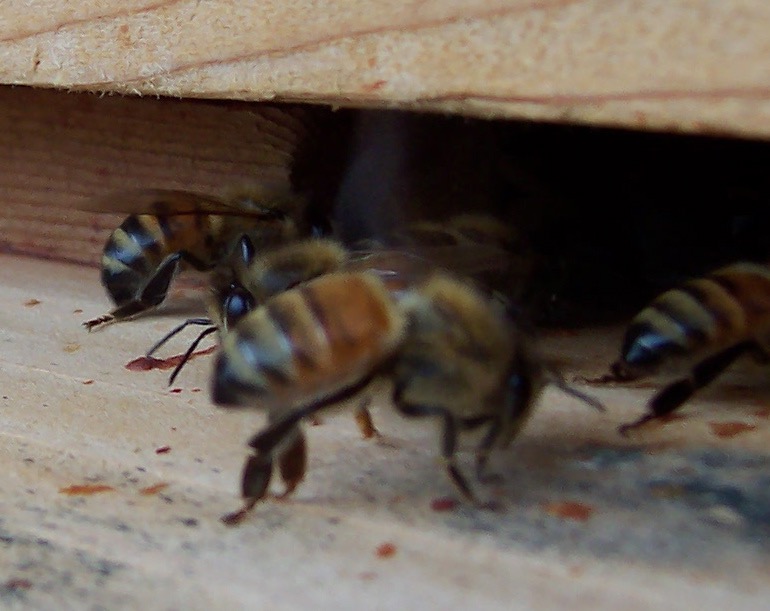
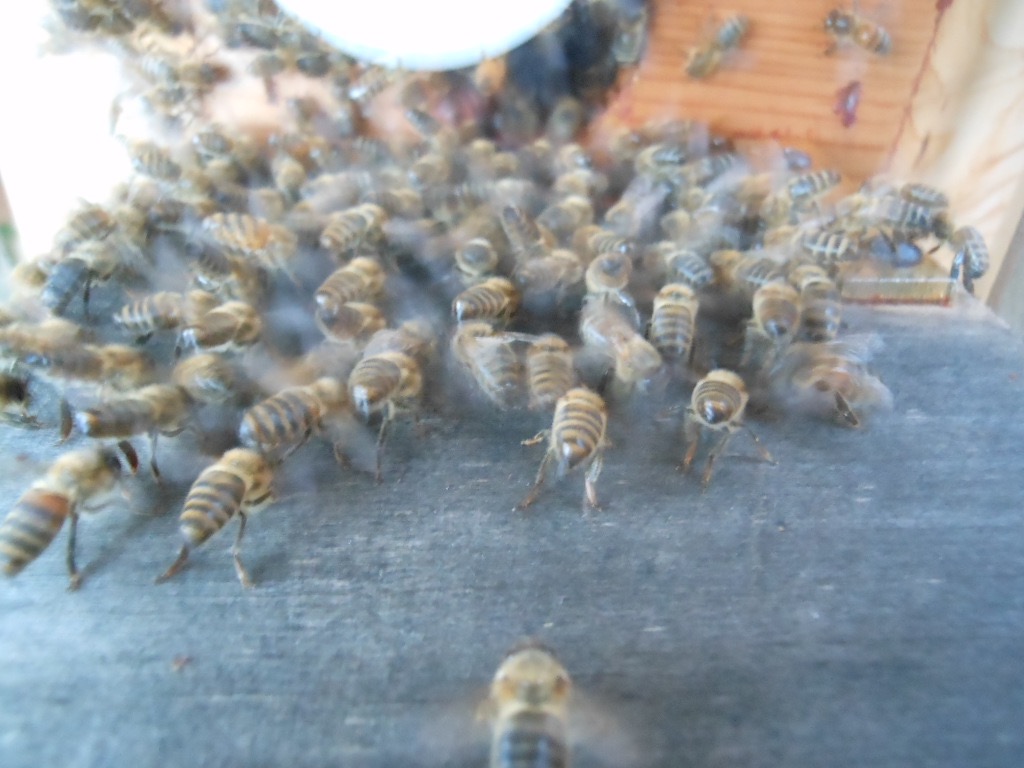
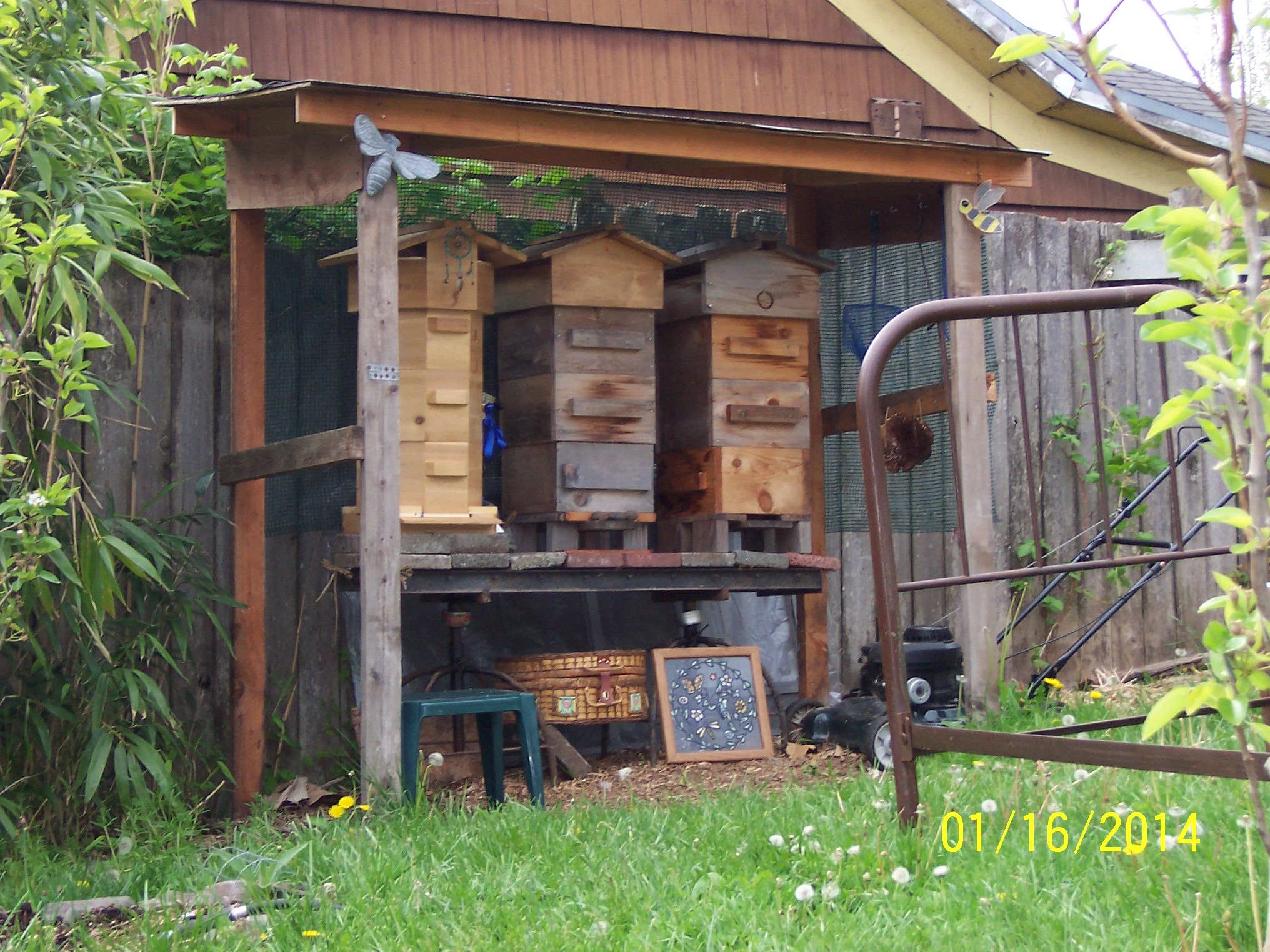
Furthermore, the familiar European honey bee is not the only kid on the fertilisation block. More recently, attention is being drawn to our native Australian bees. I discovered to my amazement that in Australia we have over 1,600 species of native bee with endearing names like the Teddy Bear and Blue Banded bee, some of which I’ve seen around our local park Callistemons or Bottlebrush (below). They’re an important pollinator for our unique flora.
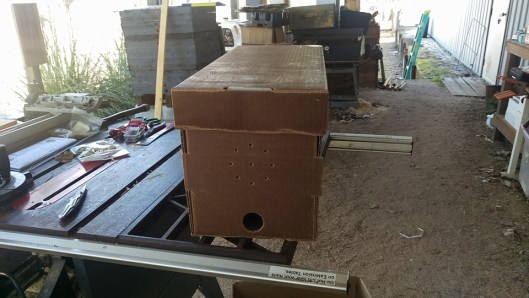
IMG_0487 (1)

Increasingly our native bees, like the stingless varieties (genera Tetragonula – previously called Trigona – and Austroplebeia), are also proving to be valuable pollinators of crops such as macadamias, mangos, watermelons and lychees . Their impressive effectiveness as pollinators has even seen them employed by pollination services for commercial growers of these crops. Some native bees have the added advantage of being ‘buzz pollinators’ whereby the vibration of their wings facilitates fertilisation, a feat almost impossible for honey bees.

What’s the reason for the global bee decline?

It appears there’s not one single factor. Dr Les Davies, Chief Regulatory Scientist from APVMA, suggests ‘mutiple interacting pressures which may include habitat loss and disappearance of floral resources, honeybee nutrition, climate change, bee pests and pathogens [like Colony Collapse Disorder (CCD) which has wiped out millions of bees in North America], miticides and other chemicals intentionally used in hives and bee husbandry practices, as well as agricultural pesticides,’ are possible factors in the decline of bees. He makes a strong case for being informed about what we spray on our gardens [if this is a path we choose], advocating ‘a need to ensure that a range of regulatory, industry stewardship and educational measures are in place,’ to reduce the risks from pesticides.

My role as a gardener

We all have a stake in maintaining our bio system. When it comes to  ‘bee-ing’ a successful gardener, a bit of research has turned up  a number of ways I can contribute. It makes sense to plant any garden with bees in mind. A mix of flowers among the vegies will ensure bees are attracted to the garden and will do their bit to ensure bountiful fruit and vegetable crops.

I will be even more mindful of using chemicals in the garden after reading up on bees. While I’ve always preferred natural pest control, heeding Dr Davies’ advice of being more informed about the sprays, fungicides and other chemical products for garden use seems crucial. Especially given I consume the crops I grow, along with a variety of other insects and useful micro organisms who dine on my garden.

“If the bee disappeared off the face of the earth, man would only have four years left to live.”
― Maurice Maeterlinck, The Life of the Bee

References

Healthy Gardens
Read more at http://www.yates.com.au/healthy-gardens-need-healthy-bees/#r6Wma0Yg8TwPdexW.99

The travesty of imported honey  http://www.tastyhoney.com/blog/honey/australian-honey-imports-from-china-hit-new-record-high/

How to attract bees  http://www.yates.com.au/healthy-gardens-need-healthy-bees/#lwW0XsGMCMLsLbz9.97

Honeybee Research http://www.rirdc.gov.au/research-programs/animal-industries/honeybee

Medicinal Benefits of Honey  http://www.abc.net.au/science/articles/2013/02/14/3689565.htm

Bee Biology Research 

http://www.smithsonianmag.com/science-nature/the-secret-life-of-bees-99559587/?no-ist

via To Bee Or Not To Bee? — Big Dreams for a Tiny Garden

Feel free to share this on:

  • Share on Facebook (Opens in new window) Facebook
  • Share on X (Opens in new window) X
  • Share on Pinterest (Opens in new window) Pinterest
  • Email a link to a friend (Opens in new window) Email
  • Share on LinkedIn (Opens in new window) LinkedIn
  • Share on Reddit (Opens in new window) Reddit
  • Share on Tumblr (Opens in new window) Tumblr
  • Print (Opens in new window) Print
  • Share on Telegram (Opens in new window) Telegram
  • Share on WhatsApp (Opens in new window) WhatsApp
Like Loading...

Does Royal Jelly Make Royal Queens?

25 Wednesday Jan 2017

Posted by Beekeeping365 in beekeeping, honey bee biology, queens

≈ Leave a comment

Tags

beekeeping, honey bee biology, queens

Ron Miksha's avatarBad Beekeeping Blog

School kids need a new lesson about royal jelly.School kids need a new lesson about royal jelly.
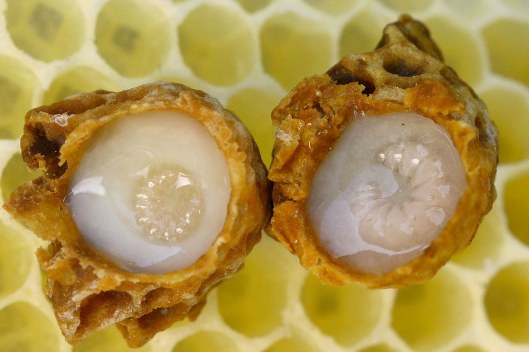
The kids in the Grade 5 classroom knew all about royal jelly.

“The bees feed it to their babies and they turn into queens.”

And so it is. We think. Royal jelly – countless journal articles (and Wikipedia) tell us – stimulates the latent she-ness in a female larva. It removes her from a future life of weary drudgery as a worker destined to live six short weeks, then die wedged between some dusty stigma and anther. Royal jelly gives the lucky larva a future life as a queen employed in monotonous drudgery as an egg-laying machine destined to deposit progeny for three years in a crowded dark den, then die in a palace coup.  There’s not much of an advantage in the queen’s life. But it’s longer. And there must be a crown or something that comes with the job.

View original post 608 more words

Feel free to share this on:

  • Share on Facebook (Opens in new window) Facebook
  • Share on X (Opens in new window) X
  • Share on Pinterest (Opens in new window) Pinterest
  • Email a link to a friend (Opens in new window) Email
  • Share on LinkedIn (Opens in new window) LinkedIn
  • Share on Reddit (Opens in new window) Reddit
  • Share on Tumblr (Opens in new window) Tumblr
  • Print (Opens in new window) Print
  • Share on Telegram (Opens in new window) Telegram
  • Share on WhatsApp (Opens in new window) WhatsApp
Like Loading...

Royal Jelly and Queen Bees

21 Saturday Jan 2017

Posted by Beekeeping365 in beekeeping, honey bee biology

≈ Leave a comment

Tags

beekeeping, honey bee biology

1200px-weiselzellen_68a

For decades, scientists thought an excess of something special, a substance called royal jelly, elevated a regular honey bee larva to a queen. New research suggests we had it backward: It’s what future queens aren’t fed that matters.

Royal jelly, which also is called “bee milk,” looks like white snot. More than half of it is water, the rest is a combination of proteins and sugars. Special glands in the heads of worker bees secrete the stuff, which gets fed to babies.

A developing queen bee is fed royal jelly exclusively—not pollen and honey like her proletarian sisters. Some describe withholding royal jelly from worker bees as nutritional castration. These bees don’t get the special Food of the Gods. Or, perhaps, food of genetic monarchies. And so, we thought, their ovaries shrivel, and they don’t become a queen. Read more here.

Source: Gwen Pearson at www.wired.com

Feel free to share this on:

  • Share on Facebook (Opens in new window) Facebook
  • Share on X (Opens in new window) X
  • Share on Pinterest (Opens in new window) Pinterest
  • Email a link to a friend (Opens in new window) Email
  • Share on LinkedIn (Opens in new window) LinkedIn
  • Share on Reddit (Opens in new window) Reddit
  • Share on Tumblr (Opens in new window) Tumblr
  • Print (Opens in new window) Print
  • Share on Telegram (Opens in new window) Telegram
  • Share on WhatsApp (Opens in new window) WhatsApp
Like Loading...

Yummy Honey Popcorn Balls!!!

19 Thursday Jan 2017

Posted by Beekeeping365 in beekeeping, recipe

≈ Leave a comment

Tags

beekeeping, recipe

Yes, it really is National Popcorn Day!

Rachel Falco's avatarHow to Provide

Honey Popcorn Balls Honey Popcorn Balls [image source: fischfood-com] All Hallows Eve is upon us. Time to make popcorn balls!

5 cups Popped Popcorn
1/2 cup Honey
1/4 cup Sugar
1/2 tsp Sea Salt
1 tbsp Butter
(plus more butter for your hands)

Directions
  1. Place popped popcorn in a large bowl and set aside.
  2. In a large sauce pan, combine honey, sugar, salt and butter. Over medium heat, stirring frequently, bring the honey mixture to 275oF.
  3. Pour honey mixture evenly over popcorn and stir to coat with a wooden spoon or rubber spatula then set aside to cool enough to handle but still be pliable.
  4. Butter your hands and shape popcorn into 6 balls.  Let them completely cool then eat.  Eat lots and lots of them!

Makes 6 popcorn balls.

View original post

Feel free to share this on:

  • Share on Facebook (Opens in new window) Facebook
  • Share on X (Opens in new window) X
  • Share on Pinterest (Opens in new window) Pinterest
  • Email a link to a friend (Opens in new window) Email
  • Share on LinkedIn (Opens in new window) LinkedIn
  • Share on Reddit (Opens in new window) Reddit
  • Share on Tumblr (Opens in new window) Tumblr
  • Print (Opens in new window) Print
  • Share on Telegram (Opens in new window) Telegram
  • Share on WhatsApp (Opens in new window) WhatsApp
Like Loading...
← Older posts
Newer posts →
Follow Beekeeping365 on WordPress.com

Enter your email address to follow this blog and receive notifications of new posts by email.

Calendar

August 2026
S M T W T F S
 1
2345678
9101112131415
16171819202122
23242526272829
3031  
« Jul    

Posts by Month:

  • August 2026 (6)
  • July 2026 (1)
  • May 2026 (2)
  • January 2026 (3)
  • July 2025 (1)
  • April 2024 (1)
  • September 2022 (1)
  • July 2022 (1)
  • March 2022 (13)
  • February 2022 (17)
  • January 2022 (4)
  • December 2021 (4)
  • November 2021 (7)
  • October 2021 (1)
  • September 2021 (3)
  • August 2021 (11)
  • July 2021 (18)
  • June 2021 (5)
  • May 2021 (2)
  • April 2021 (9)
  • March 2021 (2)
  • February 2021 (5)
  • January 2021 (16)
  • December 2020 (15)
  • November 2020 (15)
  • October 2020 (11)
  • July 2020 (1)
  • February 2020 (1)
  • March 2019 (2)
  • February 2019 (4)
  • January 2019 (1)
  • December 2018 (10)
  • November 2018 (8)
  • October 2018 (15)
  • September 2018 (25)
  • August 2018 (3)
  • July 2018 (11)
  • June 2018 (27)
  • May 2018 (33)
  • April 2018 (20)
  • March 2018 (20)
  • February 2018 (12)
  • January 2018 (22)
  • December 2017 (18)
  • November 2017 (17)
  • October 2017 (25)
  • September 2017 (27)
  • August 2017 (21)
  • July 2017 (29)
  • June 2017 (28)
  • May 2017 (19)
  • April 2017 (17)
  • March 2017 (19)
  • February 2017 (12)
  • January 2017 (13)
  • December 2016 (5)

Posts by Categories:

  • absconding (1)
  • africanized honey bees (1)
  • apitherapy (1)
  • bee health (6)
  • bee law (2)
  • bee lining (2)
  • bee removals (2)
  • beekeeper (5)
  • beekeeper education (16)
  • beekeeping (614)
    • South Carolina (2)
  • beekeeping author (10)
  • beekeeping books (14)
  • beekeeping calendar (4)
  • beekeeping chores (8)
  • beekeeping equipment (26)
  • beekeeping history (49)
  • beekeeping management (37)
  • beekeeping pest management (8)
  • beekeeping seasons (23)
  • beekeeping vocabulary (16)
  • beeswax (13)
  • biography (4)
  • biology (14)
  • birthday (40)
  • birthdays (34)
  • book review (16)
  • breakfast (1)
  • calendar (4)
  • CCD (1)
  • chores (6)
  • comb (7)
  • comb honey (10)
  • commercial beekeeping (2)
  • cutouts (2)
  • dearth (3)
  • defensiveness (2)
  • diseases (9)
  • drawn comb (6)
  • ecology (4)
  • education (28)
  • equipment (25)
  • extracting (1)
  • fall nectar flow (1)
  • famous beekeepers (27)
  • feeding bees (7)
  • first blog entry (1)
  • folklore (1)
  • food (7)
  • forage (4)
  • hacks (3)
  • hive inspections (8)
  • hive placement (2)
  • hive products (6)
  • honey (90)
  • honey as food (22)
  • honey bee anatomy (3)
  • honey bee behavior (25)
  • honey bee biology (43)
  • honey bee genetics (4)
  • honey bee nutrition (1)
  • honey bee photos (6)
  • Honey Bee Research (1)
  • honey bee vocabulary (12)
  • honey bees (14)
  • honey judging (4)
  • honey recipe (65)
  • humor (13)
  • inspections (10)
  • journal (1)
  • log book (1)
  • making increase (3)
  • management (82)
  • mentoring (2)
  • mites (3)
  • national pollinator week (2)
  • nectar flow (6)
  • nomenclature (1)
  • opinion (8)
  • out yards (1)
  • outyards (1)
  • package bees (1)
  • pears (1)
  • pests (17)
  • plants for bees (3)
  • polish (1)
  • pollen (4)
  • pollination (11)
  • pollinators (7)
  • product review (1)
  • production (1)
  • products (3)
  • propolis (2)
  • queens (17)
  • raw honey (6)
  • recipe (88)
  • removals (1)
  • safety (3)
  • sales (2)
  • season (1)
  • seasons (21)
  • sideliner (1)
  • small hive beetles (1)
  • spring buildup (4)
  • state fair (2)
  • sustainable (7)
  • swarms (27)
  • ursurpation (1)
  • usurpation (1)
  • varroa (21)
  • varroa destructor (12)
  • varroa mites (24)
  • Winter (5)
  • winter solstice (2)
  • woodenware (3)
  • yellow jackets (2)

Sassafras Bee Farm on Facebook

Sassafras Bee Farm on Facebook

Sassafras Bee Farm

Sassafras Bee Farm

Recent Posts

  • Why Continuous Learning is Key in Beekeeping
  • Meeting Reality vs What Seems Deserved
  • Everything Starts with a Tasty Meal: The Science Behind a Beekeeper’s Best Pest-Management Insight
  • The Skip in Their Step: Rethinking Oxalic Acid Use
  • Pest Control

Beekeeping365 on Facebook

Beekeeping365 on Facebook

Top Posts & Pages

  • The Skip in Their Step: Rethinking Oxalic Acid Use
    The Skip in Their Step: Rethinking Oxalic Acid Use
  • Types of bees by Fat Daddy’s Apiary
    Types of bees by Fat Daddy’s Apiary
  • Why Continuous Learning is Key in Beekeeping
    Why Continuous Learning is Key in Beekeeping

Blog Stats

  • 141,443 hits

Website Built with WordPress.com.

  • Subscribe Subscribed
    • Beekeeping365
    • Join 423 other subscribers
    • Already have a WordPress.com account? Log in now.
    • Beekeeping365
    • Subscribe Subscribed
    • Sign up
    • Log in
    • Report this content
    • View site in Reader
    • Manage subscriptions
    • Collapse this bar
Loading Comments...
%d