• Beekeeping Educational Files
  • About
  • Contact
  • Beekeeping365 Blog

Beekeeping365

~ The more I studied beekeeping, the less I knew, until, finally, I knew nothing. But, even though I knew nothing, I still had plenty to unlearn. Charles Martin Simon

Beekeeping365

Author Archives: Beekeeping365

Beekeeping Vocabulary – C is for…

25 Sunday Jun 2017

Posted by Beekeeping365 in beekeeping, beekeeping vocabulary, comb honey

≈ Leave a comment

Tags

beekeeping, beekeeping vocabulary, comb honey

11407203_1604162183199559_5682916072016194813_n
rr3
comb_honey

Having had great success with recipe Saturdays, I’ve decided to add Vocabulary Sundays. Short and sweet vocabulary building for beekeepers and those interested in learning more before taking the leap.

Today’s word is: Comb Honey

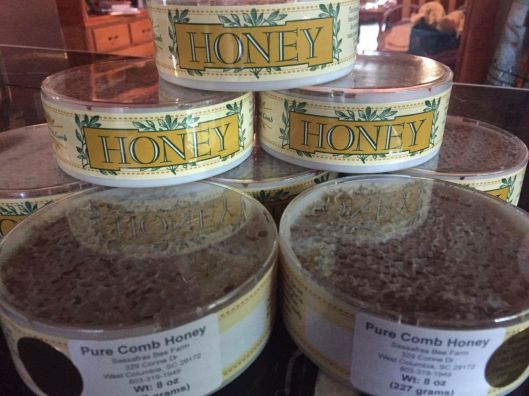
Comb honey is honey intended for consumption which is still contained within its original hexagonal-shaped beeswax cells, called honeycomb. It is eaten as produced by honey bees and has received no processing, filtering, or manipulation.

Before the invention of the honey extractor almost all honey produced was in the form of comb honey.[1] Today, most honey is produced for extraction but comb honey remains popular among consumers both for eating ‘as is’ and for combining with extracted honey to make chunk honey. Hobbyists and sideliners can develop their beekeeping skills by producing comb honey, which takes more rigorous attention to beekeeping than the production of extracted honey.

More on the types of comb honey here: https://en.wikipedia.org/wiki/Comb_honey

Feel free to share this on:

  • Share on Facebook (Opens in new window) Facebook
  • Share on X (Opens in new window) X
  • Share on Pinterest (Opens in new window) Pinterest
  • Email a link to a friend (Opens in new window) Email
  • Share on LinkedIn (Opens in new window) LinkedIn
  • Share on Reddit (Opens in new window) Reddit
  • Share on Tumblr (Opens in new window) Tumblr
  • Print (Opens in new window) Print
  • Share on Telegram (Opens in new window) Telegram
  • Share on WhatsApp (Opens in new window) WhatsApp
Like Loading...

Honey Dinner Rolls by Culinary Tertulias

24 Saturday Jun 2017

Posted by Beekeeping365 in beekeeping, honey, recipe

≈ Leave a comment

Tags

beekeeping, honey, recipe

Versão em português When I lived in Brasília, my friends from work and I would just say “screw this!” and have a nice long lunch at Texas Roadhouse Grill, where they had these lovely rolls. I would threaten to just eat the bread (and drink beer, obviously) instead of ordering lunch! I’ve never got around […]

Read more here: Honey Dinner Rolls — Culinary Tertulias

Feel free to share this on:

  • Share on Facebook (Opens in new window) Facebook
  • Share on X (Opens in new window) X
  • Share on Pinterest (Opens in new window) Pinterest
  • Email a link to a friend (Opens in new window) Email
  • Share on LinkedIn (Opens in new window) LinkedIn
  • Share on Reddit (Opens in new window) Reddit
  • Share on Tumblr (Opens in new window) Tumblr
  • Print (Opens in new window) Print
  • Share on Telegram (Opens in new window) Telegram
  • Share on WhatsApp (Opens in new window) WhatsApp
Like Loading...

Simple Breakfast – Toast with Pears and Honey – by Honey Hunter

24 Saturday Jun 2017

Posted by Beekeeping365 in beekeeping, honey, recipe

≈ Leave a comment

Tags

beekeeping, honey, recipe

In a rush in the morning? Us too! This simple recipe can be made in less than 10 minutes and is a great way to start the day. Ingredients Bread – brown is best Pears – organic where available Honey – preferably raw, as there are so many benefits (local honey, even better) Walnuts Optional…

Read more here: Simple Breakfast – Toast with Pears and Honey — Honey Hunter

Feel free to share this on:

  • Share on Facebook (Opens in new window) Facebook
  • Share on X (Opens in new window) X
  • Share on Pinterest (Opens in new window) Pinterest
  • Email a link to a friend (Opens in new window) Email
  • Share on LinkedIn (Opens in new window) LinkedIn
  • Share on Reddit (Opens in new window) Reddit
  • Share on Tumblr (Opens in new window) Tumblr
  • Print (Opens in new window) Print
  • Share on Telegram (Opens in new window) Telegram
  • Share on WhatsApp (Opens in new window) WhatsApp
Like Loading...

National Pollinator Week: Shrews and Mongooses, too. – by Bad Beekeeping Blog

23 Friday Jun 2017

Posted by Beekeeping365 in beekeeping, national pollinator week, pollination, pollinators

≈ Leave a comment

Tags

beekeeping, pollination

National Pollinator Week is June 19 – June 25, but summer is an odd time of year to celebrate pollinators. The big honey bee migration to California’s almonds ended in March. Bees, birds, bats, and butterflies have finished their work on spring fruit trees. Sure, zucchini buds beckon, but even Dipteran pollinators (flies) slacken visits to […]

Read more here: National Pollinator Week: Shrews and Mongooses, too. — Bad Beekeeping Blog

Feel free to share this on:

  • Share on Facebook (Opens in new window) Facebook
  • Share on X (Opens in new window) X
  • Share on Pinterest (Opens in new window) Pinterest
  • Email a link to a friend (Opens in new window) Email
  • Share on LinkedIn (Opens in new window) LinkedIn
  • Share on Reddit (Opens in new window) Reddit
  • Share on Tumblr (Opens in new window) Tumblr
  • Print (Opens in new window) Print
  • Share on Telegram (Opens in new window) Telegram
  • Share on WhatsApp (Opens in new window) WhatsApp
Like Loading...

Happy Summer Solstice! — by ferrebeekeeper

21 Wednesday Jun 2017

Posted by Beekeeping365 in beekeeping, beekeeping seasons, seasons

≈ Leave a comment

Tags

beekeeping, seasons

In the northern hemisphere, today is the longest day of the year–the summer solstice! Go out and worship the sun and enjoy summer. To help guide you in your revels, here is a fantasy picture of wild druidic rituals among the megaliths of Stonehenge. I love summer, so this truly is a sacred holiday for […]

via Happy Summer Solstice! — ferrebeekeeper

Feel free to share this on:

  • Share on Facebook (Opens in new window) Facebook
  • Share on X (Opens in new window) X
  • Share on Pinterest (Opens in new window) Pinterest
  • Email a link to a friend (Opens in new window) Email
  • Share on LinkedIn (Opens in new window) LinkedIn
  • Share on Reddit (Opens in new window) Reddit
  • Share on Tumblr (Opens in new window) Tumblr
  • Print (Opens in new window) Print
  • Share on Telegram (Opens in new window) Telegram
  • Share on WhatsApp (Opens in new window) WhatsApp
Like Loading...

Monoculture and The Honey Bee

21 Wednesday Jun 2017

Posted by Beekeeping365 in bee health, beekeeping

≈ Leave a comment

Tags

bee health, beekeeping

Protecting pollinators through more sustainable farming practices.

Read more here: Monoculture and The Honey Bee — Prime Bees – College Station Bee

Feel free to share this on:

  • Share on Facebook (Opens in new window) Facebook
  • Share on X (Opens in new window) X
  • Share on Pinterest (Opens in new window) Pinterest
  • Email a link to a friend (Opens in new window) Email
  • Share on LinkedIn (Opens in new window) LinkedIn
  • Share on Reddit (Opens in new window) Reddit
  • Share on Tumblr (Opens in new window) Tumblr
  • Print (Opens in new window) Print
  • Share on Telegram (Opens in new window) Telegram
  • Share on WhatsApp (Opens in new window) WhatsApp
Like Loading...

What Affects Pollinator Health? — National Post

20 Tuesday Jun 2017

Posted by Beekeeping365 in beekeeping, management, pests, varroa, varroa mites

≈ Leave a comment

Tags

beekeeping, management, pests, varroa mites

The biggest threat to honey bee health is the varroa mite. These parasites feed primarily on the honey bee by attaching themselves to its body and drinking the blood of both the adults and the young.

via What Affects Pollinator Health? — National Post

Feel free to share this on:

  • Share on Facebook (Opens in new window) Facebook
  • Share on X (Opens in new window) X
  • Share on Pinterest (Opens in new window) Pinterest
  • Email a link to a friend (Opens in new window) Email
  • Share on LinkedIn (Opens in new window) LinkedIn
  • Share on Reddit (Opens in new window) Reddit
  • Share on Tumblr (Opens in new window) Tumblr
  • Print (Opens in new window) Print
  • Share on Telegram (Opens in new window) Telegram
  • Share on WhatsApp (Opens in new window) WhatsApp
Like Loading...

Beekeeping Vocabulary – B is for…

18 Sunday Jun 2017

Posted by Beekeeping365 in beekeeping, beekeeping vocabulary, honey bee vocabulary

≈ Leave a comment

Tags

beekeeping, beekeeping vocabulary, honey bee vocabulary


bees1[1]

Having had great success with recipe Saturdays, I’ve decided to add Vocabulary Sundays. Short and sweet vocabulary building for beekeepers and those interested in learning more before taking the leap.

Today’s word is: Bee

Bees are flying insects closely related to wasps and ants, known for their role in pollination and, in the case of the best-known bee species, the European honey bee, for producing honey and beeswax. Bees are a monophyletic lineage within the superfamily Apoidea and are presently considered a clade, called Anthophila. There are nearly 20,000 known species of bees in seven recognized biological families.[1][2] They are found on every continent except Antarctica, in every habitat on the planet that contains insect-pollinated flowering plants.

Tons more to read at Wikipedia: https://en.wikipedia.org/wiki/Bee

Feel free to share this on:

  • Share on Facebook (Opens in new window) Facebook
  • Share on X (Opens in new window) X
  • Share on Pinterest (Opens in new window) Pinterest
  • Email a link to a friend (Opens in new window) Email
  • Share on LinkedIn (Opens in new window) LinkedIn
  • Share on Reddit (Opens in new window) Reddit
  • Share on Tumblr (Opens in new window) Tumblr
  • Print (Opens in new window) Print
  • Share on Telegram (Opens in new window) Telegram
  • Share on WhatsApp (Opens in new window) WhatsApp
Like Loading...

Honey Yogurt Popsicles

18 Sunday Jun 2017

Posted by Beekeeping365 in beekeeping, honey, recipe

≈ Leave a comment

Tags

beekeeping, honey, recipe

honey-yogurt-popsicles

YIELD: 8

INGREDIENTS

2 cups – plain yogurt

1 cup – milk

⅓ cup – honey

1 teaspoon – vanilla extract

¼ lb. – cherries pitted and quartered

¼ cup – blueberries

DIRECTIONS

In a large bowl, stir together the yogurt, milk, honey and vanilla extract. Taste the mixture and add a little more honey if needed. Divide half the fruit among 8 ½-cup popsicle holders. Add ¼ cup of the yogurt mixture to each popsicle holder, then add the rest of the fruit. You’ll need to press the fruit down a bit to distribute it evenly in the popsicle. Top off with more yogurt mixture if needed, leaving at least ¼ inch of space at the top of the popsicle holder because it will expand as it freezes. Freeze the popsicles for several hours, until completely solid.

Source: National Honey Board

Feel free to share this on:

  • Share on Facebook (Opens in new window) Facebook
  • Share on X (Opens in new window) X
  • Share on Pinterest (Opens in new window) Pinterest
  • Email a link to a friend (Opens in new window) Email
  • Share on LinkedIn (Opens in new window) LinkedIn
  • Share on Reddit (Opens in new window) Reddit
  • Share on Tumblr (Opens in new window) Tumblr
  • Print (Opens in new window) Print
  • Share on Telegram (Opens in new window) Telegram
  • Share on WhatsApp (Opens in new window) WhatsApp
Like Loading...

Happy Birthday Thomas D. Seeley

17 Saturday Jun 2017

Posted by Beekeeping365 in beekeeping, birthday, birthdays

≈ Leave a comment

Tags

beekeeping

Seeley_5

Dr. Thomas D. Seeley is the Horace White Professor in Biology at Cornell University. He is based in the Department of Neurobiology and Behavior, where he teaches courses on animal behavior and does research on the behavior and social life of honey bees. His work is summarized in three books: Honeybee Ecology (1985), The Wisdom of the Hive (1995), and Honeybee Democracy (2010). He teaches biology and performs research at Cornell University.

More here: http://nbb.cornell.edu/thomas-seeley

Feel free to share this on:

  • Share on Facebook (Opens in new window) Facebook
  • Share on X (Opens in new window) X
  • Share on Pinterest (Opens in new window) Pinterest
  • Email a link to a friend (Opens in new window) Email
  • Share on LinkedIn (Opens in new window) LinkedIn
  • Share on Reddit (Opens in new window) Reddit
  • Share on Tumblr (Opens in new window) Tumblr
  • Print (Opens in new window) Print
  • Share on Telegram (Opens in new window) Telegram
  • Share on WhatsApp (Opens in new window) WhatsApp
Like Loading...

Apicultural Issues – from pesticides to land use change

16 Friday Jun 2017

Posted by Beekeeping365 in beekeeping, education

≈ Leave a comment

Tags

beekeeping, education

Norman Carreck, the International Bee Research Association’s science director, tells PEN about some of the challenges facing bee colonies – from pesticides to land use change Scientists are pretty much in consensus that the major driver for bee declines is changes in land use, meaning that wild bees have fewer places to nest and less…

Read more here: Apicultural Issues – from pesticides to land use change — BEEKeeperTom’s Blog

Feel free to share this on:

  • Share on Facebook (Opens in new window) Facebook
  • Share on X (Opens in new window) X
  • Share on Pinterest (Opens in new window) Pinterest
  • Email a link to a friend (Opens in new window) Email
  • Share on LinkedIn (Opens in new window) LinkedIn
  • Share on Reddit (Opens in new window) Reddit
  • Share on Tumblr (Opens in new window) Tumblr
  • Print (Opens in new window) Print
  • Share on Telegram (Opens in new window) Telegram
  • Share on WhatsApp (Opens in new window) WhatsApp
Like Loading...

Amino Acids in Honey Bees by deltavalleyapiary

15 Thursday Jun 2017

Posted by Beekeeping365 in beekeeping, feeding bees, honey bee biology

≈ Leave a comment

Tags

beekeeping, feeding bees, honey bee biology

Amino Acids are building blocks of proteins. All amino acids are comprised of 4 groups. The first three are common in all amino acids. They are: Alpha Carbon (C-H) Amine Group (N-H-H) Carboxyl Group (O-C-OH) The last is the R Group. The R Groups are what defines the individual amino acids. Some are polar […]

To read more visit:  Amino Acids —

Feel free to share this on:

  • Share on Facebook (Opens in new window) Facebook
  • Share on X (Opens in new window) X
  • Share on Pinterest (Opens in new window) Pinterest
  • Email a link to a friend (Opens in new window) Email
  • Share on LinkedIn (Opens in new window) LinkedIn
  • Share on Reddit (Opens in new window) Reddit
  • Share on Tumblr (Opens in new window) Tumblr
  • Print (Opens in new window) Print
  • Share on Telegram (Opens in new window) Telegram
  • Share on WhatsApp (Opens in new window) WhatsApp
Like Loading...

5 Eyes – A Study

14 Wednesday Jun 2017

Posted by Beekeeping365 in beekeeping, honey bee biology

≈ Leave a comment

Tags

beekeeping, honey bee biology

Bees have amazing vision that is very different from ours – here’s how they work!

Read more at: 5 Eyes – A Study — Prime Bees – College Station Bee

Feel free to share this on:

  • Share on Facebook (Opens in new window) Facebook
  • Share on X (Opens in new window) X
  • Share on Pinterest (Opens in new window) Pinterest
  • Email a link to a friend (Opens in new window) Email
  • Share on LinkedIn (Opens in new window) LinkedIn
  • Share on Reddit (Opens in new window) Reddit
  • Share on Tumblr (Opens in new window) Tumblr
  • Print (Opens in new window) Print
  • Share on Telegram (Opens in new window) Telegram
  • Share on WhatsApp (Opens in new window) WhatsApp
Like Loading...

Comb Honey

13 Tuesday Jun 2017

Posted by Beekeeping365 in beekeeping, comb honey, hive products, honey

≈ 2 Comments

Tags

beekeeping, comb honey, honey


comb_honey

Looks like I get to cross another one off my beekeeping bucket list. Comb honey! When I started beekeeping I read Richard Taylor’s book, The Joys of Beekeeping and have had the idea of making comb honey ever since. I crowded this hive after the first month of the flow by removing a super when they actually needed one, and replaced it with a super of Ross Rounds. Now, about three weeks later, all 32 rounds are beautifully capped.

comb2


I realized after pulling it that I had no space in the freezer so I put it back on top after inserting a medium. They deserve the space for all their hard work! Currently when foragers return at the end of the day it looks like a package of bees hanging from each entrance.


Feel free to share this on:

  • Share on Facebook (Opens in new window) Facebook
  • Share on X (Opens in new window) X
  • Share on Pinterest (Opens in new window) Pinterest
  • Email a link to a friend (Opens in new window) Email
  • Share on LinkedIn (Opens in new window) LinkedIn
  • Share on Reddit (Opens in new window) Reddit
  • Share on Tumblr (Opens in new window) Tumblr
  • Print (Opens in new window) Print
  • Share on Telegram (Opens in new window) Telegram
  • Share on WhatsApp (Opens in new window) WhatsApp
Like Loading...

Beekeeping Vocabulary – A is for…

11 Sunday Jun 2017

Posted by Beekeeping365 in beekeeping, honey bee vocabulary

≈ Leave a comment

Tags

beekeeping, honey bee vocabulary

32238965782_43c5c90bd1_b

Having had great success with recipe Saturdays, I’ve decided to add Vocabulary Sundays. Short and sweet vocabulary building for beekeepers and those interested in learning more before taking the leap.

Today’s word(s) are:  Apis mellifera – def. The western honey bee or European honey bee (Apis mellifera) is a species of honey bee. The genus name Apis is Latin for bee, and mellifera means honey-bearing. Thus: honey-bearing bee.

There is a huge body of information on Apis mellifera. I’ve been told more has been written in the honey bee than any other animal. After becoming interested in honey bees, I spend my first year or so reading online books from the 1800s and early 1900s. Most of it was excellent even though science has added and corrected some earlier misconceptions. If you’re considering beekeeping or just want the quick notes version so you can hold your own over a dinner party here is the Wikipedia entry:  Western Honey Bee.

Feel free to share this on:

  • Share on Facebook (Opens in new window) Facebook
  • Share on X (Opens in new window) X
  • Share on Pinterest (Opens in new window) Pinterest
  • Email a link to a friend (Opens in new window) Email
  • Share on LinkedIn (Opens in new window) LinkedIn
  • Share on Reddit (Opens in new window) Reddit
  • Share on Tumblr (Opens in new window) Tumblr
  • Print (Opens in new window) Print
  • Share on Telegram (Opens in new window) Telegram
  • Share on WhatsApp (Opens in new window) WhatsApp
Like Loading...

5 Victorian Beekeeping Facts by Victorian Trading Company

09 Friday Jun 2017

Posted by Beekeeping365 in beekeeping, beekeeping history

≈ Leave a comment

Tags

beekeeping, beekeeping history

Have you a guess as to which fictional icon tended to a hive in his retirement…?

Read the entire article here: 5 Victorian Beekeeping Facts — Victorian Trading Co. | The Official Blog

Feel free to share this on:

  • Share on Facebook (Opens in new window) Facebook
  • Share on X (Opens in new window) X
  • Share on Pinterest (Opens in new window) Pinterest
  • Email a link to a friend (Opens in new window) Email
  • Share on LinkedIn (Opens in new window) LinkedIn
  • Share on Reddit (Opens in new window) Reddit
  • Share on Tumblr (Opens in new window) Tumblr
  • Print (Opens in new window) Print
  • Share on Telegram (Opens in new window) Telegram
  • Share on WhatsApp (Opens in new window) WhatsApp
Like Loading...

The Foot of the Pyramid – Varroa Control

08 Thursday Jun 2017

Posted by Beekeeping365 in beekeeping, management, varroa, varroa mites

≈ Leave a comment

Tags

beekeeping, management, varroa mites

Often neglected IPM Strategies against Varroa By Dr. Ewan Campbell The mantra of pest control in any livestock / cultivated crop or invasive species is integrated pest management (IPM). It is a holistic approach that draws on a range of different control methods to keep the numbers of a pest at a minimum. We, as […]

via The Foot of the Pyramid — Aberdeen and District Beekeepers’ Association (SCIO)

Feel free to share this on:

  • Share on Facebook (Opens in new window) Facebook
  • Share on X (Opens in new window) X
  • Share on Pinterest (Opens in new window) Pinterest
  • Email a link to a friend (Opens in new window) Email
  • Share on LinkedIn (Opens in new window) LinkedIn
  • Share on Reddit (Opens in new window) Reddit
  • Share on Tumblr (Opens in new window) Tumblr
  • Print (Opens in new window) Print
  • Share on Telegram (Opens in new window) Telegram
  • Share on WhatsApp (Opens in new window) WhatsApp
Like Loading...

Second Lady Karen Pence, Secretary Perdue Unveil Beehive at Vice President’s Residence, and Asks Public to Help Boost Pollinator Population

07 Wednesday Jun 2017

Posted by Beekeeping365 in beekeeping

≈ Leave a comment

Tags

beekeeping

Secretary and Mrs. Perdue joined Second Lady Karen Pence to unveil a new beehive on the grounds of the Vice President’s residence

Caption: Secretary and Mrs. Perdue joined Second Lady Karen Pence to unveil a new beehive on the grounds of the Vice President’s residence.

WASHINGTON, June 6, 2017 – Second Lady Karen Pence and Agriculture Secretary Sonny Perdue today unveiled a newly-installed beehive on the grounds of the Vice President’s residence, drawing attention to the plight of pollinators whose numbers are in decline. Together, the two urged Americans to do their own part to help reverse the population trend among the creatures, which are essential to producing much of the nation’s food.

“All types of pollinators, such as bees, butterflies, birds and bats, are critical to providing our nation’s food, fiber, fuel and medicine,” Mrs. Pence said. “However, our beekeepers have been losing colonies for many years. This presents a serious challenge to our ability to produce many of the agricultural products that we enjoy today. The bees at the Vice President’s Residence will provide an added bonus to the vegetable and flower gardens by making them well pollinated and taste even better at harvest.”

Perdue released a proclamation he has signed declaring June 19-25, 2017 as “National Pollinator Week” (Proclamation can be viewed online at https://www.usda.gov/sites/default/files/documents/national-pollinator-week-secretary-proclamation.pdf (PDF, 97.5 KB)). Perdue noted that the U.S. Department of Agriculture (USDA) and the Environmental Protection Agency led efforts to create a National Pollinator Health Strategy. The two agencies are working with a number of other federal departments to implement that strategy, which includes significant USDA research.

“Most farmers and consumers have no better friends and few harder workers than the honey bee, as more than one-third of all U.S. crop production requires insect pollination,” Perdue said. “But our honeybee population has been losing ground at an alarming rate. The problem represents a diverse mix of challenges requiring a wide range of solutions. And at USDA we are leading the way in research to help out our pollinator friends.”

Honeybees are the nation’s primary pollinators, adding at least $15 billion a year in value to about 90 crops by increasing yields and helping to ensure superior-quality harvests. Those crops include nuts, fruits, berries and vegetables, which add color, taste and texture to our diet.

The number of honeybee hives in the U.S, has declined from 6 million during the 1940s to only about 2.5 million today. Those losses have been attributed to a number of factors, ranging from a syndrome known as “colony collapse disorder” to stress caused by factors such as parasites and pests, transportation of bees, sub-lethal exposure to pesticides, and poor nutrition.

Mrs. Pence and Secretary Perdue pointed out that a lack of supportive habitat near hives also contributes to the declines. Even if people don’t set up their own hives, they can help by planting bee-friendly flowers and flowering herbs in their yards and gardens. Honeybees particularly love wildflowers, lilacs, poppies and Black-eyed Susans, as well as herbs and vegetables like mint, sage, squash, tomatoes, oregano, and rosemary. In addition, bees get thirsty, and that placing birdbaths and small basins of water could help relieve their thirst.

Mrs. Pence installed a beehive in the Indiana governor’s residence in 2014, when Vice President Mike Pence served as the state’s governor. She said more than 80 percent of the land in Indiana is dedicated to agriculture, and its crops are very dependent upon pollinators.

The hive unveiled today is located on the grounds of the Vice President’s Residence. It is a triple-deep “Langstroth” beehive that holds traditional frames and was obtained from Eco Honeybees of Falls Church, VA. The hive contains almost 20,000 bees and continues to grow.

via: USDA Press Release

Feel free to share this on:

  • Share on Facebook (Opens in new window) Facebook
  • Share on X (Opens in new window) X
  • Share on Pinterest (Opens in new window) Pinterest
  • Email a link to a friend (Opens in new window) Email
  • Share on LinkedIn (Opens in new window) LinkedIn
  • Share on Reddit (Opens in new window) Reddit
  • Share on Tumblr (Opens in new window) Tumblr
  • Print (Opens in new window) Print
  • Share on Telegram (Opens in new window) Telegram
  • Share on WhatsApp (Opens in new window) WhatsApp
Like Loading...

Image

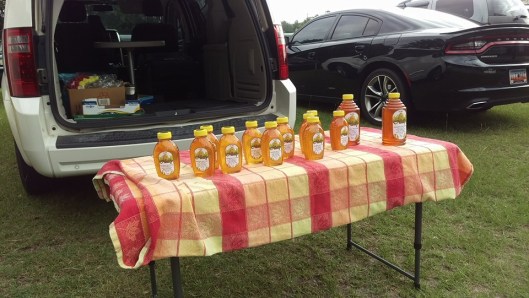
Selling Honey

07 Wednesday Jun 2017

Tags

honey, honey judging

13434914_10207807543121369_8352972169784826908_n

Feel free to share this on:

  • Share on Facebook (Opens in new window) Facebook
  • Share on X (Opens in new window) X
  • Share on Pinterest (Opens in new window) Pinterest
  • Email a link to a friend (Opens in new window) Email
  • Share on LinkedIn (Opens in new window) LinkedIn
  • Share on Reddit (Opens in new window) Reddit
  • Share on Tumblr (Opens in new window) Tumblr
  • Print (Opens in new window) Print
  • Share on Telegram (Opens in new window) Telegram
  • Share on WhatsApp (Opens in new window) WhatsApp
Like Loading...

Posted by Beekeeping365 | Filed under honey, honey judging, sales

≈ Leave a comment

Spring Harvest

06 Tuesday Jun 2017

Posted by Beekeeping365 in beekeeping, honey, sales

≈ Leave a comment

Tags

beekeeping, honey

13315810_10207724270199598_6537172250494228114_n

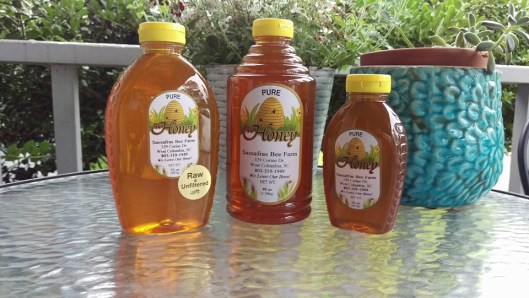
Honey Harvest time has arrived.

Feel free to share this on:

  • Share on Facebook (Opens in new window) Facebook
  • Share on X (Opens in new window) X
  • Share on Pinterest (Opens in new window) Pinterest
  • Email a link to a friend (Opens in new window) Email
  • Share on LinkedIn (Opens in new window) LinkedIn
  • Share on Reddit (Opens in new window) Reddit
  • Share on Tumblr (Opens in new window) Tumblr
  • Print (Opens in new window) Print
  • Share on Telegram (Opens in new window) Telegram
  • Share on WhatsApp (Opens in new window) WhatsApp
Like Loading...

Is this RAW Honey?

05 Monday Jun 2017

Posted by Beekeeping365 in beekeeping, food, honey, honey as food, raw honey

≈ Leave a comment

Tags

beekeeping, food, honey

Excellent write up on the topic of raw honey. Many, if not most, of my customers ask for specifically “raw honey” for the health benefits. They often have many requirements such as non-filtered, non-heated, and local sourced. This article by The Apiarist explores the topic of raw honey.

Source: ‘Raw’ honey — The Apiarist

How many times have your been asked that?

Not for sale ...

Define ‘raw’

Chambers 21st Century Dictionary defines ‘raw’ as meaning: 1. said of meat, vegetables, etc: not cooked. 2. not processed, purified or refined. … and then wanders off into definitions of ‘raw’ silk, weather and wounds, though no mention of raw honey.  Clearly honey is both a foodstuff and ‘not cooked’, though if it’s heated excessively it has to be sold as ‘Bakers honey’.

However, is it processed, purified or refined? I operate my extractor with the gate open. I run the honey through a coarse filter (~2 mm) directly into 30 lb. buckets. This removes the worst of the lumps that really shouldn’t be in honey … big pellets of pollen, scraps of brace comb and bits of bees. I really don’t want any of these on my toast in the mornings, and I don’t want them floating on the – inevitable – scum when the jar is opened as I would really like to attract repeat customers. I store the 30 lb. buckets until I’m ready to jar the honey, re-filtering it through a fine mesh and removing the scum before bottling. The end product looks great and has a good shelf life.

Since ‘purified’ means to remove contaminants I suspect the pedantic would consider the honey is no longer raw.

Raw honey on labels

Honey labelled for sale must carry one of the following reserved words that describe the product … Honey, Blossom Honey, Nectar Honey, Honeydew Honey, Comb Honey, Chunk Honey, Cut Comb in Honey, Drained Honey, Extracted Honey, Pressed Honey, Filtered Honey and Baker’s Honey. If the predominant nectar source is known the reserved word can be prefixed with the source e.g. heather honey.

It’s notable that raw, organic, unfiltered or unheated aren’t reserved words and yet are regularly found on honey labels, sometimes immediately preceding the word ‘honey’.

The taste test

The jar at the top of the page is coarse filtered ‘raw’ honey run straight from the extractor into the bottle. It’s slightly cloudy and has bubbles and a sort of swirly, almost birefringent, appearance when you hold it against the light. It will almost certainly crystallise unevenly and unpredictably. It might have an antenna lurking in its murky depths.

It tastes absolutely delicious.

But then so is honey that’s been allowed to settle in the buckets, gently warmed in a honey warming cabinet†, filtered through a fine mesh filter, allowed to settle again, skimmed (to remove the bubbles that rise to the surface) and then carefully bottled in pre-warmed jars. This is still ‘raw’ – as in uncooked – honey but it’s also certainly a more refined product. It’s beautifully clear, it looks great on the shop shelves or the breakfast table, it sells well and it attracts a premium price. Like all pure honey that hasn’t been heated to very high temperatures or filtered excessively it will eventually crystallise, but it has a long shelf life and will remain attractive for the duration.

No bee legs or antennae ...

It might be interesting to conduct a blind taste test of a jar of ‘raw’ honey with one refined just enough – as described above – to look really good and sell well. It might also be interesting to auction an unlabelled jar of each and see which is more attractive to the customer … or see whether customers who find bee legs in the jar make repeat orders 😉


† Going by the number of visitors who come to this site having searched for a ‘honey warming cabinet‘ I suspect that the ‘raw’ honey sold by most beekeepers is at least partially refined. As an aside that last link also takes you to details of the cabinet sold by Abelo’s, which looks lovely (a lot more aesthetically pleasing than my DIY effort), but costs an eye-watering £599 and doesn’t enable you to pre-warm supers before extraction. A missed opportunity.


Read more at:  ‘Raw’ honey — The Apiarist

Feel free to share this on:

  • Share on Facebook (Opens in new window) Facebook
  • Share on X (Opens in new window) X
  • Share on Pinterest (Opens in new window) Pinterest
  • Email a link to a friend (Opens in new window) Email
  • Share on LinkedIn (Opens in new window) LinkedIn
  • Share on Reddit (Opens in new window) Reddit
  • Share on Tumblr (Opens in new window) Tumblr
  • Print (Opens in new window) Print
  • Share on Telegram (Opens in new window) Telegram
  • Share on WhatsApp (Opens in new window) WhatsApp
Like Loading...

Book review – Bad Beekeeping by Ron Miksha (2004)

04 Sunday Jun 2017

Posted by Beekeeping365 in beekeeping, beekeeping history, book review, commercial beekeeping

≈ Leave a comment

Tags

beekeeping, beekeeping history, book review, commercial beekeeping

Ron is the author of the excellent Bad Beekeeping blog, which has recently been selected by Beesker as “the world’s very best website on bees and beekeeping”. Bad Beekeeping by Ron Miksha – available on Amazon Bad Beekeeping is no ordinary beekeeping book. Instead it’s a memoir of Ron’s time as a commercial beekeeper, spending […]

Read more here: Book review – Bad Beekeeping by Ron Miksha (2004) — Adventuresinbeeland’s Blog

Feel free to share this on:

  • Share on Facebook (Opens in new window) Facebook
  • Share on X (Opens in new window) X
  • Share on Pinterest (Opens in new window) Pinterest
  • Email a link to a friend (Opens in new window) Email
  • Share on LinkedIn (Opens in new window) LinkedIn
  • Share on Reddit (Opens in new window) Reddit
  • Share on Tumblr (Opens in new window) Tumblr
  • Print (Opens in new window) Print
  • Share on Telegram (Opens in new window) Telegram
  • Share on WhatsApp (Opens in new window) WhatsApp
Like Loading...

Honey Chia Yogurt

03 Saturday Jun 2017

Posted by Beekeeping365 in beekeeping, honey, recipe

≈ Leave a comment

Tags

beekeeping, honey, recipe

One of my favorite foods in the world is yogurt! You can do so much with it and you can have it ANY TIME OF THE DAY!!! I dislike buying it pre-done in the store; in my opinion it is loaded with unnecessary sugar and tastes way to sweet. Plus, I want my little ones […]

via Honey Chia Yogurt — The Honey Cottage

Feel free to share this on:

  • Share on Facebook (Opens in new window) Facebook
  • Share on X (Opens in new window) X
  • Share on Pinterest (Opens in new window) Pinterest
  • Email a link to a friend (Opens in new window) Email
  • Share on LinkedIn (Opens in new window) LinkedIn
  • Share on Reddit (Opens in new window) Reddit
  • Share on Tumblr (Opens in new window) Tumblr
  • Print (Opens in new window) Print
  • Share on Telegram (Opens in new window) Telegram
  • Share on WhatsApp (Opens in new window) WhatsApp
Like Loading...

Yogurt with fruits and honey

03 Saturday Jun 2017

Posted by Beekeeping365 in beekeeping, honey, recipe

≈ Leave a comment

Tags

beekeeping, honey, recipe

This is my number one choice for breakfast but also a good snack throughout the day when I crave something sweet. At the moment I like kiwi fruits and pink lady but any fruit could be used. I used to add artificial sweetener to the plain yogurt but lately I prefer honey. 🙂 Ingredients: 4 […]

via Yogurt with fruits and honey — kattygee

Feel free to share this on:

  • Share on Facebook (Opens in new window) Facebook
  • Share on X (Opens in new window) X
  • Share on Pinterest (Opens in new window) Pinterest
  • Email a link to a friend (Opens in new window) Email
  • Share on LinkedIn (Opens in new window) LinkedIn
  • Share on Reddit (Opens in new window) Reddit
  • Share on Tumblr (Opens in new window) Tumblr
  • Print (Opens in new window) Print
  • Share on Telegram (Opens in new window) Telegram
  • Share on WhatsApp (Opens in new window) WhatsApp
Like Loading...

Making a Decapping Tank

02 Friday Jun 2017

Posted by Beekeeping365 in beekeeping equipment, beeswax, equipment

≈ Leave a comment

Tags

beeswax

12207617_10206241597733713_319843852_o

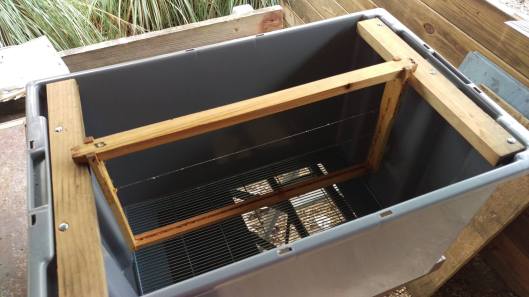
How to make a decapping tank. Find storage containers with internal length dimension about 21 inches. (Take a frame with you to purchase). Buy two. Cut about 80% of bottom out of one container. Place metal queen excluder in bottom which will strain the cappings. Measure and make rails such that frames will rest and can’t fall into container. (An empty frame can now double as a decapping rest also.) Now slide (nest) this container into the second container which will collect all the dripping honey. Have extra money? Install a honey gate in the bottom container.

Feel free to share this on:

  • Share on Facebook (Opens in new window) Facebook
  • Share on X (Opens in new window) X
  • Share on Pinterest (Opens in new window) Pinterest
  • Email a link to a friend (Opens in new window) Email
  • Share on LinkedIn (Opens in new window) LinkedIn
  • Share on Reddit (Opens in new window) Reddit
  • Share on Tumblr (Opens in new window) Tumblr
  • Print (Opens in new window) Print
  • Share on Telegram (Opens in new window) Telegram
  • Share on WhatsApp (Opens in new window) WhatsApp
Like Loading...

Pinching the Queen by Bad Beekeeping Blog

01 Thursday Jun 2017

Posted by Beekeeping365 in beekeeping, management, queens

≈ Leave a comment

Tags

beekeeping, management, queens

Today I’ll write a few words about finding and murdering the old queen. We’ll assume that you have decided the queen must die. Harsh as that sounds, sometimes it’s the only way to save a hive. Think of the colony as a living creature (superorganism) and the queen as the heart. Or more to the […]

Read more  here: Pinching the Queen — Bad Beekeeping Blog

Feel free to share this on:

  • Share on Facebook (Opens in new window) Facebook
  • Share on X (Opens in new window) X
  • Share on Pinterest (Opens in new window) Pinterest
  • Email a link to a friend (Opens in new window) Email
  • Share on LinkedIn (Opens in new window) LinkedIn
  • Share on Reddit (Opens in new window) Reddit
  • Share on Tumblr (Opens in new window) Tumblr
  • Print (Opens in new window) Print
  • Share on Telegram (Opens in new window) Telegram
  • Share on WhatsApp (Opens in new window) WhatsApp
Like Loading...

Good Queen; Bad Queen by Bad Beekeeping Blog

30 Tuesday May 2017

Posted by Beekeeping365 in beekeeping, management, queens

≈ Leave a comment

Tags

beekeeping, management, queens

Quite a few commercial beekeepers replace queens every second year. It’s a scheduled event, sort of like a birthday. Half the hives will get a new queen in 2017, the other half in 2018, then back to the first group again. But hobby beekeepers may be able to watch their bees more closely, allowing a […]

Read more here: Good Queen; Bad Queen — Bad Beekeeping Blog

Feel free to share this on:

  • Share on Facebook (Opens in new window) Facebook
  • Share on X (Opens in new window) X
  • Share on Pinterest (Opens in new window) Pinterest
  • Email a link to a friend (Opens in new window) Email
  • Share on LinkedIn (Opens in new window) LinkedIn
  • Share on Reddit (Opens in new window) Reddit
  • Share on Tumblr (Opens in new window) Tumblr
  • Print (Opens in new window) Print
  • Share on Telegram (Opens in new window) Telegram
  • Share on WhatsApp (Opens in new window) WhatsApp
Like Loading...

Beekeeper’s Jezebel Sauce

29 Monday May 2017

Posted by Beekeeping365 in beekeeping, honey, recipe

≈ Leave a comment

Tags

beekeeping, honey, recipe

jezebel-sauce-ck-1545732-x

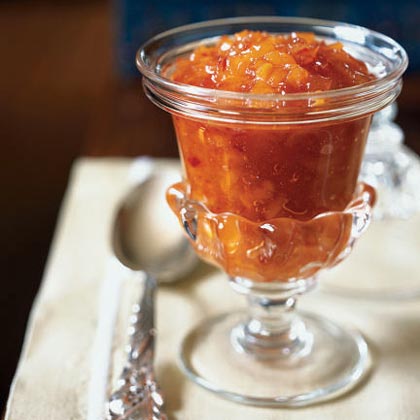
There will be a lot of grilling going on today. Here are two slightly different recipes for Jezebel Sauce from Southern Living Magazine. The first recipe uses honey.

This sweet-and-spicy sauce is delicious served with pork tenderloin and grilled chicken or as a dipping sauce for fried shrimp. It also makes a great savory spread for biscuits or roast beef and turkey sandwiches.

The complete recipes can be found HERE (with honey) and HERE (without honey).

Feel free to share this on:

  • Share on Facebook (Opens in new window) Facebook
  • Share on X (Opens in new window) X
  • Share on Pinterest (Opens in new window) Pinterest
  • Email a link to a friend (Opens in new window) Email
  • Share on LinkedIn (Opens in new window) LinkedIn
  • Share on Reddit (Opens in new window) Reddit
  • Share on Tumblr (Opens in new window) Tumblr
  • Print (Opens in new window) Print
  • Share on Telegram (Opens in new window) Telegram
  • Share on WhatsApp (Opens in new window) WhatsApp
Like Loading...

Waiting on Honey

28 Sunday May 2017

Posted by Beekeeping365 in beekeeping, honey, honey bee behavior

≈ Leave a comment

Tags

beekeeping, honey, honey bee behavior

As the nectar flow draws to a close, the girls diligently forage for the last of their key nectar and pollen sources, storing away the goodness to be turned into honey. Few tulip poplar and black locust blooms remain, and those that do, are vulnerable to wind and rain. Now that the danger of frost […]

Read more here: Waiting on Honey — settlingforbees

Feel free to share this on:

  • Share on Facebook (Opens in new window) Facebook
  • Share on X (Opens in new window) X
  • Share on Pinterest (Opens in new window) Pinterest
  • Email a link to a friend (Opens in new window) Email
  • Share on LinkedIn (Opens in new window) LinkedIn
  • Share on Reddit (Opens in new window) Reddit
  • Share on Tumblr (Opens in new window) Tumblr
  • Print (Opens in new window) Print
  • Share on Telegram (Opens in new window) Telegram
  • Share on WhatsApp (Opens in new window) WhatsApp
Like Loading...

Sweet and Spicy Chicken Wings

27 Saturday May 2017

Posted by Beekeeping365 in beekeeping, food, honey, recipe

≈ 2 Comments

Tags

beekeeping, food, honey, recipe

Those that have been reading my blog for a while know that I cannot resist chicken wings. I wanted to try another Asian style chicken wing, so this is a cross between honey sriracha and orange chicken. I made these fairly mild because my son can’t handle the heat. But if these were just for […]

via Sweet and Spicy Chicken Wings — Joann’s Food For Thought

Feel free to share this on:

  • Share on Facebook (Opens in new window) Facebook
  • Share on X (Opens in new window) X
  • Share on Pinterest (Opens in new window) Pinterest
  • Email a link to a friend (Opens in new window) Email
  • Share on LinkedIn (Opens in new window) LinkedIn
  • Share on Reddit (Opens in new window) Reddit
  • Share on Tumblr (Opens in new window) Tumblr
  • Print (Opens in new window) Print
  • Share on Telegram (Opens in new window) Telegram
  • Share on WhatsApp (Opens in new window) WhatsApp
Like Loading...

This Old Bee

24 Wednesday May 2017

Posted by Beekeeping365 in beekeeping

≈ Leave a comment

Tags

beekeeping

Old tattered wings – reflection on one bee’s life. The unceremonious end of a honey bee.

More at:  This Old Bee — Prime Bees – College Station Bee & Honey Farm

Feel free to share this on:

  • Share on Facebook (Opens in new window) Facebook
  • Share on X (Opens in new window) X
  • Share on Pinterest (Opens in new window) Pinterest
  • Email a link to a friend (Opens in new window) Email
  • Share on LinkedIn (Opens in new window) LinkedIn
  • Share on Reddit (Opens in new window) Reddit
  • Share on Tumblr (Opens in new window) Tumblr
  • Print (Opens in new window) Print
  • Share on Telegram (Opens in new window) Telegram
  • Share on WhatsApp (Opens in new window) WhatsApp
Like Loading...

Eusocial Insects

23 Tuesday May 2017

Posted by Beekeeping365 in beekeeping

≈ Leave a comment

Tags

beekeeping

Honey bees (Apis mellifera) are all part of what is termed a superorganism. Superorganisms are defined as a social unit of Eusocial animals, specialized labor is divided up, and the individuals can not exist outside of the group on their own for any extended period of time.

Continue at:  Eusocial Insects —

Feel free to share this on:

  • Share on Facebook (Opens in new window) Facebook
  • Share on X (Opens in new window) X
  • Share on Pinterest (Opens in new window) Pinterest
  • Email a link to a friend (Opens in new window) Email
  • Share on LinkedIn (Opens in new window) LinkedIn
  • Share on Reddit (Opens in new window) Reddit
  • Share on Tumblr (Opens in new window) Tumblr
  • Print (Opens in new window) Print
  • Share on Telegram (Opens in new window) Telegram
  • Share on WhatsApp (Opens in new window) WhatsApp
Like Loading...

The joys of buckwheat

19 Friday May 2017

Posted by Beekeeping365 in beekeeping, forage

≈ Leave a comment

Tags

beekeeping, forage

Source: The joys of buckwheat

During these late summer months in East Tennessee, we typically think there is not much available for the bees as far as sources of nectar and pollen.

That doesn’t have to be the case.

If you have any kind of a garden (or just an open area), buckwheat can provide great benefits for your bees and your soil. Buckwheat can be sown at any time during warm weather. Ideally, it takes three to four weeks to come up (sometimes longer, depending on the weather), and produces a small white flower that the bees love.

When the blooms die back after a couple of weeks, the buckwheat will re-seed itself and if there is enough warm weather and rain, it will come back. These cycles will continue until the first frost.

The bees make honey off of the nectar from the  buckwheat flower. This is honey that you can harvest or that you can leave on the hive to reduce the necessity of winter feeding.

The best results for an initial stand of buckwheat are to clear the soil, sow the seed and then do a light till. If possible, do all this before a good rain.

Your buckwheat will likely attract a legion of butterflies.

Buckwheat has a morning nectar flow, and that’s when you will see bees working it. They don’t work it in the afternoon.

Besides being good for bees, buck-wheat is good for the soil. It prevents weeds, supports beneficial insects and returns a lot of nitrogen to the ground. So, if you have a patch of garden or land and want to do something for your bees, plant some buckwheat.

IMG_1892

Key words: buckwheat, garden, bees and buckwheat, re-seeding buckwheat, growing buckwheat, source of nectar for bees, butterflies and buckwheat

Source: The joys of buckwheat

Feel free to share this on:

  • Share on Facebook (Opens in new window) Facebook
  • Share on X (Opens in new window) X
  • Share on Pinterest (Opens in new window) Pinterest
  • Email a link to a friend (Opens in new window) Email
  • Share on LinkedIn (Opens in new window) LinkedIn
  • Share on Reddit (Opens in new window) Reddit
  • Share on Tumblr (Opens in new window) Tumblr
  • Print (Opens in new window) Print
  • Share on Telegram (Opens in new window) Telegram
  • Share on WhatsApp (Opens in new window) WhatsApp
Like Loading...

Bee Poo – A Discovery

17 Wednesday May 2017

Posted by Beekeeping365 in beekeeping

≈ Leave a comment

Tags

beekeeping

primebees's avatarprime bees.com

I always knew bees pooped but have really only researchedphotos of unhealthy bee poop – you know, the stuff you keep your eyes out for during hive inspections. I also was very aware they tend to defecateoutside the hive on their “cleansing flights”, but it wasn’t until I left my bees in an observation hive for a full day and a half before letting them out that I realized how seriously they take this colony rule.


Let me start by disclosingthat the bees had plenty of air, food, and were covered up so they weren’t in the light – I’m not a monster.

I had packed up a recently split hive since they were small and I could fit almost all the bees into the small observation hive. When it was time to put them back in their nuc, I decided to sit down and slowly movethe bees and enjoy…

View original post 280 more words

Feel free to share this on:

  • Share on Facebook (Opens in new window) Facebook
  • Share on X (Opens in new window) X
  • Share on Pinterest (Opens in new window) Pinterest
  • Email a link to a friend (Opens in new window) Email
  • Share on LinkedIn (Opens in new window) LinkedIn
  • Share on Reddit (Opens in new window) Reddit
  • Share on Tumblr (Opens in new window) Tumblr
  • Print (Opens in new window) Print
  • Share on Telegram (Opens in new window) Telegram
  • Share on WhatsApp (Opens in new window) WhatsApp
Like Loading...

Growing Your Bee Business to Sideliner Status

16 Tuesday May 2017

Posted by Beekeeping365 in beekeeping, sideliner

≈ Leave a comment

Tags

beekeeping

What’s the right job for you in the bee industry? How to identify and grow your business.

via Growing Your Bee Business to Sideliner Status — Prime Bees – College Station Bee & Honey Farm

Feel free to share this on:

  • Share on Facebook (Opens in new window) Facebook
  • Share on X (Opens in new window) X
  • Share on Pinterest (Opens in new window) Pinterest
  • Email a link to a friend (Opens in new window) Email
  • Share on LinkedIn (Opens in new window) LinkedIn
  • Share on Reddit (Opens in new window) Reddit
  • Share on Tumblr (Opens in new window) Tumblr
  • Print (Opens in new window) Print
  • Share on Telegram (Opens in new window) Telegram
  • Share on WhatsApp (Opens in new window) WhatsApp
Like Loading...

Honeybee Nectar Flow-Black Locust Trees

15 Monday May 2017

Posted by Beekeeping365 in beekeeping, nectar flow

≈ Leave a comment

Tags

beekeeping

Beekeepers, like farmers, still look outside in the natural world to gauge how to manage their honey crop. Black Locust blooming is a beekeeper sign to super up their hive for excess honey to harvest.

via Honeybee NectarFlow-Black Locust Trees — The Garden Diaries

Feel free to share this on:

  • Share on Facebook (Opens in new window) Facebook
  • Share on X (Opens in new window) X
  • Share on Pinterest (Opens in new window) Pinterest
  • Email a link to a friend (Opens in new window) Email
  • Share on LinkedIn (Opens in new window) LinkedIn
  • Share on Reddit (Opens in new window) Reddit
  • Share on Tumblr (Opens in new window) Tumblr
  • Print (Opens in new window) Print
  • Share on Telegram (Opens in new window) Telegram
  • Share on WhatsApp (Opens in new window) WhatsApp
Like Loading...

How the Varroa Mite Co-Opts Honey Bee Behaviors to Its Own Advantage

14 Sunday May 2017

Posted by Beekeeping365 in beekeeping, management, mites, pests, varroa mites

≈ 2 Comments

Tags

beekeeping, management, pests, varroa mites

As the managed honey bee industry continues to grapple with significant annual colony losses, the Varroa destructor mite is emerging as the leading culprit. And, it turns out, the very nature of modern beekeeping may be giving the parasite the exact conditions it needs to spread nearly beyond control. In an article published yesterday in […]

via How the Varroa Mite Co-Opts Honey Bee Behaviors to Its Own Advantage — Entomology Today

Feel free to share this on:

  • Share on Facebook (Opens in new window) Facebook
  • Share on X (Opens in new window) X
  • Share on Pinterest (Opens in new window) Pinterest
  • Email a link to a friend (Opens in new window) Email
  • Share on LinkedIn (Opens in new window) LinkedIn
  • Share on Reddit (Opens in new window) Reddit
  • Share on Tumblr (Opens in new window) Tumblr
  • Print (Opens in new window) Print
  • Share on Telegram (Opens in new window) Telegram
  • Share on WhatsApp (Opens in new window) WhatsApp
Like Loading...

Delia’s Spring Tonic

13 Saturday May 2017

Posted by Beekeeping365 in beekeeping, honey, recipe

≈ Leave a comment

Tags

beekeeping, honey, recipe

As I’ve been editing the third edition of The Body Rejuvenation Cleanse manual spring showed up here in north west New Jersey. I’ve been inspired by Traditional Chinese Medicine to honor spring as Liver/GallBladder time, which is ideal for detoxifying and strengthening the internal organ system. Doing The Body Rejuvenation Cleanse is a great way […]

via Spring Tonics — The Stone House Diaries

Feel free to share this on:

  • Share on Facebook (Opens in new window) Facebook
  • Share on X (Opens in new window) X
  • Share on Pinterest (Opens in new window) Pinterest
  • Email a link to a friend (Opens in new window) Email
  • Share on LinkedIn (Opens in new window) LinkedIn
  • Share on Reddit (Opens in new window) Reddit
  • Share on Tumblr (Opens in new window) Tumblr
  • Print (Opens in new window) Print
  • Share on Telegram (Opens in new window) Telegram
  • Share on WhatsApp (Opens in new window) WhatsApp
Like Loading...

Honey Bee Queens – NC Born & Bred

12 Friday May 2017

Posted by Beekeeping365 in beekeeping

≈ Leave a comment

Tags

beekeeping

I skipped town this weekend. There was a lot going on around the farm. We are smack in thimble of spring planting, the heavy spring nectar flow, house construction deadlines…. But I carelessly left town in pursuit of the elusive queen. Her royal highness of the hive, mama to all, queen big booty. Despite the 40,000-60,000 […]

continued here: NC Born & Bred — buck naked farm

Feel free to share this on:

  • Share on Facebook (Opens in new window) Facebook
  • Share on X (Opens in new window) X
  • Share on Pinterest (Opens in new window) Pinterest
  • Email a link to a friend (Opens in new window) Email
  • Share on LinkedIn (Opens in new window) LinkedIn
  • Share on Reddit (Opens in new window) Reddit
  • Share on Tumblr (Opens in new window) Tumblr
  • Print (Opens in new window) Print
  • Share on Telegram (Opens in new window) Telegram
  • Share on WhatsApp (Opens in new window) WhatsApp
Like Loading...

Caught in the Middle with Bees

10 Wednesday May 2017

Posted by Beekeeping365 in beekeeping

≈ 1 Comment

Tags

beekeeping

16195827_10209670861303159_2479865035683493353_n
16106028_10209670861343160_9132458070850574939_n

Starting out, the first two or three years, it seems easier, safer, and more financially prudent to simply buy queens from the association prior to making spring splits. If you have 2 or 3 hives that need splitting it’s not too costly and ensures a greater degree of success to buy the queens and make splits installing the purchased queens. It almost always results in a good outcome.

Then, if your bee fever grows, you start to have more colonies and at some point the check for those queens adds up to serious cash. Cash better saved for other beekeeping toys. Additionally, aren’t we suppose to be selecting breeding stock and rearing queens that survive our climate and the mites? Plus, allow me to drop that cool word, it’s “sustainable.”

I’ve been resistant to rearing my own queens for the past couple years although I know I should have been. I’m not quite sure if I’m just lazy, busy with other bee projects, afraid, or just not interested in queen rearing. But, at last, it’s time.

I’m not sure if my eyes are good enough anymore for grafting. I thought about buying some of those jeweler’s or watchmaker’s glasses. But then I’d also be buying more dedicated queen rearing equipment as well. Cell punching helps and I’m waiting for a friend to offer a class (hint) which may convince me to adopt his preferred method. Anyway, pretty much all the grafting methods neccessitate multiple boxes, transfers, more bee stuff and can be a bit pricey. Simplier (non grafting) equipment like the Nicot or Jenter systems are still a bit pricey.

On the other extreme is the walkaway split, making sure the queenless split has larvae of appropriate age and allowing the bees to make an emergency queen. Additional methods of cell crushing can be added to improve the outcome but making multiple walkaway splits is a bit scary too. I’m a little OCD and looking for a little more control and perhaps even better outcome.

So, remembering the low tech methods of our forefathers, and with a mind to keeping costs at a minimum, I decided on using one of the throwbacks like the Miller or Hopkins methods. A mentor once suggested the Hopkins method to me and it sounds easy enough and promises to raise more queens than I’ll need. Basically it involves taking a frame of appropriately aged larvae and placing it horizontally over a densely populated queenless split. It’s low risk as well, if all goes poorly, such as a sudden change in the weather, the worst that can happen is I re-unite that split with their parent colony. So that’s what I’ve decided to attempt this year. Another adventure in beekeeping! Here’s a picture of the 2″ shim I’ll be using to place the frame over the colony. Also a link to click on if you’re interested in reading more about the Hopkins method of queen rearing. http://beesource.com/point-of-view/jerry-hayes/the-hopkins-method-of-queen-rearing

Feel free to share this on:

  • Share on Facebook (Opens in new window) Facebook
  • Share on X (Opens in new window) X
  • Share on Pinterest (Opens in new window) Pinterest
  • Email a link to a friend (Opens in new window) Email
  • Share on LinkedIn (Opens in new window) LinkedIn
  • Share on Reddit (Opens in new window) Reddit
  • Share on Tumblr (Opens in new window) Tumblr
  • Print (Opens in new window) Print
  • Share on Telegram (Opens in new window) Telegram
  • Share on WhatsApp (Opens in new window) WhatsApp
Like Loading...

Hive tools by The Apiarist

08 Monday May 2017

Posted by Beekeeping365 in beekeeping, beekeeping equipment, equipment

≈ Leave a comment

Tags

beekeeping

170408-43-1-800x508

The Scottish philosopher wasn’t talking about beekeepers, but he might as well have been. The quotation goes on something like “Without tools he is nothing, with tools he is all”. Which pretty neatly sums up the beekeeper who has lost his hive tool in the long grass.

Conducting a full inspection without a hive tool is a a thankless task. You can’t crack the crownboard off (unless it’s a sheet of heavy-duty plastic), propolis acquires the adhesive properties of SuperGlue and your fingers become clumsy, fat, bee-squashing sausages as you try and prise the frames apart.

Read the full article at: Hive tools — The Apiarist

Feel free to share this on:

  • Share on Facebook (Opens in new window) Facebook
  • Share on X (Opens in new window) X
  • Share on Pinterest (Opens in new window) Pinterest
  • Email a link to a friend (Opens in new window) Email
  • Share on LinkedIn (Opens in new window) LinkedIn
  • Share on Reddit (Opens in new window) Reddit
  • Share on Tumblr (Opens in new window) Tumblr
  • Print (Opens in new window) Print
  • Share on Telegram (Opens in new window) Telegram
  • Share on WhatsApp (Opens in new window) WhatsApp
Like Loading...

In the Spring a Not-So-Young Woman’s Fancy Lightly Turns to Thoughts of Bees

07 Sunday May 2017

Posted by Beekeeping365 in beekeeping, beekeeping history, honey bee behavior, honey bee biology, season, seasons, swarms

≈ 1 Comment

Tags

beekeeping, beekeeping history, honey bee behavior, honey bee biology, seasons, swarms

A Facebook friend’s post this week told how a large honeybee swarm had taken up residence in an empty hive on his property. All on its own! He’d left the hive out all winter, “seasoning it with lemon grass every month,” (rubbing lemon grass into the wood), and the day before saw a scout bee […]

Continued here: In the Spring a Not-So-Young Woman’s Fancy Lightly Turns to Thoughts of Bees — florasforum

Feel free to share this on:

  • Share on Facebook (Opens in new window) Facebook
  • Share on X (Opens in new window) X
  • Share on Pinterest (Opens in new window) Pinterest
  • Email a link to a friend (Opens in new window) Email
  • Share on LinkedIn (Opens in new window) LinkedIn
  • Share on Reddit (Opens in new window) Reddit
  • Share on Tumblr (Opens in new window) Tumblr
  • Print (Opens in new window) Print
  • Share on Telegram (Opens in new window) Telegram
  • Share on WhatsApp (Opens in new window) WhatsApp
Like Loading...

Quinoa Apple Porridge

06 Saturday May 2017

Posted by Beekeeping365 in beekeeping, honey, recipe

≈ Leave a comment

Tags

beekeeping, honey, recipe

ingredients: 50g quinoa, ca. 150ml alpro coconut drink (click here for details), apple, some honey and cinnamon directions: – rinse quinoa well with hot water in a fine-mesh strainer because the seeds are very tiny – bring quinoa and coconut drink to a boil and let it simmer for about 15 minutes – cut the […]

via Quinoa Apple Porridge — kattygee

Feel free to share this on:

  • Share on Facebook (Opens in new window) Facebook
  • Share on X (Opens in new window) X
  • Share on Pinterest (Opens in new window) Pinterest
  • Email a link to a friend (Opens in new window) Email
  • Share on LinkedIn (Opens in new window) LinkedIn
  • Share on Reddit (Opens in new window) Reddit
  • Share on Tumblr (Opens in new window) Tumblr
  • Print (Opens in new window) Print
  • Share on Telegram (Opens in new window) Telegram
  • Share on WhatsApp (Opens in new window) WhatsApp
Like Loading...

Hive Inspection Logs

04 Thursday May 2017

Posted by Beekeeping365 in beekeeping, hive inspections, inspections, management

≈ Leave a comment

Tags

beekeeping, management

Hive inspection is not only fun, but necessary! Once you reach a certain number of hives, it is almost impossible to remember what hive was in what shape. I have seen people use colored tags on hives to indicate the need to add supers or to feed. I have seen people scribble in notepads. I […]

via Hive Inspection Logs —

Feel free to share this on:

  • Share on Facebook (Opens in new window) Facebook
  • Share on X (Opens in new window) X
  • Share on Pinterest (Opens in new window) Pinterest
  • Email a link to a friend (Opens in new window) Email
  • Share on LinkedIn (Opens in new window) LinkedIn
  • Share on Reddit (Opens in new window) Reddit
  • Share on Tumblr (Opens in new window) Tumblr
  • Print (Opens in new window) Print
  • Share on Telegram (Opens in new window) Telegram
  • Share on WhatsApp (Opens in new window) WhatsApp
Like Loading...

Wax moths – an unlikely environmental hero.

03 Wednesday May 2017

Posted by Beekeeping365 in beekeeping, pests

≈ Leave a comment

Tags

beekeeping, pests

Wax moths have been one of my biggest challenges as a beekeeper, they’ve caught me out a fair few times. In my first season I listened to some advice that moths weren’t attracted to honey supers because they didn’t have the scent of broad in. That cost me stack of supers. Last year I…

via Wax moths – an unlikely environmental hero. — The Beehive Jive

Feel free to share this on:

  • Share on Facebook (Opens in new window) Facebook
  • Share on X (Opens in new window) X
  • Share on Pinterest (Opens in new window) Pinterest
  • Email a link to a friend (Opens in new window) Email
  • Share on LinkedIn (Opens in new window) LinkedIn
  • Share on Reddit (Opens in new window) Reddit
  • Share on Tumblr (Opens in new window) Tumblr
  • Print (Opens in new window) Print
  • Share on Telegram (Opens in new window) Telegram
  • Share on WhatsApp (Opens in new window) WhatsApp
Like Loading...

One Beekeeper, Two Wright Brothers

30 Sunday Apr 2017

Posted by Beekeeping365 in beekeeping history

≈ Leave a comment

Tags

beekeeping history

Name: Amos Ives Root

  • Birth: 9 DEC 1839 in Medina Township (Medina) State of Ohio
  • Death: 30 APR 1923 in Medina (Medina) State of Ohio
  • Burial: UNKNOWN Spring Grove Cemetery in Medina, Ohio

robbieshell's avatarBees on the Roof

Leave it to a beekeeper to make aviation history. An Ohio entrepreneur/beekeeper named Amos Root was, according to reports, the only person to actually witness the Wright brothers’ airplane flights in 1904 and 1905. And not just witness them, but write about them in a publication he founded called “Gleanings in Bee Culture.”

Root makes an appearance in David McCullough’s “The Wright Brothers” and also in an article on PBS’s Nova site. As the Nova site says, “almost as astonishing as the fact that a pair of bicycle shop owners invented the airplane” is that the first “accurate reporting on their earliest flights appeared” not in The New York Times or Scientific American, but in “an obscure journal for beekeepers.”

Root, a beekeeping hobbyist from his early twenties on, started a company in Medina, Ohio, that made beehives and beekeeping equipment. One of his best inventions was developing removable…

View original post 165 more words

Feel free to share this on:

  • Share on Facebook (Opens in new window) Facebook
  • Share on X (Opens in new window) X
  • Share on Pinterest (Opens in new window) Pinterest
  • Email a link to a friend (Opens in new window) Email
  • Share on LinkedIn (Opens in new window) LinkedIn
  • Share on Reddit (Opens in new window) Reddit
  • Share on Tumblr (Opens in new window) Tumblr
  • Print (Opens in new window) Print
  • Share on Telegram (Opens in new window) Telegram
  • Share on WhatsApp (Opens in new window) WhatsApp
Like Loading...

Honey Yeast Rolls with Brown Sugar Cinnamon Butter

29 Saturday Apr 2017

Posted by Beekeeping365 in beekeeping, honey, recipe

≈ Leave a comment

Tags

beekeeping, honey, recipe

I’ve written elsewhere expressing my opinion of the public school system’s move away from home made yeast rolls and real butter. Seems the newer system of healthier meals has had the unintended consequences of kids throwing away most of their school lunches. My opinion is simple – feed the kids. No fees, no hassles, just eat real food. And, in my school days of long ago that comes down to yeast rolls and butter.

We had a big group over for Easter yesterday, so of course I cooked a lot. I’m still getting the hang of coming up with my own bread recipes, and I didn’t want to risk an experiment with a big crowd. So, I used this recipe for honey yeast rolls from Southern Living. These rolls […]

via Honey Yeast Rolls with Brown Sugar Cinnamon Butter — Sarah’s Bites

Feel free to share this on:

  • Share on Facebook (Opens in new window) Facebook
  • Share on X (Opens in new window) X
  • Share on Pinterest (Opens in new window) Pinterest
  • Email a link to a friend (Opens in new window) Email
  • Share on LinkedIn (Opens in new window) LinkedIn
  • Share on Reddit (Opens in new window) Reddit
  • Share on Tumblr (Opens in new window) Tumblr
  • Print (Opens in new window) Print
  • Share on Telegram (Opens in new window) Telegram
  • Share on WhatsApp (Opens in new window) WhatsApp
Like Loading...

I Was Tricked Into Becoming a Beekeeper

28 Friday Apr 2017

Posted by Beekeeping365 in beekeeping

≈ Leave a comment

Tags

beekeeping

The truth is – although I’ve always loved bees, I never really thought I’d become a beekeeper. Here’s how that changed pretty quickly.

via I Was Tricked Into Becoming a Beekeeper — Prime Bees – College Station Bee & Honey Farm

Feel free to share this on:

  • Share on Facebook (Opens in new window) Facebook
  • Share on X (Opens in new window) X
  • Share on Pinterest (Opens in new window) Pinterest
  • Email a link to a friend (Opens in new window) Email
  • Share on LinkedIn (Opens in new window) LinkedIn
  • Share on Reddit (Opens in new window) Reddit
  • Share on Tumblr (Opens in new window) Tumblr
  • Print (Opens in new window) Print
  • Share on Telegram (Opens in new window) Telegram
  • Share on WhatsApp (Opens in new window) WhatsApp
Like Loading...

World’s Sweetest Honey

27 Thursday Apr 2017

Posted by Beekeeping365 in beekeeping

≈ Leave a comment

Tags

beekeeping

The April 2017 issue of the world’s best bee magazine (American Bee Journal) published a piece written by your favourite bee-blogger (me). My article is called America’s Sweetest Honey. In it, I describe why honey from different flowers tastes different. Ultimately, I show that some honey is sweeter than other varieties. With that in mind, […]

via World’s Sweetest Honey — Bad Beekeeping Blog

Feel free to share this on:

  • Share on Facebook (Opens in new window) Facebook
  • Share on X (Opens in new window) X
  • Share on Pinterest (Opens in new window) Pinterest
  • Email a link to a friend (Opens in new window) Email
  • Share on LinkedIn (Opens in new window) LinkedIn
  • Share on Reddit (Opens in new window) Reddit
  • Share on Tumblr (Opens in new window) Tumblr
  • Print (Opens in new window) Print
  • Share on Telegram (Opens in new window) Telegram
  • Share on WhatsApp (Opens in new window) WhatsApp
Like Loading...

Great hives from little nucs grow

26 Wednesday Apr 2017

Posted by Beekeeping365 in beekeeping, beekeeping calendar, beekeeping seasons, calendar, management, seasons

≈ Leave a comment

Tags

beekeeping, management, seasons

We have had a few weeks of spring lately, with the air full of pollen and the bees going crazy. Rain and cool weather returned this weekend, so I am not able to work outside. I am instead sitting inside and writing this early spring update. A year will come when I feel that my […]

via Great hives from little nucs grow — Bees with eeb

Feel free to share this on:

  • Share on Facebook (Opens in new window) Facebook
  • Share on X (Opens in new window) X
  • Share on Pinterest (Opens in new window) Pinterest
  • Email a link to a friend (Opens in new window) Email
  • Share on LinkedIn (Opens in new window) LinkedIn
  • Share on Reddit (Opens in new window) Reddit
  • Share on Tumblr (Opens in new window) Tumblr
  • Print (Opens in new window) Print
  • Share on Telegram (Opens in new window) Telegram
  • Share on WhatsApp (Opens in new window) WhatsApp
Like Loading...

Colony Swarms

23 Sunday Apr 2017

Posted by Beekeeping365 in beekeeping

≈ Leave a comment

Tags

beekeeping

“The Swarm” was a 1978 movie with an all-star cast about a swarm of killer bees out to destroy humanity. This classic B-movie is the epitome of most peoples understanding of honey bee behavior and swarming. I have heard countless tales of people scared silly over a swarm of bees, when actually a swarm is […]

via Colony Swarms —

Feel free to share this on:

  • Share on Facebook (Opens in new window) Facebook
  • Share on X (Opens in new window) X
  • Share on Pinterest (Opens in new window) Pinterest
  • Email a link to a friend (Opens in new window) Email
  • Share on LinkedIn (Opens in new window) LinkedIn
  • Share on Reddit (Opens in new window) Reddit
  • Share on Tumblr (Opens in new window) Tumblr
  • Print (Opens in new window) Print
  • Share on Telegram (Opens in new window) Telegram
  • Share on WhatsApp (Opens in new window) WhatsApp
Like Loading...

Spring-inspired Quinoa Salad

22 Saturday Apr 2017

Posted by Beekeeping365 in beekeeping, honey, recipe

≈ 1 Comment

Tags

beekeeping, honey, recipe

Spring is here! the beautiful flowers and trees blooming, the smells and aromas, the birds singing in the morning….And what I love the most about spring is the abundance of new market produce, when I think of this part of the year my mind goes straight to fresh peas, asparagus, broadbeans, small potatoes, strawberries, herbs, […]

via Spring-inspired Quinoa Salad — Amber Bewick

Feel free to share this on:

  • Share on Facebook (Opens in new window) Facebook
  • Share on X (Opens in new window) X
  • Share on Pinterest (Opens in new window) Pinterest
  • Email a link to a friend (Opens in new window) Email
  • Share on LinkedIn (Opens in new window) LinkedIn
  • Share on Reddit (Opens in new window) Reddit
  • Share on Tumblr (Opens in new window) Tumblr
  • Print (Opens in new window) Print
  • Share on Telegram (Opens in new window) Telegram
  • Share on WhatsApp (Opens in new window) WhatsApp
Like Loading...

Watering Your Bees

21 Friday Apr 2017

Posted by Beekeeping365 in beekeeping, management

≈ Leave a comment

Tags

beekeeping, management

Bees need water! It’s not so much of an issue now in the spring, but in the heat of summer you don’t want them visiting your neighbors’ swimming pools and bird baths. Not everyone is fond of them!

It’s instinctual for us to want to provide clean, fresh water for our pets and livestock, but bees don’t like it that way. For whatever reason, they seem to prefer stagnant water full of debris that has been sitting around for as long as possible. Perhaps that makes it easier to smell?

We do know why they appreciate debris, it’s so they can get a drink without drowning. A perfect solution to your thirsty bee problem is a bowl full of pebbles, moss and leaves, woodchips, or a combination of the above. It’s a good idea to get it in place now so the bees can learn where it is by the time they really need it. If you leave it in a place where rainwater can replenish it, all the better.

Source: Watering Your Bees — Abernathy’s Rabbitry

Feel free to share this on:

  • Share on Facebook (Opens in new window) Facebook
  • Share on X (Opens in new window) X
  • Share on Pinterest (Opens in new window) Pinterest
  • Email a link to a friend (Opens in new window) Email
  • Share on LinkedIn (Opens in new window) LinkedIn
  • Share on Reddit (Opens in new window) Reddit
  • Share on Tumblr (Opens in new window) Tumblr
  • Print (Opens in new window) Print
  • Share on Telegram (Opens in new window) Telegram
  • Share on WhatsApp (Opens in new window) WhatsApp
Like Loading...

Mite-Resistant Russian Honey Bees Might Not Prevent Varroa Infestations

19 Wednesday Apr 2017

Posted by Beekeeping365 in beekeeping, honey bee biology, varroa, varroa mites

≈ 1 Comment

Tags

beekeeping, honey bee biology, varroa mites

By Meredith Swett Walker Imagine a parasite about the size of a grapefruit, and it’s latched onto your back where you just can’t reach it. Now imagine that parasite is sucking your blood and that its cronies are reproducing rapidly in your home and attacking your family. This horrifying scenario is essentially what the mite […]

via Mite-Resistant Russian Honey Bees Might Not Prevent Varroa Infestations — Entomology Today

Feel free to share this on:

  • Share on Facebook (Opens in new window) Facebook
  • Share on X (Opens in new window) X
  • Share on Pinterest (Opens in new window) Pinterest
  • Email a link to a friend (Opens in new window) Email
  • Share on LinkedIn (Opens in new window) LinkedIn
  • Share on Reddit (Opens in new window) Reddit
  • Share on Tumblr (Opens in new window) Tumblr
  • Print (Opens in new window) Print
  • Share on Telegram (Opens in new window) Telegram
  • Share on WhatsApp (Opens in new window) WhatsApp
Like Loading...

Honey Garlic Butter Salmon In Foil

15 Saturday Apr 2017

Posted by Beekeeping365 in beekeeping, honey, recipe

≈ Leave a comment

Tags

beekeeping, honey, recipe

Haughton Honey‏ @HaughtonHoney Mar 27 Honey Garlic Butter Salmon In Foil – ready in under 20 minutes and so simple to make! http://ow.ly/Tptl309D24A #honey #salmon

via Honey Garlic Butter Salmon In Foil — Foodaware

Feel free to share this on:

  • Share on Facebook (Opens in new window) Facebook
  • Share on X (Opens in new window) X
  • Share on Pinterest (Opens in new window) Pinterest
  • Email a link to a friend (Opens in new window) Email
  • Share on LinkedIn (Opens in new window) LinkedIn
  • Share on Reddit (Opens in new window) Reddit
  • Share on Tumblr (Opens in new window) Tumblr
  • Print (Opens in new window) Print
  • Share on Telegram (Opens in new window) Telegram
  • Share on WhatsApp (Opens in new window) WhatsApp
Like Loading...

A Neuroscientist’s Approach to Entomology

10 Monday Apr 2017

Posted by Beekeeping365 in beekeeping, education, honey bee biology

≈ Leave a comment

Tags

beekeeping, education, honey bee biology

By Constance Lin Varroa mites, pathogens, or climate change? What exactly causes the honey bee Colony Collapse Disorder (CCD)? Honey bees (Apis mellifera) offer us critical pollination services. In the United Kingdom, for instance, data from the British Beekeepers Association estimates that approximately one-third of the nation’s food supply is dependent on pollination, and more […]

via A Neuroscientist’s Approach to Entomology — Entomology Today

Feel free to share this on:

  • Share on Facebook (Opens in new window) Facebook
  • Share on X (Opens in new window) X
  • Share on Pinterest (Opens in new window) Pinterest
  • Email a link to a friend (Opens in new window) Email
  • Share on LinkedIn (Opens in new window) LinkedIn
  • Share on Reddit (Opens in new window) Reddit
  • Share on Tumblr (Opens in new window) Tumblr
  • Print (Opens in new window) Print
  • Share on Telegram (Opens in new window) Telegram
  • Share on WhatsApp (Opens in new window) WhatsApp
Like Loading...

Upper Entrances Revisited

09 Sunday Apr 2017

Posted by Beekeeping365 in beekeeping, beekeeping equipment, equipment

≈ Leave a comment

Tags

beekeeping

Here are a few more pictures with dimensions for building the upper entrances previously blogged here. Based on the George Imirie idea that an upper entrance would increase honey production, this is a slight improvement in design with a reduction of spacing between boxes to 3/8″. The bees take to them readily after a short period of discovery. Other benefits may include increased ventilation, less brood box congestion, less travel stain, and increased hive efficiency at removing nectar moisture. Enjoy!

13346706_10207692915495750_2725941012441185888_n
17458085_10210263468757975_9078542243212581731_n
17626382_10210263469597996_154388946525573733_n
17629767_10210263471598046_4373555415412464320_n
17630037_10210263470518019_7472918445709897056_n
17458069_10210263470838027_5211419856588459311_n
17626109_10210263470198011_769635262191779770_n

Feel free to share this on:

  • Share on Facebook (Opens in new window) Facebook
  • Share on X (Opens in new window) X
  • Share on Pinterest (Opens in new window) Pinterest
  • Email a link to a friend (Opens in new window) Email
  • Share on LinkedIn (Opens in new window) LinkedIn
  • Share on Reddit (Opens in new window) Reddit
  • Share on Tumblr (Opens in new window) Tumblr
  • Print (Opens in new window) Print
  • Share on Telegram (Opens in new window) Telegram
  • Share on WhatsApp (Opens in new window) WhatsApp
Like Loading...

Pliny The Elder’s Fire Roasted Pork

08 Saturday Apr 2017

Posted by Beekeeping365 in beekeeping, honey, recipe

≈ Leave a comment

Tags

beekeeping, honey, recipe

Source: Pliny The Elder’s Fire Roasted Pork

Pliny The Elder’s Fire Roasted Pork

By Eric Johnson February 15, 2017 Recipe

Processed with VSCOcam with 4 preset

Pliny the Elder was a Roman admiral, a historian, a naturalist and a lover of good food. While visiting in India, he learned a secret of beekeeping; one he believed would elevate him to live in history. In 78 AD, the vineyards across the land produced grapes that were to make the best wine in all of Rome.

He combined wine, his secret honey and precious herbs from a field where a thousand Spartans were slain. By doing this, he created a marinade so powerful, so delicious that the mere scent of it wetted a hunger of Herculean proportions to anyone who passed by. Now, all Pliny needed was a heat great enough to sear the meat, heat as powerful as the marinade itself. Believing that no common cooking fire was capable he set sail for Rome. The forges of the greatest army in history would serve his needs.

As soon as his skiff was moored he sacrificed a swine to Vulcan on the docks, and submerged it into his marinade. Covered in blood, he went to the nearest bath house to pass the time for twenty-four hours and prepare for the glorious feast.

Touched by Bacchus, Pliny woke in a puddle of olive oil. His head pounded and his feet puckered. Kind hearted Attilius the gladiator helped him to the forges.

Fabricius, the sword maker, was happy to help when he was told of Pliny’s desire, he was hungry too. He cracked his whip, driving his slaves into action and the bellows bloomed. When the hairs of Pliny’s chin curled from heat, he deemed the fire ready and motioned the slaves to cook. A pleasurable aroma rose as the honey and wine caramelized, but something wasn’t right.

Fabricius, sensing Pliny’s worry, whipped the slaves to work the fires hotter, and hotter. Pliny nodded, becoming at ease, and soon the swine was ready. He sliced deep into the flesh separating the tender and sank his teeth in. The slaves feasted proclaiming it as the best they had ever eaten, but it was not to his satisfaction.

When word came of smoke from the great mountain was on the horizon. Vulcan had answered his prayers. Pliny knew what to do. Sailing south to Pompeii the fire was sure to be hot enough.

Historians think of Pliny the Elder as the organizer of the evacuation of Pompeii, but in truth, he didn’t want anyone to know of his latest culinary discovery until he had tested his theory of heat. All naturalists are in tune with nature, and Pliny knew the best hot spot was to roast his pork in the depths of Vesuvius. Lava was the missing element from his culinary perfection.

During the eruption and the lava was covering Pompeii, Pliny had a chance to use the best coals around.

Marinade
2 cups honey
1 onion
1 bottle red wine- half for the cook and half for the loin.
1 bunch of fresh oregano
Trim the pork loin and set the aside. Smash the fresh oregano with the flat of your knife and combine the onion, wine, and honey with the oregano. Mix it well. Marinade the pork overnight. Cook on a hot fire to sear and partially char.

R.E.C.I.P.E.S
Pliny the Elder died August 79 AD during the eruption of Mt. Vesuvius while perfecting his recipe. His secret lost forever until now.

5 lbs. tenderloin.

If you enjoyed this story and recipe check out my cookbook. Because there are no other cookbooks like it. amzn.to/2lc4liC

Source: Pliny The Elder’s Fire Roasted Pork

Feel free to share this on:

  • Share on Facebook (Opens in new window) Facebook
  • Share on X (Opens in new window) X
  • Share on Pinterest (Opens in new window) Pinterest
  • Email a link to a friend (Opens in new window) Email
  • Share on LinkedIn (Opens in new window) LinkedIn
  • Share on Reddit (Opens in new window) Reddit
  • Share on Tumblr (Opens in new window) Tumblr
  • Print (Opens in new window) Print
  • Share on Telegram (Opens in new window) Telegram
  • Share on WhatsApp (Opens in new window) WhatsApp
Like Loading...

Swarm Traps – baiting and staging

07 Friday Apr 2017

Posted by Beekeeping365 in beekeeping, management, swarms

≈ 1 Comment

Tags

beekeeping, management, swarms

Hanging Traps All but 6 traps have been baited and staged, out of the way. You might be wondering, “why so early?” Bees won’t be swarming yet in Indiana. To that I’d say you are right, but there are TWO good reasons to get traps baited and staged a little early. Much of what you read…

via Swarm Traps – baiting and staging — LetMBee Blog

Feel free to share this on:

  • Share on Facebook (Opens in new window) Facebook
  • Share on X (Opens in new window) X
  • Share on Pinterest (Opens in new window) Pinterest
  • Email a link to a friend (Opens in new window) Email
  • Share on LinkedIn (Opens in new window) LinkedIn
  • Share on Reddit (Opens in new window) Reddit
  • Share on Tumblr (Opens in new window) Tumblr
  • Print (Opens in new window) Print
  • Share on Telegram (Opens in new window) Telegram
  • Share on WhatsApp (Opens in new window) WhatsApp
Like Loading...

Observing Honey Bee Behavior

06 Thursday Apr 2017

Posted by Beekeeping365 in beekeeping

≈ Leave a comment

Tags

beekeeping

I found, during my first year of beekeeping, that simply observing the bees was the most pleasurable of all my interactions with them. I did the inspections and observed them inside the hive as well, but simply spending time watching their behavior from a chair placed a short distance away allowed me to connect the inside with the outside. It’s not a replacement for hive inspections but adds yet another assessment method to your toolbox.

Source: At the Hive Entrance: Look, Listen, Learn

By Susan Chernak McElroy

Watching my bees enter their new hive. Oooh! There's the queen!

Most everything I need to know about my bees, I learn by sitting in front of my hives. Armed with an old stethoscope and a magnifying glass, I can be found on most summer afternoons sitting at the hive entry boards, spell-bound. In fact, I have chairs or stools stationed all around my bee yard. Sometimes, I bring a large jug of ice-tea and a book or magazine to read while the bees buzz in soft amber clouds around me.

I don’t consider this idle time, although it may look like it to the casual observer. I have read that if you are not getting into your hives at least every two weeks to do inspections, you are a poor beekeeper, or worse: a bee “haver.” However, my hours of observation time are my primary method of hive inspection, and I find the most of the information I need without the need for suiting up, lighting smokers, or disrupting the hard work of the hive.

My bee mentor, Jacqueline Freeman (www.spiritbee.com) calls this “Putting in your thousand hours—” not a thousand hours inside the hive, but observing the hive from the outside as you sit beside your bees patiently, over many months. In the beginning of my beekeeping seasons, I was a patient observer mostly because I was keeping three Warre’ hives. There were no viewing windows on the hives, and once a Warre’ begins building up, removing single combs is major surgical event for the bees, so I had to restrict my inspections to whatever I could see on the landing board. It was an education that has served me and my bees well. With viewing windows on my hives now, I feel like I am in bee observation heaven.

So, what can you learn from sitting at the hive?

Do I Have a Queen?

This is something everyone who catches a swarm of bees will be wondering over their first month or two with the bees. I’ve seen queens entering a new hive often this year since I switched over to walking the bees into the hive rather than dumping them in. As my eyes adjust to the movement of thousands of humming, fanning bees marching up a covered plank into their new home, I’ve been blessed to see the tell-tale long abdomen of royalty, hurrying up the ramp with her escorts clustered around—and sometimes on top of—her.

Which bee is not like the others? A queen and her court dash into a barrel hive.

If you are not lucky enough to see a queen on the ramp, looking for her inside the hive is a major disruption of the new colony, and can quickly convince them all to leave and find a home where foul-smelling giants with fat fingers do not go bumbling through the fragile new white combs. Bees do not welcome your inspections, which to them are invasions. Trust me on this. They will let you know with stings and head bumps when you have overextended your welcome. For some hives, just opening up the lid is overextending your welcome on some days.

So how can you know that you have a mated, working queen? With some practiced observation, you can see all you need to know at the hive entrance, or from your viewing window. This is what bees with healthy, mated queens do:

  • They bring in pollen as soon as they get a few wax combs built, usually within three to five days.
  • Wax building is strong and steady.
  • They move in a steady, purposeful way both from and to the hive.
  • There is busy activity on the landing board with bees guarding, cleaning, collecting nectar and pollen from returning bees, and carrying out hive detritus.
  • The sound of the hive is a smooth and steady hum. If you tap on the side, there will be a very short burst of louder humming that will immediately drop off to a normal hum state.
    Hive numbers will drop, then slowly begin to rise.
  • Anywhere from a month to two months, you will begin seeing lovely clouds of bees spiraling slowly in front of the hive as new foragers set their inner GPS tracking chips in preparation for heading out into the field.
  • From the viewing window, you will learn to identify the look of new, sealed brood comb

In contrast, this is what you may see and hear if your hive is queenless:

  • Little pollen coming into the hive.
  • Bees milling about aimlessly on the entry board.
  • If you rap briefly on the hive, the bees will answer with a droning tone that slowly tapers off.
  • Not many bees come and go, and those that do don’t move with purpose. Purpose is something you identify only by watching hives over time.

This year, I started six new colonies from swarms. All but one were blessed with strong, successful queens. One was not. I merged that hive with another queen-right hive. All of these decisions I made were based only on what I could see from the entry boards and the viewing windows.

What’s Going On In There?

Are your bees building up well, or just hanging on? Are they attracting robbers? Are they weak in some way? Are they getting ready to swarm? Most of these answers are literally right in front of your nose. A strong hive shows increasing numbers of bees coming and going. Sometimes the landing boards in mid-summer look like a subway platform at rush hour.

These bearding girls swarmed later in the week.

Do you notice your hive bearding, that is, hanging in a dense clump from the front of the hive like a…well…beard? Your hive may be telling you that they are evaporating a lot of nectar in the hive and all superfluous bees need to hang outside for the time being. Or they might be preparing to swarm, depending on the time of the year. Sometimes in very hot weather, the bees will chill out on the landing board in a big beard.

If I see lots of fanning bees on the entry board, along with the bearders, I know honey is being processed. If I see rushing bees knocking hard into the bees in the beard, or jumping on their shoulders and shaking them, I know a swarm is about to take flight and soon!

Honey fanners: Their tails are pointed down.

Do you wonder if your bees have mites? If they are bearding, just look at them through a magnifying glass. It is simple to see mites that way. Actually, you don’t  even need the magnifying glass. I can see mites on bees as they are coming or going from the hive. Sometimes, I’ll grab the mitey bee, pull the mite off, and let her go. It’s a small triumph, I agree, but it’s satisfying, nonetheless.

Do your bees “washboard,” moving forward and back in rows, using their feet to “wipe” the hive? No one knows what this really means, but I’ve also seen bees do this inside the hive from the viewing windows, and it is thought to be an indicator of a strong hive.

One of my hives attempting to eradicate mites by tossing out mite-weakened drones and drone pupae. I found hundreds of these on the floor by the hive over a period of a week last spring.

Do you have hygienic bees? This is all the rage right now: Bees who clean mites from themselves, each other, and remove mite-infested larvae. You may see your bees vigorously nibbling between the body creases of returning foragers, or see bees pulling out “purple eyed” pupae—immature bees that have white bodies and purple eyes—and tossing them off the landing board.

Do you see bees balling up and fighting on the landing board, or hear high-pitched, agitated buzzing with bees scurrying up the sides and face of your hive? This is a clear sign of robbing—stranger bees swooping in to steal honey from your bees.

Nasonov fanners: Tails pointed up/out, and tiny white gland evident at their tail end.

Do you see many nasonov fanning bees on the landing board—bees with their tails hiked high in the air exposing the small, whitefish nasonov gland at the end of their abdomen? If you have a hive with a virgin queen, the bees will often send out a cadre of nasonov fanners to guide their young queen home from her mating flights.

If you are at the hive at the right moment, you may even get to see the ancient, yearly ritual of bees expelling their drones for the season—a melancholy time for me. It means my bee year is coming to a close. And it is hard to watch those fuzzy, clumsy drones get pushed out of the hive by the hundreds.

One of my favorite sights on the landing boards of my hives is the honey-kiss—two bees exchanging nectar, proboscises extending, antennae touching gently and excitedly.

Three Warre' hives...and a short green stool.

So, do I ever go into my hives? Certainly, but not as often as you might think necessary. To be honest, I only enter my hives a few times a year. And I find that to be plenty. Each time you enter a hive, you run the risk of injuring the queen. You upset the temperature balance in the hive, a balance critical to the development of the young bees. In cracking open the hive, you also break the propolis seal—that sticky red/brown stuff that is the external immune system of the bees—and allow the entry of pathogens. I have read that it takes bees two to four days to put their hive back in order after an inspection. I don’t want to make my bees spend their short, precious summer days having to repair the damage I’ve done by poking around in their sacred space.

On my knees "conversating" with my bees.

Thankfully, I rarely need to. Am I a beekeeper or a bee haver? I like to identify as both. There is something to be said for meddling less in the complex daily life of the bees. Through patient observation, I am coming to trust the bees’ innate good sense and ancient wisdom more as the years go by. I learn a lot from good beekeepers, but I learn most sitting at the feet of my good bees.

Source: At the Hive Entrance: Look, Listen, Learn
Feel free to share this on:

  • Share on Facebook (Opens in new window) Facebook
  • Share on X (Opens in new window) X
  • Share on Pinterest (Opens in new window) Pinterest
  • Email a link to a friend (Opens in new window) Email
  • Share on LinkedIn (Opens in new window) LinkedIn
  • Share on Reddit (Opens in new window) Reddit
  • Share on Tumblr (Opens in new window) Tumblr
  • Print (Opens in new window) Print
  • Share on Telegram (Opens in new window) Telegram
  • Share on WhatsApp (Opens in new window) WhatsApp
Like Loading...
← Older posts
Newer posts →
Follow Beekeeping365 on WordPress.com

Enter your email address to follow this blog and receive notifications of new posts by email.

Calendar

October 2026
S M T W T F S
 123
45678910
11121314151617
18192021222324
25262728293031
« Sep    

Posts by Month:

  • October 2026 (26)
  • September 2026 (32)
  • August 2026 (7)
  • July 2026 (2)
  • June 2026 (1)
  • May 2026 (2)
  • April 2026 (2)
  • March 2026 (1)
  • February 2026 (2)
  • January 2026 (4)
  • July 2025 (1)
  • July 2022 (1)
  • March 2022 (13)
  • February 2022 (17)
  • January 2022 (4)
  • December 2021 (4)
  • November 2021 (4)
  • August 2021 (11)
  • July 2021 (18)
  • June 2021 (5)
  • May 2021 (2)
  • April 2021 (9)
  • March 2021 (2)
  • February 2021 (5)
  • January 2021 (16)
  • December 2020 (15)
  • November 2020 (5)
  • October 2020 (2)
  • July 2020 (1)
  • February 2020 (1)
  • March 2019 (2)
  • February 2019 (4)
  • January 2019 (1)
  • December 2018 (10)
  • November 2018 (8)
  • October 2018 (13)
  • September 2018 (18)
  • August 2018 (3)
  • July 2018 (11)
  • June 2018 (27)
  • May 2018 (33)
  • April 2018 (20)
  • March 2018 (20)
  • February 2018 (12)
  • January 2018 (22)
  • December 2017 (18)
  • November 2017 (15)
  • October 2017 (19)
  • September 2017 (17)
  • August 2017 (21)
  • July 2017 (29)
  • June 2017 (28)
  • May 2017 (19)
  • April 2017 (17)
  • March 2017 (19)
  • February 2017 (12)
  • January 2017 (13)
  • December 2016 (5)

Posts by Categories:

  • absconding (1)
  • africanized honey bees (1)
  • apitherapy (1)
  • bee health (7)
  • bee law (2)
  • bee lining (2)
  • bee removals (2)
  • beekeeper (5)
  • beekeeper education (18)
  • beekeeping (621)
    • South Carolina (4)
  • beekeeping author (10)
  • beekeeping books (12)
  • beekeeping calendar (14)
  • beekeeping chores (10)
  • beekeeping equipment (23)
  • beekeeping history (48)
  • beekeeping management (38)
  • beekeeping pest management (10)
  • beekeeping seasons (27)
  • beekeeping vocabulary (15)
  • beeswax (11)
  • biography (5)
  • biology (13)
  • birthday (37)
  • birthdays (31)
  • book review (16)
  • breakfast (1)
  • calendar (13)
  • CCD (1)
  • chores (13)
  • comb (6)
  • comb honey (10)
  • commercial beekeeping (1)
  • cutouts (2)
  • dearth (4)
  • defensiveness (1)
  • diseases (9)
  • drawn comb (5)
  • ecology (4)
  • education (31)
  • equipment (21)
  • extracting (1)
  • fall nectar flow (1)
  • famous beekeepers (26)
  • feeding bees (8)
  • first blog entry (1)
  • folklore (1)
  • food (7)
  • forage (4)
  • hacks (3)
  • hive inspections (6)
  • hive placement (2)
  • hive products (6)
  • honey (86)
  • honey as food (22)
  • honey bee anatomy (3)
  • honey bee behavior (23)
  • honey bee biology (43)
  • honey bee genetics (4)
  • honey bee losses (1)
  • honey bee nutrition (1)
  • honey bee photos (6)
  • Honey Bee Research (1)
  • honey bee vocabulary (11)
  • honey bees (15)
  • honey judging (3)
  • honey recipe (65)
  • humor (13)
  • inspections (9)
  • journal (1)
  • log book (1)
  • making increase (3)
  • management (91)
  • mentoring (2)
  • mites (4)
  • national pollinator week (2)
  • nectar flow (6)
  • nomenclature (1)
  • opinion (6)
  • out yards (1)
  • outyards (2)
  • package bees (2)
  • pears (1)
  • pests (17)
  • plants for bees (3)
  • polish (1)
  • pollen (4)
  • pollination (11)
  • pollinators (7)
  • product review (1)
  • production (1)
  • products (3)
  • propolis (2)
  • queens (17)
  • raw honey (6)
  • recipe (88)
  • removals (1)
  • safety (3)
  • sales (2)
  • season (2)
  • seasons (23)
  • sideliner (1)
  • small hive beetles (1)
  • spring buildup (4)
  • state fair (2)
  • sustainable (8)
  • swarms (28)
  • ursurpation (1)
  • usurpation (1)
  • varroa (20)
  • varroa destructor (11)
  • varroa mites (23)
  • Winter (6)
  • winter solstice (2)
  • woodenware (3)
  • yellow jackets (2)

Sassafras Bee Farm on Facebook

Sassafras Bee Farm on Facebook

Sassafras Bee Farm

Sassafras Bee Farm

Recent Posts

  • Happy Birthday Julius Hoffman
  • A pint is a pound the world around…
  • The Man Who Never Hurried
  • Journeyman Beekeeper Study Guide and Sample Test
  • Happy Birthday Juraj Fándly

Beekeeping365 on Facebook

Beekeeping365 on Facebook

Top Posts & Pages

  • The Russian Scion
    The Russian Scion
  • Autumn Absconding and Other Odd Events
    Autumn Absconding and Other Odd Events
  • An open invitation to my visitors
    An open invitation to my visitors

Blog Stats

  • 146,333 hits

Website Built with WordPress.com.

  • Subscribe Subscribed
    Beekeeping365
    Join 417 other subscribers

    Have a WordPress.com account? Log in now.

  • Beekeeping365
    View site in Reader
    Manage subscriptionsSign upLog in
    Report this content
    Collapse this bar
Loading Comments...
%d