• Sassafras Bee Farm
  • About
  • Contact

Beekeeping365

~ The more I studied beekeeping, the less I knew, until, finally, I knew nothing. But, even though I knew nothing, I still had plenty to unlearn. Charles Martin Simon

Beekeeping365

Author Archives: Beekeeping365

Happy Birthday Major Franz Hruschka

13 Sunday May 2018

Posted by Beekeeping365 in beekeeping, famous beekeepers

≈ Leave a comment

Tags

famous beekeepers, honey extractor, Major Franz Hruschka

Logo

major hruschka

THE HONEY EXTRACTOR INVENTOR

Major Franz Hruschka was born on 13th May 1819 in Vienna. He lived his childhood in Czech Budejovice. He moved with his father in 1827 to Graz, where he attended the elementary school and three years of the secondary school. At the age of 14 he was drafted and as a cadet of the 19th Infantry Regiment Hessen-Homburg he was assigned to the cadet’s unit in Graz.

THE YEAR 1868

Hruschka in a meantime became known to the whole beekeeping world. It was rightly written by vicar Bastian, that Hruschka with his invention gained the finest place among beekeepers of all times. Hruschka gets an honorable membership in the Verona beekeepers association in 1868. Baroness Berlepsch wanted to give her husband an album with pictures of outstanding beekeepers of those days as a christmas present in 1867. She asked several prominent beekeepers to send their pictures to her, Hruschka including. Hruschka readily fulfilled her wish. It appears the Berlepsch couple thanked Hruschka in writing. It was probably their letter Hruschka mentions in his October article for Eichstaett news as a pleasant surprise: “While I am writing these lines I am surprised by a nice letter from far away, for once I can be mostly pleasantly surprised and I thank for it heartily.”

The above was taken as excerpts from: https://www.fhruschka.cz/en/Hruschka.aspx

Feel free to share this on:

  • Share on Facebook (Opens in new window) Facebook
  • Share on X (Opens in new window) X
  • Share on Pinterest (Opens in new window) Pinterest
  • Email a link to a friend (Opens in new window) Email
  • Share on LinkedIn (Opens in new window) LinkedIn
  • Share on Reddit (Opens in new window) Reddit
  • Share on Tumblr (Opens in new window) Tumblr
  • Print (Opens in new window) Print
  • Share on Telegram (Opens in new window) Telegram
  • Share on WhatsApp (Opens in new window) WhatsApp
Like Loading...

The End of the Nectar Flow Approaches

13 Sunday May 2018

Posted by Beekeeping365 in beekeeping

≈ Leave a comment

Tags

beekeeping, dearth, honey bees, nectar flow

Nectar flow is slowing. The dry spell we have had is not helping. In the Midlands, with some exceptions, sometime around the first part of June the bees will have a hard time finding enough nectar to meet day to day expenditures. New beekeepers will probably have to feed syrup. Established hives may have enough honey. Regardless, their behavior will change, robbing can become an issue, and your management will change as well.

The purist in me wants to feed the bees nothing but their own honey if it is available. And I do leave them a good bit at all times. However, if you are just starting you very well may not have any options other than to feed sugar syrup to newly established hives during the dearth. Comb building will become increasingly difficult to stimulate, sometimes the bees will chew up your wax foundation rather than build, and you’ll wonder why. I’m just not sure what it is in nectar that makes the bees so happy and eager to build. But once the nectar lessens you may find yourself mixing sugar syrup. A 1:1 (by weight) solution is the preferred mix during the summer dearth. The bees won’t complain if you make it a little thinner (sugar content of nectar varies quite a bit in nature) but I keep it around 1:1.

Be prepared to keep a close eye on your hives, especially if you have more than one hive, for the possibility of robbing. Entrance reducers may be needed on weaker hives to reduce the area the guard bees patrol so as to allow a defense against would be invaders. If you go into hives for inspections be mindful to not leave a honey super uncovered or unattended which could trigger a robbing frenzy. Continue to make hive inspections taking note of the hive’s development as well as pests and honey/nectar stores.

Also during this time become accustomed to lifting your hive slightly from the rear to get a feel for its weight. Do this often and start comparing what you see inside to how heavy the hive feels. Eventually you will be able to feel a light hive and know when to feed. This skill will pay dividends during the winter when you won’t be opening the hives to determine adequate stores.

During dearth, forager bees have less work to do. Some of the older beekeeping books speak to the bees gathering all the local nectar early in the day and then, with nothing to do, staying in, or on, the hive. The combination of older, forager bees in the hive and scarcity of available food makes for a combination that displays itself as increased defensiveness around your beehives. You will definitely start to notice that the bees seem more edgy and quicker to protect their hive. I wear my veil even when just feeding during dearth.

You’ll also start to see more and more bees hanging out on the front of the hive. They display a curious dance-like behavior called washboarding. Sometimes so many bees will be on the front of your hive and landing board it may cause concern. Most of the time these behaviors are associated with increased heat in the hive or not enough space. You should know if they have enough space by your inspections. As for the heat, the bees create quite a bit of heat in the process of fanning within the hive to dry out the nectar and create honey. All that muscle activity coupled with increased outside temperatures causes the inside temperature to increase. The bees know what to do though. They gather at the entrance, line up, and start a circulatory air current to remove the heat and humidity. Clever bees! And as for those bees hanging out on the front, they are outside because it’s too hot inside and more bees inside would just make matters worse. If they look like they are hot you can help them with ventilation by placing a Popsicle stick or two between the outer cover and the inner cover. The crack will not be large enough for robbers to get in but will allow some heat to escape.

Another issue, not strictly related to the dearth, will be an increase in pests. Other insects want to eat too and times are hard all over! Be on the lookout for an increase in hive beetles and later, yellow jackets. There are various means of dealing with hive beetles (SHB Handbook Here) so I won’t go into those. As for the yellow jackets that will arrive later in the summer, a strong colony will eject the occasional robber. Hive watching entertainment gets slow as the summer progresses but you’ll get some entertainment watching three or four bees drag a “wanna-be robber” yellow jacket out of the hive and toss him over the edge of the landing board! If you’d just like to trap them there are many DYI yellow jacket traps on the Internet. Make sure you use the vinegar in the recipe – I believe this may deter interest by honey bees.

Feel free to share this on:

  • Share on Facebook (Opens in new window) Facebook
  • Share on X (Opens in new window) X
  • Share on Pinterest (Opens in new window) Pinterest
  • Email a link to a friend (Opens in new window) Email
  • Share on LinkedIn (Opens in new window) LinkedIn
  • Share on Reddit (Opens in new window) Reddit
  • Share on Tumblr (Opens in new window) Tumblr
  • Print (Opens in new window) Print
  • Share on Telegram (Opens in new window) Telegram
  • Share on WhatsApp (Opens in new window) WhatsApp
Like Loading...

Tupelo Honey

12 Saturday May 2018

Posted by Beekeeping365 in beekeeping

≈ 1 Comment

Tags

beekeeping

Enjoy some honey today in your tea or on a waffle. Just enjoy!

More relaxing music for a Saturday.

via Tupelo Honey  — Inner Ramblings Boulevard:

Feel free to share this on:

  • Share on Facebook (Opens in new window) Facebook
  • Share on X (Opens in new window) X
  • Share on Pinterest (Opens in new window) Pinterest
  • Email a link to a friend (Opens in new window) Email
  • Share on LinkedIn (Opens in new window) LinkedIn
  • Share on Reddit (Opens in new window) Reddit
  • Share on Tumblr (Opens in new window) Tumblr
  • Print (Opens in new window) Print
  • Share on Telegram (Opens in new window) Telegram
  • Share on WhatsApp (Opens in new window) WhatsApp
Like Loading...

Approaching the end of the nectar flow

11 Friday May 2018

Posted by Beekeeping365 in beekeeping

≈ 1 Comment

Tags

beekeeping

Capture

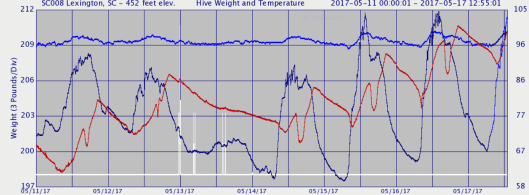
Indications are, we are approaching the end of the nectar flow. First it’s not really the end of the nectar flow. Rather it is a sharp decrease in nectar availability IN EXCESS of colony day to day needs.

Our local www.hivetool.net monitored hive shows recent changes in the weights during the daytime nectar gathering hours. What appears now is 1) sharp decrease when foragers leave the hive 2) sharp increase in weight as they return with nectar during the first half of the da…y 3) followed by afternoon decrease when nectar becomes scarce yet evaporation of in hive nectar continues, followed by 4) sharp increase in weight at end of the day when foragers return. Finally, 5) decrease in hive weight over night as nectar is steadily evaporated into honey.

Other indicators: Increase in bee irritability especially in the hot afternoon hours. Some foragers are staying inside without the strong scout signals of nectar sources. Foragers are older bees with and a bit more defensiveness as a rule. Expect a steady increase in more defensiveness as nectar flow continues to slow, especially in the afternoons. Depending on the size of your colony you may have 30,000 foragers willing to bounce you out of their hive. Besides you look like the Stay Puft Marshmallow Man anyway.

Bees leave the hive each morning looking for the biggest nectar bang for their buck as indicated by the findings of the scouts. After they clean that up they will scout and find lesser sources. I have noticed honey bees in late afternoon on sparkleberry and magnolia which typically are not attractive to them in the morning hours when something better is available. The fact that they are foraging 2nd class venues is indicative of preferred nectar plants drying up early in the day. A nice evening or nigh time rain may help this.

That’s my report on the Midlands as we approach the end of the flow. We really need to start prepping first year beekeepers with regard to changes in their beekeeping post nectar flow. i.e. feeding, water sources, protective equipment, mite treatment. There’s always something to do!

Feel free to share this on:

  • Share on Facebook (Opens in new window) Facebook
  • Share on X (Opens in new window) X
  • Share on Pinterest (Opens in new window) Pinterest
  • Email a link to a friend (Opens in new window) Email
  • Share on LinkedIn (Opens in new window) LinkedIn
  • Share on Reddit (Opens in new window) Reddit
  • Share on Tumblr (Opens in new window) Tumblr
  • Print (Opens in new window) Print
  • Share on Telegram (Opens in new window) Telegram
  • Share on WhatsApp (Opens in new window) WhatsApp
Like Loading...

Flexibility in Beekeeping

10 Thursday May 2018

Posted by Beekeeping365 in beekeeping

≈ Leave a comment

Tags

beekeeping

flex·i·bil·i·ty  fleksəˈbilədē/ noun: flexibility

– the quality of bending easily without breaking.

synonyms: pliability, suppleness, pliancy, plasticity;More: elasticity, stretchiness, springiness, spring, resilience, bounce; adaptability, adjustability, variability, versatility, open-endedness, freedom, latitude,  cooperation, amenability, accommodations, tolerance, willingness to compromise, willingness to change

Danny Cannon, our current local club President, delivered one of the best lectures I’ve ever sat through at a meeting about two years ago. It was titled “Flexibility in Beekeeping,” “Being Flexible in Beekeeping,” or some such similar title.

That lecture keeps ringing through my brain lately and for good reason. While the lecture had many layers of information, one of the threads in the lecture was the idea of moving backwards, sideways, (and other dance moves) as easily as we move forwards in our management. For instance, recently I’ve been playing musical chairs with supers, frames, and bees. Let me explain.

In the Spring it’s all about adding, expanding, and growth around here. Things seem to get bigger. A lot of addition taking place – boxes, hive stands, and new hives. The thinking is, If I can stay ahead of them with “more” they won’t swarm. Add, add, add. Grow, grow, grow. Feed, feed, feed. Gotta add more boxes and frames! Look and act – usually with more, more, more. Find a swarm and be flexible enough to have an extra stand, bottom board, and box available – capture, and add to the apiary. And that’s how most of the management goes in the Spring.

And then comes the post nectar flow Summer, Fall, and Winter management. But can I break my addiction to adding? Can I be flexible enough to read the bees and the situation? The queen will slow her production down as nectar wanes and more so when the days start getting shorter. Can I tap the brakes, slow down, make changes? Or will I be too reluctant to pull off that super that I worked so hard to build them up to needing. Or maybe they’ve swarmed and the hive is half empty now, yet I want to leave those boxes on in hopes they will build back up – and they very well might if I’m flexible in my management!

Maybe a queen fails and it becomes noticeable at the hive entrance that activity has slowed. But it’s hot and I’d rather not look inside; say it isn’t so because I’d really rather not track down a new queen. Or I have two hives that are in steep decline, should I combine them with stronger hives? I’m torn. After all, I have a plan as to how many hives I need to complete the mental picture I have of my hives sitting on their designated hive stands in my well designed apiary. I want “x” number of hives not “x-1” hives.

And so, I return to the topic of flexibility. Can I be flexible enough to respond appropriately during these post nectar flow months? Oh, it’s difficult. But if I don’t employ the same discipline of flexibility in removing unpopulated boxes, combining weak hives, or replacing a failing queen what penalty is paid? Unlike the threat of swarms in the spring, the lack of flexibility now is paid for with increased pests, hive failures, and loss of valued comb. Hives no longer able to cover comb with bees allow Small Hive Beetles to go unchecked and run amuck in nectar. Worse still is the bane of Wax Moths that move in on weakened hives and steal your most precious resource – your hard earned comb. Weak and declining hives need to be combined with strong hives. But can I be mentally flexible enough to do what needs to be done and then look at that empty spot on the hive stand? Flexibility is responding appropriately now and telling myself that a split may be possible later in the year or at least next Spring.

It’s all flexibility. I’ll read the bees as best I can, make adjustments, and go with the flow each and every time I visit the apiary or open a hive. Some days it’s like a gentle dance, other days it’s a roller coaster with ups and downs, round and rounds, bright lights and dark tunnels. When I pause afterwards I don’t say I enjoyed the ups but not the downs or the round and rounds.  No, I say, “I enjoyed the ride.” Be flexible and enjoy the ride.

Feel free to share this on:
  • Share on Facebook (Opens in new window) Facebook
  • Share on X (Opens in new window) X
  • Share on Pinterest (Opens in new window) Pinterest
  • Email a link to a friend (Opens in new window) Email
  • Share on LinkedIn (Opens in new window) LinkedIn
  • Share on Reddit (Opens in new window) Reddit
  • Share on Tumblr (Opens in new window) Tumblr
  • Print (Opens in new window) Print
  • Share on Telegram (Opens in new window) Telegram
  • Share on WhatsApp (Opens in new window) WhatsApp
Like Loading...

My Favorite Smoker Fuel by Local Honey from Happy Bees

09 Wednesday May 2018

Posted by Beekeeping365 in beekeeping, beekeeping management

≈ Leave a comment

Tags

bee smoker, burlap

Mine too! ~ SassafrasBeeFarm

As a beekeeper you have many choices when it comes to smoker fuel. Some of it is free and widely available and some of it can be ordered with several bee supply houses. During my first two years of beekeeping I was testing several fuel sources. The free fuel I found around the house ranged from dry grass to pine needles. I also purchased some smoker fuel from Brushy Mountain and picked up some small burlap bags at the local farmer store. Good news is – everything works! However, my favorite by far is burlap.

Read full article here: My Favorite Smoker Fuel — Local Honey from Happy Bees

Feel free to share this on:

  • Share on Facebook (Opens in new window) Facebook
  • Share on X (Opens in new window) X
  • Share on Pinterest (Opens in new window) Pinterest
  • Email a link to a friend (Opens in new window) Email
  • Share on LinkedIn (Opens in new window) LinkedIn
  • Share on Reddit (Opens in new window) Reddit
  • Share on Tumblr (Opens in new window) Tumblr
  • Print (Opens in new window) Print
  • Share on Telegram (Opens in new window) Telegram
  • Share on WhatsApp (Opens in new window) WhatsApp
Like Loading...

Some Surprising Bee Pollen Benefits by Types Of Bees

08 Tuesday May 2018

Posted by Beekeeping365 in beekeeping, pollen

≈ 1 Comment

Tags

beekeeping, pollen

What’s the buzz on bee pollen benefits? Studies have shown bee pollen can help ease inflammation or discomfort, particularly related to the prostate gland, it can alleviate symptoms of allergies or hay fever, it can improve fertility, and it has even been shown to protect against some of the harmful effects of x-ray radiation. The most commonly held belief is that consuming bee pollen by eating locally produced honey, which includes traces of pollen, will help with allergies. Although there is little scientific evidence to support this claim, there is some anecdotal research that suggests a beneficial connection. Plus, honey is delicious on everything and it’s always good to support local farms! So no matter what, it’s a good idea!

Read full article here: Some Surprising Bee Pollen Benefits — Types Of Bees

Feel free to share this on:

  • Share on Facebook (Opens in new window) Facebook
  • Share on X (Opens in new window) X
  • Share on Pinterest (Opens in new window) Pinterest
  • Email a link to a friend (Opens in new window) Email
  • Share on LinkedIn (Opens in new window) LinkedIn
  • Share on Reddit (Opens in new window) Reddit
  • Share on Tumblr (Opens in new window) Tumblr
  • Print (Opens in new window) Print
  • Share on Telegram (Opens in new window) Telegram
  • Share on WhatsApp (Opens in new window) WhatsApp
Like Loading...

Deformed Wing Virus by Prime Bees – College Station Bee & Honey Farm

07 Monday May 2018

Posted by Beekeeping365 in bee health, beekeeping, diseases, varroa destructor, varroa mites

≈ Leave a comment

Tags

deformed wing virus, disease management, diseases, varroa mites, viri

All too often when people hear that I am a beekeeper they ask me, “What’s killing the bees?” Of course there is no one reason but viri spread by Varroa mites is one reason I bring up along with a couple other reasons. Here is a good summary by Prime Bees of what’s happening with the mites and the viri they spread. – Sassafras Bee Farm

Deformed wing virus (DWV) is a highly viral disease transmitted by Varroa destructor. The disease is commonly found in colonies infested with mites. Deformed Wing Virus is regarded as deadly due to its ability to spread fast in any colony. It causes massive wing deformation in bees making it difficult for them to live normally. DWV which is regarded as a low-grade infectious disease is commonly triggered by mite infestations. It has a reputation for being massively destructive leading to the decimation of well-established colonies globally. The deformed wing virus is common in late summer and early fall. A high concentration of mites can be overwhelming for any bee colony.

DWV occurs when varroa mites which are external parasites feed on the hemolymph of both developing and mature bees after attacking them. Consequently; it reduces their lifespan drastically while spreading the deadly disease to the rest of the colony members. The Varroa mite can trigger the virus transmission from one infected bee to the entire colony within a very short span of time. Their vectored viruses are notorious at affecting honeybees immune systems hence leaving them exposed to risks of DWV. This wing deformity is a sign of a high viral load on the bees, and ultimately, bees need their wings to survive. Those with deformed wings cannot forage. 

Read full article here: Deformed Wing Virus — Prime Bees – College Station Bee & Honey Farm

Feel free to share this on:

  • Share on Facebook (Opens in new window) Facebook
  • Share on X (Opens in new window) X
  • Share on Pinterest (Opens in new window) Pinterest
  • Email a link to a friend (Opens in new window) Email
  • Share on LinkedIn (Opens in new window) LinkedIn
  • Share on Reddit (Opens in new window) Reddit
  • Share on Tumblr (Opens in new window) Tumblr
  • Print (Opens in new window) Print
  • Share on Telegram (Opens in new window) Telegram
  • Share on WhatsApp (Opens in new window) WhatsApp
Like Loading...

Wintering (Bees) : Sylvia Plath

06 Sunday May 2018

Posted by Beekeeping365 in beekeeping, beekeeping author, beekeeping books

≈ 1 Comment

Tags

beekeeping authors, bees in literature, lierature

Bees in Literature. SassafrasBeeFarm

Becca's avatarLittle Green Bees

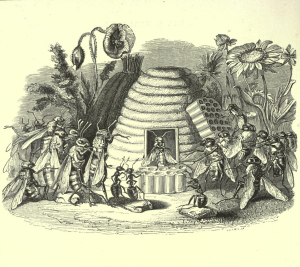
fablesdelafontai00lafouoft_0094

To be honest, Sylvia Plath’s poetry has always made me slightly uncomfortable.  I find it hard to think of her without a creepy feeling.  I know, she was a tormented young woman but I feel the way I feel.  Imagine, then, my cringe when I opened an email from James in which he excitedly shared with me a poem by a beekeeper named Sylvia Plath.  I had no idea she ever kept bees.  Here is a link to her beekeeping poetry and a well-written article about this time in her life: Sylvia Plath and the Bees

Wintering

This is the easy time,  there is nothing doing.
I have whirled the midwife’s extractor,
I have my honey,
Six jars of it,
Six cat’s eyes in the wine cellar,

Wintering in a dark without window
At the heart of the house
Next to the last tenant’s rancid jam
And the bottles of…

View original post 246 more words

Feel free to share this on:

  • Share on Facebook (Opens in new window) Facebook
  • Share on X (Opens in new window) X
  • Share on Pinterest (Opens in new window) Pinterest
  • Email a link to a friend (Opens in new window) Email
  • Share on LinkedIn (Opens in new window) LinkedIn
  • Share on Reddit (Opens in new window) Reddit
  • Share on Tumblr (Opens in new window) Tumblr
  • Print (Opens in new window) Print
  • Share on Telegram (Opens in new window) Telegram
  • Share on WhatsApp (Opens in new window) WhatsApp
Like Loading...

Diagnosis of Honey Bee Diseases – Free E-Book

06 Sunday May 2018

Posted by Beekeeping365 in beekeeping, beekeeping books, diseases

≈ Leave a comment

Tags

beekeeping books, diseases, E-book, honey bee diseases

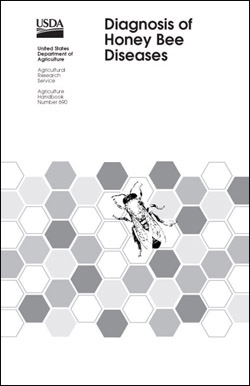
honeybeediseasescover

Diagnosis of Honey Bee Diseases

by Hachiro Shimanuki and David A. Knox

Apiary inspectors and beekeepers must be able to recognize bee diseases and parasites and to differentiate the serious diseases from the less important ones. This handbook describes laboratory techniques (particularly those of the USDA-ARS Bee Research Laboratory) used to diagnose diseases and other abnormalities of the honey bee and to identify parasites and pests. Includes directions for sending diseased brood and adult honey bees for diagnosis of bee disease. (The directions on p. 50 for submitting Africanized honey bees for identification are no longer correct; for current information on Africanized submissions click here.)

Click here for free Ebook: U.S. Department of Agriculture, Agricultural Research Service, Agriculture Handbook 690. B&W, 61 pp. April 1991; revised July 2000

Feel free to share this on:

  • Share on Facebook (Opens in new window) Facebook
  • Share on X (Opens in new window) X
  • Share on Pinterest (Opens in new window) Pinterest
  • Email a link to a friend (Opens in new window) Email
  • Share on LinkedIn (Opens in new window) LinkedIn
  • Share on Reddit (Opens in new window) Reddit
  • Share on Tumblr (Opens in new window) Tumblr
  • Print (Opens in new window) Print
  • Share on Telegram (Opens in new window) Telegram
  • Share on WhatsApp (Opens in new window) WhatsApp
Like Loading...

Honey Pork Salad by The Honey Cottage

05 Saturday May 2018

Posted by Beekeeping365 in beekeeping, honey as food, honey recipe, recipe

≈ 1 Comment

Tags

honey, Honey Pork Salad, recipe, salad

Do you ever look at your salad and wish it was more?

I have always been a fan of making fancy salads! This is one of my favorite recipes because you can use a different fruit or meat and change it up! This is a salad that is perfect for lunch or dinner and is easy enough to make in advance. The best part of this salad; is the sweet and savory satisfaction you get from eating it. I truly believe a salad should not just be a salad; it should be fun and leave you feeling great. I hope you enjoy this recipe as much as I do! Remember the eyes it first; making the salad look good will mean that you will feel more satisfied.

continued…

Get ingredients list and full recipe at:  Honey Pork Salad — The Honey Cottage

Feel free to share this on:

  • Share on Facebook (Opens in new window) Facebook
  • Share on X (Opens in new window) X
  • Share on Pinterest (Opens in new window) Pinterest
  • Email a link to a friend (Opens in new window) Email
  • Share on LinkedIn (Opens in new window) LinkedIn
  • Share on Reddit (Opens in new window) Reddit
  • Share on Tumblr (Opens in new window) Tumblr
  • Print (Opens in new window) Print
  • Share on Telegram (Opens in new window) Telegram
  • Share on WhatsApp (Opens in new window) WhatsApp
Like Loading...

What to Look For In a Beehive Inspection by Wildflower Meadows

04 Friday May 2018

Posted by Beekeeping365 in beekeeping, hive inspections

≈ Leave a comment

Tags

beekeeping, inspection notes, management

inspection-1030x687

A good article on being thoughtful on making inspections. -Sassafrassbeefarm

A successful beehive inspection begins even before a beekeeper opens the colony.  Sometimes, if the weather is too cold or otherwise unpleasant, an outside inspection may be all that a conscientious beekeeper will want to do for the day.  Not every day is ideal for opening a beehive.

No matter what the conditions, however, an astute beekeeper can learn much about a colony’s health simply by carefully observing the bees outside of the colony and considering . . .

  • Given the conditions of weather and bloom, is the level of activity taking place on the entrance greater or lower than what would be expected?
  • Are the bees bringing in pollen?
  • Are there signs of robbing or defensive behavior?
  • Are the bees fighting off invading insects such as wasps or ants?
  • Are there dead bees lying in front of the entrance?

Read the full article here: What to Look For In a Beehive Inspection — Wildflower Meadows

Feel free to share this on:

  • Share on Facebook (Opens in new window) Facebook
  • Share on X (Opens in new window) X
  • Share on Pinterest (Opens in new window) Pinterest
  • Email a link to a friend (Opens in new window) Email
  • Share on LinkedIn (Opens in new window) LinkedIn
  • Share on Reddit (Opens in new window) Reddit
  • Share on Tumblr (Opens in new window) Tumblr
  • Print (Opens in new window) Print
  • Share on Telegram (Opens in new window) Telegram
  • Share on WhatsApp (Opens in new window) WhatsApp
Like Loading...

Crop pollination depends on wild AND managed pollinators

02 Wednesday May 2018

Posted by Beekeeping365 in beekeeping, pollination, pollinators

≈ 1 Comment

Tags

ecology, environmental ecology, pollination, pollinator gardening

Common sense approach to pollinator ecosystems.

Manu Saunders's avatarEcology is not a dirty word

I just published this letter with Toby Smith and Romina Rader, in response to an opinion piece in Science back in January. The original paper argues that high densities of honey bees can harm wild pollinators (this can happen in some contexts).

It also suggests that a first step toward a conservation strategy for wild pollinators is that crop pollination by managed honey bees “should not be considered an ecosystem service” because those services “are delivered by an agricultural animal and not the local ecosystems”.

This highlights a common misinterpretation of what ecosystem services is all about. Services are delivered by interactions between species (including Homo sapiens) and their environments at multiple scales, not individual organisms or natural ecosystems.

View original post 319 more words

Feel free to share this on:

  • Share on Facebook (Opens in new window) Facebook
  • Share on X (Opens in new window) X
  • Share on Pinterest (Opens in new window) Pinterest
  • Email a link to a friend (Opens in new window) Email
  • Share on LinkedIn (Opens in new window) LinkedIn
  • Share on Reddit (Opens in new window) Reddit
  • Share on Tumblr (Opens in new window) Tumblr
  • Print (Opens in new window) Print
  • Share on Telegram (Opens in new window) Telegram
  • Share on WhatsApp (Opens in new window) WhatsApp
Like Loading...

An open invitation to my visitors

02 Wednesday May 2018

Posted by Beekeeping365 in beekeeping

≈ 19 Comments

Tags

visitors pages and blogs

A sweet treat!

A sweet treat!

With this blog post I’d like to invite all of the followers and visitors of Beekeeping365 to post a response below announcing their blog and inviting others to come visit. I think most of my followers are beekeepers but beekeeper or not don’t let that stand in your way. It’s time to Bee Proud and tell others a little about your self and invite others to subscribe to your blog, Facebook page, or Twitter account. Don’t bee shy! Tell us what you’re doing, what you hope to accomplish, and invite us all to become regular visitors at your place!

Sassafras Bee Farm

Feel free to share this on:

  • Share on Facebook (Opens in new window) Facebook
  • Share on X (Opens in new window) X
  • Share on Pinterest (Opens in new window) Pinterest
  • Email a link to a friend (Opens in new window) Email
  • Share on LinkedIn (Opens in new window) LinkedIn
  • Share on Reddit (Opens in new window) Reddit
  • Share on Tumblr (Opens in new window) Tumblr
  • Print (Opens in new window) Print
  • Share on Telegram (Opens in new window) Telegram
  • Share on WhatsApp (Opens in new window) WhatsApp
Like Loading...

Strawberry Honey and Ricotta Toast by Danilicious

28 Saturday Apr 2018

Posted by Beekeeping365 in beekeeping, honey recipe, recipe

≈ 1 Comment

Tags

breakfast recipe, fruit recipe, honey, honey recipe, recipe, strawberries

It’s still berry season here in South Carolina. Time to enjoy lots of sweet delicious strawberries!

It’s finally berry season again and I couldn’t be more excited. I LOVE berries. I eat a yogurt parfait almost every day and I need fresh berries in it to make it feel complete.

I buy berries all year long, even when they are out of season and way too expensive.  I know I shouldn’t or at least buy the frozen berries. But there is something about a juicy, ripe fresh berry I cannot resist. The frozen just aren’t the same.

Now that berries are back in season AND on sale. Well, naturally, I did a little happy dance at the store.

….and I created this delicious new breakfast treat.

Read full article and recipe here:  Strawberry Honey and Ricotta Toast — Danilicious

Feel free to share this on:

  • Share on Facebook (Opens in new window) Facebook
  • Share on X (Opens in new window) X
  • Share on Pinterest (Opens in new window) Pinterest
  • Email a link to a friend (Opens in new window) Email
  • Share on LinkedIn (Opens in new window) LinkedIn
  • Share on Reddit (Opens in new window) Reddit
  • Share on Tumblr (Opens in new window) Tumblr
  • Print (Opens in new window) Print
  • Share on Telegram (Opens in new window) Telegram
  • Share on WhatsApp (Opens in new window) WhatsApp
Like Loading...

Propolis (bee glue) by Lytchett Bay Apiaries

27 Friday Apr 2018

Posted by Beekeeping365 in beekeeping

≈ Leave a comment

Propolis (bee glue)

Propolis or bee glue is a resinous mixture that honey bees produce by mixing saliva and beeswax with exudate gathered from tree buds, sap flows, or other botanical sources. It is used as a sealant for unwanted open spaces in the hive. Propolis is used for small gaps, while larger spaces are usually filled with beeswax. Its color varies depending on its botanical source, the most common being dark brown. Propolis is sticky at, and above, room temperature. At lower temperatures, it becomes hard and very brittle.

Composition

The composition of propolis varies from hive to hive, from district to district, and from season to season. Normally, it is dark brown in color, but it can be found in green, red, black, and white hues, depending on the sources of resin found in the particular hive area. Honey bees are opportunists, gathering what they need from available sources, and detailed analyses show that the chemical composition of propolis varies considerably from region to region, along with the vegetation. In northern temperate climates, for example, bees collect resins from trees, such as poplars and conifers (the biological role of resin in trees is to seal wounds and defend against bacteria, fungi and insects). “Typical” northern temperate propolis has approximately 50 constituents, primarily resins and vegetable balsams (50%), waxes (30%), essential oils (10%), and pollen (5%). Propolis also contains persistent lipophilic acaricides, a natural pesticide that deters mite infestations

Read for article here: Propolis (bee glue) — Lytchett Bay Apiaries

Feel free to share this on:

  • Share on Facebook (Opens in new window) Facebook
  • Share on X (Opens in new window) X
  • Share on Pinterest (Opens in new window) Pinterest
  • Email a link to a friend (Opens in new window) Email
  • Share on LinkedIn (Opens in new window) LinkedIn
  • Share on Reddit (Opens in new window) Reddit
  • Share on Tumblr (Opens in new window) Tumblr
  • Print (Opens in new window) Print
  • Share on Telegram (Opens in new window) Telegram
  • Share on WhatsApp (Opens in new window) WhatsApp
Like Loading...

Beekeeping Calendar and Seasons – Springtime

26 Thursday Apr 2018

Posted by Beekeeping365 in beekeeping, beekeeping calendar, beekeeping seasons, calendar, seasons

≈ Leave a comment

Tags

beekeeping, seasons

What to do through the spring season in beekeeping – check out our list of simple, spring beekeeper activities.

via Beekeeping Calendar and Seasons – Springtime — Prime Bees – College Station Bee & Honey Farm

Feel free to share this on:

  • Share on Facebook (Opens in new window) Facebook
  • Share on X (Opens in new window) X
  • Share on Pinterest (Opens in new window) Pinterest
  • Email a link to a friend (Opens in new window) Email
  • Share on LinkedIn (Opens in new window) LinkedIn
  • Share on Reddit (Opens in new window) Reddit
  • Share on Tumblr (Opens in new window) Tumblr
  • Print (Opens in new window) Print
  • Share on Telegram (Opens in new window) Telegram
  • Share on WhatsApp (Opens in new window) WhatsApp
Like Loading...

Honeybee Nutrition and Behavior

25 Wednesday Apr 2018

Posted by Beekeeping365 in beekeeping

≈ Leave a comment

Tags

beekeeping

iow-shadesofpollen

Source: Honeybee Nutrition and Behavior

A) Pollen quantity and quality: plant responses to stress  

Recent honeybee declines may be influenced by pollen/nectar quality that compromise a bees’ ability to cope with environmental challenges, including disease and stress. Plants facing drought compromise floral trait expression which in turn can affect bee health. We are studying how drought stress in canola (Brassica napus) affects the floral reward quantity and quality. We are also monitoring the quality of bee hive pollen when foraging on crops under abiotic stress.

B) Floral chemicals

Plant-pollinator mutualism go beyond floral traits and pollinator behavior. Pollinators have evolved to take advantage of diverse floral chemicals. Increasing our knowledge of the chemical relationships between bees and plants is an important step towards understanding the intricacies of hive function and honeybee colony management. Ongoing studies aim to understand the role of key phytochemicals in promoting honeybee health.

Click here for more.

Source: Honeybee Nutrition and Behavior

Feel free to share this on:

  • Share on Facebook (Opens in new window) Facebook
  • Share on X (Opens in new window) X
  • Share on Pinterest (Opens in new window) Pinterest
  • Email a link to a friend (Opens in new window) Email
  • Share on LinkedIn (Opens in new window) LinkedIn
  • Share on Reddit (Opens in new window) Reddit
  • Share on Tumblr (Opens in new window) Tumblr
  • Print (Opens in new window) Print
  • Share on Telegram (Opens in new window) Telegram
  • Share on WhatsApp (Opens in new window) WhatsApp
Like Loading...

The Status of the Honey Bee in the Law

24 Tuesday Apr 2018

Posted by Beekeeping365 in bee law, beekeeping, education

≈ 2 Comments

Tags

bee law, beekeeping, education

The_ABC_of_bee_culture-_a_cyclopaedia_of_every_thing_pertaining_to_the_care_of_the_honey-bee;_bees,_honey,_hives,_implements,_honey-plants,_etc_,_facts_gleaned_from_the_experienc

Photo: The ABC of Bee Culture: a cyclopaedia of every thing pertaining to the care of the honey-bee; bees, honey, hives, implements, honey-plants, etc., facts gleaned from the experience of thousands of bee keepers all over our land, and afterward verified by practical work in our own apiary.


The Status of the Honey Bee in the Law:

The law divides the entire animal kingdom into two classes: (Blackstone Commentaries, Book II, p. 390)

First, those which are domesticated (ferae domitia) and, second, those which are wild (ferae naturae). The rights and liabilities of persons with reference to the animal kingdom then are likewise divisible. Bees belong with the latter class and, in considering the law with reference to these cases, rules pertaining or applicable to the former class would not have any significance. Wild animals are also divisible into two classes:

Those which are free to roam at will, and those which have been subjected to man’s dominion. Rights and liabilities depend upon the class into which the animal falls at the particular time. If it be in a State of Nature, free to roam at will, it is the property of no one, not even of the one on whose land it may be at the particular time, and may become the property of the first taker, even though he be a trespasser and liable for the trespass.

One who enters another’s premises without the invitation or permission of the owner is a trespasser, but this gives the owner of the premises no title to the wild things thereon, it merely gives him the right to protect others from coming thereon and taking them. If, however, some person against his will enters the premises and takes a wild animal or a swarm of wild bees, such a person becomes the owner of what he takes, but he has to answer to the owner of the premises for the trespass. If, however, the animals have been brought within the dominion of the owner of the premises as deer in a park, rabbits in a warren, or bees in a hive, such an entry and taking would be a crime as the law recognizes the property of him who has dominion over them and the taker would gain no title by the taking, for the owner might regain them by legal proceedings. (Blackstone Commentaries, Book II, p. 392)

So we may understand that the animal kingdom to which the bees belong is subject to a certain qualified proprietary interest. That is, they belong to no one, not even the owner of the soil on which their nest may be unless they have been subjected to his dominion, and when so reduced to possession, they are his property. This principle, however, is subject to an important modification: they remain the property of the possessor only so long as his dominion continues, and if such animals regain their freedom, as bees by swarming out and occupying some natural hive, as a hollow in a tree, the property right is lost and they again revert to their natural state and become the property of the first taker.

These same notions also control the matter of liability for injuries done by the bees, and such liability depends on proprietorship. So it would seem that if the bees have escaped from their owner, or have swarmed out of his hive, unless he can be shown negligent in having permitted this, there can be no liability for injuries done by them.

— excerpt from ‘Bees and the Law’, pages 11-12, written by Murray Loring, published by Dadant, 1981

Feel free to share this on:

  • Share on Facebook (Opens in new window) Facebook
  • Share on X (Opens in new window) X
  • Share on Pinterest (Opens in new window) Pinterest
  • Email a link to a friend (Opens in new window) Email
  • Share on LinkedIn (Opens in new window) LinkedIn
  • Share on Reddit (Opens in new window) Reddit
  • Share on Tumblr (Opens in new window) Tumblr
  • Print (Opens in new window) Print
  • Share on Telegram (Opens in new window) Telegram
  • Share on WhatsApp (Opens in new window) WhatsApp
Like Loading...

BEES IN TREES — Bee Culture

23 Monday Apr 2018

Posted by Beekeeping365 in beekeeping

≈ Leave a comment

By: Dewey Caron

Beekeeping is one of the oldest forms of food production dating as far back as 13,000 BC.

Human cultures were initially hunters/gathers, which included hunting of wild nests for honey and beeswax. Some human cultures continue such traditions today, such as the harvesting of Apis dorsata nests in the mountains of  Nepal and the native honey hunters of the Sundarban mangroves of India/Bangeldesh (both highly dangerous – sheer cliffs of Nepal and man-eating Tigers that rule the Sundarbans). Mike Burgett, in an interview by M.E.A. McNeil, Dec. 2014 Bee Culture describes the dangers to the Sundarban honey hunters. http://www.beeculture.com/mike-burgett-interview/

Two interesting YouTube videos show

  • Irulas honey hunters of south central India “Honey of the Untouchables” with supurb Bee photographer, Eric Tourneret,  http://youtu.be/6gYbLek5jz8 and
  • Kulung culture (Nepal) Honey Hunters from National Geographic  https://www.nationalgeographic.com/magazine/2017/07/honey-hunters-bees-climbing-nepal/

The history of humans bringing bees closer to their residences is not well documented. Most farmers kept other livestock and grew crops and keeping bees was only part of their husbandry/agriculture. Generally the beginning of “domestication” of honey bees by middle eastern cultures is cited as around from 10,000 to 4400 years ago.

With Reverend Langstroth’s development of the movable comb hive (1851), German Johannes Mehring’s refinement of comb foundation (1857), plus the honey extractor (von Hruschka 1864/1865 – see article by Wyatt Mangum in Sept 2016 ABJ), it became easier to keep honey bees at the convenience of the beekeeper. Prior to this, bees were often “kept” where they were found, in their selected cavities and individuals obtained their honey and beeswax via destruct harvest.

Read full article here: BEES IN TREES — Bee Culture


Feel free to share this on:

  • Share on Facebook (Opens in new window) Facebook
  • Share on X (Opens in new window) X
  • Share on Pinterest (Opens in new window) Pinterest
  • Email a link to a friend (Opens in new window) Email
  • Share on LinkedIn (Opens in new window) LinkedIn
  • Share on Reddit (Opens in new window) Reddit
  • Share on Tumblr (Opens in new window) Tumblr
  • Print (Opens in new window) Print
  • Share on Telegram (Opens in new window) Telegram
  • Share on WhatsApp (Opens in new window) WhatsApp
Like Loading...

Plant Profile: White Clover {Trifolium repens} by Crooked Bear Creek Organic Herbs

22 Sunday Apr 2018

Posted by Beekeeping365 in beekeeping, forage

≈ 1 Comment

Tags

beekeeping, clover, ecology, honey bee forage, White Clover

Here’s some good information regarding white clover – a honey bee favorite! – sassafrasbeefarm

Article by: Crooked Bear Creek Organic Herbs

White clover (botanical name Trifolium repens) is a clover species that is indigenous to Europe, West Asia and Northern regions of Africa. Extensively introduced across the globe, this species is cultivated in the form of a pasture crop and is currently even common in the grassland regions of North America as well as New Zealand. White clover is also known as Dutch clover, as this species was cultivated in Holland for the first time.

White clover is a herbaceous (herb-like) perennially growing small plant. It grows close to the ground and produces small whitish flower heads, which usually have a pink or creamy tinge, which may occur as the plant matures. Usually, the flower heads measure anything between 1.5 cm and 2.0 cm (0.6 inches and 0.8 inches) wide and appear at the end of the flower stalks or peduncles measuring about 7 cm or 2.8 inches.

Read the excellent and lengthy full blog post here:  Plant Profile: White Clover {Trifolium repens} by Crooked Bear Creek Organic Herbs

Feel free to share this on:

  • Share on Facebook (Opens in new window) Facebook
  • Share on X (Opens in new window) X
  • Share on Pinterest (Opens in new window) Pinterest
  • Email a link to a friend (Opens in new window) Email
  • Share on LinkedIn (Opens in new window) LinkedIn
  • Share on Reddit (Opens in new window) Reddit
  • Share on Tumblr (Opens in new window) Tumblr
  • Print (Opens in new window) Print
  • Share on Telegram (Opens in new window) Telegram
  • Share on WhatsApp (Opens in new window) WhatsApp
Like Loading...

Cinnamon Honey Butter by In Dianes Kitchen

21 Saturday Apr 2018

Posted by Beekeeping365 in beekeeping, honey, honey as food, honey recipe, recipe

≈ 2 Comments

Tags

Cinnamon Honey Butter, honey, honey recipe, recipe

My husband and I went out to eat at Texas Roadhouse and thoroughly enjoyed their warm rolls with the Cinnamon Honey Butter so I thought I would make my own. I love cinnamon and this butter is excellent on things like French toast, pancakes, toast, sweet rolls, dinner rolls…. well you get the idea. This can be made up in a matter of minutes and then placed in the refrigerator for a few hours and it’s ready to go!

Read full yummy recipe here: Cinnamon Honey Butter — In Dianes Kitchen

Feel free to share this on:

  • Share on Facebook (Opens in new window) Facebook
  • Share on X (Opens in new window) X
  • Share on Pinterest (Opens in new window) Pinterest
  • Email a link to a friend (Opens in new window) Email
  • Share on LinkedIn (Opens in new window) LinkedIn
  • Share on Reddit (Opens in new window) Reddit
  • Share on Tumblr (Opens in new window) Tumblr
  • Print (Opens in new window) Print
  • Share on Telegram (Opens in new window) Telegram
  • Share on WhatsApp (Opens in new window) WhatsApp
Like Loading...

12 Must See Ted Talks for Beekeepers by kiwimana

20 Friday Apr 2018

Posted by Beekeeping365 in beekeeping

≈ Leave a comment

Tags

beekeepers, Kiwimana, Ted Talks, videos

12_Must_See_Ted_Talks_FB

Ted is an organization that posts talks online, their YouTube channel is full of great short talks about many unique topics.

TED is a media organization which posts talks online for free distribution, under the slogan “ideas worth spreading”. TED was founded in February 1984 as a conference, which has been held annually since 1990.

We sat down on rainy afternoon in the Waitakere ranges, and watched loads of Ted Talks about bees here are our top twelve.

Do you love learning about Bees? Here is our top twelve favorite Ted Talks about bees. Grab a coffee, Sit down and watch these quick talks. The post 12 Must See Ted Talks for Beekeepers appeared first on kiwimana.

Read full blog post with introductions to these videos here:  12 Must See Ted Talks for Beekeepers — kiwimana

Feel free to share this on:

  • Share on Facebook (Opens in new window) Facebook
  • Share on X (Opens in new window) X
  • Share on Pinterest (Opens in new window) Pinterest
  • Email a link to a friend (Opens in new window) Email
  • Share on LinkedIn (Opens in new window) LinkedIn
  • Share on Reddit (Opens in new window) Reddit
  • Share on Tumblr (Opens in new window) Tumblr
  • Print (Opens in new window) Print
  • Share on Telegram (Opens in new window) Telegram
  • Share on WhatsApp (Opens in new window) WhatsApp
Like Loading...

Robo bees are back, but will they last? by Ecology is not a dirty word

19 Thursday Apr 2018

Posted by Beekeeping365 in beekeeping

≈ Leave a comment

Tags

beekeeping, pollinator drones, robo bees, robot bee

No doubt I am getting older. But regardless of my being stuck in the past and the way things are/were, I can fathom this concept. Like the author it seems to be too many hurdles are in the way to accomplish. Heck, I can’t even fathom why. – sassafrasbeefarm

The robot bee story is back in the news. I covered some of the new research and associated media hype last year. The latest: a patent has been filed for building ‘pollinator drones’ and the media (both newsy and social) are in despair, as the end is clearly nigh.

But don’t worry. Here are a few challenges the pollinator drones will need to overcome before they can take over agriculture:

Read the full blog post here: Robo bees are back, but will they last? by Ecology is not a dirty word

Feel free to share this on:

  • Share on Facebook (Opens in new window) Facebook
  • Share on X (Opens in new window) X
  • Share on Pinterest (Opens in new window) Pinterest
  • Email a link to a friend (Opens in new window) Email
  • Share on LinkedIn (Opens in new window) LinkedIn
  • Share on Reddit (Opens in new window) Reddit
  • Share on Tumblr (Opens in new window) Tumblr
  • Print (Opens in new window) Print
  • Share on Telegram (Opens in new window) Telegram
  • Share on WhatsApp (Opens in new window) WhatsApp
Like Loading...

Easy Queen Rearing by Sustainable Bees

18 Wednesday Apr 2018

Posted by Beekeeping365 in beekeeping, queens

≈ Leave a comment

Tags

honey bee queen, queen rearing, queens

Queen rearing doesn’t have to be difficult. Here is an excellent article by Sustainable Bees on raising “easy” queens. – sassafrasbeefarm

Article by: Sustainable Bees

Many beekeepers believe queen rearing is a very technical and difficult process. Actually it is easier than you think.  There are a lot of good ways to do it.  Harvesting swarm cells in the springtime is one way, but to be in control of the process and get queens when you want them, the beek has to intervene & get the bees to do it on command. Moving the queen out of a strong colony by forming a nuc and keeping her in it is one way to get the bees to go into emergency queen rearing mode. (cont.)

Read full blog article here: Easy Queen Rearing by Sustainable Bees

Feel free to share this on:

  • Share on Facebook (Opens in new window) Facebook
  • Share on X (Opens in new window) X
  • Share on Pinterest (Opens in new window) Pinterest
  • Email a link to a friend (Opens in new window) Email
  • Share on LinkedIn (Opens in new window) LinkedIn
  • Share on Reddit (Opens in new window) Reddit
  • Share on Tumblr (Opens in new window) Tumblr
  • Print (Opens in new window) Print
  • Share on Telegram (Opens in new window) Telegram
  • Share on WhatsApp (Opens in new window) WhatsApp
Like Loading...

Pollen: Tales Beyond the Sneeze by thebeeswaggle

15 Sunday Apr 2018

Posted by Beekeeping365 in beekeeping, pollen

≈ Leave a comment

Tags

beekeeping, honey bees, pollen

Many of us can relate to that moment when you accept spring’s invitation to step out and saunter in the warm sun to hear all the vibrant sounds as nature awakes from the slumber of winter, to smell all the fragrances floating on the breeze, and then it hits you, a series of powerful, uncontrollable sneezing fits! Upon recovery, your eyes are filled with tears, and your nose is running in an effort to clear that tiny nuisance, pollen.  Profits are made in efforts to assist our terrible reactions to pollen, and many of us would rather it not exist, so what is it; why does it exist; and who really needs it?

Read fully blog article here: Pollen: Tales Beyond the Sneeze by thebeeswaggle

Feel free to share this on:

  • Share on Facebook (Opens in new window) Facebook
  • Share on X (Opens in new window) X
  • Share on Pinterest (Opens in new window) Pinterest
  • Email a link to a friend (Opens in new window) Email
  • Share on LinkedIn (Opens in new window) LinkedIn
  • Share on Reddit (Opens in new window) Reddit
  • Share on Tumblr (Opens in new window) Tumblr
  • Print (Opens in new window) Print
  • Share on Telegram (Opens in new window) Telegram
  • Share on WhatsApp (Opens in new window) WhatsApp
Like Loading...

Brazil’s Beekeeping Donkey – Great Big Story by msamba

13 Friday Apr 2018

Posted by Beekeeping365 in beekeeping, beekeeping management, humor

≈ 1 Comment

Tags

beekeeping equipment, beekeeping humor, the beekeeping donkey

qwfwqf-min-1-1

Manuel Juraci Vieira needed a way to transport the honey he would collect from his beehives on his farm back to his home. His solution? His donkey, Boneco. Outfitted in his very own homemade beekeeping suit, Boneco tags alongside Vieira, helping him carry the honey they gather during their hauls. Working together, the unlikely colleagues and friends are able to harvest more of the sweet stuff than possible with Vieira working alone.

via Brazil’s Beekeeping Donkey – Great Big Story — msamba

Feel free to share this on:

  • Share on Facebook (Opens in new window) Facebook
  • Share on X (Opens in new window) X
  • Share on Pinterest (Opens in new window) Pinterest
  • Email a link to a friend (Opens in new window) Email
  • Share on LinkedIn (Opens in new window) LinkedIn
  • Share on Reddit (Opens in new window) Reddit
  • Share on Tumblr (Opens in new window) Tumblr
  • Print (Opens in new window) Print
  • Share on Telegram (Opens in new window) Telegram
  • Share on WhatsApp (Opens in new window) WhatsApp
Like Loading...

Bee Stings May Be Miracle Cure

11 Wednesday Apr 2018

Posted by Beekeeping365 in apitherapy, beekeeping

≈ 3 Comments

Tags

apitherapy, bee stings, beekeeping

Intro.:

Last year I received a telephone call from a man wanting bees. I assumed he meant a package or nucleus hive. His broken English made communication a challenge but eventually I understood he wanted the bees for apitherapy use.

I told him I had never provided bees for apitherapy. I had read about it and understood the reasons why people utilize stinging but had no personal experience. We decided to meet and discuss the matter as he wanted some honey as well. Seeing this man and talking to him convinced me to help him. He appeared to have a rheumatoid arthritis such that even walking was difficult. In conversation he told me he was currently unable to work. He also related that he had used the bees in his home country successfully and that the improvement was very real.

I decided to give him the bees needed. There was some prep time in constructing an appropriate bee box for his use. After a single “round” of treatments he was driving to meet me, instead of his wife, and soon had his work equipment loaded in his small truck.

I haven’t heard from him yet this year, but am eagerly looking forward to setting him up with a small hive of his own this year as we planned.

Update: I have heard from my apitherapy friend via phone call. He tells me he is in some sort of remission and doing well. He thanked me for helping him during his hour of need and promises to stay in touch.

Sassafras Bee Farm

For more information on Apitherapy:

By Ibrahim Alkhayal Alternative medicine often comes up with new and creative healing processes. A method being tried in Palestine uses the bee sting, called apitherapy. Rateb Samour, known as Abo Ibrahim, is a Palestinian beekeeper and agriculture engineer in the Gaza Strip town of Rafah. For about 13 years, he has devoted all his […]

via Bee Stings May Be Miracle Cure — Sutradhar’s Market

Feel free to share this on:

  • Share on Facebook (Opens in new window) Facebook
  • Share on X (Opens in new window) X
  • Share on Pinterest (Opens in new window) Pinterest
  • Email a link to a friend (Opens in new window) Email
  • Share on LinkedIn (Opens in new window) LinkedIn
  • Share on Reddit (Opens in new window) Reddit
  • Share on Tumblr (Opens in new window) Tumblr
  • Print (Opens in new window) Print
  • Share on Telegram (Opens in new window) Telegram
  • Share on WhatsApp (Opens in new window) WhatsApp
Like Loading...

Book Review: The Incomparable Honeybee by Dr. Reese Halter

08 Sunday Apr 2018

Posted by Beekeeping365 in beekeeping, beekeeping books, book review

≈ 3 Comments

Tags

beekeeping, beekeeping books, book review, Honey bee

9781926855646

Article by: GeoKs

This title interested me for a few reasons. I remember being shocked when I saw documentary a few years ago about a region in China where pesticides and other toxins have wiped out the local honeybees and labourers have to pollinate pear blossoms by hand! Over the past year or two, it’s been almost impossible to miss the relatively regular media reports about Colony Collapse Disorder and the fact that researchers really haven’t figured out why more than 30% of our bee population is dying out every year. So when we had to re-plant our yard after last year’s whole home renovation project, I kept thinking I wanted to plant flowers and other plants that were friendly to bees, butterflies and birds. After reading The Incomparable Honeybee this morning, I realize I need to tweak a few things.

But I’m getting ahead of myself… First, here are a few especially fascinating facts from the book:

Continued here: Book Review: The Incomparable Honeybee by Dr. Reese Halter

Feel free to share this on:

  • Share on Facebook (Opens in new window) Facebook
  • Share on X (Opens in new window) X
  • Share on Pinterest (Opens in new window) Pinterest
  • Email a link to a friend (Opens in new window) Email
  • Share on LinkedIn (Opens in new window) LinkedIn
  • Share on Reddit (Opens in new window) Reddit
  • Share on Tumblr (Opens in new window) Tumblr
  • Print (Opens in new window) Print
  • Share on Telegram (Opens in new window) Telegram
  • Share on WhatsApp (Opens in new window) WhatsApp
Like Loading...

Honey-Sweetened Cheesecake Recipe by Ink, Yarn & Beer

07 Saturday Apr 2018

Posted by Beekeeping365 in beekeeping, honey, honey as food, honey recipe, recipe

≈ Leave a comment

Tags

cheesecake, honey, honey cheesecake, honey recipe, Honey Sweetened Cheesecake, recipe

Once more, dietary changes are forcing cooking and baking changes.  Some results are rather dreadful.  Others have proven to be quite good!  So it was with this cheesecake.  No sugar, no gluten.  The biggest problem was finding the dry curd cottage cheese. also known as hoop cheese or farmer’s cheese.  I found the cheese at the local Whole Foods, and neither my husband nor I had ever tasted it – but we did, and liked it.  It is a rather dry cheese, not sweet or salty, with a bit of a curd, but very fine, like ricotta.  The original recipe is from this blog, but I changed it so that I made one 8″ cheesecake, instead of 4 individual ones.  The only thing beside pan size that I changed was the baking time.

Read full yummy recipe here: Honey-Sweetened Cheesecake Recipe — Ink, Yarn & Beer

Feel free to share this on:

  • Share on Facebook (Opens in new window) Facebook
  • Share on X (Opens in new window) X
  • Share on Pinterest (Opens in new window) Pinterest
  • Email a link to a friend (Opens in new window) Email
  • Share on LinkedIn (Opens in new window) LinkedIn
  • Share on Reddit (Opens in new window) Reddit
  • Share on Tumblr (Opens in new window) Tumblr
  • Print (Opens in new window) Print
  • Share on Telegram (Opens in new window) Telegram
  • Share on WhatsApp (Opens in new window) WhatsApp
Like Loading...

Swarm Trap Time by BruceLovesBees

06 Friday Apr 2018

Posted by Beekeeping365 in beekeeping, swarms

≈ 1 Comment

Tags

bait hives, beekeeping, swarm traps, swarms

img_20180402_1745551479328412

We conclude Swarm Week here at Beekeeping365 with an encouragement to set some bait hives in your area. Follow the well published guidelines regarding cavity volume, height, entrance size, and add the odors of drawn comb and another attractant such as lemongrass oil. It’s fun – like fishing – except for honey bees!

Bruce isn’t playing around this year. He’s upped his game and is going to catch some big swarms! This is what it takes to capture swarms – a dedication to constructing bait hives along the lines of what is known the bees will accept and occupy. Questions? Click on over to Bruce’s blog and post some questions or comments. sassafrasbeefarm

By Bruce Loves Bees:

I’m not playing around this year. Last year, I was so busy chasing swarm calls, and working, that I got way behind on putting my swarm traps up. I managed to get about 20 traps up, but I got them up late, and only caught 6 swarms in my traps. I also used alot of single 5-frame nuc boxes as traps. All of my swarm calls were for swarms over 5 lbs, so none of these would have went into a nuc. A few of them were over 10 lbs and didn’t even fit into a single 10-frame deep. This year, my swarm traps are a minimum of one nuc and one medium.

cont.

Read full blog post here: Swarm Trap Time by Bruce Loves Bees

Feel free to share this on:

  • Share on Facebook (Opens in new window) Facebook
  • Share on X (Opens in new window) X
  • Share on Pinterest (Opens in new window) Pinterest
  • Email a link to a friend (Opens in new window) Email
  • Share on LinkedIn (Opens in new window) LinkedIn
  • Share on Reddit (Opens in new window) Reddit
  • Share on Tumblr (Opens in new window) Tumblr
  • Print (Opens in new window) Print
  • Share on Telegram (Opens in new window) Telegram
  • Share on WhatsApp (Opens in new window) WhatsApp
Like Loading...

Hive report: Swarm! by a-single-serving.com

05 Thursday Apr 2018

Posted by Beekeeping365 in beekeeping, swarms

≈ Leave a comment

Tags

swarm issuing, swarms

Every year many people send me pictures or videos of their bees with the question, “Are my bees swarming.” Most of the time they are simply bearding due to heat and/or congestion. This post by a-single-serving.com has an excellent video of a swarm issuing from a hive. Warning: It’s quite exciting! 🙂

Yesterday (28 March) it was finally warm enough for me to do a hive inspection at the same time that I could take off work. So I inspected Hive A (affectionately knows as Dave’s Bees). The population was very heavy, there was brood in the deep, and in two medium supers.  I didn’t see much nectar in the hive, but there was pollen.  Unfortunately, the girls got really PO’d part way through and I had to let them calm down. I think that was partly nectar dearth and the fact that it was cloudy and fairly windy. So that inspection was not one where I pulled every single frame. But I didn’t see swarm or superscedure cells, but I did add another medium super to give them some more room.

continued…

Read entire blog post here:  Hive report: Swarm! — a-single-serving.com

Feel free to share this on:

  • Share on Facebook (Opens in new window) Facebook
  • Share on X (Opens in new window) X
  • Share on Pinterest (Opens in new window) Pinterest
  • Email a link to a friend (Opens in new window) Email
  • Share on LinkedIn (Opens in new window) LinkedIn
  • Share on Reddit (Opens in new window) Reddit
  • Share on Tumblr (Opens in new window) Tumblr
  • Print (Opens in new window) Print
  • Share on Telegram (Opens in new window) Telegram
  • Share on WhatsApp (Opens in new window) WhatsApp
Like Loading...

How to Catch and Install a Swarm

04 Wednesday Apr 2018

Posted by Beekeeping365 in beekeeping, education, equipment, honey bee behavior, management, swarms

≈ Leave a comment

Tags

beekeeping, education, honey bee behavior, honey bee swarms, management, swarms

Feel free to share this on:

  • Share on Facebook (Opens in new window) Facebook
  • Share on X (Opens in new window) X
  • Share on Pinterest (Opens in new window) Pinterest
  • Email a link to a friend (Opens in new window) Email
  • Share on LinkedIn (Opens in new window) LinkedIn
  • Share on Reddit (Opens in new window) Reddit
  • Share on Tumblr (Opens in new window) Tumblr
  • Print (Opens in new window) Print
  • Share on Telegram (Opens in new window) Telegram
  • Share on WhatsApp (Opens in new window) WhatsApp
Like Loading...

Swarms versus Bee Removals

03 Tuesday Apr 2018

Posted by Beekeeping365 in beekeeping, opinion, swarms

≈ Leave a comment

Tags

beekeeping, cutouts, honey bee removals, honey bee swarms, honey bees, opinion, swarms

10577106_10203179222616249_5872484860184597112_n

This week will most likely herald in the beginning of the spring nectar flow here in the Midlands of South Carolina. A few beekeepers will be caught off guard during the coming weeks, needing equipment, adding hive bodies, and tending to other management issues. Along with these urgent matters there will also be the unexpected swarm issue from hives. So far this year we have focused on preventing swarms and preparations which can be made prior to the swarm season to give the beekeeper the upper hand. We’ll now dedicate a week on how best to deal with swarms once they issue.

Occasionally, bees or wasps will make their home in the  walls  or a tree on your property. While getting them out may be tricky, it is worth finding out if it is possible.  Read more about why you should have them removed instead of exterminating them below.

Typically beekeepers do not do removals  from structures  or trees, but some do. Removals from homes are most often a fee for service situation.  Removals necessitate a specific skill set not taught in beekeeping.

Last year, while responding to honey bee swarm calls, on more than one occasion I arrived only to find that the owner had already sprayed insecticide on the bees. This is almost always a bad idea for several reasons.

17192_1627874757430601_1392422056088297712_nFirst, if it’s a swarm, local beekeepers will typically gladly lend a hand to help you remove the bees and often at little or no charge. You get the bees removed, save yourself and your family exposure to insecticide, and get to feel good about saving one of our environment’s most valued pollinators. If the bees have established a colony within your home things get more complex. Always consult the advice of a bee removal service before spraying insecticides.

Last year, I responded to a swarm call that turned out to be an established colony in a home. The lady of the house was standing outside the home spraying the colony entrance with insecticide. She had already depleted one can and was working on her second. While it may have been as easy as removing a small piece of soffet to extract the bees, I no longer was going to risk bringing back chemically laden bees to my home bee yard. But there is more to it that that. Aside from all her children standing around getting a good dose of the overspray from the can, she was killing the flying bees which feed and support the hive. This meant that thousands of larvae would die shortly thereafter and leave her with a rotting odor inside her home in the days that followed.

Another call I received in late summer had me arrive to find an inpatient landlord spraying inside an attic. He told me that he determined that the bees clustered on the outside were actually entering the house and had established a hive in the attic. He thanked me for coming, but said he didn’t have time to wait as he hoped to have the house rented later that day. Before leaving I told him that unless he wanted a damaged ceiling, drywall and furnishings, he should consider having the hive removed because without the bees fanning the wax comb, the comb would melt releasing perhaps gallons of honey, and he’d be receiving complains from his new tenants. (not to mention the smell of decaying bees and larva and attracting ants, roaches, and other pests for months to come).

In closing, consider that spraying the bees is a poor effort to quickly eliminate a complex problem, and will often lead to more expensive problems in the days that follow. The time spent consulting a local beekeeper or bee removal service first is time well invested.

We hope this external  link assists you in your search to find someone locally in the USA:
http://www.bees-on-the-net.com

For more information on bees in structures visit Clemson Extension’s webpage: Honey Bee Colony Removal From Structures.

Feel free to share this on:

  • Share on Facebook (Opens in new window) Facebook
  • Share on X (Opens in new window) X
  • Share on Pinterest (Opens in new window) Pinterest
  • Email a link to a friend (Opens in new window) Email
  • Share on LinkedIn (Opens in new window) LinkedIn
  • Share on Reddit (Opens in new window) Reddit
  • Share on Tumblr (Opens in new window) Tumblr
  • Print (Opens in new window) Print
  • Share on Telegram (Opens in new window) Telegram
  • Share on WhatsApp (Opens in new window) WhatsApp
Like Loading...

Honey BBQ baked chicken tenders by National Honey Board

31 Saturday Mar 2018

Posted by Beekeeping365 in beekeeping, honey, honey as food, honey recipe, recipe

≈ Leave a comment

Tags

bbq, chicken, chicken tenders, honey, honey recipe, recipe

You just can’t beat fresh honey! It’s great for so many purposes but we especially love it in recipes! These baked chicken tenders turned out great. Full of flavor and just delicious!

YIELD: Makes 4 servings

INGREDIENTS

2 lbs. skinless, boneless chicken tenders

1/2 cup BBQ sauce

1/4 cup honey

2/3 cup whole wheat flour

1/3 cup milk

2 eggs,beaten

2 1/2 cups whole wheat Panko breadcrumbs

1/2 tsp. salt

1/2 tsp. pepper

non-stick cooking spray

Honey BBQ Dipping Sauce:

1/4 cup BBQ sauce

2 T honey

DIRECTIONS

Preheat oven to 400 degrees.

Cover baking sheet with parchment paper.

In large bowl, mix flour and panko together with salt and pepper.

In another large bowl whip together BBQ sauce, milk, eggs and honey.

Dip tenders in BBQ/milk (wet) mixture and generously roll the chicken tenders in the Panko mix. Place the chicken strips on the baking sheet. Bake for 10 minutes. Flip tenders over and allow it to bake until cooked through and outside is crisp, about 10 minutes. Cook chicken tenders longer if you want more brown.

Serve with the Honey BBQ Dipping Sauce (below).

To make the Honey BBQ Dipping Sauce, combine the BBQ sauce and honey, stirring together until fully mixed.

Tip: Spray tenders with non-stick cooking spray to help them crisp up better.

Full article here:  Honey BBQ baked chicken tenders by National Honey Board

Feel free to share this on:
  • Share on Facebook (Opens in new window) Facebook
  • Share on X (Opens in new window) X
  • Share on Pinterest (Opens in new window) Pinterest
  • Email a link to a friend (Opens in new window) Email
  • Share on LinkedIn (Opens in new window) LinkedIn
  • Share on Reddit (Opens in new window) Reddit
  • Share on Tumblr (Opens in new window) Tumblr
  • Print (Opens in new window) Print
  • Share on Telegram (Opens in new window) Telegram
  • Share on WhatsApp (Opens in new window) WhatsApp
Like Loading...

Vegetable Gardening for Honey Bees by settling for bees

30 Friday Mar 2018

Posted by Beekeeping365 in beekeeping, honey bee photos, plants for bees

≈ 1 Comment

Tags

bee photos, beekeeping, honey bees, photography, planting for bees

These cold winter days don’t allow for much gardening time.   Like many of you, I’ve been considering the possibilities that spring planting offers lately, particularly as seed catalogs pile up and lure me into their pages with colorful spreads of summer’s bounty.

Last week, it was warm enough for bees to fly.  I went out back without the restrictions of a heavy coat, feeling as light and carefree as my honey bees navigating and searching for any available food sources.  I let the chickens out, watched my honey bees flying for a while and considered garden options for the spring.  I even brought a nice cup of hot tea outside, sweetened with my girls’ honey, of course.

For more excellent honey bee photos and suggestions for vegetable gardening plantings for the bees visit: Vegetable Gardening for Honey Bees — settling for bees

Feel free to share this on:

  • Share on Facebook (Opens in new window) Facebook
  • Share on X (Opens in new window) X
  • Share on Pinterest (Opens in new window) Pinterest
  • Email a link to a friend (Opens in new window) Email
  • Share on LinkedIn (Opens in new window) LinkedIn
  • Share on Reddit (Opens in new window) Reddit
  • Share on Tumblr (Opens in new window) Tumblr
  • Print (Opens in new window) Print
  • Share on Telegram (Opens in new window) Telegram
  • Share on WhatsApp (Opens in new window) WhatsApp
Like Loading...

Honey Bee’s Proboscis by Christine R

28 Wednesday Mar 2018

Posted by Beekeeping365 in beekeeping, honey bee photos

≈ 2 Comments

Tags

bee photos, honey bees, proboscis

The bird’s water bowl and the top two tiers of my fibreglass pond dried up while we were away, even though the weather was predicted to be coolish.

Wandering around with the Nikon D3000 today, I spotted bees visiting the refilled ponds. I was surprised to see the unfurling of a red proboscis (tongue), not having photographed one before.

For more great honey bee pictures please visit: Honey Bee’s Proboscis — Christine R

Feel free to share this on:

  • Share on Facebook (Opens in new window) Facebook
  • Share on X (Opens in new window) X
  • Share on Pinterest (Opens in new window) Pinterest
  • Email a link to a friend (Opens in new window) Email
  • Share on LinkedIn (Opens in new window) LinkedIn
  • Share on Reddit (Opens in new window) Reddit
  • Share on Tumblr (Opens in new window) Tumblr
  • Print (Opens in new window) Print
  • Share on Telegram (Opens in new window) Telegram
  • Share on WhatsApp (Opens in new window) WhatsApp
Like Loading...

Bees in Lithuania by West Kootenay Beekeepers

27 Tuesday Mar 2018

Posted by Beekeeping365 in beekeeping, beekeeping history

≈ 2 Comments

Tags

bee culture, beekeeping, honey bees, Lithuanian

Interesting article about bees in a different culture. SBF

Are Lithuanians obsessed with bees? – BBC Travel

Will Mawhood writes about bees in ancient Lithuanian culture and the enduring effect our favourite creatures have today. Photo: Rambynas/Getty Images

“Lithuanians don’t speak about bees grouping together in a colony like English-speakers do. Instead, the word for a human family (šeimas) is used. In the Lithuanian language, there are separate words for death depending on whether you’re talking about people or animals, but for bees – and only for bees – the former is used. And if you want to show a new-found Lithuanian pal what a good friend they are, you might please them by calling them bičiulis, a word roughly equivalent to ‘mate’, which has its root in bitė – bee. In Lithuania, it seems, a bee is like a good friend and a good friend is like a bee.”

Read the BBC Travel article here: http://www.bbc.com/travel/story/20180319-are-lithuanians-obsessed-with-bees

Above introduction via Bees in Lithuania — West Kootenay Beekeepers

Feel free to share this on:

  • Share on Facebook (Opens in new window) Facebook
  • Share on X (Opens in new window) X
  • Share on Pinterest (Opens in new window) Pinterest
  • Email a link to a friend (Opens in new window) Email
  • Share on LinkedIn (Opens in new window) LinkedIn
  • Share on Reddit (Opens in new window) Reddit
  • Share on Tumblr (Opens in new window) Tumblr
  • Print (Opens in new window) Print
  • Share on Telegram (Opens in new window) Telegram
  • Share on WhatsApp (Opens in new window) WhatsApp
Like Loading...

Banana Sandwich — Peanut Butter * Raw Honey * Apothecary

24 Saturday Mar 2018

Posted by Beekeeping365 in beekeeping, honey recipe, recipe

≈ Leave a comment

Tags

art, banana honey sandwich, honey, opinion, recipe, snack recipe

A great tasting, super easy, healthy after school snack!

This Banana Sandwich was and still is a favorite!

*  banana sliced lengthwise

* reid’s gourmet peanut butter

* reid’s gourmet raw honey

* cinnamon

* raw cacao nibs or grated chocolate

spread nut butter on 1 banana slice and drizzle with honey
sprinkle cinnamon
sprinkle chocolate

place other half of banana on top, wrap in plastic wrap and freeze

Read the full article here:  Banana Sandwich — Peanut Butter * Raw Honey * Apothecary

Feel free to share this on:

  • Share on Facebook (Opens in new window) Facebook
  • Share on X (Opens in new window) X
  • Share on Pinterest (Opens in new window) Pinterest
  • Email a link to a friend (Opens in new window) Email
  • Share on LinkedIn (Opens in new window) LinkedIn
  • Share on Reddit (Opens in new window) Reddit
  • Share on Tumblr (Opens in new window) Tumblr
  • Print (Opens in new window) Print
  • Share on Telegram (Opens in new window) Telegram
  • Share on WhatsApp (Opens in new window) WhatsApp
Like Loading...

The bees tell their story by The Obee Reardon

22 Thursday Mar 2018

Posted by Beekeeping365 in beekeeping, beekeeping management

≈ 3 Comments

Tags

beekeeping, colony assessment, hive assessment, management, reading the frames

Having been engaged in beekeeping for several years now, I find that many beekeepers look for a recipe timeline for much of their beekeeping. Instead it would often be wise to begin looking at the hive itself and understanding what the bees are telling us. Below is an excellent article by The Obee Reardon on reading the frames and observing what the bees are saying, what they are doing, and what they need. Enjoy!

There’s a well known saying: “A picture tells a thousand words.” Beekeepers also have a saying along the lines of going through a hive is like reading a book, the bees are telling you what’s going on on each frame. So what does this picture of a frame tell me? And is it a thousand words?

Read entire article here: The bees tell their story — The Obee Reardon

Feel free to share this on:

  • Share on Facebook (Opens in new window) Facebook
  • Share on X (Opens in new window) X
  • Share on Pinterest (Opens in new window) Pinterest
  • Email a link to a friend (Opens in new window) Email
  • Share on LinkedIn (Opens in new window) LinkedIn
  • Share on Reddit (Opens in new window) Reddit
  • Share on Tumblr (Opens in new window) Tumblr
  • Print (Opens in new window) Print
  • Share on Telegram (Opens in new window) Telegram
  • Share on WhatsApp (Opens in new window) WhatsApp
Like Loading...

Smoking The Bees

21 Wednesday Mar 2018

Posted by Beekeeping365 in beekeeping, beekeeping management

≈ Leave a comment

Tags

bee smoker, beekeeping, beekeeping equipment

Source: World of Beekeeping – Smoking the Bees

April 6, 2012

When I first started beekeeping I never smoked my hives.  Somehow, somewhere I had learned that it was terribly difficult to smoke your hives correctly without burning the bees or some other weird idea.  I had some strange fear that it would be a little like operating a hand held dragon.  I’m not sure how that got into my head but it caused a ton of issues for me and thankfully I eventually started smoking my hives when doing inspections.

While you certainly can operate without smoking your hives it means putting new boxes, lids and other items onto the hives very slowly, pushing each little bee out of the way.  If you don’t you’ll squish a lot of bees and while unlikely, one of those could be the queen.

Eventually I fired up the smoker and realized that it really isn’t difficult to use.  The trick?  Let the fire die down before you start pumping the bellows.  You don’t want burning dragon fire coming from your smoker but it’s easy enough to avoid.

That’s really all there is to it.  If you’re at all paranoid you can simply blow the smoke over your bare hand… if it only feels mildly warm to you it’ll be just fine.

But why do we smoke our bees?

There are several thoughts as to what a smoker causes bees to do.  First many think that bees respond to smoke as they would a forest fire, gorging themselves on honey so they can fly off to a new home should they need to flee the hive.  Second the smoke is said to mask the warning pheromones given off by guard bees, keeping the troops from hearing the battle cry.

So how do you best use the smoke in your hives?

Well first you can use smoke to push bees where you want them to go.  When I first used the smoker this was really helpful when it came to adding new boxes to the tops of my hives… pushing them away from the top of the box meant very few if any were squished when I put on the new box.  The same idea holds true when it comes time to put on the inner cover.

But don’t smoke them too much!

Pushing them around a bit is fine but if you use too much smoke it won’t work for you.  Why?  Because if they are surrounded by smoke they won’t be able to “move away” from the smoke but will instead simply walk around disoriented.  Not what you were hoping for when you lit up the smoker!  So use smoke sparingly and both you and the bees will be happy.

Final thought.  If your beehives aren’t at your home (or even if they are) you have a burning thing you need to transport and/or store.  Make sure the fire is out before you put it anywhere and as an extra added precaution get a metal box with a lid if you need to put your smoker in your car.  We don’t want to see you on the news with a smoking car!

Source: World of Beekeeping – Smoking the Bees

Feel free to share this on:
  • Share on Facebook (Opens in new window) Facebook
  • Share on X (Opens in new window) X
  • Share on Pinterest (Opens in new window) Pinterest
  • Email a link to a friend (Opens in new window) Email
  • Share on LinkedIn (Opens in new window) LinkedIn
  • Share on Reddit (Opens in new window) Reddit
  • Share on Tumblr (Opens in new window) Tumblr
  • Print (Opens in new window) Print
  • Share on Telegram (Opens in new window) Telegram
  • Share on WhatsApp (Opens in new window) WhatsApp
Like Loading...

A Bee’s Eye View of the Garden — Native Beeology

20 Tuesday Mar 2018

Posted by Beekeeping365 in beekeeping, biology, honey bee biology

≈ 1 Comment

Tags

bee biology, colors bee see, honey bee biology, planting for bees

Planning a Garden With Bees in Mind –

The sweeping vista of flower filled meadows is a sight to behold yet aesthetics are a side effect to the flowers true intent. Flowers are not seeking human admiration but seeking the attention of pollinators. Through visual cues, the flowers are shouting… “Pick me! Pick me!”   A closer look reveals that over evolutionary time flowers have gone to extreme lengths to get the attention of their preferred pollinators: whether insect, bird, bat or wind.    Many factors come into play in regards to attracting any pollinator including colorful (or not colorful) petals and sepals, nectar guides, good or bad smells (or lack of) and overall shape and size. These features are often characterized as pollinator syndromes and understanding them can clue you in as to who might be most likely to visit a particular flower. If you are planning a garden that caters to our native bees it important to understand the type of flowers that they are most attracted to. Here are a few pointers to understanding the bees-eye view of the world.

Read full article at: A Bee’s Eye View of the Garden — Native Beeology

Feel free to share this on:

  • Share on Facebook (Opens in new window) Facebook
  • Share on X (Opens in new window) X
  • Share on Pinterest (Opens in new window) Pinterest
  • Email a link to a friend (Opens in new window) Email
  • Share on LinkedIn (Opens in new window) LinkedIn
  • Share on Reddit (Opens in new window) Reddit
  • Share on Tumblr (Opens in new window) Tumblr
  • Print (Opens in new window) Print
  • Share on Telegram (Opens in new window) Telegram
  • Share on WhatsApp (Opens in new window) WhatsApp
Like Loading...

Native North American Honey Bees? by Native Beeology

19 Monday Mar 2018

Posted by Beekeeping365 in beekeeping, beekeeping history, honey bee biology

≈ Leave a comment

Tags

apis, apis nearctica, archaeology, beekeeping history

The European Honey Bee (Apis mellifera) arrived in the Americas aboard European ships around 1622. In a way this was a homecoming, America had regained her long lost honey bees. It has always been assumed that honey bees are not native to North America until a recent discovery found a single fossil of a native North American honey bee in the Stewart Valley basin in west-central Nevada. The 14 million year old fossil was a female worker of the extinct honey bee (Apis nearctica) that lived in North America during the middle Miocene epoch and was found in a paper shale deposit along with other insects of the period. The fossil record proved honey bees lived in North America but for how long? And when did they go extinct? These questions remain unanswered.

Read full article here: Native North American Honey Bees? — Native Beeology

Feel free to share this on:

  • Share on Facebook (Opens in new window) Facebook
  • Share on X (Opens in new window) X
  • Share on Pinterest (Opens in new window) Pinterest
  • Email a link to a friend (Opens in new window) Email
  • Share on LinkedIn (Opens in new window) LinkedIn
  • Share on Reddit (Opens in new window) Reddit
  • Share on Tumblr (Opens in new window) Tumblr
  • Print (Opens in new window) Print
  • Share on Telegram (Opens in new window) Telegram
  • Share on WhatsApp (Opens in new window) WhatsApp
Like Loading...

Bee Here Now by RUMBLEBEE ROAD

16 Friday Mar 2018

Posted by Beekeeping365 in beekeeping, honey bees

≈ Leave a comment

Tags

bee here now, honey bees, musings

I’m jealous of bees. Everyday they wake-up driven by a sense of purpose and really important work to do. They belong to a network that supports every move they make. I am 58…still wondering.

#1 They make honey.

#2 In their quest for nectar they pollinate and inadvertently save the world.

Read full story here: Bee Here Now — RUMBLEBEE ROAD


Feel free to share this on:

  • Share on Facebook (Opens in new window) Facebook
  • Share on X (Opens in new window) X
  • Share on Pinterest (Opens in new window) Pinterest
  • Email a link to a friend (Opens in new window) Email
  • Share on LinkedIn (Opens in new window) LinkedIn
  • Share on Reddit (Opens in new window) Reddit
  • Share on Tumblr (Opens in new window) Tumblr
  • Print (Opens in new window) Print
  • Share on Telegram (Opens in new window) Telegram
  • Share on WhatsApp (Opens in new window) WhatsApp
Like Loading...

Spring Surprises

13 Tuesday Mar 2018

Posted by Beekeeping365 in beekeeping

≈ 1 Comment

Found this over on Twitter. Thought is was fun.

Couldn’t bring myself to wreck it’s nest! pic.twitter.com/tbzOl5oexF

— Chris Manton (@ElmTreeBees) March 11, 2018

Enjoy!

Feel free to share this on:

  • Share on Facebook (Opens in new window) Facebook
  • Share on X (Opens in new window) X
  • Share on Pinterest (Opens in new window) Pinterest
  • Email a link to a friend (Opens in new window) Email
  • Share on LinkedIn (Opens in new window) LinkedIn
  • Share on Reddit (Opens in new window) Reddit
  • Share on Tumblr (Opens in new window) Tumblr
  • Print (Opens in new window) Print
  • Share on Telegram (Opens in new window) Telegram
  • Share on WhatsApp (Opens in new window) WhatsApp
Like Loading...

Winnie the Pooh by A.A. Milne

12 Monday Mar 2018

Posted by Beekeeping365 in beekeeping

≈ 1 Comment

Tags

A.A. Milne, bears, bees, Winnie the Pooh

Winnie the PoohIt’s a very funny thought that, if Bears were Bees,
They’d build their nests at the bottom of trees.
And that being so (if the Bees were Bears),
We shouldn’t have to climb up all these stairs.


Whether laziness or cleverness, Pooh considers the shortest distance to accomplishing his goals.

https://en.wikipedia.org/wiki/Winnie-the-Pooh

Feel free to share this on:

  • Share on Facebook (Opens in new window) Facebook
  • Share on X (Opens in new window) X
  • Share on Pinterest (Opens in new window) Pinterest
  • Email a link to a friend (Opens in new window) Email
  • Share on LinkedIn (Opens in new window) LinkedIn
  • Share on Reddit (Opens in new window) Reddit
  • Share on Tumblr (Opens in new window) Tumblr
  • Print (Opens in new window) Print
  • Share on Telegram (Opens in new window) Telegram
  • Share on WhatsApp (Opens in new window) WhatsApp
Like Loading...

Dinner Rolls by The Ephemeral Bee

10 Saturday Mar 2018

Posted by Beekeeping365 in beekeeping, honey, honey recipe, recipe

≈ 1 Comment

Tags

bread recipe, dinner rolls, honey, honey recipe, recipe

The bread recipe of the week are these lovely buttermilk dinner rolls.  They are light, solidly formed, and subtly flavored by honey and lemon zest.  I added some sprouted wheat flour to the mix for some additional protein, but, if you do not have any on hand, feel free to use regular flour, or substitute in another whole grain flour.  Keep in mind that the density of the flour will effect the lightness of the rolls.

cont.

Full article and recipe at: Dinner Rolls — The Ephemeral Bee

Feel free to share this on:

  • Share on Facebook (Opens in new window) Facebook
  • Share on X (Opens in new window) X
  • Share on Pinterest (Opens in new window) Pinterest
  • Email a link to a friend (Opens in new window) Email
  • Share on LinkedIn (Opens in new window) LinkedIn
  • Share on Reddit (Opens in new window) Reddit
  • Share on Tumblr (Opens in new window) Tumblr
  • Print (Opens in new window) Print
  • Share on Telegram (Opens in new window) Telegram
  • Share on WhatsApp (Opens in new window) WhatsApp
Like Loading...

Resource – MAAREC Fact Sheets

08 Thursday Mar 2018

Posted by Beekeeping365 in beekeeping, education

≈ Leave a comment

Tags

beekeeping, education

pollen3-sm.jpg

Honey bees coming to pollen feeder

Source: Resource – MAAREC Fact Sheets Posted in useful references 

http://agdev.anr.udel.edu/maarec/educational-resources/maarec-fact-sheets/

Basic Biology and Management of the Japanese Hornfaced Bee

Pollination Contracts – 5.4

Moving Bees – 5.3

Pollination – 5.2

Bees and Bears – 4.10

Bee Diseases and their Control – 4.9

IPM for Beekeepers – 4.8

Varroa Mites – 4.7

Small Hive Beetle – 4.6

Wax Moth – 4.5

Stinging Insect Control – 4.4

Pests of Honey Bees – 4.3

Tracheal Mites – 4.2

Chemicals and Drugs – 4.1

Beeswax – 3.9

Honey – 3.8

Bait Hives – 3.7

Removing Bees – 3.6

Transferring Bees – 3.5

Swarming Control – 3.4

Dividing Honey Bee Colonies – 3.3

Fall Management – 3.2

Early Spring Management – 3.1

Keeping Bees in Populated Areas – 2.7

Sources of Information and Assistance for Beekeepers – 2.4

Queen, Nuc and Package Bee Suppliers – 2.3

Beekeeping Equipment and Supplies – 2.2

Tips on How to Handle Bees – 2.1

Honey bee nutrition – 1.4

What is the Africanized Honey Bee? – 1.3

Information for Bee-ginners – 1.2

Bees are Beneficial – 1.1

Source: Resource – MAAREC Fact Sheets

Feel free to share this on:

  • Share on Facebook (Opens in new window) Facebook
  • Share on X (Opens in new window) X
  • Share on Pinterest (Opens in new window) Pinterest
  • Email a link to a friend (Opens in new window) Email
  • Share on LinkedIn (Opens in new window) LinkedIn
  • Share on Reddit (Opens in new window) Reddit
  • Share on Tumblr (Opens in new window) Tumblr
  • Print (Opens in new window) Print
  • Share on Telegram (Opens in new window) Telegram
  • Share on WhatsApp (Opens in new window) WhatsApp
Like Loading...

The Importance of Swarm Control

07 Wednesday Mar 2018

Posted by Beekeeping365 in beekeeping, management, swarms

≈ Leave a comment

Tags

beekeeping, management, swarms

This was done online at canva – I was full of ideas until I started playing with it, it’s not the final one .. but was interesting to have a play with. It needs making more even. The templates are there to play with so I might have another go and see what I can […]

via Playing at infographics… — bbkamodules

Feel free to share this on:

  • Share on Facebook (Opens in new window) Facebook
  • Share on X (Opens in new window) X
  • Share on Pinterest (Opens in new window) Pinterest
  • Email a link to a friend (Opens in new window) Email
  • Share on LinkedIn (Opens in new window) LinkedIn
  • Share on Reddit (Opens in new window) Reddit
  • Share on Tumblr (Opens in new window) Tumblr
  • Print (Opens in new window) Print
  • Share on Telegram (Opens in new window) Telegram
  • Share on WhatsApp (Opens in new window) WhatsApp
Like Loading...

The Eternal Question – How to prevent swarming? by The Walrus and the Honeybee

06 Tuesday Mar 2018

Posted by Beekeeping365 in beekeeping, swarms

≈ Leave a comment

Tags

beekeeping, honey bees, Swarm control, swarm prevention, swarms

How to prevent swarming?

I previously wrote about some potential factors involved in the swarming of honey bees and why swarm prevention and control are so important for the beekeeper. The idea that we can prevent swarms is probably misguided; it is after all what bees are programmed to do, it is how they reproduce, but we must nevertheless educate ourselves and do what little we can in this regard.

The people who are most qualified to advise on swarming, or any other honey bee management topic, are the commercial honey farmers who manage thousands of colonies and rely upon their efforts to earn their living from it. This is why I will be quoting from such people extensively here – they have lived and breathed a life with bees and I would rather take heed of their words than those of a keen hobbyist or a well read scholar.

“If I were to meet a man perfect in the entire science and art of bee-keeping, and were allowed from him an answer to just one question, I would ask for the best and easiest way to prevent swarming.” C.C.Miller, Fifty Years Among the Bees

more…

Read full article here: The Eternal Question — The Walrus and the Honeybee

Feel free to share this on:

  • Share on Facebook (Opens in new window) Facebook
  • Share on X (Opens in new window) X
  • Share on Pinterest (Opens in new window) Pinterest
  • Email a link to a friend (Opens in new window) Email
  • Share on LinkedIn (Opens in new window) LinkedIn
  • Share on Reddit (Opens in new window) Reddit
  • Share on Tumblr (Opens in new window) Tumblr
  • Print (Opens in new window) Print
  • Share on Telegram (Opens in new window) Telegram
  • Share on WhatsApp (Opens in new window) WhatsApp
Like Loading...

Moving Bees by Jennifer Berry

05 Monday Mar 2018

Posted by Beekeeping365 in beekeeping, beekeeping chores, beekeeping management

≈ 2 Comments

Tags

beekeeping chores, moving bee hives

There are many reasons we find ourselves “having to” or “wanting to” move bees. The “have to’s” might occur when a neighbor complains they are bothering the children or the hive is not in the right location. The “want to’s” might be moving bees to fulfill pollination contracts or to take advantage of different nectar flows. Whatever the reason, moving bees, whether a few feet  in the backyard or across several thousand miles, is no easy task. Not only is it hard work (hives are heavy), it’s also a bit intimidating to think about picking up a box with hundreds, no thousands of insects that when disturbed or agitated, will become stinging agents of pain. Since this can be a tricky job, let’s talk about how we can move hives without harming the bees or more importantly, ourselves. But Wait!! Stop the Presses!!!! Placing hives in the right spot, the first time, will save a lot of headaches, backaches and work down the road. So, before we ever move in the first hive of bees, let’s consider the following things.

Read full article here: Moving Bees — BEEKeeping: Your First Three Years

Feel free to share this on:

  • Share on Facebook (Opens in new window) Facebook
  • Share on X (Opens in new window) X
  • Share on Pinterest (Opens in new window) Pinterest
  • Email a link to a friend (Opens in new window) Email
  • Share on LinkedIn (Opens in new window) LinkedIn
  • Share on Reddit (Opens in new window) Reddit
  • Share on Tumblr (Opens in new window) Tumblr
  • Print (Opens in new window) Print
  • Share on Telegram (Opens in new window) Telegram
  • Share on WhatsApp (Opens in new window) WhatsApp
Like Loading...

Bee Behavior – Festooning

04 Sunday Mar 2018

Posted by Beekeeping365 in beekeeping, honey bee behavior, honey bee biology

≈ Leave a comment

Tags

beekeeping, honey bee behavior, honey bee biology

Source: Bee Behavior – Festooning

Bee behavior is my favorite part of beekeeping. It’s such a neat experience to watch and learn from the bees. It’s also interesting to have scientists explain (or in this case fail to explain) what is going on inside the mind of the bees.

Festoon is defined as “adorn (a place) with ribbons, garlands, or other decorations.”

In this case, that decor is the bees themselves, dangling like chain inside the hive. The video below shows a short clip of this activity.

At one point or was hypothesized that this pose promoted the production of wax from the wax glands – that has since  been debunked.

It’s purpose is deemed unknown to scientists and although there are speculations. Bees tend to do this when building new comb in their hive – some people think it’s a type of acrobatic scaffolding, that they’re measuring to build the comb the proper size, or that they’re just beat friends clustered together. Either way, it’s pretty neat bee-havior.

Source: Bee Behavior – Festooning

Feel free to share this on:

  • Share on Facebook (Opens in new window) Facebook
  • Share on X (Opens in new window) X
  • Share on Pinterest (Opens in new window) Pinterest
  • Email a link to a friend (Opens in new window) Email
  • Share on LinkedIn (Opens in new window) LinkedIn
  • Share on Reddit (Opens in new window) Reddit
  • Share on Tumblr (Opens in new window) Tumblr
  • Print (Opens in new window) Print
  • Share on Telegram (Opens in new window) Telegram
  • Share on WhatsApp (Opens in new window) WhatsApp
Like Loading...

Fragrant chicken with vibrant Asian slaw and honey in Marinade by Nicole’s Kitchen Diary

03 Saturday Mar 2018

Posted by Beekeeping365 in beekeeping, honey recipe, recipe

≈ 1 Comment

Tags

honey, honey recipe, oriental recipe, recipe

I’ve made this dish twice, once for my husband and once for my best friend. Both times I was met with amazing feedback, and I have to admit, it’s one of my best yet. I’m a huge fan of Asian flavours and this really has it all going on. It’s fresh, zingy and sweet. There are no carbs and the veggies are served raw so it’s super healthy. Using medium chillies in raw form adds a nice heat, not too much, but enough to let you know it’s an Asian dish. There is something fun about food you can eat with your hands, just load up the Romaine lettuce cups with crunchy Asian slaw and top with some sticky fragrant chicken. Roll it up and get stuck in.

This recipe is great for when you’re entertaining because everything can be prepared in advance. The slaw can be prepped and stored in a container in the fridge (undressed), the slaw dressing can be made and popped in a jar with a lid (no need to refrigerate). Prepare the chicken by slicing and covering with the marinade in a glass bowl, wrap with cling and store in the fridge until needed. When you’re ready you can have everything ready and on the table within minutes.

Don’t be put off by the long list of ingredients, because some of it is store cupboard stuff and the rest is mostly just veggies. I’ll be entirely honest, the preparation takes a little longer than most dishes I cook, but it’s just a case of finely slicing the veggies. Why not stick the radio on and practice your knife skills one afternoon? You’ll be glad you spent the time when you taste how delicious this dish is. It’s like a party in your mouth, seriously!

cont.

Read fully recipe here: Fragrant chicken with vibrant Asian slaw in lettuce wraps — Nicole’s Kitchen Diary

Feel free to share this on:
  • Share on Facebook (Opens in new window) Facebook
  • Share on X (Opens in new window) X
  • Share on Pinterest (Opens in new window) Pinterest
  • Email a link to a friend (Opens in new window) Email
  • Share on LinkedIn (Opens in new window) LinkedIn
  • Share on Reddit (Opens in new window) Reddit
  • Share on Tumblr (Opens in new window) Tumblr
  • Print (Opens in new window) Print
  • Share on Telegram (Opens in new window) Telegram
  • Share on WhatsApp (Opens in new window) WhatsApp
Like Loading...

Swarming Season by Roads End Naturalist

02 Friday Mar 2018

Posted by Beekeeping365 in beekeeping, swarms

≈ Leave a comment

Tags

honey bee biology, swarms

The happiness of the bee and the dolphin is to exist. For man it is to know that and to wonder at it.

~Jacques Yves Cousteau

Just at closing one day this week, a coworker at the Garden sent an email alerting everyone to a swarm of honeybees just outside the back gate. I was getting ready for programs the next day so wasn’t able to get down there for an hour or so, but finally grabbed the camera and went out to see if I could find it. I asked a couple of people that were standing there talking if they knew the location of the swarm, but they had not seen it. About then, I saw some flying insects, and quickly found a ball of bees about 12 feet up on a small tree trunk.

Read more here: Swarming Season — Roads End Naturalist

Feel free to share this on:

  • Share on Facebook (Opens in new window) Facebook
  • Share on X (Opens in new window) X
  • Share on Pinterest (Opens in new window) Pinterest
  • Email a link to a friend (Opens in new window) Email
  • Share on LinkedIn (Opens in new window) LinkedIn
  • Share on Reddit (Opens in new window) Reddit
  • Share on Tumblr (Opens in new window) Tumblr
  • Print (Opens in new window) Print
  • Share on Telegram (Opens in new window) Telegram
  • Share on WhatsApp (Opens in new window) WhatsApp
Like Loading...

It’s Bee Lining Time

25 Sunday Feb 2018

Posted by Beekeeping365 in bee lining, beekeeping, honey bee behavior

≈ Leave a comment

Tags

bee lining, beekeeping, honey bee behavior

15995032_1890370674529072_47262662713623245_o15895188_1890370677862405_7575084632469200262_n

Source: Tom Seeley’s Following the Wild Bees

Here is a super cool beebox for bee hunting, made of two Altoids tins. Ingenious, and fun! The inventor, Frank Linton, also provided instructions for construction.

See Plans here: http://bit.ly/2igLUfx

Source: Tom Seeley’s Following the Wild Bees

Feel free to share this on:
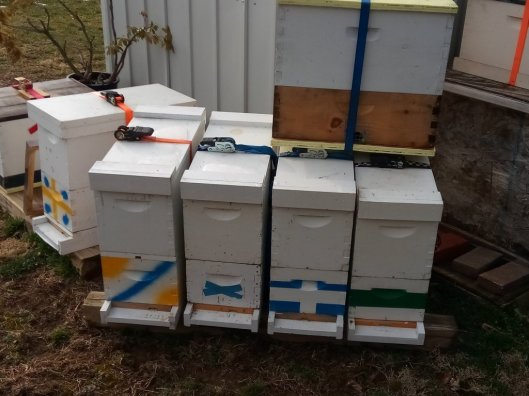
  • Share on Facebook (Opens in new window) Facebook
  • Share on X (Opens in new window) X
  • Share on Pinterest (Opens in new window) Pinterest
  • Email a link to a friend (Opens in new window) Email
  • Share on LinkedIn (Opens in new window) LinkedIn
  • Share on Reddit (Opens in new window) Reddit
  • Share on Tumblr (Opens in new window) Tumblr
  • Print (Opens in new window) Print
  • Share on Telegram (Opens in new window) Telegram
  • Share on WhatsApp (Opens in new window) WhatsApp
Like Loading...

Surprising health benefits of Honey by Andaman Plantations and Development

24 Saturday Feb 2018

Posted by Beekeeping365 in beekeeping, honey, honey as food

≈ 1 Comment

Tags

food, health benefits of honey, honey

The advantages of honey go beyond its unique taste. It’s really a wonderful natural source of carbohydrates which supply strength and energy to human bodies, honey is known for its efficacy in quickly boosting the performance, endurance and reduces muscle fatigue of athletes. Its natural sugars play a significant role in preventing fatigue while exercise. Human body absorbs the glucose in honey very quickly and supplies an immediate energy boost, while the fructose is absorbed more gradually providing sustained energy. It is widely known that honey has also been found to keep levels maintained of blood sugar compared to other types of sugar.

Read entire article here: Surprising health benefits of Honey — Andaman Plantations and Development Corporation Pvt. Ltd.

Feel free to share this on:
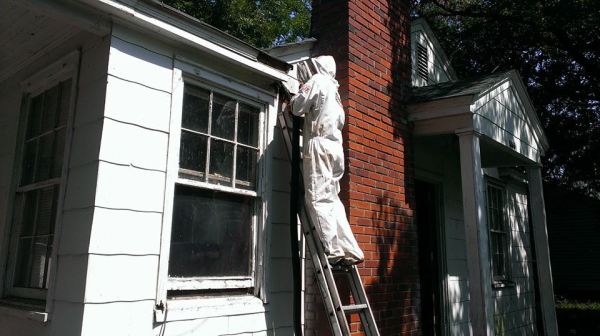
  • Share on Facebook (Opens in new window) Facebook
  • Share on X (Opens in new window) X
  • Share on Pinterest (Opens in new window) Pinterest
  • Email a link to a friend (Opens in new window) Email
  • Share on LinkedIn (Opens in new window) LinkedIn
  • Share on Reddit (Opens in new window) Reddit
  • Share on Tumblr (Opens in new window) Tumblr
  • Print (Opens in new window) Print
  • Share on Telegram (Opens in new window) Telegram
  • Share on WhatsApp (Opens in new window) WhatsApp
Like Loading...

Landi Simone – Reading the Frames

20 Tuesday Feb 2018

Posted by Beekeeping365 in beekeeping, beekeeping management

≈ 3 Comments

Tags

beekeeping, comb management, fall management, management, spring management, winter management

Landi Simone – Reading the Frames

I found this interesting. She says many things that I say to new beekeepers – listen to and watch your bees. They’ll tell you when they’re not happy! The frame pictures are excellent and well worth a look at from a healthy honey bee perspective.

It’s quite long at 44 minutes, but worth a watch!

Source: Landi Simone – Reading the Frames

Feel free to share this on:
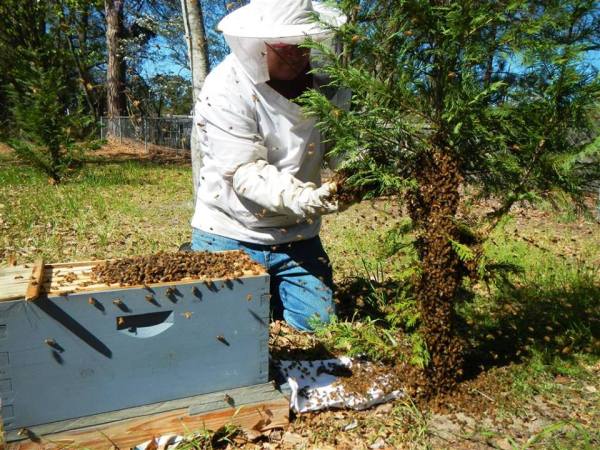
  • Share on Facebook (Opens in new window) Facebook
  • Share on X (Opens in new window) X
  • Share on Pinterest (Opens in new window) Pinterest
  • Email a link to a friend (Opens in new window) Email
  • Share on LinkedIn (Opens in new window) LinkedIn
  • Share on Reddit (Opens in new window) Reddit
  • Share on Tumblr (Opens in new window) Tumblr
  • Print (Opens in new window) Print
  • Share on Telegram (Opens in new window) Telegram
  • Share on WhatsApp (Opens in new window) WhatsApp
Like Loading...

Letters to a Beekeeper by Honey Hunter

18 Sunday Feb 2018

Posted by Beekeeping365 in beekeeping, beekeeping books, book review

≈ Leave a comment

Tags

beekeeping books, book review, pollinator gardening

Letters to a Beekeeper is a delightful book for anyone interested in beekeeping, bees, gardening or indeed letters.

The book follows the journey of two people over the course of a year and the sharing of their passions.  

Alys learns how to keep bees and Steve learns how to plant a pollinator-friendly garden.  Steve Benbow is the founder of the London Honey Company and Alys Fowler is the Guardian gardening writer.

Read the entire review at:  Letters to a Beekeeper — Honey Hunter

Feel free to share this on:

  • Share on Facebook (Opens in new window) Facebook
  • Share on X (Opens in new window) X
  • Share on Pinterest (Opens in new window) Pinterest
  • Email a link to a friend (Opens in new window) Email
  • Share on LinkedIn (Opens in new window) LinkedIn
  • Share on Reddit (Opens in new window) Reddit
  • Share on Tumblr (Opens in new window) Tumblr
  • Print (Opens in new window) Print
  • Share on Telegram (Opens in new window) Telegram
  • Share on WhatsApp (Opens in new window) WhatsApp
Like Loading...

Ancient Olympians ate this honey cheesecake as a post-workout snack, and we have the recipe By Noël Duan & Elan Kiderman

17 Saturday Feb 2018

Posted by Beekeeping365 in beekeeping, honey recipe, recipe

≈ 2 Comments

Tags

cheesecake, honey, honey cheesecake, honey recipe, Olympic recipe, recipe

cheesecake-2

Some may say that cheesecake is food of the gods—those people include the ancient Greek Olympians, who feasted on a flour cake filled with cheese and honey after their pentathlon competitions. The ancient Greeks were already aware of the connections between physical aptitude and lifestyle choices—and the athletes engaged in a variety of restrictive diets believed to enhance their performances, such as xerophagia, a diet consisting of dry foods. Like the modern-day cheesecake, the ancient Greek version was an indulgence, something you pair with your wine at the end of a languid feast.

In 250 BC, the Greek poet Archestratus wrote a gastronomic travel guide called Life of Luxury that is only preserved in fragments. In one piece that has survived, he makes mention of the dessert: “Yet accept a cheese-cake made in Athens; or, failing that, if you can get one from somewhere else, go out and demand some Attic honey, since that will make your cheesecake superb.” But, alas, he did not include any recipes.

As with the classical sculptures we now find in museums, we can thank the Romans for preserving the Greek cheesecake into posterity. De Agri Cultura, Cato the Elder’s 160 BC farming manual, is not only the earliest example of surviving Latin prose, but a glorified food blog—it includes not one but several recipes for cheesecakes.

“Cato is a proud Roman, writing in Latin,” Cathy Kaufman, food history and author of Cooking in Ancient Civilizations, explained over email. “Nonetheless, there seems to be an overlap between Archestratus’s gastronomic descriptions and Cato’s recipes.” The only possible difference between an ancient Greek cheesecake and an ancient Roman cheesecake, classicist and food blogger Andrew Coletti added, is that the early Greeks didn’t use chicken eggs.

Cato’s cheesecake recipes include a sweet version called savillum and a savory cheesecake called libum, the latter being related to our modern-day word, libations. “They were often made as religious offerings,” Coletti explained. These were simple baked mixtures of baked cheese and flour that could be eaten with a spoon. Another more complex version from Cato, the placenta cake, involves layering cheese, honey, and dough together and flavored with bay leaves. According to Coletti, black poppyseeds were also used as cheesecake toppings. Think of them as ancient sprinkles.

This was Cato’s original recipe for placenta cake:

Read fully article and get recipe here:

Ancient Olympians ate this honey cheesecake as a post-workout snack, and we have the recipe By Noël Duan & Elan Kiderman

Feel free to share this on:

  • Share on Facebook (Opens in new window) Facebook
  • Share on X (Opens in new window) X
  • Share on Pinterest (Opens in new window) Pinterest
  • Email a link to a friend (Opens in new window) Email
  • Share on LinkedIn (Opens in new window) LinkedIn
  • Share on Reddit (Opens in new window) Reddit
  • Share on Tumblr (Opens in new window) Tumblr
  • Print (Opens in new window) Print
  • Share on Telegram (Opens in new window) Telegram
  • Share on WhatsApp (Opens in new window) WhatsApp
Like Loading...

Deafening Silence by Misty Meadows Homestead

12 Monday Feb 2018

Posted by Beekeeping365 in beekeeping, Winter

≈ Leave a comment

Tags

assessment, beekeeping, colony assessment, colony loss, deadouts, hive assessment, winter bee losses

So your bees died over winter. This blog post by Misty Meadows Homestead shows how we can grow as beekeepers using our deductive skills to learn and improve. Thanks for sharing your loss with us so that we too learn.

When you love someone, you are never really prepared to lose them. When my beekeeping, gardener Grandfather passed, he had end-stage renal failure and we had 5 years to prepare – it wasn’t enough. Last winter, when my 14-year old cat passed, she had been telling us for weeks that her time was coming to an end – it wasn’t enough.

No matter how prepared we ‘think’ we are, when it happens, we realize we didn’t have enough time to prepare ourselves.

Wednesday we had a little bit of warm weather – about 55º and decided it was a good time to inspect our 4 hives.  We stood in the bee yard, observing the colonies for quite some time.

continued via link below:

Read the entire blog post at: Homestead Buzz – Deafening Silence — Misty Meadows Homestead & more!

Feel free to share this on:

  • Share on Facebook (Opens in new window) Facebook
  • Share on X (Opens in new window) X
  • Share on Pinterest (Opens in new window) Pinterest
  • Email a link to a friend (Opens in new window) Email
  • Share on LinkedIn (Opens in new window) LinkedIn
  • Share on Reddit (Opens in new window) Reddit
  • Share on Tumblr (Opens in new window) Tumblr
  • Print (Opens in new window) Print
  • Share on Telegram (Opens in new window) Telegram
  • Share on WhatsApp (Opens in new window) WhatsApp
Like Loading...
← Older posts
Newer posts →
Follow Beekeeping365 on WordPress.com

Enter your email address to follow this blog and receive notifications of new posts by email.

Calendar

August 2026
S M T W T F S
 1
2345678
9101112131415
16171819202122
23242526272829
3031  
« Jul    

Posts by Month:

  • August 2026 (5)
  • July 2026 (1)
  • May 2026 (2)
  • January 2026 (3)
  • July 2025 (1)
  • April 2024 (1)
  • September 2022 (1)
  • July 2022 (1)
  • March 2022 (13)
  • February 2022 (17)
  • January 2022 (4)
  • December 2021 (4)
  • November 2021 (7)
  • October 2021 (1)
  • September 2021 (3)
  • August 2021 (11)
  • July 2021 (18)
  • June 2021 (5)
  • May 2021 (2)
  • April 2021 (9)
  • March 2021 (2)
  • February 2021 (5)
  • January 2021 (16)
  • December 2020 (15)
  • November 2020 (15)
  • October 2020 (11)
  • July 2020 (1)
  • February 2020 (1)
  • March 2019 (2)
  • February 2019 (4)
  • January 2019 (1)
  • December 2018 (10)
  • November 2018 (8)
  • October 2018 (15)
  • September 2018 (25)
  • August 2018 (3)
  • July 2018 (11)
  • June 2018 (27)
  • May 2018 (33)
  • April 2018 (20)
  • March 2018 (20)
  • February 2018 (12)
  • January 2018 (22)
  • December 2017 (18)
  • November 2017 (17)
  • October 2017 (25)
  • September 2017 (27)
  • August 2017 (21)
  • July 2017 (29)
  • June 2017 (28)
  • May 2017 (19)
  • April 2017 (17)
  • March 2017 (19)
  • February 2017 (12)
  • January 2017 (13)
  • December 2016 (5)

Posts by Categories:

  • absconding (1)
  • africanized honey bees (1)
  • apitherapy (1)
  • bee health (6)
  • bee law (2)
  • bee lining (2)
  • bee removals (2)
  • beekeeper (5)
  • beekeeper education (16)
  • beekeeping (613)
    • South Carolina (2)
  • beekeeping author (10)
  • beekeeping books (14)
  • beekeeping calendar (4)
  • beekeeping chores (8)
  • beekeeping equipment (26)
  • beekeeping history (49)
  • beekeeping management (37)
  • beekeeping pest management (8)
  • beekeeping seasons (23)
  • beekeeping vocabulary (16)
  • beeswax (13)
  • biography (4)
  • biology (14)
  • birthday (40)
  • birthdays (34)
  • book review (16)
  • breakfast (1)
  • calendar (4)
  • CCD (1)
  • chores (6)
  • comb (7)
  • comb honey (10)
  • commercial beekeeping (2)
  • cutouts (2)
  • dearth (3)
  • defensiveness (2)
  • diseases (9)
  • drawn comb (6)
  • ecology (4)
  • education (28)
  • equipment (25)
  • extracting (1)
  • fall nectar flow (1)
  • famous beekeepers (27)
  • feeding bees (7)
  • first blog entry (1)
  • folklore (1)
  • food (7)
  • forage (4)
  • hacks (3)
  • hive inspections (8)
  • hive placement (2)
  • hive products (6)
  • honey (90)
  • honey as food (22)
  • honey bee anatomy (3)
  • honey bee behavior (25)
  • honey bee biology (43)
  • honey bee genetics (4)
  • honey bee nutrition (1)
  • honey bee photos (6)
  • Honey Bee Research (1)
  • honey bee vocabulary (12)
  • honey bees (14)
  • honey judging (4)
  • honey recipe (65)
  • humor (13)
  • inspections (10)
  • journal (1)
  • log book (1)
  • making increase (3)
  • management (82)
  • mentoring (2)
  • mites (3)
  • national pollinator week (2)
  • nectar flow (6)
  • nomenclature (1)
  • opinion (8)
  • out yards (1)
  • outyards (1)
  • package bees (1)
  • pears (1)
  • pests (17)
  • plants for bees (3)
  • polish (1)
  • pollen (4)
  • pollination (11)
  • pollinators (7)
  • product review (1)
  • production (1)
  • products (3)
  • propolis (2)
  • queens (17)
  • raw honey (6)
  • recipe (88)
  • removals (1)
  • safety (3)
  • sales (2)
  • season (1)
  • seasons (21)
  • sideliner (1)
  • small hive beetles (1)
  • spring buildup (4)
  • state fair (2)
  • sustainable (7)
  • swarms (27)
  • ursurpation (1)
  • usurpation (1)
  • varroa (21)
  • varroa destructor (12)
  • varroa mites (24)
  • Winter (5)
  • winter solstice (2)
  • woodenware (3)
  • yellow jackets (2)

Sassafras Bee Farm on Facebook

Sassafras Bee Farm on Facebook

Sassafras Bee Farm

Sassafras Bee Farm

Recent Posts

  • Meeting Reality vs What Seems Deserved
  • Everything Starts with a Tasty Meal: The Science Behind a Beekeeper’s Best Pest-Management Insight
  • The Skip in Their Step: Rethinking Oxalic Acid Use
  • Pest Control
  • State Fair Wax Preparation

Beekeeping365 on Facebook

Beekeeping365 on Facebook

Top Posts & Pages

  • The Skip in Their Step: Rethinking Oxalic Acid Use
    The Skip in Their Step: Rethinking Oxalic Acid Use
  • Types of bees by Fat Daddy’s Apiary
    Types of bees by Fat Daddy’s Apiary
  • Meeting Reality vs What Seems Deserved
    Meeting Reality vs What Seems Deserved

Blog Stats

  • 141,407 hits

Website Built with WordPress.com.

  • Subscribe Subscribed
    • Beekeeping365
    • Join 426 other subscribers
    • Already have a WordPress.com account? Log in now.
    • Beekeeping365
    • Subscribe Subscribed
    • Sign up
    • Log in
    • Report this content
    • View site in Reader
    • Manage subscriptions
    • Collapse this bar
Loading Comments...
%d