• Sassafras Bee Farm
  • About
  • Contact

Beekeeping365

~ The more I studied beekeeping, the less I knew, until, finally, I knew nothing. But, even though I knew nothing, I still had plenty to unlearn. Charles Martin Simon

Beekeeping365

Tag Archives: beekeeping

Bee Book Season by Ron Miksha

04 Monday Dec 2017

Posted by Beekeeping365 in beekeeping, beekeeping author, beekeeping books

≈ Leave a comment

Tags

beekeeping, beekeeping authors, beekeeping books, beekeeping winter activities, famous beekeepers

It’s holiday season. And if you’re normal, you’re thinking about beekeeping books for everyone you know. Even the non-beekeeps. I spent a few minutes today scanning the Amazon.com site to see what was bee hot. Not that the best sellers are always the best books. (My own book fell from the best seller ranks back in 2008, but I think Bad Beekeeping is still an OK gift for your friends.)  But there are some good ideas to get you started.

Read entire article here with booklist for winter reading: Bee Book Season — Bad Beekeeping Blog

Feel free to share this on:

  • Share on Facebook (Opens in new window) Facebook
  • Share on X (Opens in new window) X
  • Share on Pinterest (Opens in new window) Pinterest
  • Email a link to a friend (Opens in new window) Email
  • Share on LinkedIn (Opens in new window) LinkedIn
  • Share on Reddit (Opens in new window) Reddit
  • Share on Tumblr (Opens in new window) Tumblr
  • Print (Opens in new window) Print
  • Share on Telegram (Opens in new window) Telegram
  • Share on WhatsApp (Opens in new window) WhatsApp
Like Loading...

Eating My Way Through the Alphabet: Letter H by snapshotsincursive

02 Saturday Dec 2017

Posted by Beekeeping365 in comb honey, honey, honey recipe

≈ Leave a comment

Tags

beekeeping, comb honey, honey, honey recipe, recipe

What’s Cooking in Gail’s Kitchen? Simple Sensations: Honeycomb Sweet Bee! Raw honeycomb has the most incredible flavor concentrated with the sweet nectar of wildflowers. The first time I tasted it, with a crisp apple slice and a nibble of sharp cheese, I realized what all the buzz was about. This edible mystery is a conversation-starter at every gathering. And a little goes a long way. Store honeycomb at room temperature in a covered container.
HONEYCOMB SWEET BEE
Ingredients:

Raw Honeycomb Square

Granny Smith apples

Cheddar Cheese, Extra Sharp*

Seedless Grapes

Smoked Almonds, whole with sea salt

Multi-Grain Crackers

Read more here:  Eating My Way Through the Alphabet: Letter H — snapshotsincursive

Feel free to share this on:

  • Share on Facebook (Opens in new window) Facebook
  • Share on X (Opens in new window) X
  • Share on Pinterest (Opens in new window) Pinterest
  • Email a link to a friend (Opens in new window) Email
  • Share on LinkedIn (Opens in new window) LinkedIn
  • Share on Reddit (Opens in new window) Reddit
  • Share on Tumblr (Opens in new window) Tumblr
  • Print (Opens in new window) Print
  • Share on Telegram (Opens in new window) Telegram
  • Share on WhatsApp (Opens in new window) WhatsApp
Like Loading...

Kick ’em when they’re down by The Apiarist

30 Thursday Nov 2017

Posted by Beekeeping365 in beekeeping, varroa, varroa destructor, varroa mites

≈ 4 Comments

Tags

beekeeping, fall management, management, varroa, varroa destructor, varroa mites

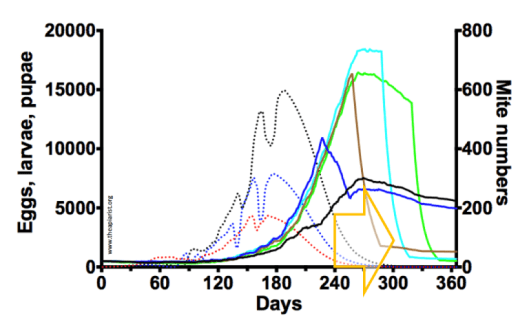
Presentation1-2-768x478

Below is an excellent article by David the Apiarist on understanding the varroa mite population cycle as relates to management of Varroa mites. Understanding the pest is key to maximizing the impact of the treatement. I’ve chosen to crosspost it on this date to benefit my readers in the Midlands of South Carolina as we enter the period of time when the presence of brood is at it’s yearly low. References to the Eagles and Don Henley are entertaining as well.

Why bother treating colonies in midwinter to reduce Varroa infestation? After all, you probably treated them with Apiguard or Apivar (or possibly even Apistan) in late summer or early autumn.

Is there any need to treat again in midwinter?

Yes. To cut a long story short, there are basically two reasons why a midwinter mite treatment almost always makes sense:

  1. Mites will be present. In addition, they’ll be present at a level higher than the minimum level achievable, particularly if you last treated your colonies in late summer, rather than early autumn.
  2. The majority of mites will be phoretic, rather than hiding away in sealed brood. They’re therefore easy to target.

I’ll deal with these in reverse order …

Read the full article at: Kick ’em when they’re down — The Apiarist

Feel free to share this on:

  • Share on Facebook (Opens in new window) Facebook
  • Share on X (Opens in new window) X
  • Share on Pinterest (Opens in new window) Pinterest
  • Email a link to a friend (Opens in new window) Email
  • Share on LinkedIn (Opens in new window) LinkedIn
  • Share on Reddit (Opens in new window) Reddit
  • Share on Tumblr (Opens in new window) Tumblr
  • Print (Opens in new window) Print
  • Share on Telegram (Opens in new window) Telegram
  • Share on WhatsApp (Opens in new window) WhatsApp
Like Loading...

Today we celebrate

30 Thursday Nov 2017

Posted by Beekeeping365 in beekeeping

≈ 4 Comments

Tags

beekeeping, beekeeping calendar

IMAG0207The other day I received an automated congratulations from WordPress.  It was the anniversary of this blog.  A little over a year ago this blog was created with the goal of capturing one complete year of beekeeping – trying to follow the seasons with corresponding articles, pictures, and posts – some original and many shared. My thanks to all of the contributors who allowed me to re-blog their articles along the way.

Where are we going from here? I’ll add more original blog posts and refine some of the current posts to be more informative to visitors. I’d like to add more very short snapshots of my daily interactions and beekeeping preparations. I’ll add more links within the posts for visitors to link to more information. I also hope to add more introductory comments to posts contributed by others. Posts from the past twelve months will be recycled into the current year to continue to provide an ongoing calendar-like diary of the beekeeping year with the improvements mentioned above.

Also in the plans I will be replacing Beekeeping Vocabulary on Sunday’s with Book of the Week. Our Saturday morning recipe post(s) will continue as it has become a favorite of many people and receives a good number of hits each week. Beekeeping Birthdays will also continue as I add more famous beekeepers. Those that wrote non-copyrighted books, pamphlets, and other written works will list links as I am able to find.

I hope you have enjoyed the ride this past year. I have, and in the process learned a great deal from you as well. Thanks!

Feel free to share this on:

  • Share on Facebook (Opens in new window) Facebook
  • Share on X (Opens in new window) X
  • Share on Pinterest (Opens in new window) Pinterest
  • Email a link to a friend (Opens in new window) Email
  • Share on LinkedIn (Opens in new window) LinkedIn
  • Share on Reddit (Opens in new window) Reddit
  • Share on Tumblr (Opens in new window) Tumblr
  • Print (Opens in new window) Print
  • Share on Telegram (Opens in new window) Telegram
  • Share on WhatsApp (Opens in new window) WhatsApp
Like Loading...

Called Hive Inspection

28 Tuesday Nov 2017

Posted by Beekeeping365 in beekeeping, hive inspections, inspections

≈ 6 Comments

Tags

beekeeping

IMAG2301

Hive Assessment

Assessment: Called to look at a hive that had experienced a sudden (less than one week) drop in population and an increase in dead bees accompanied by “sawdust” like material.

Location: Swansea, SC Weather: Mid 60’s overcast. Light wind.

Hive is a 10 frame Langstroth, three hive bodies tall (two deeps, one medium).

By history, this is a new hive installed this season from a package (H&R). Hive has been doing well until a couple days ago. Owner inspected hive last week and reports “full boxes of bees”. Became concerned this weekend with increase in dead bees on ground in front of hive and “sawdust” like material in front.

On arrival I noticed an open feeder located a couple feet to the side of the hive. Noticing more bees coming and going at the feeder than the front entrance of the hive I watched and saw bees coming to the feeder and on departing going elsewhere . Owner reports neighbor has multiple bee hives.

The hive had little activity at the entrance reducer which was set on about a two bee width setting. No fighting.

Owner showed me “sawdust” like material. Appeared to be animal scat largely composed of bee parts.

Hive opened and no bees noted on opening. Top medium all frames filled with capped honey.

Middle box deep had a cluster of bees approximately 200. No queen observed. Three emergency queen cells observed but these were away from cluster but on same frames. Appeared queenless. Approximately 20 capped brood cells. No open brood noted.

Bottom deep partially filled with open nectar. Apparently cured as passed the “shake” test.

Screened bottom board had about 20-30 dead bees.

Sticky board was under the SBB. Had been in place for unknown period of time. Had notable number of mites, a few SHB, minimal wax particles.

While I generally discourage viewing individual bees as an assessment of Varroa load, I did observe the bees on the top of the small cluster. Approximately 25 bees were on the top bars of the middle box gathered together at top of cluster. I counted 4 or 5 mites on the top surface of the bees’ thoraxes and abdomens.

Removal of pupae from capped brood. No mites observed. Pupae had been dead several days and starting to dehydrate and decompose.


Analysis of Assessment:

Upon seeing bees other than the bees from the owner’s hive I initially suspected an abscond due to robbing pressure. However I ruled this out after seeing 1) no fighting or increased activity at the front entrance of the hive; 2) No torn cappings or wax on SBB; 3) hive stores intact.

The scat like droppings containing bee parts led me to suspect harassment from a raccoon or other small animal. However, it is my understanding that raccoons will scratch on the hive box or entrance at night to get bees to come out so they may eat them. However, I saw no scratches on the box or landing board. Additionally, I understand that raising the hive off the ground is a method of discouraging raccoons because it causes them to expose their undersides which the bees sting. This hive was raised further discounting the raccoon harassment leading to an abscond. The scat remains a mystery however, it is possible the scat was from another animal, perhaps a snake regularly eating dead or dying bees off the ground in front of the hive. I have lizards at my home yard that eat the dying bees on the ground and are a benefit to yard hygiene.

Owner reports increased yellow jacket activity. Not noted on inspection. We have had a couple recent freezes so that may account for lack of activity today. It is, however, noted as another pest pressure on this hive.

Varroa on bees. Counting 5 per 20 bees is a 25% Varroa load and well beyond economic threshold for treatment. It is generally considered that a functioning hive cannot withstand a mite population greater than 3000 total and is considered doomed. I suspect this hive had a mite load sufficient to cause death / absconding.

Plan:

Reconfigure hive

Remove capped honey

Safely store comb for next season

Provide educational tips

Implementation:

Box with small cluster placed on hive stand. Owner advised that they are hopelessly queenless and doomed. However, as the owner had no other hive to work with and she did not wish to shake them out on the ground. Owner advised to recover and save comb after the bees die.

The hive bodies containing capped honey were removed for processing.

Combs with extracted honey will be placed outside for neighbor’s bees to clean up for 24 hours prior to being stored. Owner instructed in proper comb storage options.

Restart hive(s) in spring with packages placed on drawn comb.

Tips:

Do not open feed in close proximity to hive. Feeding close introduces your hive to the neighbor’s hive and during times of dearth weaker hives are identified. I do not think this was an issue in this instance however it can lead to a “stressor” on the hive to defend its stores. Additionally, open feeding promotes viral disease transmission via contact with other, possibly infected, colonies.

Treat for Varroa earlier in the year. Given that we now know there are multiple hives located in close proximity to the owner’s bee yard, I recommend treatments at the close of the nectar flow, and again in early fall. An assessment of Varroa counts in the spring as well would be advised.

Perform the final “deep” inspection a bit earlier in the fall. Do final total inspection in early fall to ensure the queen is where you want her (lower boxes) and to assess stores prior to any fall feeding. After early fall inspection let them get their house in order. Remember, while we are trying to help the bees, we are not perceived by them as helping. To them, we are another pest in their hive.

Feel free to share this on:
  • Share on Facebook (Opens in new window) Facebook
  • Share on X (Opens in new window) X
  • Share on Pinterest (Opens in new window) Pinterest
  • Email a link to a friend (Opens in new window) Email
  • Share on LinkedIn (Opens in new window) LinkedIn
  • Share on Reddit (Opens in new window) Reddit
  • Share on Tumblr (Opens in new window) Tumblr
  • Print (Opens in new window) Print
  • Share on Telegram (Opens in new window) Telegram
  • Share on WhatsApp (Opens in new window) WhatsApp
Like Loading...

A Beekeeper’s Book Review of More Than Honey: The Survival of Bees and the Future of Our World by casula mellita

27 Monday Nov 2017

Posted by Beekeeping365 in beekeeping, book review

≈ Leave a comment

Tags

apiculture, beekeeping, book review

Markus Imhoof outlines many of the problems facing beekeepers today in his book More Than Honey: The Survival of Bees and the Future of Our World, which Imhoof had originally produced as a documentary. His slant is strongly pro-bees and anti-pesticides and, in conjunction, anti-commercial agriculture. In particular, I found his interviews with a large almond farmer and with a migratory beekeeper fascinating both for their own awareness about the problems that their businesses engendered while still maintaining their capitalistic outlook.

Imhoof includes information that is of an introductory nature to a backyard beekeeper, e.g., the breakdown of the various responsibilities by which bees in the hive, before discussing in detail some of the research that is being conducted in laboratories on how bees behave. This chapter was filled with engaging experiments and tidbits. For example, I learned that a particular bee, dubbed Red-23, had observed another’s waggle dance for a food source but had decided to return to its own previous food source, which the researchers had removed. Rather than return to the hive or search for another nearby food source as had been expected, Red-23 flew off to the location described by the other bee in its waggle dance, which Red-23 had observed at the hive. Not only did the bee preserve the memory of the directions in the waggle dance, but Red-23 had sufficient locational memory to fly from its location to the described location without returning to the hive first. Wow!

Read full article here: A Beekeeper’s Book Review of More Than Honey: The Survival of Bees and the Future of Our World — casula mellita

Feel free to share this on:

  • Share on Facebook (Opens in new window) Facebook
  • Share on X (Opens in new window) X
  • Share on Pinterest (Opens in new window) Pinterest
  • Email a link to a friend (Opens in new window) Email
  • Share on LinkedIn (Opens in new window) LinkedIn
  • Share on Reddit (Opens in new window) Reddit
  • Share on Tumblr (Opens in new window) Tumblr
  • Print (Opens in new window) Print
  • Share on Telegram (Opens in new window) Telegram
  • Share on WhatsApp (Opens in new window) WhatsApp
Like Loading...

Comb Management Part 2: Comb size by Bee Informed Partnership

24 Friday Nov 2017

Posted by Beekeeping365 in beekeeping, comb, comb honey, drawn comb

≈ Leave a comment

Tags

apiculture, beekeeping, drawn comb, management

Artificial foundation was developed shortly after the invention of the removable frames. The first foundation frame was invented by Johannes Mehring in Germany (Graham, 1992). But as more people began producing artificial foundation for Langstroth hives, beekeepers began experimenting with different sized cells.  Fast forward to today; we see both small cell and standard comb, but why is that? Well, that is the topic of part 2 of this 4-part blog series.

  1. History of comb management- https://beeinformed.org/2017/09/14/comb-management-part-1/
  2. Cell size: why so much variation between producers?
  3. Management strategies of foundation
  4. Benefits of replacing old comb

In part 1, I wrote about the history of comb management. In part 2, I decided to write about cell size. Cell size is a highly heated and debated topic that I, as a former commercial beekeeper, did not know of until recently. As a commercial beekeeper, we would buy foundation in bulk, which had a “standard” cell size (5.2mm to 5.4mm). I had zero concept of small versus standard cell size, and I became curious about why beekeepers would use small cell instead of standard cell. So I did what any eager millennial would do- I googled it. I found Michael Bush’s (http://www.bushfarms.com/beesnaturalcell.htm)  and Randy Oliver’s post (http://scientificbeekeeping.com/trial-of-honeysupercell-small-cell-combs/) about small cell size (and I went down a few other rabbit holes), and I instantly became fascinated about small cell size. I hope you enjoy reading this blog as much as I enjoyed writing it.

In 1857, Johannes Mehring produced the first comb foundation (Graham, 1992). His goal was to provide bees with a template, which would encourage bees to build worker comb in the frames. From that day forward, artificial foundation became a part of beekeeping. However, beekeepers began to experiment with different cell sizes. In 1927, Baudoux hypothesized that larger cell sizes would produce larger bees, and based upon anecdotal evidence from his own colonies, he claimed larger bees produced higher yields of honey. Without scientific evidence, manufacturers in Belgium and France began to produce foundation with larger cells. These manufacturers asserted that bees raised in larger cells produced more honey and this concept took off (Grout, 1935). Those fallacies faded into history as cell size become standardized at 5.2mm-5.4mm.

Read full article with more detailed pictures here: Comb Management Part 2: Comb size — Bee Informed Partnership

Feel free to share this on:

  • Share on Facebook (Opens in new window) Facebook
  • Share on X (Opens in new window) X
  • Share on Pinterest (Opens in new window) Pinterest
  • Email a link to a friend (Opens in new window) Email
  • Share on LinkedIn (Opens in new window) LinkedIn
  • Share on Reddit (Opens in new window) Reddit
  • Share on Tumblr (Opens in new window) Tumblr
  • Print (Opens in new window) Print
  • Share on Telegram (Opens in new window) Telegram
  • Share on WhatsApp (Opens in new window) WhatsApp
Like Loading...

Comb Management: Part 1 by Bee Informed Partnership

23 Thursday Nov 2017

Posted by Beekeeping365 in beekeeping, comb, comb honey, drawn comb

≈ Leave a comment

Tags

beekeeping, comb management, drawn comb, honeycomb, management

Comb management is an important aspect of beekeeping, but comb management has not always been a management strategy of beekeepers. Rather, comb management is a fairly new concept. Beekeepers started managing comb with the invention of the Langstroth hive in the 1850’s. Today, comb management is a common practice for beekeepers, and an aspect of beekeeping beekeepers must be cognizant of. Because of the importance of comb management, I am writing 4-part blog-series on the subject. The blog-series is split into 4 parts:

  1. History of comb management
  2. Management strategies of foundation
  3. Cell size: why so much variation between producers?
  4. Benefits of replacing old comb

(cont.)

Read full article with more detailed pictures here:  Comb Management: Part 1 — Bee Informed Partnership

Part Two will be posted tomorrow.

Feel free to share this on:

  • Share on Facebook (Opens in new window) Facebook
  • Share on X (Opens in new window) X
  • Share on Pinterest (Opens in new window) Pinterest
  • Email a link to a friend (Opens in new window) Email
  • Share on LinkedIn (Opens in new window) LinkedIn
  • Share on Reddit (Opens in new window) Reddit
  • Share on Tumblr (Opens in new window) Tumblr
  • Print (Opens in new window) Print
  • Share on Telegram (Opens in new window) Telegram
  • Share on WhatsApp (Opens in new window) WhatsApp
Like Loading...

Honey and Keeping Bees in Slovenia by Tali Landsman

16 Thursday Nov 2017

Posted by Beekeeping365 in beekeeping, beekeeping history

≈ Leave a comment

Tags

bee art, beekeeping, beekeeping history, painted bee hives, Slovenia

SassafrasBeeFarm: Beautiful pictures accompany this blog post titled: “Honey and Keeping Bees in Slovenia.” Take a few minutes out of your day to appreciate the painted beehives and craftsmanship found here by following the link below.

Honey and Keeping Bees in SloveniaWhen I first saw the traditional beehives that beekeepers in Slovenia use to house their bees, I was in awe.

In most places around the world, beehives are kept in wooden boxes, which open from the top.

In some places they paint the wooden boxes in bright colors, to attract the bees.

In Slovenia, a traditional beehive is built like a beautiful cabinet, with many drawers and with a roof, to keep it dry.

The bees create their colonies inside those cabinet drawers, and the fronts of the drawers are elaborately painted with either religious scenes, or scenes from daily life.

The beautiful naive paintings were usually done by professional or semi professional artists, but some also served as church painters, while others were entirely self-taught.

The paintings were done to identify the owners of the beehives, and to bless the production of honey.

View much more of this beautiful artwork here:  Honey and Keeping Bees in Slovenia — Tali Landsman

Feel free to share this on:

  • Share on Facebook (Opens in new window) Facebook
  • Share on X (Opens in new window) X
  • Share on Pinterest (Opens in new window) Pinterest
  • Email a link to a friend (Opens in new window) Email
  • Share on LinkedIn (Opens in new window) LinkedIn
  • Share on Reddit (Opens in new window) Reddit
  • Share on Tumblr (Opens in new window) Tumblr
  • Print (Opens in new window) Print
  • Share on Telegram (Opens in new window) Telegram
  • Share on WhatsApp (Opens in new window) WhatsApp
Like Loading...

Beeswax Candles by the honeybeequeenblog

15 Wednesday Nov 2017

Posted by Beekeeping365 in beekeeping, beeswax

≈ Leave a comment

Tags

beekeeping, beeswax, candle making, products of the hive

This time of year beekeepers have a little more time available for things unrelated to tending the hives. One thing we do is render the excess wax obtained by scraping the various hive parts and the wax associated with extracting honey. Much of this has been saved over the past season, placed in buckets or otherwise stored until we have time to render it for our own use or for sale to others. The article below rings true to the efforts that are made to process this product of the hive and the work involved by both the bees and the beekeeper. Thanks to honeybeequeenblog for the pictures and article.

It’s been a long time since we’ve made any candles. I guess between the farm work, house work and school fun the fun stuff that I love has been pushed to the side. That plus the fact that we really needed a solar wax melter to render some more beeswax. He did get the […]

Read the entire article with lots of pictures here:  Beeswax Candles —

Feel free to share this on:

  • Share on Facebook (Opens in new window) Facebook
  • Share on X (Opens in new window) X
  • Share on Pinterest (Opens in new window) Pinterest
  • Email a link to a friend (Opens in new window) Email
  • Share on LinkedIn (Opens in new window) LinkedIn
  • Share on Reddit (Opens in new window) Reddit
  • Share on Tumblr (Opens in new window) Tumblr
  • Print (Opens in new window) Print
  • Share on Telegram (Opens in new window) Telegram
  • Share on WhatsApp (Opens in new window) WhatsApp
Like Loading...

Getting Bees Ready for Winter by Chautauqua Apiary

13 Monday Nov 2017

Posted by Beekeeping365 in beekeeping, beekeeping management

≈ Leave a comment

Tags

apiculture, beekeeping, fall management, management

The bees are looking good going into winter, been feeding right along as I’m raising bees and growing my apiary. So I still have a lot of brood and the drones are just getting pushed out. So I still have a late oxalic acid vaporizing treatment for mite control to get done on a good day. I have my mice guards on(I like 4″openings), inner covers flipped(hole taped), rigid insulation over the inner covers(outer cover on top), and providing wind breaks at my windy yards. I don’t do any wrapping but I might try bubble insulation on some of my single deeps and nucs to see if it makes a difference.

Read full article here: Getting Bees Ready for Winter — Chautauqua Apiary

Feel free to share this on:

  • Share on Facebook (Opens in new window) Facebook
  • Share on X (Opens in new window) X
  • Share on Pinterest (Opens in new window) Pinterest
  • Email a link to a friend (Opens in new window) Email
  • Share on LinkedIn (Opens in new window) LinkedIn
  • Share on Reddit (Opens in new window) Reddit
  • Share on Tumblr (Opens in new window) Tumblr
  • Print (Opens in new window) Print
  • Share on Telegram (Opens in new window) Telegram
  • Share on WhatsApp (Opens in new window) WhatsApp
Like Loading...

Beekeeping Vocabulary – “V” is for…

12 Sunday Nov 2017

Posted by Beekeeping365 in beekeeping, varroa, varroa destructor, varroa mites

≈ Leave a comment

Tags

beekeeping, beekeeping vocabulary, honey bee vocabulary, honey bees, varroa, varroa destructor, varroa mites


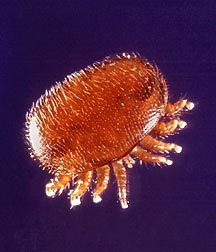
Varroa_Mite

Image of Varroa Mite supplied by Kika De La Garza Subtropical Agricultural Research Center Weslaco, Texas, USA {{PD-USGov-USDA-ARS}


Today’s beekeeping vocabulary word is, “Varroa.”

From Wikipedia:

Varroa is a genus of parasitic mites associated with honey bees, placed in its own family, Varroidae.[4] The genus was named for Marcus Terentius Varro, a Roman scholar and beekeeper. The condition of a honeybee colony being infested with Varroa mites is called varroosis (also, incorrectly, varroatosis).

Varroa mites are recognised as the biggest pest to honeybees worldwide due to their ability to transmit diseases such as deformed wing virus to larval or pupating bees, resulting in death or severe deformity of the pupae.

Varroa mites feed off the bodily fluids of adult, pupal, and larval honey bees, and may carry viruses that are particularly damaging to the bees (e.g., deformed wings, and IAPV), and accordingly they have been implicated in colony collapse disorder. Research has indicated that alone, neither Varroa mites nor deformed wing virus are particularly deadly, yet together they can pose an incredible risk to colonies.[5][6]

Varroa mites were first discovered in Java about 1904,[7] but are now present in all honey bee populations except Australia, Isle of Man and northern parts of Norway. They were discovered in the United States in 1987, in New Zealand in 2000,[8] and in the United Kingdom in 1992 (Devon).

Bee-breeding efforts to develop resistance against Varroa are ongoing. The USDA has developed a line of bees which uses Varroa-sensitive hygiene to remove reproductive mites. This line is now being distributed to beekeepers to be used as part of their integrated pest management programs.

Source and to read more: Wikipedia

Feel free to share this on:

  • Share on Facebook (Opens in new window) Facebook
  • Share on X (Opens in new window) X
  • Share on Pinterest (Opens in new window) Pinterest
  • Email a link to a friend (Opens in new window) Email
  • Share on LinkedIn (Opens in new window) LinkedIn
  • Share on Reddit (Opens in new window) Reddit
  • Share on Tumblr (Opens in new window) Tumblr
  • Print (Opens in new window) Print
  • Share on Telegram (Opens in new window) Telegram
  • Share on WhatsApp (Opens in new window) WhatsApp
Like Loading...

A Potential New Tool in the Battle Against a Bee-Killing Bacteria by Meredith Swett Walker

09 Thursday Nov 2017

Posted by Beekeeping365 in beekeeping, diseases

≈ Leave a comment

Tags

AFB, American Foulbrood, Apis mellifera, beekeeping, diseases, honey bee diseases

American foulbrood is a bacterial disease afflicting honey bee (Apis mellifera) colonies. The Paenibacillus larvae bacterium germinates in the gut of a honey bee larva; dead larvae often decompose into a brown, gooey substance. New research suggests certain analogs to a molecule called indole may be useful in blocking the bacteria’s germination. (Photo credit: Wikimedia Commons/Tanarus, CC BY-SA 3.0)


It’s a beekeeper’s nightmare: She lifts the lid on her carefully tended hive and is greeted with a whiff of rotting flesh. Further inspection finds that the young bees of the colony, who should be plump, pearly-white larvae, have melted into a puddle of brownish goo at the bottom of their cells. This colony is infected with American foulbrood disease—most likely a death sentence.

Meredith Swett Walker

If she’s very lucky, she may be able to save the colony with a course of antibiotics, but the drugs don’t always work, and the disease is highly contagious. To save nearby colonies from infection, the beekeeper may be required burn the entire hive, bees and all.

American foulbrood disease, or AFB, is caused by the Paenibacillus larvae bacterium, a difficult-to-control and highly destructive pathogen found worldwide. In a study published last week in the open-access Journal of Insect Science, Israel Alvarado, Ph.D., and colleagues at the University of Nevada, Las Vegas (UNLV), explore whether blocking the germination of P. larvae spores is an effective way to treat this infection.

Read full article at: A Potential New Tool in the Battle Against a Bee-Killing Bacteria — Entomology Today

Feel free to share this on:

  • Share on Facebook (Opens in new window) Facebook
  • Share on X (Opens in new window) X
  • Share on Pinterest (Opens in new window) Pinterest
  • Email a link to a friend (Opens in new window) Email
  • Share on LinkedIn (Opens in new window) LinkedIn
  • Share on Reddit (Opens in new window) Reddit
  • Share on Tumblr (Opens in new window) Tumblr
  • Print (Opens in new window) Print
  • Share on Telegram (Opens in new window) Telegram
  • Share on WhatsApp (Opens in new window) WhatsApp
Like Loading...

Winter for the beekeeper: It’s time to think about spring, summer by Blount County Beekeepers Association

02 Thursday Nov 2017

Posted by Beekeeping365 in beekeeping, beekeeping seasons, management, products, seasons

≈ Leave a comment

Tags

beekeeping, management, seasons

From Blount County Beekeepers Association:

With winter approaching (in some places it’s already here), the beekeeper has two jobs:

  • Make sure the bees in your hives have plenty of food.Spring is the season the beekeeper should be planning for now.
  • Think about about what’s going to happen in your apiary in the spring and summer.

Neither of these jobs involves a lot of work at this point, but they shouldn’t be neglected. The main characteristic of good beekeepers is that they think ahead — one or two seasons ahead.

Now is the time think about your bees, the equipment you have and the general environment that will confront the bees when they start flying in the spring.

Will you need to order packages of bees or nucs to rebuild your apiary in the spring? That, of course, depends on how many of your hives make it through the winter. We don’t know what will happen in that regard at the moment, unless you have already experienced losses.

What we do know is that in Tennessee the winter losses for beekeepers have been about 30 percent during the past few winters. The smart thing then is to plan for that kind of loss and hope it doesn’t happen. Now is the time to get in touch with the folks who supply you with bees and see what their availability will be. Most of those people are starting a list now, and your name should be on it.

We’ll have more to say later about equipment and environment.

Right now, you should plan for some losses and think about how you will replenish your apiary.

Source: Winter for the beekeeper: It’s time to think about spring, summer

Feel free to share this on:

  • Share on Facebook (Opens in new window) Facebook
  • Share on X (Opens in new window) X
  • Share on Pinterest (Opens in new window) Pinterest
  • Email a link to a friend (Opens in new window) Email
  • Share on LinkedIn (Opens in new window) LinkedIn
  • Share on Reddit (Opens in new window) Reddit
  • Share on Tumblr (Opens in new window) Tumblr
  • Print (Opens in new window) Print
  • Share on Telegram (Opens in new window) Telegram
  • Share on WhatsApp (Opens in new window) WhatsApp
Like Loading...

Telling the Bees by Deborah Diggs

31 Tuesday Oct 2017

Posted by Beekeeping365 in beekeeping, folklore

≈ Leave a comment

Tags

beekeeping, death, folklore, telling the bees

12038100_10153746778124736_6936598331526167183_n

It fell to me to tell the bees,
though I had wanted another duty—
to be the scribbler at his death,
there chart the third day’s quickening.
But fate said no, it falls to you
to tell the bees, the middle daughter.
So it was written at your birth.

(cont.)

Read full poem here:  “Telling the Bees” by Deborah Digges — Words for the Year

From Trapeze by Deborah Digges.

Feel free to share this on:

  • Share on Facebook (Opens in new window) Facebook
  • Share on X (Opens in new window) X
  • Share on Pinterest (Opens in new window) Pinterest
  • Email a link to a friend (Opens in new window) Email
  • Share on LinkedIn (Opens in new window) LinkedIn
  • Share on Reddit (Opens in new window) Reddit
  • Share on Tumblr (Opens in new window) Tumblr
  • Print (Opens in new window) Print
  • Share on Telegram (Opens in new window) Telegram
  • Share on WhatsApp (Opens in new window) WhatsApp
Like Loading...

Telling the Bees

31 Tuesday Oct 2017

Posted by Beekeeping365 in beekeeping, beekeeping history

≈ Leave a comment

Tags

beekeeping, beekeeping customs, beekeeping history, beekeeping lore, Halloween, telling the bees


Charles_Napier_Hemy-Telling_the_Bees

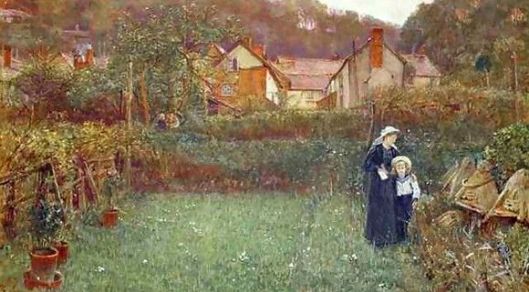
Charles Napier Hemy (1841-1917) – Telling the Bees

Telling the Bees

The telling of the bees is a traditional English custom, in which bees would be told of important events in their keeper’s lives, such as births, marriages, or departures and returns in the household. The bees were most commonly told of deaths in their master’s family.

To inform the bees of a death their hive might be hung with a black cloth, while a “doleful tune” is sung. Another method of “telling the bees” would be for their master to approach the hive and knock gently upon it. The house key might also be used to knock on the hive. When the master of the house had the attention of the bees they would tell the bees the name of the person that had died.

Food and drink from a beekeeper’s funeral would also be left by the hive for the bees, including the funeral biscuits and wine. The hive would also be lifted a few inches and put down again at the same time as the coffin. The hive might also be rotated to face the funeral procession, and draped with mourning cloth.

A section from John Greenleaf Whittier‘s poem “Home Ballads” describes the practice:

Before them, under the garden wall,
Forward and back
Went, drearily singing, the chore-girl small,
Draping each hive with a shred of black.

Trembling, I listened; the summer sun
Had the chill of snow;
For I knew she was telling the bees of one
Gone on the journey we all must go!

“Stay at home, pretty bees, fly not hence!
Mistress Mary is dead and gone!”

Source and to read more: http://en.m.wikipedia.org/wiki/Telling_the_bees

Video animation of John Greenleaf Whittier via YouTube posted by poetryreincarnations

Video of Holland beekeeper telling the bees via Youtube posted by Historical Honeybee Articles


Feel free to share this on:

  • Share on Facebook (Opens in new window) Facebook
  • Share on X (Opens in new window) X
  • Share on Pinterest (Opens in new window) Pinterest
  • Email a link to a friend (Opens in new window) Email
  • Share on LinkedIn (Opens in new window) LinkedIn
  • Share on Reddit (Opens in new window) Reddit
  • Share on Tumblr (Opens in new window) Tumblr
  • Print (Opens in new window) Print
  • Share on Telegram (Opens in new window) Telegram
  • Share on WhatsApp (Opens in new window) WhatsApp
Like Loading...

The Etruscans Were Expert Beekeepers, Ancient Honeycombs Suggest by Rossella Lorenzi

30 Monday Oct 2017

Posted by Beekeeping365 in beekeeping, beekeeping history

≈ Leave a comment

Tags

beekeeping, beekeeping history, food

The charred remains of 2,500-year-old honeycombs, as well as other beekeeping artifacts, have been discovered in an Etruscan workshop in northern Italy.

The findings included the remains of a unique grapevine honey produced by traveling beekeepers along rivers, according to a new study.

“The importance of beekeeping in the ancient world is well known through an abundance of iconographic, literary, archaeometric and ethnographic [or cultural] sources,” Lorenzo Castellano, a graduate student at the Institute for the Study of the Ancient World at New York University and first author of the new study, told Live Science. (In archaeometry, scientists use physical, chemical and mathematical analyses to study archaeological sites.)

Even so, since honeycombs are perishable, direct fossil evidence of them is “extremely rare,” he added.

Read full article here: The Etruscans Were Expert Beekeepers, Ancient Honeycombs Suggest by Rossella Lorenzi

Feel free to share this on:

  • Share on Facebook (Opens in new window) Facebook
  • Share on X (Opens in new window) X
  • Share on Pinterest (Opens in new window) Pinterest
  • Email a link to a friend (Opens in new window) Email
  • Share on LinkedIn (Opens in new window) LinkedIn
  • Share on Reddit (Opens in new window) Reddit
  • Share on Tumblr (Opens in new window) Tumblr
  • Print (Opens in new window) Print
  • Share on Telegram (Opens in new window) Telegram
  • Share on WhatsApp (Opens in new window) WhatsApp
Like Loading...

Beekeeping Vocabulary – “U” is for…

29 Sunday Oct 2017

Posted by Beekeeping365 in beekeeping, honey

≈ Leave a comment

Tags

beekeeping, honey bees, Tupelo, tupelo honey, Van Morrison

Uncapping Knife

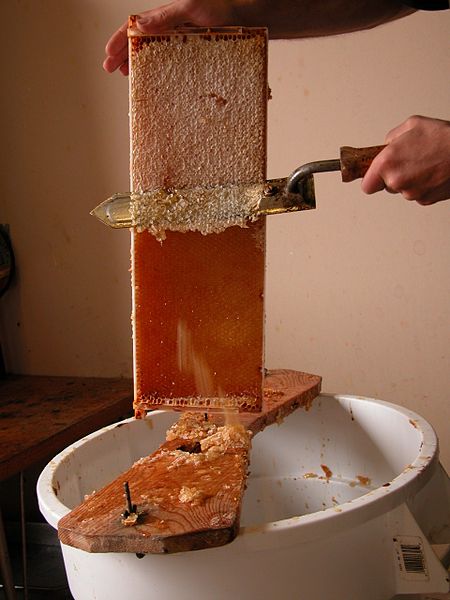
Above: Uncapping with an electric hot knife on an uncapping tub by Ben pcc

Today’s beekeeping vocabulary word is, “Uncapping Knife.”

From Wikipedia:

The first step in the extraction process is to break or remove all of the cappings. This may be accomplished using an automated uncapper machine or with a manually-operated uncapping knife. Usually, these tools are used together, along with a pronged cappings fork. To facilitate cutting off these wax cappings, the knife is often heated. The removed bits of wax, called cappings, are rich in honey which can be slowly drained off with the help of some heating. This ‘cappings wax’ is very valuable and often used to make candles or other products. Automated uncapping machines normally work by abrading the surface of the wax with moving chains or bristles or hot knives. This, while messy, makes the process easier than doing this task manually.

Source and to read more: Wikipedia

Feel free to share this on:

  • Share on Facebook (Opens in new window) Facebook
  • Share on X (Opens in new window) X
  • Share on Pinterest (Opens in new window) Pinterest
  • Email a link to a friend (Opens in new window) Email
  • Share on LinkedIn (Opens in new window) LinkedIn
  • Share on Reddit (Opens in new window) Reddit
  • Share on Tumblr (Opens in new window) Tumblr
  • Print (Opens in new window) Print
  • Share on Telegram (Opens in new window) Telegram
  • Share on WhatsApp (Opens in new window) WhatsApp
Like Loading...

Roasted Sweet Potatoes with Honey and Cinnamon

28 Saturday Oct 2017

Posted by Beekeeping365 in beekeeping, honey, honey recipe, recipe

≈ Leave a comment

Tags

beekeeping, honey, recipe

Photo credit: Abigail Wallace

This time of year we have an abundance of sweet potatoes at our local farmer’s market. We love them; our dogs love them. It’s quite simple to place a sweet potatoes in water and boil, or the microwave, or oven. I like mine slightly undercooked. Upon removal the skin should slide off. Dice the potato and toss with some honey and cinnamon. I recommend sitting on your porch with a cup of coffee to compliment the experience. Enjoy!


Honey Cinnamon Roasted Sweet Potatoes

via:  Honey Cinnamon Roasted Sweet Potatoes — Abigail Wallace

Feel free to share this on:

  • Share on Facebook (Opens in new window) Facebook
  • Share on X (Opens in new window) X
  • Share on Pinterest (Opens in new window) Pinterest
  • Email a link to a friend (Opens in new window) Email
  • Share on LinkedIn (Opens in new window) LinkedIn
  • Share on Reddit (Opens in new window) Reddit
  • Share on Tumblr (Opens in new window) Tumblr
  • Print (Opens in new window) Print
  • Share on Telegram (Opens in new window) Telegram
  • Share on WhatsApp (Opens in new window) WhatsApp
Like Loading...

Michael Palmer and The Sustainable Apiary by Here We Bee

27 Friday Oct 2017

Posted by Beekeeping365 in beekeeping, beekeeping management, management

≈ Leave a comment

Tags

beekeeping, management, Michael Palmer, sustainability, sustainable apiary

Palmer has a direct, no-nonsense speaking style that gets right to the point and stays there. In the course of his decades long career in beekeeping he has listened, tested and learned…and fortunately for the rest of us is generous in passing along his field-tested findings.

It would not be possible to set down his points in detail: Palmer simply presented too much that was useful, often ground-breaking and always interesting. Hence the links, below, to his full lectures. But I will try to summarize his famous “Sustainable Apiary” approach and touch on any topic that as a beekeeper I found particularly valuable.

Read the full article here: Michael Palmer and The Sustainable Apiary — Here We Bee

Feel free to share this on:

  • Share on Facebook (Opens in new window) Facebook
  • Share on X (Opens in new window) X
  • Share on Pinterest (Opens in new window) Pinterest
  • Email a link to a friend (Opens in new window) Email
  • Share on LinkedIn (Opens in new window) LinkedIn
  • Share on Reddit (Opens in new window) Reddit
  • Share on Tumblr (Opens in new window) Tumblr
  • Print (Opens in new window) Print
  • Share on Telegram (Opens in new window) Telegram
  • Share on WhatsApp (Opens in new window) WhatsApp
Like Loading...

Preparing for Winter by Lazer Creek Apiary

26 Thursday Oct 2017

Posted by Beekeeping365 in beekeeping, beekeeping management, beekeeping seasons, management

≈ Leave a comment

Tags

beekeeping, fall management, management, seasons, winter management

It’s only 62 degrees this morning, but bees in the English hive are already out foraging.  It’s no wonder that these bees are well set up for the cold weather that is just around the corner;  of all our hives, they have the most honey stored.    This is our go-to hive for requeening because the colony has always been friendly, the queens have always been great producers, the bees are hygienic,  and the bees are the first out the door to forage.

At the other end of the spectrum, we have a hive that has no stored resources despite all the goldenrod that surrounds the apiary.   Our records show that they haven’t stored any resources since we brought them back from the sunflower patch — and they had nothing then.    If I’d been able to find the queen yesterday, I’d have combined them with another weak but productive hive.  Those guys have increased their numbers by a full frame of bees and they have nectar and bee bread stored.   I can’t risk combining them without eliminating the lazy-genetics queen, so they have two weeks to pick up their game!   We put a candy board on the hive yesterday (and reduced the entrance down to a single bee width), so maybe that will help them.   Maybe it will make them more dependent on us.

Read full article here: Preparing for Winter — Lazer Creek Apiary Blog

Feel free to share this on:

  • Share on Facebook (Opens in new window) Facebook
  • Share on X (Opens in new window) X
  • Share on Pinterest (Opens in new window) Pinterest
  • Email a link to a friend (Opens in new window) Email
  • Share on LinkedIn (Opens in new window) LinkedIn
  • Share on Reddit (Opens in new window) Reddit
  • Share on Tumblr (Opens in new window) Tumblr
  • Print (Opens in new window) Print
  • Share on Telegram (Opens in new window) Telegram
  • Share on WhatsApp (Opens in new window) WhatsApp
Like Loading...

Multiply by a thousand? by 67steffen

23 Monday Oct 2017

Posted by Beekeeping365 in beekeeping

≈ 2 Comments

Tags

beekeeping, ivy, photography

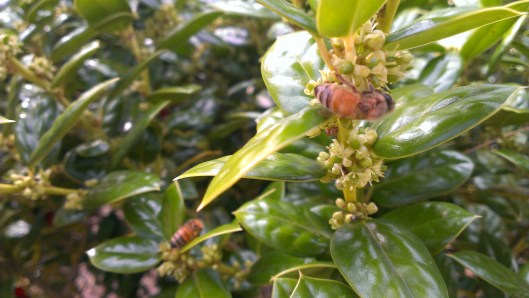
Nice picture from my beekeeping friend and photographer 67steffen:

Our backyard ivy remains abuzz with honeybees. I’d say multiply this shot by a thousand to get a sense of how many bees are at work. Their hive is only a few feet away, so this may explain the high activity.

via Multiply by a thousand? — 67steffen

Feel free to share this on:

  • Share on Facebook (Opens in new window) Facebook
  • Share on X (Opens in new window) X
  • Share on Pinterest (Opens in new window) Pinterest
  • Email a link to a friend (Opens in new window) Email
  • Share on LinkedIn (Opens in new window) LinkedIn
  • Share on Reddit (Opens in new window) Reddit
  • Share on Tumblr (Opens in new window) Tumblr
  • Print (Opens in new window) Print
  • Share on Telegram (Opens in new window) Telegram
  • Share on WhatsApp (Opens in new window) WhatsApp
Like Loading...

Beekeeping Vocabulary – “T” is for…

22 Sunday Oct 2017

Posted by Beekeeping365 in beekeeping, honey

≈ Leave a comment

Tags

beekeeping, honey bees, Tupelo, tupelo honey, Van Morrison

Above: For your entertainment, Van Morrison singing Tupelo Honey

Today’s beekeeping vocabulary word is, “Tupelo.”

Tupelo Honey is the gold standard by which all other honey varieties are measured. For two weeks every spring, White (Ogeche) Tupelo Trees in the Southeastern swamps bloom with fine sunburst-shaped flowers that glisten with nectar.

From Wikipedia:

Tupelo /ˈtuːpɪloʊ/, genus Nyssa /ˈnɪsə/,[3] is a small genus of deciduous trees with alternate, simple leaves.[1][4] It is sometimes included in the subfamily Nyssoideae of the dogwood family, Cornaceae, but is placed by other authorities in the family Nyssaceae.[5] In the APG IV system, it is placed in Nyssaceae.[6]

Most Nyssa species are highly tolerant of wet soils and flooding, and some need such environments as habitat.[7] Some of the species are native to eastern North America from southeastern Canada through the Eastern United States to Mexico and Central America.[1] Other species are found in eastern and southeastern Asia from China south through Indochina to Java and southwest to the Himalayas.[2][4]

Honey

Tupelos of the species Nyssa ogeche are valued as honey plants in the southeastern United States, particularly in the Gulf Coast region.[17] They produce a very light, mild-tasting honey. In Florida, beekeepers keep beehives along the river swamps on platforms or floats during tupelo bloom to produce certified tupelo honey, which commands a high price on the market because of its flavor.[17] Monofloral honey made from the nectar of Nyssa ogeche has such a high ratio of fructose to glucose that it does not crystallize.[18]

The Apalachicola River in the Florida Panhandle is the center for tupelo honey. The honey is produced wherever tupelo trees (three species) bloom in southeastern USA, but the purest and most expensive version (which is certified by pollen analysis) is produced in this valley. In a good harvest year, the tupelo honey crop produced by a group of specialized Florida beekeepers has a value approaching $1,000,000.[19]

Nyssa_sylvatica2
800px-Nyssa_sylvatica_range_map
800px-NyssaSylvaticaTrunk

Source and to read more: Wikipedia

Tupelo Honey is also the fifth studio album by Northern Irish singer-songwriter Van Morrison. It was released in October 1971 by Warner Bros. Records. Morrison had written all of the songs on the album in Woodstock, New York, before his move to Marin County, California, except for “You’re My Woman”, which he wrote during the recording sessions. Recording began at the beginning of the second quarter of 1971 at the Wally Heider Studios, San Francisco. Morrison moved to the Columbia Studios in May 1971 to complete the album.

Feel free to share this on:

  • Share on Facebook (Opens in new window) Facebook
  • Share on X (Opens in new window) X
  • Share on Pinterest (Opens in new window) Pinterest
  • Email a link to a friend (Opens in new window) Email
  • Share on LinkedIn (Opens in new window) LinkedIn
  • Share on Reddit (Opens in new window) Reddit
  • Share on Tumblr (Opens in new window) Tumblr
  • Print (Opens in new window) Print
  • Share on Telegram (Opens in new window) Telegram
  • Share on WhatsApp (Opens in new window) WhatsApp
Like Loading...

Pumpkin Biscuits with Honey Butter by Arl’s World

21 Saturday Oct 2017

Posted by Beekeeping365 in beekeeping, honey, honey recipe, recipe

≈ Leave a comment

Tags

beekeeping, honey, recipe

pumpkin

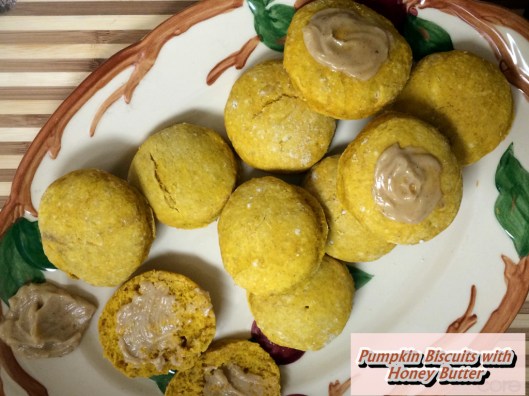
Love the color of these biscuits and how easy they are to make.  Not only are they a hit for breakfast …but they are also perfect by themselves.  The pumpkin in the biscuits and the honey butter are a great combination to stand alone for a mid morning snack or with afternoon tea.

via Pumpkin Biscuits with Honey Butter — Arl’s World

Feel free to share this on:

  • Share on Facebook (Opens in new window) Facebook
  • Share on X (Opens in new window) X
  • Share on Pinterest (Opens in new window) Pinterest
  • Email a link to a friend (Opens in new window) Email
  • Share on LinkedIn (Opens in new window) LinkedIn
  • Share on Reddit (Opens in new window) Reddit
  • Share on Tumblr (Opens in new window) Tumblr
  • Print (Opens in new window) Print
  • Share on Telegram (Opens in new window) Telegram
  • Share on WhatsApp (Opens in new window) WhatsApp
Like Loading...

Beekeeping Vocabulary – “S” is for…

15 Sunday Oct 2017

Posted by Beekeeping365 in beekeeping, equipment

≈ Leave a comment

Tags

bee smoker, beekeeping, equipment, honey bees

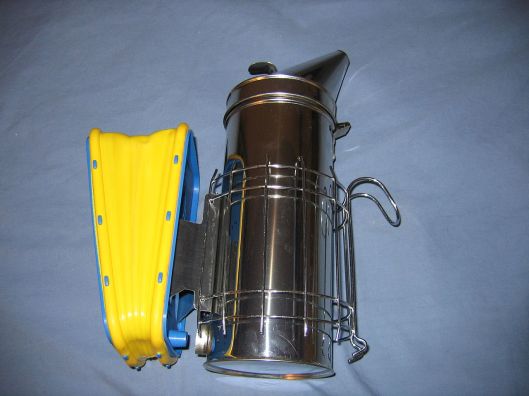
Beekeeping_smoker

Photo by Robert Engelhardt, CC BY-SA 3.0

Today’s beekeeping vocabulary word is, “Smoker.”

From Wikipedia:

A bee smoker (usually called simply a smoker) is a device used in beekeeping to calm honey bees. It is designed to generate smoke from the smouldering of various fuels, hence the name.

The fact that smoke calms bees has been known since ancient times; however, the scientific explanation was unknown until the 20th century and is still not fully understood. Smoke masks alarm pheromones[1] which include various chemicals, e.g., isopentyl acetate[2] that are released by guard bees or bees that are injured during a beekeeper’s inspection. The smoke creates an opportunity for the beekeeper to open the beehive and work while the colony’s defensive response is interrupted. In addition, smoke initiates a feeding response in anticipation of possible hive abandonment due to fire.[3][4][5] When a bee consumes honey the bee’s abdomen distends, making it difficult to make the necessary flexes to sting.[citation needed] (The latter has always been the primary explanation of the smoker’s effect, since this behavior of bees is easily observable.)

Smoke is of limited use with a swarm, partly because swarms have no honey stores to feed on. It is usually not needed, either, since swarms tend to be less defensive as they have no home to defend, and a fresh swarm will have fed well at the hive it left behind.

Source and to read more: Wikipedia

Feel free to share this on:

  • Share on Facebook (Opens in new window) Facebook
  • Share on X (Opens in new window) X
  • Share on Pinterest (Opens in new window) Pinterest
  • Email a link to a friend (Opens in new window) Email
  • Share on LinkedIn (Opens in new window) LinkedIn
  • Share on Reddit (Opens in new window) Reddit
  • Share on Tumblr (Opens in new window) Tumblr
  • Print (Opens in new window) Print
  • Share on Telegram (Opens in new window) Telegram
  • Share on WhatsApp (Opens in new window) WhatsApp
Like Loading...

Cinnamon, Honey and Hot Chocolate Recipe by Honey Hunter

14 Saturday Oct 2017

Posted by Beekeeping365 in beekeeping, honey, honey recipe, humor, recipe

≈ Leave a comment

Tags

beekeeping, chocolate, cinnamon, honey, honey recipe, recipe

Every struggled to fall asleep at night? Yep, us too. Here is a soothing cinnamon honey and hot chocolate recipe to relax your body and mind before getting under the covers. 1 tsp cocoa powder ½ tsp cinnamon powder A cup of milk (soy, almond or oat alternatives work just as well) 1 tbsp raw…

Read full recipe here: Cinnamon, Honey and Hot Chocolate Recipe — Honey Hunter

Feel free to share this on:

  • Share on Facebook (Opens in new window) Facebook
  • Share on X (Opens in new window) X
  • Share on Pinterest (Opens in new window) Pinterest
  • Email a link to a friend (Opens in new window) Email
  • Share on LinkedIn (Opens in new window) LinkedIn
  • Share on Reddit (Opens in new window) Reddit
  • Share on Tumblr (Opens in new window) Tumblr
  • Print (Opens in new window) Print
  • Share on Telegram (Opens in new window) Telegram
  • Share on WhatsApp (Opens in new window) WhatsApp
Like Loading...

Double or Nothing? by Bad Beekeeping Blog

10 Tuesday Oct 2017

Posted by Beekeeping365 in beekeeping, beekeeping management

≈ Leave a comment

Tags

beekeeping, fall management, management


A gentleman at our bee meeting posed a challenging question a couple of weeks ago: “What should I do with a weak hive? I think it might be queenless.” Well, it depends, of course.

I’m continuing with the series of questions which I overheard at a bee meeting not long ago. Today, it’s about weak/queenless hives. As in all bee questions, we are given just a bit of information. It’s not the beekeepers’ fault – they might not know what clues to look for and what information to bring to the club when they present their questions. (Actually, if they knew what information is needed to answer the question, they’d probably already know what to do.)

Read full article at: Double or Nothing? — Bad Beekeeping Blog

Feel free to share this on:

  • Share on Facebook (Opens in new window) Facebook
  • Share on X (Opens in new window) X
  • Share on Pinterest (Opens in new window) Pinterest
  • Email a link to a friend (Opens in new window) Email
  • Share on LinkedIn (Opens in new window) LinkedIn
  • Share on Reddit (Opens in new window) Reddit
  • Share on Tumblr (Opens in new window) Tumblr
  • Print (Opens in new window) Print
  • Share on Telegram (Opens in new window) Telegram
  • Share on WhatsApp (Opens in new window) WhatsApp
Like Loading...

Tips for a hassle-free honey extraction by The Beehive Jive

09 Monday Oct 2017

Posted by Beekeeping365 in beekeeping, beekeeping chores, extracting, hive products, honey

≈ Leave a comment

Tags

beekeeping, extracted honey, honey, honey extraction

It’s the time of year that we all love . . . Whether honey is a motivation for your beekeeping or not, it’s always exciting to see those shining jars full of beautiful honey from YOUR bees. Talk about job satisfaction! And yet a new beekeeper said to me the other day that they are…

Read more here: Tips for a hassle-free honey extraction — The Beehive Jive

Feel free to share this on:

  • Share on Facebook (Opens in new window) Facebook
  • Share on X (Opens in new window) X
  • Share on Pinterest (Opens in new window) Pinterest
  • Email a link to a friend (Opens in new window) Email
  • Share on LinkedIn (Opens in new window) LinkedIn
  • Share on Reddit (Opens in new window) Reddit
  • Share on Tumblr (Opens in new window) Tumblr
  • Print (Opens in new window) Print
  • Share on Telegram (Opens in new window) Telegram
  • Share on WhatsApp (Opens in new window) WhatsApp
Like Loading...

Beekeeping Vocabulary – “R” is for…

08 Sunday Oct 2017

Posted by Beekeeping365 in beekeeping, biology, honey bee biology

≈ Leave a comment

Tags

apis melifera, beekeeping, biology, honey bee biology, honey bees, royal jelly

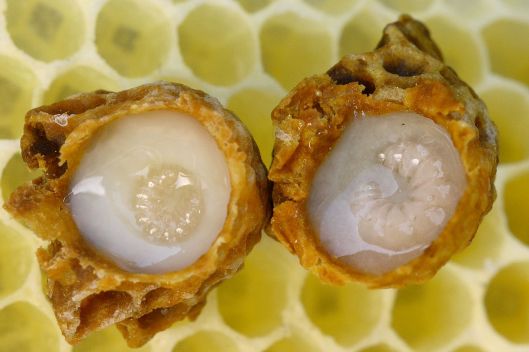
1280px-Weiselzellen_68a

Larva floating in royal jelly By Waugsberg (Own work)


Today’s beekeeping vocabulary word is, “Royal Jelly.”

From Wikipedia:

Royal jelly is a honey bee secretion that is used in the nutrition of larvae, as well as adult queens.[1] It is secreted from the glands in the hypopharynx of nurse bees, and fed to all larvae in the colony, regardless of sex or caste.[2]

When worker bees decide to make a new queen, because the old one is either weakening or dead, they choose several small larvae and feed them with copious amounts of royal jelly in specially constructed queen cells. This type of feeding triggers the development of queen morphology, including the fully developed ovaries needed to lay eggs.[3]

Royal jelly has long been sold as both a dietary supplement and alternative medicine. Both the European Food Safety Authority and United States Food and Drug Administration have concluded that the current evidence does not support the claim of health benefits, and have actively discouraged the sale and consumption of the jelly. In the United States, the Food and Drug Administration has taken legal action against companies that have used unfounded claims of health benefits to market royal jelly products. There have also been documented cases of allergic reactions, namely hives, asthma, and anaphylaxis, due to consumption of royal jelly.

Source and to read more: Wikipedia

Feel free to share this on:

  • Share on Facebook (Opens in new window) Facebook
  • Share on X (Opens in new window) X
  • Share on Pinterest (Opens in new window) Pinterest
  • Email a link to a friend (Opens in new window) Email
  • Share on LinkedIn (Opens in new window) LinkedIn
  • Share on Reddit (Opens in new window) Reddit
  • Share on Tumblr (Opens in new window) Tumblr
  • Print (Opens in new window) Print
  • Share on Telegram (Opens in new window) Telegram
  • Share on WhatsApp (Opens in new window) WhatsApp
Like Loading...

Clean Satay Chicken w/ Courgette and Carrot Noodles by thebeechick

07 Saturday Oct 2017

Posted by Beekeeping365 in beekeeping, honey, honey recipe, recipe

≈ Leave a comment

Tags

beekeeping, honey, recipe

Everyone loves a cheeky Chinese every now and then right? But how often do we make our own Chinese food at home? This is my adaptation of Satay Chicken – using all nourishing ingredients for your body and tasting ‘Friday-night-feasting’ mega good! This is a great meal full of healthy natural fats and protein – and is simple and quick…

Read full recipe here: Clean Satay Chicken w/ Courgette and Carrot Noodles — thebeechick

Feel free to share this on:

  • Share on Facebook (Opens in new window) Facebook
  • Share on X (Opens in new window) X
  • Share on Pinterest (Opens in new window) Pinterest
  • Email a link to a friend (Opens in new window) Email
  • Share on LinkedIn (Opens in new window) LinkedIn
  • Share on Reddit (Opens in new window) Reddit
  • Share on Tumblr (Opens in new window) Tumblr
  • Print (Opens in new window) Print
  • Share on Telegram (Opens in new window) Telegram
  • Share on WhatsApp (Opens in new window) WhatsApp
Like Loading...

Changing of the Guard, Bee-Style by Longreads

02 Monday Oct 2017

Posted by Beekeeping365 in beekeeping, beekeeping management, biology, honey bee biology, queens

≈ Leave a comment

Tags

beekeeping, honey bee biology, management, queens

The death of a monarch is never simple. There’s a vacuum of power that needs to be filled, an anxiety of influence that requires the successor to establish their power quickly, and a challenging period in which the memory of the deceased is negotiated and shaped (in some cases — hello, French Revolution! — this phase can last centuries). In a lovely essay at Nautilus, John Knight explores the war of succession that followed the death of the original queen in his Brooklyn-rooftop beehive. It’s a conflict not just between a wannabe-queen and her reluctant subjects, but also between human and insect, each following their own complex protocols for survival.

Read the full story here: Changing of the Guard, Bee-Style — Longreads

Feel free to share this on:

  • Share on Facebook (Opens in new window) Facebook
  • Share on X (Opens in new window) X
  • Share on Pinterest (Opens in new window) Pinterest
  • Email a link to a friend (Opens in new window) Email
  • Share on LinkedIn (Opens in new window) LinkedIn
  • Share on Reddit (Opens in new window) Reddit
  • Share on Tumblr (Opens in new window) Tumblr
  • Print (Opens in new window) Print
  • Share on Telegram (Opens in new window) Telegram
  • Share on WhatsApp (Opens in new window) WhatsApp
Like Loading...

Honeyed Mango Salsa with Salmon on Food Porn Friday by From Behind the Pen

30 Saturday Sep 2017

Posted by Beekeeping365 in beekeeping, honey, honey recipe, recipe

≈ Leave a comment

Tags

beekeeping, honey, mango, recipe, salmon

sweet-spicy-salmon-with-honeyed-mango-salsa

Check out this delicious, helthy dish Sweet Spicy Salmon with Honeyed Mango Salsa, courtesy of the National Honey Board.

Source: Honeyed Mango Salsa with Salmon on Food Porn Friday — From Behind the Pen

Feel free to share this on:

  • Share on Facebook (Opens in new window) Facebook
  • Share on X (Opens in new window) X
  • Share on Pinterest (Opens in new window) Pinterest
  • Email a link to a friend (Opens in new window) Email
  • Share on LinkedIn (Opens in new window) LinkedIn
  • Share on Reddit (Opens in new window) Reddit
  • Share on Tumblr (Opens in new window) Tumblr
  • Print (Opens in new window) Print
  • Share on Telegram (Opens in new window) Telegram
  • Share on WhatsApp (Opens in new window) WhatsApp
Like Loading...

Beeswax Fair Entry

28 Thursday Sep 2017

Posted by Beekeeping365 in beekeeping, beeswax, honey judging, state fair

≈ 1 Comment

Tags

beekeeping, beeswax, honey judging

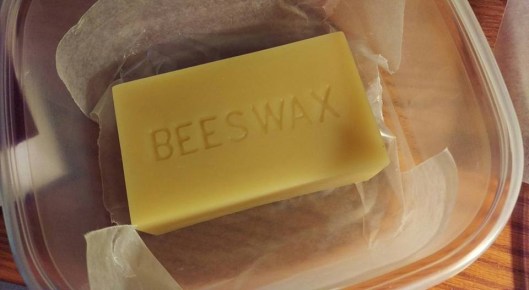
14448867_10208603932670610_8920119836431881540_n
So, I show my 15 year old son my State Fair wax entry which has taken me probably 8 pours to get at least good enough to hopefully not be disqualified. He looks at it and makes for the grab with his grubby, greasy, paws to inspect it. Having lived with him for 15 years, I head him off and swoop the wax away, right from under his grasp. Kids don’t realize we’ve been watching their antics from the beginning and possess parental clairvoyance.

Feel free to share this on:

  • Share on Facebook (Opens in new window) Facebook
  • Share on X (Opens in new window) X
  • Share on Pinterest (Opens in new window) Pinterest
  • Email a link to a friend (Opens in new window) Email
  • Share on LinkedIn (Opens in new window) LinkedIn
  • Share on Reddit (Opens in new window) Reddit
  • Share on Tumblr (Opens in new window) Tumblr
  • Print (Opens in new window) Print
  • Share on Telegram (Opens in new window) Telegram
  • Share on WhatsApp (Opens in new window) WhatsApp
Like Loading...

Dr. Elina L. Niño: Helping Our Fuzzy Little Friends by Snippets of Science

27 Wednesday Sep 2017

Posted by Beekeeping365 in beekeeping, beekeeping vocabulary, biography

≈ Leave a comment

Tags

beekeeping, beekeeping vocabulary, biography

It was an achingly hot Friday when Dr. Elina L. Niño welcomed me into her small but air-conditioned office at the E.L. Niño Bee Lab, housed at the Harry H. Laidlaw, Jr. Honey Bee Research Facility, before excusing herself to step out for a moment. “I need to get more coffee,” she said, holding up […]

Read more here: Dr. Elina L. Niño: Helping Our Fuzzy Little Friends — Snippets of Science

Feel free to share this on:

  • Share on Facebook (Opens in new window) Facebook
  • Share on X (Opens in new window) X
  • Share on Pinterest (Opens in new window) Pinterest
  • Email a link to a friend (Opens in new window) Email
  • Share on LinkedIn (Opens in new window) LinkedIn
  • Share on Reddit (Opens in new window) Reddit
  • Share on Tumblr (Opens in new window) Tumblr
  • Print (Opens in new window) Print
  • Share on Telegram (Opens in new window) Telegram
  • Share on WhatsApp (Opens in new window) WhatsApp
Like Loading...

The History of Bees – a book review in 200 words by ouroborosfreelance

26 Tuesday Sep 2017

Posted by Beekeeping365 in beekeeping, book review

≈ Leave a comment

Tags

beekeeping, book review

The History of Bees by Maja Lunde The History of Bees follows three distinct characters in three wildly disparate timelines: The whiny but lovable William, England (1852). A scientist with a large family and a seeds shop – he has been bedridden for an undetermined amount of time. George, a taciturn and stoic beekeeper, […]

Read the full review at:  The History of Bees – a book review in 200 words — ouroborosfreelance

Feel free to share this on:

  • Share on Facebook (Opens in new window) Facebook
  • Share on X (Opens in new window) X
  • Share on Pinterest (Opens in new window) Pinterest
  • Email a link to a friend (Opens in new window) Email
  • Share on LinkedIn (Opens in new window) LinkedIn
  • Share on Reddit (Opens in new window) Reddit
  • Share on Tumblr (Opens in new window) Tumblr
  • Print (Opens in new window) Print
  • Share on Telegram (Opens in new window) Telegram
  • Share on WhatsApp (Opens in new window) WhatsApp
Like Loading...

Peanut Butter, Honey

23 Saturday Sep 2017

Posted by Beekeeping365 in beekeeping, honey, honey recipe, recipe

≈ Leave a comment

Tags

beekeeping, honey, recipe

Peanut butter and honey on toast might seem like an odd combination but trust me, it’s a wonderful thing. I was first introduced to it by my old school friend Hina. Hina was (and still is I believe) Japanese and the Japanese like their peanut butter a bit sweeter than us Brits. So after school, […]

Read full recipe here:  Peanut Butter, Honey

Feel free to share this on:

  • Share on Facebook (Opens in new window) Facebook
  • Share on X (Opens in new window) X
  • Share on Pinterest (Opens in new window) Pinterest
  • Email a link to a friend (Opens in new window) Email
  • Share on LinkedIn (Opens in new window) LinkedIn
  • Share on Reddit (Opens in new window) Reddit
  • Share on Tumblr (Opens in new window) Tumblr
  • Print (Opens in new window) Print
  • Share on Telegram (Opens in new window) Telegram
  • Share on WhatsApp (Opens in new window) WhatsApp
Like Loading...

Beekeeping Gloves

22 Friday Sep 2017

Posted by Beekeeping365 in beekeeping, beekeeping equipment, equipment

≈ Leave a comment

Tags

beekeeping

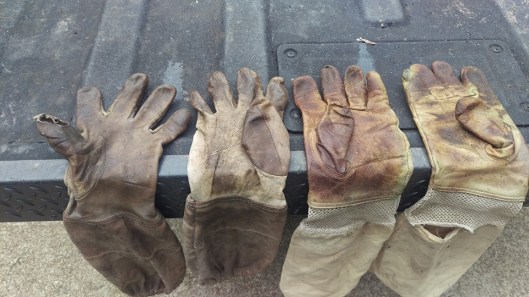
14457283_10208553928580539_6876330731677156130_n

Blew the thumb out on the glove to the far left. Sad to see this pair of gloves go. But at least I still have the almost new, excellent, serviceable gloves on the right.

I’m unashamed of using gloves. I admit to moving too fast at times, going in when I probably shouldn’t, using too much or too little smoke, and otherwise making errors leading to stings. And I admit I don’t care for being stung.

Not to mention the black widow spider I find sometimes lurking under a hive stand.

Feel free to share this on:

  • Share on Facebook (Opens in new window) Facebook
  • Share on X (Opens in new window) X
  • Share on Pinterest (Opens in new window) Pinterest
  • Email a link to a friend (Opens in new window) Email
  • Share on LinkedIn (Opens in new window) LinkedIn
  • Share on Reddit (Opens in new window) Reddit
  • Share on Tumblr (Opens in new window) Tumblr
  • Print (Opens in new window) Print
  • Share on Telegram (Opens in new window) Telegram
  • Share on WhatsApp (Opens in new window) WhatsApp
Like Loading...

On teaching beekeeping by BBE-Tech

21 Thursday Sep 2017

Posted by Beekeeping365 in beekeeper education, beekeeping, education

≈ Leave a comment

Tags

beekeeping, education

As the beekeeping instructor and trainer at a few places around the Omaha metro area, I am always looking for new information, different methodologies, most current best practices and techniques. It’s my job. The way I see it, by even putting myself out there as an instructor means that there will be people who […]

Read full article at: On teaching beekeeping — BBE-Tech

Feel free to share this on:

  • Share on Facebook (Opens in new window) Facebook
  • Share on X (Opens in new window) X
  • Share on Pinterest (Opens in new window) Pinterest
  • Email a link to a friend (Opens in new window) Email
  • Share on LinkedIn (Opens in new window) LinkedIn
  • Share on Reddit (Opens in new window) Reddit
  • Share on Tumblr (Opens in new window) Tumblr
  • Print (Opens in new window) Print
  • Share on Telegram (Opens in new window) Telegram
  • Share on WhatsApp (Opens in new window) WhatsApp
Like Loading...

Raw Honey for Good Dogs by Knotty Toys for Good Dogs

19 Tuesday Sep 2017

Posted by Beekeeping365 in beekeeping, food, honey

≈ Leave a comment

Tags

beekeeping, food, honey

I think everyone loves honey, it’s so sweet & delicious. But it’s also very good for dogs. Suzie Q & I get a teaspoon of raw honey every day. To be clear, I’m talking only about raw, unpasteurized honey & not the processed honey you usually would find at the supermarket. Raw honey is rich […]

Read more here:  Raw Honey for Good Dogs — Knotty Toys for Good Dogs

Feel free to share this on:

  • Share on Facebook (Opens in new window) Facebook
  • Share on X (Opens in new window) X
  • Share on Pinterest (Opens in new window) Pinterest
  • Email a link to a friend (Opens in new window) Email
  • Share on LinkedIn (Opens in new window) LinkedIn
  • Share on Reddit (Opens in new window) Reddit
  • Share on Tumblr (Opens in new window) Tumblr
  • Print (Opens in new window) Print
  • Share on Telegram (Opens in new window) Telegram
  • Share on WhatsApp (Opens in new window) WhatsApp
Like Loading...

Remembering: Charles Valentine Riley by Ron Miksha

18 Monday Sep 2017

Posted by Beekeeping365 in beekeeping, birthday, birthdays

≈ Leave a comment

Tags

beekeeping

Source: Bad Beekeeping Blog

Remembering: Charles Valentine Riley  by Ron Miksha

cv-rileyCharles Valentine Riley (1843-1895)

September 18 is the birthdate of British-American    entomologist     Charles Valentine Riley. Riley pioneered the scientific study of insect pests and their impact on agriculture.   He founded the US Department of Agriculture’s Division of Entomology and was one of the first to use biological pest control. Oh, he saved the French wine industry, too.  He had an unlikely start.

C.V. Riley (as he was usually known) was born in Chelsea, the yuppie section of 19th-century London. His father was a minister, a rising star in the Church of England. At age 11, C.V. was sent to the continent (France, then Germany) to study languages, art, and science. But within a couple of years, his father died and C.V. was brought back to London. His widowed Mum remarried and C.V. was disinherited.

By 17, C.V. Riley was on his way to America to work as a farm labourer on property owned by a British investor who had taken an interest in the young man’s plight. After a few years of grueling farm work, Riley found a job as a reporter and artist for a farm journal, Prairie Farmer. It was 1864 – Riley was 20, drafted into the American Civil War, and released after his compulsory 100 days of service. Riley then went back to the magazine, continuing as an artist and reporter, but taking on the added job of editor of the journal’s bug division. The boy from Chelsea was the Prairie Farmer’s entomology editor.

riley-moth-drawing

Full article at: Bad Beekeeping Blog

Feel free to share this on:

  • Share on Facebook (Opens in new window) Facebook
  • Share on X (Opens in new window) X
  • Share on Pinterest (Opens in new window) Pinterest
  • Email a link to a friend (Opens in new window) Email
  • Share on LinkedIn (Opens in new window) LinkedIn
  • Share on Reddit (Opens in new window) Reddit
  • Share on Tumblr (Opens in new window) Tumblr
  • Print (Opens in new window) Print
  • Share on Telegram (Opens in new window) Telegram
  • Share on WhatsApp (Opens in new window) WhatsApp
Like Loading...

Beekeeping Vocabulary – “P” is for…

17 Sunday Sep 2017

Posted by Beekeeping365 in beekeeping, beekeeping vocabulary, honey bee vocabulary

≈ 3 Comments

Tags

beekeeping, beekeeping vocabulary, honey bee vocabulary

Diadasia_Bee_Straddles_Cactus_Flower_Carpels_close-up

By Jessie Eastland – Own work, CC BY-SA 4.0, https://commons.wikimedia.org/w/index.php?curid=58944849


This week’s beekeeping vocabulary word is “Pollen.”

Pollen is collected by honey bees and other pollinators and used as a food source. In the process of these pollinators travels they transfer pollen from one flow to another thus satisfying the reproductive needs of plants. The result is the production of a fruit, nut, seed by the flower of the pollinated plant. It’s a symbiotic relationship whereby the bee gathers a source of food containing proteins, lipids, and vitamins and the plant gets successfully pollinated.

From Wikipedia:

The transfer of pollen grains to the female reproductive structure (pistil in angiosperms) is called pollination. This transfer can be mediated by the wind, in which case the plant is described as anemophilous (literally wind-loving). Anemophilous plants typically produce great quantities of very lightweight pollen grains, sometimes with air-sacs. Non-flowering seed plants (e.g. pine trees) are characteristically anemophilous. Anemophilous flowering plants generally have inconspicuous flowers. Entomophilous (literally insect-loving) plants produce pollen that is relatively heavy, sticky and protein-rich, for dispersal by insect pollinators attracted to their flowers. Many insects and some mites are specialized to feed on pollen, and are called palynivores.

In non-flowering seed plants, pollen germinates in the pollen chamber, located beneath the micropyle, underneath the integuments of the ovule. A pollen tube is produced, which grows into the nucellus to provide nutrients for the developing sperm cells. Sperm cells of Pinophyta and Gnetophyta are without flagella, and are carried by the pollen tube, while those of Cycadophyta and Ginkgophyta have many flagella.

When placed on the stigma of a flowering plant, under favorable circumstances, a pollen grain puts forth a pollen tube, which grows down the tissue of the style to the ovary, and makes its way along the placenta, guided by projections or hairs, to the micropyle of an ovule. The nucleus of the tube cell has meanwhile passed into the tube, as does also the generative nucleus, which divides (if it hasn’t already) to form two sperm cells. The sperm cells are carried to their destination in the tip of the pollen tube. Double-strand breaks in DNA that arise during pollen tube growth appear to be efficiently repaired in the generative cell that carries the male genomic information to be passed on to the next plant generation.[12] However, the vegetative cell that is responsible for tube elongation appears to lack this DNA repair capability.[12]

Feel free to share this on:

  • Share on Facebook (Opens in new window) Facebook
  • Share on X (Opens in new window) X
  • Share on Pinterest (Opens in new window) Pinterest
  • Email a link to a friend (Opens in new window) Email
  • Share on LinkedIn (Opens in new window) LinkedIn
  • Share on Reddit (Opens in new window) Reddit
  • Share on Tumblr (Opens in new window) Tumblr
  • Print (Opens in new window) Print
  • Share on Telegram (Opens in new window) Telegram
  • Share on WhatsApp (Opens in new window) WhatsApp
Like Loading...

Raspberry and Almond Honey Tart by thebeechick

16 Saturday Sep 2017

Posted by Beekeeping365 in beekeeping, honey, honey recipe, recipe

≈ 1 Comment

Tags

beekeeping, honey, recipe

This little ‘tart of dreams’ is made of five wonderful natural ingredients, it is gluten free and refined sugar free – so you can feel guilt free munching away on it as a little sweet treat! You will need a mixing bowl for this recipe and a decent sized tart dish approximately 20cm – 26cm in diameter. Ingredients: Tart Crust:200g of…

Get the full recipe here:  Raspberry and Almond Honey Tart — thebeechick

Feel free to share this on:

  • Share on Facebook (Opens in new window) Facebook
  • Share on X (Opens in new window) X
  • Share on Pinterest (Opens in new window) Pinterest
  • Email a link to a friend (Opens in new window) Email
  • Share on LinkedIn (Opens in new window) LinkedIn
  • Share on Reddit (Opens in new window) Reddit
  • Share on Tumblr (Opens in new window) Tumblr
  • Print (Opens in new window) Print
  • Share on Telegram (Opens in new window) Telegram
  • Share on WhatsApp (Opens in new window) WhatsApp
Like Loading...

The Fascinating History of Polish Honey by Donna Gawell

14 Thursday Sep 2017

Posted by Beekeeping365 in beekeeping, beekeeping history, honey, polish

≈ Leave a comment

Tags

beekeeping, beekeeping history, honey

Honey produced in Poland has always been esteemed as a type of liquid gold. Historically, many bee colonies were under control of the royal landowners. Stealing honey from their estates was often met with death on the gallows. Destroying an entire colony of bees, even if they belonged to the accused, resulted in an unimaginable […]

Read more here:  The Fascinating History of Polish Honey — Donna Gawell

Feel free to share this on:

  • Share on Facebook (Opens in new window) Facebook
  • Share on X (Opens in new window) X
  • Share on Pinterest (Opens in new window) Pinterest
  • Email a link to a friend (Opens in new window) Email
  • Share on LinkedIn (Opens in new window) LinkedIn
  • Share on Reddit (Opens in new window) Reddit
  • Share on Tumblr (Opens in new window) Tumblr
  • Print (Opens in new window) Print
  • Share on Telegram (Opens in new window) Telegram
  • Share on WhatsApp (Opens in new window) WhatsApp
Like Loading...

Celebrating National Honey Month with an Easy Toddler Snack! by Redlocks and Shamrocks

13 Wednesday Sep 2017

Posted by Beekeeping365 in beekeeping, honey, honey recipe, recipe

≈ Leave a comment

Tags

beekeeping, honey, recipe

September in Las Vegas means drinking pumpkin spice lattes in shorts and flipflops and girls wishing they could wear fall fashion of chunky sweaters and boots even though it’s still over 100 degrees out. The Fall struggle is real out in the desert. I have great news to get you through the transition.

Whole wheat toast, peanut butter, apples slices, and topped with you guessed it—honey!

Read more here: Celebrating National Honey Month with an Easy Toddler Snack! — Redlocks and Shamrocks

Feel free to share this on:

  • Share on Facebook (Opens in new window) Facebook
  • Share on X (Opens in new window) X
  • Share on Pinterest (Opens in new window) Pinterest
  • Email a link to a friend (Opens in new window) Email
  • Share on LinkedIn (Opens in new window) LinkedIn
  • Share on Reddit (Opens in new window) Reddit
  • Share on Tumblr (Opens in new window) Tumblr
  • Print (Opens in new window) Print
  • Share on Telegram (Opens in new window) Telegram
  • Share on WhatsApp (Opens in new window) WhatsApp
Like Loading...

The Fresno Experiment – Exponential hive increase by Estrada Farms LLC

13 Wednesday Sep 2017

Posted by Beekeeping365 in beekeeping, beekeeping management, honey bees, making increase, management, queens

≈ Leave a comment

Tags

beekeeping, honey bees, management, queens

Out of curiosity I suppose, Steve asked how often you can split a beehive in one year. In other words, if you start with one beehive, what is the maximum amount of queen-right beehives that you can have by the end of the year? I answered that I didn’t know, as I’ve never tried it before and there are so many variables to consider. But it did leave me wondering how many hives a person could make if their only goal was to make more beehives (not honey production), and so the Fresno Experiment was born.

The premise of the experiment was to find out how many hives we could make that would be able to overwinter on their own stores of honey (or very limited feeding).

Read more here:  The Fresno Experiment – Exponential hive increase — Estrada Farms LLC

Feel free to share this on:

  • Share on Facebook (Opens in new window) Facebook
  • Share on X (Opens in new window) X
  • Share on Pinterest (Opens in new window) Pinterest
  • Email a link to a friend (Opens in new window) Email
  • Share on LinkedIn (Opens in new window) LinkedIn
  • Share on Reddit (Opens in new window) Reddit
  • Share on Tumblr (Opens in new window) Tumblr
  • Print (Opens in new window) Print
  • Share on Telegram (Opens in new window) Telegram
  • Share on WhatsApp (Opens in new window) WhatsApp
Like Loading...

Cup of Comfort by Graceful Glass Slipper

11 Monday Sep 2017

Posted by Beekeeping365 in beekeeping, honey, honey recipe, recipe

≈ Leave a comment

Tags

beekeeping, honey, recipe

Because of Hurricane Irma, my fall quarter has been postponed one week (if you are new to my blog, I go to the Savannah College of Art & Design down in Georgia, right on the coast in the beautiful historic downtown). Currently thinking about the city I treasure so much and my friends that I […]

Read more here: Cup of Comfort — Graceful Glass Slipper

Feel free to share this on:

  • Share on Facebook (Opens in new window) Facebook
  • Share on X (Opens in new window) X
  • Share on Pinterest (Opens in new window) Pinterest
  • Email a link to a friend (Opens in new window) Email
  • Share on LinkedIn (Opens in new window) LinkedIn
  • Share on Reddit (Opens in new window) Reddit
  • Share on Tumblr (Opens in new window) Tumblr
  • Print (Opens in new window) Print
  • Share on Telegram (Opens in new window) Telegram
  • Share on WhatsApp (Opens in new window) WhatsApp
Like Loading...

Beekeeping Vocabulary – “O” is for…

10 Sunday Sep 2017

Posted by Beekeeping365 in beekeeping

≈ Leave a comment

Tags

beekeeping

This week’s vocabulary term is:

“Orientation Flight”

Age related tasks of honey bees culminate in foraging, this being the final group of tasks they perform before death. Although the starting age for foraging is variable, it commonly peaks in bees over 20 days of age. Until this point the bees that were mainly nest bound leave the colony to collect nectar, pollen, water, and propolis so therefore need to familiarize themselves with the landscape and landmarks outside the nest and the position of the nest entrance. They do so by taking orientation flights in the days preceding their first foraging flights. Young bees walk out of the hive, fly a short distance in front, turn by 180 degrees so that they are facing the hive, then hover back and forth in arcs. After a few moments the orientation flight becomes characterized by the ever increasing circles around and above the hive and after a few minutes the bee returns to its hive without carrying any pollen or nectar (Capaldi and Dyer 1999). The orientation flights tend to take place on warm windless afternoons.  Interestingly, on these flights, ‘foragers to be’ take the opportunity to void their feces, as they had not had a chance to cleanse previously (Winston, 1987).

Source and for full article: http://www.arnia.co.nz/honey-bee-orientation/


Feel free to share this on:

  • Share on Facebook (Opens in new window) Facebook
  • Share on X (Opens in new window) X
  • Share on Pinterest (Opens in new window) Pinterest
  • Email a link to a friend (Opens in new window) Email
  • Share on LinkedIn (Opens in new window) LinkedIn
  • Share on Reddit (Opens in new window) Reddit
  • Share on Tumblr (Opens in new window) Tumblr
  • Print (Opens in new window) Print
  • Share on Telegram (Opens in new window) Telegram
  • Share on WhatsApp (Opens in new window) WhatsApp
Like Loading...

Cherry Ricotta Bruschetta by keviniscooking.com

09 Saturday Sep 2017

Posted by Beekeeping365 in beekeeping, honey, honey recipe, recipe

≈ Leave a comment

Tags

beekeeping, honey, recipe

Here’s a little something to nibble on as your dinner grills or smokes. This summer inspired appetizer is sure to be a hit. Who doesn’t like bruschetta? That wonderful antipasto from Italy made of grilled bread, rubbed with garlic and topped with tomatoes, basil and olive oil? So fresh and summery, but I decided to…

Read fully recipe here:  Cherry Ricotta Bruschetta — keviniscooking.com

Feel free to share this on:

  • Share on Facebook (Opens in new window) Facebook
  • Share on X (Opens in new window) X
  • Share on Pinterest (Opens in new window) Pinterest
  • Email a link to a friend (Opens in new window) Email
  • Share on LinkedIn (Opens in new window) LinkedIn
  • Share on Reddit (Opens in new window) Reddit
  • Share on Tumblr (Opens in new window) Tumblr
  • Print (Opens in new window) Print
  • Share on Telegram (Opens in new window) Telegram
  • Share on WhatsApp (Opens in new window) WhatsApp
Like Loading...

Two Takeaways from the Eastern Apicultural Society’s Summer 2017 Conference

08 Friday Sep 2017

Posted by Beekeeping365 in beekeeper education, beekeeping, education

≈ 2 Comments

Tags

beekeeping, education

eas photo

Last month, upon returning from the Eastern Apicultural conference in Newark, Delaware, a friend of mine asked me what was the single most meaningful thing I learned. I sat there and a hundred things ran through my mind. I finally said, “Every day offered me new information and different ways to look at what I’m doing in the bee yard.” Now that I’ve had a couple weeks to process some of the material (I took about 75 pages of notes), I have two things that I’ll share here that I think are important for this time of year and going forward.

The first is the ever present focus on mites. Almost every lecture I attended, no matter what the title, mentioned the need to deal effectively with Varroa mites. It seemed like some of the speakers were somewhat apologetic regarding the historically cautious use of some methods used to kill mites. One speaker said the commercial beekeepers got it right by treating at select intervals between pollination contracts and honey flows to deliver 2 or 3 treatments a year to control Varroa levels. Hobbyists, instead, were told to monitor mites and treat accordingly. Add to that the sometimes cumbersome mite assessment methods and too many people simply did not treat at all leading to lost colonies and mite bombs for their other hives and their neighbor’s hives.

Another comment I heard more than once concerned mite assessment. Whereas in the past we assessed to determine the need to treat, now the focus is on assessment to determine if our treatments are effective. It’s now official, “You have mites.” The only thing in question is how many. Given that thresholds for treatment have been reduced over the past years, plus with unexpected mite bombs, it’s now prudent to periodically treat your bees for mites. The reason for doing mite counts now is to determine pre-treatment and post-treatment mite levels. And, you might ask, which is now considered the most important? The later, post-treatment mite level because if the treatment was not effective in lowering your mite level to an acceptable level then another treatment is in order. Without this post-treatment mite level you’re simply left scratching your head if your colony dies over winter. And if you’re pressed for time, as we sometimes are, and don’t have time for a pre-treatment mite count, treatment, and post-treatment count? Well, it’s not ideal and you won’t gather as much information, but the pre-treatment mite count is the first to omit if you must.

So, what did I hear mentioned regarding treatments? I was somewhat surprised at the number of speakers that said they were treating with Apivar (Amitraz), a hard chemical. Why were they using a hard chemical? The outstanding efficacy of 97 – 99% knockdown of mites along with no residual in wax seemed to be its primary selling points. It is a 42 day treatment and honey for human consumption should be removed. Additionally, speakers talked of rotating their use of treatments and not using the same treatment repeatedly. Oxalic acid is still a favorite and perhaps the cheapest if applied by drizzle during the broodless period. Randy Oliver and the University of Georgia are running trials on oxalic acid shop towels and if the results are favorable it is hoped EPA approval will follow. Other treatments are also considered and used based on the time of year, if honey supers are on or off, and dependent on temperature. Commercial operators also factor in the hive movements between crops, before or after spring splits, and other factors. It seems mite treatments are now a given and the only thing to consider is the time you can get one (or more) done between seasons, honey, broodlessness, the fall spike in mite populations, and pollination contracts. It’s a dance but a serious dance for those who make their living from bees and need to keep them alive and healthy.

The other thing I learned (remember I said I’d mention just two) is honey bee nutrition and its importance. When we think of feeding the bees we often think in terms of syrup and various concentrations of syrup. But pollen is where it’s at nutritionally. Poor quality pollen makes weak bees. Nutritious pollen from diverse sources makes lots of bees, healthy bees, and strong bees able to handle the many stressors bees face nowadays. Many years ago I sat in a nutrition class in college and my professor said in no uncertain terms that protein was the currency standard for nutrition. It seems that applies as well to bees.  Bees’ immune systems are compromised with poor nutrition. At the same time we see now, more than ever, they are faced with having to detox from man made and environmental chemicals. Only good nutrition provides them with the tools needed to keep themselves healthy, make strong future generations, and combat environmental stressors.  Of course, for the beekeeper, finding land with optimum forage is difficult but we must also do what we can to not overtax areas with too many hives while we seek out better environments for our bees or improve their current settings. While nutritional supplements were mentioned the jury is still out on some of these supplements. It seems good pollen is always a good choice. One solution is pollen harvesting during times of plentiful pollen. In response to the beekeeper trapping some pollen the bees will “assign” more pollen collectors to make up for the beekeeper’s trapping. The beekeeper can store the collected pollen for later use during those times when pollen is either of poor quality or during pollen dearth.  I’ll be placing pollen traps on some of my  hives this coming year. It should be interesting and if I have extra it will be yet another product of the hive for me to sell at market.

I really could go on for hours here. At EAS there are multiple workshops, lectures, and educational offerings going on simultaneously over the course of 5 full days and evenings. Often I would arrive at 7:00AM  for breakfast and not return to my dorm room until 8:00 or 9:00PM at night. It’s exhausting and exciting. I do recommend you attend one and here’s my surprise for those that have endured my article: EAS will be in Greenville, South Carolina in 2019! If you really want to experience a honey bee learning experience like never before make plans to be there. You won’t regret it.

For more information on EAS click here.

Feel free to share this on:

  • Share on Facebook (Opens in new window) Facebook
  • Share on X (Opens in new window) X
  • Share on Pinterest (Opens in new window) Pinterest
  • Email a link to a friend (Opens in new window) Email
  • Share on LinkedIn (Opens in new window) LinkedIn
  • Share on Reddit (Opens in new window) Reddit
  • Share on Tumblr (Opens in new window) Tumblr
  • Print (Opens in new window) Print
  • Share on Telegram (Opens in new window) Telegram
  • Share on WhatsApp (Opens in new window) WhatsApp
Like Loading...

Buzzing Bees – Bees Like Caffeine by Supahome

07 Thursday Sep 2017

Posted by Beekeeping365 in beekeeping, honey bee behavior

≈ Leave a comment

Tags

beekeeping, honey bee behavior

Study from Newcastle university has revealed that bees are more likely to remember, and therefore re-visit flowers whose pollen contains caffeine. Obviously, regular visits by bees are beneficial because they improve the chance of plant pollination.

Unsurprisingly, the caffeine acts like a mild drug which lures the bees back. Some species of plants are natural caffeine producers, like Grapefruits, Mandarins and of course Coffee Plants.

The levels of caffeine in these plants is strictly limited, probably due to the fact that too much caffeine would lead to a bitter tasting nectar which would deter the bees from visiting again.

Source: Buzzing Bees — Supahome

Feel free to share this on:

  • Share on Facebook (Opens in new window) Facebook
  • Share on X (Opens in new window) X
  • Share on Pinterest (Opens in new window) Pinterest
  • Email a link to a friend (Opens in new window) Email
  • Share on LinkedIn (Opens in new window) LinkedIn
  • Share on Reddit (Opens in new window) Reddit
  • Share on Tumblr (Opens in new window) Tumblr
  • Print (Opens in new window) Print
  • Share on Telegram (Opens in new window) Telegram
  • Share on WhatsApp (Opens in new window) WhatsApp
Like Loading...

Bees Down by The Congaree River

06 Wednesday Sep 2017

Posted by Beekeeping365 in beekeeping, hive placement, nectar flow

≈ Leave a comment

Tags

beekeeping

14355622_10208515577621789_762363444586965641_n

I have this theory. It’s about soil type, moisture, and water sources. These hives placed down by the Congaree River have all three.


Feel free to share this on:

  • Share on Facebook (Opens in new window) Facebook
  • Share on X (Opens in new window) X
  • Share on Pinterest (Opens in new window) Pinterest
  • Email a link to a friend (Opens in new window) Email
  • Share on LinkedIn (Opens in new window) LinkedIn
  • Share on Reddit (Opens in new window) Reddit
  • Share on Tumblr (Opens in new window) Tumblr
  • Print (Opens in new window) Print
  • Share on Telegram (Opens in new window) Telegram
  • Share on WhatsApp (Opens in new window) WhatsApp
Like Loading...

Out Yards and Bringing them Home

05 Tuesday Sep 2017

Posted by Beekeeping365 in beekeeping, hive placement, out yards, outyards, sustainable

≈ Leave a comment

Tags

beekeeping

14344298_10208507541980903_2490703624420101337_n

Bringing them home from the out yard. It will take a couple days of moving to get all the hives back home. The first step was simply lightening them up a bit by pulling a box of capped honey off each hive. It has been a good year

Feel free to share this on:

  • Share on Facebook (Opens in new window) Facebook
  • Share on X (Opens in new window) X
  • Share on Pinterest (Opens in new window) Pinterest
  • Email a link to a friend (Opens in new window) Email
  • Share on LinkedIn (Opens in new window) LinkedIn
  • Share on Reddit (Opens in new window) Reddit
  • Share on Tumblr (Opens in new window) Tumblr
  • Print (Opens in new window) Print
  • Share on Telegram (Opens in new window) Telegram
  • Share on WhatsApp (Opens in new window) WhatsApp
Like Loading...

Beekeeping Vocabulary – “N” is for…

03 Sunday Sep 2017

Posted by Beekeeping365 in beekeeping, beekeeping vocabulary, honey bee vocabulary

≈ Leave a comment

Tags

beekeeping, beekeeping vocabulary, honey bee vocabulary

Liriodendron_tulipifera_tulip_close

Tulip poplar, Credit: Dcrjsr, Duke University

Today’s beekeeping vocabulary word is “Nectar.”

As is the case with many beekeepers, I sell honey. Mostly at farmer’s markets, food co-ops, and local events and festivals.  I am always amazed at the how eager people are to learn more about honey bees and beekeeping. But one thing that very often opens their eyes in a big way is when I mention that every drop of honey in my jars is from the nectar of flowers. “What, from flowers?” I gently explain that flowers very often contain a sweet syrup in them and that’s one of the things the bees are gathering. Almost everyone remembers childhood days of sucking honeysuckle flowers so when I mention this a lightbulb comes on for them. I sure do get a kick out the occasional person that has just simply never thought about it though. They usually walk away saying, “Wow, I never through of that!”

From Wikipedia:

Nectar is a sugar-rich liquid produced by plants in glands called nectaries, either within the flowers with which it attracts pollinating animals, or by extrafloral nectaries, which provide a nutrient source to animal mutualists, which in turn provide antiherbivore protection. Common nectar-consuming pollinators include mosquitoes, hoverflies, wasps, bees, butterflies and moths, hummingbirds, and bats. Nectar plays an important role in the foraging economics and overall evolution of nectar-eating species; for example, nectar and its properties are responsible for the differential evolution of the African honey bee, A. m. scutellata and the western honey bee.

Nectar is an ecologically important item, the sugar source for honey. It is also useful in agriculture and horticulture because the adult stages of some predatory insects feed on nectar. For example, the social wasp species Apoica flavissima relies on nectar as a primary food source. In turn, these wasps then hunt agricultural pest insects as food for their young. For example, thread-waisted wasps (genus Ammophila) are known for hunting caterpillars that are destructive to crops. Caterpillars however, do eventually become butterflies and moths, which are very important pollinators.[citation needed]

Nectar secretion increases as the flower is visited by pollinators. After pollination, the nectar is frequently reabsorbed into the plant.[1]

More here: https://en.wikipedia.org/wiki/Nectar

Feel free to share this on:

  • Share on Facebook (Opens in new window) Facebook
  • Share on X (Opens in new window) X
  • Share on Pinterest (Opens in new window) Pinterest
  • Email a link to a friend (Opens in new window) Email
  • Share on LinkedIn (Opens in new window) LinkedIn
  • Share on Reddit (Opens in new window) Reddit
  • Share on Tumblr (Opens in new window) Tumblr
  • Print (Opens in new window) Print
  • Share on Telegram (Opens in new window) Telegram
  • Share on WhatsApp (Opens in new window) WhatsApp
Like Loading...

Chocoholic Honey Muffins by The Honey Cottage

02 Saturday Sep 2017

Posted by Beekeeping365 in beekeeping, honey, honey recipe, recipe

≈ Leave a comment

Tags

beekeeping, honey, recipe

Do you ever feel like you need a nap before lunch? Your body may not be getting enough glucose for breakfast to get you through the day. At The Honey Cottage we bee-lieve breakfast really is the most important meal of the day. This is the meal that will help get you through your morning […]

More with full recipe here: Chocoholic Honey Muffins — The Honey Cottage

Feel free to share this on:

  • Share on Facebook (Opens in new window) Facebook
  • Share on X (Opens in new window) X
  • Share on Pinterest (Opens in new window) Pinterest
  • Email a link to a friend (Opens in new window) Email
  • Share on LinkedIn (Opens in new window) LinkedIn
  • Share on Reddit (Opens in new window) Reddit
  • Share on Tumblr (Opens in new window) Tumblr
  • Print (Opens in new window) Print
  • Share on Telegram (Opens in new window) Telegram
  • Share on WhatsApp (Opens in new window) WhatsApp
Like Loading...

Beekeeping Vocabulary – “M” is for Mandible

28 Monday Aug 2017

Posted by Beekeeping365 in beekeeping, beekeeping vocabulary, biology, honey bee anatomy, honey bee vocabulary

≈ Leave a comment

Tags

beekeeping, beekeeping vocabulary, honey bee vocabulary

Honey_bee_portrait_(5454333517)

Source: Honey bee portrait by Gilles San Martin

My wife told me yesterday that one of my bees bit her. I cringed and corrected her, “You mean it stung you?” “Yes,” she said. I went on to explain that her faux pas might lead to an uncomfortable situation should she mention amongst a group of beekeepers that a bee bit her. She understood. But the fact is, it’s possible a bee bit her or at least could bite her.

Today’s beekeeping vocabulary word is “Mandible.” Honey bees have jaws called mandibles that have lots of uses. Below is an excerpt from Rusty Berlew’s excellent blog called Honey Bee Suite. Rusty writes an excellent beekeeping blog and tackles very interesting articles. I highly recommend it.

Here’s is Rusty’s take on mandibles. (Link to full article below.)

Honey bee mandibles are all-in-one tools

Like one of those fold-up multipurpose pocket tools, honey bee mandibles are used for anything that requires cutting, grasping, or squeezing. For example:

  •  Cutting itself out of the brood cell
  •  Working wax scales into honeycomb
  •  Carrying dead bees from inside the hive
  •  Removing detritus from the hive, including wood chips, paper, or cardboard left by the beekeeper
  •  Fighting
  •  Carving pieces of bee bread from storage inside the hive
  •  Delivering food to larvae
  •  Grooming themselves and the queen
  •  Cutting drones from their cells and helping them emerge
  •  Tearing down unused queen cells
  •  Moving wax from one area of the hive to another
  •  Working propolis into hive cracks and crevices
  •  Biting flower petals, if possible, to access pollen or nectar*
  •  Chewing wood to enlarge an entrance*

Read the fill article on Honey Bee Mandibles here: Honey Bee Mandibles Have Many Uses by Honey Bee Suite

Feel free to share this on:

  • Share on Facebook (Opens in new window) Facebook
  • Share on X (Opens in new window) X
  • Share on Pinterest (Opens in new window) Pinterest
  • Email a link to a friend (Opens in new window) Email
  • Share on LinkedIn (Opens in new window) LinkedIn
  • Share on Reddit (Opens in new window) Reddit
  • Share on Tumblr (Opens in new window) Tumblr
  • Print (Opens in new window) Print
  • Share on Telegram (Opens in new window) Telegram
  • Share on WhatsApp (Opens in new window) WhatsApp
Like Loading...

Honey, Orange and Ginger Muffins with Honey Glaze by Katie’s Time Travelling Kitchen

26 Saturday Aug 2017

Posted by Beekeeping365 in beekeeping, honey, honey recipe, recipe

≈ Leave a comment

Tags

beekeeping, honey, recipe

A light flavoured muffin great for breakfast, brunch or even lunch!

Full recipe here:  Honey, Orange and Ginger Muffins with Honey Glaze — Katie’s Time Travelling Kitchen

Feel free to share this on:

  • Share on Facebook (Opens in new window) Facebook
  • Share on X (Opens in new window) X
  • Share on Pinterest (Opens in new window) Pinterest
  • Email a link to a friend (Opens in new window) Email
  • Share on LinkedIn (Opens in new window) LinkedIn
  • Share on Reddit (Opens in new window) Reddit
  • Share on Tumblr (Opens in new window) Tumblr
  • Print (Opens in new window) Print
  • Share on Telegram (Opens in new window) Telegram
  • Share on WhatsApp (Opens in new window) WhatsApp
Like Loading...

Varroa Destructor, Eradication is the Goal: Gene Silencing is the Tool by Here We Bee

25 Friday Aug 2017

Posted by Beekeeping365 in beekeeping, management, pests, varroa destructor, varroa mites

≈ Leave a comment

Tags

beekeeping, management, pests, varroa mites

Of all the bad things out there threatening the survival of honey bees in our brave new world, none is more lethal than the Varroa destructor mite.

The Varroa mite has done more than just imperil the future of honey bees, and with that future the very food supply we all depend on. It has pitted beekeeper against beekeeper in the endless debate on whether to treat Varroa mites in your colony, or go treatment free. Treatment lite?

Should we, as Seeley and Winston have suggested, turn our bee genome inside out in pursuit of a honey bee that might outrun Varroa but will end up being just another kind of wasp…no honey harvests, no increase? Do we even have a choice?
[…]

Read more about this interesting option here:  Eradication is the Goal: Gene Silencing is the Tool — Here We Bee

Feel free to share this on:

  • Share on Facebook (Opens in new window) Facebook
  • Share on X (Opens in new window) X
  • Share on Pinterest (Opens in new window) Pinterest
  • Email a link to a friend (Opens in new window) Email
  • Share on LinkedIn (Opens in new window) LinkedIn
  • Share on Reddit (Opens in new window) Reddit
  • Share on Tumblr (Opens in new window) Tumblr
  • Print (Opens in new window) Print
  • Share on Telegram (Opens in new window) Telegram
  • Share on WhatsApp (Opens in new window) WhatsApp
Like Loading...

Varroa mites—bees’ archenemies—have genetic holes in their armour by BEEKeeperTom’s Blog

22 Tuesday Aug 2017

Posted by Beekeeping365 in beekeeping, beekeeping pest management, honey bee biology, management, pests, varroa, varroa mites

≈ Leave a comment

Tags

beekeeping, honey bee biology, management, pests, varroa mites

Seemingly indestructible Varroa mites have decimated honeybee populations and are a primary cause of colony collapse disorder, or CCD. Michigan State University scientists have found genetic holes in Varroa mites’ armor that could potentially reduce or eliminate the marauding invaders. Credit: Zachary HuangMichigan State University scientists have found genetic holes in the pests’ armor that…

Read full article here:  Varroa mites—bees’ archenemies—have genetic holes in their armour — BEEKeeperTom’s Blog

Feel free to share this on:

  • Share on Facebook (Opens in new window) Facebook
  • Share on X (Opens in new window) X
  • Share on Pinterest (Opens in new window) Pinterest
  • Email a link to a friend (Opens in new window) Email
  • Share on LinkedIn (Opens in new window) LinkedIn
  • Share on Reddit (Opens in new window) Reddit
  • Share on Tumblr (Opens in new window) Tumblr
  • Print (Opens in new window) Print
  • Share on Telegram (Opens in new window) Telegram
  • Share on WhatsApp (Opens in new window) WhatsApp
Like Loading...

Incredibly stupid things a beekeeper can do by Rusty at Honey Bee Suite

21 Monday Aug 2017

Posted by Beekeeping365 in beekeeping, humor, management

≈ Leave a comment

Tags

beekeeping, humor, management

The worst beekeeping mistakes come from putting off what you should have done yesterday. Somehow, problems inside a bee hive don’t get better by themselves. I keep thinking they will, but they don’t…. [[ This is a content summary only. Visit my website for full links, other content, and more. ]]

We all have days like this. Read more here: Incredibly stupid things a beekeeper can do — Honey Bee Suite

Feel free to share this on:

  • Share on Facebook (Opens in new window) Facebook
  • Share on X (Opens in new window) X
  • Share on Pinterest (Opens in new window) Pinterest
  • Email a link to a friend (Opens in new window) Email
  • Share on LinkedIn (Opens in new window) LinkedIn
  • Share on Reddit (Opens in new window) Reddit
  • Share on Tumblr (Opens in new window) Tumblr
  • Print (Opens in new window) Print
  • Share on Telegram (Opens in new window) Telegram
  • Share on WhatsApp (Opens in new window) WhatsApp
Like Loading...

Beekeeping Vocabulary – “L” is for…

20 Sunday Aug 2017

Posted by Beekeeping365 in beekeeping, beekeeping vocabulary, honey bee biology, honey bee vocabulary

≈ Leave a comment

Tags

beekeeping, beekeeping vocabulary, honey bee biology, honey bee vocabulary

Having had great success with recipe Saturdays, I’ve decided to add Vocabulary Sundays. Short and sweet vocabulary building for beekeepers and those interested in learning more before taking the leap.

Bienenwabe_mit_Eiern_und_Brut_5_larva

Today’s word is: Larva

Larva stage of a honey bee’s life

Three days after the queen lays the egg, it hatches into a larva (the plural is larvae). Healthy larvae are snowy white and resemble small grubs curled up in the cells (see Figure 2-12). Tiny at first, the larvae grow quickly, shedding their skin five times.

These helpless little creatures have voracious appetites, consuming 1,300 meals a day. The nurse bees first feed the larvae royal jelly, and later they’re weaned to a mixture of honey and pollen (sometimes referred to as bee bread). Within just five days, they are 1,570 times larger than their original size. At this time the worker bees seal the larvae in the cell with a porous capping of tan beeswax.

Source and read more on the lifecycle of the honey bee at: Tracking the Life Cycle of the Honey Bee By Howland Blackiston

Feel free to share this on:

  • Share on Facebook (Opens in new window) Facebook
  • Share on X (Opens in new window) X
  • Share on Pinterest (Opens in new window) Pinterest
  • Email a link to a friend (Opens in new window) Email
  • Share on LinkedIn (Opens in new window) LinkedIn
  • Share on Reddit (Opens in new window) Reddit
  • Share on Tumblr (Opens in new window) Tumblr
  • Print (Opens in new window) Print
  • Share on Telegram (Opens in new window) Telegram
  • Share on WhatsApp (Opens in new window) WhatsApp
Like Loading...
← Older posts
Newer posts →
Follow Beekeeping365 on WordPress.com

Enter your email address to follow this blog and receive notifications of new posts by email.

Calendar

August 2026
S M T W T F S
 1
2345678
9101112131415
16171819202122
23242526272829
3031  
« Jul    

Posts by Month:

  • August 2026 (4)
  • July 2026 (1)
  • May 2026 (2)
  • January 2026 (3)
  • July 2025 (1)
  • April 2024 (1)
  • September 2022 (1)
  • July 2022 (1)
  • March 2022 (13)
  • February 2022 (17)
  • January 2022 (4)
  • December 2021 (4)
  • November 2021 (7)
  • October 2021 (1)
  • September 2021 (3)
  • August 2021 (11)
  • July 2021 (18)
  • June 2021 (5)
  • May 2021 (2)
  • April 2021 (9)
  • March 2021 (2)
  • February 2021 (5)
  • January 2021 (16)
  • December 2020 (15)
  • November 2020 (15)
  • October 2020 (11)
  • July 2020 (1)
  • February 2020 (1)
  • March 2019 (2)
  • February 2019 (4)
  • January 2019 (1)
  • December 2018 (10)
  • November 2018 (8)
  • October 2018 (15)
  • September 2018 (25)
  • August 2018 (3)
  • July 2018 (11)
  • June 2018 (27)
  • May 2018 (33)
  • April 2018 (20)
  • March 2018 (20)
  • February 2018 (12)
  • January 2018 (22)
  • December 2017 (18)
  • November 2017 (17)
  • October 2017 (25)
  • September 2017 (27)
  • August 2017 (21)
  • July 2017 (29)
  • June 2017 (28)
  • May 2017 (19)
  • April 2017 (17)
  • March 2017 (19)
  • February 2017 (12)
  • January 2017 (13)
  • December 2016 (5)

Posts by Categories:

  • absconding (1)
  • africanized honey bees (1)
  • apitherapy (1)
  • bee health (6)
  • bee law (2)
  • bee lining (2)
  • bee removals (2)
  • beekeeper (5)
  • beekeeper education (16)
  • beekeeping (612)
    • South Carolina (2)
  • beekeeping author (10)
  • beekeeping books (14)
  • beekeeping calendar (4)
  • beekeeping chores (8)
  • beekeeping equipment (26)
  • beekeeping history (49)
  • beekeeping management (37)
  • beekeeping pest management (8)
  • beekeeping seasons (23)
  • beekeeping vocabulary (16)
  • beeswax (13)
  • biography (4)
  • biology (14)
  • birthday (40)
  • birthdays (34)
  • book review (16)
  • breakfast (1)
  • calendar (4)
  • CCD (1)
  • chores (6)
  • comb (7)
  • comb honey (10)
  • commercial beekeeping (2)
  • cutouts (2)
  • dearth (3)
  • defensiveness (2)
  • diseases (9)
  • drawn comb (6)
  • ecology (4)
  • education (28)
  • equipment (25)
  • extracting (1)
  • fall nectar flow (1)
  • famous beekeepers (27)
  • feeding bees (7)
  • first blog entry (1)
  • folklore (1)
  • food (7)
  • forage (4)
  • hacks (3)
  • hive inspections (8)
  • hive placement (2)
  • hive products (6)
  • honey (90)
  • honey as food (22)
  • honey bee anatomy (3)
  • honey bee behavior (25)
  • honey bee biology (43)
  • honey bee genetics (4)
  • honey bee nutrition (1)
  • honey bee photos (6)
  • Honey Bee Research (1)
  • honey bee vocabulary (12)
  • honey bees (14)
  • honey judging (4)
  • honey recipe (65)
  • humor (13)
  • inspections (10)
  • journal (1)
  • log book (1)
  • making increase (3)
  • management (82)
  • mentoring (2)
  • mites (3)
  • national pollinator week (2)
  • nectar flow (6)
  • nomenclature (1)
  • opinion (8)
  • out yards (1)
  • outyards (1)
  • package bees (1)
  • pears (1)
  • pests (17)
  • plants for bees (3)
  • polish (1)
  • pollen (4)
  • pollination (11)
  • pollinators (7)
  • product review (1)
  • production (1)
  • products (3)
  • propolis (2)
  • queens (17)
  • raw honey (6)
  • recipe (88)
  • removals (1)
  • safety (3)
  • sales (2)
  • season (1)
  • seasons (21)
  • sideliner (1)
  • small hive beetles (1)
  • spring buildup (4)
  • state fair (2)
  • sustainable (7)
  • swarms (27)
  • ursurpation (1)
  • usurpation (1)
  • varroa (21)
  • varroa destructor (12)
  • varroa mites (24)
  • Winter (5)
  • winter solstice (2)
  • woodenware (3)
  • yellow jackets (2)

Sassafras Bee Farm on Facebook

Sassafras Bee Farm on Facebook

Sassafras Bee Farm

Sassafras Bee Farm

Recent Posts

  • Meeting Reality vs What Seems Deserved
  • Everything Starts with a Tasty Meal: The Science Behind a Beekeeper’s Best Pest-Management Insight
  • Pest Control
  • State Fair Wax Preparation
  • Sherlock Holmes and Beekeeping: A Unique Connection

Beekeeping365 on Facebook

Beekeeping365 on Facebook

Top Posts & Pages

  • Types of bees by Fat Daddy’s Apiary
    Types of bees by Fat Daddy’s Apiary
  • Meeting Reality vs What Seems Deserved
    Meeting Reality vs What Seems Deserved
  • "At the Hive Entrance" free ebook
    "At the Hive Entrance" free ebook

Blog Stats

  • 141,325 hits

Website Built with WordPress.com.

  • Subscribe Subscribed
    • Beekeeping365
    • Join 426 other subscribers
    • Already have a WordPress.com account? Log in now.
    • Beekeeping365
    • Subscribe Subscribed
    • Sign up
    • Log in
    • Report this content
    • View site in Reader
    • Manage subscriptions
    • Collapse this bar
Loading Comments...
%d