• Sassafras Bee Farm
  • About
  • Contact

Beekeeping365

~ The more I studied beekeeping, the less I knew, until, finally, I knew nothing. But, even though I knew nothing, I still had plenty to unlearn. Charles Martin Simon

Beekeeping365

Category Archives: beekeeping

Garlic and Honey Roasted Squash by Honey Hunter

20 Sunday Dec 2020

Posted by Beekeeping365 in beekeeping, honey recipe, recipe

≈ Leave a comment

Tags

butternut squash, fall recipe, honey, honey recipe, recipe, squash

I love autumn, the season when the leaves turn red and the farmer’s market close to me is abundant in winter squashes.

Butternut squash is available to buy for most of the year (in supermarkets), however some of the more unusual varieties of squash only appear at this time of the year. It is worth looking out for them in farmer’s markets and of course they taste fabulous roasted with honey (as are honey roasted carrots).

Honey roasted squash is a simple and easy to make side dish and below is a quick recipe.

The cooking is mostly hands-off, and the prep is easy!

For a list of ingredients and instructions visit: Garlic and Honey Roasted Squash — Honey Hunter

Feel free to share this on:

  • Share on Facebook (Opens in new window) Facebook
  • Share on X (Opens in new window) X
  • Share on Pinterest (Opens in new window) Pinterest
  • Email a link to a friend (Opens in new window) Email
  • Share on LinkedIn (Opens in new window) LinkedIn
  • Share on Reddit (Opens in new window) Reddit
  • Share on Tumblr (Opens in new window) Tumblr
  • Print (Opens in new window) Print
  • Share on Telegram (Opens in new window) Telegram
  • Share on WhatsApp (Opens in new window) WhatsApp
Like Loading...

Honey Cookies by The Honey Cottage

19 Saturday Dec 2020

Posted by Beekeeping365 in beekeeping, honey, honey recipe

≈ 3 Comments

Tags

cookies, honey, honey recipe, recipe

Have you noticed; when you make a switch to something your taste buds just won’t let you go back?

I used to love store bought cookies and when other people made cookies. Until, I tried this recipe. Now no matter what I try to eat, it just tastes way too sweet for me. I really love this recipe because you can add little things to make it taste different. I also like that I can freeze them so if I am not in the mood to make them, I have some ready! However, they never last long enough in our house. I really have a bad habit of eating them for breakfast too!

Ingredients

1 cup of honey

1 cup peanut butter

½ cup softened butter

1 egg

¾ cup chocolate chips

1 ¼ cup of white wheat flour

1 tsp. baking powder

Full recipe here: Honey Cookies — The Honey Cottage

Feel free to share this on:

  • Share on Facebook (Opens in new window) Facebook
  • Share on X (Opens in new window) X
  • Share on Pinterest (Opens in new window) Pinterest
  • Email a link to a friend (Opens in new window) Email
  • Share on LinkedIn (Opens in new window) LinkedIn
  • Share on Reddit (Opens in new window) Reddit
  • Share on Tumblr (Opens in new window) Tumblr
  • Print (Opens in new window) Print
  • Share on Telegram (Opens in new window) Telegram
  • Share on WhatsApp (Opens in new window) WhatsApp
Like Loading...

Once a Year Opportunity to Save on Varroa Treatment by sassafrasbeefarm

15 Tuesday Dec 2020

Posted by Beekeeping365 in beekeeping, management, varroa, varroa mites

≈ 3 Comments

Tags

beekeeping, management, varroa mites

oa_dribble

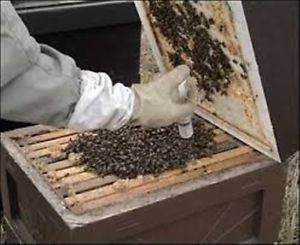
Once a year an opportunity comes along for the beekeeper to treat all of his or her hives for varroa for less than ten dollars and about five minutes per hive. That’s ten bucks to treat all of your hives. But this opportunity only comes once a year and is only available for a short period of time. In South Carolina, that time is now, or very soon, during the period of the least brood, using the oxalic acid dribble method.

I’m reading more and more about hive losses or what appears to be late season absconding. It’s interesting that most posts relating these events place the blame on yellow jackets, or robbing pressure. I suggest these are the second-string teams coming in after the true villain has struck a weakening or fatal blow. From reports, one week the bees are there, the next week gone. The jury is out on how this sudden change in colony status happens. We do know that in a colony overrun with varroa the bees start to lose the ability to find their way back to their hive and frequently drift into neighboring hives. I also have a hunch that perhaps they simply grow tired of the pest infestation and abscond. Either way, the bees are gone leaving an empty hive that soon gets robbed out.

Varroa levels increase in the fall and with a smaller colony bee population, the mite:bee ratio in the hive increases. While we know that the true culprit are the viruses, there is also a negative, synergistic relationship with the presence of high mite levels and the viruses. This increase may be what tips the scales and causes the bees to suddenly disappear.

Why treat now? Simply, with minimal capped brood this time of year the mites are the most vulnerable to oxalic acid. The mites have nowhere to hide. A single treatment now will have a high rate of effectiveness if done during this time of minimal brood. And, of course, oxalic acid is the least expensive recognized mite treatment available.

We have some nice days coming up later this week. Consider doing an oxalic acid dribble treatment on your colonies.

For more information on how to perform an oxalic acid dribble, Rusty lays it all out here on HoneyBeeSuite: https://honeybeesuite.com/how-to-apply-an-oxalic-acid-dribble/

And here’s some information on mixing oxalic acid from BetterBee: How to Use the Oxalic Acid Dribble Method

And finally, here’s a “how to” YouTube video:

I’ll close this post with some words from Randy Oliver of Scientific Beekeeping:

“Three strategies I’ve found that always fail when battling varroa are:

1. Denial—“I haven’t seen any mites, so my mite levels must be low.”

2. Wishful thinking—“I haven’t seen very many mites, so I’m hoping and praying that my bees will be OK.”

3. Blind faith—“I used the latest snake oil mite cure, and it’s gotta work!”

Every time I’ve been “blindsided” by the mite, I was in actuality simply being blind.”

Feel free to share this on:

  • Share on Facebook (Opens in new window) Facebook
  • Share on X (Opens in new window) X
  • Share on Pinterest (Opens in new window) Pinterest
  • Email a link to a friend (Opens in new window) Email
  • Share on LinkedIn (Opens in new window) LinkedIn
  • Share on Reddit (Opens in new window) Reddit
  • Share on Tumblr (Opens in new window) Tumblr
  • Print (Opens in new window) Print
  • Share on Telegram (Opens in new window) Telegram
  • Share on WhatsApp (Opens in new window) WhatsApp
Like Loading...

Raw Honey FAQ

14 Monday Dec 2020

Posted by Beekeeping365 in beekeeping

≈ Leave a comment

Tags

beekeeping, raw honey

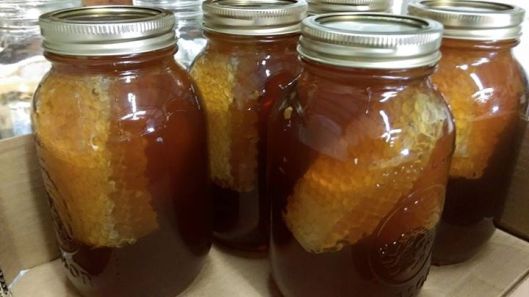
11407203_1604162183199559_5682916072016194813_n

I know this but after an evening answering questions at a local famer’s market I decided I needed as refresher on Raw Honey myself – just in case I was omitting some points. I found the following on a blog called Honey Traveler.

Raw honey is honey that is unheated and minimally processed. It is pure honey where nothing has been added or removed. To be raw, honey should not be heated above temperatures one would normal find in a hive (approximately 95 degrees F). Additionally it should not be ultra-finely filtered to the point of removing pollen and organic materials that are an intrinsic constituent of honey.

Unheated, “raw” honey contains all the vital ingredients that give it its healthful properties and wonderful aroma. Most commercial honey you see in supermarkets is not raw honey. This mass produced honey is often heated to temperatures far above the normal temperatures of the bee hive. Heating past the maximum hive temperature of 95 degrees Fahrenheit changes honey’s essential composition and degrades its quality. It partially destroys honey’s beneficial enzymes and ‘boils off’ volatile compounds that account for the unique, delicate floral aroma of the honey. This is done to make it easier to extract from the honey comb, to filter it, to package it, to ‘pasteurize’ it to kill benign yeast and prevent fermentation and to delay crystallization.

Micro-filtering also degrades the healthful properties of honey by removing beneficial pollen residue. Much commercial honey is micro-filtered, often using a diatomaceous earth (DE) process to eliminate even micron-sized particles. Why go to these lengths when a relatively coarse strain would result in a clear, visually beautiful product and not remove healthful pollen? The reason is to slow down the naturally occurring crystallization of honey. Tiny particles act as ‘seeds’ for the crystallization process, by removing them with micro-filtering, crystallization is delayed.

But crystallization is not a problem to be solved. Almost all honeys crystallize after time. It is actually a good sign the honey is raw. To re-liquify, simply heat the honey jar in warm water (104 F, 40 C) until it returns to the liquid state, stir occasionally to transfer heat, and replace the hot water if needed. Note some honeys will not crystallize easily because of low glucose levels and in these cases, this is not a sign of heating or micro-filtering (ex. honeydews, black locust-acacia, tupelo, sourwood, sunflower, sage).

A good trick to ensure you are getting raw, unprocessed honey is to purchase it in the comb.

Health Benefits of Honey Negatively Affected by Heating

Many of the healthful organic compounds and substances in honey are destroyed or inhibited by heat.

Antibacterial, Antimicrobial Properties from Enzymes in Raw Honey:
The main enzymes in honey are invertase (saccharase) diastase (amylase) which break down sugars and help digestion. The enzyme glucose oxidase produces the antibacterial, antimicrobial hydrogen peroxide, a well-known disinfectant.

Antioxidant Properties in Raw Honey:
Dependent upon enzymes and a wide range of compounds in honey, antioxidants are substances that can retard or inhibit oxidation and/or neutralize the effects of damaging “free radicals”. Increasing the body’s antioxidant content may help protect against cellular damage and the development of chronic diseases.

From the Journal of Agricultural and Food Chemistry 2002, Vol. 50, No. 21, pp.5870-5877:
“…Antioxidant analysis of the different honey fractions suggested that the water-soluble fraction contained most of the antioxidant components, including protein; gluconic acid; ascorbic acid; hydroxymethylfuraldehyde; and the combined activities of the enzymes glucose oxidase, catalase and peroxidase. Of these components, a significant correlation could be established only between protein content and oxygen radical absorbance capacity ORAC activity (R(2) = 0.674, p = 0.024). These results suggest that the antioxidant capacity of honey is a product of the combined activity of a wide range of compounds including phenolics, peptides, organic acids, enzymes, Maillard reaction products, and possibly other minor components…”

Other antioxidants include polyphenols, flanonoids and phenolic acid in Raw Honey. Polyphenols in foods are thought to play important roles in human health such as cancer preventative, and anti-inflammatory, radical scavenging and antioxidative activities. The most important classes of antioxidant polyphenols are the flavonoids and phenolic acids. It is these substances in honey, wine, fruits and vegetables that are most responsible for the antioxidant characteristics, and thus the healthy image of these foods.

Darker honeys like Buckwheat honey are stronger antioxidants compared to lighter honeys.

Source: http://www.honeytraveler.com/types-of-honey/raw-honey/

Feel free to share this on:

  • Share on Facebook (Opens in new window) Facebook
  • Share on X (Opens in new window) X
  • Share on Pinterest (Opens in new window) Pinterest
  • Email a link to a friend (Opens in new window) Email
  • Share on LinkedIn (Opens in new window) LinkedIn
  • Share on Reddit (Opens in new window) Reddit
  • Share on Tumblr (Opens in new window) Tumblr
  • Print (Opens in new window) Print
  • Share on Telegram (Opens in new window) Telegram
  • Share on WhatsApp (Opens in new window) WhatsApp
Like Loading...

Tucked in, What Now?

13 Sunday Dec 2020

Posted by Beekeeping365 in beekeeping, beekeeping equipment, beekeeping seasons, honey bees, management, seasons, sustainable

≈ 2 Comments

Tags

beekeeping, honey bees, management, seasons

1451179685560

The cold weather is here, You’ve done what you can to tuck them in for the coming season. So, what are you going to do with all your time now?

1) Continue to lift the back of your hives to check for weight. Now is why you learned this method of assessing stores.

2) Perform maintainance on honey supers pulled off hives – painting or otherwise.

3) Assemble new equipment for next year – boxes, frames, stands, etc.

4) Order packages, nucs, or queens.

5) Plan for changes you’re going to impliment next season.

6) Call, visit, or write farmers or landowners where you’d like to place hives for out yards next spring.

7) Attend local and state beekeeper meetings.

8) Scout trees for placement and prepare swarms traps. Construct swarm capture bucket.

9) Build a nuc now to keep in your car or truck for community swarm captures next spring. Register with on-line swarm call lists.

10) Order or ask Santa for a copy of that beekeeping book you’ve been wanting to read. Read some every day.

Feel free to share this on:

  • Share on Facebook (Opens in new window) Facebook
  • Share on X (Opens in new window) X
  • Share on Pinterest (Opens in new window) Pinterest
  • Email a link to a friend (Opens in new window) Email
  • Share on LinkedIn (Opens in new window) LinkedIn
  • Share on Reddit (Opens in new window) Reddit
  • Share on Tumblr (Opens in new window) Tumblr
  • Print (Opens in new window) Print
  • Share on Telegram (Opens in new window) Telegram
  • Share on WhatsApp (Opens in new window) WhatsApp
Like Loading...

Quote

Honey Cucumber and Tomato Salad by Momoe’s Cupboard

12 Saturday Dec 2020

Posted by Beekeeping365 in beekeeping, honey recipe, recipe

≈ 2 Comments

Tags

cucumber salad, honey, honey recipe, salad, tomato salad

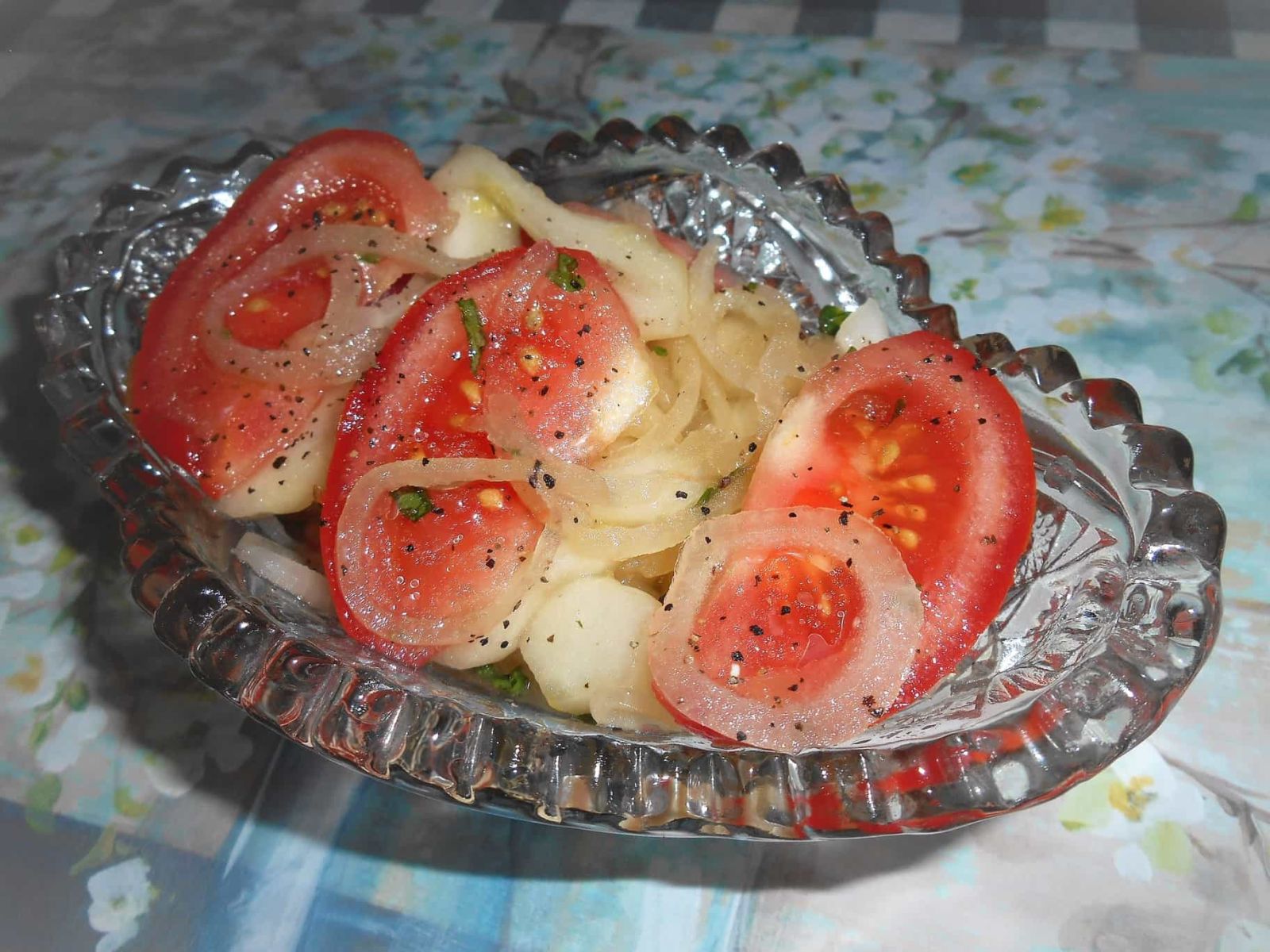
Just a refreshing anytime salad that is quick and easy to make.  The secret to it is rice vinegar.  The cucumbers I used was end of the season large and full of seeds.  I seeded them and peeled them.  You can slice them the way you want. Add tomatoes cut in wedges and thinly sliced sweet onion.  I like to make the dressing and put my sliced onions in first and let them marinate for an hour.  Add cucumbers, tomatoes and parsley when ready to serve.

Full recipe here: Honey Cucumber and Tomato Salad — Momoe’s Cupboard

Feel free to share this on:

  • Share on Facebook (Opens in new window) Facebook
  • Share on X (Opens in new window) X
  • Share on Pinterest (Opens in new window) Pinterest
  • Email a link to a friend (Opens in new window) Email
  • Share on LinkedIn (Opens in new window) LinkedIn
  • Share on Reddit (Opens in new window) Reddit
  • Share on Tumblr (Opens in new window) Tumblr
  • Print (Opens in new window) Print
  • Share on Telegram (Opens in new window) Telegram
  • Share on WhatsApp (Opens in new window) WhatsApp
Like Loading...

Coming Soon, Spring Splits!

11 Friday Dec 2020

Posted by Beekeeping365 in beekeeping, beekeeping management, management

≈ Leave a comment

Tags

beekeeping, making increase, nucleus hives, splits, spring splits, sustainable beekeeping

img_7163%20400x266

Picture from Coweta Sustainable Beekeeping article.

I have raised 5 frame nucleus hives since 2016 from Spring splits and allowed them to grow out to double boxes (ten frames). Last year, and this coming, I’ll graft queens and be using the Coweta mindset and method (below) to make increase or to sustainably maintain a hive after the sale of a nucleus hive or queen.  I always retain 5 frames with at least one frame of young larvae and notch the cells to raise a new queen as detailed in the following article.

Source: Coweta Sustainable Beekeeping Method by Steven Page

Coweta Sustainable Beekeeping

Click here to download a pdf file of this article.

Most beekeepers are not sustainable; they purchase nucs or packages each spring to replace winter losses.  This is expensive and prevents the creation of local, sustainable honey bee genetics.  The true cost of a package or nuc can escalate when some die during the winter before producing any honey.  If only half of these young colonies survive until next spring the cost per a nuc or package doubles.

A beekeeper with only a few hives may experience the disheartening loss of all their colonies.  No honey will be harvested for a year and they must start over purchasing nucs or packages if they can find them.

The current or traditional methods that the beekeeping books teach do not account for the difficulties we experience.  A book may teach Varroa mite control but not how to thrive in spite of Varroa.  Most are teaching beekeeping from a time before the combined effects of:

·         Varroa Mites

·         Numerous diseases

·         Colony Collapse Disorder (CCD)

·         Small hive beetle

·         Short lived queens

·         High pesticide use

There has to be a better way.

If you have bees you can make more bees or more accurately, colonies can be used to make more colonies.  All beekeepers have the resources in their colonies to become sustainable.

In the south, winter losses average one-third.  During the summer make enough splits to begin winter with one and a half times the number of colonies required for honey production in the spring.  If six colonies are required for spring honey production, begin winter with ten.  For example, begin the winter with six production hives and four nucs. After losing two production hives and two nucs during the winter, a 40 percent loss, the two remaining nucs are used to replace the dead colonies restoring production hives to six.  There is no need to buy colonies because of winter losses.  In May, splits can be started to replace the nucs bringing the total number of colonies up to ten again.

Overwinter Nucs

“Almost every emergency of management can be met by putting something into or taking something out of a nucleus, while nuclei themselves seldom present emergencies.” E. B. Wedmore, A Manual of Beekeeping

Continued…

To read  the complete article visit: Coweta Sustainable Beekeeping Method

Feel free to share this on:

  • Share on Facebook (Opens in new window) Facebook
  • Share on X (Opens in new window) X
  • Share on Pinterest (Opens in new window) Pinterest
  • Email a link to a friend (Opens in new window) Email
  • Share on LinkedIn (Opens in new window) LinkedIn
  • Share on Reddit (Opens in new window) Reddit
  • Share on Tumblr (Opens in new window) Tumblr
  • Print (Opens in new window) Print
  • Share on Telegram (Opens in new window) Telegram
  • Share on WhatsApp (Opens in new window) WhatsApp
Like Loading...

Pollen Substitute

10 Thursday Dec 2020

Posted by Beekeeping365 in beekeeping

≈ 8 Comments

I live on a sand hill. No joke, a sand hill with minimal nutrition for plants. It’s mostly pine and scrub oaks. Some hardwoods have found a way to survive and provide some forage for the bees. Drought resistant wildflowers come up along the roadways and power lines. The chain of nutrients from soil to plant to bloom doesn’t improve along the journey.

Although it can be said I live in the pollen belt, the pollen here is of poor quality. I have resigned myself to providing supplemental food for the bees during the times of pollen and  nectar dearth. They won’t take it if nature provides something better.

I had a professor in college once that said protein was the currency standard in food and nutrition. More and more we are learning that with our honey bees it plays a vital role in their immune systems as well. A well fed bee is a healthier bee.

Feel free to share this on:

  • Share on Facebook (Opens in new window) Facebook
  • Share on X (Opens in new window) X
  • Share on Pinterest (Opens in new window) Pinterest
  • Email a link to a friend (Opens in new window) Email
  • Share on LinkedIn (Opens in new window) LinkedIn
  • Share on Reddit (Opens in new window) Reddit
  • Share on Tumblr (Opens in new window) Tumblr
  • Print (Opens in new window) Print
  • Share on Telegram (Opens in new window) Telegram
  • Share on WhatsApp (Opens in new window) WhatsApp
Like Loading...

Gifts for Beekeepers

08 Tuesday Dec 2020

Posted by Beekeeping365 in beekeeping

≈ Leave a comment

Tags

beekeeping, beekeeping equipment, equipment, gifts for beekeepers

giftsforbeekeepers-683x10242x

http://carolinahoneybees.com/gifts-for-beekeepers/

Feel free to share this on:

  • Share on Facebook (Opens in new window) Facebook
  • Share on X (Opens in new window) X
  • Share on Pinterest (Opens in new window) Pinterest
  • Email a link to a friend (Opens in new window) Email
  • Share on LinkedIn (Opens in new window) LinkedIn
  • Share on Reddit (Opens in new window) Reddit
  • Share on Tumblr (Opens in new window) Tumblr
  • Print (Opens in new window) Print
  • Share on Telegram (Opens in new window) Telegram
  • Share on WhatsApp (Opens in new window) WhatsApp
Like Loading...

Overwintering Nuclei Colonies by Larry Connor

07 Monday Dec 2020

Posted by Beekeeping365 in beekeeping, beekeeping seasons, seasons

≈ 2 Comments

Tags

beekeeping, beekeeping equipment, Larry Connor, nucleus hives, overwintering

Some northern beekeepers have success overwintering nuclei-sized colonies. This may be based on a particular stock or genetic trait, and should be tested carefully. More beekeepers are able to overwinter a single, deep hive body by packing the hive out with honey or sugar syrup in the Fall. In addition to food reserves, make sure such colonies are protected from the harsh winds of Winter.

Read the complete article here: Overwintering Nuclei Colonies — BEEKeeping: Your First Three Years

Feel free to share this on:

  • Share on Facebook (Opens in new window) Facebook
  • Share on X (Opens in new window) X
  • Share on Pinterest (Opens in new window) Pinterest
  • Email a link to a friend (Opens in new window) Email
  • Share on LinkedIn (Opens in new window) LinkedIn
  • Share on Reddit (Opens in new window) Reddit
  • Share on Tumblr (Opens in new window) Tumblr
  • Print (Opens in new window) Print
  • Share on Telegram (Opens in new window) Telegram
  • Share on WhatsApp (Opens in new window) WhatsApp
Like Loading...

Grilled Dijon Honey Fingerling Potatoes by June Cleaver 21st Century Style

06 Sunday Dec 2020

Posted by Beekeeping365 in beekeeping, honey, honey recipe, recipe

≈ Leave a comment

Tags

Dijon, grilling, honey, honey recipe, potatoes, recipe

These are a great crispy and flavorful potato recipe that keeps you from slaving over a stove or oven to make.  It may be fall where I live, but the weather is more like summer, so I have been trying to avoid using my oven as much as possible.  These are made on the grill so they would also make for a great side dish to any cookout meal.

Read entire recipe here: Grilled Dijon Fingerling Potatoes — June Cleaver 21st Century Style

Feel free to share this on:

  • Share on Facebook (Opens in new window) Facebook
  • Share on X (Opens in new window) X
  • Share on Pinterest (Opens in new window) Pinterest
  • Email a link to a friend (Opens in new window) Email
  • Share on LinkedIn (Opens in new window) LinkedIn
  • Share on Reddit (Opens in new window) Reddit
  • Share on Tumblr (Opens in new window) Tumblr
  • Print (Opens in new window) Print
  • Share on Telegram (Opens in new window) Telegram
  • Share on WhatsApp (Opens in new window) WhatsApp
Like Loading...

Current Beekeeping Activities by sassafrasbefarm

01 Tuesday Dec 2020

Posted by Beekeeping365 in beekeeping, beekeeping chores

≈ Leave a comment

Tags

beekeeping, beekeeping chores, chores, equipment, fall management

IMG_20171023_191707_204

Feeding the bees pollen substitute

This time of year can be as busy for the beekeeper as the spring nectar flow period. But now it’s all about preparation. My experience, since beginning this beekeeping journey, is that there is never enough time during the nectar flow. In fact, time becomes precious even before the nectar flow with the need to rotate hive bodies or employ other swarm reducing measures, placement of swarm traps, movement of hives to out yards, making splits, and lots of last minute surprises.

So, here are few pictures of what I occupy myself with during this so called off season:

IMAG2386

Order queen pen and my favorite markers to write on the hives.

IMAG2384

Making sugar cakes for the tops of the hives.

IMAG2383

Adding extra wax to plastic frames.

IMAG2377

Collecting and bagging pine straw for my smoker.


IMAG2359-20171122-103007169

Building boxes, bottom boards, and tops.

IMAG2364

Adding some color to the entrance reducers.

IMAG2356

Painting entrances to the queen mating nucs

IMAG2354

This is Advantech – a new material that resists weathering.

IMAG2353

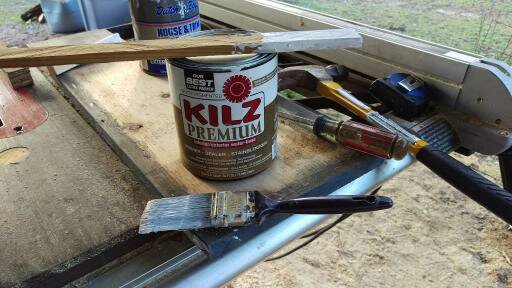
Painting everything. Three coats!

IMAG2340

Joy! I found three 50 pound sacks of sugar I had forgotten!


Feel free to share this on:

  • Share on Facebook (Opens in new window) Facebook
  • Share on X (Opens in new window) X
  • Share on Pinterest (Opens in new window) Pinterest
  • Email a link to a friend (Opens in new window) Email
  • Share on LinkedIn (Opens in new window) LinkedIn
  • Share on Reddit (Opens in new window) Reddit
  • Share on Tumblr (Opens in new window) Tumblr
  • Print (Opens in new window) Print
  • Share on Telegram (Opens in new window) Telegram
  • Share on WhatsApp (Opens in new window) WhatsApp
Like Loading...

No Straight Lines in Beekeeping

29 Sunday Nov 2020

Posted by Beekeeping365 in beekeeping, opinion

≈ Leave a comment

Tags

beekeeping, opinion

1471605529329 (2017_11_18 13_58_04 UTC)

No Straight Lines in Beekeeping

My first year I had one hive. The following spring, in March, it swarmed twice, two weeks apart, and left me with nothing for all my hard work getting them through the previous summer, fall, and winter.

But, having been hooked with the fascination of that first hive, I had already purchased 6 packages and had spent that first winter building boxes, frames, bottoms, and tops. I had lost that first hive earlier in the month but I now had 6 fresh starts. That spring, in the first weeks, I spent a couple tanks of gas driving around collecting swarms, some failed and some succeeded. By the end of summer I had 13 hives. In autumn I lost a couple to their being weak but I learned a few things and combined a few more to strengthen them and went into winter with 7 hives.

By the next spring I had lost 4 of those 7 colonies because I failed to adequately ventilate and reduce moisture during the winter. In fact, I had promoted moisture by wrapping the hives “for their protection.” The learning curve can be brutal in beekeeping. By this time I had spent some time over winter reading about splits so I split those 3 remaining hives (remember I’d had 13 the previous year) and had about 8 hives at the start of the flow, Again on the swarm trail, I added another half dozen colonies and did some more fall splits. I actually made honey and sold a bit and closed the season with 18 hives.

That winter took less of a bite out of my bee yard and as I recall I lost about 5 hives and came out with 13 in the spring. Hey, maybe I’d learned something! Up to 21 that season and made honey again. Always spending the money on more boxes, frames, wax, lumber. Learning the dangers associated with mites, moisture, weak colonies, hive beetles. Learning the seasons from my mentors and when to do this or that. Like a dedicated AA member, never missing a meeting because Frank, Danny, Wes, Staci, Dave, Todd, Patrick, William, a visiting speaker, or someone would be there to tell me what I needed to be seeing in the hive and what I needed to be doing over the coming month. I am an information addict and those folks repeatedly told me what I sometimes resisted.

By the next winter I had a couple notebooks worth of meetings’ notes. Also, I had attended the beginning beekeeper class not once but twice – only a bee nerd would do such a thing. I actually sat down and wrote January, February, March… on blank pages and copied three years of monthly meeting notes on each month’s respective page. Not surprising, year to year the information was very similar but I had some gaps in my notes and combining the notebooks helped me learn a few things. By then I had also attended a few conferences; I added to my notebook and beekeeping calendar.

The winter I signed up to be the local club Secretary I lost less than 10%. I learned a great deal from visiting the bee yards of many of our members. I continued attending conferences, meetings, hearing it over and over; sometimes it took multiple times before I relented and relinquished some of my bad ideas. In the spring I decided to save gas money and stop chasing swarms. It had become easier to make splits. I still caught one or two to get it out of my system but my problem became one of more colonies than I had boxes. And still my own bees swarmed. By this time I had kind of stabilized at 20 hives and fluxed up or down a few at any given time.

The next year, again less than 10% failure rate over the winter. I think primarily because I had become convinced the previous year that treating for Varroa actually produces positive results, as does feeding them when needed, and strengthening colonies with combines in the early fall. I had bought only queens for two years, no packages or nucs, and increases were made when the bees cooperated in the spring. I was starting to think like a bee.

Last year I lost 20% which I fully blame on my failure to combine weaker hives in the Fall as is standard. I failed to make the few combines I should have because I’m a hard head so I lost a few. Several of these were nucleus hives which, had they been combined, would have overwintered. Another lesson I had to learn twice.

And here we are again going into winter. But I grew to 50 this year and then decided to generously combine weaker hives after the nectar flow. I also chose to not make splits immediately after the nectar flow which is standard practice if one wishes to grow their apiary (also called making increase). I hope to come out with a good survival rate in the spring of 2018. For Spring 2018 I’m posed to start the queen rearing adventure and be closer to a true sustainable bee yard.

But to get to the point here. It’s all flux; ups and downs.

Sustainability is possible but straight lines aren’t. I wrote an article some time back for our local club’s newsletter speaking on flexibility in beekeeping. It was based on a lecture titled, “Flexibility in Beekeeping” given by one of our senior beekeepers, Danny Cannon, a couple years earlier. That lecture was a turning point for me, helping me see the big picture a little clearer. Roll with the punches, think like a bee, work with the bees, follow their lead, always learn, be ready for change, capitalize on times of increase, brush yourself off and accept times of decrease, follow the bees’ nature and ride that wave whenever you can. And, oh yeah, enjoy the ride.

Here are the Blues Brothers demonstrating these principles. Roll with the punches, work with them – not against, follow their lead, accept change…

Feel free to share this on:

  • Share on Facebook (Opens in new window) Facebook
  • Share on X (Opens in new window) X
  • Share on Pinterest (Opens in new window) Pinterest
  • Email a link to a friend (Opens in new window) Email
  • Share on LinkedIn (Opens in new window) LinkedIn
  • Share on Reddit (Opens in new window) Reddit
  • Share on Tumblr (Opens in new window) Tumblr
  • Print (Opens in new window) Print
  • Share on Telegram (Opens in new window) Telegram
  • Share on WhatsApp (Opens in new window) WhatsApp
Like Loading...

Chicken Wings Marinated in Cranberry and Honey Sauce by Estonian Cuisine.

28 Saturday Nov 2020

Posted by Beekeeping365 in beekeeping, honey, honey recipe, recipe

≈ 2 Comments

Tags

chicken wings, fall recipe, honey, honey recipe, recipe

Sounds like a game changer for Saturdays. But only one tablespoon of honey? I don’t think so. ! ~sassafrasbeefarm

Chicken Wings Marinated in Cranberry and Honey Sauce

Delicious sweet and sour marinade from honey and cranberries softening tender poultry.

Horseradish gives a taste and flavour. Wonderful warming dish for autumn dinner.

Get the full recipe here:  Chicken Wings Marinated in Cranberry and Honey Sauce. Kanatiivad jõhvika- ja meemarinaadis — Estonian Cuisine. Eesti Toit.

Feel free to share this on:

  • Share on Facebook (Opens in new window) Facebook
  • Share on X (Opens in new window) X
  • Share on Pinterest (Opens in new window) Pinterest
  • Email a link to a friend (Opens in new window) Email
  • Share on LinkedIn (Opens in new window) LinkedIn
  • Share on Reddit (Opens in new window) Reddit
  • Share on Tumblr (Opens in new window) Tumblr
  • Print (Opens in new window) Print
  • Share on Telegram (Opens in new window) Telegram
  • Share on WhatsApp (Opens in new window) WhatsApp
Like Loading...

Thanksgiving and Thoreau

26 Thursday Nov 2020

Posted by Beekeeping365 in beekeeping

≈ Leave a comment

Tags

Henry David Thoreau, honey bees, opinion

thoreau2

from Letters to Various Persons, Ticknor and Fields, 1865, p. 145:

“I am grateful for what I am and have. My thanksgiving is perpetual.”

“I am grateful for what I am and have. My thanksgiving is perpetual. It is surprising low contented one can be with nothing definite only a sense of existence. Well anything for variety I am ready to try this for the next ten thousand years and exhaust it. How sweet to think of my extremities well charred and my intellectual part too so that there is no danger of worm or rot for a long while. My breath is sweet to me. O how I laugh when I think of my vague, indefinite riches. No run on my bank can drain it for my wealth is not possession but enjoyment.”

Thoreau on Bees:

Thoreau was surprised at the distance to which the village bees go for flowers.

“The rambler in the most remote woods and pastures little thinks that the bees which are humming so industriously on the rare wild flowers he is plucking for his herbarium, in some out-of-the-way nook, are, like himself, ramblers from the village, perhaps from his own yard, come to get their honey for his hives…I felt the richer for this experience. It taught me that even the insects in my path are not loafers, but have their special errands. Not merely and vaguely in this world, but in this hour, each is about its business.” – The Writings of Henry David Thoreau

Feel free to share this on:

  • Share on Facebook (Opens in new window) Facebook
  • Share on X (Opens in new window) X
  • Share on Pinterest (Opens in new window) Pinterest
  • Email a link to a friend (Opens in new window) Email
  • Share on LinkedIn (Opens in new window) LinkedIn
  • Share on Reddit (Opens in new window) Reddit
  • Share on Tumblr (Opens in new window) Tumblr
  • Print (Opens in new window) Print
  • Share on Telegram (Opens in new window) Telegram
  • Share on WhatsApp (Opens in new window) WhatsApp
Like Loading...

Henry David Thoreau Learns a Lesson From the Bees by New England Historical Society

25 Wednesday Nov 2020

Posted by Beekeeping365 in bee lining, beekeeping

≈ 1 Comment

Tags

bee lining, Henry David Thoreau

486px-Henry_David_Thoreau

Sept. 30, 1852, was a fine clear day, and Henry David Thoreau decided to go bee hunting. He ended up feeling richer for the experience, and not just because of the honey.

He was 35 years old, living in Concord, Mass., as the town’s principled eccentric. Two years earlier he had published A Week on the Concord and Merrimack Rivers, but it wasn’t a success. He had finished his sojourn in the woods, though he had yet to publish his masterpiece, Walden.

He had already spent a night in jail for refusing to pay his poll tax as a protest against slavery and the Mexican War. He was hiding escaped slaves in his family’s home and taking long walks in the surrounding woods and fields.

He recorded in great detail his observations of nature in his journal. On the day he went bee hunting, he described how he went with three friends in a wagon to Fair Haven Pond. They brought with them their bee-hunting apparatus: a small round tin box and a small wooden box.

At first they had no luck, as they couldn’t find flowers. The goldenrods were dried up and the asters were scarce. They tried the pond, a brook and a tree where Thoreau had found a bees’ nest that summer. No luck. And then,

Read the full article here: New England Historical Society

Feel free to share this on:

  • Share on Facebook (Opens in new window) Facebook
  • Share on X (Opens in new window) X
  • Share on Pinterest (Opens in new window) Pinterest
  • Email a link to a friend (Opens in new window) Email
  • Share on LinkedIn (Opens in new window) LinkedIn
  • Share on Reddit (Opens in new window) Reddit
  • Share on Tumblr (Opens in new window) Tumblr
  • Print (Opens in new window) Print
  • Share on Telegram (Opens in new window) Telegram
  • Share on WhatsApp (Opens in new window) WhatsApp
Like Loading...

Beekeeping and Political Elections by sassafrasbeefarm

23 Monday Nov 2020

Posted by Beekeeping365 in beekeeping, opinion

≈ 4 Comments

Tags

beekeeping, change, elections, opinion, political

cropped-14358765_1785832595032516_2433517801441963798_n.jpg

Reposted:

It seems a parallel exists between bees, bee yards, and Political Elections. The ebb and flow, rhythm, and normal fluctuations all fall within the big picture.

Beekeepers accept the growth of the bee yard during the spring. Things expand on their own with little or no help from the beekeeper. Most beekeepers assign that expansion a positive value but, in fact it’s neither positive nor negative – it’s just a direction. In the autumn there is a corresponding reduction of colonies and things change, again neither good nor bad – just change. Beekeepers learn over the years that flux is the norm and without the connotations our beliefs wish to assign to individual events. It is what it is, we merge with the changes – or we don’t and become angst ridden. But how do we get to an acceptance of the flux? One way I have learned to adapt to the flux is by taking a step back and looking at the bigger picture.

Some colonies thrive for a season and then unexpectedly go out with a mighty thud. Other never build up. Still others chug along fully average in every way. But regardless, all can expect to come and go with time. Another example is the notes I write on the tops of my hives. After some time passes my notes become meaningless. Sometimes I look at those notes and try to remember the urgency that inspired my note written last season. In the bigger picture of the bee yard, after the bees swarm and the new queen comes in with her genetics it’s only a short time before the bees of the former queen are gone having been replaced by a new queen and her offspring. A new queen brings her genetics yet in the big picture things simply continue. And so it goes on every organizational level. Changes take place in the bee yard with hives being moved, replaced, swarms captured, queens failing. It’s all birth, change, flux, and impermanence. That’s okay, it works out, the bees offer us the opportunity to learn to enjoy the variations within the journey.

Reading the book, The Buzz about Bees – Biology of a Superorganism by Jürgen Tautz, I am reminded that the changes above are both disruptive as well as beneficial to the species. The biological makeup changes and the fate of the species is strengthened by these disruptive events. However to see this as beneficial we must back up and look at what’s happening from a long term point of view. Short term we only see disruption, possible loss of a honey crop, colony, or other inconvenient situation for the bees and beekeeper. Taking the long term view however, we see that flux is key to a balancing taking place in the colony, the bee yard, and even the species itself.

Beekeepers are slow people; I mean that in a good way. We patiently look to spring, then we make plans for summer dearth, then fall nectar flows, and then we prepare for winter. We are both methodical and boring. While mostly dull, we are also reassured that all is as it should be and we remain excited with each predictable change of the season. We learn that change and disruption is normal, even beneficial, and not to be feared. It’s only disruptive in the short term but not if we consider the long term. How could it be otherwise?

So, the colony has been disrupted. The big picture is it’s seeking balance again – be patient! It’s neither good nor bad – it’s just what is. As we often say, “we do our part and the bees will work it out if we let them.” Maybe not today, nor tomorrow; maybe not this week or this month. If we are patient, in time we’ll see change that pleases us the bee yard next year. For now though, maybe we can sit down and think things through and come up with a plan to help things along next season. Regardless, the big picture is so much larger than we are that we struggle to fully see how change is beneficial to seeking balance. As humans in an inpatient world we struggle with concepts of time, change, and balance. Don’t be alarmed; everything in this world is subject to disruptions and change yet always seeks balance.

Feel free to share this on:

  • Share on Facebook (Opens in new window) Facebook
  • Share on X (Opens in new window) X
  • Share on Pinterest (Opens in new window) Pinterest
  • Email a link to a friend (Opens in new window) Email
  • Share on LinkedIn (Opens in new window) LinkedIn
  • Share on Reddit (Opens in new window) Reddit
  • Share on Tumblr (Opens in new window) Tumblr
  • Print (Opens in new window) Print
  • Share on Telegram (Opens in new window) Telegram
  • Share on WhatsApp (Opens in new window) WhatsApp
Like Loading...

Chipotle Honey Lime Chicken by kevinis cooking

22 Sunday Nov 2020

Posted by Beekeeping365 in beekeeping, honey, honey recipe, recipe

≈ Leave a comment

Tags

chicken, chipotle, honey, honey recipe, lime, recipe

This easy Chipotle Honey Lime Chicken is a smash hit every time. Whether grilled or sautéed in a pan, the citrus marinade with warm spices, fresh herbs and honey is packed with flavor. Perfect as a main course, sliced over salads, in tacos or in a sandwich, this recipe is so versatile! Well this past…

See full recipe here: Chipotle Honey Lime Chicken — keviniscooking.com

Feel free to share this on:

  • Share on Facebook (Opens in new window) Facebook
  • Share on X (Opens in new window) X
  • Share on Pinterest (Opens in new window) Pinterest
  • Email a link to a friend (Opens in new window) Email
  • Share on LinkedIn (Opens in new window) LinkedIn
  • Share on Reddit (Opens in new window) Reddit
  • Share on Tumblr (Opens in new window) Tumblr
  • Print (Opens in new window) Print
  • Share on Telegram (Opens in new window) Telegram
  • Share on WhatsApp (Opens in new window) WhatsApp
Like Loading...

Chocolate Bakalava by Let’s Taco Bout It Blog

21 Saturday Nov 2020

Posted by Beekeeping365 in beekeeping, food, honey, honey recipe, recipe

≈ Leave a comment

Tags

Anna Karenina, baklava, beekeeping, chocolate, food, honey, recipe

Istoriya Odin

This recipe first published at: Let’s Taco Bout It Blog. Visit the link below to read entire article. get the recipe, and see some amazing pictures.

“He stepped down, trying not to look long at her, as if she were the sun, yet he saw her, like the sun, even without looking.”

― Leo Tolstoy , Anna Karenina

The Princess Oblonsky, also know as Anna Arkádyevna Karénina or even more familiarly Anna, looked curiously for and back the immense banquet table. Being nobility afforded many luxuries for her and her inquisitive and thoughtful mind enjoyed these luxuries to the fullest. She adored the ability to sit and enjoy a meal with her family and friends, however this grand hall full of people she barely knew was a bit much. The fakery, the frippery of it all insulted her sensibilities to their very core. The grandiose hall was modeled after the glorious summer palace in Versailles, the very height of couture and society. Twinkling tapers softly lit the entire guilted corridor with candelabras, tapestries and chandeliers glittering. All at once it was to much to behold, yet Anna drank it in like champagne.

Even more than the grand room was the grand foods! Each aristocrat had multiple gourmet courses served and each was whisked away by the Tatar attendants in coattails down to the backs of their knees once the dish had been finished. In between, Anna and the other guests had time to discourse on the favorite topics of the evening the food, the military, and their fellow aristocrats. While the nobles around her were distracted by the gossip, she wandered off to examine the sideboards full of stylish desserts. There were all of the nouveau delicacies from Paris, but as Anna continued until she found her absolute favorite, baklava. This decadent, delicate pastry was layered with honey and nuts and to add a bit of the french flair that the Russians adored so much, the whole sweet was studded with bits of melted chocolate.

As Anna finished browsing, she returned to her seat thinking only of how her son would have loved the baklava. Abruptly, she realized she had been staring down and across the table, with a young man smiling back at her. Anna shook her head to clear her thoughts and joined in the conversation with the man to her left but every time she looked up, there was the rakish grin. It’s was as hard to resist smiling back as it was to not have a piece of the baklava!

(cont.)

Read entire article, see some amazing photos and get the recipe at:  Chocolate Baklava – Anna Karenina — Let’s Taco Bout It Blog

Feel free to share this on:

  • Share on Facebook (Opens in new window) Facebook
  • Share on X (Opens in new window) X
  • Share on Pinterest (Opens in new window) Pinterest
  • Email a link to a friend (Opens in new window) Email
  • Share on LinkedIn (Opens in new window) LinkedIn
  • Share on Reddit (Opens in new window) Reddit
  • Share on Tumblr (Opens in new window) Tumblr
  • Print (Opens in new window) Print
  • Share on Telegram (Opens in new window) Telegram
  • Share on WhatsApp (Opens in new window) WhatsApp
Like Loading...

Honeydew, Aphids, and Yellow Jackets

19 Thursday Nov 2020

Posted by Beekeeping365 in beekeeping

≈ 2 Comments

Honeydew, Aphids, and Yellow Jackets. A couple days ago I noticed hundreds of yellow jackets on the ground under a spruce tree. Oh boy, I thought, I finally found their nest. But I couldn’t find any sort of central gathering. Instead they were all over. Then I noticed they were also in the tree above, on the needles, and walking the branches. Then I saw the aphids and I remembered that honey bees sometimes collect the secretions of aphids which have been processed from the tree saps and sugars. Since there isn’t much protein in the sap, the aphids have to eat lots of it and they excrete the extra sugars. The resulting honey is referred to as honeydew honey. So, the yellow jackets were working in and around the tree collecting the honeydew and most likely picking off some of the aphids for their protein. This is a beneficial behavior of the yellow jackets so I left them to do their job. To read more about honeydew visit HoneyBeeSuite here: https://www.honeybeesuite.com/what-is-honeydew-honey/ 

Feel free to share this on:

  • Share on Facebook (Opens in new window) Facebook
  • Share on X (Opens in new window) X
  • Share on Pinterest (Opens in new window) Pinterest
  • Email a link to a friend (Opens in new window) Email
  • Share on LinkedIn (Opens in new window) LinkedIn
  • Share on Reddit (Opens in new window) Reddit
  • Share on Tumblr (Opens in new window) Tumblr
  • Print (Opens in new window) Print
  • Share on Telegram (Opens in new window) Telegram
  • Share on WhatsApp (Opens in new window) WhatsApp
Like Loading...

Reading Materials – Preparations for Winter

16 Monday Nov 2020

Posted by Beekeeping365 in beekeeping, beekeeping books

≈ Leave a comment

Tags

beekeeping books, beekeeping winter activities, education

IMAG2338
IMAG2339

It’s still early and we have lots of time to make preparations to obtain reading matter for the long winter haul. A time when beekeepers spend time wondering what the bees are doing and how they are faring inside their hives. But for those so inclined to prepare ahead of time and capture the best prices, now is the time to search Amazon and Ebay and your favorite used book sellers for good deals. I recently got both of these non US titles for a fraction of their going rate. Just waiting for the cold weather to set in now.

Pictured above:

Beekeeping – A Seasonal Guide by Ron Brown

The Honey Bee – A Guide for Beekeepers by V.R. Vickery


Feel free to share this on:

  • Share on Facebook (Opens in new window) Facebook
  • Share on X (Opens in new window) X
  • Share on Pinterest (Opens in new window) Pinterest
  • Email a link to a friend (Opens in new window) Email
  • Share on LinkedIn (Opens in new window) LinkedIn
  • Share on Reddit (Opens in new window) Reddit
  • Share on Tumblr (Opens in new window) Tumblr
  • Print (Opens in new window) Print
  • Share on Telegram (Opens in new window) Telegram
  • Share on WhatsApp (Opens in new window) WhatsApp
Like Loading...

Beekeeping Vocabulary – “W” is for…

15 Sunday Nov 2020

Posted by Beekeeping365 in beekeeping, beekeeping vocabulary, beeswax, honey, honey bee vocabulary

≈ Leave a comment

Tags

beekeeping, beekeeping vocabulary, beeswax, honey bee vocabulary, honey bees


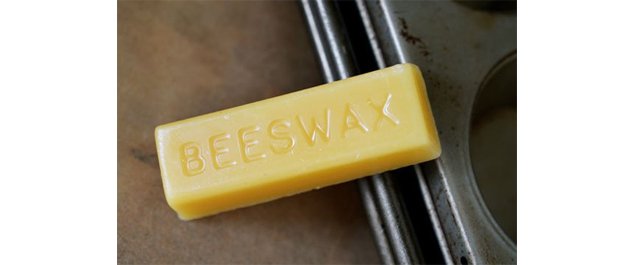
beeswax-5

Processed Beeswax

Today’s beekeeping vocabulary word is, “wax.”


From Wikipedia (edited):

Beeswax (cera alba) is a natural wax produced by honey bees of the genus Apis. The wax is formed into “scales” by eight wax-producing glands in the abdominal segments of worker bees, who discard it in or at the hive. The hive workers collect and use it to form cells for honey-storage and larval and pupal protection within the beehive. Chemically, beeswax consists mainly of esters of fatty acids and various long-chain alcohols.

Beeswax has long-standing applications in human food and flavoring. For example, it is used as a glazing agent, a sweetener, or as a light/heat source. It is edible, in the sense of having similar negligible toxicity to plant waxes, and is approved for food use in most countries and the European Union under the E number E901. However, the wax monoesters in beeswax are poorly hydrolysed in the guts of humans and other mammals, so they have insignificant nutritional value.[1] Some birds, such as honeyguides, can digest beeswax. Beeswax is the main diet of Wax moth larvae.

Beeswax has a relatively low melting point range of 62 °C to 64 °C (144 °F to 147 °F). If beeswax is heated above 85 °C (185 °F) discoloration occurs. The flash point of beeswax is 204.4 °C (400 °F).[9] Density at 15 °C is 958 kg/m³ to 970 kg/m³.

When natural beeswax is cold it is brittle, at room temperature it is tenacious, its fracture is dry and granular, it also softens at human body temperature.

Beeswax has many and varied uses. Primarily, it is used by the bees in making their honeycombs. Apart from this use by bees, the use of beeswax has become widespread and varied. Purified and bleached beeswax is used in the production of food, cosmetics, and pharmaceuticals. The three main types of beeswax products are yellow, white, and beeswax absolute. Yellow beeswax is the crude product obtained from the honeycomb, white beeswax is bleached or filtered yellow beeswax,[11] and beeswax absolute is yellow beeswax treated with alcohol.[12] In food preparation, it is used as a coating for cheese; by sealing out the air, protection is given against spoilage (mold growth). Beeswax may also be used as a food additive E901, in small quantities acting as a glazing agent, which serves to prevent water loss, or used to provide surface protection for some fruits. Soft gelatin capsules and tablet coatings may also use E901. Beeswax is also a common ingredient of natural chewing gum.

Use of beeswax in skin care and cosmetics has been increasing. A German study found beeswax to be superior to similar barrier creams (usually mineral oil-based creams such as petroleum jelly), when used according to its protocol.[13] Beeswax is used in lip balm, lip gloss, hand creams, salves, and moisturizers; and in cosmetics such as eye shadow, blush, and eye liner. Beeswax is also an important ingredient in moustache wax and hair pomades, which make hair look sleek and shiny.

Candle-making has long involved the use of beeswax, which is highly flammable, and this material traditionally was prescribed for the making of the Paschal candle or “Easter candle”. This may be because beeswax candles are often purported to be superior to other wax candles, because they are meant to burn brighter and longer, do not bend, and burn “cleaner”. [14]It is further recommended for the making of other candles used in the liturgy of the Roman Catholic Church.[15] Beeswax is also the candle constituent of choice in the Orthodox Church.[16]

Top five beeswax producers (2012, in tonnes)
 India 23 000
 Ethiopia 5 000
 Argentina 4 700
 Turkey 4 235
 Republic of Korea 3 063
 World total
 

Beeswax is an ingredient in surgical bone wax, which is used during surgery to control bleeding from bone surfaces; shoe polish and furniture polish can both use beeswax as a component, dissolved in turpentine or sometimes blended with linseed oil or tung oil; modeling waxes can also use beeswax as a component; pure beeswax can also be used as an organic surfboard wax.[19] Beeswax blended with pine rosin, can serve as an adhesive to attach reed plates to the structure inside a squeezebox. It can also be used to make Cutler’s resin, an adhesive used to glue handles onto cutlery knives. It is used in Eastern Europe in egg decoration; it is used for writing, via resist dyeing, on batik eggs (as in pysanky) and for making beaded eggs. Beeswax is used by percussionists to make a surface on tambourines for thumb rolls. It can also be used as a metal injection moulding binder component along with other polymeric binder materials.[20] Beeswax was formerly used in the manufacture of phonograph cylinders. It may still be used to seal formal legal or Royal decree and academic parchments such as placing an awarding stamp imprimatur of the university upon completion of post-graduate degrees.

Source and to read more: Wikipedia

Feel free to share this on:

  • Share on Facebook (Opens in new window) Facebook
  • Share on X (Opens in new window) X
  • Share on Pinterest (Opens in new window) Pinterest
  • Email a link to a friend (Opens in new window) Email
  • Share on LinkedIn (Opens in new window) LinkedIn
  • Share on Reddit (Opens in new window) Reddit
  • Share on Tumblr (Opens in new window) Tumblr
  • Print (Opens in new window) Print
  • Share on Telegram (Opens in new window) Telegram
  • Share on WhatsApp (Opens in new window) WhatsApp
Like Loading...

Beekeeping in Central South Carolina: Mild Winters, Mites, Cotton and Soybeans by David MacFawn

13 Friday Nov 2020

Posted by Beekeeping365 in beekeeping, commercial beekeeping, South Carolina

≈ Leave a comment

Tags

beekeeping, seasons, South Carolina

SCMap

The following is an article written for Bee Culture by my friend and bee buddy, Master Craftsman Beekeeper, David MacFawn. I think it gives a good analysis of the seasons and beekeeping chores we encounter throughout the year here in the Midlands of South Carolina. SassafrasBeeFarm

By David MacFawn

I had a chance to discuss beekeeping in central South Carolina with Danny Cannon, who runs about 400 colonies and is in the Lexington (Columbia – Midlands) area of South Carolina (beetrailfarm@gmail.com).

Our Winters are mild and short in central South Carolina.  Colonies typically raise brood year around, even in November and the first part of December. Last Winter (2016-2017) we really did not have any winter, except a cold spell in March. Drones typically start flying end of February to the first of March. It is the middle of August, as I am writing this article for the October magazine, cotton is toward the end of its bloom and has done well so far this year. We are monitoring the colonies for mites in August through the December time frame. If necessary, we will treat for mites as soon as the cotton honey supers are pulled in September. We have had well-spaced rain throughout the Summer. October is the month that we start our bee’s Autumn (first frost).

Winter stores (pollen mainly) need to take us through to the first of February when red maple blooms. We also typically have a pollen dearth and the resulting “dry” brood in the later part of August through the first part of September. This dearth impacts Winter brood production. The honey stores need to take us from the September/October time frame through about the first of April when the nectar flow starts. We need to watch our honey supply very closely in March (the month prior to the nectar flow) to ensure the colonies do not starve when building up for the April through June Spring nectar flow.

(cont.)

Read the full article at: Beekeeping in Central South Carolina: Mild Winters, Mites, Cotton and Soybeans | Bee Culture

Feel free to share this on:

  • Share on Facebook (Opens in new window) Facebook
  • Share on X (Opens in new window) X
  • Share on Pinterest (Opens in new window) Pinterest
  • Email a link to a friend (Opens in new window) Email
  • Share on LinkedIn (Opens in new window) LinkedIn
  • Share on Reddit (Opens in new window) Reddit
  • Share on Tumblr (Opens in new window) Tumblr
  • Print (Opens in new window) Print
  • Share on Telegram (Opens in new window) Telegram
  • Share on WhatsApp (Opens in new window) WhatsApp
Like Loading...

Building Inexpensive Nucleus Hive Boxes and Queen Mating Nucs

11 Wednesday Nov 2020

Posted by Beekeeping365 in beekeeping, beekeeping equipment, equipment

≈ 4 Comments

Tags

beekeeping, DIY, equipment, frugal beekeeping

medium nuc layout

My plan for this coming year is to do some queen rearing. In preparation I will need mating nucs. I pondered using deep 5 frame nucs, which I have a quantity of already, but for various reasons I have decided to use medium height 5 frame nuc boxes. This plan accommodates nuc hive sales as well as queen rearing. Additionally, the medium boxes are significantly cheaper to build as described below.

Nuc boxes External dimensions:

Deep Boxes: 19 7/8″ Length X 9 5/8″ Width X 9 5/8″ Height (Comment: Different bee supply companies makes these different widths. Some as small as 9″ width. Mann Lake makes them a generous 9 5/8″ which I assume is in order to handle their frame feeder. I use this dimension as I have found that whether with or without the frame feeder it avoids crowding of the frames yet doesn’t seem to cause burr comb against the sides. This may not be true if one used frames from a different manufacturer.

Medium Boxes: 19 7/8″ Length X 9 5/8″ Width X 6 5/8″ Height

The above dimensions, both deep and medium, are different than the actual cutting of the box components due to the corner joints. I use a rabbet joint cut 3/8″ deep on the front and back pieces. Because the front and back then contribute to the side length the board on the side is cut 3/4″” smaller than the external 19 7/8″ (side length is cut is 19 1/8″).

Making Medium Boxes: My initial estimate is that I can make 11 of these boxes from a single sheet of 23/32″ sheathing plywood. at about $23-$24 per sheet of 23/32″ sheathing that comes to about $2.25 per box. Tops and bottoms will add to this cost. Total waste is approximately 9%.

Making Deep Boxes: My estimate is that I can make 6 boxes from a single sheet of 23/32″ sheathing plywood. This results in a price per box of $4. Tops and bottoms will add to this cost. The large reduction in the number of boxes that can be made vs medium boxes is a result of waste which results due to the larger dimensions. Total waste per 4′ x 8′ sheet when deep boxes are constructed from plywood is approximately 28%.

I’m using a computer program called CutList Plus which maximizes layout on the plywood. It’s a fun program and I’d encourage you to give it a spin. http://cutlistplus.com/

Before someone lectures me on use of plywood and it’s longevity, warping, and delamination characteristics please don’t. I have used this particular sheathing and found that with three proper coats of protection it holds up without delamination or warping quite well.

Feel free to share this on:

  • Share on Facebook (Opens in new window) Facebook
  • Share on X (Opens in new window) X
  • Share on Pinterest (Opens in new window) Pinterest
  • Email a link to a friend (Opens in new window) Email
  • Share on LinkedIn (Opens in new window) LinkedIn
  • Share on Reddit (Opens in new window) Reddit
  • Share on Tumblr (Opens in new window) Tumblr
  • Print (Opens in new window) Print
  • Share on Telegram (Opens in new window) Telegram
  • Share on WhatsApp (Opens in new window) WhatsApp
Like Loading...

The Secret to the Modern Beehive is a One Centimeter Air Gap by Jimmy Stamp

10 Tuesday Nov 2020

Posted by Beekeeping365 in beekeeping, beekeeping history

≈ Leave a comment

Tags

beekeeping history, Berlepsch, Dzierzon, famous beekeepers, Huber, Langstroth

Note: Contrary to the text found in the article below, Berlepsch may have beaten Lorenzo Langstroth to the recognition of bee space as a consideration to be utilized in the construction of bee hives  – by as little as 5 months. Berlepsch was working with Dzierzon on a movable frame hive and is now noted for his perfecting of other’s efforts.

Given that information and publishing was very slow in the mid nineteenth century, it is quite possible that the two men refined the use of bee space as a valuable addition to beekeeping independently and at approximately the same time.

Berlepsch was also, during the same period, working with Dzierzon on a moveable frame hive. However it was the American Langstroth that got it right combining the two features of bee space and removable frame hive which proved to be simple, flexible, and would later go on to dominate managed beekeeping in the United States. <end of note>


huber

In 1851, Reverend Lorenzo Lorraine Langstroth invented a better beehive and changed beekeeping forever. The Langstroth Hive didn’t spring fully formed from one man’s imagination, but was built on a foundation of methods and designs developed over millenia.

Beekeeping dates back at least to ancient Egypt, when early apiarists built their hives from straw and clay (if you happen to find a honeypot in a tomb, feel free to stick your hand in it, you rascal, because honey lasts longer than a mummy). In the intervening centuries, various types of artificial hives developed, from straw baskets to wood boxes but they all shared one thing: “fixed combs” that must be physically cut from the hive. These early fixed comb hives made it difficult for beekeepers to inspect their brood for diseases or other problems.

In the 18th century, noted Swiss naturalist François Huber developed a “movable comb” or “movable frame” hive that featured wooded leaves filled with honeycombs that could be flipped like the pages of a book. Despite this innovation, Huber’s hive was not widely adopted and simple box hives remained the popular choice for beekeepers until the 1850s. Enter Lorenzo Langstroth.


Read the full article here: The Secret to the Modern Beehive is a One-Centimeter Air Gap

Feel free to share this on:

  • Share on Facebook (Opens in new window) Facebook
  • Share on X (Opens in new window) X
  • Share on Pinterest (Opens in new window) Pinterest
  • Email a link to a friend (Opens in new window) Email
  • Share on LinkedIn (Opens in new window) LinkedIn
  • Share on Reddit (Opens in new window) Reddit
  • Share on Tumblr (Opens in new window) Tumblr
  • Print (Opens in new window) Print
  • Share on Telegram (Opens in new window) Telegram
  • Share on WhatsApp (Opens in new window) WhatsApp
Like Loading...

Bee Hive Stand for Cheap!

09 Monday Nov 2020

Posted by Beekeeping365 in beekeeping, beekeeping equipment, equipment

≈ 2 Comments

Tags

DIY, equipment, woodenware

14718765_10208849655053516_6492334303744331809_nMake this permanent/portable hive stand for cheap or free.

For under ten dollars you can build a sturdy hive stand that can be used in either a permanent or portable situation. Since it uses relatively short pieces of lumber, sometimes you can find scraps and make one free. I have made several of these and use them as portable stands moving them around as I perform hive inspections. Along the way… they sometimes get used in a more permanent way when the unexpected happens and a stand is needed for a captured swarm or an unexpected, but necessary, spring split.

Materials:
5/4″ x 6″ x 12′ treated deck lumber (#2 lowest grade)- qty. 1
2″ x 4″ x 8′ treated lumber – qty. 1
2 1/2″ nails or ~ 2″ screws – about 36

You’re going to make several 18″ cuts so if you have a table or radial arm saw set it for 18 inches first. If you don’t have either then that’s okay too – any saw will work.

Cut the 2”X4″ into 4 leg pieces each measuring 18″ (you’ll have a piece left)

Using the 5/4″ x 6″ lumber cut an additional two 18″ pieces.

Reset your saw to 24″ and cut the remaining 5/4″ lumber into 4 pieces. (you will have a short piece remaining).

The 2″x4″s are your legs. Make a sandwich by nailing two of the 24″ pieces to sandwich two 18″ legs. A carpenter’s square helps keep things perpendicular but not absolutely necessary. (don’t overcomplicate it; do one side, turn it over and repeat.)

Make another sandwich using the remaining 24″ pieces and 18″ leg pieces.

On a flat concrete surface, stand and connect the two sandwiched pieces using the remaining 5/4″ x 6″ x 18″ pieces by nailing them them to the sides joining the sandwiches. Your stand should now be complete and level.


Feel free to share this on:

  • Share on Facebook (Opens in new window) Facebook
  • Share on X (Opens in new window) X
  • Share on Pinterest (Opens in new window) Pinterest
  • Email a link to a friend (Opens in new window) Email
  • Share on LinkedIn (Opens in new window) LinkedIn
  • Share on Reddit (Opens in new window) Reddit
  • Share on Tumblr (Opens in new window) Tumblr
  • Print (Opens in new window) Print
  • Share on Telegram (Opens in new window) Telegram
  • Share on WhatsApp (Opens in new window) WhatsApp
Like Loading...

Drawn Comb – Taking Care of your assets

07 Saturday Nov 2020

Posted by Beekeeping365 in beekeeping, beeswax, comb, drawn comb

≈ Leave a comment

Tags

beekeeping, beeswax

frame with bees

This time of year we often have unexpected colony failures. Too often in reacting to the lost of the bees (and the beekeeper’s hard work) beekeepers walk away from the hive in despair thinking they’ll just have to start over next year. That’s okay, but don’t walk away too fast.

Bees can readily be replaced but comb can’t. Even if a colony fails, a spring package of bees (or a split from another hive) can be placed on last year’s comb and it’s as if the hive hardly skips a beat. If new beekeepers take care of the comb year to year they can grow the number of hives or make honey easily on that asset we call drawn comb.

So if it happens to you don’t despair. Take care of their legacy of comb and the bees will be miles ahead of the game next spring.

Feel free to share this on:

  • Share on Facebook (Opens in new window) Facebook
  • Share on X (Opens in new window) X
  • Share on Pinterest (Opens in new window) Pinterest
  • Email a link to a friend (Opens in new window) Email
  • Share on LinkedIn (Opens in new window) LinkedIn
  • Share on Reddit (Opens in new window) Reddit
  • Share on Tumblr (Opens in new window) Tumblr
  • Print (Opens in new window) Print
  • Share on Telegram (Opens in new window) Telegram
  • Share on WhatsApp (Opens in new window) WhatsApp
Like Loading...

Telling the Bees

30 Friday Oct 2020

Posted by Beekeeping365 in beekeeping, beekeeping history

≈ 3 Comments

Tags

beekeeping, beekeeping customs, beekeeping history, beekeeping lore, customs, death, funeral, Halloween, John Greenleaf Whittier, poetry, telling the bees

Charles_Napier_Hemy-Telling_the_Bees

Charles Napier Hemy (1841-1917) – Telling the Bees

Telling the Bees

The telling of the bees is a traditional English custom, in which bees would be told of important events in their keeper’s lives, such as births, marriages, or departures and returns in the household. The bees were most commonly told of deaths in their master’s family.

To inform the bees of a death their hive might be hung with a black cloth, while a “doleful tune” is sung. Another method of “telling the bees” would be for their master to approach the hive and knock gently upon it. The house key might also be used to knock on the hive. When the master of the house had the attention of the bees they would tell the bees the name of the person that had died.

Food and drink from a beekeeper’s funeral would also be left by the hive for the bees, including the funeral biscuits and wine. The hive would also be lifted a few inches and put down again at the same time as the coffin. The hive might also be rotated to face the funeral procession, and draped with mourning cloth.

A section from John Greenleaf Whittier‘s poem “Home Ballads” describes the practice:

Before them, under the garden wall,
Forward and back
Went, drearily singing, the chore-girl small,
Draping each hive with a shred of black.

Trembling, I listened; the summer sun
Had the chill of snow;
For I knew she was telling the bees of one
Gone on the journey we all must go!

“Stay at home, pretty bees, fly not hence!
Mistress Mary is dead and gone!”

Source and to read more: http://en.m.wikipedia.org/wiki/Telling_the_bees

Video animation of John Greenleaf Whittier via YouTube posted by poetryreincarnations

Video of Holland beekeeper telling the bees via Youtube posted by Historical Honeybee Articles

Feel free to share this on:

  • Share on Facebook (Opens in new window) Facebook
  • Share on X (Opens in new window) X
  • Share on Pinterest (Opens in new window) Pinterest
  • Email a link to a friend (Opens in new window) Email
  • Share on LinkedIn (Opens in new window) LinkedIn
  • Share on Reddit (Opens in new window) Reddit
  • Share on Tumblr (Opens in new window) Tumblr
  • Print (Opens in new window) Print
  • Share on Telegram (Opens in new window) Telegram
  • Share on WhatsApp (Opens in new window) WhatsApp
Like Loading...

Many Uses of Beeswax

29 Thursday Oct 2020

Posted by Beekeeping365 in beekeeping, beeswax

≈ 2 Comments

Tags

beekeeping, beeswax

beeswax-5

For the young lady who came up to me at last night’s farmer’s market and purchased two bars of beeswax. I asked what your plans were and you said you didn’t know yet. We discussed some things that came to the top of my mind but as I drove home I remembered lots more uses which I wish I had shared. I hope you see this post which, actually, is just the beginning. An internet search on any of these items adding in the term “recipe” should get you more detailed information on homemade applications.

To start, a good article titled “25 Uses of Beeswax” by Paleomama can be found here:

http://thepaleomama.com/2015/11/25-ways-to-use-beeswax/

and for a quick list of brainstormed uses here are some quick ideas:

101 Uses for Beeswax

Thank you Crafting Montana for coming up with this great list

1) lubricant for very old furniture joints.

2) Smooth movement for doors and windows.

3) Component for mustache creams.

4) Prevents bronze items from tarnishing.

5) Use as a rest prevention.

6) Furniture polish when mixed with linseed oil and mineral spirits in equal parts.

7) covering cheeses and preservatives to protect from spoilage.

8) Conditioner for wood bowls and cutting boards.

9) Coat nails and screws to prevent wood from splintering.

10) Used by NASA with an enzyme to mop up oceanic oil spills.

11) Cake guitar bodies to boost longevity.

12) Coat tambourine surfaces for thumb roll playing technique.

13) Coat reeds for woodwinds to get a tight fit.

14) Egg painting in a Ukraine folk art of Pysanky.

15) An essential ingredient in Indian art of fabric dyeing called Batik printing.

16) Candles that don’t drip and have no smoke.

17) In candy like gummy bears, worms and jelly beans.

18) To water proof leather.

19) Molten beeswax to polish granite counter tops.

20) To make crayons.

21) With palm oil for soap.  The palm oil reduces scars and the wax a natural moisturizer.

22) Mix with palm wax for a natural hair remover.

23) To reduce bow string friction.

24) on whips to water proof.

25) in bullets.

26) With comfery and chick weed powder to alleviate itching.

27) Wire pulling.

28) Sewing to strengthen the thread and prevent snagging.

29) To fill seams between pieces of slate when setting up a pool table.

29) Plucking the feathers from fowl.

30) As a flexible mold for a variety of mediums.

31) Jewelry.

32) Clean your clothes Iron.

33) In glass Etching.

34) Encausting Painting.

35) To make earplugs.

36) Ear Candling.

37) When fashioning Dreadlocks.

38) To make Dental floss.

39) For cracked animal hooves.

40) When making cosmetics.

41) When making chocolates.

42) Copper sinks.

43) Removing previous waxes.

44) In Blacksmithing.

45) Basketry.

46) To coat Baking pans for smooth exit of goods.

47) To coat the hemp strings on Bag Pipes.

48) To make balms.

49) Barbeque preparation.

50) When making healing salves, creams and ointments.

51) Use in pharmaceuticals.

53) In manufacturing of electronic components and CDs.

54) As a polish for shoes and floors.

56) To unsticking drawers.

57) Keep zippers moving smoothly.

58) To water proof boots and saddles.

59) To coat hand tools to prevent rust.

60) To lower cholesterol, ulcers, diarrhea and hiccups.

69) To relief pain, swelling (inflammation)

70) In beverages.

71) In manufacturing as a thickener or emulsifier.

72) In fragrances in perfumes.

73) To seal documents.

74) An ingredient in surgical bone wax.

75) Blended with pine rosin to serve as an adhesive.

77) A metal injection molding binder component.

76) In the embalming process.

78) As a stabilizer in the military explosive Torpex.

79) To coat hemp strends – an alternative use to lighters.

80) A natural Air purifier (when used in candles).

81) Glazing of fruits and vegetables.

82) Chewing beeswax can help quit the habit of smoking.

83) As a hair pomade.

84) Grafting plants.

85) In the restoration of pictures.

86) Wax fly fishing lines so they float.

87) To keep saws sharp.

88) Grinding and polishing of optical lenses.

89) Used in crafting of dentures and other dental equipment.

90) To seal and polish smoke fired pottery.

91) Used on snow skis for a good glide.

92) Used for base ring for toilets (in the past).

93) Use3d to cover a broken wire on braces until you get to your orthodontist.

95) To prevent stretch marks.

96) Saturate cardboard with beeswax and use as a fuel for a backpackers fuel for stove.

97) Beeswax candle as emergency heat when trapped in a car or small space.

98) Temporary filling until you can see your dentist.

99) To seal stick matches to stay dry when boating, fishing or skiing.

100) To prevent slippage for belts in vacuums and sewing machines.

101) As a wood filler

read more Crafting Montana


Feel free to share this on:
  • Share on Facebook (Opens in new window) Facebook
  • Share on X (Opens in new window) X
  • Share on Pinterest (Opens in new window) Pinterest
  • Email a link to a friend (Opens in new window) Email
  • Share on LinkedIn (Opens in new window) LinkedIn
  • Share on Reddit (Opens in new window) Reddit
  • Share on Tumblr (Opens in new window) Tumblr
  • Print (Opens in new window) Print
  • Share on Telegram (Opens in new window) Telegram
  • Share on WhatsApp (Opens in new window) WhatsApp
Like Loading...

No-bake Honey and Peanut Butter Mummy Sticks for Halloween by Rowse Honey

26 Monday Oct 2020

Posted by Beekeeping365 in beekeeping

≈ Leave a comment

This recipe from Rowse Honey is perfect. It doesn’t involve any actual baking, just lots of mixing and hands on fun for the kids.

You’ll need to get your hands on some lollipop sticks to attach them to but you can easily find them online.

The recipe uses white candy melts but white chocolate is a good alternative if you can’t find those.

They take a little work but will keep your children occupied for hours.

  • Ingredients:
  • 150g honey
  • 150g smooth peanut butter
  • 200g puffed rice cereal
  • 2 bags white candy melts
  • 1 box of candy eyes

Method: Pre-line a 9×9 silicone square baking tray with cling film. Warm the honey in a pan until it thins and begins to bubble. Remove from heat. Stir in peanut butter until thoroughly mixed together. Add the puffed rice cereal and make sure every bit is coated in the mixture. Tumble the mixture out onto the pre-lined baking tray. Wet your hands and press the mixture down really hard to ensure there are no air gaps. This is really important. Allow to set for up to 2 hours in the freezer. Once set remove from freezer and allow to thaw slightly before cutting into 16 equal rectangles, place back in the freezer for a further 30 minutes. Warm the candy melts in the microwave in a mug, one bag at a time. You’ll need to do this in 30-second bursts, stir then repeat until it’s ready to be used. Pre-line a 32cmx22cmx5cm baking tray with baking parchment. Dip the bottom of the lollipop in melted chocolate then insert into the shortest length of the puffed rice cereal, then cover the base with chocolate, repeat this step with all the treats then place in the fridge to set for 10minutes. After the sticks have adhered to the treats, you need to immerse the entire rice krispie treat into the mug of melted candy melt to cover the entire treat, repeat this step with all the treats then place back into the fridge to set. Now with the remaining melted chocolate place this into a piping bag (or you can use a sandwich bag if you don’t have one to hand) and snip the end. Remove the treats from fridge then using the piping bag place 2 dots in the middle in order to stick on the eyes. Then going left to right go back and forth with the piping bag to get the mummy effect on the body of the treats so you end up with layers to represent the mummies bandages. Place back in the fridge to set for a further 10 minutes. Once set, remove from the fridge and place centre stage on your Halloween table for everyone to enjoy!

Shared from Laura Abernethy: https://metro.co.uk/2020/10/21/how-to-make-no-bake-honey-and-peanut-butter-mummy-sticks-for-halloween-13456139/?ito=cbshare

Twitter: https://twitter.com/MetroUK | Facebook: https://www.facebook.com/MetroUK/

Feel free to share this on:
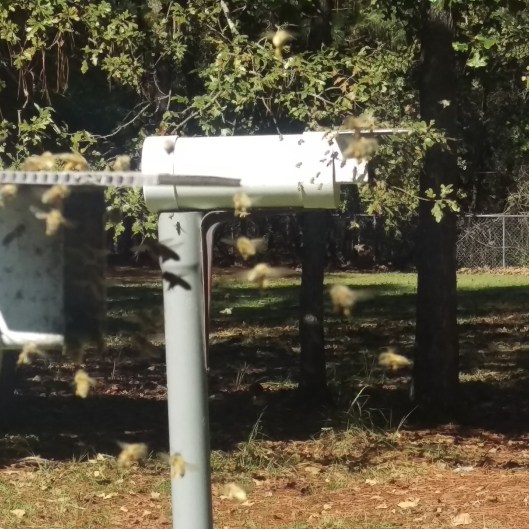
  • Share on Facebook (Opens in new window) Facebook
  • Share on X (Opens in new window) X
  • Share on Pinterest (Opens in new window) Pinterest
  • Email a link to a friend (Opens in new window) Email
  • Share on LinkedIn (Opens in new window) LinkedIn
  • Share on Reddit (Opens in new window) Reddit
  • Share on Tumblr (Opens in new window) Tumblr
  • Print (Opens in new window) Print
  • Share on Telegram (Opens in new window) Telegram
  • Share on WhatsApp (Opens in new window) WhatsApp
Like Loading...

The Bee-Boys Song by Rudyard Kipling

23 Friday Oct 2020

Posted by Beekeeping365 in beekeeping

≈ Leave a comment

Rudyard Kipling

The Bee-Boy’s Song

" 'Dymchurch Flit' " -- Puck of Pook's Hill.

Bees! Bees! Hark to your bees!
"Hide from your neigbours as much as you please,
But all that has happened, to us you must tell,
Or else we will give you no honey to sell!"

            A maiden in her glory,
                Upon her wedding - day,
            Must tell her Bees the story,
               Or else they'll fly away.
                      Fly away -- die away --
                            Dwindle down and leave you!
                      But if you don't deceive your Bees,
                             Your Bees will not deceive you.

             Marriage, birth or buryin',
                 News across the seas,
             All you're sad or merry in,
                 You must tell the Bees.
                       Tell 'em coming in an' out,
                               Where the Fanners fan,
                       'Cause the Bees are just about
                                As curious as a man!

             Don't you wait where the trees are,
                    When the lightnings play,
            Nor don't you hate where Bees are,
                    Or else they'll pine away.
                          Pine away -- dwine away --
                                 Anything to leave you!
                          But if you never grieve your Bees,
                                 Your Bees'll never grieve you.

Feel free to share this on:
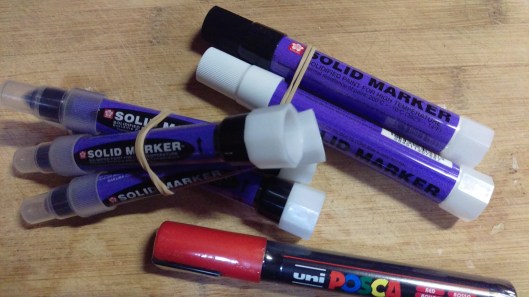
  • Share on Facebook (Opens in new window) Facebook
  • Share on X (Opens in new window) X
  • Share on Pinterest (Opens in new window) Pinterest
  • Email a link to a friend (Opens in new window) Email
  • Share on LinkedIn (Opens in new window) LinkedIn
  • Share on Reddit (Opens in new window) Reddit
  • Share on Tumblr (Opens in new window) Tumblr
  • Print (Opens in new window) Print
  • Share on Telegram (Opens in new window) Telegram
  • Share on WhatsApp (Opens in new window) WhatsApp
Like Loading...

The Bees do Most of the Work by sassafrasbeefarm

22 Thursday Oct 2020

Posted by Beekeeping365 in beekeeping, honey, honey judging, opinion

≈ 1 Comment

Tags

beekeeping, Fiona Apple, honey judging, honey shows

20130725honeybeecolony

On presenting honey for judging:

What are we except packers of the bees’ hard work? I don’t select the flowers to visit. Nor do I cure the nectar into honey; nor combat pests or robbers.  I do nothing as a member of their society. Aside from caring for the bees to enable them to do their work as they choose, I am merely the packer of their efforts. And so, I will do it with reverence and effort respectful of the work they gave to me. If that effort results in a ribbon then I’ve done my job to take what they gave and present it to others at its best. Yes, it’s fluff and not reflective of the best beekeeper out there. It’s extra for those that look for yet another activity related to their beekeeping. Hopefully my effort sparks some interest in others to look at the miracle the bees provide.

Feel free to share this on:
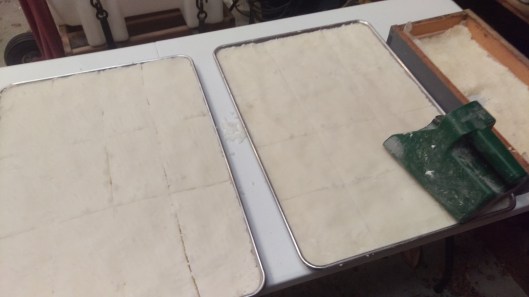
  • Share on Facebook (Opens in new window) Facebook
  • Share on X (Opens in new window) X
  • Share on Pinterest (Opens in new window) Pinterest
  • Email a link to a friend (Opens in new window) Email
  • Share on LinkedIn (Opens in new window) LinkedIn
  • Share on Reddit (Opens in new window) Reddit
  • Share on Tumblr (Opens in new window) Tumblr
  • Print (Opens in new window) Print
  • Share on Telegram (Opens in new window) Telegram
  • Share on WhatsApp (Opens in new window) WhatsApp
Like Loading...

Miracles by Walt Whitman

20 Tuesday Oct 2020

Posted by Beekeeping365 in beekeeping, honey bees

≈ 2 Comments

Tags

honey bees, Miracles, poetry, Walt Whitman

Miracles

Why, who makes much of a miracle?
As to me I know of nothing else but miracles,
Whether I walk the streets of Manhattan,
Or dart my sight over the roofs of houses toward the sky,
Or wade with naked feet along the beach just in the edge of the
water,
Or stand under trees in the woods,
Or talk by day with any one I love, or sleep in the bed at night
with any one I love,
Or sit at table at dinner with the rest,
Or look at strangers opposite me riding in the car,
Or watch honey-bees busy around the hive of a summer
forenoon,
Or animals feeding in the fields,
Or birds, or the wonderfulness of insects in the air,
Or the wonderfulness of the sundown, or of stars shining so
quiet and bright,
Or the exquisite delicate thin curve of the new moon in spring;
These with the rest, one and all, are to me miracles,
The whole referring, yet each distinct and in its place.

To me every hour of the light and dark is a miracle,
Every cubic inch of space is a miracle,
Every square yard of the surface of the earth is spread with the
same,
Every foot of the interior swarms with the same.

To me the sea is a continual miracle,
The fishes that swim—the rocks—the motion of the waves—the
ships with men in them,
What stranger miracles are there?

Walt Whitman, 1856

“Miracles” was first published in Whitman’s Leaves of Grass (Fowler & Wells, 1856) as “Poem of Perfect Miracles.”

Walter “Walt” Whitman, May 31, 1819 – March 26, 1892) was an American poet, essayist, and journalist. A humanist, he was a part of the transition between transcendentalism and realism, incorporating both views in his works. Whitman is among the most influential poets in the American canon, often called the father of free verse. His work was very controversial in its time, particularly his poetry collection Leaves of Grass, which was described as obscene for its overt sexuality.

Born in Huntington on Long Island, Whitman worked as a journalist, a teacher, a government clerk, and—in addition to publishing his poetry—was a volunteer nurse during the American Civil War. Early in his career, he also produced a temperance novel, Franklin Evans (1842). Whitman’s major work, Leaves of Grass, was first published in 1855 with his own money. The work was an attempt at reaching out to the common person with an American epic. He continued expanding and revising it until his death in 1892. After a stroke towards the end of his life, he moved to Camden, New Jersey, where his health further declined. When he died at age 72, his funeral became a public spectacle. ~Wikipedia

Video Music Credit: Comfort Zone by General Fuzz


Feel free to share this on:
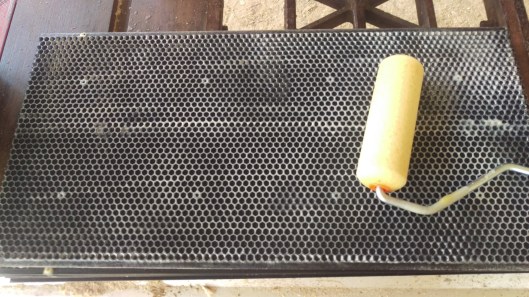
  • Share on Facebook (Opens in new window) Facebook
  • Share on X (Opens in new window) X
  • Share on Pinterest (Opens in new window) Pinterest
  • Email a link to a friend (Opens in new window) Email
  • Share on LinkedIn (Opens in new window) LinkedIn
  • Share on Reddit (Opens in new window) Reddit
  • Share on Tumblr (Opens in new window) Tumblr
  • Print (Opens in new window) Print
  • Share on Telegram (Opens in new window) Telegram
  • Share on WhatsApp (Opens in new window) WhatsApp
Like Loading...

It Always Starts with Assessment by sassafrasbeefarm

19 Monday Oct 2020

Posted by Beekeeping365 in beekeeping, beekeeping management, hive inspections, inspections

≈ 3 Comments

Tags

assessment, beekeeping, colony assessment, hive assessment, honey bees, management

12472778_10207294429973861_7343056154124547156_n

Ever wonder why beekeepers are either reluctant to give advice OR you end up with multiple suggestions in response to the same question?

One reason is because seldom does the beekeeper being asked have a full picture of the issue being discussed. The problem and visual is clear enough in the mind of the person asking the question but usually their assessment isn’t clearly presented to the mentor or bee buddy. So what often happens is the mentor steers clear of guessing to avoid giving bad advice OR they venture a guess based on inadequate data. Since it is inadequate data it isn’t too difficult to wonder why multiple answers are sometimes suggested.

Good assessment data increases the odds of getting accurate suggestions.

So, as above, it always starts with Assessment.

APIE – Assessment, Planning, Implimentation, Evaluation

I worked in a hospital setting much of my work career. When it came to people’s lives I didn’t guess before administering treatments, care, medications, or interventions. I either was assured of my initial assessment or I stopped and re-assessed before proceeding further.

Measure twice; cut once! Well, sort of…

Of course beekeeping doesn’t quite have the same level of accountability and errors are not as devastating as in healthcare. However, the same methods can be applied which, if followed, should result in better outcomes for the bees and beekeeper. Until one Assesses how can they make a suitable Plan? And how do I decide on the proper Implimentation until a Plan is developed? And if I am to learn anything at all in this process I must Evaluate my results. Otherwise I make the same mistakes over and over, year after year, never understanding why.

But, again, it all starts with Assessment.

A Google search will yield many assessment sheets and data collection tools. Use them especially when first starting with bees. At some point it’s likely they will become second nature. And by second nature I mean you’ll do them without the need for prompting with a piece of paper. Let’s look a some things you may want to consider with regard to Assessment:

It’s easy – look, listen, smell! Touch and taste – not so much…

Approaching the hive:
Are they flying? Is the temperature such that they should be flying? Are they guarding the entrance? If not ask yourself, why not? Is the exterior of the hive marked up with bee poop? Are there dead larvae on the landing board? Dead bees? If so, was there a cold snap or is it appropriate cleansing, chilled brood, drone evictions? Are some hives flying and others not? Are there bees circling any hives looking for entrances? Are there bees fighting on the landing board? Are the foraging bees launching themselves into the air on departure? Are bees coming back to the hive heavy or with pollen? Are there yellow jackets, flies, or other pests hanging around the entrance? Do I have an appropriate entrance guard on based on the bees ability to guard? Any signs of dead bees in front of the hive? Any signs of wax cappings under the hive? Any moth or spider webs? Isn’t this easy – you haven’t even suited up yet!

Entering the hive:
What’s your idea on weight when you lift the hive from the rear? Is the number of boxes as expected for the time of year and history of the colony? What is the reaction to a puff of smoke at the entrance? What is the reaction to removing the inner cover? What does the hive smell like? Are there SHB inside the inner cover? Any sign of other pests? Is either the bottom or top box empty of bees? Do the bees run down between the frames when you give them a gentle puff of smoke or fly away? Are they unusually testy? Does what you are seeing, smelling, hearing correspond correctly with the season and temperatures? Does the top bars of the uppermost box have an appropriate amount of bees on them? Is there burr comb on the inner cover?

Frame examination:
Is there a well defined brood area? Where is it located within the hive (upper boxes? bottom boxes? chimney?) Is the capped brood density appropriate or spotty? Any cappings perforated? Appropriate worker brood to drone ratio? Is there a band of pollen over the brood and honey above that? Can you locate the queen either by sight or based on brood area? Is she where you want her? As you work, is the colony tolerating you? Are they giving you a roar to leave? Any signs of pests? If so how bad is the pest level? Any signs of PMS? Is the size of the colony in bee population appropriate for the number of boxes you have? What is your impression of the bee density and the number of frames covered with bees? Can they guard the amount of comb space you have given them to guard? Is there adequate stores? white wax? good brood pattern? Is the open larvae swimming in food? Is the hive functioning as a fine tuned machine?

And always, the follow-up question to the unexpected is, “Why?”

And so it goes with many many more questions that sometimes have different answers based on temperature, weather, seasons, bloom, dearth, and so forth. But it costs you nothing to ask these questions of yourself. Ask away and take note of your answers. And when the answers don’t add up to what you expect, are out of sync with season, or other hives, or just not what you expect look further for more questions to ask. Be the detective. Re-interview the witnesses and suspects. Get to know them well enough to spot the odd response or presentation.

If you think this is going to take years, you may be right. But I do think we get a little better every year. Keep asking questions of yourself and the bees until you see patterns and you know what follows various presentations.


Feel free to share this on:
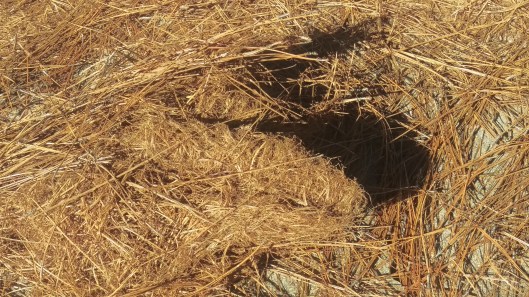
  • Share on Facebook (Opens in new window) Facebook
  • Share on X (Opens in new window) X
  • Share on Pinterest (Opens in new window) Pinterest
  • Email a link to a friend (Opens in new window) Email
  • Share on LinkedIn (Opens in new window) LinkedIn
  • Share on Reddit (Opens in new window) Reddit
  • Share on Tumblr (Opens in new window) Tumblr
  • Print (Opens in new window) Print
  • Share on Telegram (Opens in new window) Telegram
  • Share on WhatsApp (Opens in new window) WhatsApp
Like Loading...

The Fall Four

15 Thursday Oct 2020

Posted by Beekeeping365 in beekeeping, beekeeping management, beekeeping pest management, management

≈ 6 Comments

Tags

apiculture, beekeeping, fall management, humidity, management, starvation, varroa

pic 5

I find myself digging ever deeper into the void of my beekeeping knowledge. It seems the more you think you know, the more you realize you don’t know enough. That said, I’m forced into at least assessing the current state of affairs in the bee yard and make decisions based on my ever increasing level of uncertainty about these things.

It seems that I keep reading here and there that the two biggest killers of honey bees are mites and starvation. More recently I saw a third reason suggested, that being winter moisture in the hive. And then let’s not forget about problems resulting from excessive internal hive space. Let’s call these threats to beekeeping the Fall Four. So, with these things in mind, let’s visit the bee yard and see what’s happening.

It’s now October and crunch time for assessing the Fall Four. Hopefully you survived the summer dearth period. Some of my friends fed their bees through the dearth and others allowed their bees to eat their stores – either method works. But now is the time to take on the Fall Four and look at each item and make it right prior to the coming cooler weather. Remember, honey bees are cold blooded animals and anything less than ideal brood nest temperature, in the low nineties, is likely to be stressing. And although the cool weather will soon start, we’ve still got a long way to go as well as times we can’t enter the hives or use certain interventions. So, this time of year we’re all beekeeping preppers.

pic 2

Item #1 is Mites. I’ve lost one colony to mites this year. It crashed with a mighty thud. Within three to four weeks it went from absolutely thriving to a handful of struggling bees. The weather was warmer then so I continued to see bees coming and going. If a mite crash was to happen now, with these cooler days, I’d probably see no bee traffic as it would take all of the sickly remaining bees to heat the brood area, queen, and cluster. Luckily I’m currently seeing traffic by late mornings on all my hives. A friend of mine told me the other day that he considers a colony dying by mites to be similar to the flu running through a dormitory – one day all are fine, but within days everyone is bedridden. It’s not the mite itself that kills but the viri it spreads. Just like the flu, when the right virus coincides with the right opportunity it’s off to the races. So, pardon my rambling, but have you checked for mites lately? That doesn’t mean look at your bees and try to find mites. It means place a sticky board underneath, ether roll, or sugar shake and count mites and treat accordingly. Recently I’ve been reading about the need to treat all hives when mites levels are high in any hive in an apiary. It seems a failing colony getting robbed out is itself a vector for transmission of mites within an apiary. Personally, I’ve decided this year to treat using Oxalic Acid. Given it is an organic acid and apparently works by eroding the mites finer anatomical parts, the mites are not able to build a tolerance or immunity over time. With all colonies looking healthy right now, my plan is to wait until the broodless period around Thanksgiving and treat all of my colonies simultaneously.

pic 3

Item #2 is Starvation. I placed my colonies on a maintenance level of feeding when dearth started. More recently, I got into my hives and noted it was time to step up my feeding program. My current goal is to get the hives heavy as soon as possible. That’s going to mean switching to a 2:1 sugar syrup, doubling the number of calories per feeding, to encourage storage. This year the late pollen flow of goldenrod has recently increased brood production, so I’m sure the bees will also be using the syrup to rear winter bees. Doesn’t matter what they use the syrup for,  my response is the same – feed ’em up good now. Now is the time to learn to heft your hives from behind to determine their weight. That way, during the dead of winter you can assess stores without opening them.

pic 4

Item #3 is Moisture. I’ve heard and read many times that moisture kills bees before cold temperatures kill bees. I’ve watched the YouTube videos showing beekeepers in the mountains of Virginia, upstate New York, and Vermont with snow piled high around their hives – and their bees survive just fine. I think that is proof enough that bees can survive the temperatures of a South Carolina winter. But moisture, that’s a different matter. Almost every winter I see moisture inside the outer covers on chilly days. If not controlled that condensation starts to mold – not good. The old books talk about installing your hives tilted forward so condensation will run forward and not drip down directly onto the bees and chill them. That’s good but I really want to do more. For one, reducing the syrup to a 2:1 mix this time of year also helps to start reducing the amount of moisture within the hive. A little later in the Fall, I’ll remove all liquid feed and place a feeding shim with dry sugar on top. Some people simply pour dry sugar on top of a piece of paper placed on the top bars or on the inner cover (Mountain Camp Feeding). The sugar acts as a desiccant and absorbs the humidity. The bees feed on any sugar that the condensation liquifies. It’s a two birds with one stone situation. But the best method to solving the moisture problem is adequate ventilation. My inner covers have an upper entrance cut into them. If the colony’s population is robust I just leave the upper entrance open as during summer. If the bees have decreased in numbers I may flip the slot so that it is on the top of the inner cover, or screen it, to prevent intruders while still providing ventilation. I don’t worry so much about the low temperatures unless it’s also really windy for extended periods; I do worry about that wet, damp chill that comes with too much moisture in the hive.

pic 5

Item #4 is Internal Hive Space. Now is certainly a good time to assess hive (i.e hive bodies) volume. Most colonies grow throughout the nectar flow. If you were lucky you had the pleasure of stacking boxes on top of boxes – the uppermost boxes filled and capped with hoarded stores of honey. After the great flood, I was surprised to see that the bees had eaten a good bit of their stores. Other colonies had decided to eat some frames and leave others capped and untouched. Also, some colonies started their reduction in colony size early and are now down to half of the numbers of bees they had during the flow. Either way, they simply do not need the extra space any longer. My mentors have told me that here in the Midlands a hive with a 10 frame deep and a 10 frame medium, well provisioned, is all that is needed to get through winter until about late February. (two deeps or three mediums are also okay and represent about the same volume.) So, I look to consolidate remaining honey frames into as perfect of a second box as possible giving the bees a well stocked pantry above their brood area. Any extra full frames are placed in the freezer for possible use in late winter/early spring during buildup. I take a similar approach with regard to colonies that have reduced their numbers. I give them just enough room to be cozy and remove extra boxes (remember extra boxes are invitations to pests and require patrolling by your bees). The idea is to turn hives into efficient and compact units going into late fall and winter.

As already stated, I know more and more that I know less and less about bees. I’m sure that the way I am approaching this can be done a thousand different ways. That’s the intrigue of beekeeping. It’s an art and your methods are equally as valid. What works for you may be superior to what works for me. So take my observations and methods as incentive to explore, experiment, and tweak to your own situation. It’s all an adventure.

Feel free to share this on:
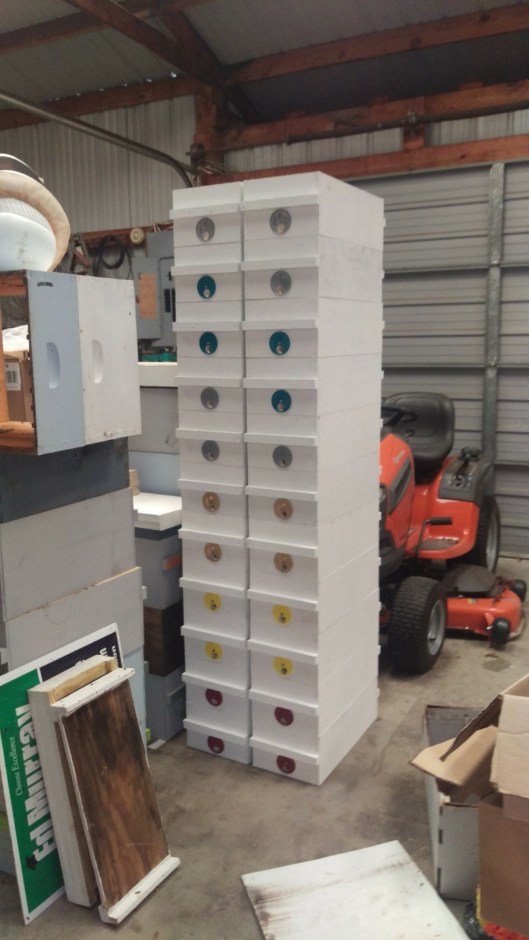
  • Share on Facebook (Opens in new window) Facebook
  • Share on X (Opens in new window) X
  • Share on Pinterest (Opens in new window) Pinterest
  • Email a link to a friend (Opens in new window) Email
  • Share on LinkedIn (Opens in new window) LinkedIn
  • Share on Reddit (Opens in new window) Reddit
  • Share on Tumblr (Opens in new window) Tumblr
  • Print (Opens in new window) Print
  • Share on Telegram (Opens in new window) Telegram
  • Share on WhatsApp (Opens in new window) WhatsApp
Like Loading...

Let’s Talk about Moisture in the Bee Hive

14 Wednesday Oct 2020

Posted by Beekeeping365 in beekeeping, beekeeping management, management

≈ 4 Comments

Tags

apiculture, bee hive, beekeeping, condensation, fall management, moisture

11085850_10204809706417325_1462653426_o

Soon we will be heading into cooler weather. The concern here in the South Carolina Midlands isn’t the cold. It doesn’t get too cold here for the bees. They will cluster and as long as they have 1) honey, 2) enough bees, and 3) a dry cavity they are fine. With these three conditions present they will make their own heat and do well. The concern is moisture within the hive. The moisture is deadly as it will drip on the bees and wick away the heat, chill them, and they will die. If you don’t believe in the power of moisture to wick away the heat I encourage you to get out tomorrow morning and wash your car. What seems like a beautiful fall morning will chill you to the bone. If that fails to convince you try it again when the temperature falls to freezing.

I got the following from over on the Bee-L discussion list. It’s something to think about as temperatures drop and moisture in the hive condenses and becomes dangerous. The information below did not come with a named author.

Here’s some math on 100lbs of honey with 20% moisture… nice round numbers to keep the math simple:  20% moisture on 100lbs (45.4kg) of honey is 9.08kg of water which at 1L per kg is 9.08kg of water.
Now for the rest of the honey:
This quantity of honey is 80% (80lbs) of fructose. Molar mass of fructose (C6H12O6) = 180.72g/mol

6 Carbon -> 12.01g/mol x 6 = 72.60g/mol
12 Hydrogen -> 1.01g/mol x 12 = 12.12g/mol
6 Oxygen -> 16.00g/mol x 6 = 96.00g/mol
Total = 72.60g/mol + 12.12g/mol + 96.00g/mol

80lbs of fructose = 36287g
36287g of fructose / 180.72g/mol = 201 mol of fructose.
For future ease, lets round this to 200 mol of fructose.

Fructose is consumed by the bees and burnt with the oxygen they consume to release carbon dioxide and water. Here’s the balanced formula:

C6H12O6 + 6O2 -> 6CO2 +6H2O

Since 80lbs of fructose is roughly 200mol of fructose we need 1200 mol of oxygen to produce 1200mol of carbon dioxide and 1200mol of water.

200[C6H12O6] + 1200[O2] -> 1200[CO2] +1200[H2O]

Water as a molar mass of 18.02g/mol.

So 1200mol of water x 18.02g/mol = 21.6kg of water.
At 1L per kg we get 21.6kg of water released in the consumption of 80lbs of fructose.

So the total water in 100lbs of honey at 20% moisture is 9.08L + 21.6L = 30.68 liters of water.

If getting over 30L of water off of 31.5L (110lbs) of honey still sounds crazy, realize that the bees will have to consume 38.4kg of oxygen to metabolize the honey. So 45.4kg of honey and 38.4kg of oxygen combine – through the wonders of cellular respiration – to release 30.7 liters of water inside the hive.

The best and cheapest method of lowering the moisture problem is 1) providing adequate ventilation. My inner covers have an upper entrance cut into them. If the colony’s population is robust I just leave the upper entrance open as during summer. If the bees have decreased in numbers I may flip the slot so that it is on the top of the inner cover, or screen it, to prevent intruders while still providing ventilation. 2) Reducing the water in syrup to a 2:1 mix this time of year also helps to start reducing the amount of moisture within the hive. 3) As it gets colder, I have also tried removing all liquid feed and place a feeding shim with dry sugar on top Some people simply pour dry sugar on top of a piece of paper placed on the top bars or on the inner cover (Mountain Camp Feeding). The sugar acts as a desiccant and absorbs the humidity. The bees feed on any sugar that the condensation liquifies. It’s a two birds with one stone situation. 4) My first year I placed an extra box on top of the inner cover and inside I placed an old quilt. I was surprised at how damp/wet it got with condensation. 5) I have a friend that has some sort of fiber board that absorbs moisture. He places them over the bees (top box) and it wicks away the moisture keeping it from dripping on the bees. For people with money, they are available precut from the bee supply stores and in building supply stores under the name Homasote.

Start inspecting underneath your inner and outer covers for signs of condensation or mold. If it’s staying wet, dripping, etc increase ventilation or use other means to help them stay dry.

Feel free to share this on:
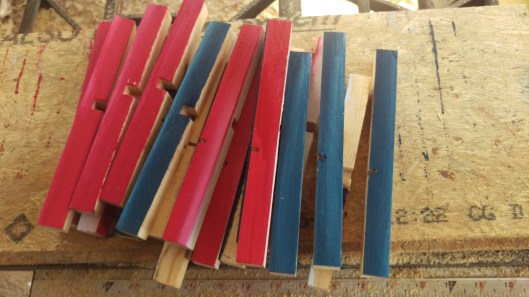
  • Share on Facebook (Opens in new window) Facebook
  • Share on X (Opens in new window) X
  • Share on Pinterest (Opens in new window) Pinterest
  • Email a link to a friend (Opens in new window) Email
  • Share on LinkedIn (Opens in new window) LinkedIn
  • Share on Reddit (Opens in new window) Reddit
  • Share on Tumblr (Opens in new window) Tumblr
  • Print (Opens in new window) Print
  • Share on Telegram (Opens in new window) Telegram
  • Share on WhatsApp (Opens in new window) WhatsApp
Like Loading...

Happy Birthday Jay J. Smith

13 Tuesday Oct 2020

Posted by Beekeeping365 in beekeeping

≈ Leave a comment

Born October 13th 1871, Tampico, Illinois

Died: October 30th 1926, Vincennes, Indiana

Jay Smith was an active writer in the bee journals of his day and wrote two of the most loved and used of the queen rearing books still being used and followed by many today. He is most famous for his other book, Queen Rearing Simplified, but his second book, Better Queens, written 25 years later is the culmination of his work in queen rearing.

From Michael Bush’s website where both of Mr. Smith’s books may be read in their entirety:

“I wanted this book available because I think Jay Smith was one of the great beekeepers of all time and one of the great queen breeders of all time. There are many queen breeding books by scientists or small-scale breeders, but this is by a beekeeper who raised thousands of queens every year. I think that is much more applicable to practical queen rearing. It is also a method that does not require grafting, good for those of us who can’t see well enough to graft, and does not require the purchase of special equipment, good for those of us lacking in the funds to buy one of the graftless systems on the market.” Michael Bush

Click on photos below to read the books.

Queen Rearing Simplified

From the Find a Grave Website:

Better Queens

Jay J. “The Bee King” Smith (1877-1926) – Find A Grave Memorial


Feel free to share this on:
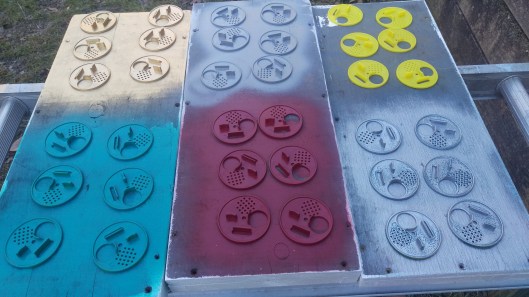
  • Share on Facebook (Opens in new window) Facebook
  • Share on X (Opens in new window) X
  • Share on Pinterest (Opens in new window) Pinterest
  • Email a link to a friend (Opens in new window) Email
  • Share on LinkedIn (Opens in new window) LinkedIn
  • Share on Reddit (Opens in new window) Reddit
  • Share on Tumblr (Opens in new window) Tumblr
  • Print (Opens in new window) Print
  • Share on Telegram (Opens in new window) Telegram
  • Share on WhatsApp (Opens in new window) WhatsApp
Like Loading...

Caramelized Korean Beef with Kimchi Fried Rice by GloryBee

06 Tuesday Oct 2020

Posted by Beekeeping365 in beekeeping, honey, honey as food, honey recipe, raw honey, recipe

≈ Leave a comment

Tags

food, honey, honey recipe, Korean Beef, oriental recipe, recipe

Buckwheat Honey is our central ingredient for this recipe. While some may question our choice of honey on this recipe, we picked it because Buckwheat Honey is known for its depth of flavor. You can use Buckwheat Honey for all sorts of savory recipes and we think this is a great fit! Enjoy!

Read the full recipe here:  Caramelized Korean Beef with Kimchi Fried Rice — GloryBee

Feel free to share this on:
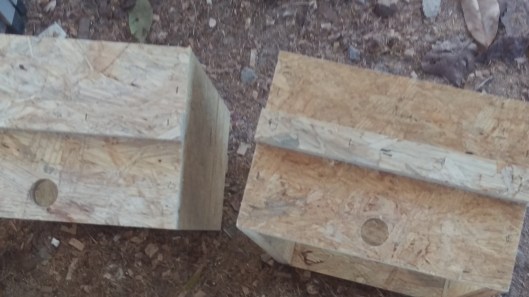
  • Share on Facebook (Opens in new window) Facebook
  • Share on X (Opens in new window) X
  • Share on Pinterest (Opens in new window) Pinterest
  • Email a link to a friend (Opens in new window) Email
  • Share on LinkedIn (Opens in new window) LinkedIn
  • Share on Reddit (Opens in new window) Reddit
  • Share on Tumblr (Opens in new window) Tumblr
  • Print (Opens in new window) Print
  • Share on Telegram (Opens in new window) Telegram
  • Share on WhatsApp (Opens in new window) WhatsApp
Like Loading...

Image

Happy Birthday Dr. Elton James Dyce

15 Wednesday Jul 2020

Tags

birthday, creamed honey, crystalization, Dr. Elton James Dyce, famous beekeepers, honey

elton james dyce

July 15, 1900 — February 23, 1976

Dyce was best known for his process for controlling the crystallization and fermentation of honey leading to the popular creamed honey. His process is used throughout the world in all major honey-producing countries.

Professor Emeritus E. J. Dyce served as assistant professor, associate professor, and professor of apiculture in the University’s Department of Entomology for twenty-three years. He had retired on December 31, 1965. A native of Ontario, Dyce served as demonstrator, lecturer, and professor of apiculture at the Ontario Agricultural College in Guelph, now Guelph University, from 1924 to 1940. He was the first manager of the Finger Lakes Honey Producers Cooperative in Groton, New York, between 1940 and 1942; in that position he worked to develop a wide market for New York State honey.

Dr. Dyce was born and raised in Meaford, Ontario. He obtained his B.S.A. from Ontario Agricultural College in 1923. He earned his M.S. degree at McGill University where he was a Macdonald scholar. He obtained his Ph.D. degree at Cornell under the direction of Professor E.F. Phillips.

The Dyce Process

Dr. E. J. Dyce, then professor of Apiculture at Guelph University and later Professor of Apiculture at Cornell University, developed the first practical process for making a granulated honey in 1928. Dyce later patented the process and in Canada gave the patent rights to the Province of Ontario. In the United States the rights were given to Cornell University. Much of the money earned in the United States was invested and the income is still used to support research on bees and honey at Cornell. The patent has now expired and anyone may manufacture and market the product.

Some Facts About Granulation And Fermentation

When Dyce began his studies there was little known about honey granulation and fermentation. He was aware that all natural honeys contain yeast. When the moisture content of the honey is somewhat above 19 percent, these yeast cells grow, producing carbon dioxide and alcohol. The yeasts found in honey are not the same as those used to make alcoholic beverages or bread but belong to the genus zygosaccharomyces. However, carbon dioxide may be produced in such quantity in fermenting honey as to burst the drums or containers in which the honey is packed. The foul odor produced by fermentation makes the honey unmarketable. If it is not damaged too badly it may be used as bee food.

When honey granulates a small amount of the water in honey is taken into the sugar crystals. However, the quantity of water so contained is not proportional to the amount of water in the honey. Thus one may have a jar, drum or container of partially crystallized honey in which the liquid fraction has a moisture content higher than that of the original honey. When this occurs the honey may ferment. Dyce recognized that if he was to control the granulation of honey he must first pasteurize the product. Any seed crystals he added must also be made from honey, which had been pasteurized.

Dyce found that the optimum temperature for honey granulation is 57’ F. There has been much conflict about this question in the literature. Many people were of the opinion that a fluctuating temperature speeded up granulation; Dyce showed this was not true. Most granulated honeys will have a firm texture six to 14 days after the introduction of seed crystals if held at the proper temperature. In commercial practice rooms used for holding honey the process of crystallizing are held within 10’F. of the optimum temperature.

Pasteurization of honey destroys the nuclei on which crystals might grow. Dyce found he could introduce previously granulated honey, that which had been ground and the crystals broken, into honey to be crystallized.

These crystals are called starters. When five percent of a ground, finely granulated honey was introduced into newly pasteurized honey there is a sufficient quantity of seed to produce a high quality, finely crystallized honey. In commercial practice most firms use eight to ten percent starter; under ideal conditions less may be used. An important factor is that the seed crystals must not be warmed too long and thereby caused to melt partially.

Dyce processed honey

Dark, strong flavored honeys have a lighter color and milder flavor when made into a finely granulated honey; this fact has led some packers to use less than desirable honey in making granulated honey. Honeys used to make granulated honey should be of table quality. The optimum moisture content is 17 ½ to 18 percent; in the northern states 18 percent in winter and 17 ½ percent in summer; in the southern states 17 ½ percent is used throughout the year. The moisture content of a crystallized honey has a great effect on its hardness and therefore its spreadability. Honeys which have a higher or lower moisture content will be too hard or too soft and will not spread properly when spread at room temperature. The first step then is the selection and blending of honeys of proper color and moisture contents.

Honeys to be processed by the Dyce process need not be filtered. In fact, filtering removes certain of the natural elements present in honey, especially pollen. The honey should be heated to about 125’F at which temperature it should be carefully strained. Dyce recommended the honey next be rapidly heated to 150’F and then cooled rapidly. This temperature is sufficiently high to kill the yeast present. Prof. G.F. Townsend of Guelph University showed that yeasts in honey were killed if it was held at 160’F for one minute or 140’F for 30 minutes or some equivalent combination of time and temperature between these two extremes. In commercial practice e there is time involved between heating and cooling the honey, which also has an effect on yeasts. If the honey in a bulk tank is heated to 150’F and then cooled, even under optimum conditions, it will have heated enough to kill any yeast cells present.

The Starter Crystals

For a starter one uses granulated honey, which has been previously made by the Dyce process. It is not satisfactory to take previously granulated honey from the grocer’s shelf to be used as seed since the high Temperature at which this honey is held in a store will have started to melt the crystal nuclei present. One method of obtaining a yeast-free, finely granulated honey to use as a starter is to grind with a mortar and pestle a small amount of coarsely crystallized honey that had been heated (pasteurized) previously. The honey must be ground very finely and preferably at a temperature in the vicinity of 57’F as the crystals may melt at higher temperatures. The honey into which the crystal nuclei are introduced must also be cooled before the starter is added. Most of the grinders used for starter for Dyce crystallized honey are homemade or modifications of meat or food grinders on the market.

Air and Crystallized Honey

Honey which is in the process of granulating and which is held at lower than room temperatures is viscous. Often a number of air bubbles are incorporated into it in the process of cooling and/or adding the seed. These small air bubbles may rise to the surface of the product and give it a white frothy appearance. This white froth may be avoided by allowing the honey to settle a few hours before it is packed, or packing and cooling the honey rapidly so the air bubbles are incorporated into the final product. The air has no objectionable effect on the flavor.

Granulated honey in glass may pull away from the glass. The honey may assume a white froth-like appearance between the honey and the inside of the glass. Customers usually do not realize what has happened and may think the honey has spoiled or become moldy. (Mold cannot grow on or in honey.) It is for this reason that granulated honey is usually packed in tubs or glass jars with labels that wrap completely around the container.

Stack Heat

The seed crystals are usually added to the cooling honey when the temperature has reached about 75’F. It is very difficult to force honey to flow at lower temperatures. This temperature is higher than desired but if it is not held too long little damage is done. However, when cases of newly packed, crystallized honey are placed on pallets or trucks the cases must be carefully spaced so that air can flow between and around the cases. If this is not done the stack of newly packed jars will retain heat. This heat could have an adverse effect on seed crystals and cause them to be less effective as crystal nuclei.

Shelf Life

Properly made granulated honey has a long shelf life, longer than most liquid honey. Honey packers have observed that they may make and hold granulated honey for long periods of time, much longer than they would have stored packed, liquid honey. Granulated honey made and held under controlled conditions retains its fine texture, color, appearance and taste. There is probably a wider market for honey in this form than is now being exploited.

Sources:

Crystallized Honey By Roger A. Morse

Cornell University Memorial Statement

Patent Application and Description of Creamed Honey Process

Books by Elton J Dyce:

Dyce, E. J.

  • Beekeeping. General Information
    Cornell Extension Bulletin: October, 1955 (Number 833, Revised Edition)
  • Beekeeping. General Information
    Cornell Extension Bulletin: May, 1970 (Number 833, Revised Edition)
  • Beekeeping. General Information
    Cornell Extension Bulletin: August, 1951 (Number 833)
  • Wintering Honey Bees in New York State
    Cornell Extension Bulletin: November, 1974 (Number 1054, Reprint Edition)
  • Wintering Honeybees in New York State
    Cornell Extension Bulletin: November, 1960 (Number 1054)

Dyce, Elton J.

  • Fermentation and Crystallization of Honey
    Cornell Agr. Experiment Station Bulletin: October, 1931 (Number 528)

Feel free to share this on:

  • Share on Facebook (Opens in new window) Facebook
  • Share on X (Opens in new window) X
  • Share on Pinterest (Opens in new window) Pinterest
  • Email a link to a friend (Opens in new window) Email
  • Share on LinkedIn (Opens in new window) LinkedIn
  • Share on Reddit (Opens in new window) Reddit
  • Share on Tumblr (Opens in new window) Tumblr
  • Print (Opens in new window) Print
  • Share on Telegram (Opens in new window) Telegram
  • Share on WhatsApp (Opens in new window) WhatsApp
Like Loading...

Posted by Beekeeping365 | Filed under beekeeper, beekeeping, birthday, birthdays, honey

≈ 1 Comment

Quote

Racist by naturebees

18 Tuesday Feb 2020

Posted by Beekeeping365 in beekeeping

≈ 2 Comments

Beekeepers are racists. Not about humans I hope; but about bees they keep.  If you ask a beekeeper in Finland what kind of bees they have, the answer comes right away.

“I have Italian bees!”

“I have Carnica bees!”

“I have Nordic black bees!”  etc

The answer comes with no hesitation even if the bees have been free mated ever since they were bought, sometimes many decades earlier.

In the world of any other domestic animal you would be listed as a lunatic in no time if you insisted your animals to be of any particular race after several free matings […]

To reads the entire text please visit: Racist — naturebees

Feel free to share this on:
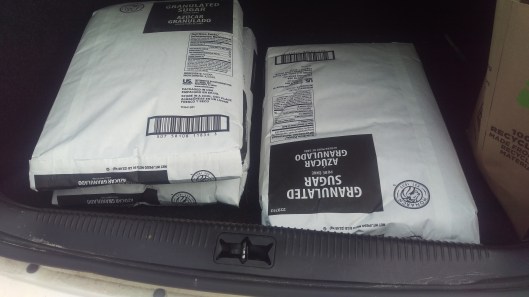
  • Share on Facebook (Opens in new window) Facebook
  • Share on X (Opens in new window) X
  • Share on Pinterest (Opens in new window) Pinterest
  • Email a link to a friend (Opens in new window) Email
  • Share on LinkedIn (Opens in new window) LinkedIn
  • Share on Reddit (Opens in new window) Reddit
  • Share on Tumblr (Opens in new window) Tumblr
  • Print (Opens in new window) Print
  • Share on Telegram (Opens in new window) Telegram
  • Share on WhatsApp (Opens in new window) WhatsApp
Like Loading...

Quote

THE ORIGIN OF “WORLD APITHERAPY DAY” (MARCH 30) — Moisés Asís

30 Saturday Mar 2019

Posted by Beekeeping365 in beekeeping

≈ 1 Comment

[© Excerpts translated from Apiterapia 101 para todos by Moisés Asís (Miami: Rodes, 2007, pp.76-80)]: The first time someone used the term “Apitherapy” it was to explain the medical use of bee stings or Apitoxinotherapy. This historical mention doesn’t mean that other apitherapeutical products have not a very ancient background, on the contrary, medicinal uses […]

via THE ORIGIN OF “WORLD APITHERAPY DAY” (MARCH 30) — Moisés Asís

Feel free to share this on:
  • Share on Facebook (Opens in new window) Facebook
  • Share on X (Opens in new window) X
  • Share on Pinterest (Opens in new window) Pinterest
  • Email a link to a friend (Opens in new window) Email
  • Share on LinkedIn (Opens in new window) LinkedIn
  • Share on Reddit (Opens in new window) Reddit
  • Share on Tumblr (Opens in new window) Tumblr
  • Print (Opens in new window) Print
  • Share on Telegram (Opens in new window) Telegram
  • Share on WhatsApp (Opens in new window) WhatsApp
Like Loading...

Quote

Honey Mustard Chicken by In Dianes Kitchen

02 Saturday Mar 2019

Posted by Beekeeping365 in beekeeping, honey recipe, recipe

≈ 2 Comments

Tags

chicken, honey mustard, honey recipe

This Honey Mustard Chicken tasted amazing! I usually don’t like white meat but this was so moist and the flavor….wow! I would eat this again anytime. I had a gigantic chicken breast and cut it up for my husband and myself. If you make this for more than two people just double it, triple it or what ever amount you need. I used my homemade Honey Mustard Sauce (https://indianeskitchen.com/2018/02/07/honey-mustard-sauce) with this, however, you can use any Honey Mustard Sauce you would like.

Click on the link below to view the step by step directions with pictures and a printable recipe card.

https://indianeskitchen.com/2018/02/14/honey-mustard-chicken

via Honey Mustard Chicken — In Dianes Kitchen

Feel free to share this on:

  • Share on Facebook (Opens in new window) Facebook
  • Share on X (Opens in new window) X
  • Share on Pinterest (Opens in new window) Pinterest
  • Email a link to a friend (Opens in new window) Email
  • Share on LinkedIn (Opens in new window) LinkedIn
  • Share on Reddit (Opens in new window) Reddit
  • Share on Tumblr (Opens in new window) Tumblr
  • Print (Opens in new window) Print
  • Share on Telegram (Opens in new window) Telegram
  • Share on WhatsApp (Opens in new window) WhatsApp
Like Loading...

Installing Your New Bees by Prime Bees – College Station Bee & Honey Farm

11 Monday Feb 2019

Posted by Beekeeping365 in beekeeping, beekeeping management, management

≈ Leave a comment

Tags

beekeeping, honey bees, installing bees, new bee hive, nucleus hives, package bees

We’ve got short instructions on installing your Package Bees or Nucleus Colony below – feel free to reach out with questions or clarification!

Package bees are just boxes specially built to carry bees securely and safely. They are sold according to the weight of the bees with maybe 4000 to 5000 per pound. They mostly have the queen bee not unless the buyer has instructed otherwise. They are relatively cheaper compared to nucleus colony.

To install the package bees, you will need to remove the center frames of the colony you’re moving the bees into. Remove the cage containing the queen bee first, then place the container on its side over the place you have removed the frames. Put the queen’s cage on top of a frame and gently turn the package inside out to assist the bees to fall into the hive.  Prepare two frames where you shall place the queen cage and use pressure to hold it in place if you have existing comb – otherwise you can tie the cage with string or tape to secure her – you don’t want her to fall to the bottom of the hive. Once all the bees are out of the package, you can remove the package and set it in front of the hive (or on top).

Read the fully article here:  Installing Your New Bees — Prime Bees – College Station Bee & Honey Farm

Feel free to share this on:

  • Share on Facebook (Opens in new window) Facebook
  • Share on X (Opens in new window) X
  • Share on Pinterest (Opens in new window) Pinterest
  • Email a link to a friend (Opens in new window) Email
  • Share on LinkedIn (Opens in new window) LinkedIn
  • Share on Reddit (Opens in new window) Reddit
  • Share on Tumblr (Opens in new window) Tumblr
  • Print (Opens in new window) Print
  • Share on Telegram (Opens in new window) Telegram
  • Share on WhatsApp (Opens in new window) WhatsApp
Like Loading...

Chalkbrood: A common spring disease by The Daily Guide to Beekeeping

04 Monday Feb 2019

Posted by Beekeeping365 in beekeeping, diseases

≈ 1 Comment

Tags

chalkbrood, disease management, diseases, honey bee diseases

Many diseases and pathogens infect honey bee colonies, but chalkbrood is likely the most common among beekeepers. Ascosphaera apis causes chalkbrood, which is a fungal brood disease. Beekeepers commonly detect chalkbrood in the spring because chalkbrood is considered a stress-related disease. However, chalkbrood is observed throughout the year. Many times, chalkbrood becomes established in colonies because of many interacting factors, such as environmental stressors, genetic makeup of colonies and beekeeping practices. Chalkbrood contaminates larvae when nurse bees admix chalkbrood spores with brood food. The fungal spores out-compete larvae for food and eventually, turn larvae into “chalk-like” mummies. Beekeepers can observe chalkbrood in many colors, ranging from white to grey to black. As larvae turn black, the chalkbrood begins producing fruiting bodies, which are highly infectious. Beekeepers can find these mummies at the entrance or bottom boards, especially if chalkbrood is widespread. At this point these mummies can spread spores to other colonies in the area. Chalkbrood often infects 3-4 day larvae, and can be found as uncapped or capped larvae. If the colony shakes a frame with capped chalkbrood, the frame will rattle when shaken.  

Read the fully article here: Chalkbrood: A common spring disease — The Daily Guide to Beekeeping

Feel free to share this on:
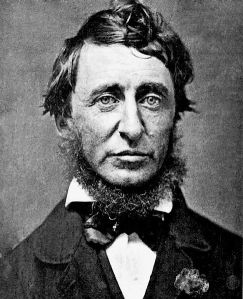
  • Share on Facebook (Opens in new window) Facebook
  • Share on X (Opens in new window) X
  • Share on Pinterest (Opens in new window) Pinterest
  • Email a link to a friend (Opens in new window) Email
  • Share on LinkedIn (Opens in new window) LinkedIn
  • Share on Reddit (Opens in new window) Reddit
  • Share on Tumblr (Opens in new window) Tumblr
  • Print (Opens in new window) Print
  • Share on Telegram (Opens in new window) Telegram
  • Share on WhatsApp (Opens in new window) WhatsApp
Like Loading...

Quote

Roasted Butternut Squash and Honey Soup by A Food and Lifestyle Blog

02 Saturday Feb 2019

Posted by Beekeeping365 in beekeeping, honey recipe, recipe

≈ 2 Comments

Tags

butternut squash, honey, recipe, soup recipe

It’s DEFINITELY soup season. We were in Paris over the weekend and I had some French onion soup while we were there and wanted to make some soup for lunches this week when we got back. I was going to stick to my usual tomato and basil as it’s my favourite, but thought I should spread my wings a little! Plus, Tesco’s didn’t have any fresh basil when I went so I improvised!

I thought I would go for butternut squash as there’s something about the vibrancy that brings warmth to the dish before you’ve even eaten it. I always make soup on the hob so I thought I would roast the veg for this one then add the stock and blitz it up after. Anyone can make soup and it’s a great way to get your daily veg intake without even realising!

Prep time – 15 minutes.

Cooking time – 1 hour 15 minutes.

Ingredients:

  • 1 large butternut squash – remove seeds and skin, cut into large chunks.
  • 2 large carrots diced.
  • 1 sweet potato diced.
  • 2 large brown onions sliced.
  • 4 garlic cloves left whole.
  • Handful of fresh sage leaves.
  • 1 tsp turmeric.
  • 1 tbsp curry powder.
  • 2 tbsp honey.
  • 1 tsp ground ginger.
  • 1 tsp ground cumin.
  • 1 tsp cumin seeds.
  • Salt and pepper.
  • 2 bay leaves.
  • A few thyme sprigs – just remove before blitzing.
  • 1 ltr vegetable stock.
  • 100ml single cream.

Read full recipe here: Roasted butternut squash and honey soup. — A food and lifestyle blog.

Feel free to share this on:
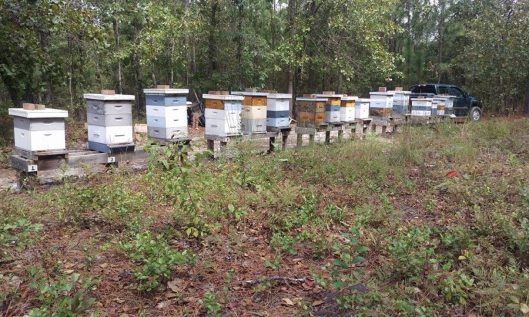
  • Share on Facebook (Opens in new window) Facebook
  • Share on X (Opens in new window) X
  • Share on Pinterest (Opens in new window) Pinterest
  • Email a link to a friend (Opens in new window) Email
  • Share on LinkedIn (Opens in new window) LinkedIn
  • Share on Reddit (Opens in new window) Reddit
  • Share on Tumblr (Opens in new window) Tumblr
  • Print (Opens in new window) Print
  • Share on Telegram (Opens in new window) Telegram
  • Share on WhatsApp (Opens in new window) WhatsApp
Like Loading...

Winter, a time for beekeepers to read

21 Monday Jan 2019

Posted by Beekeeping365 in beekeeping, beekeeping books

≈ Leave a comment

Tags

beekeeping, beekeeping books

Winter really is the only break for beekeepers. Even then, there is preparation for the coming spring. But now and then the beekeeper gets a chance to sit down and read a little. The books described below are readily available at many public libraries. Hopefully you can find one to hunker down with during cold days while the bees are snug in their hives.

The following excerpt was taken from another blog on Word Press, “Friends of Montclair Library. Find the original post in its entirety here: https://montclairfriends.org/2016/07/12/the-buzz-about-bees/

The Beekeeper’s Lament: How One Man and Half a Billion Honey Bees Help Feed America by Hannah Nordhaus (638.13097 NORDHAUS) – Recounts the experiences of John Miller, one of the foremost migratory beekeepers, who, despite mysterious epidemics that threaten American honey populations–and the nation’s agribusiness–forges on and moves ahead in a new natural world.

Robbing the Bees: A Biography of Honey, the Sweet Liquid Gold That Seduced the World by Holley Bishop (638.16 BISHOP) – A comprehensive exploration of the life of bees and the process by which they make honey follows the daily life of a Florida panhandle beekeeper, traces each step of a bee’s honey-making process and offers insight into the product’s key role in business, food and culture.

Letters From the Hive: An Intimate History of Bees, Honey, and Humankind by Stephen Buchmann with Banning Repplier (638.1 BUCHMANN) – A glimpse inside the world of the honeybee records the traditional practices of beekeeping around the world, the contribution of bees to the pollination of plants and the culinary and medicinal uses of honey.

Fruitless Fall: The Collapse of the Honey Bee and the Coming Agricultural Crisis by Rowan Jacobsen (638.15 JACOBSEN) – Traces the significant 2007 and 2008 reductions in honeybee populations, identifying the causes of Colony Collapse Disorder to explain the link between bee pollination and industrial agriculture and predict dangerous reductions in food output.

A Book of Bees…and How to Keep Them by Sue Hubbell (638.1 HUBBELL) – Chronicles a year in the lives of beekeeper and bees, describing and explaining the activities of both and the rewards of having bees of one’s own.

Honeybee Democracy by Thomas D. Seeley (595.79915 SEELEY) – Honeybees make decisions collectively—and democratically. Every year, faced with the life-or-death problem of choosing and traveling to a new home, honeybees stake everything on a process that includes collective fact-finding, vigorous debate and consensus building. These incredible insects have much to teach us when it comes to collective wisdom and effective decision making.

Bees in America: How the Honey Bee Shaped a Nation by Tammy Horn (638.10973 HORN) – Explores the connection between the honeybee and the cultural, national and economic development of the United States. “During every major period in the country’s history, bees and beekeepers have represented order and stability in a country without a national religion, political party or language.” (GoodReads)

Sweetness & Light: The Mysterious History of the Honeybee by Hattie Ellis (595.799 ELLIS) – Integrating popular science and social history, an intriguing global history of honeybees examines the hive society of the bee, as well as the influence of bees and honey on diverse cultures around the world and throughout history. The story of bees and honey from the Stone Age to the contemporary cutting edge; from Napalese honey hunters to urban hives on the rooftops of New York City.

The Queen Must Die and Other Affairs of Bees and Men by William Longgood (638.1 Longgood) – “Longgood’s quiet little thirty-year-old book…is a kind of meditation on beeness: an exploration of the motivations, desires and attitudes of the simple honeybee as she goes about her business.” – Stephen on GoodReads

Feel free to share this on:

  • Share on Facebook (Opens in new window) Facebook
  • Share on X (Opens in new window) X
  • Share on Pinterest (Opens in new window) Pinterest
  • Email a link to a friend (Opens in new window) Email
  • Share on LinkedIn (Opens in new window) LinkedIn
  • Share on Reddit (Opens in new window) Reddit
  • Share on Tumblr (Opens in new window) Tumblr
  • Print (Opens in new window) Print
  • Share on Telegram (Opens in new window) Telegram
  • Share on WhatsApp (Opens in new window) WhatsApp
Like Loading...

Lorenzo Langstroth’s Birthday

25 Tuesday Dec 2018

Posted by Beekeeping365 in beekeeping, beekeeping equipment, beekeeping history, birthday, famous beekeepers

≈ 3 Comments

Tags

beekeeping, beekeeping books, beekeeping history, birthday, famous beekeepers, Langstroth, Lorenzo Langstroth's birthday, The Hive and the Honey Bee

toast to langstroth

A Toast to Langstroth

This year, beekeepers are celebrating the 208th year anniversary of “the Father of American Beekeeping.” Lorenzo Lorraine Langstroth was born Christmas Day, December 25, 1810 in Philadelphia, Pennsylvania. L. L. Langstroth developed the modern hive after exploring existing hives including the pre-cursor to the top bar hive. Francis Huber invented the Leaf Hive in 1789 in Switzerland. The leaf hive had movable solid frames that touched making the box like top bar hives. The leaf hive was examined like pages in a book.

(photo: In 2010 the Philadelphia Beekeepers Guild began a wonderful Christmas tradition. They gather each year at 106 South Front Street, Philadelphia; the birthplace of Lorenzo L. Langstroth on Christmas Day, which is also Langstroth’s birthday, for a Champagne / mead toast to Langstroth.) A Toast to Langstroth)

In the summer of 1851 Langstroth developed the hive that is still used today which included removable frames while respecting bee space. Langstroth patented the first movable frame hive on October 5, 1852. Henry Bourquin, a fellow beekeeper and Philadelphia cabinetmaker, made Langstroth’s first hives. Langstroth hives encourage rapid inspection without enraging the bees. Weak colonies can be strengthened. Strong colonies can increase space. Queens are quickly replaced. Diseases, pests and parasites can be quickly determined and remedied. Inspection by removable frames is now required in the United States. Langstroth also began using queen excluders to confine eggs to the lower boxes. Removable frames encouraged honey extraction without destroying the comb. Honey comb requires 7 to 14 pounds of honey for every pound of beeswax. Besides increased honey production, the beehive no longer had to be killed to remove the honey.

Langstroth published “The Hive and the Honey-Bee” in 1853 still in print today after 40 editions. Langstroth died October 6, 1895 while preaching a sermon on the love of God at the Wayne Avenue Presbyterian church in Dayton. L. L. Langstroth is buried at Woodland Cemetery, Dayton, Ohio. Langstroth’s epitaph reads —

Langstroth

INSCRIBED TO THE MEMORY OF REV. L.L. LANGSTROTH, “FATHER OF AMERICAN BEEKEEPING,” BY HIS AFFECTIONATE BENEFICIARIES WHO, IN THE REMEMBRANCE OF THE SERVICES RENDERED BY HIS PERSISTENT AND PAINSTAKING OBSERVATIONS AND EXPERIMENTS WITH THE HONEY BEE, HIS IMPROVEMENTS IN THE HIVE, AND THE LITERARY ABILITY SHOWN IN THE FIRST SCIENTIFIC AND POPULAR BOOK ON THE SUBJECT OF BEEKEEPING IN THE UNITED STATES, GRATEFULLY ERECT THIS MONUMENT.

Langstroth_Hive_Honey-Bee_1206

Ebook:  The Hive and the Honey Bee

Audio recording: The Hive and the Honey Bee

Feel free to share this on:

  • Share on Facebook (Opens in new window) Facebook
  • Share on X (Opens in new window) X
  • Share on Pinterest (Opens in new window) Pinterest
  • Email a link to a friend (Opens in new window) Email
  • Share on LinkedIn (Opens in new window) LinkedIn
  • Share on Reddit (Opens in new window) Reddit
  • Share on Tumblr (Opens in new window) Tumblr
  • Print (Opens in new window) Print
  • Share on Telegram (Opens in new window) Telegram
  • Share on WhatsApp (Opens in new window) WhatsApp
Like Loading...

Honey Pork Soup by The Honey Cottage

22 Saturday Dec 2018

Posted by Beekeeping365 in beekeeping, honey recipe, recipe

≈ 1 Comment

Tags

honey, honey pork soup, honey recipe, recipe, soup

At The Honey Cottage we believe the benefits of raw honey should bee in every meal. There is no better way to boost your immune system then with soup and raw honey.

Oh man, I am a soup manic during the winter. I don’t know about you, but there is nothing better than having something warm in your belly on a cold day. This was actually a soup that I had made by accident! I was trying to figure out what to do with left overs one day and surprisingly came up with this tasty soup that my family loved. This is one of my favorite recipes because it is a very easy to make and is a very hearty meal. Plus, I like not having to extra things just to make one recipe; these are ingredients that are normally in our house.

Ingredients:

2 bundles- Organic Fine or Round Udon noodles

3 cups Chicken broth

1 cup of sliced pork

1 shreddedcarrot

¾ cup of peas

¾ cup of corn

1 can of water chestnuts

1 Tablespoon of raw honey

Salt and Pepper to taste

Read directions for cooking and full recipe at: Honey Pork Soup — The Honey Cottage

Feel free to share this on:
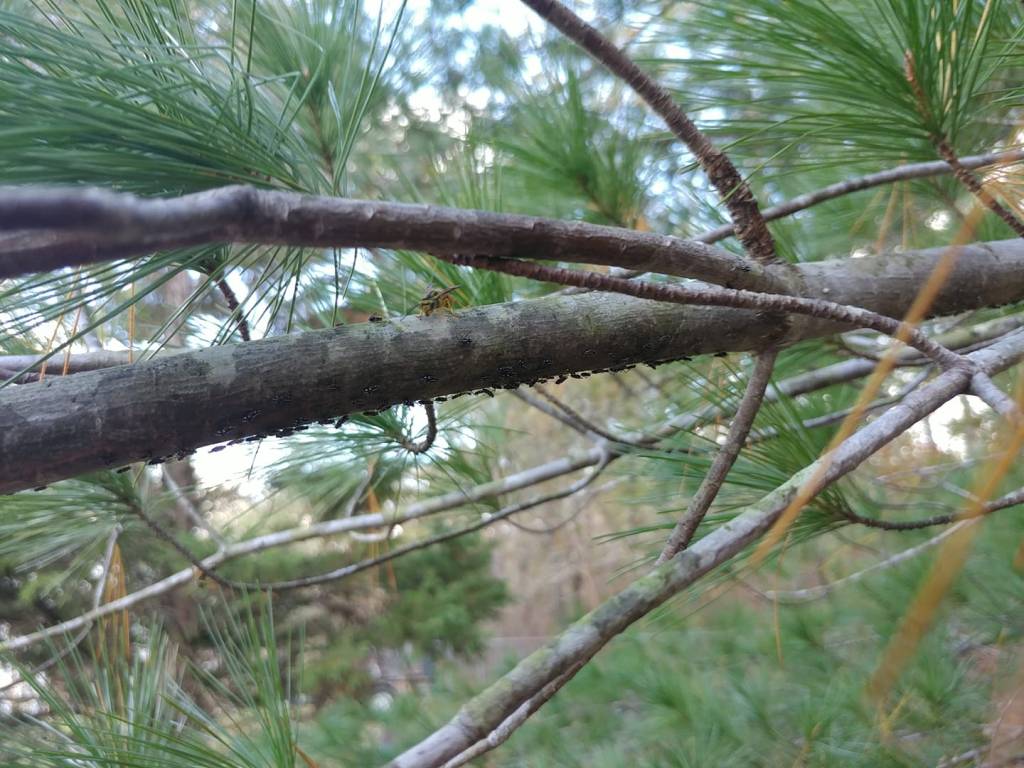
  • Share on Facebook (Opens in new window) Facebook
  • Share on X (Opens in new window) X
  • Share on Pinterest (Opens in new window) Pinterest
  • Email a link to a friend (Opens in new window) Email
  • Share on LinkedIn (Opens in new window) LinkedIn
  • Share on Reddit (Opens in new window) Reddit
  • Share on Tumblr (Opens in new window) Tumblr
  • Print (Opens in new window) Print
  • Share on Telegram (Opens in new window) Telegram
  • Share on WhatsApp (Opens in new window) WhatsApp
Like Loading...

Honey Bees and the Winter Solstice by Scott Sailors

21 Friday Dec 2018

Posted by Beekeeping365 in beekeeping, beekeeping seasons, seasons, winter solstice

≈ 1 Comment

Tags

beekeeping seasons, winter solstice

olympians

In the Northern Hemisphere today is the longest and darkest of the year. In the Southern Hemisphere it is high summer. 

Winter Solstice – A Day for Beekeeper Celebration. Tomorrow we enter the season of growth!

Late dawn. Early sunset. Short day. Long night. In the Northern Hemisphere, the Winter Solstice marks the longest night and shortest day of the year. (On the same date the Southern Hemisphere has its longest day and shortest night.) But tomorrow the days will begin lengthening.

Winter Solstice means something different to beekeepers. It’s typically associated with the beginning of winter for humans. But for the bees it’s the beginning of spring. For beekeepers in the Northern Hemisphere today marks the beginning of growth. ~sassafrasbeefarm

The annual cycle for a honey bee colony is much easier to understand when you look at bees from the standpoint of their over-riding goal: survival of the species.

Throughout the year, honey bees respond to external cues provided by nature – they don’t keep a wall calendar inside their hive – and once you understand how honey bees reproduce, their two-season life cycle begins to make sense.

A year for a honey bee colony can be divided into two halves.  One half is characterized by expansion, and the other by contraction.  The half that is characterized by expansion begins soon after the winter solstice.  Some research seems to indicate that honey bees respond directly to changes in the amount of daylight, while other research says that they don’t.  But regardless of how it works, we know that brood rearing increases soon after the winter solstice, and decreases soon after the summer solstice.

Shortly after the winter solstice, many things happen inside the colony to increase brood production.  For example, the workers begin to raise the temperature of the brood nest.  These warmer temperatures stimulate the queen to lay eggs—just a few at first, but more and more as time goes on.  Of course, keeping the colony warmer requires more honey stores just when those stores begin to be depleted.  So the colony has to manage a very delicate balance of population-to-stores.

Why the expansion?  Why now?  The answer is simple: reproduction.  The colony is preparing to capitalize on the window of opportunity to reproduce that will come in the early spring.  How does a colony reproduce?  By casting a swarm.

Read the full article here: Honey Bees and the Winter Solstice — Host a Honey Bee Hive

Feel free to share this on:

  • Share on Facebook (Opens in new window) Facebook
  • Share on X (Opens in new window) X
  • Share on Pinterest (Opens in new window) Pinterest
  • Email a link to a friend (Opens in new window) Email
  • Share on LinkedIn (Opens in new window) LinkedIn
  • Share on Reddit (Opens in new window) Reddit
  • Share on Tumblr (Opens in new window) Tumblr
  • Print (Opens in new window) Print
  • Share on Telegram (Opens in new window) Telegram
  • Share on WhatsApp (Opens in new window) WhatsApp
Like Loading...

Hive Stands

18 Tuesday Dec 2018

Posted by Beekeeping365 in beekeeping, equipment, woodenware

≈ Leave a comment

Tags

beekeeping, beekeeping chores, DIY, equipment, hive stands, woodenware

12343142_10206388598608643_1677749316_o

This time of year beekeepers perform maintenance and build more toys. Here’s a link detailing how to build a nice, portable, sturdy hive stand for under ten dollars: Bee Hive Stand for Cheap!

Feel free to share this on:

  • Share on Facebook (Opens in new window) Facebook
  • Share on X (Opens in new window) X
  • Share on Pinterest (Opens in new window) Pinterest
  • Email a link to a friend (Opens in new window) Email
  • Share on LinkedIn (Opens in new window) LinkedIn
  • Share on Reddit (Opens in new window) Reddit
  • Share on Tumblr (Opens in new window) Tumblr
  • Print (Opens in new window) Print
  • Share on Telegram (Opens in new window) Telegram
  • Share on WhatsApp (Opens in new window) WhatsApp
Like Loading...

Quote

Honey-Pecan Green Beans by Fabulous Fare Sisters

15 Saturday Dec 2018

Posted by Beekeeping365 in beekeeping, honey recipe, recipe

≈ 1 Comment

Tags

green beans, honey pecan, honey recipe, pecan, recipe

These easy Honey-Pecan Green Beans are a welcome addition to any meal…

Honey-Pecan Green Beans
1 lb. fresh green beans, trimmed
½ c. toasted pecans
1 T. butter
2 T. honey
Salt & pepper

In large sauté pan, bring green beans and ½ c. water to boil. Lower heat and simmer until beans are tender-crisp. Drain. To sauté pan, add butter, pecans and drained green beans; cook over medium heat for a few minutes more, adding honey and seasoning and cook until green beans are tender. Serve hot.

Enjoy!

Linda~

Read full article here: Honey-Pecan Green Beans — Fabulous Fare Sisters

Feel free to share this on:

  • Share on Facebook (Opens in new window) Facebook
  • Share on X (Opens in new window) X
  • Share on Pinterest (Opens in new window) Pinterest
  • Email a link to a friend (Opens in new window) Email
  • Share on LinkedIn (Opens in new window) LinkedIn
  • Share on Reddit (Opens in new window) Reddit
  • Share on Tumblr (Opens in new window) Tumblr
  • Print (Opens in new window) Print
  • Share on Telegram (Opens in new window) Telegram
  • Share on WhatsApp (Opens in new window) WhatsApp
Like Loading...

The Evolution of Beehive Covers by Jim Thompson

13 Thursday Dec 2018

Posted by Beekeeping365 in beekeeping, beekeeping equipment

≈ Leave a comment

Tags

beekeeping equipment, beekeeping history

An interesting article on the history and evolution of beehive covers. ~ sassafrasbeefarm

I have found it interesting to look at the types of different beehive covers or tops that have been used over the years. I began my search with the first beehive that was patented in the United States but had a problem because the patent office burned in 1836 and many of the early written patents were destroyed. My records show that there were 1,131 beehives patented up to 2009. Some of these hives were the same hive with improvements to keep the patent in effect. The very first beehive patented was developed by J. Sweet, April 11, 1810, in Bethlehem, MA, but that record was destroyed in the fire. I found patent X 5,872 was granted to Ebenezer Beard in 1830 and most of the written part was recovered from the fire and had a flat attached cover. Sixty eight patented beehives later, in 1853, Lorenzo L. Langstroth was granted a patent for a hive. Reverend Langstroth had actually developed five different models of beehives and most of his hives had flat tops.  However his fifth hive was a glass hive within a hive and the outer top could be tipped forward. So it might be classified as a telescoping cover because it covered an inside hive. During the 23 years in between the Ebenezer Beard hive and the Lorenzo L. Langstroth hive there were 44 flat topped hives that had covers that were hinged, attached or simply rested on the beehive. There were four beehives that had covers sloping in one direction and two telescoping covers. Eleven hives had unusual shaped covers with projections and seven hives had pitched or gable tops. When you stop and think about it, it isn’t really that unusual, as the trend in the early times was to convert a piece of furniture into a beehive and have drawers or a side panel that could be opened.  The lumber in the 1850s was available in wider widths so you could get a single piece that would cover the entire hive. However you would encounter the problem of warping or cupping, allowing the top to have gaps between the bottom side of the cover and the super below. The gaps could be viewed as being good or bad. The gap would provide upper ventilation and an upper entrance to the hive.  However, if you wanted to move the hive there was just another place for the bees to escape from the hive. Thus to eliminate the warping, the boards could be cut in narrower strips, the grain reversed and cross pieces used to hold the boards together. This style of cover is very much like the today’s migratory cover. A problem arose, what do you do with a flat top once it is removed? You can’t just lay it on the ground in the same orientation as it would smash bees.  Your best choice would be to prop it up against something else. Once a bee is smashed, the alarm pheromone is released and the other bees are now on alert. If you reverse the top and lay it on the ground, you can’t use it to stack equipment on it because it may violate bee space and squash bees.

continued… Read the full article with lots more pictures here: The Evolution of Beehive Covers — BEEKeeping: Your First Three Years

Feel free to share this on:

  • Share on Facebook (Opens in new window) Facebook
  • Share on X (Opens in new window) X
  • Share on Pinterest (Opens in new window) Pinterest
  • Email a link to a friend (Opens in new window) Email
  • Share on LinkedIn (Opens in new window) LinkedIn
  • Share on Reddit (Opens in new window) Reddit
  • Share on Tumblr (Opens in new window) Tumblr
  • Print (Opens in new window) Print
  • Share on Telegram (Opens in new window) Telegram
  • Share on WhatsApp (Opens in new window) WhatsApp
Like Loading...

Quote

Turkish Honey Baklava by Precious Little Toes

08 Saturday Dec 2018

Posted by Beekeeping365 in beekeeping, honey recipe, recipe

≈ Leave a comment

Tags

baklava, dessert, dessert recipe, honey baklava, honey recipe, pastry recipe, recipe

There are very few sweets as satisfying as a piece of baklava with a steaming cup of coffee. Many groups claim Baklava as their own.  It is widely believed that it is of Assyrian origin. Around approximately the 8th century B.C., Assyrians baked thin layers of dough with nuts, poured honey over it, and enjoyed this sumptuous treat. The history of Baklava changed with the history of the land. The Near and Middle East saw many civilizations come and go. Baklava and the recipe had spread to the Near East, Armenia, and Turkey. With the advent of the Grecian Empire, it spread westward to Greece. (Source)

That is why Baklava has many varieties, the traditional baklava is made with walnuts and in the southern with pecan and in the western with almonds. The Turks are known to famously make it with pistachios. I prefer pistachios and almonds in my Baklava.Today I’m sharing with you all, the easiest and yummiest homemade baklava recipe. The basic ingredients for baklava are nuts, phyllo pastry and syrup or honey. I bought the phyllo pastry from the supermarket. You can find it in the frozen foods aisle. I’ve used a mixture of almonds and pistachios for nuts and made a beautiful rose flavored honey syrup. This is one of those recipes that you cannot fail with and even if you try hard to do, the outcome no matter what is going to be absolutely delicious.

Get the recipe here: Turkish Honey Baklava — Precious Little Toes

Feel free to share this on:

  • Share on Facebook (Opens in new window) Facebook
  • Share on X (Opens in new window) X
  • Share on Pinterest (Opens in new window) Pinterest
  • Email a link to a friend (Opens in new window) Email
  • Share on LinkedIn (Opens in new window) LinkedIn
  • Share on Reddit (Opens in new window) Reddit
  • Share on Tumblr (Opens in new window) Tumblr
  • Print (Opens in new window) Print
  • Share on Telegram (Opens in new window) Telegram
  • Share on WhatsApp (Opens in new window) WhatsApp
Like Loading...

Remembering Amos Root

07 Friday Dec 2018

Posted by Beekeeping365 in beekeeping, famous beekeepers

≈ 1 Comment

Tags

beekeeping history, famous beekeepers

wrightflyer

This Sunday will be Amos Root’s birthday. What an interesting man. He was the Elon Musk of his day. ~sasafrasbeefarm

In Remembrance of Amos Root –

  • Birth: 9 DEC 1839 in Medina Township (Medina) State of Ohio
  • Death: 30 APR 1923 in Medina (Medina) State of Ohio
  • Burial: UNKNOWN Spring Grove Cemetery in Medina, Ohio

One Beekeeper, Two Wright Brothers

Source: One Beekeeper, Two Wright Brothers

One Beekeeper, Two Wright Brothers
Posted on September 14, 2016

Leave it to a beekeeper to make aviation history. An Ohio entrepreneur/beekeeper named Amos Root was, according to reports, the only person to actually witness the Wright brothers’ airplane flights in 1904 and 1905. And not just witness them, but write about them in a publication he founded called “Gleanings in Bee Culture.”

Root makes an appearance in David McCullough’s “The Wright Brothers” and also in an article on PBS’s Nova site. As the Nova site says, “almost as astonishing as the fact that a pair of bicycle shop owners invented the airplane” is that the first “accurate reporting on their earliest flights appeared” not in The New York Times or Scientific American, but in “an obscure journal for beekeepers.”

Root, a beekeeping hobbyist from his early twenties on, started a company in Medina, Ohio, that made beehives and beekeeping equipment. One of his best inventions was (improving ed.) removable frames so that a beekeeper could harvest honey without destroying the hive.

Root also started a candle-making company called Root Candles that is still in existence today. According to an article in The Cleveland Plain Dealer, the company, which sits next to Amos Root’s old homestead in Medina, makes 20 million home décor candles every year. The company’s president is a great-great grandson of Amos.

Read full article here: Source: One Beekeeper, Two Wright Brothers

Feel free to share this on:

  • Share on Facebook (Opens in new window) Facebook
  • Share on X (Opens in new window) X
  • Share on Pinterest (Opens in new window) Pinterest
  • Email a link to a friend (Opens in new window) Email
  • Share on LinkedIn (Opens in new window) LinkedIn
  • Share on Reddit (Opens in new window) Reddit
  • Share on Tumblr (Opens in new window) Tumblr
  • Print (Opens in new window) Print
  • Share on Telegram (Opens in new window) Telegram
  • Share on WhatsApp (Opens in new window) WhatsApp
Like Loading...

Comb Honey, Cheese, and Berry Platter by sassafrasbeefarm

05 Wednesday Dec 2018

Posted by Beekeeping365 in beekeeping, comb honey, honey recipe, recipe

≈ 2 Comments

Tags

comb honey, fruit tray, honey goat cheese, recipe

IMAG0013 (1)

Last night was our annual Bee Association’s Holiday Potluck dinner. I continued last year’s effort of a bee themed platter. This year I replaced the grapes with strawberries to provide more bee pollinated items on the platter. If you consider the cheese as dependent on bees for the cow’s forage then it was almost a home run.

Pictured above: Honey Goat Cheese with raspberry preserves, blackberries, strawberries, blueberries, cream cheese, comb honey.

Feel free to share this on:

  • Share on Facebook (Opens in new window) Facebook
  • Share on X (Opens in new window) X
  • Share on Pinterest (Opens in new window) Pinterest
  • Email a link to a friend (Opens in new window) Email
  • Share on LinkedIn (Opens in new window) LinkedIn
  • Share on Reddit (Opens in new window) Reddit
  • Share on Tumblr (Opens in new window) Tumblr
  • Print (Opens in new window) Print
  • Share on Telegram (Opens in new window) Telegram
  • Share on WhatsApp (Opens in new window) WhatsApp
Like Loading...

On the cover of Rolling Stone – not quite…

30 Friday Nov 2018

Posted by Beekeeping365 in beekeeping

≈ Leave a comment

Capture

Who is that hooded man?

Eastern Apiculture Journal Fall 2018: http://www.easternapiculture.org/images/journal/Fall_2018.pdf

Feel free to share this on:
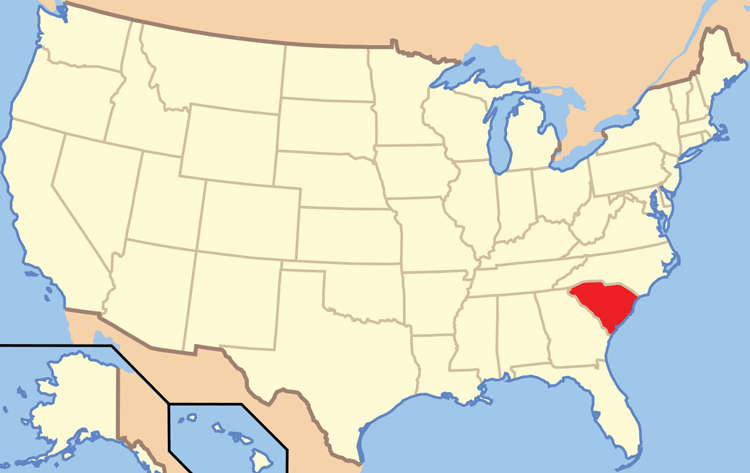
  • Share on Facebook (Opens in new window) Facebook
  • Share on X (Opens in new window) X
  • Share on Pinterest (Opens in new window) Pinterest
  • Email a link to a friend (Opens in new window) Email
  • Share on LinkedIn (Opens in new window) LinkedIn
  • Share on Reddit (Opens in new window) Reddit
  • Share on Tumblr (Opens in new window) Tumblr
  • Print (Opens in new window) Print
  • Share on Telegram (Opens in new window) Telegram
  • Share on WhatsApp (Opens in new window) WhatsApp
Like Loading...

Quote

Sticking with Propolis by PerfectBee

26 Monday Nov 2018

Posted by Beekeeping365 in beekeeping, hive products, honey bee behavior, propolis

≈ Leave a comment

Tags

bee space, honey bee behavior, propolis

Ask a non-beekeeper what bees collect when they forage and you will probably hear of nectar and pollen. But few will mention propolis. Yet propolis is an essential material bees use to maintain and protect the hive.

To be factually accurate, bees don’t collect propolis. Instead, they create it inside the hive from other substances they have foraged.

Read the full article here: Sticking with Propolis — PerfectBee
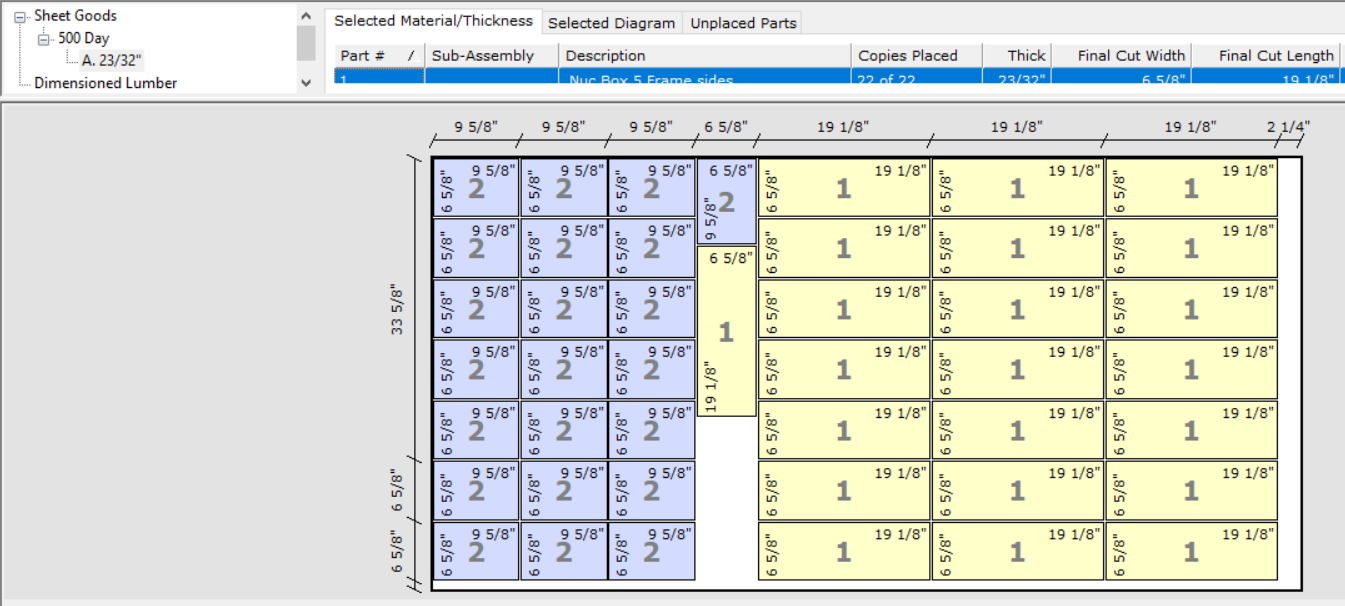
Feel free to share this on:

  • Share on Facebook (Opens in new window) Facebook
  • Share on X (Opens in new window) X
  • Share on Pinterest (Opens in new window) Pinterest
  • Email a link to a friend (Opens in new window) Email
  • Share on LinkedIn (Opens in new window) LinkedIn
  • Share on Reddit (Opens in new window) Reddit
  • Share on Tumblr (Opens in new window) Tumblr
  • Print (Opens in new window) Print
  • Share on Telegram (Opens in new window) Telegram
  • Share on WhatsApp (Opens in new window) WhatsApp
Like Loading...

Honey-walnut-almond cupcakes by The Lowland Homestead

24 Saturday Nov 2018

Posted by Beekeeping365 in beekeeping, honey, honey as food, honey recipe, recipe

≈ Leave a comment

Tags

cake recipe, cupcakes, honey, honey recipe, recipe

These cupcakes might look plain, but they’re far from that! Cut up bits of walnut give a warm, earthy flavor and together with the cinnamon, nutmeg and cloves it makes a great, wholesomely warm fall/winter dessert. These cupcakes retain a moist texture thanks to these walnuts and lend themselves well to being decorated creatively.

Begin by mixing all dry ingredients in a large bowl. Add the butter, when the butter is well mixed in, add the eggs and honey. Scoop them in muffin forms and bake at 180°C for 20 minutes. Mine are way too big for this recipe as you can see in the pictures, I used old-fashioned sized ones that weren’t suited to the muffin tin. Decorate as you wish. I mixed almond essence with honey and almonds. You can also decorate with whole walnuts.

Read the full recipe with ingredients here: Honey-walnut-almond cupcakes — The Lowland Homestead

Feel free to share this on:

  • Share on Facebook (Opens in new window) Facebook
  • Share on X (Opens in new window) X
  • Share on Pinterest (Opens in new window) Pinterest
  • Email a link to a friend (Opens in new window) Email
  • Share on LinkedIn (Opens in new window) LinkedIn
  • Share on Reddit (Opens in new window) Reddit
  • Share on Tumblr (Opens in new window) Tumblr
  • Print (Opens in new window) Print
  • Share on Telegram (Opens in new window) Telegram
  • Share on WhatsApp (Opens in new window) WhatsApp
Like Loading...

Quote

Thank Bees for Your Thanksgiving Dinner by Married with Bees

22 Thursday Nov 2018

Posted by Beekeeping365 in beekeeping, food, honey bees, pollination, pollinators

≈ 2 Comments

Tags

food, pollination, Thanksgiving

Millions of Americans are about to celebrate Thanksgiving, and the grocery stores are bracing themselves for the onslaught of customers.  The fact that hundreds of millions of people in the US can eat a meal that consists of roughly the same menu on the same day is a miracle of modern agriculture as well as a testament to good supply chain management at that nations’ grocery stores.  Have you ever considered how your Thanksgiving meal is impacted by bees?  Many of your Thanksgiving favorites would not make it to the table without the pollination services provide by bees.

Let’s consider a typical Thanksgiving meal that consists of the following: turkey, stuffing, yeast rolls, green bean casserole, cranberry relish, pumpkin pie and coffee.  How would the menu be impacted if there were no bees?

Cont.

Read the full article here: Thank Bees for Your Thanksgiving Dinner — Married with Bees

Feel free to share this on:

  • Share on Facebook (Opens in new window) Facebook
  • Share on X (Opens in new window) X
  • Share on Pinterest (Opens in new window) Pinterest
  • Email a link to a friend (Opens in new window) Email
  • Share on LinkedIn (Opens in new window) LinkedIn
  • Share on Reddit (Opens in new window) Reddit
  • Share on Tumblr (Opens in new window) Tumblr
  • Print (Opens in new window) Print
  • Share on Telegram (Opens in new window) Telegram
  • Share on WhatsApp (Opens in new window) WhatsApp
Like Loading...

Quote

Why Sherlock Holmes Retired And Became A Beekeeper by Buzz About Bees

16 Friday Nov 2018

Posted by Beekeeping365 in beekeeping

≈ Leave a comment

xbeekeeperHolmes.jpg.pagespeed.ic.QwJpvtU8FL

You may have heard that Arthur Conan Doyle’s famous consulting detective, Sherlock Holmes became a beekeeper when he retired.  But how do we know he took up beekeeping, and why did Sherlock become a beekeeper?  Below, you’ll find a quote from the book, and possible reasons why Sherlock Holmes decided to take up beekeeping as a hobby.

We are not given the specific reasons why Sherlock Holmes took up beekeeping and what lead him to this hobby, however, beekeeping seems a fitting hobby for the master sleuth!  Here are my suggestions:

cont.

Read the full blog article here: Sep 7, Why Sherlock Holmes Retired And Became A Beekeeper — Bees Blog from Buzz About Bees

Feel free to share this on:

  • Share on Facebook (Opens in new window) Facebook
  • Share on X (Opens in new window) X
  • Share on Pinterest (Opens in new window) Pinterest
  • Email a link to a friend (Opens in new window) Email
  • Share on LinkedIn (Opens in new window) LinkedIn
  • Share on Reddit (Opens in new window) Reddit
  • Share on Tumblr (Opens in new window) Tumblr
  • Print (Opens in new window) Print
  • Share on Telegram (Opens in new window) Telegram
  • Share on WhatsApp (Opens in new window) WhatsApp
Like Loading...
← Older posts
Newer posts →
Follow Beekeeping365 on WordPress.com

Enter your email address to follow this blog and receive notifications of new posts by email.

Calendar

August 2026
S M T W T F S
 1
2345678
9101112131415
16171819202122
23242526272829
3031  
« Jul    

Posts by Month:

  • August 2026 (4)
  • July 2026 (1)
  • May 2026 (2)
  • January 2026 (3)
  • July 2025 (1)
  • April 2024 (1)
  • September 2022 (1)
  • July 2022 (1)
  • March 2022 (13)
  • February 2022 (17)
  • January 2022 (4)
  • December 2021 (4)
  • November 2021 (7)
  • October 2021 (1)
  • September 2021 (3)
  • August 2021 (11)
  • July 2021 (18)
  • June 2021 (5)
  • May 2021 (2)
  • April 2021 (9)
  • March 2021 (2)
  • February 2021 (5)
  • January 2021 (16)
  • December 2020 (15)
  • November 2020 (15)
  • October 2020 (11)
  • July 2020 (1)
  • February 2020 (1)
  • March 2019 (2)
  • February 2019 (4)
  • January 2019 (1)
  • December 2018 (10)
  • November 2018 (8)
  • October 2018 (15)
  • September 2018 (25)
  • August 2018 (3)
  • July 2018 (11)
  • June 2018 (27)
  • May 2018 (33)
  • April 2018 (20)
  • March 2018 (20)
  • February 2018 (12)
  • January 2018 (22)
  • December 2017 (18)
  • November 2017 (17)
  • October 2017 (25)
  • September 2017 (27)
  • August 2017 (21)
  • July 2017 (29)
  • June 2017 (28)
  • May 2017 (19)
  • April 2017 (17)
  • March 2017 (19)
  • February 2017 (12)
  • January 2017 (13)
  • December 2016 (5)

Posts by Categories:

  • absconding (1)
  • africanized honey bees (1)
  • apitherapy (1)
  • bee health (6)
  • bee law (2)
  • bee lining (2)
  • bee removals (2)
  • beekeeper (5)
  • beekeeper education (16)
  • beekeeping (612)
    • South Carolina (2)
  • beekeeping author (10)
  • beekeeping books (14)
  • beekeeping calendar (4)
  • beekeeping chores (8)
  • beekeeping equipment (26)
  • beekeeping history (49)
  • beekeeping management (37)
  • beekeeping pest management (8)
  • beekeeping seasons (23)
  • beekeeping vocabulary (16)
  • beeswax (13)
  • biography (4)
  • biology (14)
  • birthday (40)
  • birthdays (34)
  • book review (16)
  • breakfast (1)
  • calendar (4)
  • CCD (1)
  • chores (6)
  • comb (7)
  • comb honey (10)
  • commercial beekeeping (2)
  • cutouts (2)
  • dearth (3)
  • defensiveness (2)
  • diseases (9)
  • drawn comb (6)
  • ecology (4)
  • education (28)
  • equipment (25)
  • extracting (1)
  • fall nectar flow (1)
  • famous beekeepers (27)
  • feeding bees (7)
  • first blog entry (1)
  • folklore (1)
  • food (7)
  • forage (4)
  • hacks (3)
  • hive inspections (8)
  • hive placement (2)
  • hive products (6)
  • honey (90)
  • honey as food (22)
  • honey bee anatomy (3)
  • honey bee behavior (25)
  • honey bee biology (43)
  • honey bee genetics (4)
  • honey bee nutrition (1)
  • honey bee photos (6)
  • Honey Bee Research (1)
  • honey bee vocabulary (12)
  • honey bees (14)
  • honey judging (4)
  • honey recipe (65)
  • humor (13)
  • inspections (10)
  • journal (1)
  • log book (1)
  • making increase (3)
  • management (82)
  • mentoring (2)
  • mites (3)
  • national pollinator week (2)
  • nectar flow (6)
  • nomenclature (1)
  • opinion (8)
  • out yards (1)
  • outyards (1)
  • package bees (1)
  • pears (1)
  • pests (17)
  • plants for bees (3)
  • polish (1)
  • pollen (4)
  • pollination (11)
  • pollinators (7)
  • product review (1)
  • production (1)
  • products (3)
  • propolis (2)
  • queens (17)
  • raw honey (6)
  • recipe (88)
  • removals (1)
  • safety (3)
  • sales (2)
  • season (1)
  • seasons (21)
  • sideliner (1)
  • small hive beetles (1)
  • spring buildup (4)
  • state fair (2)
  • sustainable (7)
  • swarms (27)
  • ursurpation (1)
  • usurpation (1)
  • varroa (21)
  • varroa destructor (12)
  • varroa mites (24)
  • Winter (5)
  • winter solstice (2)
  • woodenware (3)
  • yellow jackets (2)

Sassafras Bee Farm on Facebook

Sassafras Bee Farm on Facebook

Sassafras Bee Farm

Sassafras Bee Farm

Recent Posts

  • Meeting Reality vs What Seems Deserved
  • Everything Starts with a Tasty Meal: The Science Behind a Beekeeper’s Best Pest-Management Insight
  • Pest Control
  • State Fair Wax Preparation
  • Sherlock Holmes and Beekeeping: A Unique Connection

Beekeeping365 on Facebook

Beekeeping365 on Facebook

Top Posts & Pages

  • Types of bees by Fat Daddy’s Apiary
    Types of bees by Fat Daddy’s Apiary
  • Meeting Reality vs What Seems Deserved
    Meeting Reality vs What Seems Deserved
  • "At the Hive Entrance" free ebook
    "At the Hive Entrance" free ebook

Blog Stats

  • 141,320 hits

Website Built with WordPress.com.

  • Subscribe Subscribed
    • Beekeeping365
    • Join 426 other subscribers
    • Already have a WordPress.com account? Log in now.
    • Beekeeping365
    • Subscribe Subscribed
    • Sign up
    • Log in
    • Report this content
    • View site in Reader
    • Manage subscriptions
    • Collapse this bar
Loading Comments...
%d