
Tags
beekeeping, beekeeping history, education, famous beekeepers, honey bee swarms, swarm prevention, swarms, Walt Wright
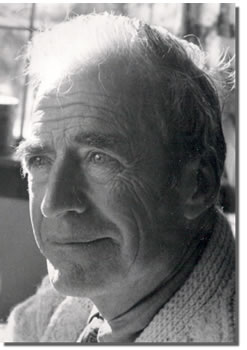
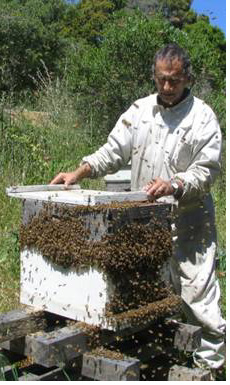
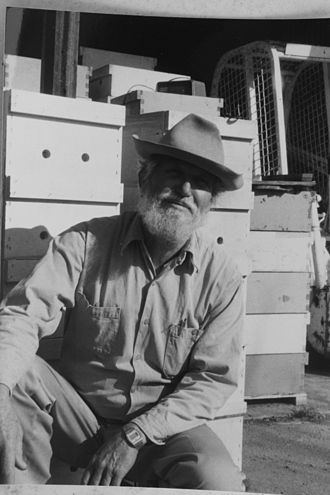
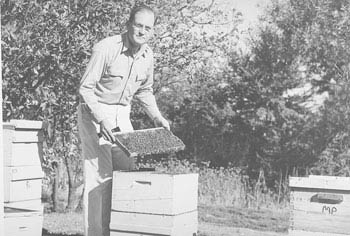
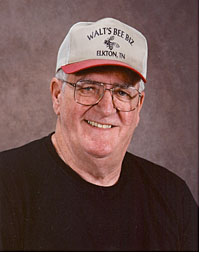 Walt Wright was born and raised in Burtonsville, MD, then a barefoot country boy area, and now suburbia of a sprawling Washington, DC. He enlisted in the Air Force to get electronics training, and served as a radar repairman. After service time he joined General Electric in maintaining overseas sites of the Security Service (spell that SPY).
Still with GE, in 1960 he relocated to Huntsville, Ala./Redstone Arsenal to make his contribution on the nation’s quest to put a man on the moon. Development of the propulsive stages of the Saturn V moon rocket was accomplished by NASA on Redstone Arsenal. His responsibility on that program was electronic compatibility of subsystems within stages and compatibility between propulsive stages and the electronics of the instrument ring. No interaction (interference/noise) was permitted between systems on the man-rated launch vehicle.
For the Shuttle program, an added responsibility was systems engineer for on-board Range Safety components. The Air Force has autonomous authority to destroy any launch from the Cape area that poses a threat to populated areas of eastern Florida. Astronauts on board is no exception. If the launch strays from the predicted trajectory, the Air Force can destroy the vehicle by radio command. On-board equipment to implement destruct includes the command receiving and processing electronics and pyrotechnics to disperse propellants.
Walt is aware that the above work history provides very weak credentials to be considered as a honey bee “expert.” He took up beekeeping in his late fifties to supplement retirement income. Confident in his trouble shooting skills, he accepted the challenge “very early” to get to the bottom of the swarming problem. He credits observation skills, sharpened by years of electronics trouble-shooting, for solving the riddle. He was surprised that it was as easy as it was. When his hypothesis was in place in three years, he thought at first it must be in error. Surely, thousands of beekeepers, looking into millions of hives, could not possibly have missed the obvious. His conclusion: beekeepers see, but do not observe, or ask themselves why the bees do what they do.
Honey bees are motivated by survival of the colony. Survival of the existing colony is priority one. In the spring, priority two is the generation of the reproductive swarm. Not even that much is described in the popular literature. Walt concentrated his investigation of swarming in terms of colony activities that support those survival objectives. His findings are a radical departure from literature conventional wisdom. As an example, he claims that all the elements of “congestion”, such as bee crowding and nectar in the brood nest, are deliberate steps to implementing the reproductive swarm process, and not the other way around. The literature has congestion as the “cause” and that’s backwards.
Getting his observations published has been slow moving. Editors of the magazines have an obligation to their subscribers to weed out the chaff from crackpots. Natural skepticism creates mostly rejections of submitted articles. For the year 06 he resorted to writing articles on general beekeeping techniques to build a base of credibility.
He looks forward to presenting his observations through Beesource. It should not be necessary via this medium to appease editors or their advisors. As a start in telling it like it is, he announces point blank: The mystery of reproductive swarming has been solved.
*******************
Walter William Wright
August 24, 1932 – February 6, 2016
*******************
Reference:
http://beesource.com/point-of-view/walt-wright/
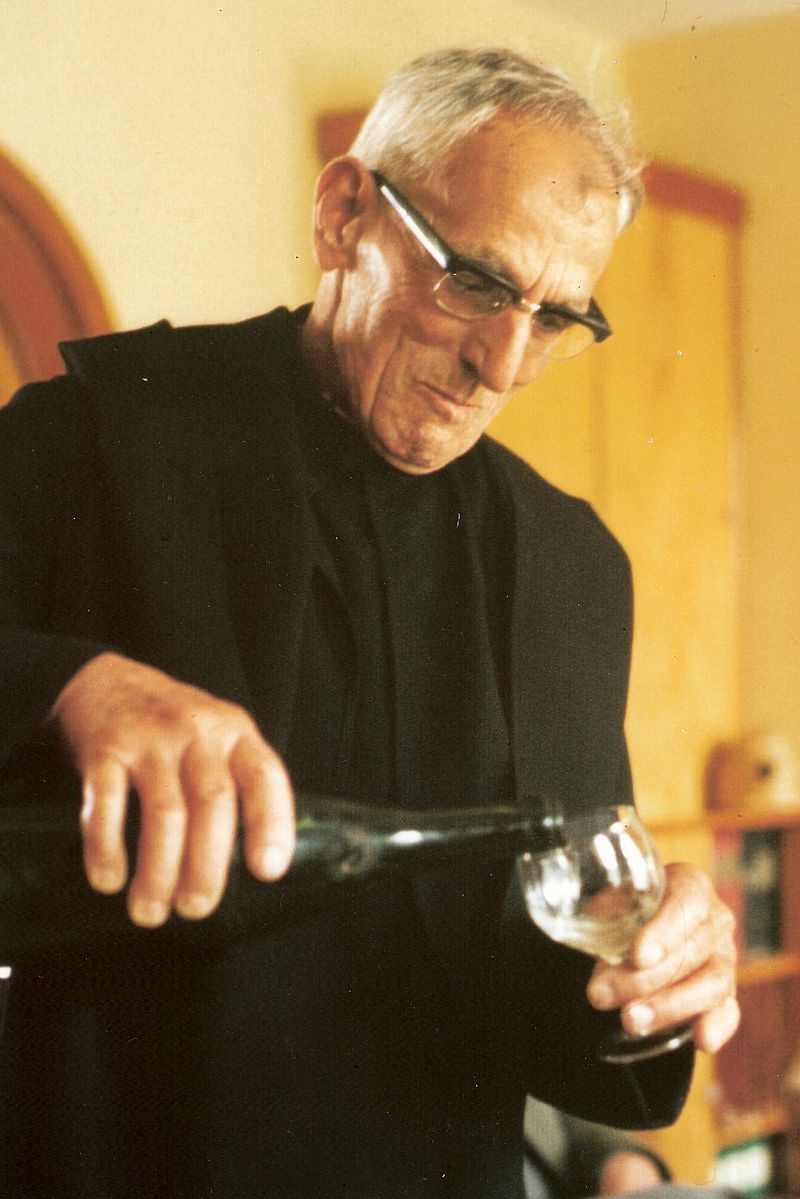

 Charles Mraz, an inventive beekeeper who since the 1930’s had been the country’s leading evangelist for the therapeutic use of bee stings, a still unproven treatment, died on Monday at his home in Middlebury, Vt. He was 94.
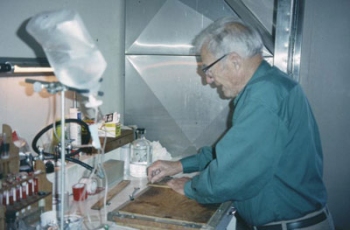 Mr. Mraz was convinced that the venom in bee stings could relieve the symptoms of autoimmune diseases like multiple sclerosis and rheumatoid arthritis by, among other things, triggering an anti-inflammatory response. Though that idea is not accepted by a vast majority of doctors, many people with such diseases heard his message and came to believe that it offered them hope.







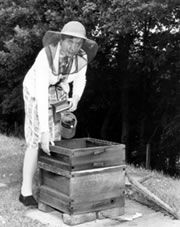

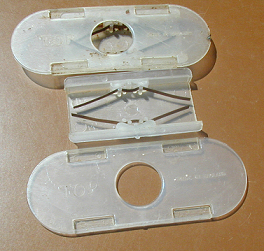
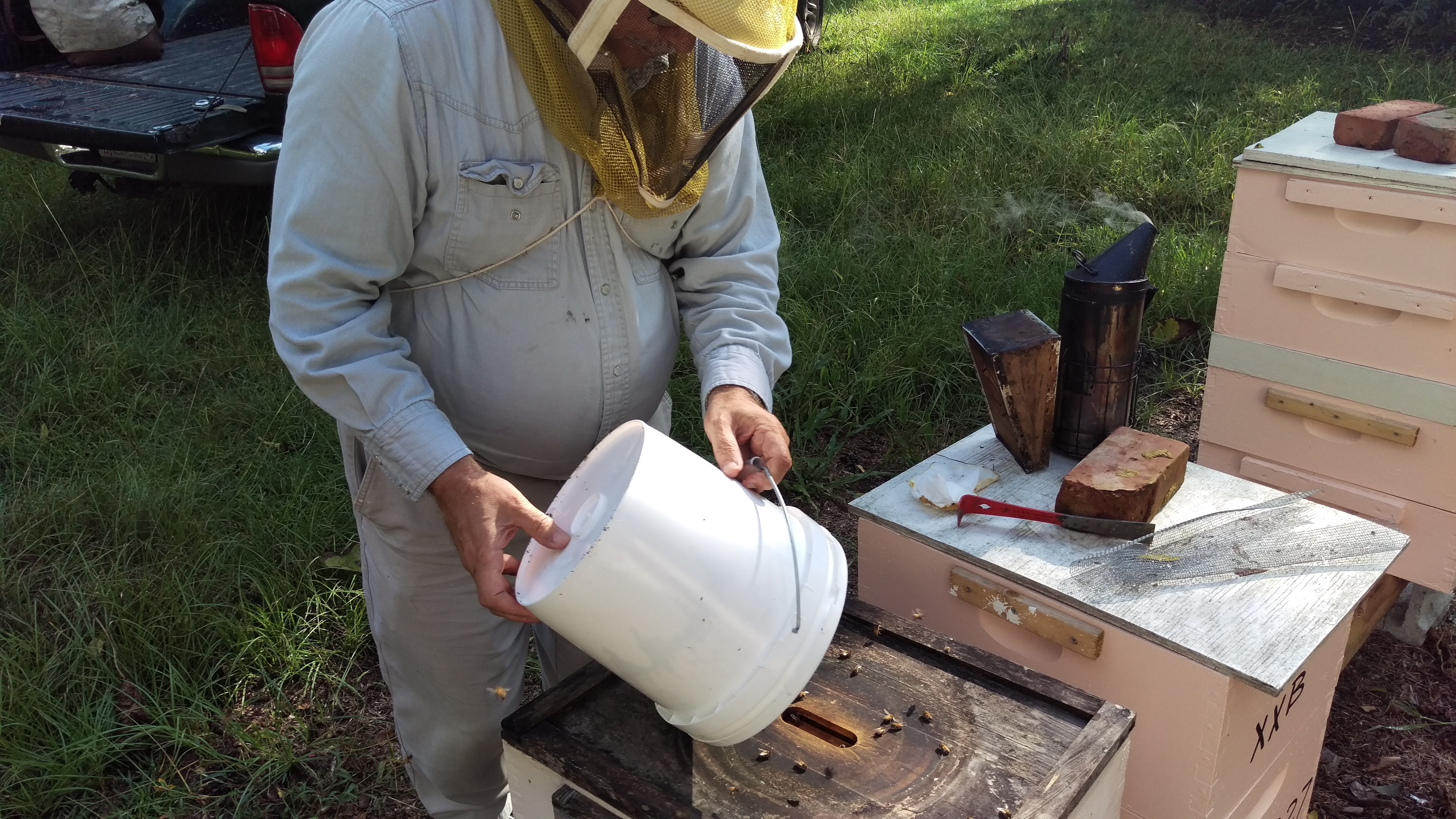
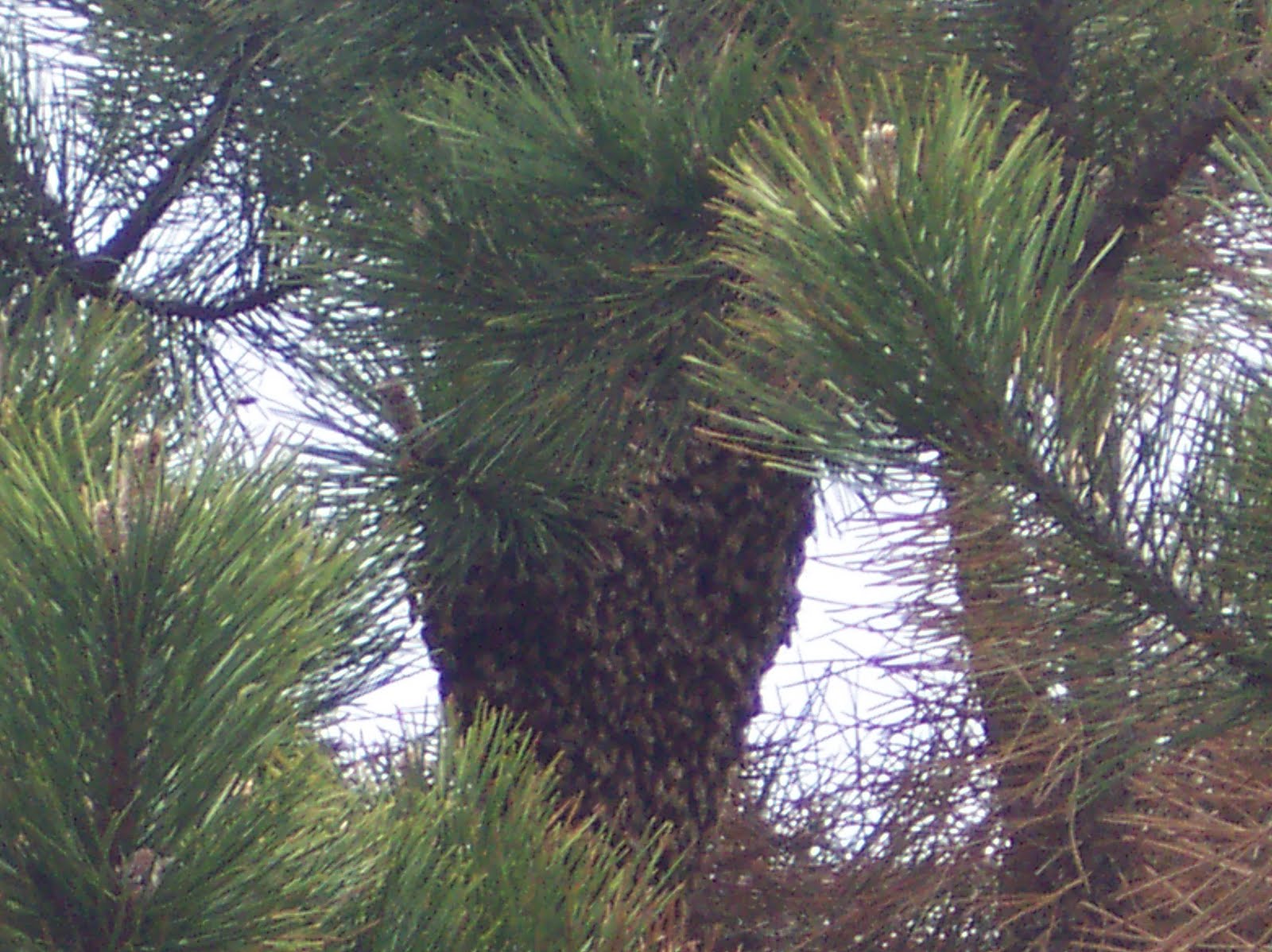
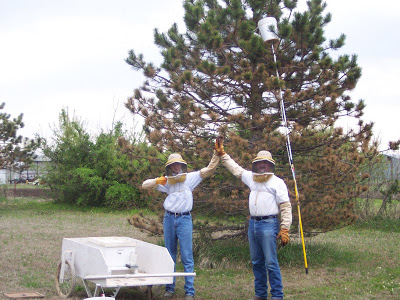
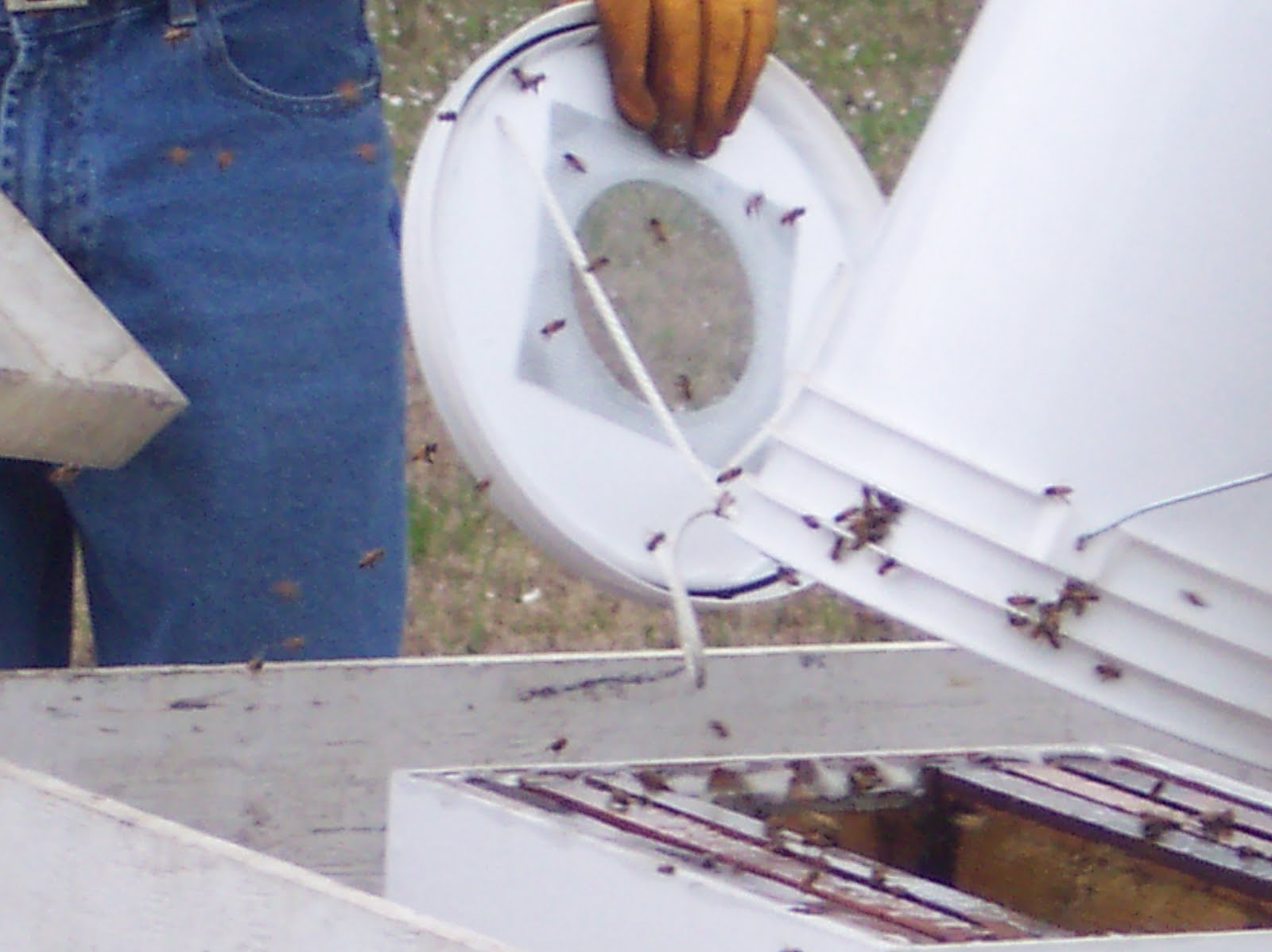
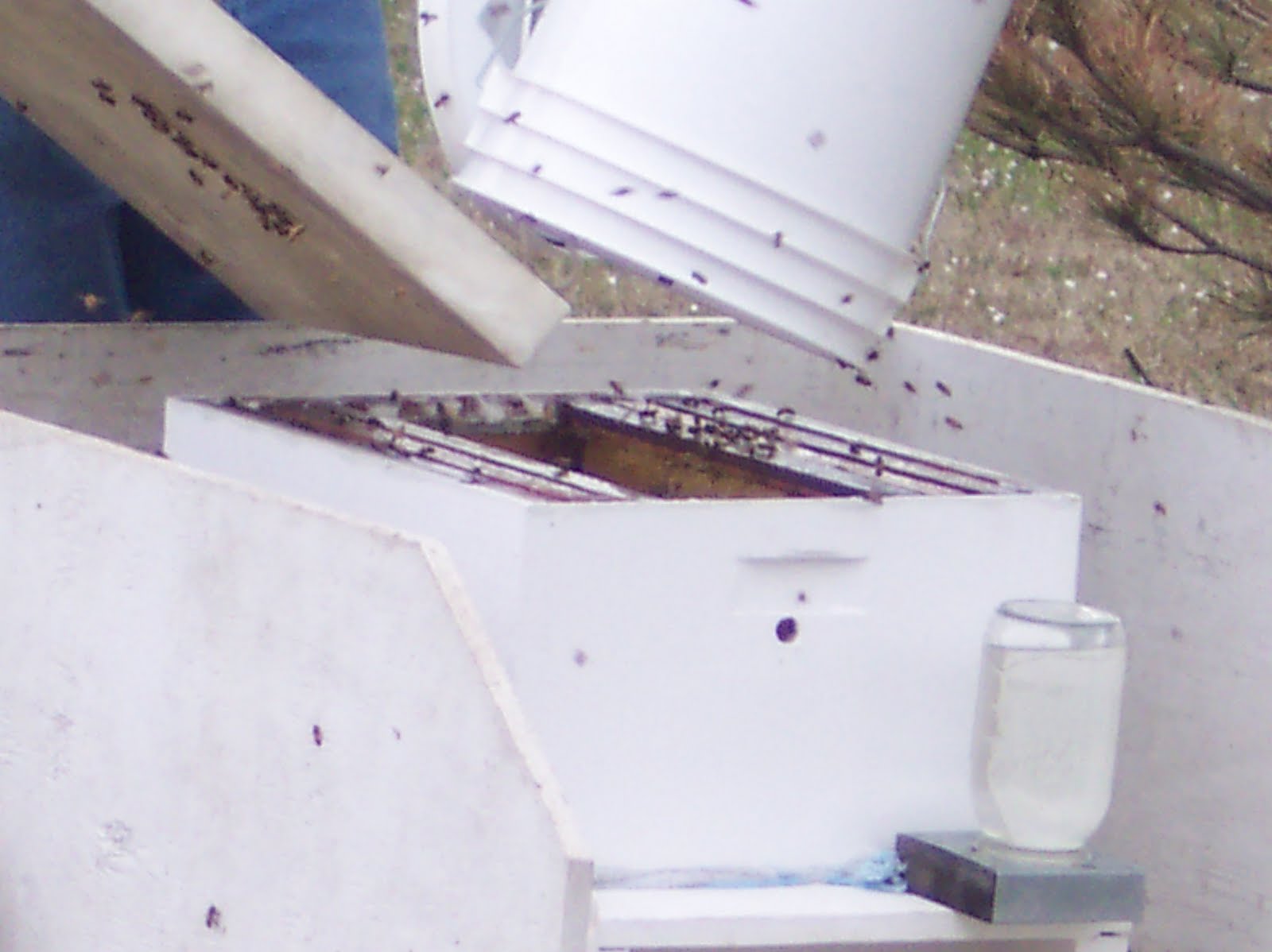
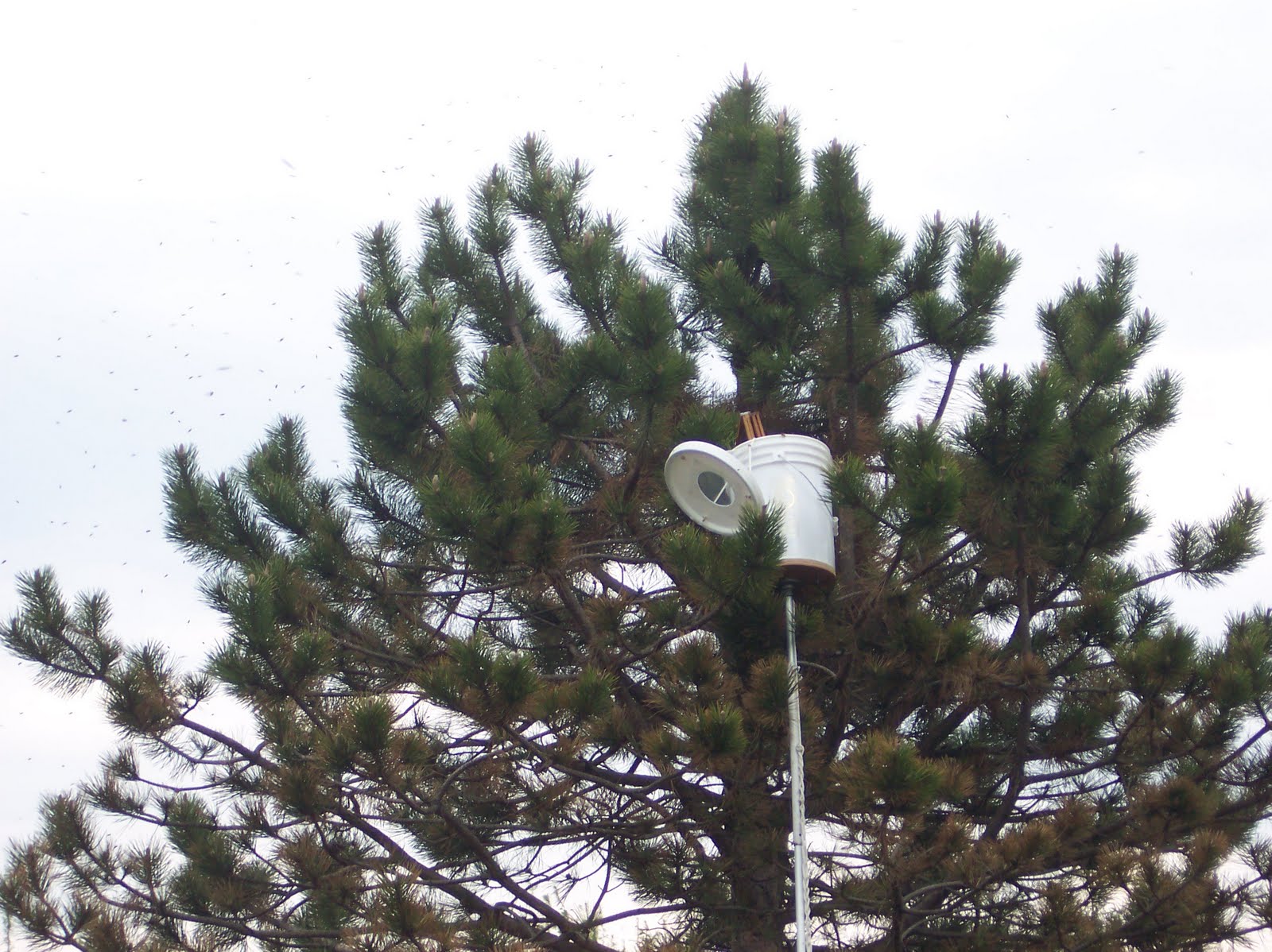
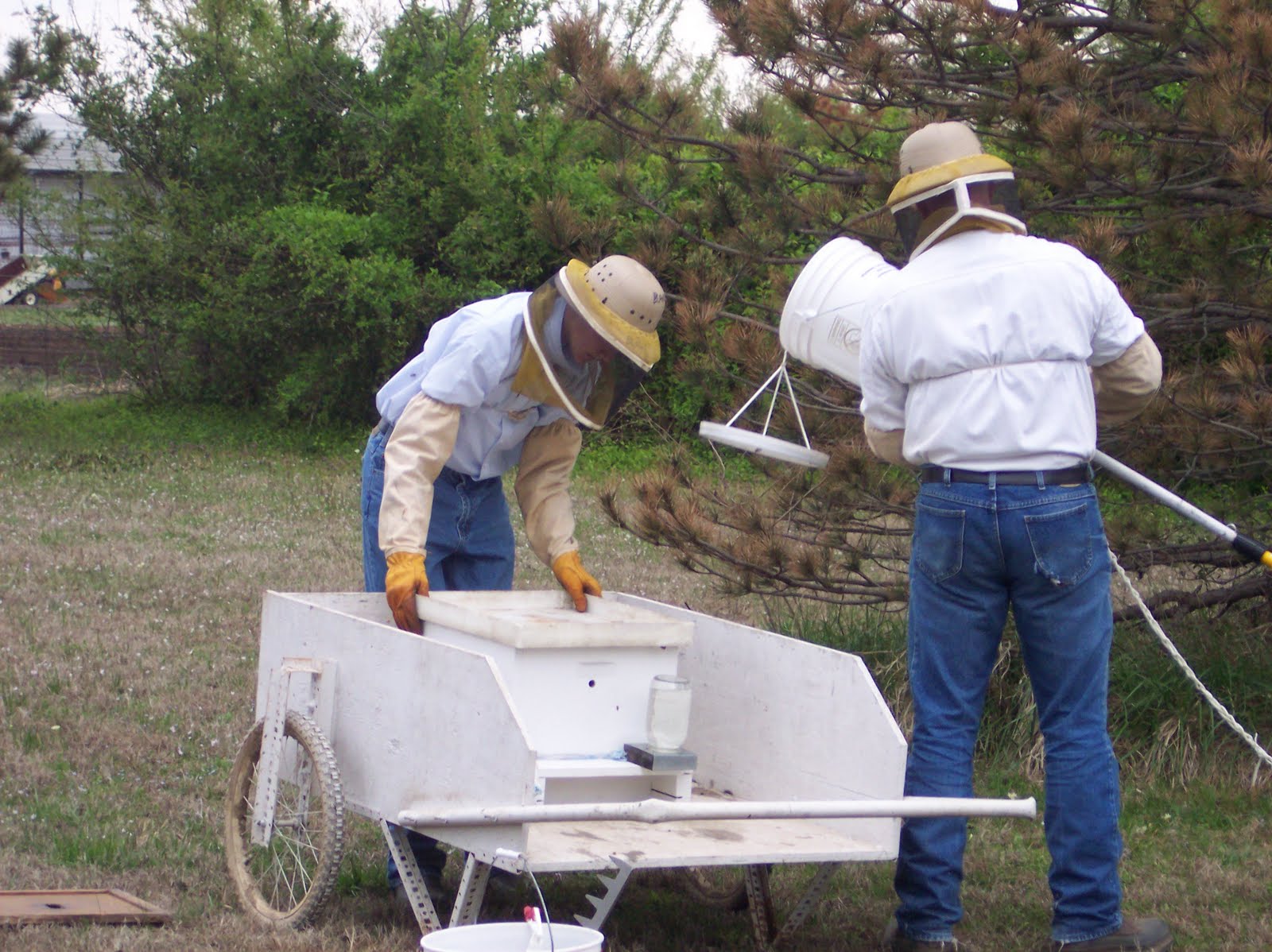
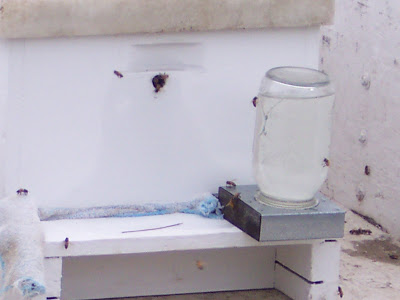
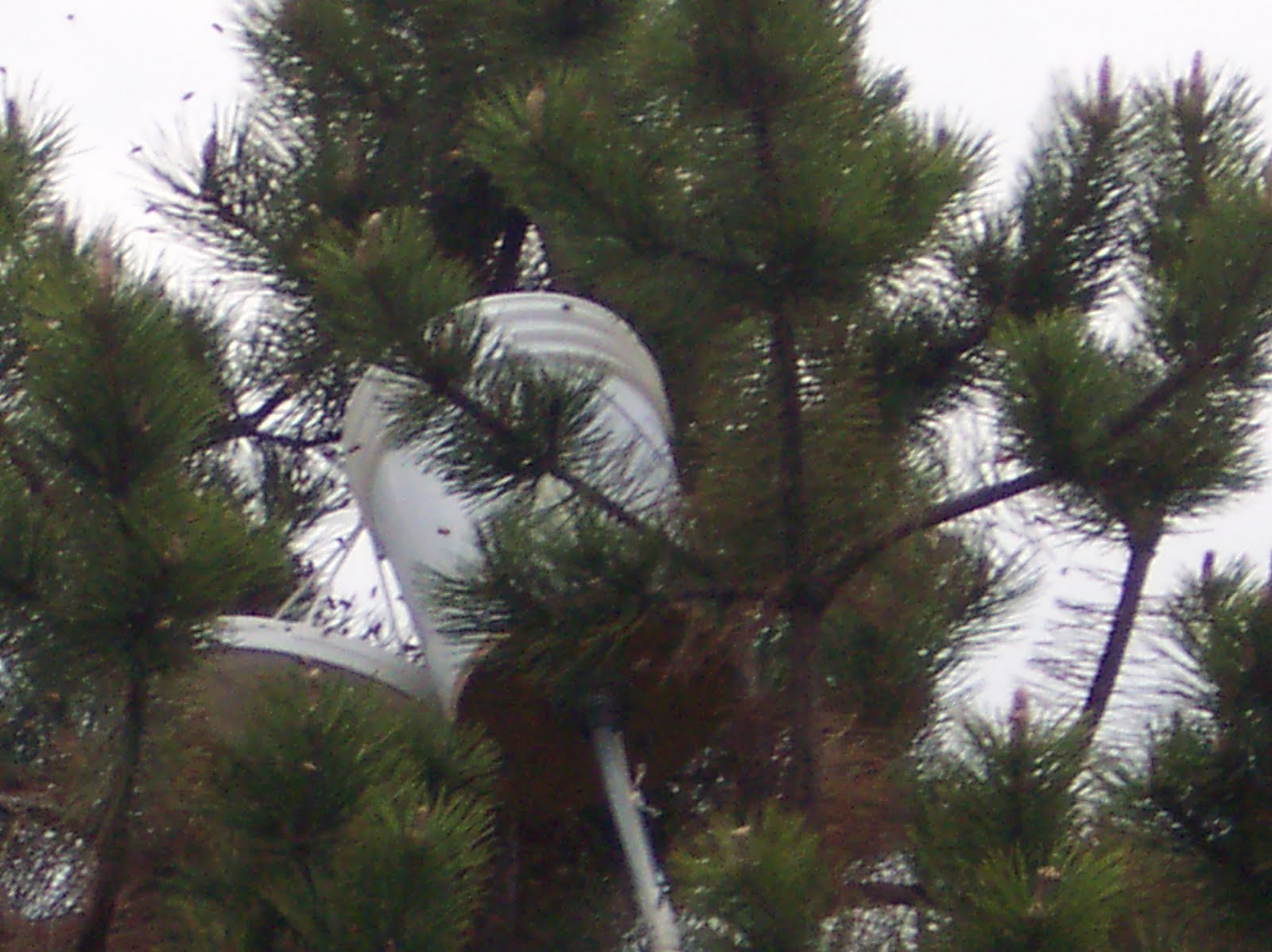
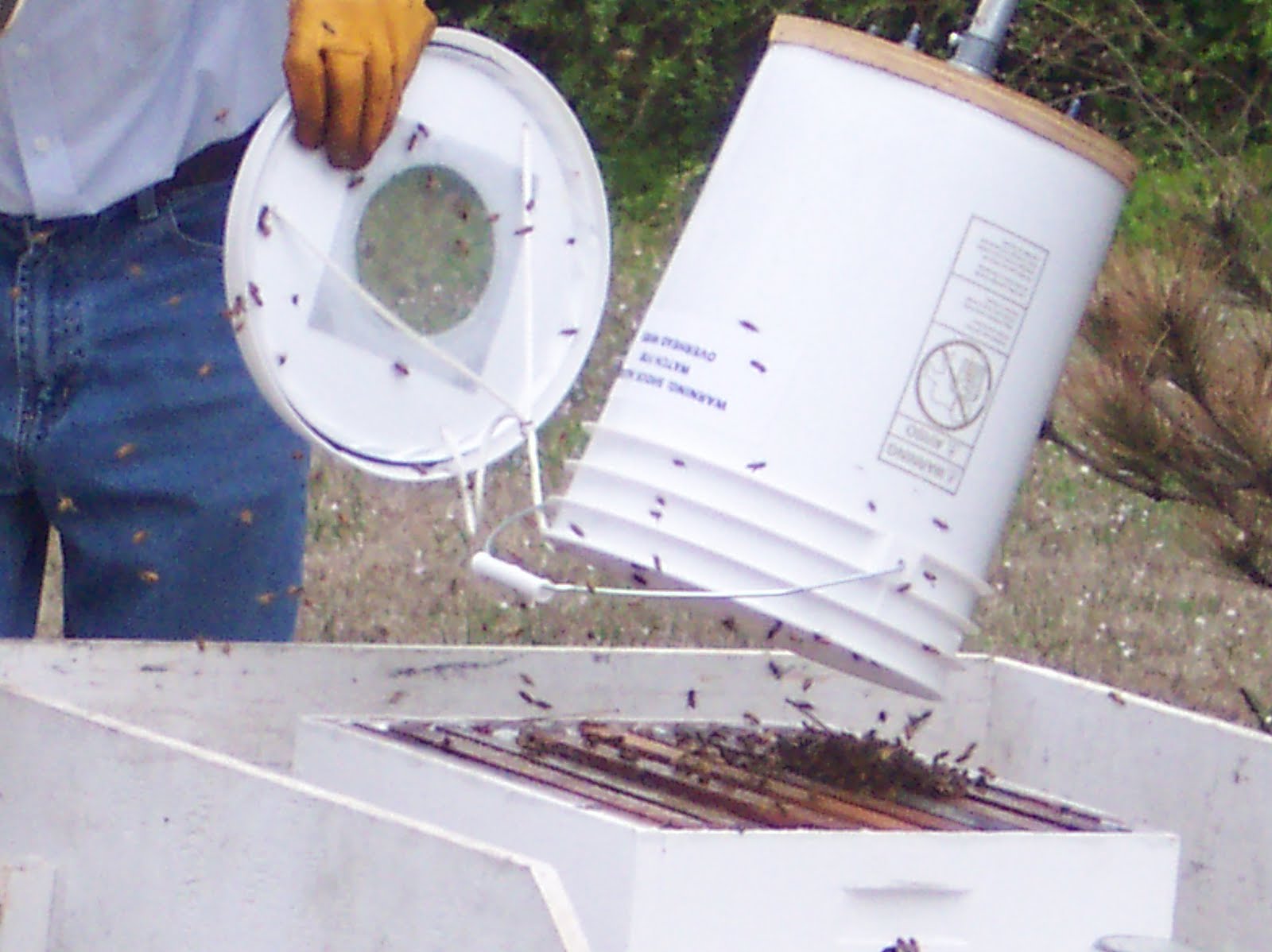
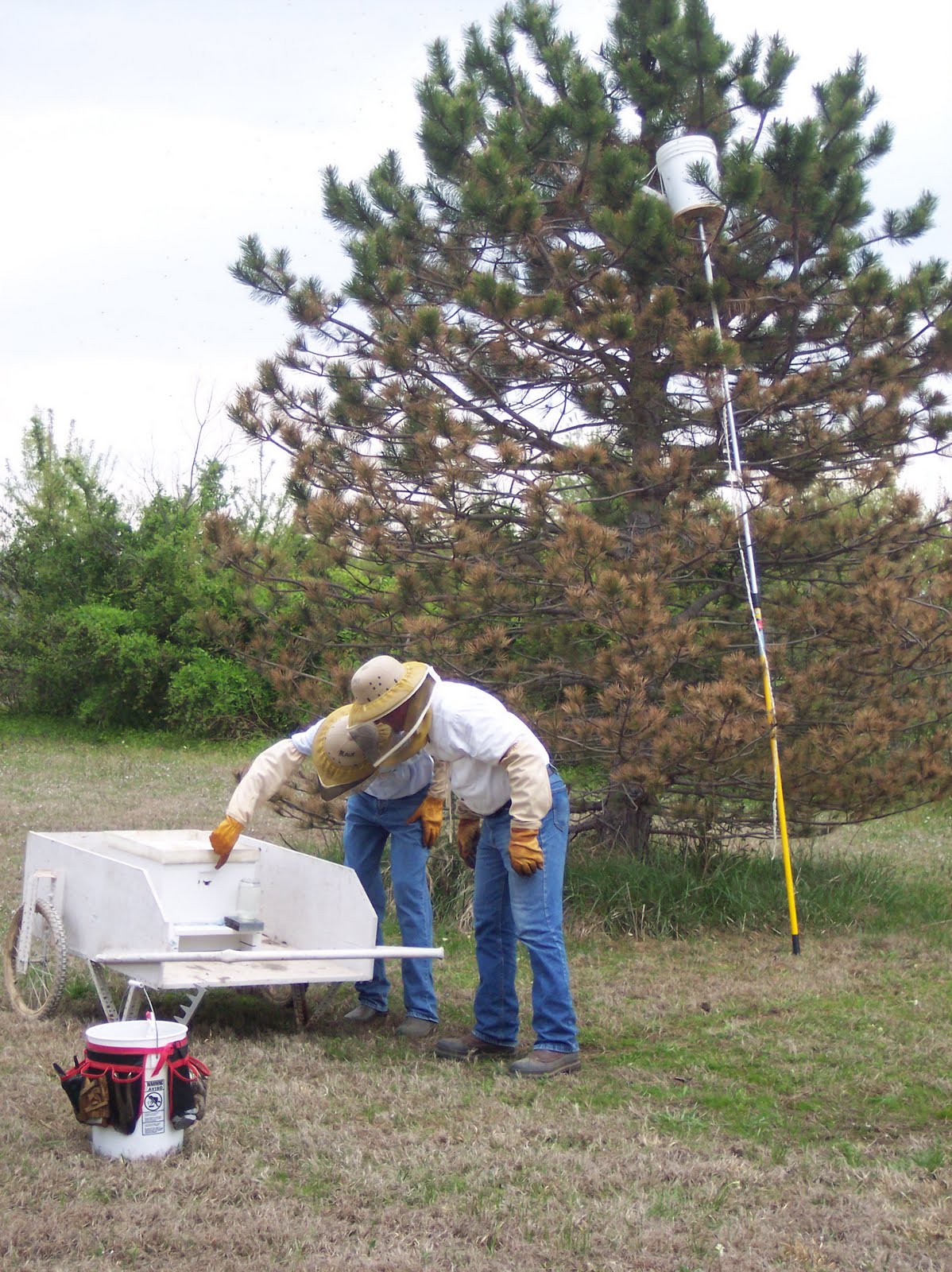
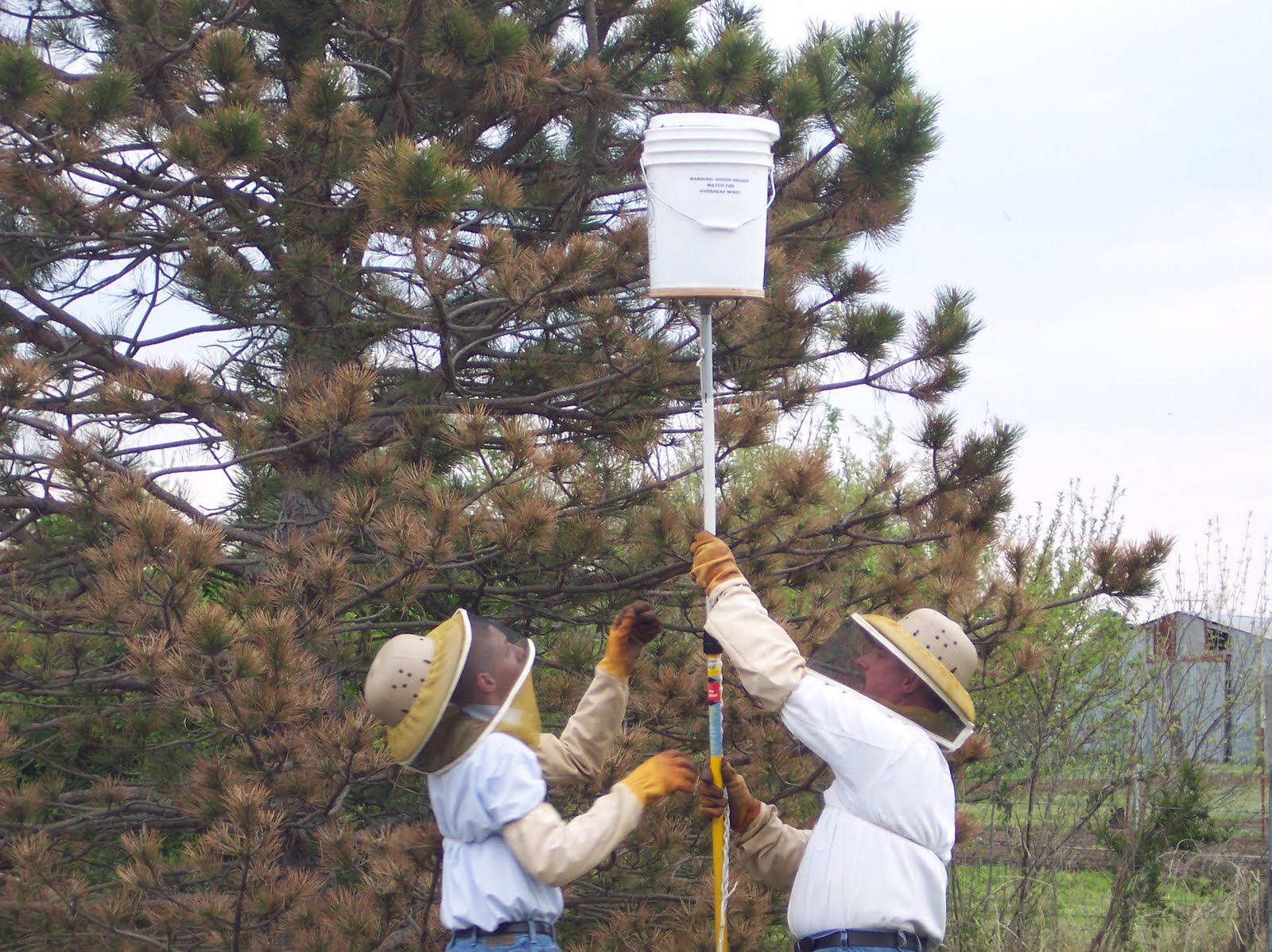
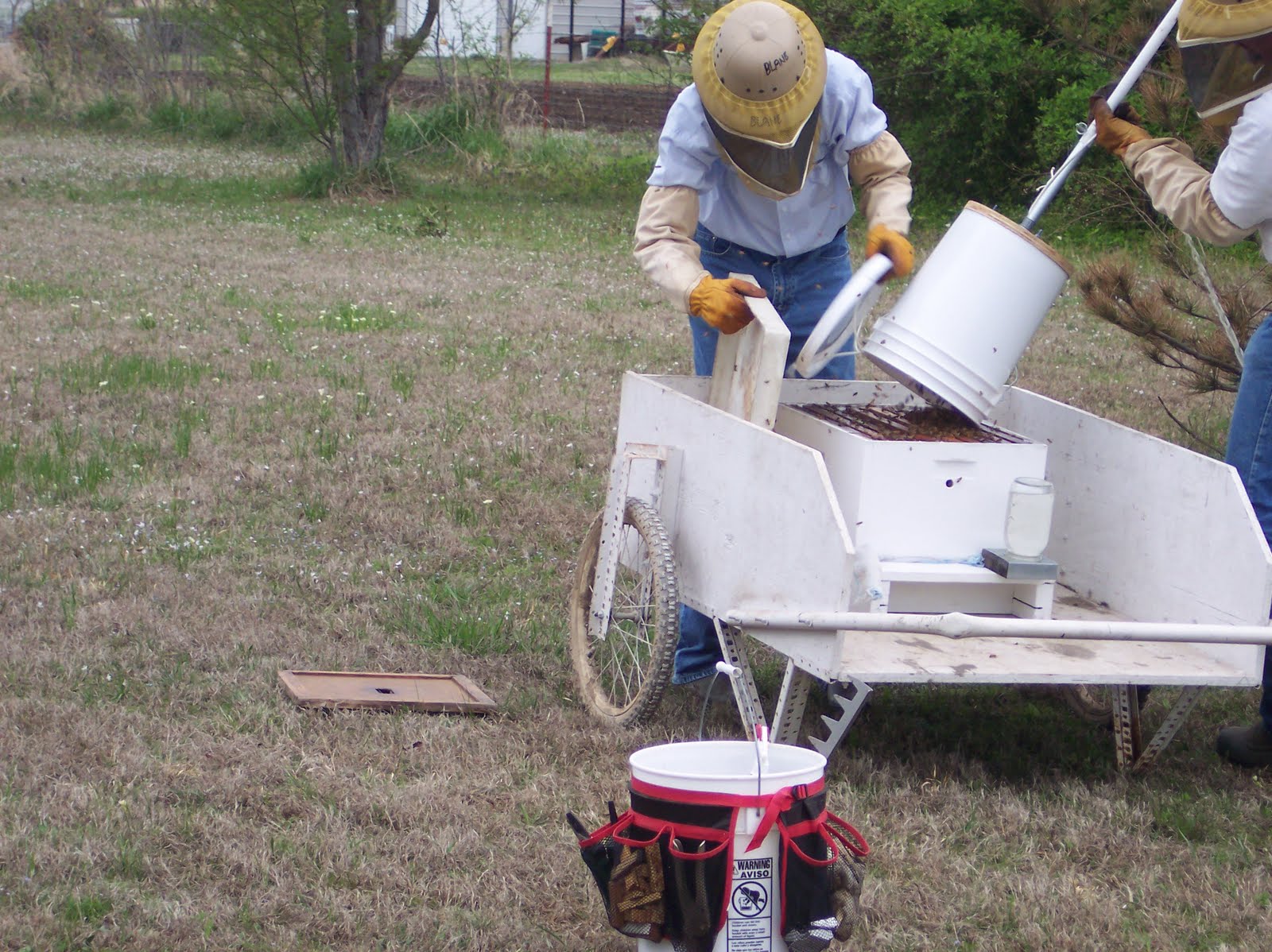
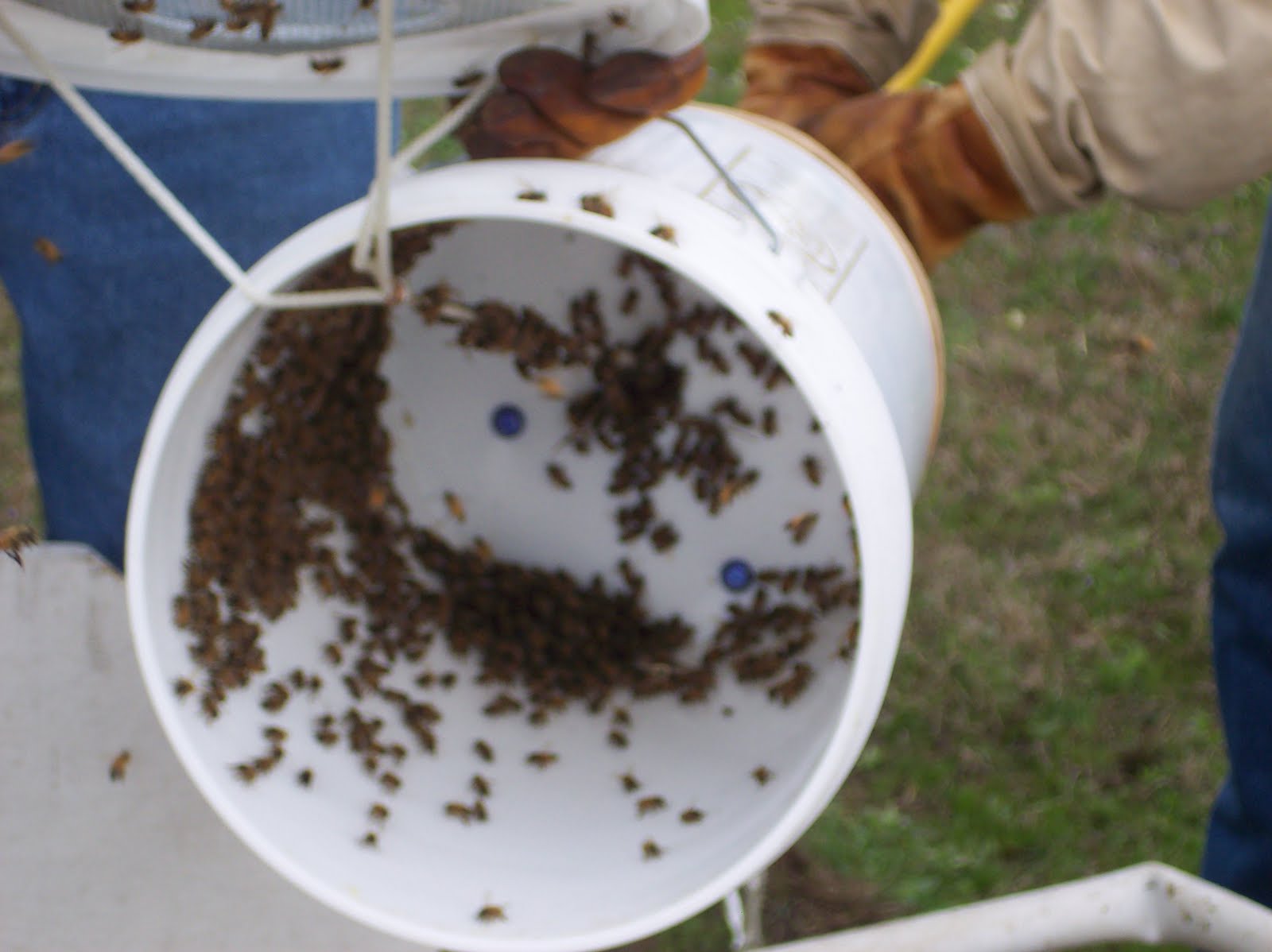
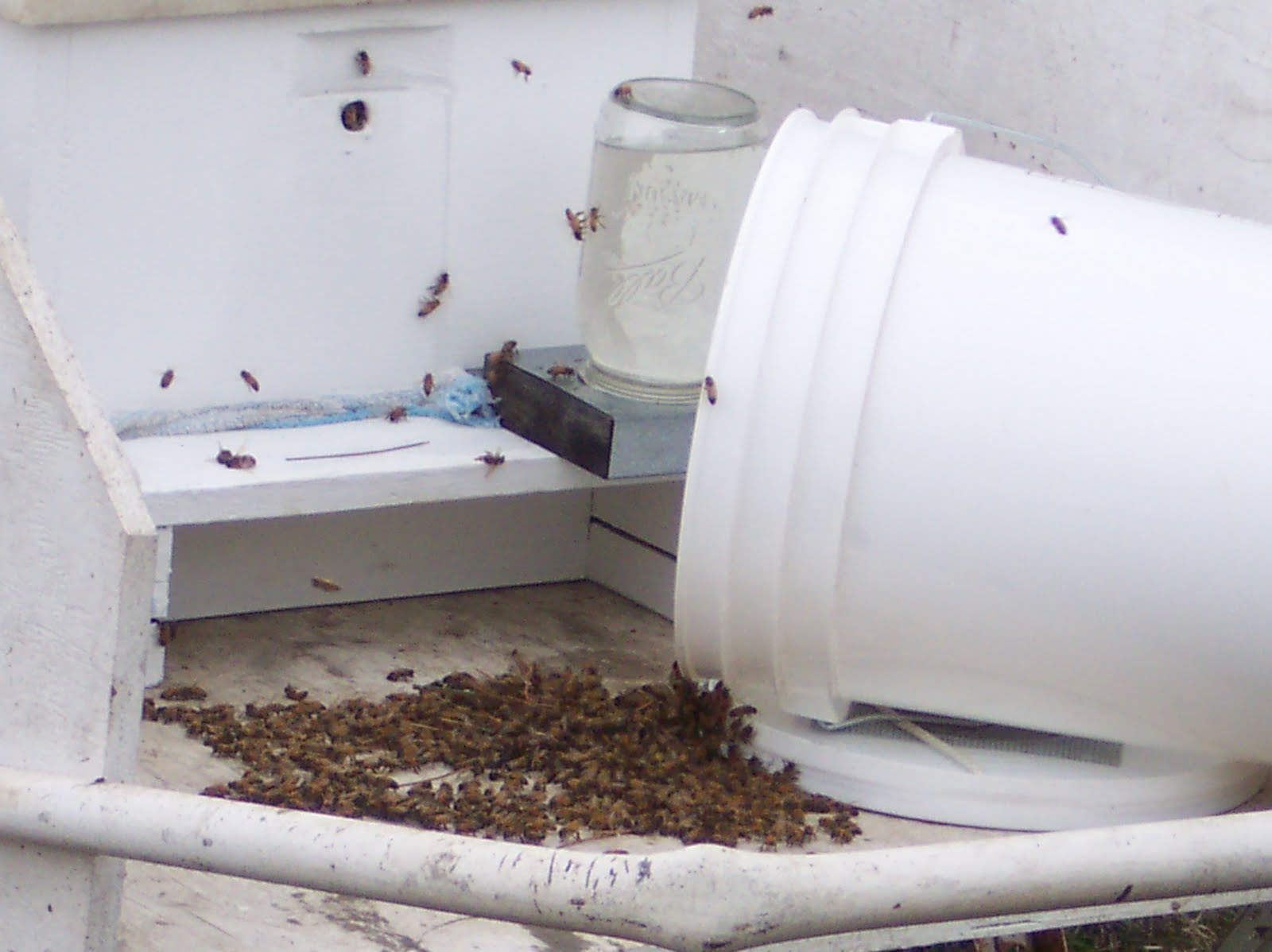
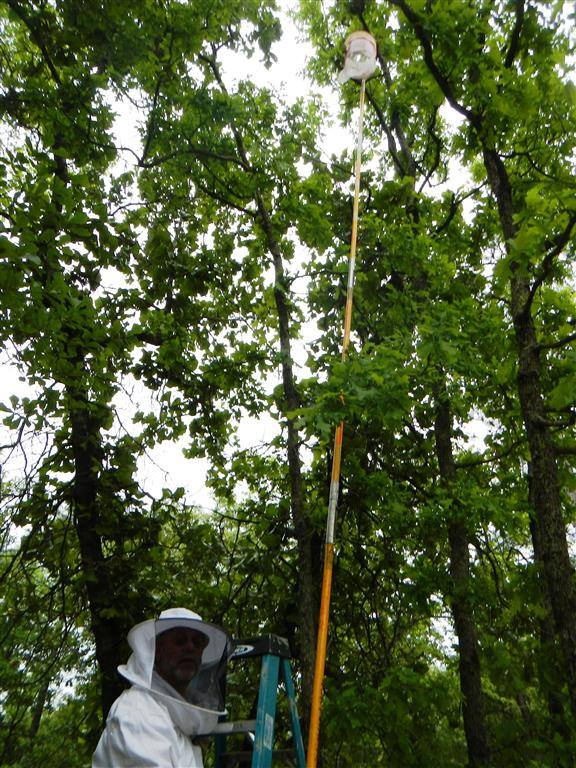
 The (BEE) Bucket Tool Jockey – about $5 at most home hardware stores.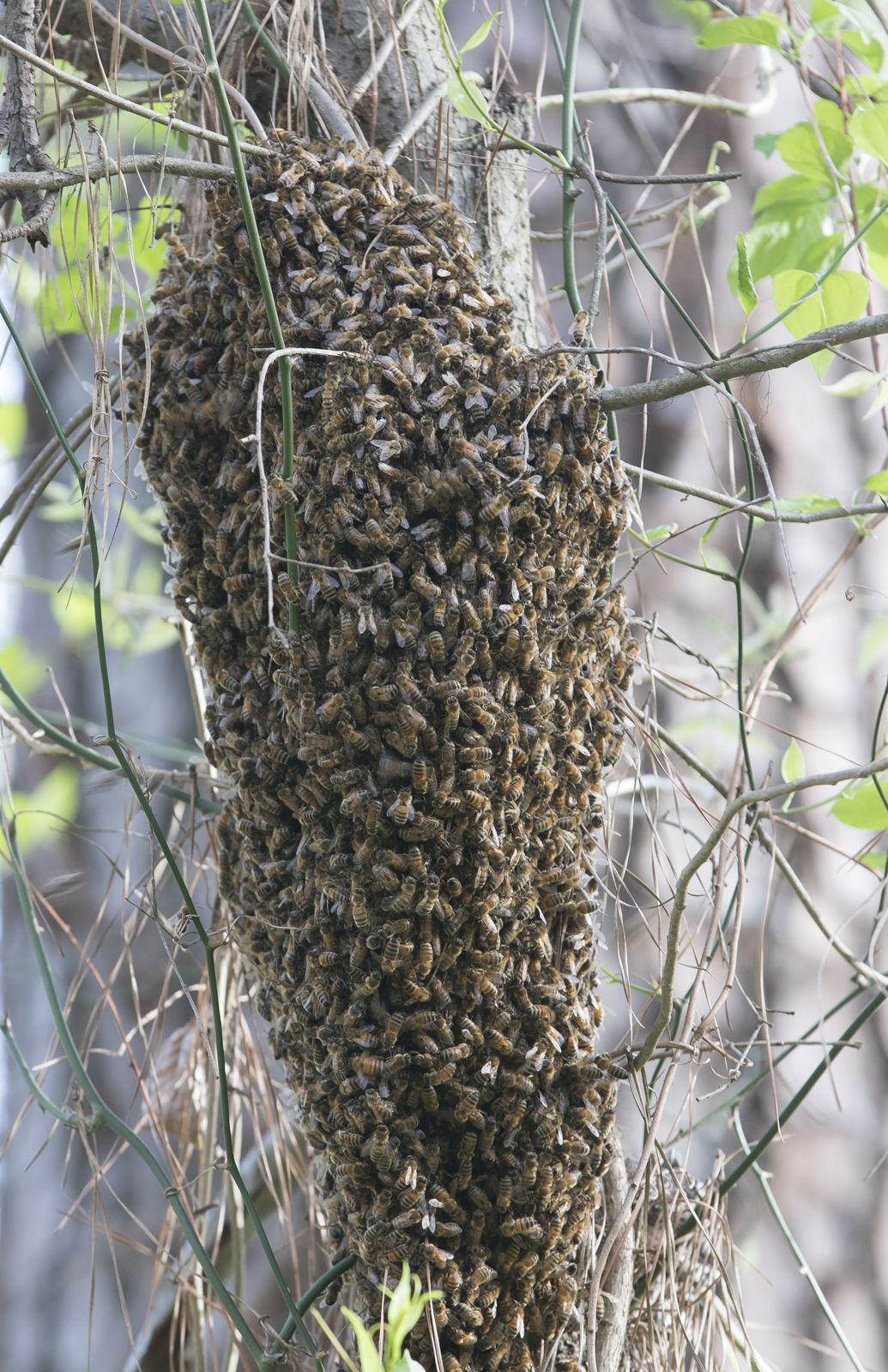


![[X-Info]](https://i0.wp.com/onlinebooks.library.upenn.edu/infouc.gif)
 In 1929, while working in Baton Rouge, Laidlaw was encouraged by his boss to attend Louisiana State University. He completed his master’s degree in entomology in 1934 from Louisiana State University and received his doctorate in genetics and entomology form the University of Wisconsin in 1939. Two years later he was inducted into the U.S. Army, commissioned. and served as the Army entomologist for the First Service Command in Boston. There he met Ruth Collins, whom he married in 1946. They lived in New York City where he worked as a civilian entomologist for the Army. His career with the UC Davis Department of Entomology began in 1947.
 Laidlaw is best known for developing artificial insemination technology for honey bees. His contributions enabled selective breeding of honey bees and pioneered the fundamental study of insect genetics. He authored numerous scientific publications and four books on honey bee genetics and breeding.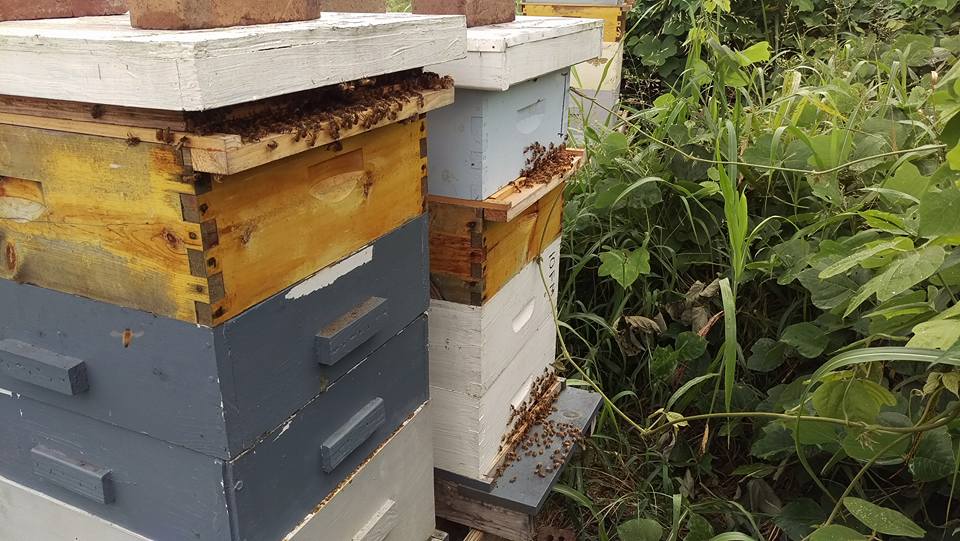


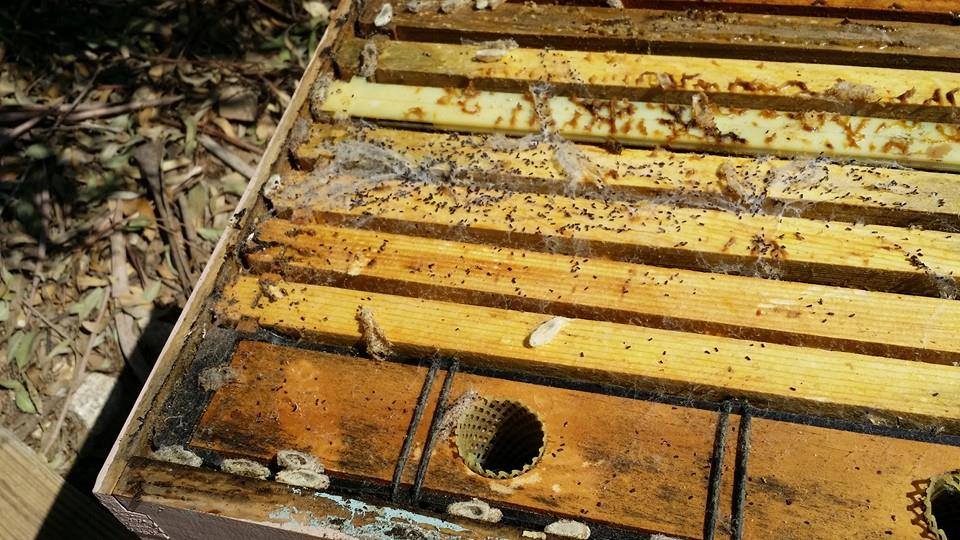
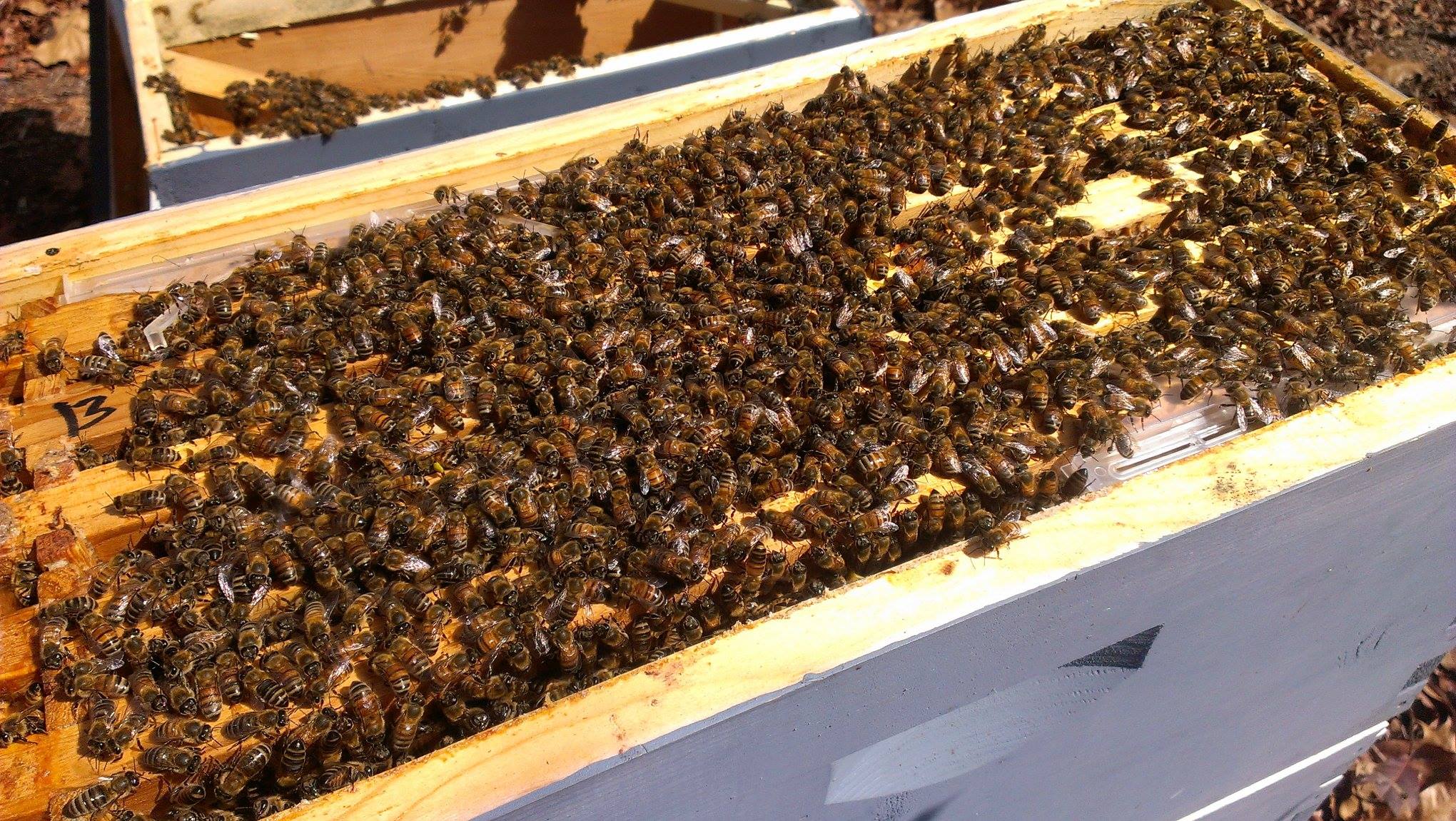
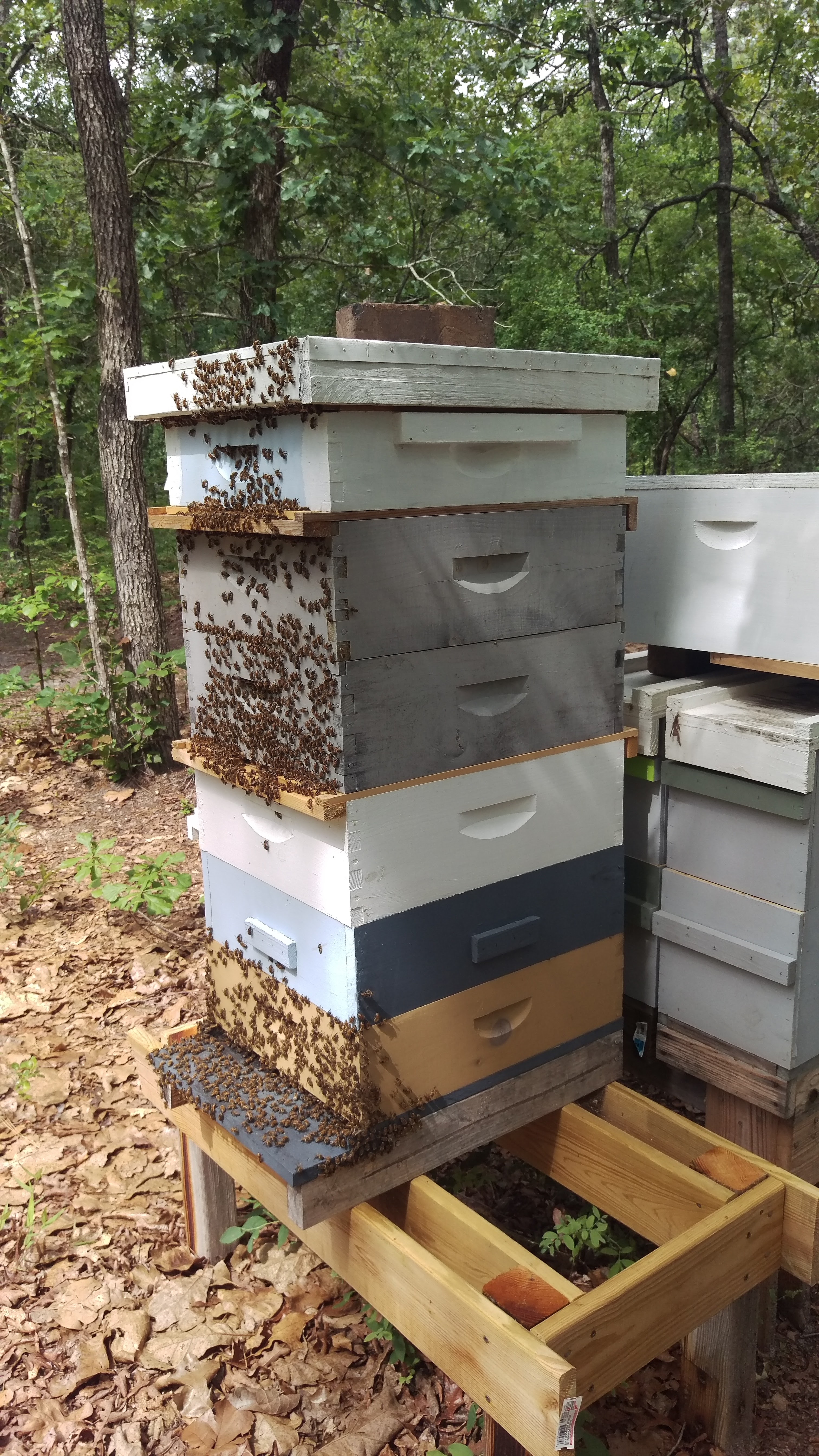
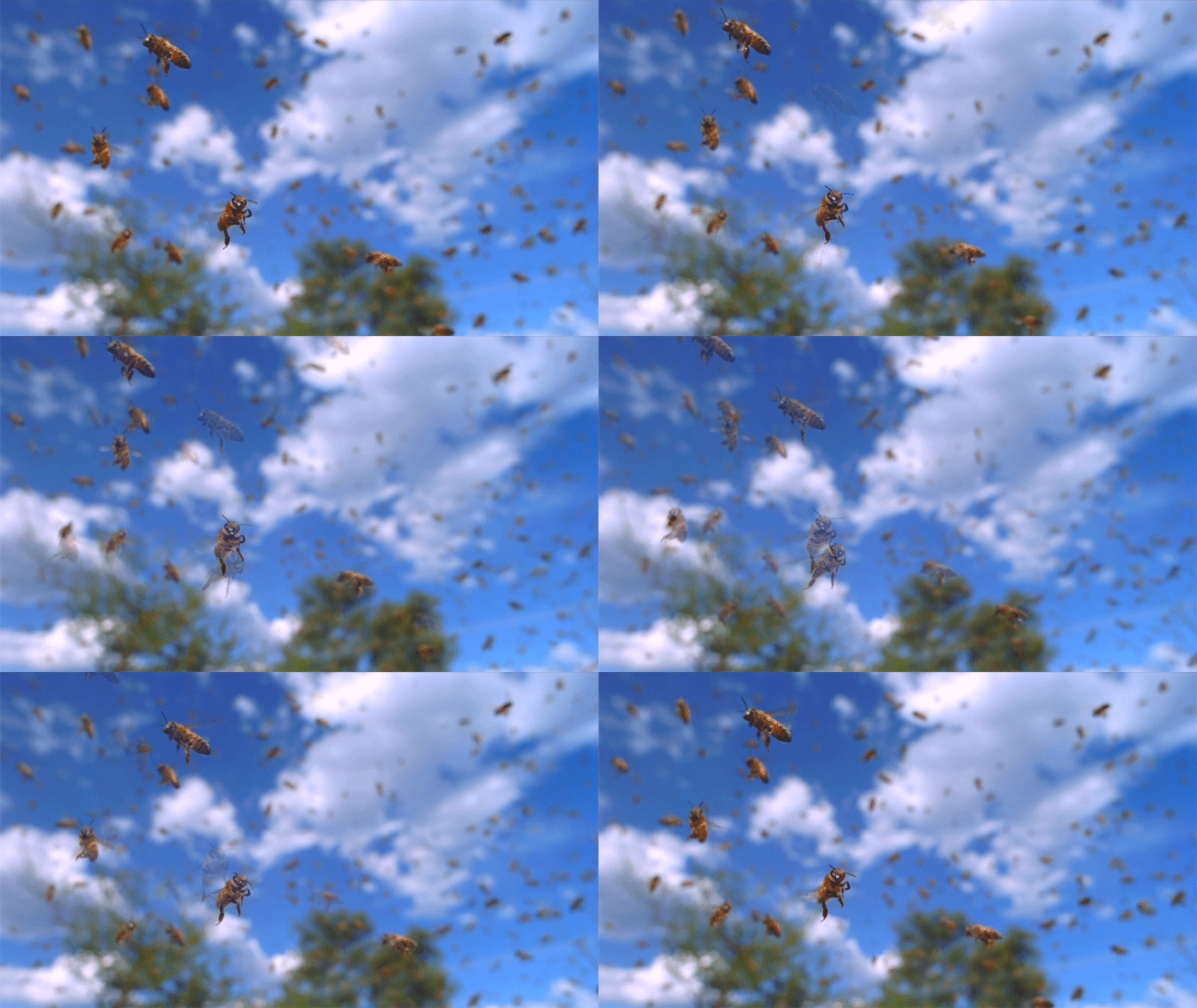
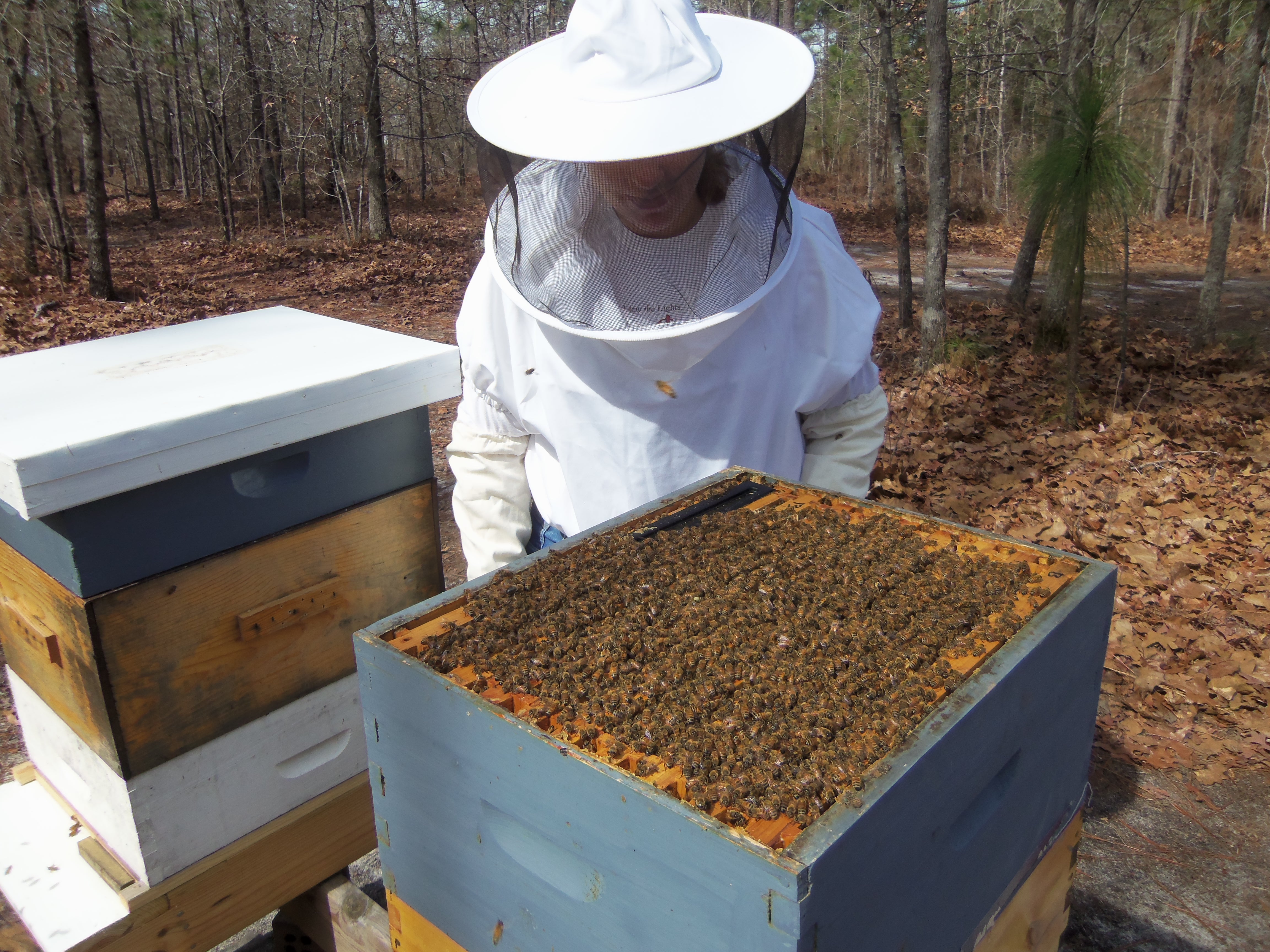
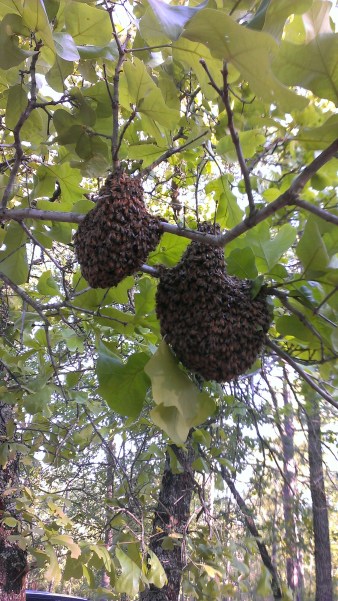
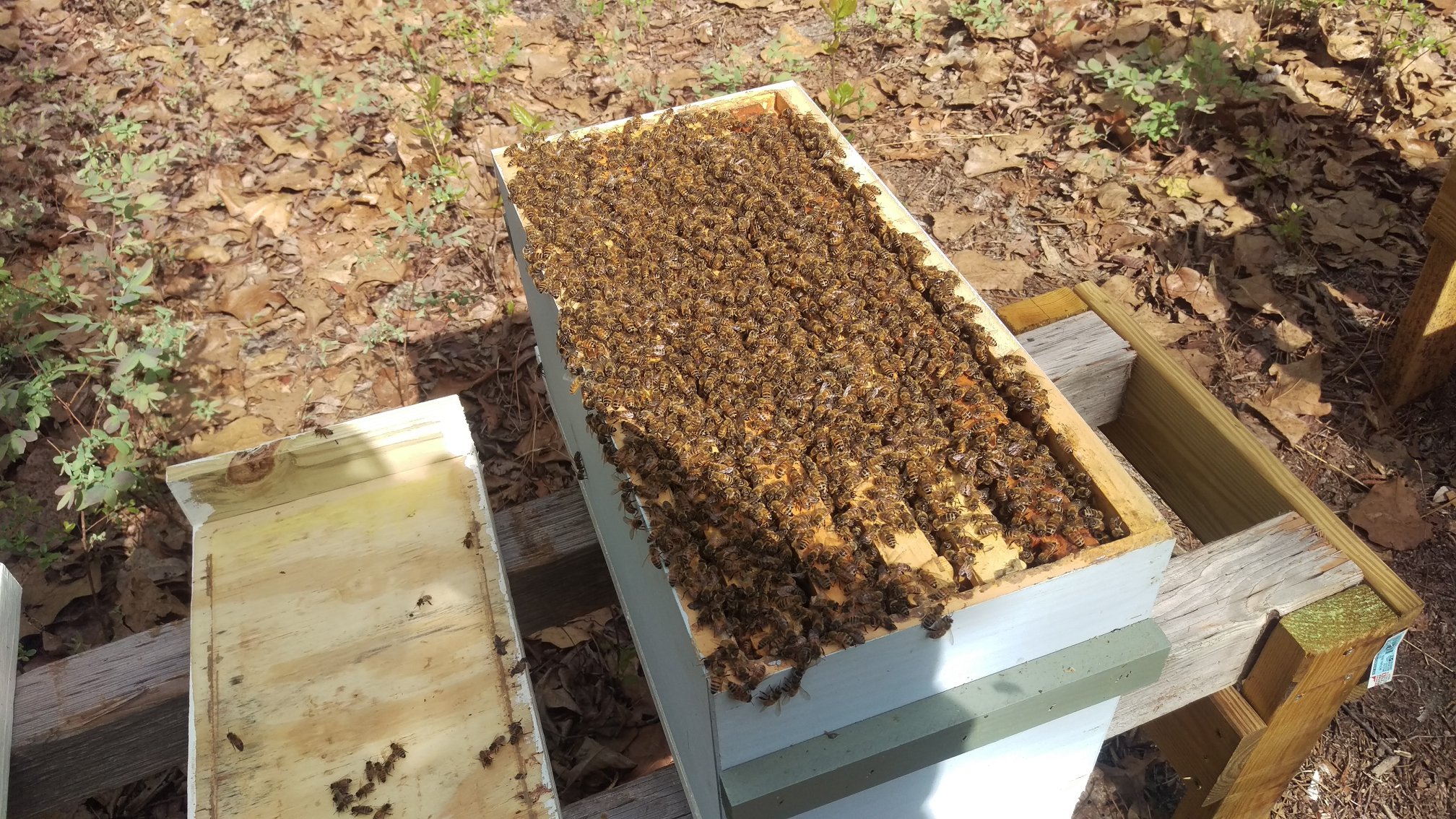
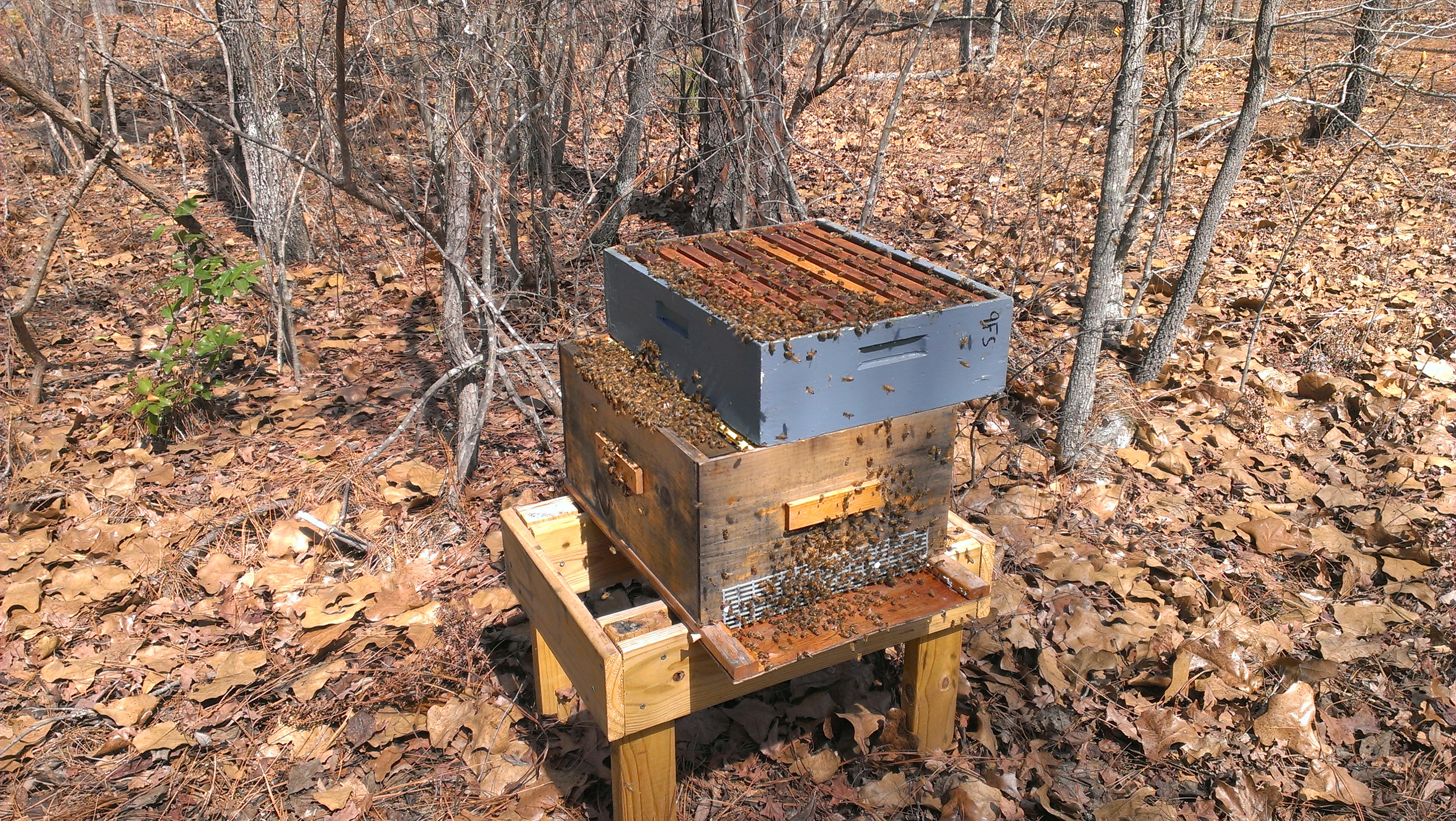
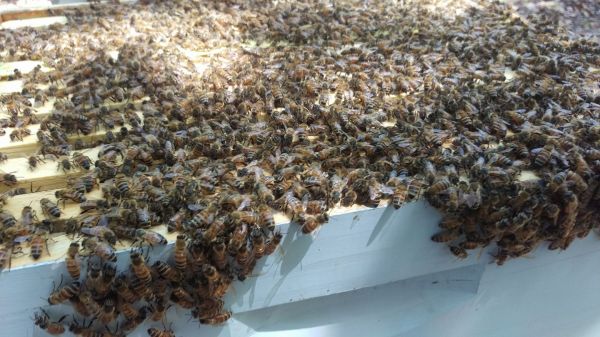 Congestion, which leads to swarm behavior. And a misunderstood occurrence by new beekeepers leading to failed attempts to control swarm behavior.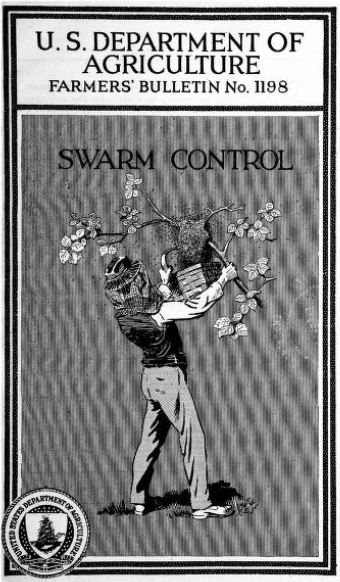


















 Beekeeping365