• Beekeeping Educational Files
  • About
  • Contact
  • Beekeeping365 Blog

Beekeeping365

~ The more I studied beekeeping, the less I knew, until, finally, I knew nothing. But, even though I knew nothing, I still had plenty to unlearn. Charles Martin Simon

Beekeeping365

Tag Archives: nature

SC Midlands Beekeeping Calendar for September

01 Tuesday Sep 2026

Posted by Beekeeping365 in beekeeping, beekeeping calendar, calendar, management, South Carolina

≈ Leave a comment

Tags

beekeeping, beekeeping calendar, bees, honey, honeybees, management, nature
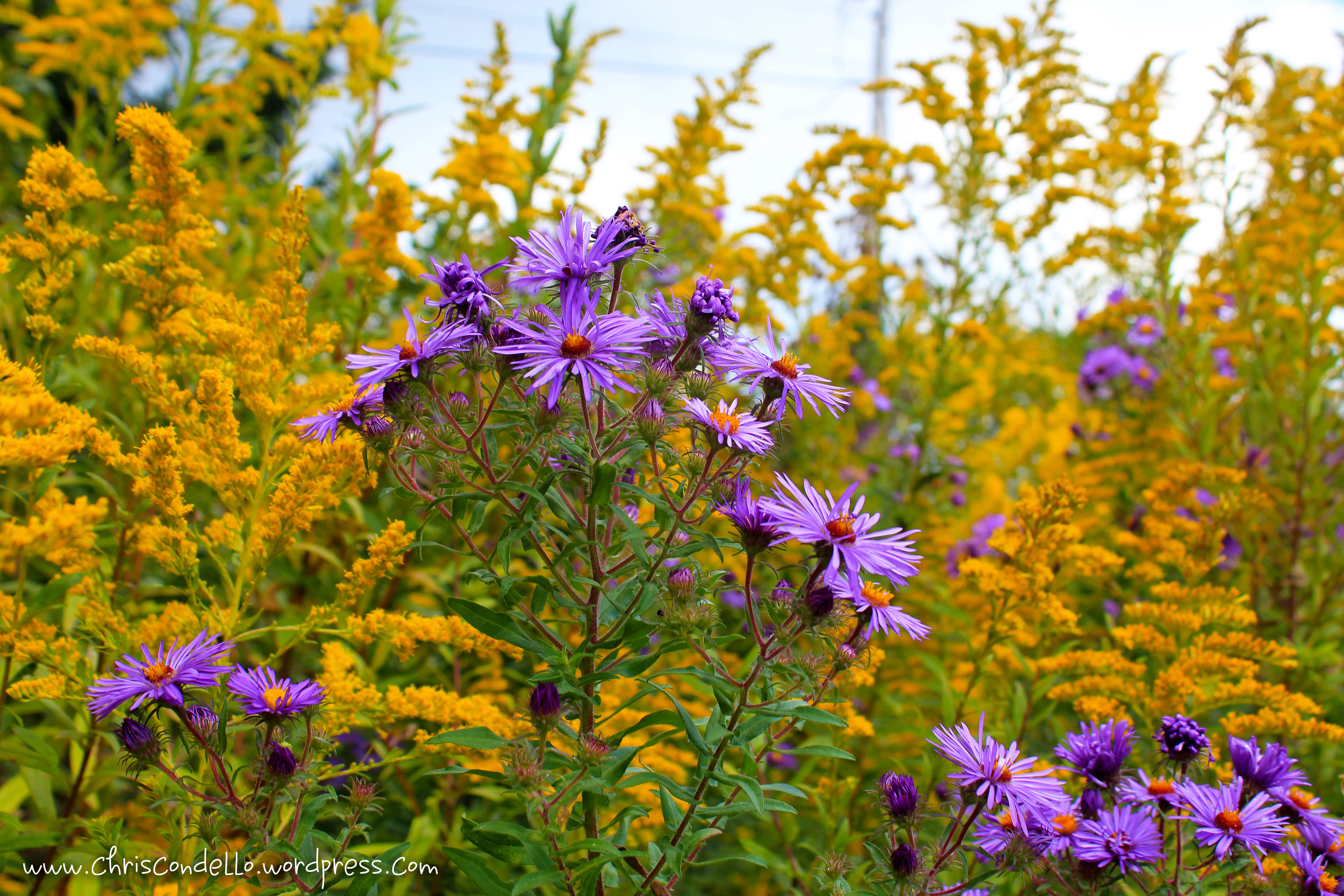
astergoldenrod

Photo credit: https://chriscondello.wordpress.com

As always, All beekeeping is local. Here’s my offering for the beekeeping calendar for the South Carolina Midlands for the month of September: Plan on checks twice this month but do not work unless necessary to prevent triggering robbing.

September weather usually continues to be hot in the Midlands. Don’t expect extended cool weather until mid-October. In the meantime, slightly reduced temperatures may open up some alternative Varroa treatment options.

The main management issue this month is a continuation of last month’s focus on pest management. Pests are growing in numbers while bee populations are typically falling in response to a reduction in available nectar. Varroa, Small Hive Beetles, Yellow Jackets, and other pests can overwhelm a hive leading to decline. A weakened hive then becomes vulnerable to robbing and wax moths. The beekeeper must get ahead of the pests, as responding after a problem is observed may be too late.

1) Continue to monitor and control pests – Varroa, Small Hive Beetles, and Yellow Jackets. If you have not yet treated for Varroa now is the time to assess and act accordingly.

2) This year’s hive beetle population seems to be greater than last year’s. I suspect this is due to last year’s warm winter, increased rainfall this spring and summer, and overall supportive weather. Place traps or Swiffer pads in hives before you notice a problem. Check traps weekly and replenish or replace as needed.

3) Yellow Jacket traps with lure can be placed around the apiary. There are several low cost or no cost do-it-yourself trap plans online. If you see yellow jackets attempting to breach security at the hive entrance observe how your bees handle the situation. A strong hive will eject the intruder in short order. Keep hives strong by adjusting hive internal volume to bee population. Poor Man’s Yellow Jacket trap.

4) Depending on your location, some of these plants may have already bloomed. Rose of Sharon, Magnolia, Crepe myrtle, Sunflower, White Boneset, and Sweet Autumn Clematis. Cotton and Soybean is blooming east of the Midlands. Goldenrod and Asters begin to make their appearance this month. We sometimes get a short fall nectar flow. If we get a fall nectar flow you’ll notice a renewed vigor on the landing board and lots of pollen entering the hive. The smelly sock odor of goldenrod will be noted when you open the hive and sometimes when walking through the apiary.

5) Typically, no local Midlands queens are available in September. If you need a queen you’ll probably have to order one from out of state or buy one from a vendor that has ordered from out of state.

6) It’s crunch time to combine weak hives with strong hives. There is a saying, “Take your losses in the Fall.” Experienced beekeepers combine their weak hives with stronger hives knowing they can split next spring and nothing is lost. (Assess and make sure the weak hive is not weak due to disease before combining.) Better to strengthen a strong hive than allow the weak hive to perish. Use the newspaper method between boxes with slits to allow the bees to become accustomed to each other. Remove the weaker queen prior to combining. Note: Again, assess and make sure the weak hive is not weak due to disease before combining.

7) Use entrance reducers as appropriate. Many colonies have been bringing their populations down over the course of dearth period. Adjust their entrances accordingly. Addition of an upper entrance such as a notched inner cover is advisable prior to entering colder weather to allow for ventilation (cover with screen if robbing pressure is a concern).

8) Increase feeding this month to stimulate the brood rearing of nurse bees which will raise your winter bees. You may use a 1:1 mix during this time but nothing thinner. Coupled with autumn pollen flow this can give a boost to improving the quality of your winter bees. Some beekeepers begin the use of 2:1 this month. The decision is yours based on your assessment of your hives, their stores, and whether you think we’ll get cooler weather sooner rather than later.

9) Begin to tip colonies forward from the rear to assess their weight. Notice the number of frames of honey stores inside so that you can compare what you are feeling with what is actually inside. You will need this assessment skill during winter when you shouldn’t open the hives.

10) If not yet done, make efforts to bring all hives with extra supers down to overwintering configuration. For ten frame hives that usually means one deep and one medium OR three mediums. If you left an extra super on to feed during dearth, now is the time to remove it and any queen excluder used. If you have eight frame hives do the math to accomplish the same internal volume.

11) The occasional late swarm caught this time of year can be housed briefly in a box and fed. They will pull out some nice comb but anticipate combining them after a short while with an established colony.

12) Prepare your honey and wax entries for the South Carolina State Fair. Helpful hints can be found here.

13) Attend your local association’s monthly meeting. Volunteer to educate the public on the importance of honey bees by signing up to work a shift at the upcoming SC State Fair booth.

14) It’s September and time to start preparing for autumn! Enjoy the following resources as you prepare your colonies:
Fall Management by Rusty Burlew at Honey Bee Suite

Autumn Management In The Southeast U.S. by David MacFawn
Feel free to share this on:

  • Share on Facebook (Opens in new window) Facebook
  • Share on X (Opens in new window) X
  • Share on Pinterest (Opens in new window) Pinterest
  • Email a link to a friend (Opens in new window) Email
  • Share on LinkedIn (Opens in new window) LinkedIn
  • Share on Reddit (Opens in new window) Reddit
  • Share on Tumblr (Opens in new window) Tumblr
  • Print (Opens in new window) Print
  • Share on Telegram (Opens in new window) Telegram
  • Share on WhatsApp (Opens in new window) WhatsApp
Like Loading...

Midlands Beekeeping Calendar for August

01 Saturday Aug 2026

Posted by Beekeeping365 in beekeeping, beekeeping calendar

≈ 1 Comment

Tags

beekeeping, beekeeping calendar, bees, honey, honeybees, nature, seasonal management, summer management

August_Calendar

Visit the Honey Bee Health Coalition for Information on Mite Treatments

As always, all beekeeping is local. Here’s my offering for the beekeeping calendar for the South Carolina Midlands for the month of August:

Plan on checks twice this month but be brief when opening hives to prevent the triggering of robbing. This month you should focus on 1) mite control, 2) other pest control such as Small Hive Beetles and yellow jackets, and 3) feeding as needed. Unfortunately, controlling pests is not a great deal of fun.

Monitor and control pests – Varroa, Small Hive Beetles, Yellow Jackets.

It is now critical that the beekeeper begin mite control measures. Unless you have already started mite control treatments, you most likely have a treatable level of mites. If you want to confirm mite levels you may use sugar roll method or alcohol wash and treat this month as needed. Varroa mites are now outbreeding your bees. Fewer drone cells means the mites will start entering more worker cells. Workers spread viruses more readily than drones primarily by trophylaxis and other means. Additionally, while your bees are reducing their populations as a result of a decrease in their food supply, the mites are continuing to multiple exponentially. It is important that you determine the effectiveness of your treatments by measuring varroa levels after treatment. Do not assume that a treatment was effective. Establishing a healthy population of bees now will be reflected in your fall bees and ultimately in your winter bees. Allowing your bees to maintain a high mite load now will result in weak fall bees and sickly winter bees later. Depending on your current mite level your bees may not get to winter if this is left unaddressed. If you are seeing deformed wing virus you already have a serious case of mites, a high virus load, and need to take immediate action.

Dearth continues this month. Even if you left the bees plenty of honey consider feeding a thin 1:1 syrup to provide hydration and calories. Syrup is quick and ready for the bees to utilize, helping them keep the brood fed, cool the hive, and keep the hive at 50% – 60% humidity. Additionally, if the population is dropping or brood is looking poorly fed, i.e. no brood food in larval cells, offering syrup will boost the population. You’ll also notice an increase in colony activity (who doesn’t enjoy a refreshing drink in this heat?). It’s also a good time to start monitoring honey stores by hefting the back of the hive, comparing the felt weight to the stores found inside on inspection. The bees are not bringing in much nectar now (if any) and will consume what is currently stored as we continue through dearth.

August will be your last opportunity to obtain local Midland’s queens. Early contact with your local supplier is suggested. If you need a queen after this month you will probably have to order online from out of state.

1) Treatment options for varroa control are now limited due to the extreme Midlands heat in August. Options for August include oxalic acid vaporization, Hopguard III, Apivar, and other hard chemicals. If using oxalic acid vaporization, a series of treatments is suggested (Rusty  Burlew covers various treatment schedules here as does Randy Oliver here.) Remember to harvest any honey for human consumption prior to treating if indicated.

2) Implement pest control measures to contain Small Hive Beetles and Yellow Jackets.

3) Monitor and reduce entrances to assist the bees with guarding. This can be helpful to avoid robbing from other colonies as well as pests. Spilled syrup or honey can start a robbing frenzy. Be exceptionally careful when working your colonies to not spill syrup or drip honey when working colonies.

4) Re-queen as necessary – a weak or failing queen will not improve over the fall. The stressors of winter will need a healthy colony – now is the time to strengthen weak colonies if you suspect a failing queen.

5) Unite weak (but otherwise healthy) colonies with stronger colonies if no disease is present.  If a colony is weak and not showing promise of strengthening, rather than allowing it to dwindle and fail, combine it with a strong colony. Consider that combining two weak colonies does not improve either and results in a colony that continues to weaken.

6) A small upper entrance may be beneficial with venting excess heat. Depending on your colony strength, staple a screen to prevent unwanted visitors yet allow ventilation. Or another idea is to use popsicle sticks, or pennies, between the inner and telescoping covers to allow heat to escape.

7) Remove colonies from mountains and extract Sourwood honey.

8) Cotton bloom has typically already started but you still have time to place colonies on upcoming soybeans.

9) If not already accomplished, continue to reduce hive size (internal volume). If you have not been feeding syrup, and still have honey on any remaining colonies you may harvest for human consumption. If you have been feeding, some beekeepers place excess frames of stores in the freezer for feeding, if needed, during winter. Always leave at least one hive body, often referred to as the feed chamber, of honey for bees.

10) Monitor pollen supply coming into hive. We occasionally see a late summer pollen dearth that lasts a couple weeks depending on weather. Some locations produce more pollen than others. Bees must have pollen just as they must have nectar or syrup in order to create brood food and to maintain a healthy immune system. Monitor pollen stores by observing the presence of pollen on brood frames especially the frames on the edges of the brood nest. If your colony needs supplemental pollen consider feeding dry pollen or substitute in open pollen feeders. Do not use pollen patties inside the hive as they create Small Hive Beetle problems here in the Midlands. More information here: Pros and Cons of Feeding Dry Pollen Substitute.

11) Starting the last week of August begin to increase your syrup feeding using a 1:1 mix and provide enough to stimulate brood production. Do not use essential oils this time of year as it may incite robbing. Monitor honey stores as well. The goal is to start raising the nurses that will raise the nurses that will ultimately raise your winter bees. It is important that you begin to raise well fed, healthy bees free of mite loads, and viruses in late summer. Do not let sick or compromised bees do the job of raising your fall nurse bees or winter bees.

12) It’s also time to start monitoring stores to ensure you will reach the goal of one full super (the feed chamber hive body directly above your brood nest) for winter.

13) Keep water available at all times for your bees. If you don’t provide water they will gather water elsewhere such as your neighbor’s swimming pool. Also, a thirsty bee is an irritable bee.

14) The South Carolina State Fair will be hosting competitive events this year. Registration is now open. You can register online in the Agriculture Section HERE. Registration is free until September 1st. Start preparing your entries!

15) Attend your local monthly meeting. Volunteer to educate the public on the importance of honey bees.

The above are general guidelines for the average bee colony in the Midlands of South Carolina. We all have hives that may be outperforming the average. We also have colonies that underperform the average. Use your judgement in making changes suggested here. Beekeeping is an art as well as a science. Only you know the many, many particulars associated with your physical hives as well as the general health and population of your colonies.

Feel free to share this on:

  • Share on Facebook (Opens in new window) Facebook
  • Share on X (Opens in new window) X
  • Share on Pinterest (Opens in new window) Pinterest
  • Email a link to a friend (Opens in new window) Email
  • Share on LinkedIn (Opens in new window) LinkedIn
  • Share on Reddit (Opens in new window) Reddit
  • Share on Tumblr (Opens in new window) Tumblr
  • Print (Opens in new window) Print
  • Share on Telegram (Opens in new window) Telegram
  • Share on WhatsApp (Opens in new window) WhatsApp
Like Loading...

Midlands Beekeeping Calendar for June

01 Monday Jun 2026

Posted by Beekeeping365 in beekeeping, management, opinion, seasons, South Carolina

≈ Leave a comment

Tags

beekeeping, beekeeping calendar, bees, honeybees, management, nature, opinion, pollinators, seasons

Above: This year the summer solstice in the South Carolina Midlands takes place Sunday, June 21st. For beekeepers and the bees, the summer solstice marks the end of the period of plenty (increase) and the beginning of the journey to the winter equinox. The next six months will be a period of reduction and preparation for winter.
 

All beekeeping is local. These chores are for the Midlands of South Carolina.

During early June the nectar flow ends with only a few location exceptions. Robbing becomes a concern as nectar becomes scarce. You will notice the bees washboarding on the front of the hive and around entrances. It’s as though they don’t have anything to do other than wait at the entrance rocking back and forth. Populations are very large now and consume a great deal of food. Good weather and long days are ideal for foraging – if only there was nectar available. The early rising beekeeper may note that the bees fly with more enthusiasm during the morning hours. But as the heat increases and the nectar dries up fewer bees forage as the day progresses.

Last month we stated that during the nectar flow the bees often ignore sugar syrup. This month their interest in sugar syrup will return. Be careful with sugar syrup and when harvesting honey, as any spill may incite a robbing frenzy in the bee yard. Hive inspections should be brief and frames should not be scattered around which may incite robbing. If you have not reached the hive volume necessary to overwinter, continue to feed using a feeding method which does not provoke robbers. Continued heavy feeding will encourage them to build comb. After they have completed their hive bodies, then it is your decision whether to continue to stimulate comb building and population.  Unrestricted feeding will also result in large amounts of brood rearing.

This month will start the beginning of honey bee pest management. Your colonies will need your assistance with small hive beetle (SHB), and Varroa mite control.

June:

Elderberry, Mimosa, Sparkleberry, Clover. Magnolia.

Plan on checks twice this month.

Dearth begins in earnest this month. Newer beekeepers may start feeding when dearth begins with a plan to “keep alive” until August then start pre-fall stimulation to produce the nurse bees that will raise your winter bees. Of course, established beekeepers may decide to leave just enough honey on the hive so they do not have to feed. If this is your choice, do not leave excessive honey or space that the bees cannot adequately defend during this period of population reduction.

Benefits of feeding: Feeding will sustain and grow a package or nucleus hive installed late in the year. Feeding will grow populations of weak or under-populated colonies. Feeding will encourage comb building if large amounts are fed rapidly. Feeding will encourage storing of carbohydrate. Feeding will add humidity if needed.

Drawbacks of feeding: Feeding will stimulate population growth during a period when no nectar is available – thus the new bees will not make honey for their colony or the beekeeper. Feeding can excessively increase humidity. Excessive feeding can create conditions that stimulate swarm production. Done poorly, feeding can increase the likelihood of robbing – avoid adding attractants like HBH and avoid using Boardman feeders.

Benefits of not feeding: Colonies will respond to the decrease in food availability by decreasing brood production. That’s a good thing since nature’s food supply has dwindled while your colony is still at maximum population. Cost savings; pocket that money that would be spent on sugar and travel. Time savings: Use the time you would spend feeding to treat for mites, extract honey, and sell your honey at the local fair or farmer’s market.

Drawbacks of not feeding: Some colonies are spendthrifts and will continue to raise brood, eating all of the super you may have left them for dearth. So, frequent checks (hefting) is necessary to keep check on them. However, I’ve found that most colonies cope with the food restriction by tightening the food budget and slimming down their population.

Mites and feeding: Feeding increases brood which, in turn, facilitates mite production. As your bee population increases, if not actively managed so will the number of mites. This is a problem in the short term and becomes a major issue when the bees respond to upcoming seasonal changes, reducing their population in late summer/early fall resulting in a sudden, unviable increase in the mite to bee ratio.

If not done yet, June is the time to pull supers and process spring honey ASAP after the nectar flow ends – but no later than by the end of the month. If some honey is left on the hive for feed over dearth you may be surprised to find they have eaten it all by late summer – maintaining large colonies and turning honey and pollen into bees.

Place harvested, wet supers back on hives for clean-up then remove for storage.

Assessing bee population to hive size: A properly sized hive to bee population allows the bees to handle many pests. I believe a properly sized hive pushes a dozen or more bees out on the landing board to guard the entrance. If you don’t see guards you may have too much inner hive space. Remove any supers not needed and store with appropriate protection.

Employ entrance reducers to discourage robbing. Remove Imirie shims.

Strong hives handle wax moths, hive beetles, and robbing. Keep hives strong by equalizing space with population (see above).

Any hive that is overachieving should be split and allowed to rear own queen now. Create a resource hive or sell a nuc.

Now is a great time to requeen. If a colony did not make a large crop of honey, requeen. If a colony has a poor brood pattern, requeen. Learn how to requeen with virgin queens. Even better, learn how to requeen with queen cells.

Check for Varroa early this month, soon after honey supers are removed. If mite assessment levels indicate treatment is needed, (they typically are in my bee yards) treat using your method of choice. You will have more treatment choices if the weather remains cool. For more information: Varroa Management at NC State and more detail at Honey Bee Health Coalition.

Small hive beetle (SHB) populations start to climb during summer. When opening your hives always check under the inner cover first to assess and then kill as many as possible with your hive tool. Use oil traps, microfiber sheets, Guardstar, or other management tools to keep SHB under control. For more information: Small Hive beetle Management at Clemson.

Train your bees early to use the water sources you provide. If not, they may imprint on your neighbor’s pool or water feature. Keep water sources for bees filled. You’ll notice they need more water than during the spring since they no longer have the moisture provided by nectar. They also need to gather more water now for hive cooling and to dilute honey for consumption. More information here.

Keep yourself well hydrated. High temperatures are not uncommon in the Midlands during June. Hydrate before working, during, and afterwards. Move your inspections to earlier in the day rather than at midday. Observe when the bees are flying and use this as your indicator of an appropriate time to enter the hive.

1) Harvest honey crop.
2) Replace wet supers on hives for the bees to clean up.

3) Create water sources for your bees. The more the better.
4) Assess and treat for Varroa.
5) Make summer splits if hive population is large.
6) Begin feeding program if needed.

7) Consider moving bees to sourwood or cotton to capture late summer flows.
8) Attend monthly local club meeting.
9) Volunteer at association meeting, event, or festival; consider becoming a club leader, mentor, or become a bee buddy.
10) This year’s South Carolina Beekeepers Association’s Summer meeting is in Greenville! Attend at least one state or regional beekeeping conference.

The above are general guidelines for the average bee colony in the Midlands of South Carolina. We all have hives that may be outperforming the average. We also have colonies that underperform the average. Use your judgement in making changes suggested here. Beekeeping is an art as well as a science. Only you know the many, many particulars associated with your physical hives as well as the general health and population of your colonies.


Feel free to share this on:

  • Share on Facebook (Opens in new window) Facebook
  • Share on X (Opens in new window) X
  • Share on Pinterest (Opens in new window) Pinterest
  • Email a link to a friend (Opens in new window) Email
  • Share on LinkedIn (Opens in new window) LinkedIn
  • Share on Reddit (Opens in new window) Reddit
  • Share on Tumblr (Opens in new window) Tumblr
  • Print (Opens in new window) Print
  • Share on Telegram (Opens in new window) Telegram
  • Share on WhatsApp (Opens in new window) WhatsApp
Like Loading...

Midlands Beekeeping Calendar for February

01 Sunday Feb 2026

Posted by Beekeeping365 in beekeeping, beekeeping calendar, calendar, chores, management

≈ 4 Comments

Tags

beekeeping, beekeeping calendar, bees, chores, honey, honeybees, management, nature

imag2669

These chores are for the Midlands of South Carolina or a similar climate where the bees are flying at least a few hours most days of the year. February begins a gradual warming in the Midlands but can often be all over the map with freezing temperatures as well as the occasional warm, even spring like, day.

Red Maple blooms in earnest at the beginning of this month and other early bloomers soon join in – look for them along the roadways. The queen goes full tilt with her egg laying and the colony makes plans for reproduction. A lot is happening but mostly it’s a covert operation within the hives for the bees during February. While we humans believe it’s winter, the bees have decided to go forward with spring plans and are building up their population in anticipation of colony reproduction (read what Randy Oliver has to say about Understanding Colony Buildup). For the beekeeper it’s crunch time to prepare themselves and equipment for the coming rush of spring. Bees can and sometimes begin swarming the later part of February in South Carolina.

1) During inspections this month we are looking to ensure the bees have enough food stores to support their current brood buildup. During February the bees will be intent on raising lots of brood regardless of their pantry stores. This population increase will require food for the nurse bees, larvae, and additional heat to be generated from the workers. For that reason, the use of colony food stores is dramatically increased. We are entering a risky time for colony starvation. Remember, the colony will keep everyone fed up until the last drop of honey is used then they will perish together, typically head down in the cells, if food is not available.

2) We get occasional warm, spring like, days in February.  You may do a pre-spring inspection, checking for the presence of a queen and assessing the colony and stores. In fact, it is strongly recommended you assess the colony on a nice day, warm enough that the bees are out flying. Explore into the hive as far down as the brood nest if the weather is warm and the bees are flying. Note strength, they should be gaining in population. Be purposeful and brief. Check honey supply and feed with a candy board, sugar bricks, fondant, or thick sugar syrup fed from above if below one-half super. Whatever you choose, the food must be placed close to the cluster or on top for them to access the food during cold weather. If you saved frames of honey you may add these (after thawing), placing them close to or above the cluster. When removing a top telescoping cover with the  inner cover exposed, if the bees are visible in the hole in the inner cover you likely need to feed. Typically once feeding is started it continues until the nectar flow begins to prevent starvation of the growing colony.

3) Depending on the Midlands climate, be ready for an early buildup. Some colonies, especially those that were fed through the winter, may be making swarm preparations. As brood rearing continues and populations increase, make note of increased population and congestion in the brood area. Swap (rotate) brood boxes based on your assessment of buildup. Rotating boxes provides the queen with empty drawn comb to lay in as well as disrupts the colony with regards to swarm preparations. Only rotate brood boxes when all of the nest is in the upper brood box (food chamber).  You do not want to split the cluster.  Rotating brood boxes is a swarm prevention measure, not simply to get the queen into the lower brood box.

4) When rotating boxes notice that the bees will often have built drone comb in the space between boxes (bottom bar to top bar). You will break this comb as you separate the boxes – don’t panic. Before scraping the top bars clean, visually assess for the presence of Varroa mites on the drone pupae. Also note whether the drone pupae are at the purple eyed stage which indicates queen rearing may start soon if swarm prevention efforts are not implemented.

5) Low stress swarm prevention measures that do not disrupt the brood nest, such as hive body rotation, adding drawn comb above, and nectar management can typically be safely done during early February. Later in the month, weather permitting (moderate temps), and depending on colony buildup and strength, you may want to perform more invasive swarm prevention methods such as the opening up the brood chamber with drawn comb or even empty frames if congested. (Next month we will talk about swarm control i.e. when they have ignored all your hard work and decided to swarm.)

6) If your goal is to build up for honey production, or to make increase (i.e. splits) you may want to begin to stimulate the colony with feed. This will stimulate a population growth that will accelerate rapidly. Eggs laid on Valentine’s Day, will reach foraging age by April 1st which often marks the beginning of the nectar flow in the Midlands. Be cautious, stimulating population growth will also stimulate swarm preparations. Your goal is to have lots of bees for nectar collection, but the bees have a different idea. Swarm prevention and control techniques should be constantly on your management agenda. Also, once you start feeding it is important that you continue until the nectar flow begins unless you are assured they have enough to feed larvae and heat the colony until forage is available.

7) Assess for Varroa levels early February and give a spring clean-up treatment if indicated. Your goal is very low levels now because it will be June before the nectar flow ends and supers are removed. Remember, once supers are in place your options for varroa treatment are greatly reduced. When choosing your treatment method make note of how soon it needs to be out of the hive prior to placing honey supers. Remove any medications in the hive if already in place before the nectar flow begins.

8) If not yet done, continue to assemble honey supers, frames, etc. Get them ready now because you will be busy once the season begins.

9) Notice Red Maple  starting along the roadways in the Midlands. Also Dandelions, Japanese Apricot, and Camellias.

10) Notice bees bringing in yellow pollen.

11) Place and bait swarm traps (bait hives) by mid month.

12) If you are going to chase swarms this year, prepare a well-ventilated traveling nucleus hive or a portable hive for transport. Sign up for swarm notifications with your local club, and pest control companies. In the Midlands, contact David Gobbel from the MSBA webpage if you want to be placed on the MSBA swarm call list.

13) Build and prepare woodenware and frames for upcoming spring splits.

14) If you stored your drawn comb using paradichlorobenzene for wax moth control, start the airing out process.

15) Order nucleus hives for delivery this spring or as early as possible for your area.

16) Renew your association membership.  Attend local meetings.

17) While you still have time, read a couple articles on swarm control here. Many more are available: Google search “Swarm Prevention and Control.”

18) Email your Association’s Secretary asking what you can do to help, or volunteer to lend a hand in your organization. Many hands make light work. If you’d like to see your organization grow as well as offer and maintain your current level of member services your help is needed.

The above are general guidelines for the average bee colony in the Midlands of South Carolina. We all have hives that may be outperforming the average. We also have colonies that underperform the average. Use your judgement in making changes suggested here. Beekeeping is an art as well as a science. Only you know the many, many particulars associated with your physical hives as well as the general health and population of your colonies.

Feel free to share this on:

  • Share on Facebook (Opens in new window) Facebook
  • Share on X (Opens in new window) X
  • Share on Pinterest (Opens in new window) Pinterest
  • Email a link to a friend (Opens in new window) Email
  • Share on LinkedIn (Opens in new window) LinkedIn
  • Share on Reddit (Opens in new window) Reddit
  • Share on Tumblr (Opens in new window) Tumblr
  • Print (Opens in new window) Print
  • Share on Telegram (Opens in new window) Telegram
  • Share on WhatsApp (Opens in new window) WhatsApp
Like Loading...
Follow Beekeeping365 on WordPress.com

Enter your email address to follow this blog and receive notifications of new posts by email.

Calendar

October 2026
S M T W T F S
 123
45678910
11121314151617
18192021222324
25262728293031
« Sep    

Posts by Month:

  • October 2026 (26)
  • September 2026 (32)
  • August 2026 (7)
  • July 2026 (2)
  • June 2026 (1)
  • May 2026 (2)
  • April 2026 (2)
  • March 2026 (1)
  • February 2026 (2)
  • January 2026 (4)
  • July 2025 (1)
  • July 2022 (1)
  • March 2022 (13)
  • February 2022 (17)
  • January 2022 (4)
  • December 2021 (4)
  • November 2021 (4)
  • August 2021 (11)
  • July 2021 (18)
  • June 2021 (5)
  • May 2021 (2)
  • April 2021 (9)
  • March 2021 (2)
  • February 2021 (5)
  • January 2021 (16)
  • December 2020 (15)
  • November 2020 (5)
  • October 2020 (2)
  • July 2020 (1)
  • February 2020 (1)
  • March 2019 (2)
  • February 2019 (4)
  • January 2019 (1)
  • December 2018 (10)
  • November 2018 (8)
  • October 2018 (13)
  • September 2018 (18)
  • August 2018 (3)
  • July 2018 (11)
  • June 2018 (27)
  • May 2018 (33)
  • April 2018 (20)
  • March 2018 (20)
  • February 2018 (12)
  • January 2018 (22)
  • December 2017 (18)
  • November 2017 (15)
  • October 2017 (19)
  • September 2017 (17)
  • August 2017 (21)
  • July 2017 (29)
  • June 2017 (28)
  • May 2017 (19)
  • April 2017 (17)
  • March 2017 (19)
  • February 2017 (12)
  • January 2017 (13)
  • December 2016 (5)

Posts by Categories:

  • absconding (1)
  • africanized honey bees (1)
  • apitherapy (1)
  • bee health (7)
  • bee law (2)
  • bee lining (2)
  • bee removals (2)
  • beekeeper (5)
  • beekeeper education (18)
  • beekeeping (621)
    • South Carolina (4)
  • beekeeping author (10)
  • beekeeping books (12)
  • beekeeping calendar (14)
  • beekeeping chores (10)
  • beekeeping equipment (23)
  • beekeeping history (48)
  • beekeeping management (38)
  • beekeeping pest management (10)
  • beekeeping seasons (27)
  • beekeeping vocabulary (15)
  • beeswax (11)
  • biography (5)
  • biology (13)
  • birthday (37)
  • birthdays (31)
  • book review (16)
  • breakfast (1)
  • calendar (13)
  • CCD (1)
  • chores (13)
  • comb (6)
  • comb honey (10)
  • commercial beekeeping (1)
  • cutouts (2)
  • dearth (4)
  • defensiveness (1)
  • diseases (9)
  • drawn comb (5)
  • ecology (4)
  • education (31)
  • equipment (21)
  • extracting (1)
  • fall nectar flow (1)
  • famous beekeepers (26)
  • feeding bees (8)
  • first blog entry (1)
  • folklore (1)
  • food (7)
  • forage (4)
  • hacks (3)
  • hive inspections (6)
  • hive placement (2)
  • hive products (6)
  • honey (86)
  • honey as food (22)
  • honey bee anatomy (3)
  • honey bee behavior (23)
  • honey bee biology (43)
  • honey bee genetics (4)
  • honey bee losses (1)
  • honey bee nutrition (1)
  • honey bee photos (6)
  • Honey Bee Research (1)
  • honey bee vocabulary (11)
  • honey bees (15)
  • honey judging (3)
  • honey recipe (65)
  • humor (13)
  • inspections (9)
  • journal (1)
  • log book (1)
  • making increase (3)
  • management (91)
  • mentoring (2)
  • mites (4)
  • national pollinator week (2)
  • nectar flow (6)
  • nomenclature (1)
  • opinion (6)
  • out yards (1)
  • outyards (2)
  • package bees (2)
  • pears (1)
  • pests (17)
  • plants for bees (3)
  • polish (1)
  • pollen (4)
  • pollination (11)
  • pollinators (7)
  • product review (1)
  • production (1)
  • products (3)
  • propolis (2)
  • queens (17)
  • raw honey (6)
  • recipe (88)
  • removals (1)
  • safety (3)
  • sales (2)
  • season (2)
  • seasons (23)
  • sideliner (1)
  • small hive beetles (1)
  • spring buildup (4)
  • state fair (2)
  • sustainable (8)
  • swarms (28)
  • ursurpation (1)
  • usurpation (1)
  • varroa (20)
  • varroa destructor (11)
  • varroa mites (23)
  • Winter (6)
  • winter solstice (2)
  • woodenware (3)
  • yellow jackets (2)

Sassafras Bee Farm on Facebook

Sassafras Bee Farm on Facebook

Posts I Like

  • Tucking The Wildflower Meadow… on Rewilding My Lot
  • Shop local…honey on Bella Bagni di Lucca
  • Wyoming's Secret Migrants: The… on Wyo Food
  • Honey Recipe on Bee Culture Magazine
  • Honey Jar And Hive Paint By Nu… on Painting by Numbers
  • Light Honey Cake on Journey From A Polish Kitchen
  • What happens to beekeepers if… on Bad Beekeeping Blog
  • Honey Bee Hormones and Metamor… on The Beelistener
  • The “reverse outline”: a usefu… on Scientist Sees Squirrel

Sassafras Bee Farm

Sassafras Bee Farm

Recent Posts

  • Happy Birthday Julius Hoffman
  • A pint is a pound the world around…
  • The Man Who Never Hurried
  • Journeyman Beekeeper Study Guide and Sample Test
  • Happy Birthday Juraj Fándly

Beekeeping365 on Facebook

Beekeeping365 on Facebook

Top Posts & Pages

  • The Russian Scion
    The Russian Scion
  • Autumn Absconding and Other Odd Events
    Autumn Absconding and Other Odd Events
  • An open invitation to my visitors
    An open invitation to my visitors

Blog Stats

  • 146,322 hits

Website Built with WordPress.com.

  • Subscribe Subscribed
    Beekeeping365
    Join 417 other subscribers

    Have a WordPress.com account? Log in now.

  • Beekeeping365
    View site in Reader
    Manage subscriptionsSign upLog in
    Report this content
    Collapse this bar
Loading Comments...
%d