• Sassafras Bee Farm
  • About
  • Contact

Beekeeping365

~ The more I studied beekeeping, the less I knew, until, finally, I knew nothing. But, even though I knew nothing, I still had plenty to unlearn. Charles Martin Simon

Beekeeping365

Author Archives: Beekeeping365

Winter, a time for beekeepers to read

21 Monday Jan 2019

Posted by Beekeeping365 in beekeeping, beekeeping books

≈ Leave a comment

Tags

beekeeping, beekeeping books

Winter really is the only break for beekeepers. Even then, there is preparation for the coming spring. But now and then the beekeeper gets a chance to sit down and read a little. The books described below are readily available at many public libraries. Hopefully you can find one to hunker down with during cold days while the bees are snug in their hives.

The following excerpt was taken from another blog on Word Press, “Friends of Montclair Library. Find the original post in its entirety here: https://montclairfriends.org/2016/07/12/the-buzz-about-bees/

The Beekeeper’s Lament: How One Man and Half a Billion Honey Bees Help Feed America by Hannah Nordhaus (638.13097 NORDHAUS) – Recounts the experiences of John Miller, one of the foremost migratory beekeepers, who, despite mysterious epidemics that threaten American honey populations–and the nation’s agribusiness–forges on and moves ahead in a new natural world.

Robbing the Bees: A Biography of Honey, the Sweet Liquid Gold That Seduced the World by Holley Bishop (638.16 BISHOP) – A comprehensive exploration of the life of bees and the process by which they make honey follows the daily life of a Florida panhandle beekeeper, traces each step of a bee’s honey-making process and offers insight into the product’s key role in business, food and culture.

Letters From the Hive: An Intimate History of Bees, Honey, and Humankind by Stephen Buchmann with Banning Repplier (638.1 BUCHMANN) – A glimpse inside the world of the honeybee records the traditional practices of beekeeping around the world, the contribution of bees to the pollination of plants and the culinary and medicinal uses of honey.

Fruitless Fall: The Collapse of the Honey Bee and the Coming Agricultural Crisis by Rowan Jacobsen (638.15 JACOBSEN) – Traces the significant 2007 and 2008 reductions in honeybee populations, identifying the causes of Colony Collapse Disorder to explain the link between bee pollination and industrial agriculture and predict dangerous reductions in food output.

A Book of Bees…and How to Keep Them by Sue Hubbell (638.1 HUBBELL) – Chronicles a year in the lives of beekeeper and bees, describing and explaining the activities of both and the rewards of having bees of one’s own.

Honeybee Democracy by Thomas D. Seeley (595.79915 SEELEY) – Honeybees make decisions collectively—and democratically. Every year, faced with the life-or-death problem of choosing and traveling to a new home, honeybees stake everything on a process that includes collective fact-finding, vigorous debate and consensus building. These incredible insects have much to teach us when it comes to collective wisdom and effective decision making.

Bees in America: How the Honey Bee Shaped a Nation by Tammy Horn (638.10973 HORN) – Explores the connection between the honeybee and the cultural, national and economic development of the United States. “During every major period in the country’s history, bees and beekeepers have represented order and stability in a country without a national religion, political party or language.” (GoodReads)

Sweetness & Light: The Mysterious History of the Honeybee by Hattie Ellis (595.799 ELLIS) – Integrating popular science and social history, an intriguing global history of honeybees examines the hive society of the bee, as well as the influence of bees and honey on diverse cultures around the world and throughout history. The story of bees and honey from the Stone Age to the contemporary cutting edge; from Napalese honey hunters to urban hives on the rooftops of New York City.

The Queen Must Die and Other Affairs of Bees and Men by William Longgood (638.1 Longgood) – “Longgood’s quiet little thirty-year-old book…is a kind of meditation on beeness: an exploration of the motivations, desires and attitudes of the simple honeybee as she goes about her business.” – Stephen on GoodReads

Feel free to share this on:

  • Share on Facebook (Opens in new window) Facebook
  • Share on X (Opens in new window) X
  • Share on Pinterest (Opens in new window) Pinterest
  • Email a link to a friend (Opens in new window) Email
  • Share on LinkedIn (Opens in new window) LinkedIn
  • Share on Reddit (Opens in new window) Reddit
  • Share on Tumblr (Opens in new window) Tumblr
  • Print (Opens in new window) Print
  • Share on Telegram (Opens in new window) Telegram
  • Share on WhatsApp (Opens in new window) WhatsApp
Like Loading...

Lorenzo Langstroth’s Birthday

25 Tuesday Dec 2018

Posted by Beekeeping365 in beekeeping, beekeeping equipment, beekeeping history, birthday, famous beekeepers

≈ 3 Comments

Tags

beekeeping, beekeeping books, beekeeping history, birthday, famous beekeepers, Langstroth, Lorenzo Langstroth's birthday, The Hive and the Honey Bee

toast to langstroth

A Toast to Langstroth

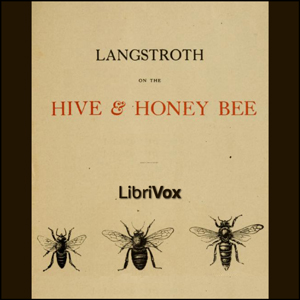
This year, beekeepers are celebrating the 208th year anniversary of “the Father of American Beekeeping.” Lorenzo Lorraine Langstroth was born Christmas Day, December 25, 1810 in Philadelphia, Pennsylvania. L. L. Langstroth developed the modern hive after exploring existing hives including the pre-cursor to the top bar hive. Francis Huber invented the Leaf Hive in 1789 in Switzerland. The leaf hive had movable solid frames that touched making the box like top bar hives. The leaf hive was examined like pages in a book.

(photo: In 2010 the Philadelphia Beekeepers Guild began a wonderful Christmas tradition. They gather each year at 106 South Front Street, Philadelphia; the birthplace of Lorenzo L. Langstroth on Christmas Day, which is also Langstroth’s birthday, for a Champagne / mead toast to Langstroth.) A Toast to Langstroth)

In the summer of 1851 Langstroth developed the hive that is still used today which included removable frames while respecting bee space. Langstroth patented the first movable frame hive on October 5, 1852. Henry Bourquin, a fellow beekeeper and Philadelphia cabinetmaker, made Langstroth’s first hives. Langstroth hives encourage rapid inspection without enraging the bees. Weak colonies can be strengthened. Strong colonies can increase space. Queens are quickly replaced. Diseases, pests and parasites can be quickly determined and remedied. Inspection by removable frames is now required in the United States. Langstroth also began using queen excluders to confine eggs to the lower boxes. Removable frames encouraged honey extraction without destroying the comb. Honey comb requires 7 to 14 pounds of honey for every pound of beeswax. Besides increased honey production, the beehive no longer had to be killed to remove the honey.

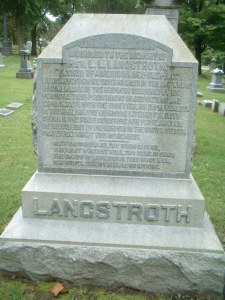
Langstroth published “The Hive and the Honey-Bee” in 1853 still in print today after 40 editions. Langstroth died October 6, 1895 while preaching a sermon on the love of God at the Wayne Avenue Presbyterian church in Dayton. L. L. Langstroth is buried at Woodland Cemetery, Dayton, Ohio. Langstroth’s epitaph reads —

Langstroth

INSCRIBED TO THE MEMORY OF REV. L.L. LANGSTROTH, “FATHER OF AMERICAN BEEKEEPING,” BY HIS AFFECTIONATE BENEFICIARIES WHO, IN THE REMEMBRANCE OF THE SERVICES RENDERED BY HIS PERSISTENT AND PAINSTAKING OBSERVATIONS AND EXPERIMENTS WITH THE HONEY BEE, HIS IMPROVEMENTS IN THE HIVE, AND THE LITERARY ABILITY SHOWN IN THE FIRST SCIENTIFIC AND POPULAR BOOK ON THE SUBJECT OF BEEKEEPING IN THE UNITED STATES, GRATEFULLY ERECT THIS MONUMENT.

Langstroth_Hive_Honey-Bee_1206

Ebook:  The Hive and the Honey Bee

Audio recording: The Hive and the Honey Bee

Feel free to share this on:

  • Share on Facebook (Opens in new window) Facebook
  • Share on X (Opens in new window) X
  • Share on Pinterest (Opens in new window) Pinterest
  • Email a link to a friend (Opens in new window) Email
  • Share on LinkedIn (Opens in new window) LinkedIn
  • Share on Reddit (Opens in new window) Reddit
  • Share on Tumblr (Opens in new window) Tumblr
  • Print (Opens in new window) Print
  • Share on Telegram (Opens in new window) Telegram
  • Share on WhatsApp (Opens in new window) WhatsApp
Like Loading...

Honey Pork Soup by The Honey Cottage

22 Saturday Dec 2018

Posted by Beekeeping365 in beekeeping, honey recipe, recipe

≈ 1 Comment

Tags

honey, honey pork soup, honey recipe, recipe, soup

At The Honey Cottage we believe the benefits of raw honey should bee in every meal. There is no better way to boost your immune system then with soup and raw honey.

Oh man, I am a soup manic during the winter. I don’t know about you, but there is nothing better than having something warm in your belly on a cold day. This was actually a soup that I had made by accident! I was trying to figure out what to do with left overs one day and surprisingly came up with this tasty soup that my family loved. This is one of my favorite recipes because it is a very easy to make and is a very hearty meal. Plus, I like not having to extra things just to make one recipe; these are ingredients that are normally in our house.

Ingredients:

2 bundles- Organic Fine or Round Udon noodles

3 cups Chicken broth

1 cup of sliced pork

1 shreddedcarrot

¾ cup of peas

¾ cup of corn

1 can of water chestnuts

1 Tablespoon of raw honey

Salt and Pepper to taste

Read directions for cooking and full recipe at: Honey Pork Soup — The Honey Cottage

Feel free to share this on:

  • Share on Facebook (Opens in new window) Facebook
  • Share on X (Opens in new window) X
  • Share on Pinterest (Opens in new window) Pinterest
  • Email a link to a friend (Opens in new window) Email
  • Share on LinkedIn (Opens in new window) LinkedIn
  • Share on Reddit (Opens in new window) Reddit
  • Share on Tumblr (Opens in new window) Tumblr
  • Print (Opens in new window) Print
  • Share on Telegram (Opens in new window) Telegram
  • Share on WhatsApp (Opens in new window) WhatsApp
Like Loading...

Honey Bees and the Winter Solstice by Scott Sailors

21 Friday Dec 2018

Posted by Beekeeping365 in beekeeping, beekeeping seasons, seasons, winter solstice

≈ 1 Comment

Tags

beekeeping seasons, winter solstice

olympians

In the Northern Hemisphere today is the longest and darkest of the year. In the Southern Hemisphere it is high summer. 

Winter Solstice – A Day for Beekeeper Celebration. Tomorrow we enter the season of growth!

Late dawn. Early sunset. Short day. Long night. In the Northern Hemisphere, the Winter Solstice marks the longest night and shortest day of the year. (On the same date the Southern Hemisphere has its longest day and shortest night.) But tomorrow the days will begin lengthening.

Winter Solstice means something different to beekeepers. It’s typically associated with the beginning of winter for humans. But for the bees it’s the beginning of spring. For beekeepers in the Northern Hemisphere today marks the beginning of growth. ~sassafrasbeefarm

The annual cycle for a honey bee colony is much easier to understand when you look at bees from the standpoint of their over-riding goal: survival of the species.

Throughout the year, honey bees respond to external cues provided by nature – they don’t keep a wall calendar inside their hive – and once you understand how honey bees reproduce, their two-season life cycle begins to make sense.

A year for a honey bee colony can be divided into two halves.  One half is characterized by expansion, and the other by contraction.  The half that is characterized by expansion begins soon after the winter solstice.  Some research seems to indicate that honey bees respond directly to changes in the amount of daylight, while other research says that they don’t.  But regardless of how it works, we know that brood rearing increases soon after the winter solstice, and decreases soon after the summer solstice.

Shortly after the winter solstice, many things happen inside the colony to increase brood production.  For example, the workers begin to raise the temperature of the brood nest.  These warmer temperatures stimulate the queen to lay eggs—just a few at first, but more and more as time goes on.  Of course, keeping the colony warmer requires more honey stores just when those stores begin to be depleted.  So the colony has to manage a very delicate balance of population-to-stores.

Why the expansion?  Why now?  The answer is simple: reproduction.  The colony is preparing to capitalize on the window of opportunity to reproduce that will come in the early spring.  How does a colony reproduce?  By casting a swarm.

Read the full article here: Honey Bees and the Winter Solstice — Host a Honey Bee Hive

Feel free to share this on:

  • Share on Facebook (Opens in new window) Facebook
  • Share on X (Opens in new window) X
  • Share on Pinterest (Opens in new window) Pinterest
  • Email a link to a friend (Opens in new window) Email
  • Share on LinkedIn (Opens in new window) LinkedIn
  • Share on Reddit (Opens in new window) Reddit
  • Share on Tumblr (Opens in new window) Tumblr
  • Print (Opens in new window) Print
  • Share on Telegram (Opens in new window) Telegram
  • Share on WhatsApp (Opens in new window) WhatsApp
Like Loading...

Hive Stands

18 Tuesday Dec 2018

Posted by Beekeeping365 in beekeeping, equipment, woodenware

≈ Leave a comment

Tags

beekeeping, beekeeping chores, DIY, equipment, hive stands, woodenware

12343142_10206388598608643_1677749316_o

This time of year beekeepers perform maintenance and build more toys. Here’s a link detailing how to build a nice, portable, sturdy hive stand for under ten dollars: Bee Hive Stand for Cheap!

Feel free to share this on:

  • Share on Facebook (Opens in new window) Facebook
  • Share on X (Opens in new window) X
  • Share on Pinterest (Opens in new window) Pinterest
  • Email a link to a friend (Opens in new window) Email
  • Share on LinkedIn (Opens in new window) LinkedIn
  • Share on Reddit (Opens in new window) Reddit
  • Share on Tumblr (Opens in new window) Tumblr
  • Print (Opens in new window) Print
  • Share on Telegram (Opens in new window) Telegram
  • Share on WhatsApp (Opens in new window) WhatsApp
Like Loading...

Quote

Honey-Pecan Green Beans by Fabulous Fare Sisters

15 Saturday Dec 2018

Posted by Beekeeping365 in beekeeping, honey recipe, recipe

≈ 1 Comment

Tags

green beans, honey pecan, honey recipe, pecan, recipe

These easy Honey-Pecan Green Beans are a welcome addition to any meal…

Honey-Pecan Green Beans
1 lb. fresh green beans, trimmed
½ c. toasted pecans
1 T. butter
2 T. honey
Salt & pepper

In large sauté pan, bring green beans and ½ c. water to boil. Lower heat and simmer until beans are tender-crisp. Drain. To sauté pan, add butter, pecans and drained green beans; cook over medium heat for a few minutes more, adding honey and seasoning and cook until green beans are tender. Serve hot.

Enjoy!

Linda~

Read full article here: Honey-Pecan Green Beans — Fabulous Fare Sisters

Feel free to share this on:

  • Share on Facebook (Opens in new window) Facebook
  • Share on X (Opens in new window) X
  • Share on Pinterest (Opens in new window) Pinterest
  • Email a link to a friend (Opens in new window) Email
  • Share on LinkedIn (Opens in new window) LinkedIn
  • Share on Reddit (Opens in new window) Reddit
  • Share on Tumblr (Opens in new window) Tumblr
  • Print (Opens in new window) Print
  • Share on Telegram (Opens in new window) Telegram
  • Share on WhatsApp (Opens in new window) WhatsApp
Like Loading...

The Evolution of Beehive Covers by Jim Thompson

13 Thursday Dec 2018

Posted by Beekeeping365 in beekeeping, beekeeping equipment

≈ Leave a comment

Tags

beekeeping equipment, beekeeping history

An interesting article on the history and evolution of beehive covers. ~ sassafrasbeefarm

I have found it interesting to look at the types of different beehive covers or tops that have been used over the years. I began my search with the first beehive that was patented in the United States but had a problem because the patent office burned in 1836 and many of the early written patents were destroyed. My records show that there were 1,131 beehives patented up to 2009. Some of these hives were the same hive with improvements to keep the patent in effect. The very first beehive patented was developed by J. Sweet, April 11, 1810, in Bethlehem, MA, but that record was destroyed in the fire. I found patent X 5,872 was granted to Ebenezer Beard in 1830 and most of the written part was recovered from the fire and had a flat attached cover. Sixty eight patented beehives later, in 1853, Lorenzo L. Langstroth was granted a patent for a hive. Reverend Langstroth had actually developed five different models of beehives and most of his hives had flat tops.  However his fifth hive was a glass hive within a hive and the outer top could be tipped forward. So it might be classified as a telescoping cover because it covered an inside hive. During the 23 years in between the Ebenezer Beard hive and the Lorenzo L. Langstroth hive there were 44 flat topped hives that had covers that were hinged, attached or simply rested on the beehive. There were four beehives that had covers sloping in one direction and two telescoping covers. Eleven hives had unusual shaped covers with projections and seven hives had pitched or gable tops. When you stop and think about it, it isn’t really that unusual, as the trend in the early times was to convert a piece of furniture into a beehive and have drawers or a side panel that could be opened.  The lumber in the 1850s was available in wider widths so you could get a single piece that would cover the entire hive. However you would encounter the problem of warping or cupping, allowing the top to have gaps between the bottom side of the cover and the super below. The gaps could be viewed as being good or bad. The gap would provide upper ventilation and an upper entrance to the hive.  However, if you wanted to move the hive there was just another place for the bees to escape from the hive. Thus to eliminate the warping, the boards could be cut in narrower strips, the grain reversed and cross pieces used to hold the boards together. This style of cover is very much like the today’s migratory cover. A problem arose, what do you do with a flat top once it is removed? You can’t just lay it on the ground in the same orientation as it would smash bees.  Your best choice would be to prop it up against something else. Once a bee is smashed, the alarm pheromone is released and the other bees are now on alert. If you reverse the top and lay it on the ground, you can’t use it to stack equipment on it because it may violate bee space and squash bees.

continued… Read the full article with lots more pictures here: The Evolution of Beehive Covers — BEEKeeping: Your First Three Years

Feel free to share this on:

  • Share on Facebook (Opens in new window) Facebook
  • Share on X (Opens in new window) X
  • Share on Pinterest (Opens in new window) Pinterest
  • Email a link to a friend (Opens in new window) Email
  • Share on LinkedIn (Opens in new window) LinkedIn
  • Share on Reddit (Opens in new window) Reddit
  • Share on Tumblr (Opens in new window) Tumblr
  • Print (Opens in new window) Print
  • Share on Telegram (Opens in new window) Telegram
  • Share on WhatsApp (Opens in new window) WhatsApp
Like Loading...

Happy Birthday Amos I. Root

09 Sunday Dec 2018

Posted by Beekeeping365 in beekeeping history, birthday, birthdays, famous beekeepers

≈ Leave a comment

Tags

A.I. Root, beekeeping authors, beekeeping books, beekeeping history, biography, famous beekeepers


12313960_937545866299910_8189717203741958046_n

Amos Ives Root – Born December 9, 1839 (1839–1923)

Biography of A. I. Root
Written by E. R. Root

A. I. Root was born in a log house, December 9, 1830, about two miles north of the present manufacturing plant of The A. I. Root Co. He was a frail child, and his parents had little hopes of raising him to manhood, although some of the neighbors said his devoted mother would not let him die. As he grew older his taste for gardening and mechanics became apparent. Among his early hobbies were windmills, clocks, poultry, electricity, and chemistry —anything and everything in the mechanical line that would interest a boy who intensely loved machinery. Later on we find him experimenting in electricity and chemistry; and at 18 he is out on a lecturing-tour with a fully equipped apparatus of his own construction.

We next find Mr. Root learning the jeweler’s trade, and it was not long before he decided to go into business for himself. He accordingly went to an old gentleman who loaned money, and asked him if he would let him have a certain amount of money for a limited time. This friend agreed to lend him the amount, but he urgently advised him to wait a little and earn the money by working for wages. This practical piece of advice, coming as it did at the very beginning of his career, was indeed a God-send, and. unlike most boys, he decided to accept it. Imbued with a love for his work, and having indomitable push, he soon earned enough to make a start in business, without borrowing a dollar. The business prospered till A. I. Root & Co. were the largest manufacturers of real coin-silver jewelry in the country. From $200 to $300 worth of coin was made weekly into rings and chains, and the firm employed something like 15 or 20 men and women.

It was about this time, or in 1865, that a swarm of bees passed over his shop; but as this incident is given so fully in the introduction I omit it here. Not long after he became an A B C scholar himself in bees, he began to write for the American Bee Journal under the nom de plume of “Novice.” In these papers he recounted a few of his successes and many of his failures with bees. His frank confession of his mistakes, his style of writing, so simple, clear, and clean-cut, brought him into prominence at once. So many inquiries came in that he was finally induced to start a journal, entitled Gleanings in Bee Culture of this, now his business grew to such a size that the manufacturing plant alone covered five acres, and employed from 100 to 200 men —all this and more is told in the Introduction by the writer.

As an inventor Mr. Root has occupied quite a unique field. He was the first to introduce the one pound-section honey-box, of which something like 50,000,000 are now made annually. He made the first practical ail-metal honey-extractor. This he very modestly styled the “Novice,” a machine of which thousands have been made and are still made. Among his other inventions may be named the Simplicity hive, the Novice honey-knife, several reversible frames, and the metal-cornered frame. The last named was the only invention he ever patented, and this he subsequently gave to the world long before the patent expired.

In the line of horticultural tools he invented a number of useful little devices which he freely gave to the public. But the two inventions which he considers of the most value is one for storing up heat, like storing electricity in a storage battery, and another for disposing of sewage in rural districts. The first named is a system of storing up the heat from exhaust steam in Mother Earth in such a way that greenhouses and dwelling-houses can be heated, even after the engine has stopped at night, and for several days after. The other invention relates to a method of disposing of the sewage from indoor water-closets so that “Mother Earth,” as he calls it, will take it automatically and convert it into plant life, without the least danger to health or life, and that, too, for a period of years without attention from any one.

Some of the secrets of his success in business may be briefly summed, up by saying that it was always his constant aim to send goods by return train, and to answer letters by return mail, although, of course, as the business continued to grow this became less and less practicable. He believed most emphatically in mixing business and religion—in conducting business on Christian principles; or to adopt a modern phrase, doing business “as Jesus would do it.” As might be expected, such a policy drew an immense clientage, for people far and wide believed in him. But how few, comparatively, in this busy world, go beyond the practice that honesty is the best policy! While A. 1. Root believed in this good rule he did not think it went far enough, and, accordingly, tried to adopt and live the Golden Rule.

The severe strain of long hours of work, together with constantly failing health, compelled Mr. Root to throw some of the responsibilities of the increasing business on his sons and sons-in-law. This was between 1886 and 1890. At no definite time could it be said that there was a formal transfer of the management of the supply business and the management of the bee department of Gleanings to his children; but as time went on they gradually assumed the control, leaving him free to engage in gardening and other rural pursuits, and for the last ten years he has given almost no attention to bees, devoting nearly all his time to travel and to lighter rural Industries. He has written much on horticultural and agricultural subjects; indeed, it is probable that he has done more writing on these subjects than he ever did on bees.

Note: He did not invent a section box for holding honey, but only a box just the right size to put 8 into a Langstroth frame.

For the last twenty-five years he has been writing a series of lay sermons, touching particularly on the subject of mixing business and religion, work and wages, and, in general, the great problem of capital and labor. As an employer of labor he had here a large field for observation, and well has he made use of it. Perhaps no series of articles he ever wrote has elicited a more sympathetic response from his friends all over this wide world than these same talks; and through these he has been the means of bringing many a one into the fold of Christ.

It has been a rather difficult matter to get a picture that was in any way satisfactory to the members of his family. Finally the writer, one day, with a Kodak, took a “time view” of him in his favorite place of resort, the greenhouse, among his “posies,” where he spends hours of his happiest moments. This view shows him just as he appears around home in his everyday work clothes. Ill health, or a sort of malaria that has been hanging about him for years, has forced him. during winter, to wear a fur cap and to keep his overcoat constantly on, indoors and outdoors, with the collar turned up.

Mr. Root, ever since his conversion, in 1875 has been a most active working Christian. No matter what the condition of his health, he is a regular attendant at church and prayer-meeting. He takes great interest in all lines of missionary work, and especially in the subject of temperance. He annually gives considerable sums of money to support the cause of missions, and to the Ohio Antisaloon League; and now that the heavier responsibilities of the business have been lifted from his shoulders he is giving more and more of his time and attention to sociological problems.—E. R. Root.Source:
The ABC of Bee Culture, page 438, 1903

Online Books by A.I. Root:

Root, A. I. (Amos Ives), 1839-1923: The ABC of Bee Culture: A Cyclopaedia of Everything Pertaining to the Care of the Honey-Bee: Bees, Honey, Hives, Implements, Honey-Plants, etc.; Facts Gleaned From the Experiences of Thousands of Bee Keepers All Over Our Land, Afterward Verified by Practice Work in Our Own Apiary (100th thousand; Medina, OH: A. I. Root Co., 1905)

More at: The Online Books Page – A.I. Root

Feel free to share this on:

  • Share on Facebook (Opens in new window) Facebook
  • Share on X (Opens in new window) X
  • Share on Pinterest (Opens in new window) Pinterest
  • Email a link to a friend (Opens in new window) Email
  • Share on LinkedIn (Opens in new window) LinkedIn
  • Share on Reddit (Opens in new window) Reddit
  • Share on Tumblr (Opens in new window) Tumblr
  • Print (Opens in new window) Print
  • Share on Telegram (Opens in new window) Telegram
  • Share on WhatsApp (Opens in new window) WhatsApp
Like Loading...

Quote

Turkish Honey Baklava by Precious Little Toes

08 Saturday Dec 2018

Posted by Beekeeping365 in beekeeping, honey recipe, recipe

≈ Leave a comment

Tags

baklava, dessert, dessert recipe, honey baklava, honey recipe, pastry recipe, recipe

There are very few sweets as satisfying as a piece of baklava with a steaming cup of coffee. Many groups claim Baklava as their own.  It is widely believed that it is of Assyrian origin. Around approximately the 8th century B.C., Assyrians baked thin layers of dough with nuts, poured honey over it, and enjoyed this sumptuous treat. The history of Baklava changed with the history of the land. The Near and Middle East saw many civilizations come and go. Baklava and the recipe had spread to the Near East, Armenia, and Turkey. With the advent of the Grecian Empire, it spread westward to Greece. (Source)

That is why Baklava has many varieties, the traditional baklava is made with walnuts and in the southern with pecan and in the western with almonds. The Turks are known to famously make it with pistachios. I prefer pistachios and almonds in my Baklava.Today I’m sharing with you all, the easiest and yummiest homemade baklava recipe. The basic ingredients for baklava are nuts, phyllo pastry and syrup or honey. I bought the phyllo pastry from the supermarket. You can find it in the frozen foods aisle. I’ve used a mixture of almonds and pistachios for nuts and made a beautiful rose flavored honey syrup. This is one of those recipes that you cannot fail with and even if you try hard to do, the outcome no matter what is going to be absolutely delicious.

Get the recipe here: Turkish Honey Baklava — Precious Little Toes

Feel free to share this on:

  • Share on Facebook (Opens in new window) Facebook
  • Share on X (Opens in new window) X
  • Share on Pinterest (Opens in new window) Pinterest
  • Email a link to a friend (Opens in new window) Email
  • Share on LinkedIn (Opens in new window) LinkedIn
  • Share on Reddit (Opens in new window) Reddit
  • Share on Tumblr (Opens in new window) Tumblr
  • Print (Opens in new window) Print
  • Share on Telegram (Opens in new window) Telegram
  • Share on WhatsApp (Opens in new window) WhatsApp
Like Loading...

Remembering Amos Root

07 Friday Dec 2018

Posted by Beekeeping365 in beekeeping, famous beekeepers

≈ 1 Comment

Tags

beekeeping history, famous beekeepers

wrightflyer

This Sunday will be Amos Root’s birthday. What an interesting man. He was the Elon Musk of his day. ~sasafrasbeefarm

In Remembrance of Amos Root –

  • Birth: 9 DEC 1839 in Medina Township (Medina) State of Ohio
  • Death: 30 APR 1923 in Medina (Medina) State of Ohio
  • Burial: UNKNOWN Spring Grove Cemetery in Medina, Ohio

One Beekeeper, Two Wright Brothers

Source: One Beekeeper, Two Wright Brothers

One Beekeeper, Two Wright Brothers
Posted on September 14, 2016

Leave it to a beekeeper to make aviation history. An Ohio entrepreneur/beekeeper named Amos Root was, according to reports, the only person to actually witness the Wright brothers’ airplane flights in 1904 and 1905. And not just witness them, but write about them in a publication he founded called “Gleanings in Bee Culture.”

Root makes an appearance in David McCullough’s “The Wright Brothers” and also in an article on PBS’s Nova site. As the Nova site says, “almost as astonishing as the fact that a pair of bicycle shop owners invented the airplane” is that the first “accurate reporting on their earliest flights appeared” not in The New York Times or Scientific American, but in “an obscure journal for beekeepers.”

Root, a beekeeping hobbyist from his early twenties on, started a company in Medina, Ohio, that made beehives and beekeeping equipment. One of his best inventions was (improving ed.) removable frames so that a beekeeper could harvest honey without destroying the hive.

Root also started a candle-making company called Root Candles that is still in existence today. According to an article in The Cleveland Plain Dealer, the company, which sits next to Amos Root’s old homestead in Medina, makes 20 million home décor candles every year. The company’s president is a great-great grandson of Amos.

Read full article here: Source: One Beekeeper, Two Wright Brothers

Feel free to share this on:

  • Share on Facebook (Opens in new window) Facebook
  • Share on X (Opens in new window) X
  • Share on Pinterest (Opens in new window) Pinterest
  • Email a link to a friend (Opens in new window) Email
  • Share on LinkedIn (Opens in new window) LinkedIn
  • Share on Reddit (Opens in new window) Reddit
  • Share on Tumblr (Opens in new window) Tumblr
  • Print (Opens in new window) Print
  • Share on Telegram (Opens in new window) Telegram
  • Share on WhatsApp (Opens in new window) WhatsApp
Like Loading...

Comb Honey, Cheese, and Berry Platter by sassafrasbeefarm

05 Wednesday Dec 2018

Posted by Beekeeping365 in beekeeping, comb honey, honey recipe, recipe

≈ 2 Comments

Tags

comb honey, fruit tray, honey goat cheese, recipe

IMAG0013 (1)

Last night was our annual Bee Association’s Holiday Potluck dinner. I continued last year’s effort of a bee themed platter. This year I replaced the grapes with strawberries to provide more bee pollinated items on the platter. If you consider the cheese as dependent on bees for the cow’s forage then it was almost a home run.

Pictured above: Honey Goat Cheese with raspberry preserves, blackberries, strawberries, blueberries, cream cheese, comb honey.

Feel free to share this on:

  • Share on Facebook (Opens in new window) Facebook
  • Share on X (Opens in new window) X
  • Share on Pinterest (Opens in new window) Pinterest
  • Email a link to a friend (Opens in new window) Email
  • Share on LinkedIn (Opens in new window) LinkedIn
  • Share on Reddit (Opens in new window) Reddit
  • Share on Tumblr (Opens in new window) Tumblr
  • Print (Opens in new window) Print
  • Share on Telegram (Opens in new window) Telegram
  • Share on WhatsApp (Opens in new window) WhatsApp
Like Loading...

On the cover of Rolling Stone – not quite…

30 Friday Nov 2018

Posted by Beekeeping365 in beekeeping

≈ Leave a comment

Capture

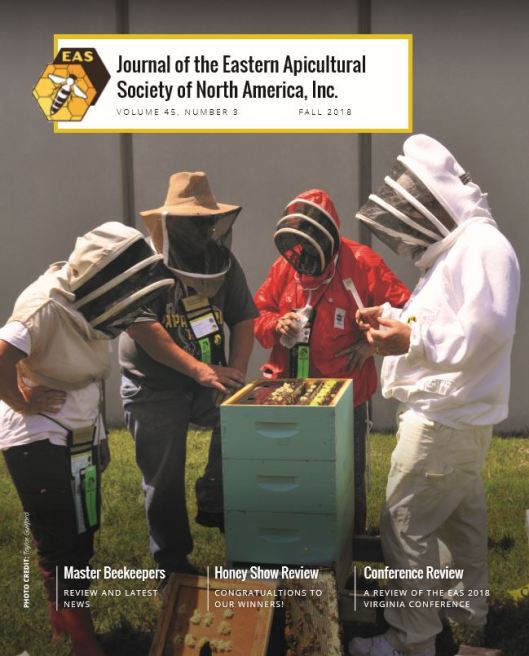
Who is that hooded man?

Eastern Apiculture Journal Fall 2018: http://www.easternapiculture.org/images/journal/Fall_2018.pdf

Feel free to share this on:

  • Share on Facebook (Opens in new window) Facebook
  • Share on X (Opens in new window) X
  • Share on Pinterest (Opens in new window) Pinterest
  • Email a link to a friend (Opens in new window) Email
  • Share on LinkedIn (Opens in new window) LinkedIn
  • Share on Reddit (Opens in new window) Reddit
  • Share on Tumblr (Opens in new window) Tumblr
  • Print (Opens in new window) Print
  • Share on Telegram (Opens in new window) Telegram
  • Share on WhatsApp (Opens in new window) WhatsApp
Like Loading...

Quote

Sticking with Propolis by PerfectBee

26 Monday Nov 2018

Posted by Beekeeping365 in beekeeping, hive products, honey bee behavior, propolis

≈ Leave a comment

Tags

bee space, honey bee behavior, propolis

Ask a non-beekeeper what bees collect when they forage and you will probably hear of nectar and pollen. But few will mention propolis. Yet propolis is an essential material bees use to maintain and protect the hive.

To be factually accurate, bees don’t collect propolis. Instead, they create it inside the hive from other substances they have foraged.

Read the full article here: Sticking with Propolis — PerfectBee

Feel free to share this on:

  • Share on Facebook (Opens in new window) Facebook
  • Share on X (Opens in new window) X
  • Share on Pinterest (Opens in new window) Pinterest
  • Email a link to a friend (Opens in new window) Email
  • Share on LinkedIn (Opens in new window) LinkedIn
  • Share on Reddit (Opens in new window) Reddit
  • Share on Tumblr (Opens in new window) Tumblr
  • Print (Opens in new window) Print
  • Share on Telegram (Opens in new window) Telegram
  • Share on WhatsApp (Opens in new window) WhatsApp
Like Loading...

Honey-walnut-almond cupcakes by The Lowland Homestead

24 Saturday Nov 2018

Posted by Beekeeping365 in beekeeping, honey, honey as food, honey recipe, recipe

≈ Leave a comment

Tags

cake recipe, cupcakes, honey, honey recipe, recipe

These cupcakes might look plain, but they’re far from that! Cut up bits of walnut give a warm, earthy flavor and together with the cinnamon, nutmeg and cloves it makes a great, wholesomely warm fall/winter dessert. These cupcakes retain a moist texture thanks to these walnuts and lend themselves well to being decorated creatively.

Begin by mixing all dry ingredients in a large bowl. Add the butter, when the butter is well mixed in, add the eggs and honey. Scoop them in muffin forms and bake at 180°C for 20 minutes. Mine are way too big for this recipe as you can see in the pictures, I used old-fashioned sized ones that weren’t suited to the muffin tin. Decorate as you wish. I mixed almond essence with honey and almonds. You can also decorate with whole walnuts.

Read the full recipe with ingredients here: Honey-walnut-almond cupcakes — The Lowland Homestead

Feel free to share this on:

  • Share on Facebook (Opens in new window) Facebook
  • Share on X (Opens in new window) X
  • Share on Pinterest (Opens in new window) Pinterest
  • Email a link to a friend (Opens in new window) Email
  • Share on LinkedIn (Opens in new window) LinkedIn
  • Share on Reddit (Opens in new window) Reddit
  • Share on Tumblr (Opens in new window) Tumblr
  • Print (Opens in new window) Print
  • Share on Telegram (Opens in new window) Telegram
  • Share on WhatsApp (Opens in new window) WhatsApp
Like Loading...

Quote

Thank Bees for Your Thanksgiving Dinner by Married with Bees

22 Thursday Nov 2018

Posted by Beekeeping365 in beekeeping, food, honey bees, pollination, pollinators

≈ 2 Comments

Tags

food, pollination, Thanksgiving

Millions of Americans are about to celebrate Thanksgiving, and the grocery stores are bracing themselves for the onslaught of customers.  The fact that hundreds of millions of people in the US can eat a meal that consists of roughly the same menu on the same day is a miracle of modern agriculture as well as a testament to good supply chain management at that nations’ grocery stores.  Have you ever considered how your Thanksgiving meal is impacted by bees?  Many of your Thanksgiving favorites would not make it to the table without the pollination services provide by bees.

Let’s consider a typical Thanksgiving meal that consists of the following: turkey, stuffing, yeast rolls, green bean casserole, cranberry relish, pumpkin pie and coffee.  How would the menu be impacted if there were no bees?

Cont.

Read the full article here: Thank Bees for Your Thanksgiving Dinner — Married with Bees

Feel free to share this on:

  • Share on Facebook (Opens in new window) Facebook
  • Share on X (Opens in new window) X
  • Share on Pinterest (Opens in new window) Pinterest
  • Email a link to a friend (Opens in new window) Email
  • Share on LinkedIn (Opens in new window) LinkedIn
  • Share on Reddit (Opens in new window) Reddit
  • Share on Tumblr (Opens in new window) Tumblr
  • Print (Opens in new window) Print
  • Share on Telegram (Opens in new window) Telegram
  • Share on WhatsApp (Opens in new window) WhatsApp
Like Loading...

Quote

Why Sherlock Holmes Retired And Became A Beekeeper by Buzz About Bees

16 Friday Nov 2018

Posted by Beekeeping365 in beekeeping

≈ Leave a comment

xbeekeeperHolmes.jpg.pagespeed.ic.QwJpvtU8FL

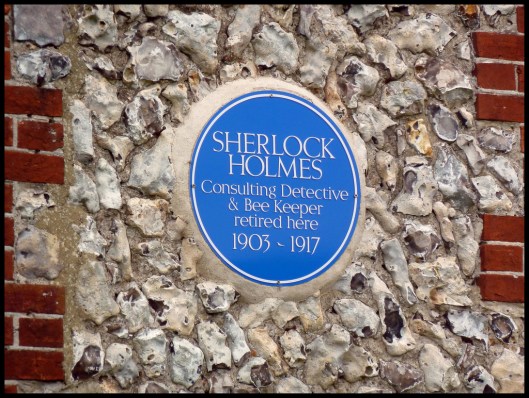
You may have heard that Arthur Conan Doyle’s famous consulting detective, Sherlock Holmes became a beekeeper when he retired.  But how do we know he took up beekeeping, and why did Sherlock become a beekeeper?  Below, you’ll find a quote from the book, and possible reasons why Sherlock Holmes decided to take up beekeeping as a hobby.

We are not given the specific reasons why Sherlock Holmes took up beekeeping and what lead him to this hobby, however, beekeeping seems a fitting hobby for the master sleuth!  Here are my suggestions:

cont.

Read the full blog article here: Sep 7, Why Sherlock Holmes Retired And Became A Beekeeper — Bees Blog from Buzz About Bees

Feel free to share this on:

  • Share on Facebook (Opens in new window) Facebook
  • Share on X (Opens in new window) X
  • Share on Pinterest (Opens in new window) Pinterest
  • Email a link to a friend (Opens in new window) Email
  • Share on LinkedIn (Opens in new window) LinkedIn
  • Share on Reddit (Opens in new window) Reddit
  • Share on Tumblr (Opens in new window) Tumblr
  • Print (Opens in new window) Print
  • Share on Telegram (Opens in new window) Telegram
  • Share on WhatsApp (Opens in new window) WhatsApp
Like Loading...

Honey Bee Genetics by PerfectBee

12 Monday Nov 2018

Posted by Beekeeping365 in beekeeping, honey bee genetics

≈ 1 Comment

Tags

haplodiploidy, honey bee genetics

Most of us have heard of the importance of genes, how a mother and father each contribute their important element and so on. We accept, without question, that the mother contributes chromosomes from her egg and the father from his sperm. Much of the animal kingdom operates with these principles.

But that is not the case with honey bees.

Read the full article here: Honey Bee Genetics — PerfectBee

Feel free to share this on:

  • Share on Facebook (Opens in new window) Facebook
  • Share on X (Opens in new window) X
  • Share on Pinterest (Opens in new window) Pinterest
  • Email a link to a friend (Opens in new window) Email
  • Share on LinkedIn (Opens in new window) LinkedIn
  • Share on Reddit (Opens in new window) Reddit
  • Share on Tumblr (Opens in new window) Tumblr
  • Print (Opens in new window) Print
  • Share on Telegram (Opens in new window) Telegram
  • Share on WhatsApp (Opens in new window) WhatsApp
Like Loading...

Egg-less Honey Cake Recipe by Malini’s Space

10 Saturday Nov 2018

Posted by Beekeeping365 in beekeeping, honey, honey as food, honey recipe, recipe

≈ Leave a comment

Tags

cake recipe, egg-less honey cake, honey cake, honey recipe, recipe

This cake is one of my favorites in school and college days, Most people in my friends circle used to love chocolate flavor, I was the one, who always wanted this flavor. I was that addicted to this so much. Sadly, nowadays when I go to the cake shop, I don’t find this cake, they have 100’s of other flavors, but not this. Fortunately, some small bakery shops still have this cake to save me. 🙂

That’s how, I really wanted to make this myself at home and treat me with strawberry and honey flavor, whenever I get the cravings. This one is very easy, just like other cakes, with simple extra two steps. Check below for detailed explanation with step by step pictures.

Read the full recipe with lots of pictures here: Egg-less Honey Cake Recipe — Malini’s Space

Feel free to share this on:

  • Share on Facebook (Opens in new window) Facebook
  • Share on X (Opens in new window) X
  • Share on Pinterest (Opens in new window) Pinterest
  • Email a link to a friend (Opens in new window) Email
  • Share on LinkedIn (Opens in new window) LinkedIn
  • Share on Reddit (Opens in new window) Reddit
  • Share on Tumblr (Opens in new window) Tumblr
  • Print (Opens in new window) Print
  • Share on Telegram (Opens in new window) Telegram
  • Share on WhatsApp (Opens in new window) WhatsApp
Like Loading...

Quote

Honey Garlic Pork Chops by What’s for Dinner Moms?

03 Saturday Nov 2018

Posted by Beekeeping365 in beekeeping, honey recipe, recipe

≈ Leave a comment

Tags

dinner recipe, honey, honey recipe, pork chops, recipe

This was such a simple dinner to make that it made me very happy. The kids happily ate it and we all sat around the table and talked. It was wonderful! I added buttered egg noodles with garlic and some brown beans to complete the meal. This is a recipe that is going back in our rotation.

Read the full recipe here: Honey Garlic Pork Chops — What’s for Dinner Moms?

Feel free to share this on:

  • Share on Facebook (Opens in new window) Facebook
  • Share on X (Opens in new window) X
  • Share on Pinterest (Opens in new window) Pinterest
  • Email a link to a friend (Opens in new window) Email
  • Share on LinkedIn (Opens in new window) LinkedIn
  • Share on Reddit (Opens in new window) Reddit
  • Share on Tumblr (Opens in new window) Tumblr
  • Print (Opens in new window) Print
  • Share on Telegram (Opens in new window) Telegram
  • Share on WhatsApp (Opens in new window) WhatsApp
Like Loading...

What’s the Price of Cheap Honey? by Married with Bees

29 Monday Oct 2018

Posted by Beekeeping365 in beekeeping, honey, honey as food, raw honey

≈ Leave a comment

Tags

adulterated honey, food, honey, honey prices

People love to ask questions when they find out that we started keeping bees.  One of the most common questions is, “When will you start selling honey?”  That question is usually followed by the comment, “Local honey is really expensive.  You can make a lot of money.”  In our part of the Midwest, local honey sells for anywhere between $8 and $12 for a 1 pound bottle, and those prices are typically set by hobby beekeepers who sell mostly at places like farmers markets.  If you read my previous blog post, you will know that hobby beekeepers aren’t getting rich on their honey.  The question that people should be asking is, “Why is the grocery store honey so cheap?”  The answer to that question will probably shock you.

Read the full article here: What’s the Price of Cheap Honey? — Married with Bees

Feel free to share this on:

  • Share on Facebook (Opens in new window) Facebook
  • Share on X (Opens in new window) X
  • Share on Pinterest (Opens in new window) Pinterest
  • Email a link to a friend (Opens in new window) Email
  • Share on LinkedIn (Opens in new window) LinkedIn
  • Share on Reddit (Opens in new window) Reddit
  • Share on Tumblr (Opens in new window) Tumblr
  • Print (Opens in new window) Print
  • Share on Telegram (Opens in new window) Telegram
  • Share on WhatsApp (Opens in new window) WhatsApp
Like Loading...

Pan Fried Honey Bananas by In Dianes Kitchen

27 Saturday Oct 2018

Posted by Beekeeping365 in beekeeping, honey recipe, recipe

≈ 1 Comment

Tags

honey, honey bananas, honey recipe, recipe

Wait until you taste these all natural Pan Fried Honey Bananas! They are unbelievably easy to make and are sweetened naturally with honey then sprinkled with cinnamon. You could eat this for breakfast but for me it is more of a dessert or great snack.

Get the full recipe with pictures here: Pan Fried Honey Bananas — In Dianes Kitchen

Feel free to share this on:

  • Share on Facebook (Opens in new window) Facebook
  • Share on X (Opens in new window) X
  • Share on Pinterest (Opens in new window) Pinterest
  • Email a link to a friend (Opens in new window) Email
  • Share on LinkedIn (Opens in new window) LinkedIn
  • Share on Reddit (Opens in new window) Reddit
  • Share on Tumblr (Opens in new window) Tumblr
  • Print (Opens in new window) Print
  • Share on Telegram (Opens in new window) Telegram
  • Share on WhatsApp (Opens in new window) WhatsApp
Like Loading...

How to send samples of adult bees to the USDA for diagnosis by InsideTheHive.TV

24 Wednesday Oct 2018

Posted by Beekeeping365 in beekeeping, diseases

≈ Leave a comment

Tags

Beltsville Bee Lab, diseases, diseases of honey bees, management of honey bee disaeses and pests, Sending Bee Samples, USDA Diagnostics

This is the video number one of a series of videos about the honey bee diagnostic laboratory at USDA Beltsville Maryland. This video series will cover the main diagnostic procedures applied to bees sent to the lab for diagnosis.
In this video, Dr. Humberto Boncristiani and Sam Abban discuss the best procedure to send samples of Adult honey bees to the lab. It is very important to send the sample the right way to improve the quality of the service.

If you want to know more about this service provided by the laboratory check the link below.

https://goo.gl/Yuff23

via How to send samples of adult bees to the USDA for diagnosis — InsideTheHive.TV

Feel free to share this on:

  • Share on Facebook (Opens in new window) Facebook
  • Share on X (Opens in new window) X
  • Share on Pinterest (Opens in new window) Pinterest
  • Email a link to a friend (Opens in new window) Email
  • Share on LinkedIn (Opens in new window) LinkedIn
  • Share on Reddit (Opens in new window) Reddit
  • Share on Tumblr (Opens in new window) Tumblr
  • Print (Opens in new window) Print
  • Share on Telegram (Opens in new window) Telegram
  • Share on WhatsApp (Opens in new window) WhatsApp
Like Loading...

Honey Jalapeno Dip by The Honey Cottage

20 Saturday Oct 2018

Posted by Beekeeping365 in beekeeping, honey recipe, recipe

≈ 2 Comments

Tags

honey dip, Honey Jalapeno Dip, recipe, snack recipe

One of our favorite things about fall is; FOOTBALL!!! There is nothing more thrilling then hanging out and watching the game with friends and family! One of our favorite dips to eat when we are watching the game is Honey Jalapeno dip. This is perfect to serve with crackers, chips, and vegetable trays. We even like spreading on our sub sandwiches. Hope you enjoy it this dip as much as we do!

Ingredients:

1 cup of sweet potato

8 ounces of cream cheese

1 1/2Tbsp of Jalapeno

1 1/2Tbsp of green chili

½ Tbsp of Worcestershire sauce

2 Tbsp of honey

½ -¾ cup crushed pecans

Read the full recipe here: Honey Jalapeno Dip — The Honey Cottage

Feel free to share this on:

  • Share on Facebook (Opens in new window) Facebook
  • Share on X (Opens in new window) X
  • Share on Pinterest (Opens in new window) Pinterest
  • Email a link to a friend (Opens in new window) Email
  • Share on LinkedIn (Opens in new window) LinkedIn
  • Share on Reddit (Opens in new window) Reddit
  • Share on Tumblr (Opens in new window) Tumblr
  • Print (Opens in new window) Print
  • Share on Telegram (Opens in new window) Telegram
  • Share on WhatsApp (Opens in new window) WhatsApp
Like Loading...

Book Review – The Sting of the Wild by Justin O. Schmidt by Vishy’s Blog

17 Wednesday Oct 2018

Posted by Beekeeping365 in beekeeping, book review

≈ Leave a comment

Tags

book review, entomology, stinging insects

‘The Sting of the Wild‘ is about stinging insects. In the first part of the book which runs into five chapters, Schmidt gives us an introduction to stinging insects and talks about how their stinging capability might have evolved from an evolutionary perspective. In the second part of the book, Schmidt focuses on individual insects, talks about their life histories and their lifestyles, their relationships with humans and other animals from the animal kingdom, how they use their sting and how sharp and painful their sting can be. He creates a four-level sting-pain scale and tries to rate each insect’s sting using this scale. Some of the insects which are featured in the second part of the book are sweat bees, ants of different types including fireants, harvester ants and bullet ants, wasps of different types including yellow jackets, tarantula hawks, mud daubers and velvet ants, and of course everyone’s favourite, the honey bee.

(cont.)

Read the full article here: Book Review – The Sting of the Wild by Justin O. Schmidt — Vishy’s Blog

Feel free to share this on:

  • Share on Facebook (Opens in new window) Facebook
  • Share on X (Opens in new window) X
  • Share on Pinterest (Opens in new window) Pinterest
  • Email a link to a friend (Opens in new window) Email
  • Share on LinkedIn (Opens in new window) LinkedIn
  • Share on Reddit (Opens in new window) Reddit
  • Share on Tumblr (Opens in new window) Tumblr
  • Print (Opens in new window) Print
  • Share on Telegram (Opens in new window) Telegram
  • Share on WhatsApp (Opens in new window) WhatsApp
Like Loading...

Quote

How Can We Bee … Helpful? by A Guy Called Bloke and K9 Doodlepip!

16 Tuesday Oct 2018

Posted by Beekeeping365 in beekeeping, plants for bees, sustainable

≈ Leave a comment

Tags

bee friendly gardens, gardening for bees, planting for bees, plants for pollinators, pollinator gardening, pollinator gardens, sustainability, sustainable apiary

It’s not rocket science it’s just awareness – simplicity itself – what would you rather Bee Dead or Bee Alive – personally l think l would prefer living bees to dead bees and the bees probably agree with me!

“Bees do have a smell, you know, and if they don’t they should, for their feet are dusted with spices from a million flowers.”
― Ray Bradbury, Dandelion Wine

How BEE friendly are you? With Spring just literally on our doorstep now, although even l have to concede at times that in the UK alone, it appears that Mother Nature has withdrawn it … our bees are back into their daily routines. The garden l have here, is not a gardeners’ delight, we have wild herbs growing next to wild flowers, and very soon we shall be planting out our seasons’ rotation for vegetable growing. I tend to like to see more ‘weeds’ and don’t see them as such but more as flowers in the wrong place, it sounds kinder that way.

Plant more BEE friendly flowers and flowering herbs in your garden – With the loss of nesting and foraging habitat due to intensive monocultural agricultural practices and the ever increasing and rising suburbanization driven society pressures demanding more housing – natural landscapes are fast disappearing. You can alter things by planting flowers into your garden. Plant bloom heavy as Bees love forage volume and plant for the seasons that the pollinators are most active – as in early spring to late summer. Plan your flowering crops effectively;

Read the full article with lots of wonderful photos here: How Can We Bee … Helpful? — A Guy Called Bloke and K9 Doodlepip!

Feel free to share this on:

  • Share on Facebook (Opens in new window) Facebook
  • Share on X (Opens in new window) X
  • Share on Pinterest (Opens in new window) Pinterest
  • Email a link to a friend (Opens in new window) Email
  • Share on LinkedIn (Opens in new window) LinkedIn
  • Share on Reddit (Opens in new window) Reddit
  • Share on Tumblr (Opens in new window) Tumblr
  • Print (Opens in new window) Print
  • Share on Telegram (Opens in new window) Telegram
  • Share on WhatsApp (Opens in new window) WhatsApp
Like Loading...

Honey Pickles by The Ephemeral Bee

13 Saturday Oct 2018

Posted by Beekeeping365 in beekeeping, honey, honey as food, honey recipe, raw honey, recipe

≈ 1 Comment

Tags

honey, honey pickles, honey recipe, pickles, recipe

I found a recipe for Honey Bread and Butter Pickles in Canning for a New Generation and decided to give it a try.  I’m reluctant to continue to call these pickles bread and butter pickles since they’re missing one of the key components I generally associate with bread and butter pickles – the sweetness factor.  I actually doubled the amount of honey called for in the recipe.  They were still not what I would consider sweet, and I tend to have a fairly low tolerance for sweet.  The recipe still turned out a wonderful pickle, it’s slightly different from a traditional dill, and has the additional bonus of not containing any cane sugar.  I also didn’t bother with canning these pickles, although, this recipe is perfect for canning if you want to put in the extra work.  I simply decided to save some time and store then in the refrigerator for up to a month, and gift a few jars.

via Honey Pickles — The Ephemeral Bee

Feel free to share this on:

  • Share on Facebook (Opens in new window) Facebook
  • Share on X (Opens in new window) X
  • Share on Pinterest (Opens in new window) Pinterest
  • Email a link to a friend (Opens in new window) Email
  • Share on LinkedIn (Opens in new window) LinkedIn
  • Share on Reddit (Opens in new window) Reddit
  • Share on Tumblr (Opens in new window) Tumblr
  • Print (Opens in new window) Print
  • Share on Telegram (Opens in new window) Telegram
  • Share on WhatsApp (Opens in new window) WhatsApp
Like Loading...

Quote

Musings on Minimalist Beehive Management by Tom Hebert

10 Wednesday Oct 2018

Posted by Beekeeping365 in beekeeping, beekeeping management, management

≈ Leave a comment

Tags

beekeeping, beekeeping management, management, minimalist beekeeping management

Musings 312

How much intervention in the hive is enough? Some beekeepers do lots of management, entering their hives at least weekly, if not more. Others are minimalists with little or no inspections. Every beekeeper has their own unique situation that dictates their management.

In their zealousness, some new beekeepers always want to get into their hives to see what is happening. They are overly enthusiastic with this new endeavor and want to do inspections a couple times a week. And then there are other beekeepers who do minimalist management, letting the bees do what they know how to do with infrequent intervention. And sometimes it becomes very infrequent or even nonexistent.

So, is more management better? Is less acceptable? My guess is many beekeepers will say there’s a point when the beekeeper will overdo their inspections. But this debate could also be about whether the beekeeper does not do enough inspections.

I consider myself a minimalist when it comes to the management of my top bar hives. Often, I put little effort into checking them and managing them. It sometimes reaches the point where a person can consider me more of a bee-haver instead of beekeeper. I don’t even touch some of hives except to harvest them.

For example, one of my apiaries is in the mountains of Honduras on a coffee farm. I don’t get up there very frequently. The last hives in the line get the least attention. Time runs out and the truck is ready to take the workers back down to town. This is a Saturday and they work only until noon. I must go with it (or take a couple hours and walk down the mountain which is not likely after spending all morning in the hives). These are the hives that I only enter to harvest.

But minimal management works for me in my situation. I want honey from them but I don’t do beekeeping as my primary income source. I’m an elementary school teacher and bees have become a secondary income (unfortunately). They give me what they want for effort I put into their management. I accept that and I’m grateful for it.

Read the full article with lots of great pictures here: Musings on Beekeeping

Feel free to share this on:

  • Share on Facebook (Opens in new window) Facebook
  • Share on X (Opens in new window) X
  • Share on Pinterest (Opens in new window) Pinterest
  • Email a link to a friend (Opens in new window) Email
  • Share on LinkedIn (Opens in new window) LinkedIn
  • Share on Reddit (Opens in new window) Reddit
  • Share on Tumblr (Opens in new window) Tumblr
  • Print (Opens in new window) Print
  • Share on Telegram (Opens in new window) Telegram
  • Share on WhatsApp (Opens in new window) WhatsApp
Like Loading...

Quote

Can a Hobby Beekeeper Make a Profit? by Married with Bees

09 Tuesday Oct 2018

Posted by Beekeeping365 in beekeeping, hive products

≈ Leave a comment

Tags

beekeeping, beekeeping for profit, honey production, products of the hive

Good article and yes, my bees pay their way here too. The author makes an important point in closing that one must have a love for the bee primarily and any financial gain an added bonus. ~sassafrasbeefarm

Recently I met a friend for lunch, and over sandwiches she inquired about our honey bees.  I love talking about our bees, and she is a good friend who indulges me.  After I provided a status update she asked, “Are you making money yet?”  Her direct question caught me off guard.  Most people ask us when we will have honey available, and I think my friend was curious to know if our colonies had reached a point where we could harvest honey for sale.  Doug and I are first year beekeepers, so we are letting the bees have all the honey this year to get them through the winter.  Nevertheless, my friend’s question made me wonder if hobby beekeepers could make a profit from their bees.

Doug and I became beekeepers because we find bees fascinating.  We like learning about bees and talking about bees and taking care of them.  I also wanted to increase the output in my vegetable garden.  Neither one of us eat that much honey, and we never considered keeping bees for the purpose of generating income.  First year beekeepers spend money but don’t make money.  However, subsequent years may bring opportunities to actually earn some revenue.  Therefore, I decided to make a very rough estimate to see if it is possible for a hobby beekeeper to be profitable.  As the saying goes, this is a back of the envelope calculation.

Read the full article here: Can a Hobby Beekeeper Make a Profit? — Married with Bees

Feel free to share this on:

  • Share on Facebook (Opens in new window) Facebook
  • Share on X (Opens in new window) X
  • Share on Pinterest (Opens in new window) Pinterest
  • Email a link to a friend (Opens in new window) Email
  • Share on LinkedIn (Opens in new window) LinkedIn
  • Share on Reddit (Opens in new window) Reddit
  • Share on Tumblr (Opens in new window) Tumblr
  • Print (Opens in new window) Print
  • Share on Telegram (Opens in new window) Telegram
  • Share on WhatsApp (Opens in new window) WhatsApp
Like Loading...

Autumn Abscondings and Other Odd Events by sassafrasbeefarm

08 Monday Oct 2018

Posted by Beekeeping365 in absconding, beekeeping, beekeeping seasons, CCD, seasons, ursurpation, varroa

≈ 4 Comments

Tags

absconding, beekeeping, CCD, dearth, fall management, hunger swarm, seasons, swarms, ursurpation

small swarm

(above) Small October cluster on bluebird box. Collected after the flood of 2015 – swarm or abscond?

Late summer and autumn swarming does occur but is an exception and probably occurs only in unique situations. Biology says when the parent hive is ripe for reproduction and all conditions are met the goal is to swarm. Queens that fail to reduce laying during dearth, well fed colonies, with the addition of a brief nectar and pollen flow may indeed swarm during this time of year. Inspect overachieving hives and disrupt the colony by adding empty drawn comb, sharing excess  brood with weaker hives, or  taking off excess honey stores. This makes the parent hive less than ready and disrupts their plans. Only after all conditions are met will they swarm and if nature or the beekeeper gives them work to do at home they will typically stay. In general, however, this time of year it’s hard for them to feel that conditions are optimal for swarming.

What we saw last year was an apparent increase in abscondings or colony failures where all of the bees left the hive and did not return. Abscondings are typically related to poor conditions in the hive or environment. i.e. starvation, drought, mites, SHB, yellow jackets, critters. Historically these were termed “hunger swarms” but may occur with or without food being present. I like to think of the conditions that precipitate abscondings as stress related. Think of it this way, if your house was overrun with fleas you might stay a while but eventually you’d gather your family up and say, “I’m not sure where we’re going but we’re not staying here.” Same for food; if you lost your income, no job prospects, and had no cash flow for food eventually you’d say, “I don’t know if I can get a job in Timbuktu but I know there are no jobs here so we’re moving.”

How are swarms and abscondings different?

Swarms are generally reproductive in nature and motivated by the organism’s innate drive to reproduce as a result of positive and plentiful stimuli. This is why they usually occur slightly before and at the start of the main nectar flow when resources are at their highest. This gives the swarm the greatest chance of survival. Late season swarms are probably generated by the occasional but less likely situation where the hive is simply full of stores, lacks room for expansion, yet is being stimulated with brief fall pollen and nectar flows. It’s a bad time for them to swarm and in all probability will not have a positive outcome for the issuing swarm.

Abscondings are different in that most of the bees in the hive will leave. It’s like one day they decide they’ve had enough of the poor conditions (stressors) and decide to leave. Unlike a swarm, it is precipitated by negative stressors. The beekeeper comes to the bee yard and finds the hive almost empty. The bees inside are usually bees that were left behind due to being out foraging at the time of the absconding or they are new hatch outs. If there is little capped brood you can assume they have been stressed for some time – scant brood decreases the attractiveness of the bees to the colony.

After last year’s events most beekeepers remarked that they never saw a cluster hanging in a tree nor any new colonies in swarm traps. One possibility is usurpation. Usurpation is when one colony forces its way into another hive and takes over. Apis mellifera scutellata is rather noted for its tendency to usurp calmer races of honey bees. One author promotes the idea that usurpation is more common than we think. The event goes unnoticed as there is no clustered swarm and the landing is not in a tree limb or swarm trap but another hive in the bee yard where they take over operations. Actually, as a survival mechanism, this is quite clever whereby a colony over run with stressors during a time of poor nectar production can unite with another weaker colony and increase its chances of survival.

What about the queen? That may be the $64,000 question. Colony Collapse Disorder symptoms where the queen and a few bees are all that’s left behind continues to mystify many researchers. I’m not going to say I have the answer that the researchers have yet to answer. It is a mystery. But I will say that it’s no mystery that the queen isn’t the only card in the game when it comes to honey bee behavior. Most beekeepers, after a few years in the hives, understand other powers at play within the colony like lack of brood pheromone, population balance, and the host of chemical pheromone balances that signal wellbeing or decline. Leaving without a queen is typically viewed as colony suicide, but as we have already covered above, usurpation might provide an answer to why one colony might leave a failing queen behind.

Another answer proposed to account for the events experienced last year is that the bees died while foraging or failed to return home. While this may be possible, it does not account for the lack of thousands of nurse bees that should have never left the confines of the hive.

In closing, I’m not offering any single cause to what you hopefully will not see this autumn in your bee yard. Last year, here in the Midlands as well as elsewhere, we witnessed multiple accounts of bees absconding. Almost no one saw a cluster hanging in a tree, captured a swarm, or otherwise accounted for the missing bees. We know many of these events were recounted by the beekeeper as having occurred within the course of a week. Forty thousand bees one weekend; two hundred the next weekend. Stressors last year included exceptionally high heat during dearth period, approximately half of normal rainfall, and of course the ever present Varroa mite.

We did an impromptu survey to see if a particular cause could be identified. However, no single cause was identified. In some instances it appeared to be related to mites, in other instances, poor forage or lack of feeding, the much higher than normal temperatures experienced, and/or a rainfall approximately half of typical for our area. Conversely, our survey data showed that those that offered their bees more supportive measures had fewer or no abscondings. Respondents with no abscondings had higher reporting for feeding during the dearth period, treatment for Varroa, availability of water, and overall higher supportive management of their colonies. This would seem to indicate that while no specific stressor could be implicated, a lowering of the stress level by increased supportive management reduced colony abscondings.

Feel free to share this on:

  • Share on Facebook (Opens in new window) Facebook
  • Share on X (Opens in new window) X
  • Share on Pinterest (Opens in new window) Pinterest
  • Email a link to a friend (Opens in new window) Email
  • Share on LinkedIn (Opens in new window) LinkedIn
  • Share on Reddit (Opens in new window) Reddit
  • Share on Tumblr (Opens in new window) Tumblr
  • Print (Opens in new window) Print
  • Share on Telegram (Opens in new window) Telegram
  • Share on WhatsApp (Opens in new window) WhatsApp
Like Loading...

Beekeeping a Rewarding Hobby by Work | Play | Life

07 Sunday Oct 2018

Posted by Beekeeping365 in beekeeping

≈ Leave a comment

Tags

beginning beekeeping

I clearly remember the first scary time I stuck my hand into the screened cage holding my first hive of 10,000 honeybees. Like most people, my reflexive response is to give bees and other summer stingers a wide berth. Up until that moment, beekeeping was just a concept. Now, I had my bees and, if I was going to give it a go, I had to reach into the cage (with a gloved hand) to remove the queen. This was my real introduction to beekeeping.

Beekeeping and gardening go naturally together. Squash, cucumbers, apples, melons and strawberries are just a handful of the many crops that rely on bee pollination. And then there’s the honey. A single, healthy hive can yield 50 to 100 pounds of this sweet, golden elixir.

Read the full article here: Beekeeping a Rewarding Hobby — Work | Play | Life

Feel free to share this on:

  • Share on Facebook (Opens in new window) Facebook
  • Share on X (Opens in new window) X
  • Share on Pinterest (Opens in new window) Pinterest
  • Email a link to a friend (Opens in new window) Email
  • Share on LinkedIn (Opens in new window) LinkedIn
  • Share on Reddit (Opens in new window) Reddit
  • Share on Tumblr (Opens in new window) Tumblr
  • Print (Opens in new window) Print
  • Share on Telegram (Opens in new window) Telegram
  • Share on WhatsApp (Opens in new window) WhatsApp
Like Loading...

Fall Nectar Flow by sassafrasbeefarm

05 Friday Oct 2018

Posted by Beekeeping365 in beekeeping, fall nectar flow, nectar flow

≈ Leave a comment

Tags

beekeeping, fall management, honey bees, management, nectar flow, seasons

14467201_10208635144370883_6909928576204668928_n
14467311_10208635147410959_6847432434066128896_n

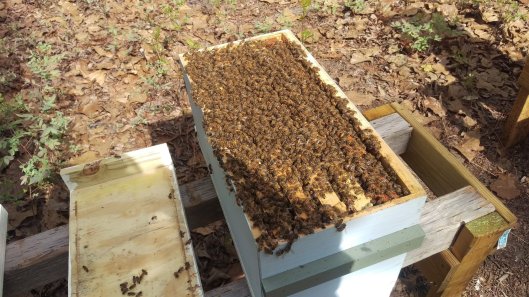
The Fall flow is officially on in my corner of Southeastern Lexington County, South Carolina. Weight gain, white wax, and increased activity indicate a nectar flow. I went out to feed some of the lighter hives and noticed some white wax as well as some weight gain on hives since 10 days ago. As the day warmed the bees were definitely flying with intent with some congestion on the landing boards. Even with the lack of rainfall, fall flow is on over here in the barren sand hills of Southeastern Lexington County. If it’s on here in this sandbox it’s likely you may find it’s on elsewhere in the Midlands. Bees flying with intent, launching themselves off the landing board immediately after exiting the hive entrance, increased incoming traffic as well landing and hurrying inside, other bees show excited behavior on the landing board, overall appearance of heightened purposeful activity, some white wax noted inside, the smell of goldenrod and sight of yellow pollen coming in.

It was a happy day indeed to be able to save some of that syrup until another day. I found a renewed interest in the pollen feeder which baffles me a little but may be a result of some increased brood rearing… I don’t know. All these things are a pleasant change from the doldrums of dearth. Pray for some rain to sustain the flow. Order up – winter bees please.

Feel free to share this on:

  • Share on Facebook (Opens in new window) Facebook
  • Share on X (Opens in new window) X
  • Share on Pinterest (Opens in new window) Pinterest
  • Email a link to a friend (Opens in new window) Email
  • Share on LinkedIn (Opens in new window) LinkedIn
  • Share on Reddit (Opens in new window) Reddit
  • Share on Tumblr (Opens in new window) Tumblr
  • Print (Opens in new window) Print
  • Share on Telegram (Opens in new window) Telegram
  • Share on WhatsApp (Opens in new window) WhatsApp
Like Loading...

The Enemy of my Enemy is my Friend. by Berks County PA Honey Bee Removal

04 Thursday Oct 2018

Posted by Beekeeping365 in beekeeping, beekeeping pest management, pests

≈ Leave a comment

Tags

bald faced hornets, honey bee pests, hornets, management of honey bee disaeses and pests, yellow jackets

About this time of year, for the past several years, most of my honeybee colonies would be fending off hundreds of yellow jackets daily. They also would deal with the occasional baldfaced hornet, but to a much lesser extent. This year however (so far), I have witnessed a grand total of 2 yellow jackets, and 2 baldfaced hornets attempting to harass my bees.

So why the picture of my topbar hive full of European hornets? It was back in May that I noticed a single, huge mother hornet enter my empty topbar hive. I looked through the viewing window to see an adorable little paper cone about the size of a silver dollar hanging from a bar. I was preparing to go in and smoosh it, along with mamma when I thought to spend a minute researching these things. I decided to leave it be, and if it got out of hand, then I’d kill it. It never really did get out of hand in my opinion, and it has been as interesting to observe as any other social insect colony.

Read the full article and follow some links to videos here: The Enemy of my Enemy is my Friend. — Berks County PA Honey Bee Removal 19601

Feel free to share this on:

  • Share on Facebook (Opens in new window) Facebook
  • Share on X (Opens in new window) X
  • Share on Pinterest (Opens in new window) Pinterest
  • Email a link to a friend (Opens in new window) Email
  • Share on LinkedIn (Opens in new window) LinkedIn
  • Share on Reddit (Opens in new window) Reddit
  • Share on Tumblr (Opens in new window) Tumblr
  • Print (Opens in new window) Print
  • Share on Telegram (Opens in new window) Telegram
  • Share on WhatsApp (Opens in new window) WhatsApp
Like Loading...

For Good of the Colony, Sick Honey Bee Brood Sounds the Alarm By Kaira Wagoner, Ph.D.

03 Wednesday Oct 2018

Posted by Beekeeping365 in beekeeping, biology, honey bee biology

≈ Leave a comment

Tags

bee biology, biology, honey bee biology, honey bee brood, sick bees

Pollinator health is a top priority these days, and everyone seems to be asking, “What can be done to save the bees?” Since most of the current challenges to pollinator health can be attributed to humans, there are several things we can do, from restoring pollinator habitat by planting pollinator-friendly natives to curbing our use of harmful pesticides.

This work is both ecologically and economically important, as honey bees are the most agriculturally important pollinator worldwide, contributing over $15 billion to annual crop yields in the United States alone. But honey bees have flourished on Earth for over 100 million years, so perhaps it is also worth asking, “What can honey bees do to help themselves?”

As social insects, closely related honey bees live in crowded colonies with frequent physical contact, a recipe for the rapid spread of parasites and pathogens. As a result, honey bees have evolved some fascinating social immune mechanisms, which help mitigate the spread of disease between sisters in a bustling colony. One such immune mechanism is “hygienic behavior,” the ability of adult bees to detect and remove unhealthy brood from the colony. By sacrificing a few unhealthy young, the overall health of the colony, and thus the probability of colony survival, is improved.

Read the fill article here: For Good of the Colony, Sick Honey Bee Brood Sounds the Alarm — Entomology Today

Feel free to share this on:

  • Share on Facebook (Opens in new window) Facebook
  • Share on X (Opens in new window) X
  • Share on Pinterest (Opens in new window) Pinterest
  • Email a link to a friend (Opens in new window) Email
  • Share on LinkedIn (Opens in new window) LinkedIn
  • Share on Reddit (Opens in new window) Reddit
  • Share on Tumblr (Opens in new window) Tumblr
  • Print (Opens in new window) Print
  • Share on Telegram (Opens in new window) Telegram
  • Share on WhatsApp (Opens in new window) WhatsApp
Like Loading...

Environmentalist Scare Stories – Never Mind! by peoples trust toronto

02 Tuesday Oct 2018

Posted by Beekeeping365 in bee health, bee law, beekeeping, beekeeping pest management

≈ 1 Comment

Tags

bee decline, gardening and pesticides, neonicotinoids

“Baby boomers” will remember Gilder Radner’s Saturday Night Live character from the ‘70s – Emily Litella, who would launch into hilarious rants against perceived problems, only to discover that she had completely misconstrued what she was fuming about.

“What’s all this fuss about endangered feces?” she asked in one. “How can you possibly run out of such a thing?” Then, after Jane Curtain interrupted to tell her “It’s endangered species,” she meekly responded with what became the iconic denouement of the era: “Ohhhh. Never mind.”

The Sierra Club and “invertebrate-protecting” Xerces Society recently had their own Emily Litella moment, over an issue they both have been hyperventilating about for years: endangered bees. For over half a decade, both organizations have been raising alarms about the imminent extinction of honeybees and, more recently, wild bees – allegedly due to the widespread use of neonicotinoid pesticides.

These are advanced-technology crop protection compounds, originally developed and registered as “reduced-risk” pesticides. Applied mostly as seed treatments, neonicotinoids get taken up into the tissue of crop plants, where they control pests that feed on and destroy the crops, while minimizing insecticide exposure to animals, humans and beneficial species like bees.

But not according to the Sierra Club! It campaigned incessantly for years on the claim that neonicotinoids would drive honeybees into extinction. For instance, in March 2015 the Sierra Club of Canada launched a nationwide “Protect the Pollinators Tour,” as part of its #SaveTheBees project.

“Ironically, the justification for this chemical madness is the same desire to produce enough food to feed everyone,” it said. “The chemical industry wants us to believe we have no choice; it’s their way or the highway. But the science tells us otherwise – that farmers don’t need these chemicals at all! The science also tells us we’re not just killing bees and pollinators, but other insects too. And we’re also killing birds and aquatic life. The scientists tell us we could be creating a Second Silent Spring. It’s madness.”

Read the entire article here:  Environmentalist Scare Stories – Never Mind! — peoples trust toronto

Feel free to share this on:

  • Share on Facebook (Opens in new window) Facebook
  • Share on X (Opens in new window) X
  • Share on Pinterest (Opens in new window) Pinterest
  • Email a link to a friend (Opens in new window) Email
  • Share on LinkedIn (Opens in new window) LinkedIn
  • Share on Reddit (Opens in new window) Reddit
  • Share on Tumblr (Opens in new window) Tumblr
  • Print (Opens in new window) Print
  • Share on Telegram (Opens in new window) Telegram
  • Share on WhatsApp (Opens in new window) WhatsApp
Like Loading...

The Mystery of the Missing Spiracle (Pair) by Staci Siler

30 Sunday Sep 2018

Posted by Beekeeping365 in beekeeping, honey bee anatomy

≈ Leave a comment

Tags

honey bee anatomy, Robert Evans Snodgrass, spiracles

The Mystery of the Missing Spiracle (Pair)
by Staci Siler

It read like the gravest of murder mysteries.  There was a spiracle missing on the side of my honey bee.  The book I read said it was supposed to be there but it was conspicuously absent.  What was wrong??  Was I looking at a serious mutation in my bee?  Was it contagious?  What was going on!!!!!  Where was that spiracle?

It would be nice if the answer were easy…  Or rather, I should say the answer is easy…. but complicated.

Read one book and there are nine spiracles on each side of a honey bee.  Read another and there are ten.  Read a third book and there are two spiracles on the thorax and a fourth will claim three…  So who is right??? Who is wrong???  What is going on and where is that spiracle???!!!???

To get to the answer to the question of two or three spiracles on the thorax, we have to learn a little about honey bee biology.  A spiracle is, basically, a hole in the side of the honey bee through which the bee breathes.  When the bee is a young larvae, there are ten spiracles along the side of it’s body — two on the thoracic region and eight on the abdomen.   As the honey bee grows, a ‘waist’ develops which separates the thorax from the abdomen but it starts right below the first segment of the abdomen.  As such, anatomical pictures of the adult honey bee look like this:

On this picture, you can see that the Roman numerals, which number the segments of the abdomen, start at I on the thorax, where the third spiracle is at.  As such, it would be technically correct to say there are two spiracles on the thorax but….  it would also be accurate to claim three spiracles to the ‘thoracic area’ or claim three by acknowledging the way the first abdominal segment is positioned on the thorax.That did very little to solve the initial question though as we are still left with a missing spiracle.  So… if the larvae started out with ten spiracles, where did it go?

Here is a picture of the young larvae, with all ten spiracles marked as dots along the centerline of the larvae.

Note that the tenth spiracle is located on the Roman Numeral, VIII, the eighth segment of the larval abdomen.  But if we look back at the adult honey bee we saw above, there is no eighth segment… is there???Actually, there is.  When the honey bee goes through metamorphosis, the eighth segment which contains the tenth spiracle ends up tucking up inside the seventh segment.  It is not visible but it still exists.  That said, is the tenth spiracle, though functional as a larvae, still functional or even connected to the breathing sacs in the adult honey bee.  See below image:

Note: only spiracles one through nine are listed.

The latest addition of the Hive and the Honey Bee lists the tenth spiracle as located in the spiracular plate associated with the base of the sting and, given it states there is a way for the spiracle to stop the escape of air, it lends credibility to the thought that the tenth spiracle, though often forgotten, is functional.  There is no notation for it in the above picture but other texts list it as having the second largest opening of the ten spiracles which would imply it is anything but vestigial.

So… we have found the missing spiracle.  You won’t see it if you put a magnifying glass on the bee’s abdomen but the tenth spiracle does exist, it is just not readily visible unless you are willing to get up close to the honey bee’s sting — an area beekeepers generally try to avoid.

Which is the more accurate answer?  Two or three, nine or ten??

I guess, as long as you take into account every reason for the differences (nine visible, ten functional — three on the thorax if acknowledging the transfer of the abdominal segment, two on the actual thorax) you could say any one of those variations and be correct… Technically…..

Ref: R.E. Snodgrass, Honey Bee Anatomy
Staci Siler is a Master Beekeeper living in South Carolina. She teaches all levels of beekeeping classes and frequently speaks at beekeeping associations across the state. She is the current Secretary of Mid-State Beekeepers located in the Midlands of South Carolina.

Feel free to share this on:

  • Share on Facebook (Opens in new window) Facebook
  • Share on X (Opens in new window) X
  • Share on Pinterest (Opens in new window) Pinterest
  • Email a link to a friend (Opens in new window) Email
  • Share on LinkedIn (Opens in new window) LinkedIn
  • Share on Reddit (Opens in new window) Reddit
  • Share on Tumblr (Opens in new window) Tumblr
  • Print (Opens in new window) Print
  • Share on Telegram (Opens in new window) Telegram
  • Share on WhatsApp (Opens in new window) WhatsApp
Like Loading...

Ginger Honey Pear Butter by Fillmore Container

29 Saturday Sep 2018

Posted by Beekeeping365 in beekeeping, honey, honey as food, honey recipe, raw honey, recipe

≈ 1 Comment

Tags

ginger, honey, honey recipe, pears, raw honey, recipe

PearGingerHoneyFeaturedImageATemplate1100x430_1-copy-1024x400

Ginger Honey Pear Butter

September is National Honey Month and it seemed fitting for us to celebrate. Not only because we have a pretty sweet line of honey jars, but also because we’ve been enjoying honey sweetened preserves and all the benefits of swapping honey for sugar in our jams, fruit butters and other preserves.

If you haven’t tried using honey in place of sugar in your preserves, this post about honey sweetened preserves offers some guidance on how to do that safely. We’ve also learned a lot about the addition of honey, and tried many trusted recipes from the books Naturally Sweet Food in Jars, and Preserving with Pomona’s Pectin.

GINGER HONEY PEAR BUTTER

Pear ImageThis recipe is adapted from Marisa McClellan’s recipe for Gingery Fig Butter in her book Naturally Sweet Food in Jars.

Yield: 5 (half-pint/250 ml) jars

3 pounds/1.4 kg pears, chopped

1 cup/340 g honey

1/4 cup/60 ml bottled lemon juice

1 tablespoon freshly grated ginger

Prepare jars, lids and a boiling water bath canner and 5 half-pint/250 ml jars.

Note: You don’t need to peel these pears. The natural pectin in the skins helps thickening. And adds flavor and nutrition. When you puree the pears (with the skins), you’ll find the skins just disappear into the butter.

Combine the pears, honey, lemon juice, and ginger in a low, wide, non-reactive pot. Place over high heat and bring to a boil. Once the contents of the pot begin to bubble and roll, reduce the heat to medium-low. Using an immersion blender, puree the warm pears until smooth. Cook, stirring regularly until the pear puree is thick. You know it’s done because it begins to thickly coat the sides of the pan and offers more resistance when you stir. During cooking, the pear butter may have clumped up a bit. If this is the case, use your immersion blender to puree is smooth again.

Remove the pot from the heat and funnel the finished butter into the prepared jars, leaving 1/2 inch/12 mm of headspace. Wipe the rims, apply the lids and rings, and process in a boiling water bath canner for 15 minutes.

Ref.:

https://www.fillmorecontainer.com/blog/2018/09/20/ginger-honey-pear-butter/

Feel free to share this on:

  • Share on Facebook (Opens in new window) Facebook
  • Share on X (Opens in new window) X
  • Share on Pinterest (Opens in new window) Pinterest
  • Email a link to a friend (Opens in new window) Email
  • Share on LinkedIn (Opens in new window) LinkedIn
  • Share on Reddit (Opens in new window) Reddit
  • Share on Tumblr (Opens in new window) Tumblr
  • Print (Opens in new window) Print
  • Share on Telegram (Opens in new window) Telegram
  • Share on WhatsApp (Opens in new window) WhatsApp
Like Loading...

Can Robobees Solve the Pollination Crisis? by The Xerces Society

28 Friday Sep 2018

Posted by Beekeeping365 in beekeeping, pollination, pollinators

≈ Leave a comment

Tags

honey bees, native pollinators, pollination, robobees

Earlier this year, Walmart filed a patent application for drones that are designed to pollinate crops by carrying pollen from one plant to another, detecting flower locations with sensors and cameras. More recently, there has been a surge in news articles analyzing the concept of “robobees,” which is also being researched in labs around the world, from Harvard to Russia’s Tomsk Polytechnic University. Although several organizations are exploring this concept as a way to address the alarming decline in honey-bee populations, it seems highly unlikely that robotic pollinators could actually provide a solution.

First, in crop plants alone there are myriad varieties of flower shapes, sizes, and arrangements. For a sense of this diversity, just think of squash flowers, sunflowers, apple blossoms, and tomato flowers. Bees have coevolved with plants to collect and transport pollen efficiently. How many different types of drones would one farmer need? We are a very long way from having technology that will accomplish the task that bees already perform.

And the problem is more complex than just crops. At least 85 percent of all terrestrial plant species either require or strongly benefit from some form of animal pollination, and the idea of robotic pollinators ignores the many wild plants in meadows, prairies, hedgerows, and forests. Focusing solely on crop pollination and failing to take the pollination of native plants into account may well lead to a deterioration in the plant communities that make up the very fabric of our environment.

Read the full article here: Can Robobees Solve the Pollination Crisis? — The Xerces Society

Feel free to share this on:

  • Share on Facebook (Opens in new window) Facebook
  • Share on X (Opens in new window) X
  • Share on Pinterest (Opens in new window) Pinterest
  • Email a link to a friend (Opens in new window) Email
  • Share on LinkedIn (Opens in new window) LinkedIn
  • Share on Reddit (Opens in new window) Reddit
  • Share on Tumblr (Opens in new window) Tumblr
  • Print (Opens in new window) Print
  • Share on Telegram (Opens in new window) Telegram
  • Share on WhatsApp (Opens in new window) WhatsApp
Like Loading...

Queen Bee Chemistry by Sciences In the Mural Of Life

27 Thursday Sep 2018

Posted by Beekeeping365 in beekeeping, queens

≈ Leave a comment

Tags

honey bee queen, pheromones, queen bee chemistry, queens

It is so easy to jump to conclusions when observing and studying honeybees. To the uninitiated, the female workers seem to be the key to the hive. After all, they do so much. They start off early in their lives cleaning the nest. A few days later they are feeding larvae, then secreting wax to build the honeycomb. At about the age of 20 days, they act as guards to the entrance of the nest, and when their glands degenerate, they’re off collecting pollen and nectar for the rest of their lives. After a successful trip, they perform elaborate symbolic dances, revealing both the angular and scalar components of their displacement from flowers to hive. In contrast, the males and the queen bee don’t do any of the above.

But the female workers, as industrious as they may be, do not reproduce and do not exert the strongest influence in the hive. The failure of a single and other type of individual is consistently listed as a cause of honeybee colony mortality.  That individual is the queen bee. She is born in a cell built larger than the others to accommodate her bigger size. But what makes her develop into a queen? After observing that the queen bee larva and adult queen is only fed a so-called royal jelly, a white mixture of protein and sugar secreted from the heads of worker bees, it was long assumed that the mixture held the secret. But a few years ago it was revealed that the key was not necessarily contained in the royal jelly but in what the queen bee was not fed: pollen and nectar. The latter food- source for other larvae contains flavonoids, some of which include inhibitors. Investigators reared larvae in the lab on a royal jelly diet adulterated with para coumaric acid, and by the time they developed into adults, ovary development had been stunted.

Read the full article here: Queen Bee Chemistry — Sciences In the Mural Of Life

Feel free to share this on:

  • Share on Facebook (Opens in new window) Facebook
  • Share on X (Opens in new window) X
  • Share on Pinterest (Opens in new window) Pinterest
  • Email a link to a friend (Opens in new window) Email
  • Share on LinkedIn (Opens in new window) LinkedIn
  • Share on Reddit (Opens in new window) Reddit
  • Share on Tumblr (Opens in new window) Tumblr
  • Print (Opens in new window) Print
  • Share on Telegram (Opens in new window) Telegram
  • Share on WhatsApp (Opens in new window) WhatsApp
Like Loading...

Politics of the Hive – The Bee Blog by Rita Komendant

26 Wednesday Sep 2018

Posted by Beekeeping365 in beekeeping, honey bee behavior, honey bee biology

≈ Leave a comment

Tags

drone bees, honey bee behavior, politics of the hive

This is a Drone. He has very large eyes that I surmise cover a 270° radius  (just a guess, I’ll look it up) so he can see the Queen for the mating flight. All those drones taking up space in the hive and eating up all the goodies, the bee bread and honey stores. Bee bread is a combo of honey and pollen. Can you taste the polleny-breadiness? I have now read the colony allows them to hang out to ‘keep the brood warm’ but the entomologists don’t all agree on this.  They are larger than everyone else, kind of ‘chunky’.

‘First Lessons in Beekeeping’ published in 1918 by  Charles Dadant arrived recently from Amazon’s trove of ‘lost books’. This book is considered one of the ‘bibles’ of beekeeping.  We got it right back then and bees were and still are and always will be it seems, the most studied creature on the planet. The book begins immediately with the reproduction equipment (and that stinger) of this fascinating society of insects. Dadant could draw!(next time I’ll show you the etching-like diagrams)

Read the full article here: Politics of the Hive — The Bee Blog by Rita Komendant

Feel free to share this on:

  • Share on Facebook (Opens in new window) Facebook
  • Share on X (Opens in new window) X
  • Share on Pinterest (Opens in new window) Pinterest
  • Email a link to a friend (Opens in new window) Email
  • Share on LinkedIn (Opens in new window) LinkedIn
  • Share on Reddit (Opens in new window) Reddit
  • Share on Tumblr (Opens in new window) Tumblr
  • Print (Opens in new window) Print
  • Share on Telegram (Opens in new window) Telegram
  • Share on WhatsApp (Opens in new window) WhatsApp
Like Loading...

Grandpa’s Bees by TheHem4Life

25 Tuesday Sep 2018

Posted by Beekeeping365 in beekeeping, beekeeping history

≈ Leave a comment

Tags

beekeeping history, gum hives, history, Langstroth hives

Actual gum hive
Actual gum hive
Langstroth hive
Langstroth hive

The old-timers call them bee gums.  Bees commonly took up residence in an old gum tree.  These natural hollows could be used for keeping bee colonies.  L.L. Langstroth patented a new man-made structure for bees in 1852 with a careful mind to maintaining “bee space”.  This design, with minor modifications, remains the standard for modern beekeeping in the United States.  Some new designs are being developed.  But Grandpa had his white painted langstroths behind the house and above the garden for his bees.  He still called them bee gums.

I grew up in Colorado, so childhood visits to my grandparents were rare.  But I still remember sitting on the porch watching a massive swarm settling into the nearby tree while Grandpa fretted over how to get them back into a bee gum.  Hard to get honey from escapees.

Fresh honey truly is magical.  Nothing like what comes in the stores.  Even honey from a chemical free beekeeper is not the same – it has sat around a bit.  Grandpa would suit up and grab his smoker and return with frames and frames of the stuff.  My sister and I would chew up the comb extracting the honey directly onto our tongues.  Granny and Grandpa used their great big aluminum pans to drip out honey while cutting the comb.  Chunks of comb would go into waiting mason jars, the remaining honey poured over, and the jars sealed.  The honey went to family, friends, the bank house, and the farmer’s market.  There always seemed to be plenty though Grandpa kept four colonies at the most.

Read the full article here: grandpa’s bees — TheHem4Life

Feel free to share this on:

  • Share on Facebook (Opens in new window) Facebook
  • Share on X (Opens in new window) X
  • Share on Pinterest (Opens in new window) Pinterest
  • Email a link to a friend (Opens in new window) Email
  • Share on LinkedIn (Opens in new window) LinkedIn
  • Share on Reddit (Opens in new window) Reddit
  • Share on Tumblr (Opens in new window) Tumblr
  • Print (Opens in new window) Print
  • Share on Telegram (Opens in new window) Telegram
  • Share on WhatsApp (Opens in new window) WhatsApp
Like Loading...

Bee Keeping & Legitimately Fun Facts About Bees! by LEO

24 Monday Sep 2018

Posted by Beekeeping365 in beekeeping

≈ 1 Comment

Tags

beekeeping fun facts, honey bees, keeping bees

Ever since kindergarten, I have been beekeeping with my mother, but we aren’t the first in our family. Our beekeeping tradition goes back four generations to my great-grandmother Charlotte Ames, but I am the first male beekeeper in my family. My sister, on the other hand, does not want to involve herself with bugs in any way. She will go days without using her bathroom if there is a ladybug somewhere inside.

I  have loved bugs all my life. When I was three or four years old, I would find stinkbugs, because my old house had an abundance of them, and stuff them in my matchbox cars and drive them around town. Though I couldn’t get my hands on bees to put them in cars, I still loved them anyway.

Read full article here: Bee Keeping & Legitimately Fun Facts About Bees! — LEO

Feel free to share this on:

  • Share on Facebook (Opens in new window) Facebook
  • Share on X (Opens in new window) X
  • Share on Pinterest (Opens in new window) Pinterest
  • Email a link to a friend (Opens in new window) Email
  • Share on LinkedIn (Opens in new window) LinkedIn
  • Share on Reddit (Opens in new window) Reddit
  • Share on Tumblr (Opens in new window) Tumblr
  • Print (Opens in new window) Print
  • Share on Telegram (Opens in new window) Telegram
  • Share on WhatsApp (Opens in new window) WhatsApp
Like Loading...

Quote

Beek Reads: Nobody Wants to be the Queen by Q Gardens

23 Sunday Sep 2018

Posted by Beekeeping365 in beekeeping, biology, honey bee behavior, honey bee biology

≈ Leave a comment

Tags

honey bee behavior, honey bee queen, honey bee roles, political

“What role would you want in the hive?” we asked, the eight of us sitting in the circle of benches surrounded by Q Gardens’ newly green herbs and late spring blooms. The answers differed, but on one thing, we agreed: No one wants to be the queen.

The life of a drone sounds idyllic, if short-lived. Lay about the hive. Eat. Wait for a sunny day to fly out to the drone congregation area—how exactly the drones know the congregation’s location is a mystery—and find a young virgin queen to explosively impregnate. And die, gracelessly but with purpose.

The worker bee’s life isn’t so bad either. She has a number of roles, from nurse to scout, so it’s never boring, and workers have the highest “autonomy,” collectively making the hive’s “decisions.” A worker’s life is always busy, always productive.

Read the full article here: Beek Reads: Nobody Wants to be the Queen — Q Gardens

Feel free to share this on:

  • Share on Facebook (Opens in new window) Facebook
  • Share on X (Opens in new window) X
  • Share on Pinterest (Opens in new window) Pinterest
  • Email a link to a friend (Opens in new window) Email
  • Share on LinkedIn (Opens in new window) LinkedIn
  • Share on Reddit (Opens in new window) Reddit
  • Share on Tumblr (Opens in new window) Tumblr
  • Print (Opens in new window) Print
  • Share on Telegram (Opens in new window) Telegram
  • Share on WhatsApp (Opens in new window) WhatsApp
Like Loading...

Pork Tacos with Honey Mango Relish by From Prosecco to Peaches

22 Saturday Sep 2018

Posted by Beekeeping365 in beekeeping, honey recipe, recipe

≈ 1 Comment

Tags

honey, mango, recipe, relish, taco, taco recipe

I had been in the mood for tacos for a few days but could not decide what kind I wanted to make. Ground beef? Steak? Chicken? A trip to the butcher decided for me. We popped into the butcher and waiting for me was this pork shoulder (aka boston butt). Once I laid my eyes on it my taco destiny was decided.

Fruit salsas/relish don’t usually appeal to me. I like my savory dishes savory and my sweet dishes sweet, rarely do I enjoy combining the two (except for the classic salt+chocolate]. However, I had a few honey mangos hanging out on the counter, and figured I would give this whole fruit salsa thing a go. Speaking of honey mangos, where have you been all of my life? I have never seen them before this year and suddenly they are in every supermarket. I’m glad for it, they are way easier to prepare than the mangos I am used to eating.

Anyway, the next time you find yourself wanting some tacos, or need to feed a crowd, definitely give these a try. If you are a savory fruit skeptic, give the relish a go, it definitely made me a convert.

Get the recipe here: Pork Tacos with Honey Mango Relish — From Prosecco to Peaches

Feel free to share this on:

  • Share on Facebook (Opens in new window) Facebook
  • Share on X (Opens in new window) X
  • Share on Pinterest (Opens in new window) Pinterest
  • Email a link to a friend (Opens in new window) Email
  • Share on LinkedIn (Opens in new window) LinkedIn
  • Share on Reddit (Opens in new window) Reddit
  • Share on Tumblr (Opens in new window) Tumblr
  • Print (Opens in new window) Print
  • Share on Telegram (Opens in new window) Telegram
  • Share on WhatsApp (Opens in new window) WhatsApp
Like Loading...

The Background Hum – Drones by Why Do Bees

21 Friday Sep 2018

Posted by Beekeeping365 in beekeeping, biology, honey bee biology

≈ Leave a comment

Tags

biology, drones, honey bee biology

They’re freeloaders yet vital to the colony’s success. Most of the time they’re laid back bordering on lazy, yet they give it all to their mission when pheromones beckon, dying in the process. They’re allowed to play in the hive all season then bullied out in the fall. It’s all about colony survival. In a healthy hive, drones are the background hum, the harmony behind the melody, a small but important part of the symphony.

Read the full article at: The Background Hum — Why Do Bees

Feel free to share this on:

  • Share on Facebook (Opens in new window) Facebook
  • Share on X (Opens in new window) X
  • Share on Pinterest (Opens in new window) Pinterest
  • Email a link to a friend (Opens in new window) Email
  • Share on LinkedIn (Opens in new window) LinkedIn
  • Share on Reddit (Opens in new window) Reddit
  • Share on Tumblr (Opens in new window) Tumblr
  • Print (Opens in new window) Print
  • Share on Telegram (Opens in new window) Telegram
  • Share on WhatsApp (Opens in new window) WhatsApp
Like Loading...

Garden Plan For Pollinators by Keeping Backyard Bees

20 Thursday Sep 2018

Posted by Beekeeping365 in beekeeping, forage, pollination, pollinators

≈ Leave a comment

Tags

gardening for bees, plants for pollinators, pollinator gardening, pollinator gardens

Many pollinator species have suffered serious declines in recent years. Unfortunately, most of our landscapes offer little in the way of appropriate habitat, forage, and housing. Even the most beautiful gardens are not always healthy ecosystems. Design choices, plant selections, and maintenance practices can make a huge difference in creating your own healthy ecosystem, filled with life. As a garden designer, I use this landscape plan for many gardens to attract the greatest varieties of pollinators.

Read full article with lots of pictures and plans here: Garden Plan For Pollinators — Keeping Backyard Bees

Feel free to share this on:

  • Share on Facebook (Opens in new window) Facebook
  • Share on X (Opens in new window) X
  • Share on Pinterest (Opens in new window) Pinterest
  • Email a link to a friend (Opens in new window) Email
  • Share on LinkedIn (Opens in new window) LinkedIn
  • Share on Reddit (Opens in new window) Reddit
  • Share on Tumblr (Opens in new window) Tumblr
  • Print (Opens in new window) Print
  • Share on Telegram (Opens in new window) Telegram
  • Share on WhatsApp (Opens in new window) WhatsApp
Like Loading...

Quote

The Zen of Beekeeping by Wildflower Meadows

19 Wednesday Sep 2018

Posted by Beekeeping365 in beekeeping

≈ Leave a comment

Tags

first time in hive, new beekeepers, Zen of Beekeeping

beekeeper holding a honeycomb full of bees

For a beginning beekeeper, opening a hive for the first few times can be somewhat overwhelming – and downright scary!  There are all those bees in there.  They have stingers.  What if they get angry???  Then there is all of the unfamiliar gear: a veil or suit, big gloves, and a new hive tool.  It can all be a bit overwhelming and cause a beginning beekeeper to feel quite anxious.

This nervousness almost certainly makes matters worse.  While it is hard to say for certain whether bees can intrinsically sense this unease, they most certainly do sense unsteady and jerky movements.  Bees do not like these kinds of rapid or rushed actions.  They especially do not like any kind of rough treatment.  For an experienced beekeeper, swatting at bees, darting about, dropping things, and banging things are all completely out of the question.

Beekeepers need to be relaxed and calm around their bees.  If you are nervous as a beginner, you need do your best to pretend that you are calm.  (“Fake it until you make it!”).  Bees are sensitive creatures.  If you move carefully and calmly, treating them with peace and respect, they will return the favor.  One of the joys of keeping bees is the opportunity to get in touch with and to give respect to the magnificent sense of peace and purpose that is in the heart of every beehive.

Read full article at: The Zen of Beekeeping — Wildflower Meadows

Feel free to share this on:

  • Share on Facebook (Opens in new window) Facebook
  • Share on X (Opens in new window) X
  • Share on Pinterest (Opens in new window) Pinterest
  • Email a link to a friend (Opens in new window) Email
  • Share on LinkedIn (Opens in new window) LinkedIn
  • Share on Reddit (Opens in new window) Reddit
  • Share on Tumblr (Opens in new window) Tumblr
  • Print (Opens in new window) Print
  • Share on Telegram (Opens in new window) Telegram
  • Share on WhatsApp (Opens in new window) WhatsApp
Like Loading...

Bees and Water by Braman’s Wanderings

18 Tuesday Sep 2018

Posted by Beekeeping365 in beekeeping, beekeeping seasons, honey bee photos, honey bees

≈ Leave a comment

Tags

honey bees, providing water, water

We often see pictures of bees collecting nectar from flowers and blossoms, but they also need to collect water. The bees use water to cool their hives, help feed their young and also to keep honey at the right hydration level.

Read full article with more photos at:  Bees and Water — Braman’s Wanderings

Feel free to share this on:

  • Share on Facebook (Opens in new window) Facebook
  • Share on X (Opens in new window) X
  • Share on Pinterest (Opens in new window) Pinterest
  • Email a link to a friend (Opens in new window) Email
  • Share on LinkedIn (Opens in new window) LinkedIn
  • Share on Reddit (Opens in new window) Reddit
  • Share on Tumblr (Opens in new window) Tumblr
  • Print (Opens in new window) Print
  • Share on Telegram (Opens in new window) Telegram
  • Share on WhatsApp (Opens in new window) WhatsApp
Like Loading...

A Relaxing Stroll in the Bee Yard by sassafrasbeefarm

17 Monday Sep 2018

Posted by Beekeeping365 in beekeeping

≈ 3 Comments

Tags

beekeeping

330px-Mårten_Eskil_Winge_-_Tor's_Fight_with_the_Giants_-_Google_Art_Project

Thor’s Fight with the Giants by Mårten Eskil Winge, 1872

Hehehe, Just came in from doing a walk through the bee yard. One hive is off to itself having been established under a tree where a swarm had been captured this past spring. The hive grew to such size that moving it became problematic so it was just left on its own. The problem is the bottom board on this hive is a makeshift piece of thin lauan plywood screwed to spacers and a 10 frame deep. I had built it to use for “on the road” swarm captures but it had been utilized in a pinch and had remained.

I have known I needed to move the whole thing over to a regular bottom board and 10 frame  – some day. Yeah, it never happened. But today, with the rain and some of crappy weather behind us, I decide I’m ready to do something about it. hehehe.

Now the human mind is a curious thing and I know better than to dismantle this still large hive of four boxes on a rainy day to change out the bottom board. So the mind’s acceptable substitution, or less absurd solution, is to replace the idea of changing the bottom board with the more reasonable task of just sliding a reducer into place. The fact that it is raining outside doesn’t seem to impact this well thought out, reasonable compromise, to the problem.

Effort 1: reducer too long; about 5 bees decide they don’t want the reducer and run me off.

Effort 2: Now equipped with a bee suit and a hive tool I return and attempt to place reducer on front of hive; reducer becomes stuck sideways and won’t slide into place even using hive tool as wedge; about 20 bees decide they would rather not have a reducer and run me away.

Effort 3: I return with suit, gloves, hive tool, and hammer; I am greeted by 30 or more bees upon approach; I place reducer and start tapping it into place with hammer; within seconds about 50 – 75 bees come out and demand I leave; I set a new world’s speed record successfully installing the reducer; then, assuming this is a biathlon, I set another world land speed record running back to the house. There I discover I have transported at least a dozen hard core bees attached to my jeans, suit, and veil; I spend the next 10 minutes removing bees and resolve to just leave that hive to its own defenses – it seems they really didn’t need a reducer after all.

I wonder where I dropped that hammer.


Feel free to share this on:

  • Share on Facebook (Opens in new window) Facebook
  • Share on X (Opens in new window) X
  • Share on Pinterest (Opens in new window) Pinterest
  • Email a link to a friend (Opens in new window) Email
  • Share on LinkedIn (Opens in new window) LinkedIn
  • Share on Reddit (Opens in new window) Reddit
  • Share on Tumblr (Opens in new window) Tumblr
  • Print (Opens in new window) Print
  • Share on Telegram (Opens in new window) Telegram
  • Share on WhatsApp (Opens in new window) WhatsApp
Like Loading...

Dr Warwick Kerr, the “Man Who Created Killer Bees”, has died by Bad Beekeeping Blog

16 Sunday Sep 2018

Posted by Beekeeping365 in africanized honey bees, beekeeping, famous beekeepers

≈ Leave a comment

Tags

AFB, africanized honey bees, Dr. Warwick Kerr, famous beekeepers

It is with regret that we report that the humanitarian, geneticist, and scientist, Professor Warwick Kerr, passed away this morning, September 15, 2018. He was six days past his 96th birthday.  Dr Kerr, a Brazilian bee scientist, had one of the most maligned lives of any research scientist. He will be remembered by some as the man who gave us ‘Killer Bees’ – the African-European bee known for its (sometimes) aggressive behaviour. The Africanized Honey Bee, a hybrid which Dr Kerr was largely responsible for creating, helped turn his impoverished homeland of Brazil from a backwater of agriculture and honey production into one of the most prolific honey and agriculture countries in the world.

Read full article at: Dr Warwick Kerr, the “Man Who Created Killer Bees”, has died — Bad Beekeeping Blog

Feel free to share this on:

  • Share on Facebook (Opens in new window) Facebook
  • Share on X (Opens in new window) X
  • Share on Pinterest (Opens in new window) Pinterest
  • Email a link to a friend (Opens in new window) Email
  • Share on LinkedIn (Opens in new window) LinkedIn
  • Share on Reddit (Opens in new window) Reddit
  • Share on Tumblr (Opens in new window) Tumblr
  • Print (Opens in new window) Print
  • Share on Telegram (Opens in new window) Telegram
  • Share on WhatsApp (Opens in new window) WhatsApp
Like Loading...

Quote

Dulcis Coccora Recipe by Savor the Southwest

15 Saturday Sep 2018

Posted by Beekeeping365 in beekeeping, honey, honey as food, honey recipe, recipe

≈ Leave a comment

Tags

art, dates, fruit recipe, honey, honey recipe

A bit of history to sweeten an excellent historical recipe. Have a visit and read the full recipe. – sassafrasbeefarm

Monica King here to kick off National Honey Month since I’m a beekeeper. This awareness month was initiated by the National Honey Board in 1989 to promote American beekeepers and honey.

One pharoah, Cleopatra, used honey in her beauty regime. One of Cleopatra’s secrets, and her most famous, was her ritual bathing in milk and honey. Both of these ingredients naturally soften the skin, exfoliate, and leave a fresh, sweet scent. You can do this yourself by adding two cups milk and half cup honey to your bath water.

Personally, it is Cleopatra’s sweet tooth that I can relate to. Cleopatra’s favorite treat was a sweet honey ball called “Dulcis Coccora” also known as “Tiger Nut Sweets.” A recipe was reported to have been found on a broken piece of Egyptian pottery dating from 1600 BCE.

“Dulcis Coccora”
1 pound pitted dates
water
2 Tablespoons ground cinnamon
1/2 Teaspoon fresh ground cardamon
4 tablespoons chopped walnuts
honey – to coat
ground almonds and/or pomegranate seeds

Read full recipe here: Bees: Tears of the Sun God Re — Savor the Southwest:

Feel free to share this on:

  • Share on Facebook (Opens in new window) Facebook
  • Share on X (Opens in new window) X
  • Share on Pinterest (Opens in new window) Pinterest
  • Email a link to a friend (Opens in new window) Email
  • Share on LinkedIn (Opens in new window) LinkedIn
  • Share on Reddit (Opens in new window) Reddit
  • Share on Tumblr (Opens in new window) Tumblr
  • Print (Opens in new window) Print
  • Share on Telegram (Opens in new window) Telegram
  • Share on WhatsApp (Opens in new window) WhatsApp
Like Loading...

Quote

Bees adjust to seasons with nutrients in flowers and ‘dirty water’ by Save The Bees Concert

14 Friday Sep 2018

Posted by Beekeeping365 in beekeeping, feeding bees, honey bee nutrition

≈ Leave a comment

Tags

feeding bees, honey bee nutrition, minerals, vitamins

More and more it’s pointing to nutrition to help us save our bees.
~ sassafrasbeefarm

Researchers have discovered that honey bees alter their diet of nutrients according to the season. A spike in calcium consumption in the fall, and high intake of potassium, help prepare the bees for colder months when they likely need those minerals to generate warmth. A careful inventory of the bees’ nutrient intake revealed shifting sources and how limitations in nutrient availability from these sources can have implications for the health of both managed and wild colonies.

Read full article here: Bees adjust to seasons with nutrients in flowers and ‘dirty water’ — Save The Bees Concert

Feel free to share this on:

  • Share on Facebook (Opens in new window) Facebook
  • Share on X (Opens in new window) X
  • Share on Pinterest (Opens in new window) Pinterest
  • Email a link to a friend (Opens in new window) Email
  • Share on LinkedIn (Opens in new window) LinkedIn
  • Share on Reddit (Opens in new window) Reddit
  • Share on Tumblr (Opens in new window) Tumblr
  • Print (Opens in new window) Print
  • Share on Telegram (Opens in new window) Telegram
  • Share on WhatsApp (Opens in new window) WhatsApp
Like Loading...

Quote

Why Smoking Soothes the Stressed-Out Bee Hive by Meredith Swett Walker

13 Thursday Sep 2018

Posted by Beekeeping365 in beekeeping, beekeeping equipment, beekeeping management, biology, defensiveness, equipment, hive inspections, honey bee behavior

≈ 2 Comments

Tags

art, bee smoker, beekeeping equipment, defensive behavior, honey bee behavior

Smoke has long been the beekeeper’s secret weapon to avoid getting stung. Ancient Egyptian art dating back over 2,500 years ago depicts beekeepers blowing smoke into hives. But despite the age of this practice and human’s enduring fascination with honey bees, we still haven’t figured out exactly why smoke soothes bees.

Meredith Swett Walker

In research published in August in the Journal of Insect Science, Stephanie Gage, Ph.D., with colleagues at the U.S. Department of Agriculture’s Carl Hayden Bee Research Center and at BetaTec Hop Products, presents a scientific evaluation of smoke on the honey bee’s defensive behavior. The researchers focused on the “sting extension response” and evaluated the effects of two different types of smoke: burlap, which is commonly used by beekeepers, and spent hop pellets—a recycled material made from hop flowers after they have been used to make beer.

Because a honey bee (Apis mellifera) hive contains valuable treasure—sweet honey and protein packed larvae—bees must mount a coordinated defense to protect the hive from the many predators that would love to plunder it. A small number of worker bees serve as “guard bees” that patrol the entrance to the hive and watch for intruders. If a threat is detected, the guard will raise her abdomen and extend her stinger into the air. This behavior is called the sting extension response, and it releases an alarm pheromone, or a chemical signal, to the rest of the colony, mobilizing other workers to prepare to attack an intruder. If the intruder provokes the bees further, stinging commences.

Read the full article here on Entomology Today Why Smoking Soothes the Stressed-Out Bee Hive — Entomology Today

Feel free to share this on:

  • Share on Facebook (Opens in new window) Facebook
  • Share on X (Opens in new window) X
  • Share on Pinterest (Opens in new window) Pinterest
  • Email a link to a friend (Opens in new window) Email
  • Share on LinkedIn (Opens in new window) LinkedIn
  • Share on Reddit (Opens in new window) Reddit
  • Share on Tumblr (Opens in new window) Tumblr
  • Print (Opens in new window) Print
  • Share on Telegram (Opens in new window) Telegram
  • Share on WhatsApp (Opens in new window) WhatsApp
Like Loading...

High Altitude Honey Bee by 67steffen

11 Tuesday Sep 2018

Posted by Beekeeping365 in beekeeping, honey bee photos

≈ 2 Comments

Tags

bee photos, photography

The honey bee in this shot, taken yesterday, is about 14 feet off the ground in the middle of ivy growing on a pergola.  Its wings are beating at 11,000 times per minute along with around 500 other bees in this ivy. The buzzing is very loud. I’m standing on a step stool with a 50mm SLR–bees are whizzing by me. This is nuts. But I take the photo regardless.  

Folllow more daily photos from the lens of: 67steffen

Feel free to share this on:

  • Share on Facebook (Opens in new window) Facebook
  • Share on X (Opens in new window) X
  • Share on Pinterest (Opens in new window) Pinterest
  • Email a link to a friend (Opens in new window) Email
  • Share on LinkedIn (Opens in new window) LinkedIn
  • Share on Reddit (Opens in new window) Reddit
  • Share on Tumblr (Opens in new window) Tumblr
  • Print (Opens in new window) Print
  • Share on Telegram (Opens in new window) Telegram
  • Share on WhatsApp (Opens in new window) WhatsApp
Like Loading...

Gray Squirrels and Pollen Feeders

10 Monday Sep 2018

Posted by Beekeeping365 in beekeeping, humor

≈ Leave a comment

Tags

beekeeping, humor

14264805_10208468165676520_6204375263559427595_n

(Above) Eastern Gray Squirrel (Sciurus carolinensis) in pollen feeder. This is a picture of last year’s pollen feeder hanging outside my wood shop. Only it might as well have been called a squirrel feeder. They have to eat too and pollen substitute is high in protein!

(Below) And here are a few pictures of this year’s effort. No squirrels this year after placing the feeders on PVC pipe and greasing the pipe. A little plastic protrudes over the opening to protect the pollen from any rain.

pollen1
pollen2
pollen3


Feel free to share this on:

  • Share on Facebook (Opens in new window) Facebook
  • Share on X (Opens in new window) X
  • Share on Pinterest (Opens in new window) Pinterest
  • Email a link to a friend (Opens in new window) Email
  • Share on LinkedIn (Opens in new window) LinkedIn
  • Share on Reddit (Opens in new window) Reddit
  • Share on Tumblr (Opens in new window) Tumblr
  • Print (Opens in new window) Print
  • Share on Telegram (Opens in new window) Telegram
  • Share on WhatsApp (Opens in new window) WhatsApp
Like Loading...

Quote

Breakfast fruit bowl with honey by Sunsets Sunrise

08 Saturday Sep 2018

Posted by Beekeeping365 in beekeeping, honey, honey as food

≈ Leave a comment

Tags

breakfast recipe, honey, honey and fruit, recipe

Hi everyone! I thought I would post food for today. Back on the grind of eating healthier. Breakfast is known as the most important meal. This is breakfast. Strawberries, blueberries, mango, kiwi over yogurt and oats on the bottom drizzled with raw honey. My way of eating healthier. Although at times I go off course. […]

Read full blog post here: Breakfast fruit bowl. — Sunsets Sunrise

Feel free to share this on:

  • Share on Facebook (Opens in new window) Facebook
  • Share on X (Opens in new window) X
  • Share on Pinterest (Opens in new window) Pinterest
  • Email a link to a friend (Opens in new window) Email
  • Share on LinkedIn (Opens in new window) LinkedIn
  • Share on Reddit (Opens in new window) Reddit
  • Share on Tumblr (Opens in new window) Tumblr
  • Print (Opens in new window) Print
  • Share on Telegram (Opens in new window) Telegram
  • Share on WhatsApp (Opens in new window) WhatsApp
Like Loading...

Eastern Apicultural Society 2018 – How Fortunate I Am by sassafrasbeefarm

06 Thursday Sep 2018

Posted by Beekeeping365 in beekeeper education, beekeeping, education, hive inspections

≈ 2 Comments

Tags

beekeeper testing, EAS, Eastern Apicultural Society, master beekeeper program

IMAG1739Recently I have taken some time off from blogging. In fact about three weeks now. Except for the occasional scheduled posts of famous beekeepers, I have taken a bit of time for a diversion – an experience that I want to share with you here.

eas photo

EAS 2017, Delaware

Last year I attended the Eastern Apicultural Society’s conference in Newark, Delaware. To say the least, I was taken by the scope and quality of the conference. At every turn I was impressed with the event. The lectures were outstanding, the speakers personable and approachable, and the venue perfect in many ways. I was literally up at 6:30am every morning, having breakfast with many of today’s notable beekeepers by 7:00am, and attending lectures and events until 8:30pm. But although I was trying my best to eke out every morsel of beekeeping goodness, I found it impossible to do it all. There was the microscopy track which was running concurrent with multiple lecture sessions, the honey show marched on in the background, the bee yard events, and the local excursions passing me by. I vowed to return this year to accomplish more.

hampton convention center

EAS 2018 Hampton VA

This year, in Hampton, Virginia, I would take a bigger bite and try my hand with one of the other tracks taking place at the conference. But before I spill the beans, let me tell you a bit of my history. You see, I’m a beginner at this avocation called beekeeping. A mere seven years although my wife and children will attest I have been diligent in my studies. During those seven years I have purposefully tried to explore as many niches in beekeeping as possible. Some things, like honey bee removals from structures, were one and done events. I’ve entered honey shows  and won blue ribbons and while somewhat rewarding I found it wasn’t my calling. I’ve kept some outyards on farms and gardens for the sole purpose of learning how to anticipate needs and scheduled visits. A couple of magazine articles were satisfying and added some financial assistance as I grew my apiary and purchased queen rearing equipment. Two years as the local association’s Secretary probably grew my knowledge base the most as I took part in responding to swarm calls, emails from beginning beekeepers, cold calling problem bee colonies, teaching classes, and surrounding myself with more knowledgeable beekeepers.

Along the path described above I checked off the boxes towards becoming a master beekeeper. And I found myself well on my way by the time I was at EAS 2017. But last year, at EAS, I saw what I wanted more than the microscopy classes or a honey show. I wanted the challenge of the EAS master beekeeping exam. Four tests – written, verbal, lab, and field. You get a pin and a certificate if you pass all four. The carrot on the stick for me was simply attempting and completing the challenge. I wanted to somehow put together my seven years of exploring and turn it into confirmation that I was well-rounded in the knowledge and skills of beekeeping. Not perfect, as my knowledge is far from complete; just a well rounded generalist.

So, this year I would give up many of the lectures and events to subject myself to mental exhaustion. Preparation started three years prior but in earnest after last year’s EAS conference. As this year’s testing approached I upped my study time and pressed my long since unpracticed study skills. Isn’t there some sort of saying about the difficulties in teaching old dogs? Well, I’m an old dog and things don’t stick as readily as they used to. Put another way, my mental hard drive has been filled for some time now with the events of life.

DSC_0032

Just before walking into the written exam.

The EAS Master Beekeeping testing started with a meet and greet on Monday afternoon. There were about twenty-seven beekeepers there, some younger and some older, who would be taking some or all of the tests. Some were returning from a previous unsuccessful attempt. There you learn that there is no shame in re-attempting the test – in fact it’s the norm. The remainder of the room was filled with current EAS Master Beekeepers both sitting and lining the walls. The  beekeepers testing were invited to tell their stories about what brought them there. The master beekeepers shared their stories as well and encouraged us to try our best, and to not be discouraged no matter the outcome. At some point the message comes through that this testing is not solely about spilling forth what we have learned but is also about the ability to persevere, to stand and deliver to our best ability, and to be open to learning during the testing. The meet and greet works to dispel the idea that one has to pass to be successful. What one should also be doing is learning from what is before them. Oh, I still wanted to pass the exams, but now I also had the goal to let this opportunity mentor me which took some of the pressure off.

The next two days and nights were filled with last-minute, self-imposed test preparation and rehearsing my one known oral test question (one verbal exam test question of four is known to the testee). At some point during this crunch time in the testing process it begins to become apparent that I am learning more about beekeeping and about myself.
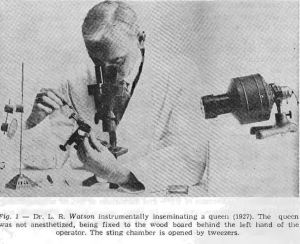
L.R.WatsonThe written test was difficult. But too often I simply looked at the obvious yet still called it wrong. True/false, multiple choice, short answer all reasonable if only my brain would tell me whether it was White, Wilson, Watson, or Woodley. The essay questions were a delight. Time to sit down, apply structured writing, and explain what I know without rushing an answer. I walked out giving myself even odds.

The oral exam was my weakest exam performance. I had spent too much time preparing for the known question and none preparing for the unknown questions. Well, how exactly does one prepare for the unknown? Yeah, there are ways. Any response can be structured just as any good essay can be outlined. Or frame your reply as a story-teller or perhaps present your monologue along a timeline. Start rehearsing at the farmer’s market and state fair booth. I knew this and have spoken with hundreds at markets and fairs so why did I stumble and miss the mark? The testers were kind but I know I fell short.
DSC_0040

Dr. Caron overlooking the lab exam

Day two, on to the lab/practical testing. I had prepared for this by looking at pictures. I can read but thought a last-minute night of looking at pictures would be more beneficial and less stressful. Being a catalog nerd, I had the beekeeping merchandise down cold already – no need to study there. (Still I got stumped on one item that was used in candle making.) Onward… I had reviewed the diseases, especially the photos in the MAAREC book, Honey Bees and Their Maladies which proved beneficial. The microscopes proved to be easy enough except for my over thinking the specimens. Simma’ down now and relax. Afterwards, I gave myself less than stellar but better than even odds.

The last exam is the field test. Veils required; gloves shunned. No worries right? Let me say that although I am a beekeeper I do not enjoy being stung. But the thinking is a master beekeeper works his bees in a manner that minimizes stings. Hello? Does anyone here realize that it’s August? Dearth most likely? At home, 400 miles to the south, we are well into nectar dearth and the bees are cranky. Yeah, I do go gloveless sometimes, but usually I tend to rush things and know this about myself so I use white nitrile gloves – or leather if the bees are especially defensive. None for today though. So I wait for my time to go forth into the hive with an EAS Master Beekeeper. Then I see Landi Simone walk into to the bee yard and she and Paul are assigned to me.

Now, I really like Landi’s presentations. I’ve listened to her lecture titled, ‘Reading the Frames’ multiple times. I heard her lecture at EAS 2017 as well. In my mind she wrote the book on reading the frames. But now it’s time for her to role play the part of a newbee beekeeper and I’m to play the role of the experienced beekeeper. I’m going to read the frames to Landi Simone. Like they say at Disney, “On Stage!”
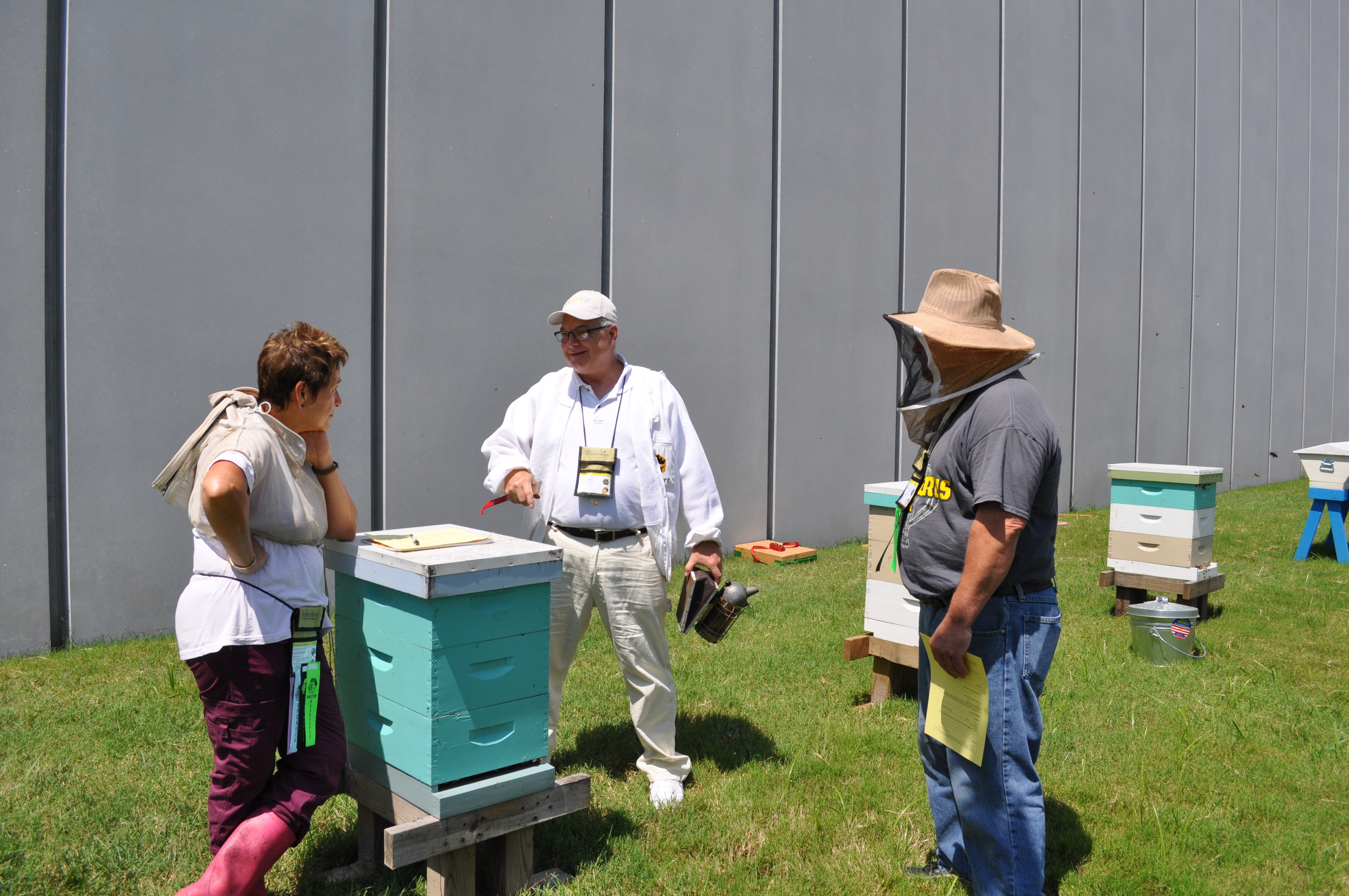
DSC_0138

We stand at the hive and I do my external assessment. Paul stands in front of the hive. Yeah, he’s testing to see what I’ll say. I tell him to move out of the path of the bees. He wants to know why. I mutter something about UPS planes on landing approach to an airport runway. Landi offers a comment to my comment which depending in whether she is in character or out of character could be good or not so good. We proceed with the exam and I open the hive after applying just the right amount of smoke. Casually I say, “In South Carolina we always inspect the underside of the inner cover to assess the presence of small hive beetles and to smash them.” I glance down and instead of SHB the queen is running across the inner cover. Really? Now, this has happened to me only twice before in seven years but there she is in all her glory. I manage to get her to run down between the frames while silently praising Priestess Melissae. I mutter again, this time something about extra credit for finding the queen on the inner cover.
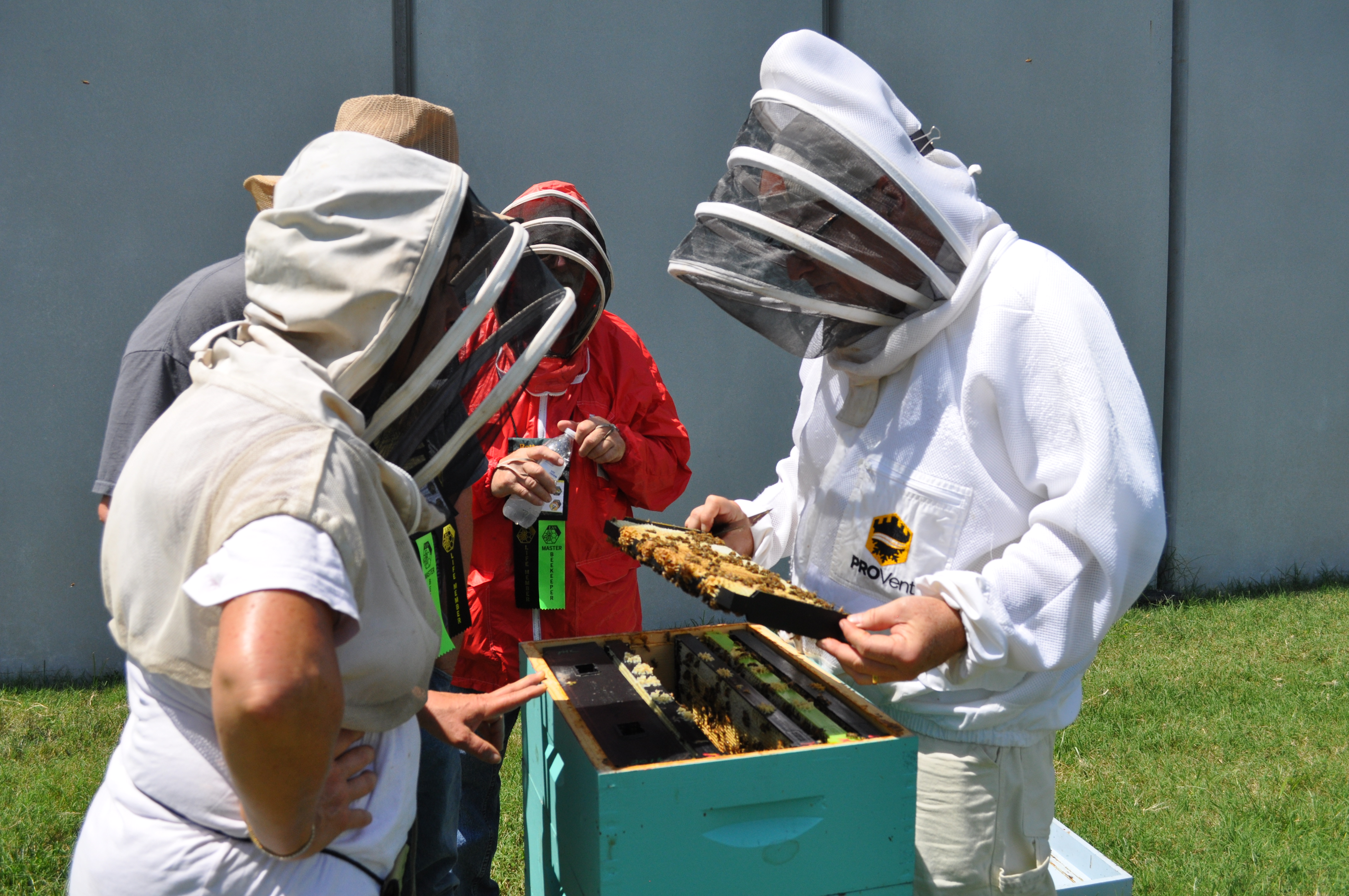
DSC_0153We proceed in dismantling the hive and all the while Paul is simulating the chattering of an excited first timer in the hives. I am trying to be patient but he’s eating up valuable hive time and I’m thinking his every question needs a complete answer or I’ll lose credit. At some point I’m explaining varroa mites and a different voice from somewhere booms out, “Tell me what a varroa mite IS?” Am I hallucinating or is someone calling out from the building’s roof? I turn to my right and yet another master beekeeper in an orange suit has appeared out of nowhere. I’m now completely derailed from my monolog and before I can shift gears and gather my thoughts he says, “What classification?” I tell him it’s not an insect so I would venture it’s an arthropod but from there I don’t know the taxonomy. He answers his own question, “It’s a parasite!” I take up his lead and start in with Apis cerana adapting to varroa which has not happened with Apis mellifera. Everyone seems somewhat pleased and the orange suit disappears.
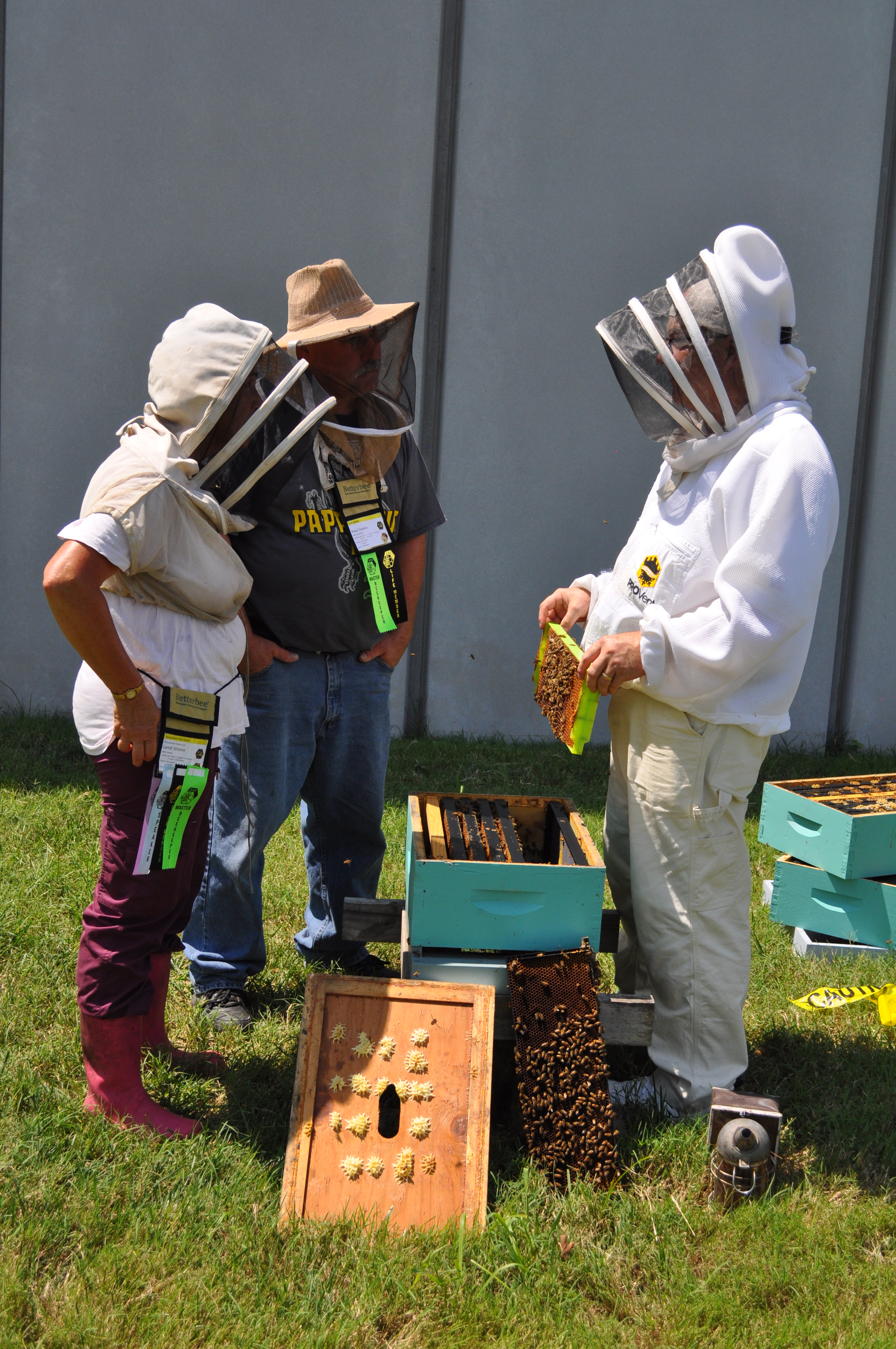
DSC_0161

Down, down, down we go into the bottom hive body, well past my typical time in a hive, and I still don’t have a definitive diagnosis for this troubled hive. Then a brief interruption from Paul who, continuing the role of the new beekeeper, is now complaining of a bee sting to his arm, I scrape out the stinger with my hive tool (he really does have a sting) and minimize the event although he wants more. Another question and I mutter something about too many questions – the bees are getting restless and have issued their warning and Landi is quick to ask, “Why are they making that noise?” I tell her, “They are telling us, it’s time to leave,” as I start to close up.  After closing, I finally repeat some of what I have been saying all along: spotty capped brood pattern, too few capped cells for the amount of open brood, queen has filled open cells with brood (appear well fed and healthy) as the spotty capped brood emerges which presents as mixed larval ages on the frame. Oh yeah, and backfilling. All of which is accurate but I’m only talking symptoms and have not given a diagnosis nor a prescription. Finally, I offer up a closing statement: “Possible mites causing the spotty brood due to hygienic behavior but I can not rule out inbred queen. Check the mite count immediately and treat if indicated. Re-inspect in two weeks to see if the copious open brood pattern turns into a good capped brood pattern in which case the colony has re-queened already. If not then re-queen. And cut back on the feeding before they swarm.” As we walk away I have no idea if I have satisfied their questions or correctly read the hive. I didn’t do myself any favors getting cranky towards the end. Crap shoot on this one.

As I’m walking back to my car to put everything away I realize I’m exhausted. But I have a good feeling that it’s done – all done. I survived the exams. Not that I thought there would be torture if I didn’t do well. I was simply happy to have put myself out there and given it a try.

I had to return home the next day to fulfill a family obligation. I wouldn’t be at EAS to see those in my testing class who passed receive their pins and certificates at the Friday night awards ceremony. I wish I could have. A connection is established between the test takers even though most of us had only just met two days prior – stories between us about how our families thought we were a bit off our rockers for constantly reading about bees – actually a lot about that. Also possible divorces if the books didn’t get put away, wanting to prove to the spouse we could pass, and worry that we’d have the books out for another year.

I explored my strengths and weaknesses on the drive home. I would be happy with passing two of the four exams. That would leave only two for next year. I felt like I did poorly on the orals although they were giving me praise on the way out the door. Nice guys but I knew better. By the time I passed through the middle of North Carolina I had developed a better presentation. Next year I’d make every oral presentation a story. “Let me tell you the story of almond pollination and the beekeepers that ‘got er’ done.” Yeah, that’s the model I’ll use next year.

And what was I thinking on the field exam? I jumped out of character several times. And worse of all I implied they were asking too many questions. Definitely not a good mentor tactic. I’d get dinged on that one. In fact, I thought, that’s probably an automatic fail. Next year I’ll start with coaching my mentees on how we have limited time and if they have non inspection related questions, or wanted to ask about their grandmother’s allergic reaction, we need to do that before or after the hive inspection. And next year, afterwards I’ll hold a debriefing and tell them they need to do their homework before our next session. No more sandbagging on the homework and asking questions already covered in their beginning beekeeper class. I’d suggest they review their book before we start our next hive inspection. By the time I arrived in the Midlands of South Carolina I had my game plan in order for next year.

But most importantly by the time I arrived home I realized what I had gained from the experience. I learned what a better beekeeper would have done and said, both in the oral and field exams. The tests were a time for me to both deliver my knowledge and to take some knowledge away. “Trust in the system,” I remembered one master beekeeper saying during the meet and greet session. He was right. I was satisfied with what the system taught me and recognizing my blunders. I could fix those next year.

Friday morning my phone rings and it’s my friend and mentor Dave. He’s still at EAS and the test results packets have been given out. He wants to know if I want him to pick up mine. I tell him, “sure” and after a brief verbal consent to a lady at the front desk, he opens up the packet and begins to read the results to me. When he comes to the last one his voice lights up, “Larry, you’re a master beekeeper!” Now I know Dave and he’s not a prankster, but we all make mistakes so I ask him to be sure. He re-reads the scores and says it again.
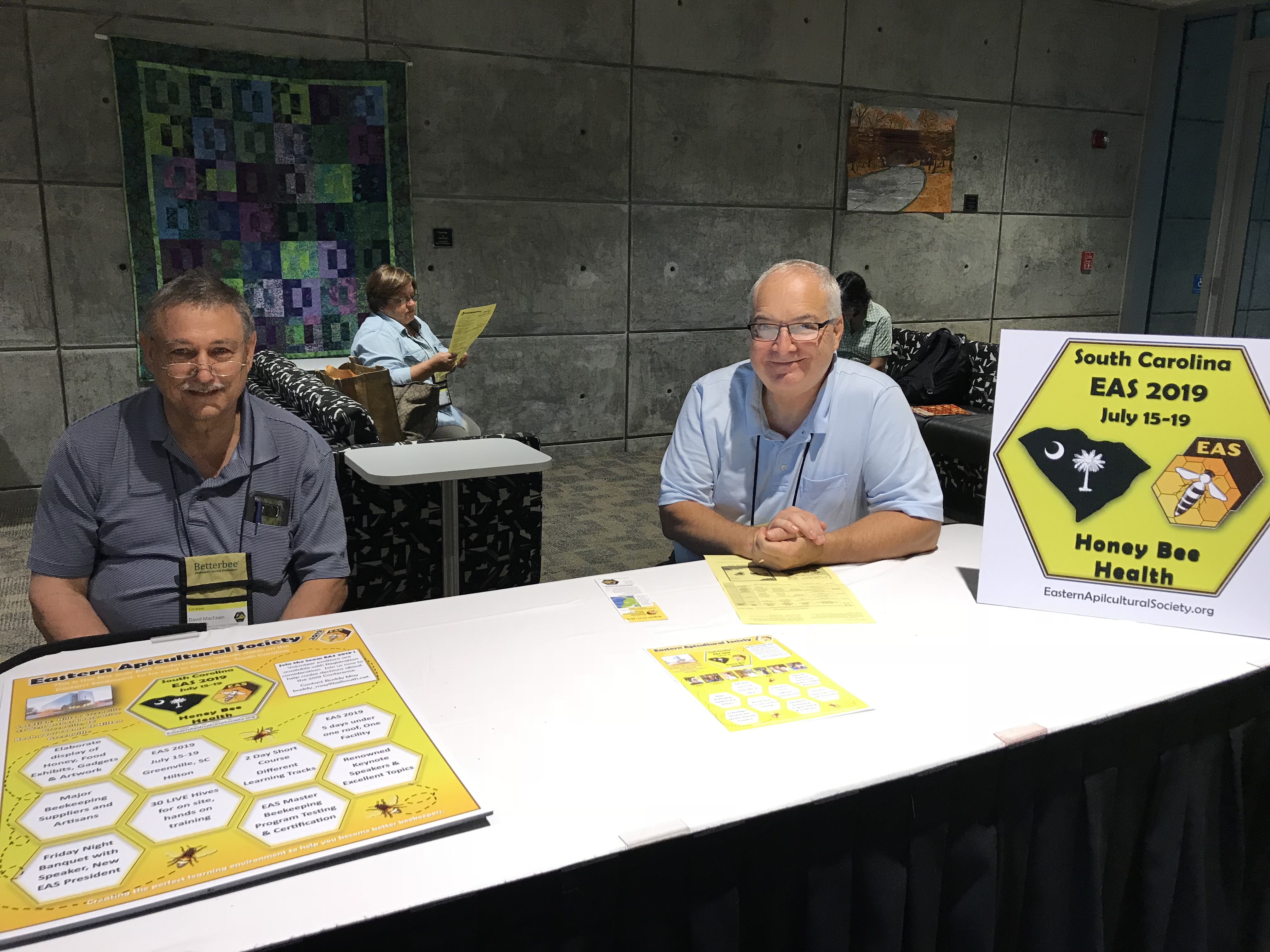
IMG_2672
                        Dave and me at EAS 2018, Hampton, VA

In retrospect, I ask myself if I indeed passed. I’m sure I did not perform at my best. As with many things, some days things just flow, and on other days Murphy’s Law is in full effect. But I came through it displaying the ability to persevere, to stand and deliver to the best of my ability, and to be open to learning during the testing. That’s what they wanted even if I didn’t hit the high notes. So, in the end, I’m not really sure how they knew I learned as well as ‘spilled forth,’ but I have to trust the system.

How fortunate I am. My results came as I was driving my son to school – his first year in a dorm room. How fortunate I was to have him see how study results in a positive outcome. And how fortunate I am to have a wife that supported my effort despite months of my preoccupation with bee books scattered about the house from the dining room to the nightstand. And how fortunate I am to have been tested by Dr. Delaney and Dr. Caron. Some years from now when I’m old and gray someone might ask me about the testing and I’ll be able to say I took the test under these distinguished entomologists. And how fortunate I am to have been able to read the frames to Landi Simone even if I didn’t do it as efficiently or accurately as she. And how fortunate I am to have (with)stood and delivered on the oral exams to three great guys, Larry, Jim, and Bill, cheering me on through a tough half hour. I am indeed a fortunate beekeeper.
MBPIN_thumb


Feel free to share this on:

  • Share on Facebook (Opens in new window) Facebook
  • Share on X (Opens in new window) X
  • Share on Pinterest (Opens in new window) Pinterest
  • Email a link to a friend (Opens in new window) Email
  • Share on LinkedIn (Opens in new window) LinkedIn
  • Share on Reddit (Opens in new window) Reddit
  • Share on Tumblr (Opens in new window) Tumblr
  • Print (Opens in new window) Print
  • Share on Telegram (Opens in new window) Telegram
  • Share on WhatsApp (Opens in new window) WhatsApp
Like Loading...

Beekeepers get ready for Spring in the Fall

04 Tuesday Sep 2018

Posted by Beekeeping365 in beekeeping, beekeeping calendar, calendar, management, sustainable

≈ Leave a comment

Tags

beekeeping, management

14232030_10208459108490096_9121377691696327893_o.jpg

Get ready for Spring!

Lots of articles speak to the beekeeping year beginning in August or early Fall. Yikes, that’s now!

If you harvested in June then you probably fed your bees through the dearth. If you waited until now to harvest you probably got less honey but you saved the costs associated with feeding. Either way, now is the time to build the best bees you possibly can for the winter.

I know it’s still hot but get back in there on the next reasonably nice day and assess them. You don’t really have to take every frame out and make them upset but get an idea of what they have. Look for capped and uncapped brood, pollen, and honey stores. And start picking up the back of that hive and compare it to what you see inside so you learn what’s heavy and what’s not.

We’re on the cusp of the Fall flow and soon your hive will start to stink from goldenrod pollen. That smell should bring a smile to your face as they are making preparations for winter and raising fat winter bees. Some of you may have more honey than you need, others will see some empty comb. Read your hive and, like an artist, choose your tools to create the ideal hive for overwintering.

Most beekeepers assess and treat for Varroa after they pull honey whether that was a couple months ago or now. You want to do everything possible to increase the health of your bees now so they, in turn, raise strong winter bees over the next two generations. Sickly bees build sickly bees; strong bees build Arnold Schwartenegger bees. You want Arnold on your side when the temperatures are 20 degrees in January and the pantry is waning.

Beekeepers that started this year will reach the pinnacle of their beekeeping in March 2019. Then they will have bees-a-plenty and the race to stay ahead of the bees becomes an exciting and enjoyable problem. Using this year’s drawn comb they will explode. The bees will be saying, “Scotty, give me all you’ve got.” and you’ll be saying, “Captain, I don’t think she can take much more! She’s gonna swarm!” (pardon the paraphrase).

But, back to the topic at hand – building better winter bees. Time now to step up your game one more time before we enter the long dull days of winter. Although most days in the Midlands of South Carolina allow for the bees to fly they won’t be flying much because there won’t be anything out there. And you’ll be stuck inside wishing for Spring to come and waiting for that first Red Maple bloom, or with your ear to the side of the hive listening for their hum as they convert honey into heat.

So, assess them now and and get them flying towards a hive full of strong winter bees and a hive filled with lots of stores for the long winter ahead. Go for it! Build better bees!

Picture: Early Spring bees. Notice no leaves on the trees yet.

Feel free to share this on:

  • Share on Facebook (Opens in new window) Facebook
  • Share on X (Opens in new window) X
  • Share on Pinterest (Opens in new window) Pinterest
  • Email a link to a friend (Opens in new window) Email
  • Share on LinkedIn (Opens in new window) LinkedIn
  • Share on Reddit (Opens in new window) Reddit
  • Share on Tumblr (Opens in new window) Tumblr
  • Print (Opens in new window) Print
  • Share on Telegram (Opens in new window) Telegram
  • Share on WhatsApp (Opens in new window) WhatsApp
Like Loading...

Poor Man’s Yellow Jacket Trap

03 Monday Sep 2018

Posted by Beekeeping365 in beekeeping, pests

≈ 5 Comments

Tags

beekeeping, beekeeping pests, pests, yellow jacket trap, yellow jackets

yellow jacket trap

I’ve made several traps in the past with varying degrees of success. Here’s one specifically designed that allows the yellow jackets to enter but not the honey bees. I think it is a 5/32 size hole. Last year I tinkered with the mix formula. Instead of totally sweet which would attract the honey bees I stumbled onto a mix of apple sauce, vinegar, and a spoonful of sugar (just enough to get a fermentation going). The yellow jackets like the CO2 and I think and the vinegar is not attractive to the honey bees. I used a 2 liter bottle and filled it about half way full in a short time. If you get your bait mix down it will not attract the bees at all and you can then open up the entrances for the yellow jackets.

Feel free to share this on:
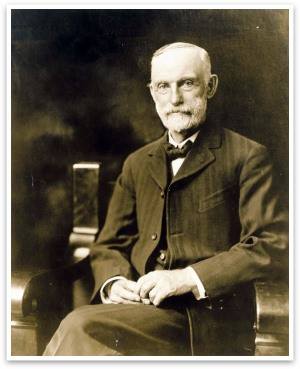
  • Share on Facebook (Opens in new window) Facebook
  • Share on X (Opens in new window) X
  • Share on Pinterest (Opens in new window) Pinterest
  • Email a link to a friend (Opens in new window) Email
  • Share on LinkedIn (Opens in new window) LinkedIn
  • Share on Reddit (Opens in new window) Reddit
  • Share on Tumblr (Opens in new window) Tumblr
  • Print (Opens in new window) Print
  • Share on Telegram (Opens in new window) Telegram
  • Share on WhatsApp (Opens in new window) WhatsApp
Like Loading...

Honeycomb Cheese Wheel by snapshotsincursive

02 Sunday Sep 2018

Posted by Beekeeping365 in beekeeping, comb honey, honey recipe, recipe

≈ 4 Comments

Tags

cheese and honey, comb honey, honey recipe, recipe

What’s Cooking in Gail’s Kitchen? Equal Measures: Honeycomb Cheese Wheel! Remember when you were a kid and for fun you puckered up with those candy red wax lips? Me and my girlfriends would put them on, batt our eyes, sashay our hips, and laugh hysterically. Most often we’d find ourselves chewing on the sugary insides before spitting them out into tiny red blobs on our way home from school. I’m sure that made quite an impression on the neighborhood boys. Well today’s honeycomb is a distant cousin, twice-removed, to those artificial candy lips. Even better, raw honeycomb is completely safe to eat and naturally sweet. A little goes a long way simply because it is seeping with honey. Dress it up with a wheel of Camembert or Brie cheese, seasoned with a clove of garlic and a couple of sprigs from the herb garden. Spread it across baguette slices for an open-air treat.

Get the full recipe here: Honeycomb Cheese Wheel — snapshotsincursive

Feel free to share this on:

  • Share on Facebook (Opens in new window) Facebook
  • Share on X (Opens in new window) X
  • Share on Pinterest (Opens in new window) Pinterest
  • Email a link to a friend (Opens in new window) Email
  • Share on LinkedIn (Opens in new window) LinkedIn
  • Share on Reddit (Opens in new window) Reddit
  • Share on Tumblr (Opens in new window) Tumblr
  • Print (Opens in new window) Print
  • Share on Telegram (Opens in new window) Telegram
  • Share on WhatsApp (Opens in new window) WhatsApp
Like Loading...

Honey bee nutrition

31 Friday Aug 2018

Posted by Beekeeping365 in bee health, beekeeping, beekeeping management, feeding bees, pollen

≈ Leave a comment

Tags

feeding bees, honey bee nutrition, pollen, pollen substitute

Importance of Nutrition in a Bee Colony

As with all living creatures, good nutrition is essential for a healthy bee colony. Many beekeepers focus mainly on the amount of liquid stores (honey/nectar reserves). However, pollen is just as important, yet it’s often overlooked.

  • Low liquid stores can lead to starvation in both summer and winter.
  • Low pollen availability can have longer-lasting effects, because larvae need proper nutrition to develop well. Poorly nourished larvae can grow into weak, underperforming, or unhealthy adult bees—sometimes for weeks or months.

“Reading” a Colony” During Inspections

A key part of beekeeping is learning to “read” what the colony is telling you.

During each inspection, make it a habit to look into a few cells containing freshly hatched larvae—about 4–5 days after egg laying. What you see can reveal whether the colony has enough nutrition coming in:

  • If the colony has plenty of incoming food, larvae will be surrounded by a large puddle of brood food.
  • If incoming food is limited, the cell bottoms may appear almost dry.

If this kind of observation were taught more widely, new beekeepers would learn faster and with more confidence.


What Pollen Color Can Tell You

Pollen quality varies depending on the plant source. In general, colonies do best when they receive a wide variety of pollen types, because diversity supports healthier nutrition.

When inspecting, take note of the color of the pollen:

  • More variation in color = more variety of forage sources.
  • Sometimes, even within the same apiary on the same day:
    • some colonies may show mostly one pollen color (suggesting the bees are “locked on” to one source),
    • while others show a mix of colors (suggesting access to multiple sources).

Poor Nutrition Isn’t Always About Forage

Low nutrition doesn’t always mean the colony lacks pollen and nectar in the landscape. Sometimes the real issue is internal:

  • the ratio of nurse bees to larvae may be too low
    • for example, during spring buildup
  • a nucleus (nuc) formed with an imbalance of bees may struggle to produce enough brood food

What Happens When Nutrition Is Poor

Colonies that don’t get adequate nutrition become more vulnerable to disease, including:

  • chalk brood
  • European Foul Brood (EFB)

These problems are often more common in spring, when the colony may not have enough nurse bees available to properly feed larvae.


Recommended Resources

1) “Fat Bees Skinny Bees”

  • A downloadable publication and practical guide on bee nutrition
  • Written by Doug Somerville for Australia’s Rural Industries Research and Development Corporation (RIRDC)

2) “Honey Bee Nutrition and Supplementary Feeding”

  • A downloadable Australian leaflet
  • Written by Doug Somerville, published by the New South Wales Department of Agriculture
  • The introduction states it provides an overview of:
    • honey bee nutritional requirements
    • the role of different carbohydrate and protein supplements
  • For Australia (with the right context), it’s described as clear and very useful

There’s plenty more available on the internet. The key is to:

  • read broadly,
  • then apply the information to your local conditions.

Feel free to share this on:

  • Share on Facebook (Opens in new window) Facebook
  • Share on X (Opens in new window) X
  • Share on Pinterest (Opens in new window) Pinterest
  • Email a link to a friend (Opens in new window) Email
  • Share on LinkedIn (Opens in new window) LinkedIn
  • Share on Reddit (Opens in new window) Reddit
  • Share on Tumblr (Opens in new window) Tumblr
  • Print (Opens in new window) Print
  • Share on Telegram (Opens in new window) Telegram
  • Share on WhatsApp (Opens in new window) WhatsApp
Like Loading...
← Older posts
Newer posts →
Follow Beekeeping365 on WordPress.com

Enter your email address to follow this blog and receive notifications of new posts by email.

Calendar

August 2026
S M T W T F S
 1
2345678
9101112131415
16171819202122
23242526272829
3031  
« Jul    

Posts by Month:

  • August 2026 (4)
  • July 2026 (1)
  • May 2026 (2)
  • January 2026 (3)
  • July 2025 (1)
  • April 2024 (1)
  • September 2022 (1)
  • July 2022 (1)
  • March 2022 (13)
  • February 2022 (17)
  • January 2022 (4)
  • December 2021 (4)
  • November 2021 (7)
  • October 2021 (1)
  • September 2021 (3)
  • August 2021 (11)
  • July 2021 (18)
  • June 2021 (5)
  • May 2021 (2)
  • April 2021 (9)
  • March 2021 (2)
  • February 2021 (5)
  • January 2021 (16)
  • December 2020 (15)
  • November 2020 (15)
  • October 2020 (11)
  • July 2020 (1)
  • February 2020 (1)
  • March 2019 (2)
  • February 2019 (4)
  • January 2019 (1)
  • December 2018 (10)
  • November 2018 (8)
  • October 2018 (15)
  • September 2018 (25)
  • August 2018 (3)
  • July 2018 (11)
  • June 2018 (27)
  • May 2018 (33)
  • April 2018 (20)
  • March 2018 (20)
  • February 2018 (12)
  • January 2018 (22)
  • December 2017 (18)
  • November 2017 (17)
  • October 2017 (25)
  • September 2017 (27)
  • August 2017 (21)
  • July 2017 (29)
  • June 2017 (28)
  • May 2017 (19)
  • April 2017 (17)
  • March 2017 (19)
  • February 2017 (12)
  • January 2017 (13)
  • December 2016 (5)

Posts by Categories:

  • absconding (1)
  • africanized honey bees (1)
  • apitherapy (1)
  • bee health (6)
  • bee law (2)
  • bee lining (2)
  • bee removals (2)
  • beekeeper (5)
  • beekeeper education (16)
  • beekeeping (612)
    • South Carolina (2)
  • beekeeping author (10)
  • beekeeping books (14)
  • beekeeping calendar (4)
  • beekeeping chores (8)
  • beekeeping equipment (26)
  • beekeeping history (49)
  • beekeeping management (37)
  • beekeeping pest management (8)
  • beekeeping seasons (23)
  • beekeeping vocabulary (16)
  • beeswax (13)
  • biography (4)
  • biology (14)
  • birthday (40)
  • birthdays (34)
  • book review (16)
  • breakfast (1)
  • calendar (4)
  • CCD (1)
  • chores (6)
  • comb (7)
  • comb honey (10)
  • commercial beekeeping (2)
  • cutouts (2)
  • dearth (3)
  • defensiveness (2)
  • diseases (9)
  • drawn comb (6)
  • ecology (4)
  • education (28)
  • equipment (25)
  • extracting (1)
  • fall nectar flow (1)
  • famous beekeepers (27)
  • feeding bees (7)
  • first blog entry (1)
  • folklore (1)
  • food (7)
  • forage (4)
  • hacks (3)
  • hive inspections (8)
  • hive placement (2)
  • hive products (6)
  • honey (90)
  • honey as food (22)
  • honey bee anatomy (3)
  • honey bee behavior (25)
  • honey bee biology (43)
  • honey bee genetics (4)
  • honey bee nutrition (1)
  • honey bee photos (6)
  • Honey Bee Research (1)
  • honey bee vocabulary (12)
  • honey bees (14)
  • honey judging (4)
  • honey recipe (65)
  • humor (13)
  • inspections (10)
  • journal (1)
  • log book (1)
  • making increase (3)
  • management (82)
  • mentoring (2)
  • mites (3)
  • national pollinator week (2)
  • nectar flow (6)
  • nomenclature (1)
  • opinion (8)
  • out yards (1)
  • outyards (1)
  • package bees (1)
  • pears (1)
  • pests (17)
  • plants for bees (3)
  • polish (1)
  • pollen (4)
  • pollination (11)
  • pollinators (7)
  • product review (1)
  • production (1)
  • products (3)
  • propolis (2)
  • queens (17)
  • raw honey (6)
  • recipe (88)
  • removals (1)
  • safety (3)
  • sales (2)
  • season (1)
  • seasons (21)
  • sideliner (1)
  • small hive beetles (1)
  • spring buildup (4)
  • state fair (2)
  • sustainable (7)
  • swarms (27)
  • ursurpation (1)
  • usurpation (1)
  • varroa (21)
  • varroa destructor (12)
  • varroa mites (24)
  • Winter (5)
  • winter solstice (2)
  • woodenware (3)
  • yellow jackets (2)

Sassafras Bee Farm on Facebook

Sassafras Bee Farm on Facebook

Sassafras Bee Farm

Sassafras Bee Farm

Recent Posts

  • Meeting Reality vs What Seems Deserved
  • Everything Starts with a Tasty Meal: The Science Behind a Beekeeper’s Best Pest-Management Insight
  • Pest Control
  • State Fair Wax Preparation
  • Sherlock Holmes and Beekeeping: A Unique Connection

Beekeeping365 on Facebook

Beekeeping365 on Facebook

Top Posts & Pages

  • Types of bees by Fat Daddy’s Apiary
    Types of bees by Fat Daddy’s Apiary
  • Meeting Reality vs What Seems Deserved
    Meeting Reality vs What Seems Deserved
  • "At the Hive Entrance" free ebook
    "At the Hive Entrance" free ebook

Blog Stats

  • 141,325 hits

Website Built with WordPress.com.

  • Subscribe Subscribed
    • Beekeeping365
    • Join 426 other subscribers
    • Already have a WordPress.com account? Log in now.
    • Beekeeping365
    • Subscribe Subscribed
    • Sign up
    • Log in
    • Report this content
    • View site in Reader
    • Manage subscriptions
    • Collapse this bar
Loading Comments...
%d