• Sassafras Bee Farm
  • About
  • Contact

Beekeeping365

~ The more I studied beekeeping, the less I knew, until, finally, I knew nothing. But, even though I knew nothing, I still had plenty to unlearn. Charles Martin Simon

Beekeeping365

Category Archives: beekeeping

Cross-kingdom regulation of honeybee caste development by dietary plant miRNAs by Save The Bees Concert

12 Thursday Oct 2017

Posted by Beekeeping365 in beekeeping, biology, honey bee biology

≈ Leave a comment

Tags

biology, honey bee biology, honey bee genetics, honey bees, queens

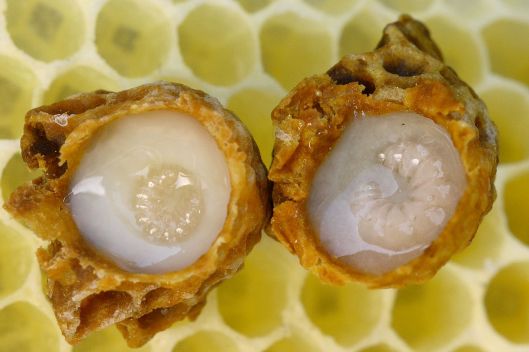
Honeybee larvae develop into workers but not queens, in part, because their diet of beebread/pollen is enriched in plant miRNAs. While miRNAs are generally negative regulators of gene expression in eukaryotes, they also negatively regulate larval development when honeybee larvae consume beebread/pollen and take up plant miRNAs. Xi Chen and Chen-Yu Zhang’s group in Nanjing University, report this finding on August 31, 2017 in PLOS Genetics.

How caste has formed in honeybees is an enduring puzzle. Although queens and workers are genetically identical, queens are reproductive and have a larger body size, develop faster and live longer than workers. Prevailing view is that differential larval feeding determines caste differentiation: royal jelly stimulates the differentiation of larvae into queen, whereas beebread and pollen consumed by the rest of the larvae lead to the worker bee fate. However, it is still not fully understood how alterations in diet modify so thoroughly the developmental trajectory of honeybees.

In previous studies, Chen-Yu Zhang’s group has reported a striking finding that plant miRNAs are ingested from plant diets and pass through the gastrointestinal tract, enter into the blood, accumulate in tissues and regulate endogenous gene expression in animals. Their findings suggest that ingested exogenous miRNAs can regulate endogenous gene expression and reshape animal phenotypes. Interestingly, since the components of beebread/pollen are mainly plant materials and royal jelly is a glandular secretion of nurse bees, the diets for worker- and queen-destined larvae are differentially derived from plant- and animal-sources. Therefore, Xi Chen, Chen-Yu Zhang and colleagues decide to investigate if miRNAs from different larval diets may have distinct impacts on honeybee development.

Here, they report that plant miRNAs are more enriched in beebread/pollen than in royal jelly. While plant miRNAs of beebread/pollen are fed to larvae, they cause developmental delay and reductions in body and ovary size in honeybees; in contrast, miRNAs in the royal jelly are not sufficient to reach a functional level, therefore queen-destined larvae evade this regulation. Mechanistic studies reveal that amTOR, a stimulatory gene in caste differentiation, is the direct target of miR162a. Interestingly, ingested plant miRNAs have a similar inhibitory effect on fruit fly development, even though fruit fly is not a social insect. In summary, this study uncovers a new mechanism that plant miRNAs in larval diet of worker bees delay caste differentiation and keep ovaries inactive, thereby inducing sterile worker bees.

The findings of this study are important for the following reasons:

Read full article at:  Cross-kingdom regulation of honeybee caste development by dietary plant miRNAs — Save The Bees Concert

Feel free to share this on:

  • Share on Facebook (Opens in new window) Facebook
  • Share on X (Opens in new window) X
  • Share on Pinterest (Opens in new window) Pinterest
  • Email a link to a friend (Opens in new window) Email
  • Share on LinkedIn (Opens in new window) LinkedIn
  • Share on Reddit (Opens in new window) Reddit
  • Share on Tumblr (Opens in new window) Tumblr
  • Print (Opens in new window) Print
  • Share on Telegram (Opens in new window) Telegram
  • Share on WhatsApp (Opens in new window) WhatsApp
Like Loading...

Where do bees sleep? by BEEKeeperTom’s Blog

11 Wednesday Oct 2017

Posted by Beekeeping365 in beekeeping, biology, honey bee behavior, honey bee biology, honey bees

≈ Leave a comment

Tags

honey bee behavior, honey bee biology, honey bees

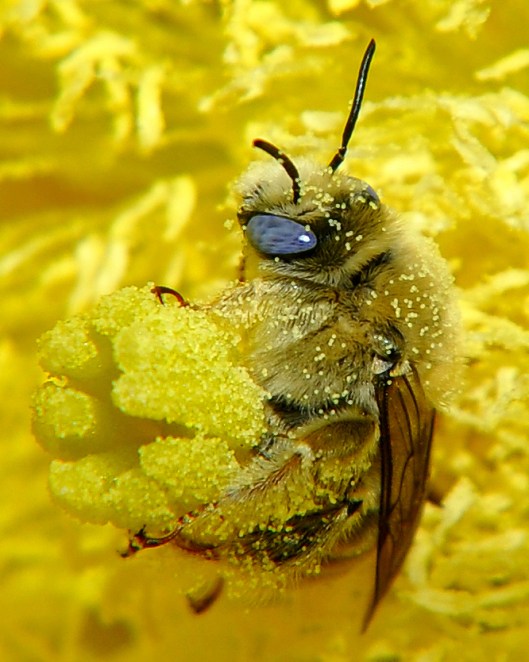
A beehive is a busy place; many bees are working together to produce honey. Working so hard makes bees tired, and they need to rest. Lovely honeybee on a flower, pollen baskets loaded to the gunnels

Same as humans, bees get rest by sleeping. But, even though that seems logical, up until 1983 scientists didn’t know that bees sleep. The scientist who discovered that bees sleep is Walter Kaiser. He noticed that bees sleep by bringing their head to the floor and their antennae stop moving, some bees even fall sideways. The beehive seems like a hectic place, so it makes you wonder, where do bees sleep? But, before getting into that, we should explain why is sleep so important for bees. What happens if bees don’t sleep?

Read full article at:  Where do bees sleep? — BEEKeeperTom’s Blog

Feel free to share this on:

  • Share on Facebook (Opens in new window) Facebook
  • Share on X (Opens in new window) X
  • Share on Pinterest (Opens in new window) Pinterest
  • Email a link to a friend (Opens in new window) Email
  • Share on LinkedIn (Opens in new window) LinkedIn
  • Share on Reddit (Opens in new window) Reddit
  • Share on Tumblr (Opens in new window) Tumblr
  • Print (Opens in new window) Print
  • Share on Telegram (Opens in new window) Telegram
  • Share on WhatsApp (Opens in new window) WhatsApp
Like Loading...

Double or Nothing? by Bad Beekeeping Blog

10 Tuesday Oct 2017

Posted by Beekeeping365 in beekeeping, beekeeping management

≈ Leave a comment

Tags

beekeeping, fall management, management


A gentleman at our bee meeting posed a challenging question a couple of weeks ago: “What should I do with a weak hive? I think it might be queenless.” Well, it depends, of course.

I’m continuing with the series of questions which I overheard at a bee meeting not long ago. Today, it’s about weak/queenless hives. As in all bee questions, we are given just a bit of information. It’s not the beekeepers’ fault – they might not know what clues to look for and what information to bring to the club when they present their questions. (Actually, if they knew what information is needed to answer the question, they’d probably already know what to do.)

Read full article at: Double or Nothing? — Bad Beekeeping Blog

Feel free to share this on:

  • Share on Facebook (Opens in new window) Facebook
  • Share on X (Opens in new window) X
  • Share on Pinterest (Opens in new window) Pinterest
  • Email a link to a friend (Opens in new window) Email
  • Share on LinkedIn (Opens in new window) LinkedIn
  • Share on Reddit (Opens in new window) Reddit
  • Share on Tumblr (Opens in new window) Tumblr
  • Print (Opens in new window) Print
  • Share on Telegram (Opens in new window) Telegram
  • Share on WhatsApp (Opens in new window) WhatsApp
Like Loading...

Tips for a hassle-free honey extraction by The Beehive Jive

09 Monday Oct 2017

Posted by Beekeeping365 in beekeeping, beekeeping chores, extracting, hive products, honey

≈ Leave a comment

Tags

beekeeping, extracted honey, honey, honey extraction

It’s the time of year that we all love . . . Whether honey is a motivation for your beekeeping or not, it’s always exciting to see those shining jars full of beautiful honey from YOUR bees. Talk about job satisfaction! And yet a new beekeeper said to me the other day that they are…

Read more here: Tips for a hassle-free honey extraction — The Beehive Jive

Feel free to share this on:

  • Share on Facebook (Opens in new window) Facebook
  • Share on X (Opens in new window) X
  • Share on Pinterest (Opens in new window) Pinterest
  • Email a link to a friend (Opens in new window) Email
  • Share on LinkedIn (Opens in new window) LinkedIn
  • Share on Reddit (Opens in new window) Reddit
  • Share on Tumblr (Opens in new window) Tumblr
  • Print (Opens in new window) Print
  • Share on Telegram (Opens in new window) Telegram
  • Share on WhatsApp (Opens in new window) WhatsApp
Like Loading...

Beekeeping Vocabulary – “R” is for…

08 Sunday Oct 2017

Posted by Beekeeping365 in beekeeping, biology, honey bee biology

≈ Leave a comment

Tags

apis melifera, beekeeping, biology, honey bee biology, honey bees, royal jelly

1280px-Weiselzellen_68a

Larva floating in royal jelly By Waugsberg (Own work)


Today’s beekeeping vocabulary word is, “Royal Jelly.”

From Wikipedia:

Royal jelly is a honey bee secretion that is used in the nutrition of larvae, as well as adult queens.[1] It is secreted from the glands in the hypopharynx of nurse bees, and fed to all larvae in the colony, regardless of sex or caste.[2]

When worker bees decide to make a new queen, because the old one is either weakening or dead, they choose several small larvae and feed them with copious amounts of royal jelly in specially constructed queen cells. This type of feeding triggers the development of queen morphology, including the fully developed ovaries needed to lay eggs.[3]

Royal jelly has long been sold as both a dietary supplement and alternative medicine. Both the European Food Safety Authority and United States Food and Drug Administration have concluded that the current evidence does not support the claim of health benefits, and have actively discouraged the sale and consumption of the jelly. In the United States, the Food and Drug Administration has taken legal action against companies that have used unfounded claims of health benefits to market royal jelly products. There have also been documented cases of allergic reactions, namely hives, asthma, and anaphylaxis, due to consumption of royal jelly.

Source and to read more: Wikipedia

Feel free to share this on:

  • Share on Facebook (Opens in new window) Facebook
  • Share on X (Opens in new window) X
  • Share on Pinterest (Opens in new window) Pinterest
  • Email a link to a friend (Opens in new window) Email
  • Share on LinkedIn (Opens in new window) LinkedIn
  • Share on Reddit (Opens in new window) Reddit
  • Share on Tumblr (Opens in new window) Tumblr
  • Print (Opens in new window) Print
  • Share on Telegram (Opens in new window) Telegram
  • Share on WhatsApp (Opens in new window) WhatsApp
Like Loading...

Clean Satay Chicken w/ Courgette and Carrot Noodles by thebeechick

07 Saturday Oct 2017

Posted by Beekeeping365 in beekeeping, honey, honey recipe, recipe

≈ Leave a comment

Tags

beekeeping, honey, recipe

Everyone loves a cheeky Chinese every now and then right? But how often do we make our own Chinese food at home? This is my adaptation of Satay Chicken – using all nourishing ingredients for your body and tasting ‘Friday-night-feasting’ mega good! This is a great meal full of healthy natural fats and protein – and is simple and quick…

Read full recipe here: Clean Satay Chicken w/ Courgette and Carrot Noodles — thebeechick

Feel free to share this on:

  • Share on Facebook (Opens in new window) Facebook
  • Share on X (Opens in new window) X
  • Share on Pinterest (Opens in new window) Pinterest
  • Email a link to a friend (Opens in new window) Email
  • Share on LinkedIn (Opens in new window) LinkedIn
  • Share on Reddit (Opens in new window) Reddit
  • Share on Tumblr (Opens in new window) Tumblr
  • Print (Opens in new window) Print
  • Share on Telegram (Opens in new window) Telegram
  • Share on WhatsApp (Opens in new window) WhatsApp
Like Loading...

AU BEES publishes paper on bee forage quality & pesticide contamination by Insect Pollination & Apiculture

03 Tuesday Oct 2017

Posted by Beekeeping365 in beekeeping, biology, honey bee biology

≈ Leave a comment

Tags

feeding bees, forage, honey bee biology, opinion

@AuburnAg‘s Bee Lab and biologists from @acadiauniversity recently published a paper in the journal Ecology & Evolution about the quality of food encountered by bees in agro-ecosystems.

Unsurprisingly, diet quality and pesticide exposure heavily depends on crop type!

Check out the full Open Access article here!

via AU BEES publishes paper on bee forage quality & pesticide contamination — Insect Pollination & Apiculture

Feel free to share this on:

  • Share on Facebook (Opens in new window) Facebook
  • Share on X (Opens in new window) X
  • Share on Pinterest (Opens in new window) Pinterest
  • Email a link to a friend (Opens in new window) Email
  • Share on LinkedIn (Opens in new window) LinkedIn
  • Share on Reddit (Opens in new window) Reddit
  • Share on Tumblr (Opens in new window) Tumblr
  • Print (Opens in new window) Print
  • Share on Telegram (Opens in new window) Telegram
  • Share on WhatsApp (Opens in new window) WhatsApp
Like Loading...

Changing of the Guard, Bee-Style by Longreads

02 Monday Oct 2017

Posted by Beekeeping365 in beekeeping, beekeeping management, biology, honey bee biology, queens

≈ Leave a comment

Tags

beekeeping, honey bee biology, management, queens

The death of a monarch is never simple. There’s a vacuum of power that needs to be filled, an anxiety of influence that requires the successor to establish their power quickly, and a challenging period in which the memory of the deceased is negotiated and shaped (in some cases — hello, French Revolution! — this phase can last centuries). In a lovely essay at Nautilus, John Knight explores the war of succession that followed the death of the original queen in his Brooklyn-rooftop beehive. It’s a conflict not just between a wannabe-queen and her reluctant subjects, but also between human and insect, each following their own complex protocols for survival.

Read the full story here: Changing of the Guard, Bee-Style — Longreads

Feel free to share this on:

  • Share on Facebook (Opens in new window) Facebook
  • Share on X (Opens in new window) X
  • Share on Pinterest (Opens in new window) Pinterest
  • Email a link to a friend (Opens in new window) Email
  • Share on LinkedIn (Opens in new window) LinkedIn
  • Share on Reddit (Opens in new window) Reddit
  • Share on Tumblr (Opens in new window) Tumblr
  • Print (Opens in new window) Print
  • Share on Telegram (Opens in new window) Telegram
  • Share on WhatsApp (Opens in new window) WhatsApp
Like Loading...

12 Game Day Recipes With Honey by Sue Bee Honey

30 Saturday Sep 2017

Posted by Beekeeping365 in beekeeping, honey, honey recipe

≈ Leave a comment

Tags

chicken wings, food, game day, honey, honey recipe, recipe, snacks, tailgating

12-Game-Day-Recipes-With-Honey

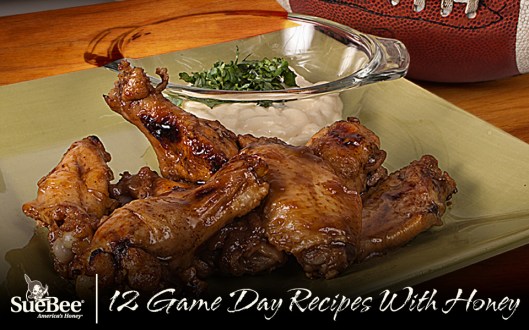
Create the ultimate spread for the Big Game using these delicious recipes for chicken wings, barbecue meatballs, party mixes and more that are sure to satisfy the hunger of your favorite team of armchair quarterbacks!

1.  Honey Glazed Chicken Wings
Get started with our delicious Honey Glazed Chicken Wings that have the perfect amount of kick!

2.  Apple Honey Glazed Chicken Wings
Here’s another tasty chicken wing recipe to try from Robin Spires. They were another entry in the Sue Bee Honey Sweet Eats Recipe Contest!

3.  Honey Mini-Meatballs
These Sue Bee Mini Meatballs are easy to prepare and your guests will love them!

4.  Petty Party Meatballs
Or you can give our other meatball recipe a try – this one happens to be a favorite of Richard Petty!

5.  Honey Ham Balls
If you want to add a tasty twist to the classic meatball, try making them with ham and following our Honey Ham Balls recipe!

6.  Super Bowl of Chili
Of course, it wouldn’t be game day without a bowl of chili. Our Sue Bee Super Bowl of Chili is the perfect way to warm up!

7.  Sassy Sweet & Spicy Chili
Or if you prefer your chili to have a little kick while still being sweet, give this recipe a shot!

8.  Honey Pretzel Bites
Our pretzel bites recipe takes the taste and flavor you’ve come to know and turns them into a bite-sized snack that’s perfect for any occasion.

9.  Honey Mustard Beer Brats
If weather permits, fire up the grill and make our delicious beer brats! You can also substitute the brat for a regular hot dog if you prefer.

10.  Honey Snack Mix
Fill a bowl and let party-goers load up on our snack mix throughout the day!

11.  Hot Honey Stingy Snack Crackers
Fill another bowl with this Sweet Eats Recipe Contest entry from Sheila Suhan!

12.  Finger Licking Good Cranberry Hot Wings
If you prefer your wings to have a little more heat but still maintain their sweetness, try Noreen Danek’s entry in the Sue Bee Honey Sweet Eats Recipe Contest!

Via: Sue Bee Honey

Feel free to share this on:

  • Share on Facebook (Opens in new window) Facebook
  • Share on X (Opens in new window) X
  • Share on Pinterest (Opens in new window) Pinterest
  • Email a link to a friend (Opens in new window) Email
  • Share on LinkedIn (Opens in new window) LinkedIn
  • Share on Reddit (Opens in new window) Reddit
  • Share on Tumblr (Opens in new window) Tumblr
  • Print (Opens in new window) Print
  • Share on Telegram (Opens in new window) Telegram
  • Share on WhatsApp (Opens in new window) WhatsApp
Like Loading...

Honeyed Mango Salsa with Salmon on Food Porn Friday by From Behind the Pen

30 Saturday Sep 2017

Posted by Beekeeping365 in beekeeping, honey, honey recipe, recipe

≈ Leave a comment

Tags

beekeeping, honey, mango, recipe, salmon

sweet-spicy-salmon-with-honeyed-mango-salsa

Check out this delicious, helthy dish Sweet Spicy Salmon with Honeyed Mango Salsa, courtesy of the National Honey Board.

Source: Honeyed Mango Salsa with Salmon on Food Porn Friday — From Behind the Pen

Feel free to share this on:

  • Share on Facebook (Opens in new window) Facebook
  • Share on X (Opens in new window) X
  • Share on Pinterest (Opens in new window) Pinterest
  • Email a link to a friend (Opens in new window) Email
  • Share on LinkedIn (Opens in new window) LinkedIn
  • Share on Reddit (Opens in new window) Reddit
  • Share on Tumblr (Opens in new window) Tumblr
  • Print (Opens in new window) Print
  • Share on Telegram (Opens in new window) Telegram
  • Share on WhatsApp (Opens in new window) WhatsApp
Like Loading...

Beeswax Fair Entry

28 Thursday Sep 2017

Posted by Beekeeping365 in beekeeping, beeswax, honey judging, state fair

≈ 1 Comment

Tags

beekeeping, beeswax, honey judging

14448867_10208603932670610_8920119836431881540_n
So, I show my 15 year old son my State Fair wax entry which has taken me probably 8 pours to get at least good enough to hopefully not be disqualified. He looks at it and makes for the grab with his grubby, greasy, paws to inspect it. Having lived with him for 15 years, I head him off and swoop the wax away, right from under his grasp. Kids don’t realize we’ve been watching their antics from the beginning and possess parental clairvoyance.

Feel free to share this on:

  • Share on Facebook (Opens in new window) Facebook
  • Share on X (Opens in new window) X
  • Share on Pinterest (Opens in new window) Pinterest
  • Email a link to a friend (Opens in new window) Email
  • Share on LinkedIn (Opens in new window) LinkedIn
  • Share on Reddit (Opens in new window) Reddit
  • Share on Tumblr (Opens in new window) Tumblr
  • Print (Opens in new window) Print
  • Share on Telegram (Opens in new window) Telegram
  • Share on WhatsApp (Opens in new window) WhatsApp
Like Loading...

WEDNESDAY’S WORD: MELLIFLUOUS by BARLEY DARTS

27 Wednesday Sep 2017

Posted by Beekeeping365 in beekeeping, beekeeping vocabulary, honey bee vocabulary

≈ Leave a comment

Tags

beekeeping vocabulary, honey bee vocabulary

Honeyed words or sounds; flowing sweetly.

via WEDNESDAY’S WORD: MELLIFLUOUS — BARLEY DARTS

Feel free to share this on:

  • Share on Facebook (Opens in new window) Facebook
  • Share on X (Opens in new window) X
  • Share on Pinterest (Opens in new window) Pinterest
  • Email a link to a friend (Opens in new window) Email
  • Share on LinkedIn (Opens in new window) LinkedIn
  • Share on Reddit (Opens in new window) Reddit
  • Share on Tumblr (Opens in new window) Tumblr
  • Print (Opens in new window) Print
  • Share on Telegram (Opens in new window) Telegram
  • Share on WhatsApp (Opens in new window) WhatsApp
Like Loading...

Dr. Elina L. Niño: Helping Our Fuzzy Little Friends by Snippets of Science

27 Wednesday Sep 2017

Posted by Beekeeping365 in beekeeping, beekeeping vocabulary, biography

≈ Leave a comment

Tags

beekeeping, beekeeping vocabulary, biography

It was an achingly hot Friday when Dr. Elina L. Niño welcomed me into her small but air-conditioned office at the E.L. Niño Bee Lab, housed at the Harry H. Laidlaw, Jr. Honey Bee Research Facility, before excusing herself to step out for a moment. “I need to get more coffee,” she said, holding up […]

Read more here: Dr. Elina L. Niño: Helping Our Fuzzy Little Friends — Snippets of Science

Feel free to share this on:

  • Share on Facebook (Opens in new window) Facebook
  • Share on X (Opens in new window) X
  • Share on Pinterest (Opens in new window) Pinterest
  • Email a link to a friend (Opens in new window) Email
  • Share on LinkedIn (Opens in new window) LinkedIn
  • Share on Reddit (Opens in new window) Reddit
  • Share on Tumblr (Opens in new window) Tumblr
  • Print (Opens in new window) Print
  • Share on Telegram (Opens in new window) Telegram
  • Share on WhatsApp (Opens in new window) WhatsApp
Like Loading...

The History of Bees – a book review in 200 words by ouroborosfreelance

26 Tuesday Sep 2017

Posted by Beekeeping365 in beekeeping, book review

≈ Leave a comment

Tags

beekeeping, book review

The History of Bees by Maja Lunde The History of Bees follows three distinct characters in three wildly disparate timelines: The whiny but lovable William, England (1852). A scientist with a large family and a seeds shop – he has been bedridden for an undetermined amount of time. George, a taciturn and stoic beekeeper, […]

Read the full review at:  The History of Bees – a book review in 200 words — ouroborosfreelance

Feel free to share this on:

  • Share on Facebook (Opens in new window) Facebook
  • Share on X (Opens in new window) X
  • Share on Pinterest (Opens in new window) Pinterest
  • Email a link to a friend (Opens in new window) Email
  • Share on LinkedIn (Opens in new window) LinkedIn
  • Share on Reddit (Opens in new window) Reddit
  • Share on Tumblr (Opens in new window) Tumblr
  • Print (Opens in new window) Print
  • Share on Telegram (Opens in new window) Telegram
  • Share on WhatsApp (Opens in new window) WhatsApp
Like Loading...

Beekeeping Vocabulary: “Q” is for…

24 Sunday Sep 2017

Posted by Beekeeping365 in beekeeping, biology, honey bee biology, queens

≈ Leave a comment

Tags

biology, honey bee biology, queens

Adult_queen_bee

Queen bee with attendants by Pollinator at English Wikipedia


Today’s beekeeping vocabulary word is, “Queen.”

Queen honey bees are created when worker bees feed a single female larvae an exclusive diet of a food called “royal jelly“.[35][36]Queens are produced in oversized cells and develop in only 16 days; they differ in physiology, morphology, and behavior from worker bees. In addition to the greater size of the queen, she has a functional set of ovaries, and a spermatheca, which stores and maintains sperm after she has mated. Apis queens practice polyandry, with one female mating with multiple males. The highest documented mating frequency for an Apis queen is in Apis nigrocincta, where queens mate with an extremely high number of males with observed numbers of different matings ranging from 42 to 69 drones per queen.[39]The sting of queens is not barbed like a worker’s sting, and queens lack the glands that produce beeswax. Once mated, queens may lay up to 2,000 eggs per day.[36] They produce a variety of pheromones that regulate behavior of workers, and helps swarms track the queen’s location during the swarming.[36]

Source Wikipedia: https://en.wikipedia.org/wiki/Honey_bee#Queens

Feel free to share this on:

  • Share on Facebook (Opens in new window) Facebook
  • Share on X (Opens in new window) X
  • Share on Pinterest (Opens in new window) Pinterest
  • Email a link to a friend (Opens in new window) Email
  • Share on LinkedIn (Opens in new window) LinkedIn
  • Share on Reddit (Opens in new window) Reddit
  • Share on Tumblr (Opens in new window) Tumblr
  • Print (Opens in new window) Print
  • Share on Telegram (Opens in new window) Telegram
  • Share on WhatsApp (Opens in new window) WhatsApp
Like Loading...

Peanut Butter, Honey

23 Saturday Sep 2017

Posted by Beekeeping365 in beekeeping, honey, honey recipe, recipe

≈ Leave a comment

Tags

beekeeping, honey, recipe

Peanut butter and honey on toast might seem like an odd combination but trust me, it’s a wonderful thing. I was first introduced to it by my old school friend Hina. Hina was (and still is I believe) Japanese and the Japanese like their peanut butter a bit sweeter than us Brits. So after school, […]

Read full recipe here:  Peanut Butter, Honey

Feel free to share this on:

  • Share on Facebook (Opens in new window) Facebook
  • Share on X (Opens in new window) X
  • Share on Pinterest (Opens in new window) Pinterest
  • Email a link to a friend (Opens in new window) Email
  • Share on LinkedIn (Opens in new window) LinkedIn
  • Share on Reddit (Opens in new window) Reddit
  • Share on Tumblr (Opens in new window) Tumblr
  • Print (Opens in new window) Print
  • Share on Telegram (Opens in new window) Telegram
  • Share on WhatsApp (Opens in new window) WhatsApp
Like Loading...

Beekeeping Gloves

22 Friday Sep 2017

Posted by Beekeeping365 in beekeeping, beekeeping equipment, equipment

≈ Leave a comment

Tags

beekeeping

14457283_10208553928580539_6876330731677156130_n

Blew the thumb out on the glove to the far left. Sad to see this pair of gloves go. But at least I still have the almost new, excellent, serviceable gloves on the right.

I’m unashamed of using gloves. I admit to moving too fast at times, going in when I probably shouldn’t, using too much or too little smoke, and otherwise making errors leading to stings. And I admit I don’t care for being stung.

Not to mention the black widow spider I find sometimes lurking under a hive stand.

Feel free to share this on:

  • Share on Facebook (Opens in new window) Facebook
  • Share on X (Opens in new window) X
  • Share on Pinterest (Opens in new window) Pinterest
  • Email a link to a friend (Opens in new window) Email
  • Share on LinkedIn (Opens in new window) LinkedIn
  • Share on Reddit (Opens in new window) Reddit
  • Share on Tumblr (Opens in new window) Tumblr
  • Print (Opens in new window) Print
  • Share on Telegram (Opens in new window) Telegram
  • Share on WhatsApp (Opens in new window) WhatsApp
Like Loading...

On teaching beekeeping by BBE-Tech

21 Thursday Sep 2017

Posted by Beekeeping365 in beekeeper education, beekeeping, education

≈ Leave a comment

Tags

beekeeping, education

As the beekeeping instructor and trainer at a few places around the Omaha metro area, I am always looking for new information, different methodologies, most current best practices and techniques. It’s my job. The way I see it, by even putting myself out there as an instructor means that there will be people who […]

Read full article at: On teaching beekeeping — BBE-Tech

Feel free to share this on:

  • Share on Facebook (Opens in new window) Facebook
  • Share on X (Opens in new window) X
  • Share on Pinterest (Opens in new window) Pinterest
  • Email a link to a friend (Opens in new window) Email
  • Share on LinkedIn (Opens in new window) LinkedIn
  • Share on Reddit (Opens in new window) Reddit
  • Share on Tumblr (Opens in new window) Tumblr
  • Print (Opens in new window) Print
  • Share on Telegram (Opens in new window) Telegram
  • Share on WhatsApp (Opens in new window) WhatsApp
Like Loading...

Raw Honey for Good Dogs by Knotty Toys for Good Dogs

19 Tuesday Sep 2017

Posted by Beekeeping365 in beekeeping, food, honey

≈ Leave a comment

Tags

beekeeping, food, honey

I think everyone loves honey, it’s so sweet & delicious. But it’s also very good for dogs. Suzie Q & I get a teaspoon of raw honey every day. To be clear, I’m talking only about raw, unpasteurized honey & not the processed honey you usually would find at the supermarket. Raw honey is rich […]

Read more here:  Raw Honey for Good Dogs — Knotty Toys for Good Dogs

Feel free to share this on:

  • Share on Facebook (Opens in new window) Facebook
  • Share on X (Opens in new window) X
  • Share on Pinterest (Opens in new window) Pinterest
  • Email a link to a friend (Opens in new window) Email
  • Share on LinkedIn (Opens in new window) LinkedIn
  • Share on Reddit (Opens in new window) Reddit
  • Share on Tumblr (Opens in new window) Tumblr
  • Print (Opens in new window) Print
  • Share on Telegram (Opens in new window) Telegram
  • Share on WhatsApp (Opens in new window) WhatsApp
Like Loading...

Remembering: Charles Valentine Riley by Ron Miksha

18 Monday Sep 2017

Posted by Beekeeping365 in beekeeping, birthday, birthdays

≈ Leave a comment

Tags

beekeeping

Source: Bad Beekeeping Blog

Remembering: Charles Valentine Riley  by Ron Miksha

cv-rileyCharles Valentine Riley (1843-1895)

September 18 is the birthdate of British-American    entomologist     Charles Valentine Riley. Riley pioneered the scientific study of insect pests and their impact on agriculture.   He founded the US Department of Agriculture’s Division of Entomology and was one of the first to use biological pest control. Oh, he saved the French wine industry, too.  He had an unlikely start.

C.V. Riley (as he was usually known) was born in Chelsea, the yuppie section of 19th-century London. His father was a minister, a rising star in the Church of England. At age 11, C.V. was sent to the continent (France, then Germany) to study languages, art, and science. But within a couple of years, his father died and C.V. was brought back to London. His widowed Mum remarried and C.V. was disinherited.

By 17, C.V. Riley was on his way to America to work as a farm labourer on property owned by a British investor who had taken an interest in the young man’s plight. After a few years of grueling farm work, Riley found a job as a reporter and artist for a farm journal, Prairie Farmer. It was 1864 – Riley was 20, drafted into the American Civil War, and released after his compulsory 100 days of service. Riley then went back to the magazine, continuing as an artist and reporter, but taking on the added job of editor of the journal’s bug division. The boy from Chelsea was the Prairie Farmer’s entomology editor.

riley-moth-drawing

Full article at: Bad Beekeeping Blog

Feel free to share this on:

  • Share on Facebook (Opens in new window) Facebook
  • Share on X (Opens in new window) X
  • Share on Pinterest (Opens in new window) Pinterest
  • Email a link to a friend (Opens in new window) Email
  • Share on LinkedIn (Opens in new window) LinkedIn
  • Share on Reddit (Opens in new window) Reddit
  • Share on Tumblr (Opens in new window) Tumblr
  • Print (Opens in new window) Print
  • Share on Telegram (Opens in new window) Telegram
  • Share on WhatsApp (Opens in new window) WhatsApp
Like Loading...

Beekeeping Vocabulary – “P” is for…

17 Sunday Sep 2017

Posted by Beekeeping365 in beekeeping, beekeeping vocabulary, honey bee vocabulary

≈ 3 Comments

Tags

beekeeping, beekeeping vocabulary, honey bee vocabulary

Diadasia_Bee_Straddles_Cactus_Flower_Carpels_close-up

By Jessie Eastland – Own work, CC BY-SA 4.0, https://commons.wikimedia.org/w/index.php?curid=58944849


This week’s beekeeping vocabulary word is “Pollen.”

Pollen is collected by honey bees and other pollinators and used as a food source. In the process of these pollinators travels they transfer pollen from one flow to another thus satisfying the reproductive needs of plants. The result is the production of a fruit, nut, seed by the flower of the pollinated plant. It’s a symbiotic relationship whereby the bee gathers a source of food containing proteins, lipids, and vitamins and the plant gets successfully pollinated.

From Wikipedia:

The transfer of pollen grains to the female reproductive structure (pistil in angiosperms) is called pollination. This transfer can be mediated by the wind, in which case the plant is described as anemophilous (literally wind-loving). Anemophilous plants typically produce great quantities of very lightweight pollen grains, sometimes with air-sacs. Non-flowering seed plants (e.g. pine trees) are characteristically anemophilous. Anemophilous flowering plants generally have inconspicuous flowers. Entomophilous (literally insect-loving) plants produce pollen that is relatively heavy, sticky and protein-rich, for dispersal by insect pollinators attracted to their flowers. Many insects and some mites are specialized to feed on pollen, and are called palynivores.

In non-flowering seed plants, pollen germinates in the pollen chamber, located beneath the micropyle, underneath the integuments of the ovule. A pollen tube is produced, which grows into the nucellus to provide nutrients for the developing sperm cells. Sperm cells of Pinophyta and Gnetophyta are without flagella, and are carried by the pollen tube, while those of Cycadophyta and Ginkgophyta have many flagella.

When placed on the stigma of a flowering plant, under favorable circumstances, a pollen grain puts forth a pollen tube, which grows down the tissue of the style to the ovary, and makes its way along the placenta, guided by projections or hairs, to the micropyle of an ovule. The nucleus of the tube cell has meanwhile passed into the tube, as does also the generative nucleus, which divides (if it hasn’t already) to form two sperm cells. The sperm cells are carried to their destination in the tip of the pollen tube. Double-strand breaks in DNA that arise during pollen tube growth appear to be efficiently repaired in the generative cell that carries the male genomic information to be passed on to the next plant generation.[12] However, the vegetative cell that is responsible for tube elongation appears to lack this DNA repair capability.[12]

Feel free to share this on:

  • Share on Facebook (Opens in new window) Facebook
  • Share on X (Opens in new window) X
  • Share on Pinterest (Opens in new window) Pinterest
  • Email a link to a friend (Opens in new window) Email
  • Share on LinkedIn (Opens in new window) LinkedIn
  • Share on Reddit (Opens in new window) Reddit
  • Share on Tumblr (Opens in new window) Tumblr
  • Print (Opens in new window) Print
  • Share on Telegram (Opens in new window) Telegram
  • Share on WhatsApp (Opens in new window) WhatsApp
Like Loading...

Raspberry and Almond Honey Tart by thebeechick

16 Saturday Sep 2017

Posted by Beekeeping365 in beekeeping, honey, honey recipe, recipe

≈ 1 Comment

Tags

beekeeping, honey, recipe

This little ‘tart of dreams’ is made of five wonderful natural ingredients, it is gluten free and refined sugar free – so you can feel guilt free munching away on it as a little sweet treat! You will need a mixing bowl for this recipe and a decent sized tart dish approximately 20cm – 26cm in diameter. Ingredients: Tart Crust:200g of…

Get the full recipe here:  Raspberry and Almond Honey Tart — thebeechick

Feel free to share this on:

  • Share on Facebook (Opens in new window) Facebook
  • Share on X (Opens in new window) X
  • Share on Pinterest (Opens in new window) Pinterest
  • Email a link to a friend (Opens in new window) Email
  • Share on LinkedIn (Opens in new window) LinkedIn
  • Share on Reddit (Opens in new window) Reddit
  • Share on Tumblr (Opens in new window) Tumblr
  • Print (Opens in new window) Print
  • Share on Telegram (Opens in new window) Telegram
  • Share on WhatsApp (Opens in new window) WhatsApp
Like Loading...

Participate in the First Ever Mite-A-Thon by IPM in the South

15 Friday Sep 2017

Posted by Beekeeping365 in beekeeping, varroa, varroa destructor, varroa mites

≈ 2 Comments

Tags

varroa, varroa destructor, varroa mites

A single Varroa mite infestation can quickly spread and devastate hives across an entire region. Early detection and control are key to supporting honey bee health and preventing catastrophic infestations. That’s why the Honey Bee Health Coalition, which has developed essential Varroa mite resources, is proud to support the first ever Mite-A-Thon.

The Coalition urges beekeepers to participate in this exciting and free event by visiting www.pollinator.org/miteathon.

The event, which will take place from Saturday, September 9, to Saturday, September 16, will help collect vital data on Varroa infestations across North America and help beekeepers and others confront these problematic parasites.

Participants will test the level of mites present in their hives using a standardized protocol utilizing two common methods of assessment — powdered sugar roll or alcohol wash — and upload their data at www.mitecheck.com, including location, total number of hives, number of hives tested, local habitat, and the number of Varroa mites counted from each hive.

Beekeepers and others also can learn more about Varroa mites and best practices to monitor and control them by visiting honeybeehealthcoalition.org/varroa/.

The Mite-A-Thon is supported by the North American Pollinator Protection Campaign (NAPPC), Pollinator Partnership, and numerous partners, including the Honey Bee Health Coalition.

via Participate in the First Ever Mite-A-Thon — IPM in the South

Feel free to share this on:

  • Share on Facebook (Opens in new window) Facebook
  • Share on X (Opens in new window) X
  • Share on Pinterest (Opens in new window) Pinterest
  • Email a link to a friend (Opens in new window) Email
  • Share on LinkedIn (Opens in new window) LinkedIn
  • Share on Reddit (Opens in new window) Reddit
  • Share on Tumblr (Opens in new window) Tumblr
  • Print (Opens in new window) Print
  • Share on Telegram (Opens in new window) Telegram
  • Share on WhatsApp (Opens in new window) WhatsApp
Like Loading...

The Fascinating History of Polish Honey by Donna Gawell

14 Thursday Sep 2017

Posted by Beekeeping365 in beekeeping, beekeeping history, honey, polish

≈ Leave a comment

Tags

beekeeping, beekeeping history, honey

Honey produced in Poland has always been esteemed as a type of liquid gold. Historically, many bee colonies were under control of the royal landowners. Stealing honey from their estates was often met with death on the gallows. Destroying an entire colony of bees, even if they belonged to the accused, resulted in an unimaginable […]

Read more here:  The Fascinating History of Polish Honey — Donna Gawell

Feel free to share this on:

  • Share on Facebook (Opens in new window) Facebook
  • Share on X (Opens in new window) X
  • Share on Pinterest (Opens in new window) Pinterest
  • Email a link to a friend (Opens in new window) Email
  • Share on LinkedIn (Opens in new window) LinkedIn
  • Share on Reddit (Opens in new window) Reddit
  • Share on Tumblr (Opens in new window) Tumblr
  • Print (Opens in new window) Print
  • Share on Telegram (Opens in new window) Telegram
  • Share on WhatsApp (Opens in new window) WhatsApp
Like Loading...

Celebrating National Honey Month with an Easy Toddler Snack! by Redlocks and Shamrocks

13 Wednesday Sep 2017

Posted by Beekeeping365 in beekeeping, honey, honey recipe, recipe

≈ Leave a comment

Tags

beekeeping, honey, recipe

September in Las Vegas means drinking pumpkin spice lattes in shorts and flipflops and girls wishing they could wear fall fashion of chunky sweaters and boots even though it’s still over 100 degrees out. The Fall struggle is real out in the desert. I have great news to get you through the transition.

Whole wheat toast, peanut butter, apples slices, and topped with you guessed it—honey!

Read more here: Celebrating National Honey Month with an Easy Toddler Snack! — Redlocks and Shamrocks

Feel free to share this on:

  • Share on Facebook (Opens in new window) Facebook
  • Share on X (Opens in new window) X
  • Share on Pinterest (Opens in new window) Pinterest
  • Email a link to a friend (Opens in new window) Email
  • Share on LinkedIn (Opens in new window) LinkedIn
  • Share on Reddit (Opens in new window) Reddit
  • Share on Tumblr (Opens in new window) Tumblr
  • Print (Opens in new window) Print
  • Share on Telegram (Opens in new window) Telegram
  • Share on WhatsApp (Opens in new window) WhatsApp
Like Loading...

The Fresno Experiment – Exponential hive increase by Estrada Farms LLC

13 Wednesday Sep 2017

Posted by Beekeeping365 in beekeeping, beekeeping management, honey bees, making increase, management, queens

≈ Leave a comment

Tags

beekeeping, honey bees, management, queens

Out of curiosity I suppose, Steve asked how often you can split a beehive in one year. In other words, if you start with one beehive, what is the maximum amount of queen-right beehives that you can have by the end of the year? I answered that I didn’t know, as I’ve never tried it before and there are so many variables to consider. But it did leave me wondering how many hives a person could make if their only goal was to make more beehives (not honey production), and so the Fresno Experiment was born.

The premise of the experiment was to find out how many hives we could make that would be able to overwinter on their own stores of honey (or very limited feeding).

Read more here:  The Fresno Experiment – Exponential hive increase — Estrada Farms LLC

Feel free to share this on:

  • Share on Facebook (Opens in new window) Facebook
  • Share on X (Opens in new window) X
  • Share on Pinterest (Opens in new window) Pinterest
  • Email a link to a friend (Opens in new window) Email
  • Share on LinkedIn (Opens in new window) LinkedIn
  • Share on Reddit (Opens in new window) Reddit
  • Share on Tumblr (Opens in new window) Tumblr
  • Print (Opens in new window) Print
  • Share on Telegram (Opens in new window) Telegram
  • Share on WhatsApp (Opens in new window) WhatsApp
Like Loading...

Cup of Comfort by Graceful Glass Slipper

11 Monday Sep 2017

Posted by Beekeeping365 in beekeeping, honey, honey recipe, recipe

≈ Leave a comment

Tags

beekeeping, honey, recipe

Because of Hurricane Irma, my fall quarter has been postponed one week (if you are new to my blog, I go to the Savannah College of Art & Design down in Georgia, right on the coast in the beautiful historic downtown). Currently thinking about the city I treasure so much and my friends that I […]

Read more here: Cup of Comfort — Graceful Glass Slipper

Feel free to share this on:

  • Share on Facebook (Opens in new window) Facebook
  • Share on X (Opens in new window) X
  • Share on Pinterest (Opens in new window) Pinterest
  • Email a link to a friend (Opens in new window) Email
  • Share on LinkedIn (Opens in new window) LinkedIn
  • Share on Reddit (Opens in new window) Reddit
  • Share on Tumblr (Opens in new window) Tumblr
  • Print (Opens in new window) Print
  • Share on Telegram (Opens in new window) Telegram
  • Share on WhatsApp (Opens in new window) WhatsApp
Like Loading...

Beekeeping Vocabulary – “O” is for…

10 Sunday Sep 2017

Posted by Beekeeping365 in beekeeping

≈ Leave a comment

Tags

beekeeping

This week’s vocabulary term is:

“Orientation Flight”

Age related tasks of honey bees culminate in foraging, this being the final group of tasks they perform before death. Although the starting age for foraging is variable, it commonly peaks in bees over 20 days of age. Until this point the bees that were mainly nest bound leave the colony to collect nectar, pollen, water, and propolis so therefore need to familiarize themselves with the landscape and landmarks outside the nest and the position of the nest entrance. They do so by taking orientation flights in the days preceding their first foraging flights. Young bees walk out of the hive, fly a short distance in front, turn by 180 degrees so that they are facing the hive, then hover back and forth in arcs. After a few moments the orientation flight becomes characterized by the ever increasing circles around and above the hive and after a few minutes the bee returns to its hive without carrying any pollen or nectar (Capaldi and Dyer 1999). The orientation flights tend to take place on warm windless afternoons.  Interestingly, on these flights, ‘foragers to be’ take the opportunity to void their feces, as they had not had a chance to cleanse previously (Winston, 1987).

Source and for full article: http://www.arnia.co.nz/honey-bee-orientation/


Feel free to share this on:

  • Share on Facebook (Opens in new window) Facebook
  • Share on X (Opens in new window) X
  • Share on Pinterest (Opens in new window) Pinterest
  • Email a link to a friend (Opens in new window) Email
  • Share on LinkedIn (Opens in new window) LinkedIn
  • Share on Reddit (Opens in new window) Reddit
  • Share on Tumblr (Opens in new window) Tumblr
  • Print (Opens in new window) Print
  • Share on Telegram (Opens in new window) Telegram
  • Share on WhatsApp (Opens in new window) WhatsApp
Like Loading...

Cherry Ricotta Bruschetta by keviniscooking.com

09 Saturday Sep 2017

Posted by Beekeeping365 in beekeeping, honey, honey recipe, recipe

≈ Leave a comment

Tags

beekeeping, honey, recipe

Here’s a little something to nibble on as your dinner grills or smokes. This summer inspired appetizer is sure to be a hit. Who doesn’t like bruschetta? That wonderful antipasto from Italy made of grilled bread, rubbed with garlic and topped with tomatoes, basil and olive oil? So fresh and summery, but I decided to…

Read fully recipe here:  Cherry Ricotta Bruschetta — keviniscooking.com

Feel free to share this on:

  • Share on Facebook (Opens in new window) Facebook
  • Share on X (Opens in new window) X
  • Share on Pinterest (Opens in new window) Pinterest
  • Email a link to a friend (Opens in new window) Email
  • Share on LinkedIn (Opens in new window) LinkedIn
  • Share on Reddit (Opens in new window) Reddit
  • Share on Tumblr (Opens in new window) Tumblr
  • Print (Opens in new window) Print
  • Share on Telegram (Opens in new window) Telegram
  • Share on WhatsApp (Opens in new window) WhatsApp
Like Loading...

Two Takeaways from the Eastern Apicultural Society’s Summer 2017 Conference

08 Friday Sep 2017

Posted by Beekeeping365 in beekeeper education, beekeeping, education

≈ 2 Comments

Tags

beekeeping, education

eas photo

Last month, upon returning from the Eastern Apicultural conference in Newark, Delaware, a friend of mine asked me what was the single most meaningful thing I learned. I sat there and a hundred things ran through my mind. I finally said, “Every day offered me new information and different ways to look at what I’m doing in the bee yard.” Now that I’ve had a couple weeks to process some of the material (I took about 75 pages of notes), I have two things that I’ll share here that I think are important for this time of year and going forward.

The first is the ever present focus on mites. Almost every lecture I attended, no matter what the title, mentioned the need to deal effectively with Varroa mites. It seemed like some of the speakers were somewhat apologetic regarding the historically cautious use of some methods used to kill mites. One speaker said the commercial beekeepers got it right by treating at select intervals between pollination contracts and honey flows to deliver 2 or 3 treatments a year to control Varroa levels. Hobbyists, instead, were told to monitor mites and treat accordingly. Add to that the sometimes cumbersome mite assessment methods and too many people simply did not treat at all leading to lost colonies and mite bombs for their other hives and their neighbor’s hives.

Another comment I heard more than once concerned mite assessment. Whereas in the past we assessed to determine the need to treat, now the focus is on assessment to determine if our treatments are effective. It’s now official, “You have mites.” The only thing in question is how many. Given that thresholds for treatment have been reduced over the past years, plus with unexpected mite bombs, it’s now prudent to periodically treat your bees for mites. The reason for doing mite counts now is to determine pre-treatment and post-treatment mite levels. And, you might ask, which is now considered the most important? The later, post-treatment mite level because if the treatment was not effective in lowering your mite level to an acceptable level then another treatment is in order. Without this post-treatment mite level you’re simply left scratching your head if your colony dies over winter. And if you’re pressed for time, as we sometimes are, and don’t have time for a pre-treatment mite count, treatment, and post-treatment count? Well, it’s not ideal and you won’t gather as much information, but the pre-treatment mite count is the first to omit if you must.

So, what did I hear mentioned regarding treatments? I was somewhat surprised at the number of speakers that said they were treating with Apivar (Amitraz), a hard chemical. Why were they using a hard chemical? The outstanding efficacy of 97 – 99% knockdown of mites along with no residual in wax seemed to be its primary selling points. It is a 42 day treatment and honey for human consumption should be removed. Additionally, speakers talked of rotating their use of treatments and not using the same treatment repeatedly. Oxalic acid is still a favorite and perhaps the cheapest if applied by drizzle during the broodless period. Randy Oliver and the University of Georgia are running trials on oxalic acid shop towels and if the results are favorable it is hoped EPA approval will follow. Other treatments are also considered and used based on the time of year, if honey supers are on or off, and dependent on temperature. Commercial operators also factor in the hive movements between crops, before or after spring splits, and other factors. It seems mite treatments are now a given and the only thing to consider is the time you can get one (or more) done between seasons, honey, broodlessness, the fall spike in mite populations, and pollination contracts. It’s a dance but a serious dance for those who make their living from bees and need to keep them alive and healthy.

The other thing I learned (remember I said I’d mention just two) is honey bee nutrition and its importance. When we think of feeding the bees we often think in terms of syrup and various concentrations of syrup. But pollen is where it’s at nutritionally. Poor quality pollen makes weak bees. Nutritious pollen from diverse sources makes lots of bees, healthy bees, and strong bees able to handle the many stressors bees face nowadays. Many years ago I sat in a nutrition class in college and my professor said in no uncertain terms that protein was the currency standard for nutrition. It seems that applies as well to bees.  Bees’ immune systems are compromised with poor nutrition. At the same time we see now, more than ever, they are faced with having to detox from man made and environmental chemicals. Only good nutrition provides them with the tools needed to keep themselves healthy, make strong future generations, and combat environmental stressors.  Of course, for the beekeeper, finding land with optimum forage is difficult but we must also do what we can to not overtax areas with too many hives while we seek out better environments for our bees or improve their current settings. While nutritional supplements were mentioned the jury is still out on some of these supplements. It seems good pollen is always a good choice. One solution is pollen harvesting during times of plentiful pollen. In response to the beekeeper trapping some pollen the bees will “assign” more pollen collectors to make up for the beekeeper’s trapping. The beekeeper can store the collected pollen for later use during those times when pollen is either of poor quality or during pollen dearth.  I’ll be placing pollen traps on some of my  hives this coming year. It should be interesting and if I have extra it will be yet another product of the hive for me to sell at market.

I really could go on for hours here. At EAS there are multiple workshops, lectures, and educational offerings going on simultaneously over the course of 5 full days and evenings. Often I would arrive at 7:00AM  for breakfast and not return to my dorm room until 8:00 or 9:00PM at night. It’s exhausting and exciting. I do recommend you attend one and here’s my surprise for those that have endured my article: EAS will be in Greenville, South Carolina in 2019! If you really want to experience a honey bee learning experience like never before make plans to be there. You won’t regret it.

For more information on EAS click here.

Feel free to share this on:
  • Share on Facebook (Opens in new window) Facebook
  • Share on X (Opens in new window) X
  • Share on Pinterest (Opens in new window) Pinterest
  • Email a link to a friend (Opens in new window) Email
  • Share on LinkedIn (Opens in new window) LinkedIn
  • Share on Reddit (Opens in new window) Reddit
  • Share on Tumblr (Opens in new window) Tumblr
  • Print (Opens in new window) Print
  • Share on Telegram (Opens in new window) Telegram
  • Share on WhatsApp (Opens in new window) WhatsApp
Like Loading...

Buzzing Bees – Bees Like Caffeine by Supahome

07 Thursday Sep 2017

Posted by Beekeeping365 in beekeeping, honey bee behavior

≈ Leave a comment

Tags

beekeeping, honey bee behavior

Study from Newcastle university has revealed that bees are more likely to remember, and therefore re-visit flowers whose pollen contains caffeine. Obviously, regular visits by bees are beneficial because they improve the chance of plant pollination.

Unsurprisingly, the caffeine acts like a mild drug which lures the bees back. Some species of plants are natural caffeine producers, like Grapefruits, Mandarins and of course Coffee Plants.

The levels of caffeine in these plants is strictly limited, probably due to the fact that too much caffeine would lead to a bitter tasting nectar which would deter the bees from visiting again.

Source: Buzzing Bees — Supahome

Feel free to share this on:

  • Share on Facebook (Opens in new window) Facebook
  • Share on X (Opens in new window) X
  • Share on Pinterest (Opens in new window) Pinterest
  • Email a link to a friend (Opens in new window) Email
  • Share on LinkedIn (Opens in new window) LinkedIn
  • Share on Reddit (Opens in new window) Reddit
  • Share on Tumblr (Opens in new window) Tumblr
  • Print (Opens in new window) Print
  • Share on Telegram (Opens in new window) Telegram
  • Share on WhatsApp (Opens in new window) WhatsApp
Like Loading...

Bees Down by The Congaree River

06 Wednesday Sep 2017

Posted by Beekeeping365 in beekeeping, hive placement, nectar flow

≈ Leave a comment

Tags

beekeeping

14355622_10208515577621789_762363444586965641_n

I have this theory. It’s about soil type, moisture, and water sources. These hives placed down by the Congaree River have all three.


Feel free to share this on:

  • Share on Facebook (Opens in new window) Facebook
  • Share on X (Opens in new window) X
  • Share on Pinterest (Opens in new window) Pinterest
  • Email a link to a friend (Opens in new window) Email
  • Share on LinkedIn (Opens in new window) LinkedIn
  • Share on Reddit (Opens in new window) Reddit
  • Share on Tumblr (Opens in new window) Tumblr
  • Print (Opens in new window) Print
  • Share on Telegram (Opens in new window) Telegram
  • Share on WhatsApp (Opens in new window) WhatsApp
Like Loading...

Out Yards and Bringing them Home

05 Tuesday Sep 2017

Posted by Beekeeping365 in beekeeping, hive placement, out yards, outyards, sustainable

≈ Leave a comment

Tags

beekeeping

14344298_10208507541980903_2490703624420101337_n

Bringing them home from the out yard. It will take a couple days of moving to get all the hives back home. The first step was simply lightening them up a bit by pulling a box of capped honey off each hive. It has been a good year

Feel free to share this on:

  • Share on Facebook (Opens in new window) Facebook
  • Share on X (Opens in new window) X
  • Share on Pinterest (Opens in new window) Pinterest
  • Email a link to a friend (Opens in new window) Email
  • Share on LinkedIn (Opens in new window) LinkedIn
  • Share on Reddit (Opens in new window) Reddit
  • Share on Tumblr (Opens in new window) Tumblr
  • Print (Opens in new window) Print
  • Share on Telegram (Opens in new window) Telegram
  • Share on WhatsApp (Opens in new window) WhatsApp
Like Loading...

Beekeeping Vocabulary – “N” is for…

03 Sunday Sep 2017

Posted by Beekeeping365 in beekeeping, beekeeping vocabulary, honey bee vocabulary

≈ Leave a comment

Tags

beekeeping, beekeeping vocabulary, honey bee vocabulary

Liriodendron_tulipifera_tulip_close

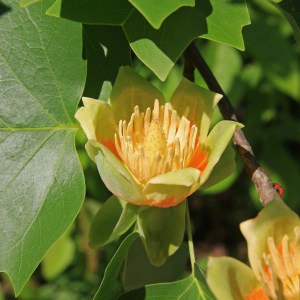
Tulip poplar, Credit: Dcrjsr, Duke University

Today’s beekeeping vocabulary word is “Nectar.”

As is the case with many beekeepers, I sell honey. Mostly at farmer’s markets, food co-ops, and local events and festivals.  I am always amazed at the how eager people are to learn more about honey bees and beekeeping. But one thing that very often opens their eyes in a big way is when I mention that every drop of honey in my jars is from the nectar of flowers. “What, from flowers?” I gently explain that flowers very often contain a sweet syrup in them and that’s one of the things the bees are gathering. Almost everyone remembers childhood days of sucking honeysuckle flowers so when I mention this a lightbulb comes on for them. I sure do get a kick out the occasional person that has just simply never thought about it though. They usually walk away saying, “Wow, I never through of that!”

From Wikipedia:

Nectar is a sugar-rich liquid produced by plants in glands called nectaries, either within the flowers with which it attracts pollinating animals, or by extrafloral nectaries, which provide a nutrient source to animal mutualists, which in turn provide antiherbivore protection. Common nectar-consuming pollinators include mosquitoes, hoverflies, wasps, bees, butterflies and moths, hummingbirds, and bats. Nectar plays an important role in the foraging economics and overall evolution of nectar-eating species; for example, nectar and its properties are responsible for the differential evolution of the African honey bee, A. m. scutellata and the western honey bee.

Nectar is an ecologically important item, the sugar source for honey. It is also useful in agriculture and horticulture because the adult stages of some predatory insects feed on nectar. For example, the social wasp species Apoica flavissima relies on nectar as a primary food source. In turn, these wasps then hunt agricultural pest insects as food for their young. For example, thread-waisted wasps (genus Ammophila) are known for hunting caterpillars that are destructive to crops. Caterpillars however, do eventually become butterflies and moths, which are very important pollinators.[citation needed]

Nectar secretion increases as the flower is visited by pollinators. After pollination, the nectar is frequently reabsorbed into the plant.[1]

More here: https://en.wikipedia.org/wiki/Nectar

Feel free to share this on:

  • Share on Facebook (Opens in new window) Facebook
  • Share on X (Opens in new window) X
  • Share on Pinterest (Opens in new window) Pinterest
  • Email a link to a friend (Opens in new window) Email
  • Share on LinkedIn (Opens in new window) LinkedIn
  • Share on Reddit (Opens in new window) Reddit
  • Share on Tumblr (Opens in new window) Tumblr
  • Print (Opens in new window) Print
  • Share on Telegram (Opens in new window) Telegram
  • Share on WhatsApp (Opens in new window) WhatsApp
Like Loading...

Chocoholic Honey Muffins by The Honey Cottage

02 Saturday Sep 2017

Posted by Beekeeping365 in beekeeping, honey, honey recipe, recipe

≈ Leave a comment

Tags

beekeeping, honey, recipe

Do you ever feel like you need a nap before lunch? Your body may not be getting enough glucose for breakfast to get you through the day. At The Honey Cottage we bee-lieve breakfast really is the most important meal of the day. This is the meal that will help get you through your morning […]

More with full recipe here: Chocoholic Honey Muffins — The Honey Cottage

Feel free to share this on:

  • Share on Facebook (Opens in new window) Facebook
  • Share on X (Opens in new window) X
  • Share on Pinterest (Opens in new window) Pinterest
  • Email a link to a friend (Opens in new window) Email
  • Share on LinkedIn (Opens in new window) LinkedIn
  • Share on Reddit (Opens in new window) Reddit
  • Share on Tumblr (Opens in new window) Tumblr
  • Print (Opens in new window) Print
  • Share on Telegram (Opens in new window) Telegram
  • Share on WhatsApp (Opens in new window) WhatsApp
Like Loading...

Beekeeping Vocabulary – “M” is for Mandible

28 Monday Aug 2017

Posted by Beekeeping365 in beekeeping, beekeeping vocabulary, biology, honey bee anatomy, honey bee vocabulary

≈ Leave a comment

Tags

beekeeping, beekeeping vocabulary, honey bee vocabulary

Honey_bee_portrait_(5454333517)

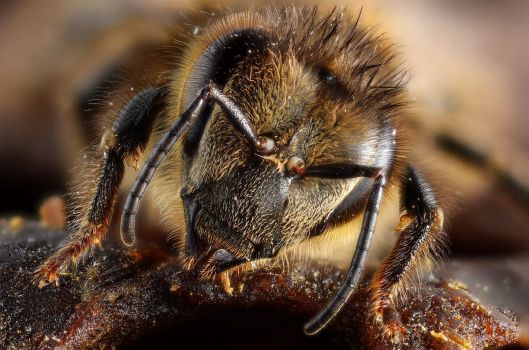
Source: Honey bee portrait by Gilles San Martin

My wife told me yesterday that one of my bees bit her. I cringed and corrected her, “You mean it stung you?” “Yes,” she said. I went on to explain that her faux pas might lead to an uncomfortable situation should she mention amongst a group of beekeepers that a bee bit her. She understood. But the fact is, it’s possible a bee bit her or at least could bite her.

Today’s beekeeping vocabulary word is “Mandible.” Honey bees have jaws called mandibles that have lots of uses. Below is an excerpt from Rusty Berlew’s excellent blog called Honey Bee Suite. Rusty writes an excellent beekeeping blog and tackles very interesting articles. I highly recommend it.

Here’s is Rusty’s take on mandibles. (Link to full article below.)

Honey bee mandibles are all-in-one tools

Like one of those fold-up multipurpose pocket tools, honey bee mandibles are used for anything that requires cutting, grasping, or squeezing. For example:

  •  Cutting itself out of the brood cell
  •  Working wax scales into honeycomb
  •  Carrying dead bees from inside the hive
  •  Removing detritus from the hive, including wood chips, paper, or cardboard left by the beekeeper
  •  Fighting
  •  Carving pieces of bee bread from storage inside the hive
  •  Delivering food to larvae
  •  Grooming themselves and the queen
  •  Cutting drones from their cells and helping them emerge
  •  Tearing down unused queen cells
  •  Moving wax from one area of the hive to another
  •  Working propolis into hive cracks and crevices
  •  Biting flower petals, if possible, to access pollen or nectar*
  •  Chewing wood to enlarge an entrance*

Read the fill article on Honey Bee Mandibles here: Honey Bee Mandibles Have Many Uses by Honey Bee Suite

Feel free to share this on:

  • Share on Facebook (Opens in new window) Facebook
  • Share on X (Opens in new window) X
  • Share on Pinterest (Opens in new window) Pinterest
  • Email a link to a friend (Opens in new window) Email
  • Share on LinkedIn (Opens in new window) LinkedIn
  • Share on Reddit (Opens in new window) Reddit
  • Share on Tumblr (Opens in new window) Tumblr
  • Print (Opens in new window) Print
  • Share on Telegram (Opens in new window) Telegram
  • Share on WhatsApp (Opens in new window) WhatsApp
Like Loading...

Honey, Orange and Ginger Muffins with Honey Glaze by Katie’s Time Travelling Kitchen

26 Saturday Aug 2017

Posted by Beekeeping365 in beekeeping, honey, honey recipe, recipe

≈ Leave a comment

Tags

beekeeping, honey, recipe

A light flavoured muffin great for breakfast, brunch or even lunch!

Full recipe here:  Honey, Orange and Ginger Muffins with Honey Glaze — Katie’s Time Travelling Kitchen

Feel free to share this on:

  • Share on Facebook (Opens in new window) Facebook
  • Share on X (Opens in new window) X
  • Share on Pinterest (Opens in new window) Pinterest
  • Email a link to a friend (Opens in new window) Email
  • Share on LinkedIn (Opens in new window) LinkedIn
  • Share on Reddit (Opens in new window) Reddit
  • Share on Tumblr (Opens in new window) Tumblr
  • Print (Opens in new window) Print
  • Share on Telegram (Opens in new window) Telegram
  • Share on WhatsApp (Opens in new window) WhatsApp
Like Loading...

Varroa Destructor, Eradication is the Goal: Gene Silencing is the Tool by Here We Bee

25 Friday Aug 2017

Posted by Beekeeping365 in beekeeping, management, pests, varroa destructor, varroa mites

≈ Leave a comment

Tags

beekeeping, management, pests, varroa mites

Of all the bad things out there threatening the survival of honey bees in our brave new world, none is more lethal than the Varroa destructor mite.

The Varroa mite has done more than just imperil the future of honey bees, and with that future the very food supply we all depend on. It has pitted beekeeper against beekeeper in the endless debate on whether to treat Varroa mites in your colony, or go treatment free. Treatment lite?

Should we, as Seeley and Winston have suggested, turn our bee genome inside out in pursuit of a honey bee that might outrun Varroa but will end up being just another kind of wasp…no honey harvests, no increase? Do we even have a choice?
[…]

Read more about this interesting option here:  Eradication is the Goal: Gene Silencing is the Tool — Here We Bee

Feel free to share this on:

  • Share on Facebook (Opens in new window) Facebook
  • Share on X (Opens in new window) X
  • Share on Pinterest (Opens in new window) Pinterest
  • Email a link to a friend (Opens in new window) Email
  • Share on LinkedIn (Opens in new window) LinkedIn
  • Share on Reddit (Opens in new window) Reddit
  • Share on Tumblr (Opens in new window) Tumblr
  • Print (Opens in new window) Print
  • Share on Telegram (Opens in new window) Telegram
  • Share on WhatsApp (Opens in new window) WhatsApp
Like Loading...

Varroa mites—bees’ archenemies—have genetic holes in their armour by BEEKeeperTom’s Blog

22 Tuesday Aug 2017

Posted by Beekeeping365 in beekeeping, beekeeping pest management, honey bee biology, management, pests, varroa, varroa mites

≈ Leave a comment

Tags

beekeeping, honey bee biology, management, pests, varroa mites

Seemingly indestructible Varroa mites have decimated honeybee populations and are a primary cause of colony collapse disorder, or CCD. Michigan State University scientists have found genetic holes in Varroa mites’ armor that could potentially reduce or eliminate the marauding invaders. Credit: Zachary HuangMichigan State University scientists have found genetic holes in the pests’ armor that…

Read full article here:  Varroa mites—bees’ archenemies—have genetic holes in their armour — BEEKeeperTom’s Blog

Feel free to share this on:

  • Share on Facebook (Opens in new window) Facebook
  • Share on X (Opens in new window) X
  • Share on Pinterest (Opens in new window) Pinterest
  • Email a link to a friend (Opens in new window) Email
  • Share on LinkedIn (Opens in new window) LinkedIn
  • Share on Reddit (Opens in new window) Reddit
  • Share on Tumblr (Opens in new window) Tumblr
  • Print (Opens in new window) Print
  • Share on Telegram (Opens in new window) Telegram
  • Share on WhatsApp (Opens in new window) WhatsApp
Like Loading...

Incredibly stupid things a beekeeper can do by Rusty at Honey Bee Suite

21 Monday Aug 2017

Posted by Beekeeping365 in beekeeping, humor, management

≈ Leave a comment

Tags

beekeeping, humor, management

The worst beekeeping mistakes come from putting off what you should have done yesterday. Somehow, problems inside a bee hive don’t get better by themselves. I keep thinking they will, but they don’t…. [[ This is a content summary only. Visit my website for full links, other content, and more. ]]

We all have days like this. Read more here: Incredibly stupid things a beekeeper can do — Honey Bee Suite

Feel free to share this on:

  • Share on Facebook (Opens in new window) Facebook
  • Share on X (Opens in new window) X
  • Share on Pinterest (Opens in new window) Pinterest
  • Email a link to a friend (Opens in new window) Email
  • Share on LinkedIn (Opens in new window) LinkedIn
  • Share on Reddit (Opens in new window) Reddit
  • Share on Tumblr (Opens in new window) Tumblr
  • Print (Opens in new window) Print
  • Share on Telegram (Opens in new window) Telegram
  • Share on WhatsApp (Opens in new window) WhatsApp
Like Loading...

Beekeeping Vocabulary – “L” is for…

20 Sunday Aug 2017

Posted by Beekeeping365 in beekeeping, beekeeping vocabulary, honey bee biology, honey bee vocabulary

≈ Leave a comment

Tags

beekeeping, beekeeping vocabulary, honey bee biology, honey bee vocabulary

Having had great success with recipe Saturdays, I’ve decided to add Vocabulary Sundays. Short and sweet vocabulary building for beekeepers and those interested in learning more before taking the leap.

Bienenwabe_mit_Eiern_und_Brut_5_larva

Today’s word is: Larva

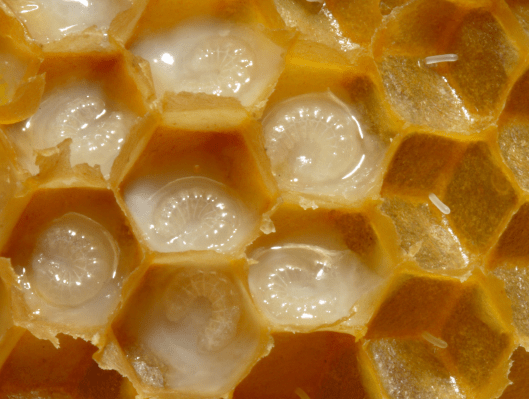
Larva stage of a honey bee’s life

Three days after the queen lays the egg, it hatches into a larva (the plural is larvae). Healthy larvae are snowy white and resemble small grubs curled up in the cells (see Figure 2-12). Tiny at first, the larvae grow quickly, shedding their skin five times.

These helpless little creatures have voracious appetites, consuming 1,300 meals a day. The nurse bees first feed the larvae royal jelly, and later they’re weaned to a mixture of honey and pollen (sometimes referred to as bee bread). Within just five days, they are 1,570 times larger than their original size. At this time the worker bees seal the larvae in the cell with a porous capping of tan beeswax.

Source and read more on the lifecycle of the honey bee at: Tracking the Life Cycle of the Honey Bee By Howland Blackiston

Feel free to share this on:

  • Share on Facebook (Opens in new window) Facebook
  • Share on X (Opens in new window) X
  • Share on Pinterest (Opens in new window) Pinterest
  • Email a link to a friend (Opens in new window) Email
  • Share on LinkedIn (Opens in new window) LinkedIn
  • Share on Reddit (Opens in new window) Reddit
  • Share on Tumblr (Opens in new window) Tumblr
  • Print (Opens in new window) Print
  • Share on Telegram (Opens in new window) Telegram
  • Share on WhatsApp (Opens in new window) WhatsApp
Like Loading...

National Honey Bee Day is August 19th, 2017 by Keeping Backyard Bees

19 Saturday Aug 2017

Posted by Beekeeping365 in beekeeping

≈ 2 Comments

Tags

beekeeping

What are you doing for National Honey Bee Day this year? It’s coming up soon. Share your own plans or events in the comments section below. August 19, 2017 is officially “National Honey Bee Day” in the USA. Every year around the country, bee clubs and bee lovers gather together for education, outreach, fun…

Read more here:  National Honey Bee Day is August 19th, 2017 — Keeping Backyard Bees

Feel free to share this on:

  • Share on Facebook (Opens in new window) Facebook
  • Share on X (Opens in new window) X
  • Share on Pinterest (Opens in new window) Pinterest
  • Email a link to a friend (Opens in new window) Email
  • Share on LinkedIn (Opens in new window) LinkedIn
  • Share on Reddit (Opens in new window) Reddit
  • Share on Tumblr (Opens in new window) Tumblr
  • Print (Opens in new window) Print
  • Share on Telegram (Opens in new window) Telegram
  • Share on WhatsApp (Opens in new window) WhatsApp
Like Loading...

Raw Honey Food Bars by The Honey Cottage

19 Saturday Aug 2017

Posted by Beekeeping365 in beekeeping, honey, recipe

≈ Leave a comment

Tags

beekeeping, honey, recipe

These are a big family favorite in our house! These bars are great for when you want a small snack and want something healthy. They are high in fiber, a great source of protein, and energy. They almost taste like a candy bar without all of the added junk. They are also fun to use […]

Read more here: Raw Honey Food Bars — The Honey Cottage

Feel free to share this on:

  • Share on Facebook (Opens in new window) Facebook
  • Share on X (Opens in new window) X
  • Share on Pinterest (Opens in new window) Pinterest
  • Email a link to a friend (Opens in new window) Email
  • Share on LinkedIn (Opens in new window) LinkedIn
  • Share on Reddit (Opens in new window) Reddit
  • Share on Tumblr (Opens in new window) Tumblr
  • Print (Opens in new window) Print
  • Share on Telegram (Opens in new window) Telegram
  • Share on WhatsApp (Opens in new window) WhatsApp
Like Loading...

The Brood Food Theory of Swarming by Aberdeen and District Beekeepers’ Association (SCIO)

18 Friday Aug 2017

Posted by Beekeeping365 in beekeeping, management, swarms

≈ Leave a comment

Tags

beekeeping, management, swarms

From David Morland, ADBKA Chair: I learnt recently that my Grandfather was the first bee scientist at Rothamsted and one of the founder members of the International Bee Research Association (IBRA). His books and papers were passed on to Eva Crane whose own collection was the foundation of the IBRA library. He was succeeded as […]

Read full text here:  The Brood Food Theory of Swarming — Aberdeen and District Beekeepers’ Association (SCIO)

Feel free to share this on:

  • Share on Facebook (Opens in new window) Facebook
  • Share on X (Opens in new window) X
  • Share on Pinterest (Opens in new window) Pinterest
  • Email a link to a friend (Opens in new window) Email
  • Share on LinkedIn (Opens in new window) LinkedIn
  • Share on Reddit (Opens in new window) Reddit
  • Share on Tumblr (Opens in new window) Tumblr
  • Print (Opens in new window) Print
  • Share on Telegram (Opens in new window) Telegram
  • Share on WhatsApp (Opens in new window) WhatsApp
Like Loading...

Some hives just do well.

16 Wednesday Aug 2017

Posted by Beekeeping365 in beekeeping, opinion

≈ Leave a comment

Tags

beekeeping, opinion

14184414_10208357532950771_7360031469166360857_n

I’m not feeding them! Can’t get those boxes off. Maybe by Fall…

Feel free to share this on:

  • Share on Facebook (Opens in new window) Facebook
  • Share on X (Opens in new window) X
  • Share on Pinterest (Opens in new window) Pinterest
  • Email a link to a friend (Opens in new window) Email
  • Share on LinkedIn (Opens in new window) LinkedIn
  • Share on Reddit (Opens in new window) Reddit
  • Share on Tumblr (Opens in new window) Tumblr
  • Print (Opens in new window) Print
  • Share on Telegram (Opens in new window) Telegram
  • Share on WhatsApp (Opens in new window) WhatsApp
Like Loading...

The Reluctant Beekeeper by Farm, Garden and Beyond

15 Tuesday Aug 2017

Posted by Beekeeping365 in beekeeper education, beekeeping, education

≈ Leave a comment

Tags

beekeeping, education

Beekeeping is not for everyone. It takes a certain mixture of patience, fascination and a bit of courage. But with some research and the right gear, it is possible to begin the journey as a beekeeper and have the satisfaction of working with the amazing creature…the honey bee. Do Your Homework The first place to start is […]

Read more here: The Reluctant Beekeeper — Farm, Garden and Beyond

Feel free to share this on:

  • Share on Facebook (Opens in new window) Facebook
  • Share on X (Opens in new window) X
  • Share on Pinterest (Opens in new window) Pinterest
  • Email a link to a friend (Opens in new window) Email
  • Share on LinkedIn (Opens in new window) LinkedIn
  • Share on Reddit (Opens in new window) Reddit
  • Share on Tumblr (Opens in new window) Tumblr
  • Print (Opens in new window) Print
  • Share on Telegram (Opens in new window) Telegram
  • Share on WhatsApp (Opens in new window) WhatsApp
Like Loading...

Honey Bees and Yellow Jackets = Two Different Things by The Byrd and the Bees

14 Monday Aug 2017

Posted by Beekeeping365 in beekeeping, pests

≈ Leave a comment

Tags

beekeeping, pests

I’m not fond of yellow jackets. I don’t know anyone who is, though they are considered a beneficial insect because they pollinate. Here is a sweet little honey bee. Look at that fuzz, those intelligent looking eyes! Even though she’s capable of stinging, you know she’d rather just get on with her work. Now look […]

Read more here: Honey Bees and Yellow Jackets = Two Different Things — The Byrd and the Bees

Feel free to share this on:

  • Share on Facebook (Opens in new window) Facebook
  • Share on X (Opens in new window) X
  • Share on Pinterest (Opens in new window) Pinterest
  • Email a link to a friend (Opens in new window) Email
  • Share on LinkedIn (Opens in new window) LinkedIn
  • Share on Reddit (Opens in new window) Reddit
  • Share on Tumblr (Opens in new window) Tumblr
  • Print (Opens in new window) Print
  • Share on Telegram (Opens in new window) Telegram
  • Share on WhatsApp (Opens in new window) WhatsApp
Like Loading...

Beekeeping Vocabulary – “J” is for…

13 Sunday Aug 2017

Posted by Beekeeping365 in beekeeping, beekeeping equipment, beekeeping vocabulary, equipment

≈ Leave a comment

Tags

beekeeping, beekeeping vocabulary


Die_Bienenzüchter_(Bruegel)

Pieter Brueghel the Elder – Christian Vöhringer – Pieter Bruegel. 1525/30-1569 A 1568 painting depicting beekeepers in protective clothing

Having had great success with recipe Saturdays, I’ve decided to add Vocabulary Sundays. Short and sweet vocabulary building for beekeepers and those interested in learning more before taking the leap.


Today’s word is: Jacket

A beekeeper’s jacket is one component of personal protective equipment designed to protect the beekeeper from stings. As the picture above shows, early jackets were most likely of heavy cloth, loosely fitting, with masks made of woven straw. Today’s jackets are still loosely fitting to distance the beekeeper from the stinger but are lightweight with thin mesh veils, zippers, and ventilated cloth. Today’s jackets can be purchased for as little as $10 USD or as much as $150 USD depending on the quality and source.

Feel free to share this on:
  • Share on Facebook (Opens in new window) Facebook
  • Share on X (Opens in new window) X
  • Share on Pinterest (Opens in new window) Pinterest
  • Email a link to a friend (Opens in new window) Email
  • Share on LinkedIn (Opens in new window) LinkedIn
  • Share on Reddit (Opens in new window) Reddit
  • Share on Tumblr (Opens in new window) Tumblr
  • Print (Opens in new window) Print
  • Share on Telegram (Opens in new window) Telegram
  • Share on WhatsApp (Opens in new window) WhatsApp
Like Loading...

Does the Truth Matter? by Bad Beekeeping Blog

11 Friday Aug 2017

Posted by Beekeeping365 in beekeeping, food, honey, products, safety

≈ Leave a comment

Tags

beekeeping, food, honey, safety

I’m back in Canada after a week in Europe. It’s cooler here (21C today) than Hungary’s 39C. It’s been much too dry on the western Canadian prairies – that’s probably going to hurt the honey crop and maybe even the millions of acres of wheat, lentils, and canola in our area. It’s already August, so […]

Read complete article at:  Does the Truth Matter? — Bad Beekeeping Blog

Feel free to share this on:

  • Share on Facebook (Opens in new window) Facebook
  • Share on X (Opens in new window) X
  • Share on Pinterest (Opens in new window) Pinterest
  • Email a link to a friend (Opens in new window) Email
  • Share on LinkedIn (Opens in new window) LinkedIn
  • Share on Reddit (Opens in new window) Reddit
  • Share on Tumblr (Opens in new window) Tumblr
  • Print (Opens in new window) Print
  • Share on Telegram (Opens in new window) Telegram
  • Share on WhatsApp (Opens in new window) WhatsApp
Like Loading...

In Search Of The Better Beehive by Ann Harman

10 Thursday Aug 2017

Posted by Beekeeping365 in beekeeping, beekeeping equipment, beekeeping history, equipment, management

≈ Leave a comment

Tags

beekeeping, beekeeping history, management

skeps

In Search Of The Better Mousetrap Beehive

When people start looking for a place to live – a home to own – they generally have a good idea what their needs are. And they know their wants – some special things to make it their dream home. The needs and wants are highly variable, even different in different climates. And frequently the needs of a perfect place to live come before considering the wants. However, many homeowners are enthusiastic do-it-yourselfers. After a few weekends a want leads to a new patio. After that perhaps a garden shed. The DIY projects are endless. Build bookshelves, reconfigure a closet, turn a bedroom into an office and perhaps build a beehive.

What do European stock honey bees in search of a home look for? A dry cavity. That is top priority on the need list. (Sometimes it can’t be found.) What about the wants? Well, the preferred size is 40 liters, making a deep Langstroth hive body just right. Close to that size is acceptable. Next, a definite need is a small entrance that can be easily defended. The bees would like the cavity placed not too close to the ground. The bees, industrious do-it-yourselfers, will take care of building their own furniture (comb).

Read full article here:  In Search Of The Better Beehive — Bee Culture

Feel free to share this on:

  • Share on Facebook (Opens in new window) Facebook
  • Share on X (Opens in new window) X
  • Share on Pinterest (Opens in new window) Pinterest
  • Email a link to a friend (Opens in new window) Email
  • Share on LinkedIn (Opens in new window) LinkedIn
  • Share on Reddit (Opens in new window) Reddit
  • Share on Tumblr (Opens in new window) Tumblr
  • Print (Opens in new window) Print
  • Share on Telegram (Opens in new window) Telegram
  • Share on WhatsApp (Opens in new window) WhatsApp
Like Loading...

Knot Bad for Bees by Ray Cannon

09 Wednesday Aug 2017

Posted by Beekeeping365 in beekeeping

≈ Leave a comment

Tags

beekeeping

via Knot bad for bees! — Ray Cannon’s nature notes

By rcannon992

Japanese knotweed (Fallopia japonica) in flower in Scarborough on 13 Sept 2016

Japanese knotweed (Fallopia japonica) is a fast growing, invasive perennial with a terrible reputation for spreading and excluding other native plants. Its roots are also capable of breaking through concrete and other man-made materials (1).

Japanese knotweed (Fallopia japonica) in flower in Scarborough on 13 Sept 2016

But it’s not all bad! It looks quite nice when it is flower, right now in September, and it’s good for bees and insects. Another blogger beat me to the excellent title ‘knotty but nice’ (2) and there is a lot out there on the Web on it’s good-for-beeness!

Honey bee on Japanese Knotweed flowers

There seems to be some debate on bee fora (forums) about the tastiness of Knotweed honey, which is sometimes sold as ‘bamboo honey’ in the US apparently. I’d like to try it; bet it’s nice.

Honey bee on Japanese Knotweed flowers
  1. http://www.knotweed-uk.com/Japanese-knotweed-Guidelines.html
  2. http://honeybeesuite.com/knotty-but-nice-for-bees/

via Knot bad for bees! — Ray Cannon’s nature notes

Feel free to share this on:

  • Share on Facebook (Opens in new window) Facebook
  • Share on X (Opens in new window) X
  • Share on Pinterest (Opens in new window) Pinterest
  • Email a link to a friend (Opens in new window) Email
  • Share on LinkedIn (Opens in new window) LinkedIn
  • Share on Reddit (Opens in new window) Reddit
  • Share on Tumblr (Opens in new window) Tumblr
  • Print (Opens in new window) Print
  • Share on Telegram (Opens in new window) Telegram
  • Share on WhatsApp (Opens in new window) WhatsApp
Like Loading...

The Microscopic Spines That Many Bee Species Use to Hatch by Entomology Today

08 Tuesday Aug 2017

Posted by Beekeeping365 in beekeeper education, beekeeping, education, honey bee biology

≈ Leave a comment

Tags

beekeeping, education, honey bee biology

Perhaps you’ve seen the 2015 video from photographer Anand Varma (and shared again last week via National Geographic), a time-lapse of bee larvae hatching and growing in their cells: Watch: larvae grow into bees in this mesmerizing time-lapse https://t.co/JvRbXDMl2e — National Geographic (@NatGeo) July 19, 2017 What you can’t see in that video—in fact, what […]

Read more about this fascinating topic here:  The Microscopic Spines That Many Bee Species Use to Hatch — Entomology Today

Feel free to share this on:
  • Share on Facebook (Opens in new window) Facebook
  • Share on X (Opens in new window) X
  • Share on Pinterest (Opens in new window) Pinterest
  • Email a link to a friend (Opens in new window) Email
  • Share on LinkedIn (Opens in new window) LinkedIn
  • Share on Reddit (Opens in new window) Reddit
  • Share on Tumblr (Opens in new window) Tumblr
  • Print (Opens in new window) Print
  • Share on Telegram (Opens in new window) Telegram
  • Share on WhatsApp (Opens in new window) WhatsApp
Like Loading...

Water Sources for Bees by settling for bees

07 Monday Aug 2017

Posted by Beekeeping365 in beekeeping

≈ Leave a comment

Tags

beekeeping

Summer in Maryland means stickiness. This is not the same glorious stickiness we negotiate when we’re harvesting honey. It’s much less desirable as the heat and humidity make us want another shower five minutes after getting out of one. If it’s that hot for us, imagine how honey bees feel! All animals need hydration. In […]

Read more and see lots of great pictures at:  Water Sources for Bees — settling for bees

Feel free to share this on:

  • Share on Facebook (Opens in new window) Facebook
  • Share on X (Opens in new window) X
  • Share on Pinterest (Opens in new window) Pinterest
  • Email a link to a friend (Opens in new window) Email
  • Share on LinkedIn (Opens in new window) LinkedIn
  • Share on Reddit (Opens in new window) Reddit
  • Share on Tumblr (Opens in new window) Tumblr
  • Print (Opens in new window) Print
  • Share on Telegram (Opens in new window) Telegram
  • Share on WhatsApp (Opens in new window) WhatsApp
Like Loading...

Beekeeping Vocabulary “I” is for…

06 Sunday Aug 2017

Posted by Beekeeping365 in beekeeping, beekeeping vocabulary, education, honey bee vocabulary

≈ Leave a comment

Tags

beekeeping, beekeeping vocabulary, education, honey bee vocabulary

Having had great success with recipe Saturdays, I’ve decided to add Vocabulary Sundays. Short and sweet vocabulary building for beekeepers and those interested in learning more before taking the leap.

Today’s word is: Imago

2014 Resource - Honey Bee Body Parts

In biology, the imago is the last stage an insect attains during its metamorphosis, its process of growth and development; it also is called the imaginal stage, the stage in which the insect attains maturity. It follows the final ecdysis of the immature instars.[1]

In a member of the Ametabola or Hemimetabola, in which metamorphosis is “incomplete”, the final ecdysis follows the last immature or nymphal stage. In members of the Holometabola, in which there is a pupal stage, the final ecdysis follows emergence from the pupa, after which the metamorphosis is complete, although there is a prolonged period of maturation in some species.[2]

The imago is the only stage during which the insect is sexually mature and, if it is a winged species, has functional wings. The imago often is referred to as the adult stage.[1]

Source: https://en.wikipedia.org/wiki/Imago

Feel free to share this on:
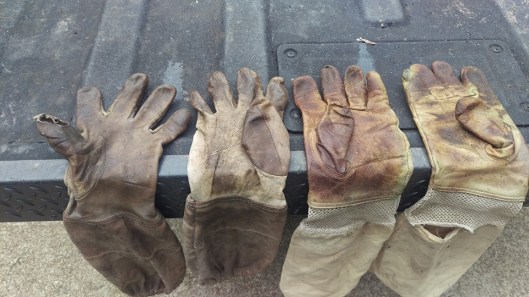
  • Share on Facebook (Opens in new window) Facebook
  • Share on X (Opens in new window) X
  • Share on Pinterest (Opens in new window) Pinterest
  • Email a link to a friend (Opens in new window) Email
  • Share on LinkedIn (Opens in new window) LinkedIn
  • Share on Reddit (Opens in new window) Reddit
  • Share on Tumblr (Opens in new window) Tumblr
  • Print (Opens in new window) Print
  • Share on Telegram (Opens in new window) Telegram
  • Share on WhatsApp (Opens in new window) WhatsApp
Like Loading...

‘Treatment-free’ Beekeepers Give Varroa Mite Free Rein by Thoughtscapism

04 Friday Aug 2017

Posted by Beekeeping365 in beekeeping, management, varroa, varroa mites

≈ Leave a comment

Tags

beekeeping, management, varroa mites

Infestations rarer among professional beekeepers

Hobby beekeeping is very common. A European Bee Health Report found that in many countries, the majority of beekeepers pursue the activity as a hobby. They give Germany as an example: 80% of beekeepers keep just 1–20 colonies, 18% keep 21–50 colonies and only about 2% keep more than 50 colonies. They note that improving expertise and education are likely good ways to improve honey bee health.

Bee health simple copy

They may be on to something. In fact, in the past months two scientific publications – a large European surveillance study, and an essay in Journal of Economic Entomology – turn the spotlight on bee management, holding handling factors, like the lack of appropriate treatment, largely accountable for the spread of bee mites and diseases.

Bee epidemics have become a growing problem for both wild and cultivated bees thanks to the spread of the cultivated European honey bee. The Varroa Destructor mite is at the core of the problem, because it also passes on bee diseases (I have discussed this more at length in my earlier bee health piece).

Read more here: ‘Treatment-free’ Beekeepers Give Varroa Mite Free Rein

Feel free to share this on:

  • Share on Facebook (Opens in new window) Facebook
  • Share on X (Opens in new window) X
  • Share on Pinterest (Opens in new window) Pinterest
  • Email a link to a friend (Opens in new window) Email
  • Share on LinkedIn (Opens in new window) LinkedIn
  • Share on Reddit (Opens in new window) Reddit
  • Share on Tumblr (Opens in new window) Tumblr
  • Print (Opens in new window) Print
  • Share on Telegram (Opens in new window) Telegram
  • Share on WhatsApp (Opens in new window) WhatsApp
Like Loading...

The Magic of Nectar Becoming Honey by Connie

02 Wednesday Aug 2017

Posted by Beekeeping365 in beekeeping

≈ Leave a comment

Tags

beekeeping

A fast warm up with not just warm but down right hot days this spring allowed plants to bloom early, providing pollen and nectar to pollinators searching for much needed food. The past few weeks were more indicative of spring with lots of rain and cooler weather, although the whole package is typical Maryland weather- unpredictable. […]

Absolutely fantastic pictures accompany this article here:  The Magic of Nectar Becoming Honey — settling for bees

Feel free to share this on:

  • Share on Facebook (Opens in new window) Facebook
  • Share on X (Opens in new window) X
  • Share on Pinterest (Opens in new window) Pinterest
  • Email a link to a friend (Opens in new window) Email
  • Share on LinkedIn (Opens in new window) LinkedIn
  • Share on Reddit (Opens in new window) Reddit
  • Share on Tumblr (Opens in new window) Tumblr
  • Print (Opens in new window) Print
  • Share on Telegram (Opens in new window) Telegram
  • Share on WhatsApp (Opens in new window) WhatsApp
Like Loading...

Beekeeping Vocabulary – “H” is for…

30 Sunday Jul 2017

Posted by Beekeeping365 in beekeeping, beekeeping vocabulary

≈ Leave a comment

Tags

beekeeping, beekeeping vocabulary

honey in comb

By George Shuklin – Own work, CC BY-SA 1.0, https://commons.wikimedia.org/w/index.php?curid=6409726


Having had great success with recipe Saturdays, I’ve decided to add Vocabulary Sundays. Short and sweet vocabulary building for beekeepers and those interested in learning more before taking the leap.

Today’s word is: Honey  (you may have guessed)

Honey is a sweet, viscous food substance produced by bees and some related insects. Bees produce honey from the sugary secretions of plants or other insects through regurgitation, enzymatic activity, and water evaporation, and store it in wax structures called honeycombs. The variety of honey produced by honey bees is the best-known, due to its worldwide commercial production and human consumption. Honey is collected from wild bee colonies, or from hives of domesticated bees, a practice known as beekeeping.

Source and for more information visit Wikipedia at: https://en.wikipedia.org/wiki/Honey

Feel free to share this on:

  • Share on Facebook (Opens in new window) Facebook
  • Share on X (Opens in new window) X
  • Share on Pinterest (Opens in new window) Pinterest
  • Email a link to a friend (Opens in new window) Email
  • Share on LinkedIn (Opens in new window) LinkedIn
  • Share on Reddit (Opens in new window) Reddit
  • Share on Tumblr (Opens in new window) Tumblr
  • Print (Opens in new window) Print
  • Share on Telegram (Opens in new window) Telegram
  • Share on WhatsApp (Opens in new window) WhatsApp
Like Loading...

Honey (Μέλι) — Taking the guesswork out of Greek cooking…one cup at a time

29 Saturday Jul 2017

Posted by Beekeeping365 in beekeeping, honey

≈ Leave a comment

Tags

beekeeping, honey

Some of you have said that you love to read the stories that go along with many of our recipes, and that really makes our hearts sing; we love sharing them. What we love just as much are the stories that our parents share with us, particularly when we are having one of our Mia Kouppa cooking sessions. Many are […]

via Honey (Μέλι) — Taking the guesswork out of Greek cooking…one cup at a time

Feel free to share this on:

  • Share on Facebook (Opens in new window) Facebook
  • Share on X (Opens in new window) X
  • Share on Pinterest (Opens in new window) Pinterest
  • Email a link to a friend (Opens in new window) Email
  • Share on LinkedIn (Opens in new window) LinkedIn
  • Share on Reddit (Opens in new window) Reddit
  • Share on Tumblr (Opens in new window) Tumblr
  • Print (Opens in new window) Print
  • Share on Telegram (Opens in new window) Telegram
  • Share on WhatsApp (Opens in new window) WhatsApp
Like Loading...

Management of honey bee colonies may contribute to Varroa populations, study shows — IPM in the South

28 Friday Jul 2017

Posted by Beekeeping365 in beekeeping, management, pests, varroa, varroa mites

≈ Leave a comment

Tags

beekeeping, management, pests, varroa mites

Close proximity of honey bee colonies may contribute to Varroa population growth and virus transmission, according to an article recently published in Environmental Entomology.

Read more here:  Management of honey bee colonies may contribute to Varroa populations, study shows — IPM in the South

Feel free to share this on:

  • Share on Facebook (Opens in new window) Facebook
  • Share on X (Opens in new window) X
  • Share on Pinterest (Opens in new window) Pinterest
  • Email a link to a friend (Opens in new window) Email
  • Share on LinkedIn (Opens in new window) LinkedIn
  • Share on Reddit (Opens in new window) Reddit
  • Share on Tumblr (Opens in new window) Tumblr
  • Print (Opens in new window) Print
  • Share on Telegram (Opens in new window) Telegram
  • Share on WhatsApp (Opens in new window) WhatsApp
Like Loading...

The Gauntlet Entrance Reducer by sassafrasbeefarm

27 Thursday Jul 2017

Posted by Beekeeping365 in beekeeping, beekeeping equipment, equipment, management

≈ 9 Comments

Tags

beekeeping, management

gauntlet

Last year I made some entrance reducers which I dubbed, “The Gauntlet.” The idea is that it’s easier to defend a long, narrow corridor rather than a shallow doorway. Enter The Gauntlet, an entrance reducer made of 1×2 lumber (dimensionally 3/4″ x 1 1/2″). Using your table saw, cut your entrance to allow no more than 3/8″ entrance height. Width of the entrance is of your choosing but if you need The Gauntlet you probably need a smaller than usual width. Make several, some as small as one bee width. The result is a 3/8″ high, narrow corridor, 1 1/2″ long hallway for any intruders to navigate before they get inside. No need to even pull your old entrance reducer either, just place in front of the old one.

Feel free to share this on:

  • Share on Facebook (Opens in new window) Facebook
  • Share on X (Opens in new window) X
  • Share on Pinterest (Opens in new window) Pinterest
  • Email a link to a friend (Opens in new window) Email
  • Share on LinkedIn (Opens in new window) LinkedIn
  • Share on Reddit (Opens in new window) Reddit
  • Share on Tumblr (Opens in new window) Tumblr
  • Print (Opens in new window) Print
  • Share on Telegram (Opens in new window) Telegram
  • Share on WhatsApp (Opens in new window) WhatsApp
Like Loading...
← Older posts
Newer posts →
Follow Beekeeping365 on WordPress.com

Enter your email address to follow this blog and receive notifications of new posts by email.

Calendar

August 2026
S M T W T F S
 1
2345678
9101112131415
16171819202122
23242526272829
3031  
« Jul    

Posts by Month:

  • August 2026 (5)
  • July 2026 (1)
  • May 2026 (2)
  • January 2026 (3)
  • July 2025 (1)
  • April 2024 (1)
  • September 2022 (1)
  • July 2022 (1)
  • March 2022 (13)
  • February 2022 (17)
  • January 2022 (4)
  • December 2021 (4)
  • November 2021 (7)
  • October 2021 (1)
  • September 2021 (3)
  • August 2021 (11)
  • July 2021 (18)
  • June 2021 (5)
  • May 2021 (2)
  • April 2021 (9)
  • March 2021 (2)
  • February 2021 (5)
  • January 2021 (16)
  • December 2020 (15)
  • November 2020 (15)
  • October 2020 (11)
  • July 2020 (1)
  • February 2020 (1)
  • March 2019 (2)
  • February 2019 (4)
  • January 2019 (1)
  • December 2018 (10)
  • November 2018 (8)
  • October 2018 (15)
  • September 2018 (25)
  • August 2018 (3)
  • July 2018 (11)
  • June 2018 (27)
  • May 2018 (33)
  • April 2018 (20)
  • March 2018 (20)
  • February 2018 (12)
  • January 2018 (22)
  • December 2017 (18)
  • November 2017 (17)
  • October 2017 (25)
  • September 2017 (27)
  • August 2017 (21)
  • July 2017 (29)
  • June 2017 (28)
  • May 2017 (19)
  • April 2017 (17)
  • March 2017 (19)
  • February 2017 (12)
  • January 2017 (13)
  • December 2016 (5)

Posts by Categories:

  • absconding (1)
  • africanized honey bees (1)
  • apitherapy (1)
  • bee health (6)
  • bee law (2)
  • bee lining (2)
  • bee removals (2)
  • beekeeper (5)
  • beekeeper education (16)
  • beekeeping (613)
    • South Carolina (2)
  • beekeeping author (10)
  • beekeeping books (14)
  • beekeeping calendar (4)
  • beekeeping chores (8)
  • beekeeping equipment (26)
  • beekeeping history (49)
  • beekeeping management (37)
  • beekeeping pest management (8)
  • beekeeping seasons (23)
  • beekeeping vocabulary (16)
  • beeswax (13)
  • biography (4)
  • biology (14)
  • birthday (40)
  • birthdays (34)
  • book review (16)
  • breakfast (1)
  • calendar (4)
  • CCD (1)
  • chores (6)
  • comb (7)
  • comb honey (10)
  • commercial beekeeping (2)
  • cutouts (2)
  • dearth (3)
  • defensiveness (2)
  • diseases (9)
  • drawn comb (6)
  • ecology (4)
  • education (28)
  • equipment (25)
  • extracting (1)
  • fall nectar flow (1)
  • famous beekeepers (27)
  • feeding bees (7)
  • first blog entry (1)
  • folklore (1)
  • food (7)
  • forage (4)
  • hacks (3)
  • hive inspections (8)
  • hive placement (2)
  • hive products (6)
  • honey (90)
  • honey as food (22)
  • honey bee anatomy (3)
  • honey bee behavior (25)
  • honey bee biology (43)
  • honey bee genetics (4)
  • honey bee nutrition (1)
  • honey bee photos (6)
  • Honey Bee Research (1)
  • honey bee vocabulary (12)
  • honey bees (14)
  • honey judging (4)
  • honey recipe (65)
  • humor (13)
  • inspections (10)
  • journal (1)
  • log book (1)
  • making increase (3)
  • management (82)
  • mentoring (2)
  • mites (3)
  • national pollinator week (2)
  • nectar flow (6)
  • nomenclature (1)
  • opinion (8)
  • out yards (1)
  • outyards (1)
  • package bees (1)
  • pears (1)
  • pests (17)
  • plants for bees (3)
  • polish (1)
  • pollen (4)
  • pollination (11)
  • pollinators (7)
  • product review (1)
  • production (1)
  • products (3)
  • propolis (2)
  • queens (17)
  • raw honey (6)
  • recipe (88)
  • removals (1)
  • safety (3)
  • sales (2)
  • season (1)
  • seasons (21)
  • sideliner (1)
  • small hive beetles (1)
  • spring buildup (4)
  • state fair (2)
  • sustainable (7)
  • swarms (27)
  • ursurpation (1)
  • usurpation (1)
  • varroa (21)
  • varroa destructor (12)
  • varroa mites (24)
  • Winter (5)
  • winter solstice (2)
  • woodenware (3)
  • yellow jackets (2)

Sassafras Bee Farm on Facebook

Sassafras Bee Farm on Facebook

Sassafras Bee Farm

Sassafras Bee Farm

Recent Posts

  • Meeting Reality vs What Seems Deserved
  • Everything Starts with a Tasty Meal: The Science Behind a Beekeeper’s Best Pest-Management Insight
  • The Skip in Their Step: Rethinking Oxalic Acid Use
  • Pest Control
  • State Fair Wax Preparation

Beekeeping365 on Facebook

Beekeeping365 on Facebook

Top Posts & Pages

  • The Skip in Their Step: Rethinking Oxalic Acid Use
    The Skip in Their Step: Rethinking Oxalic Acid Use
  • Types of bees by Fat Daddy’s Apiary
    Types of bees by Fat Daddy’s Apiary
  • Meeting Reality vs What Seems Deserved
    Meeting Reality vs What Seems Deserved

Blog Stats

  • 141,417 hits

Website Built with WordPress.com.

  • Subscribe Subscribed
    • Beekeeping365
    • Join 426 other subscribers
    • Already have a WordPress.com account? Log in now.
    • Beekeeping365
    • Subscribe Subscribed
    • Sign up
    • Log in
    • Report this content
    • View site in Reader
    • Manage subscriptions
    • Collapse this bar
Loading Comments...
%d